
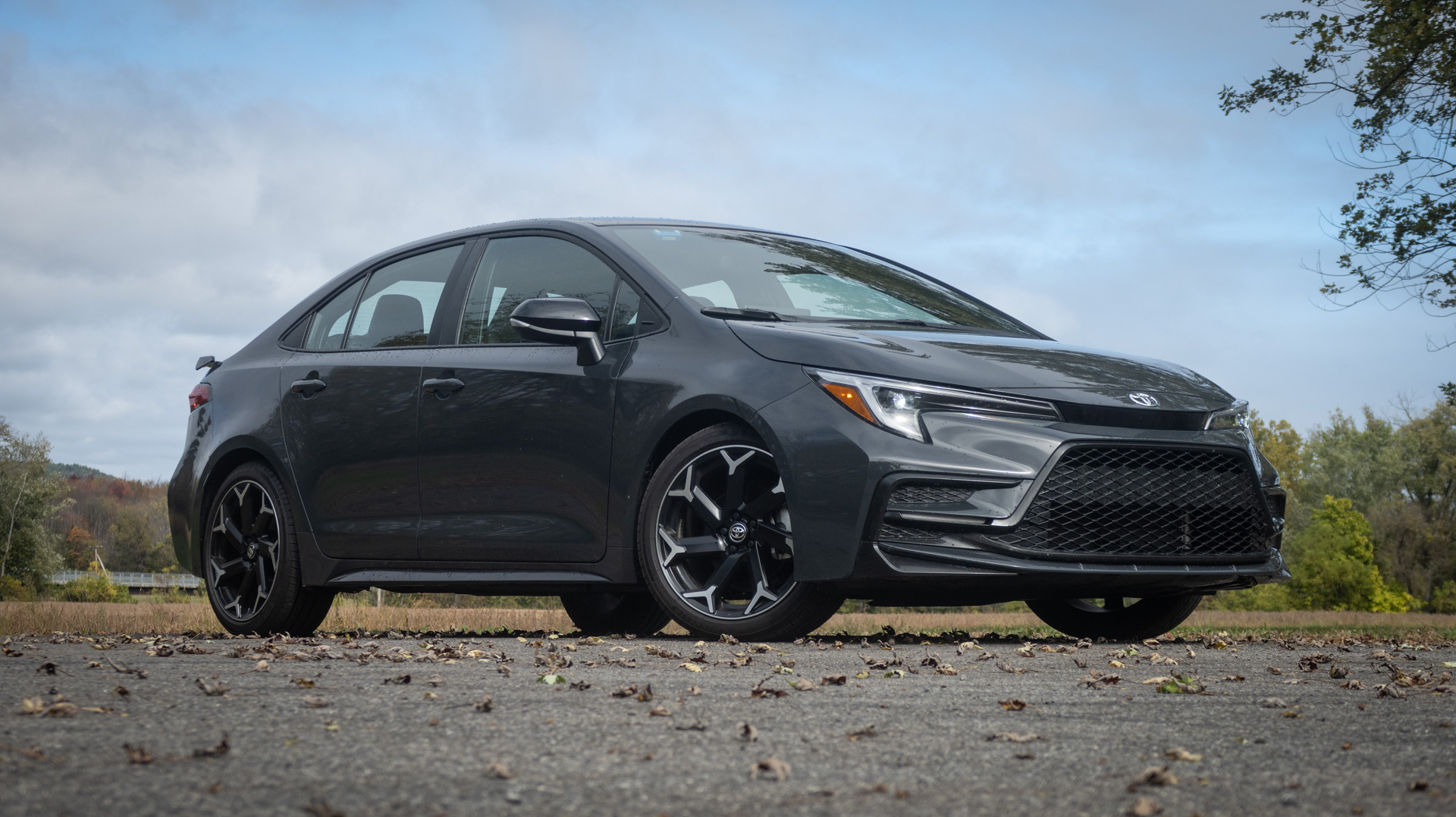
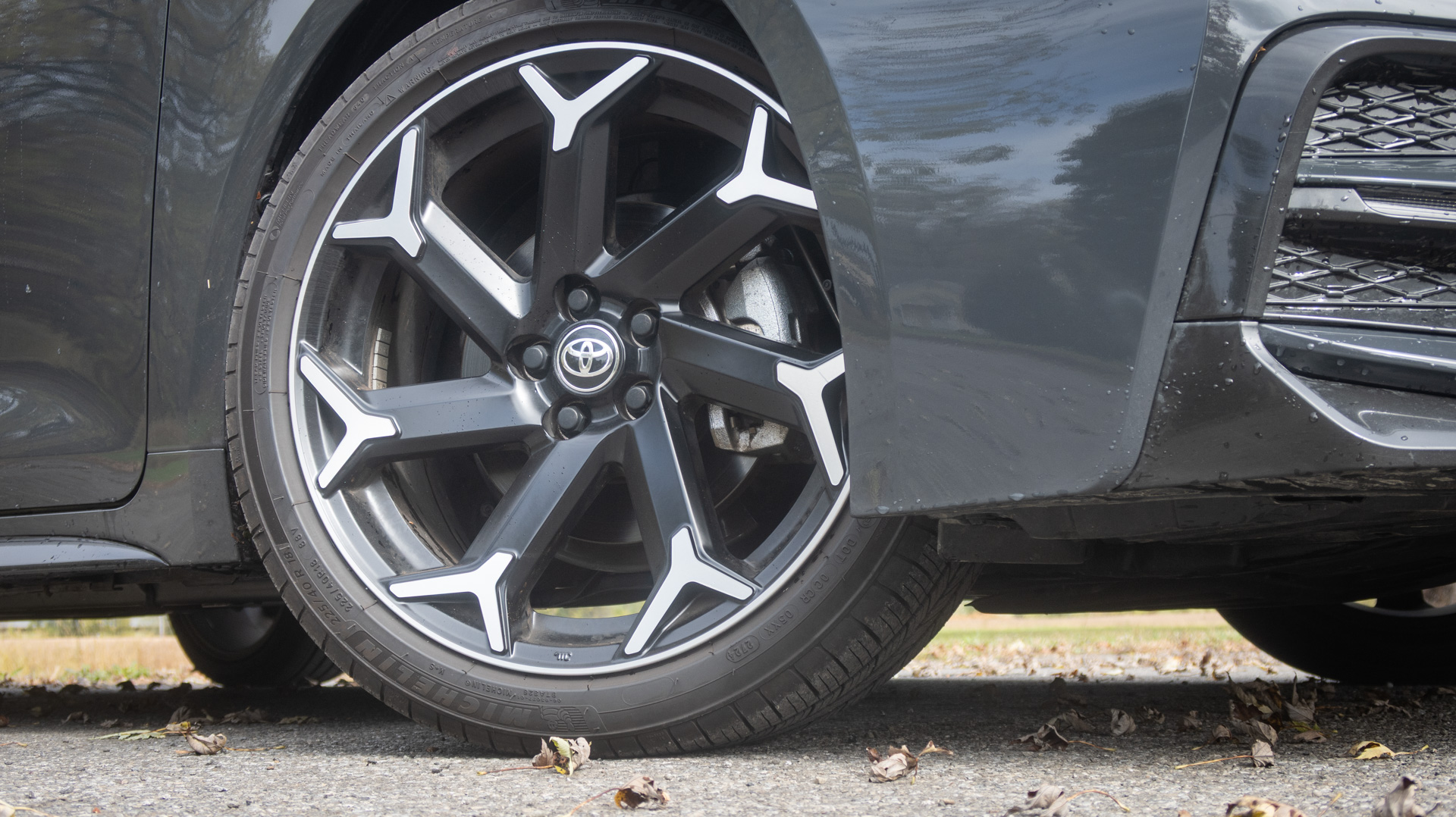
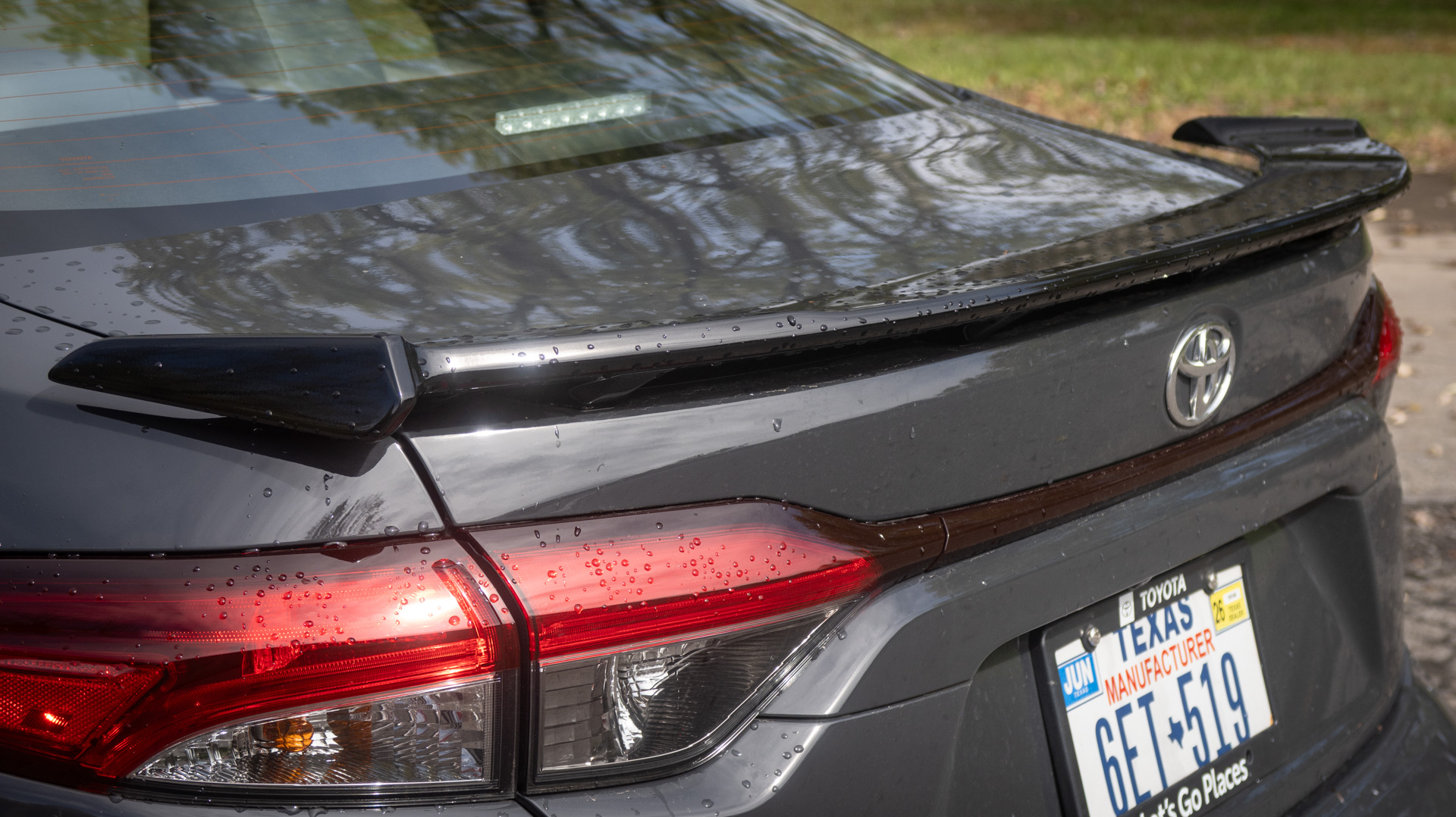
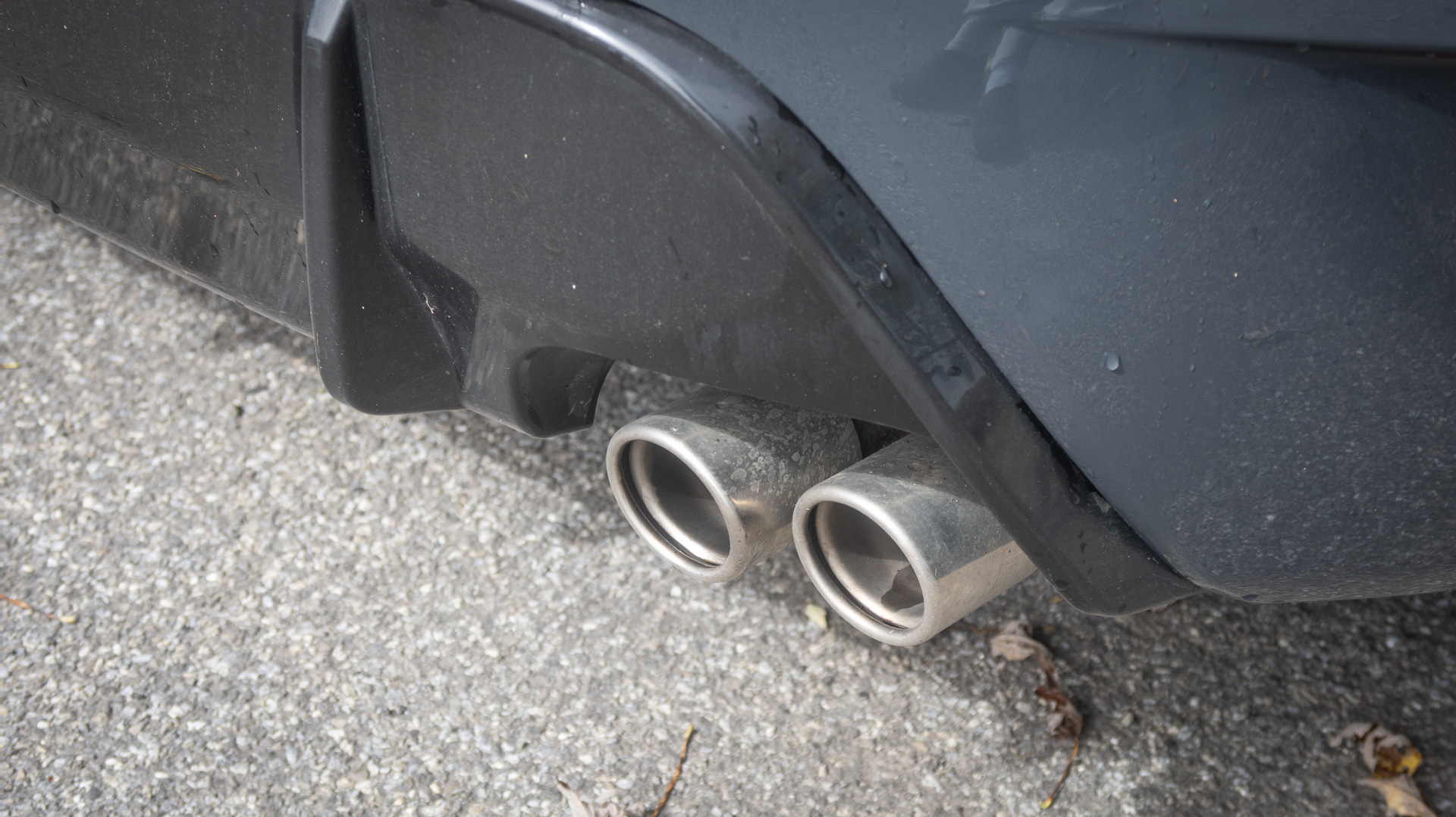
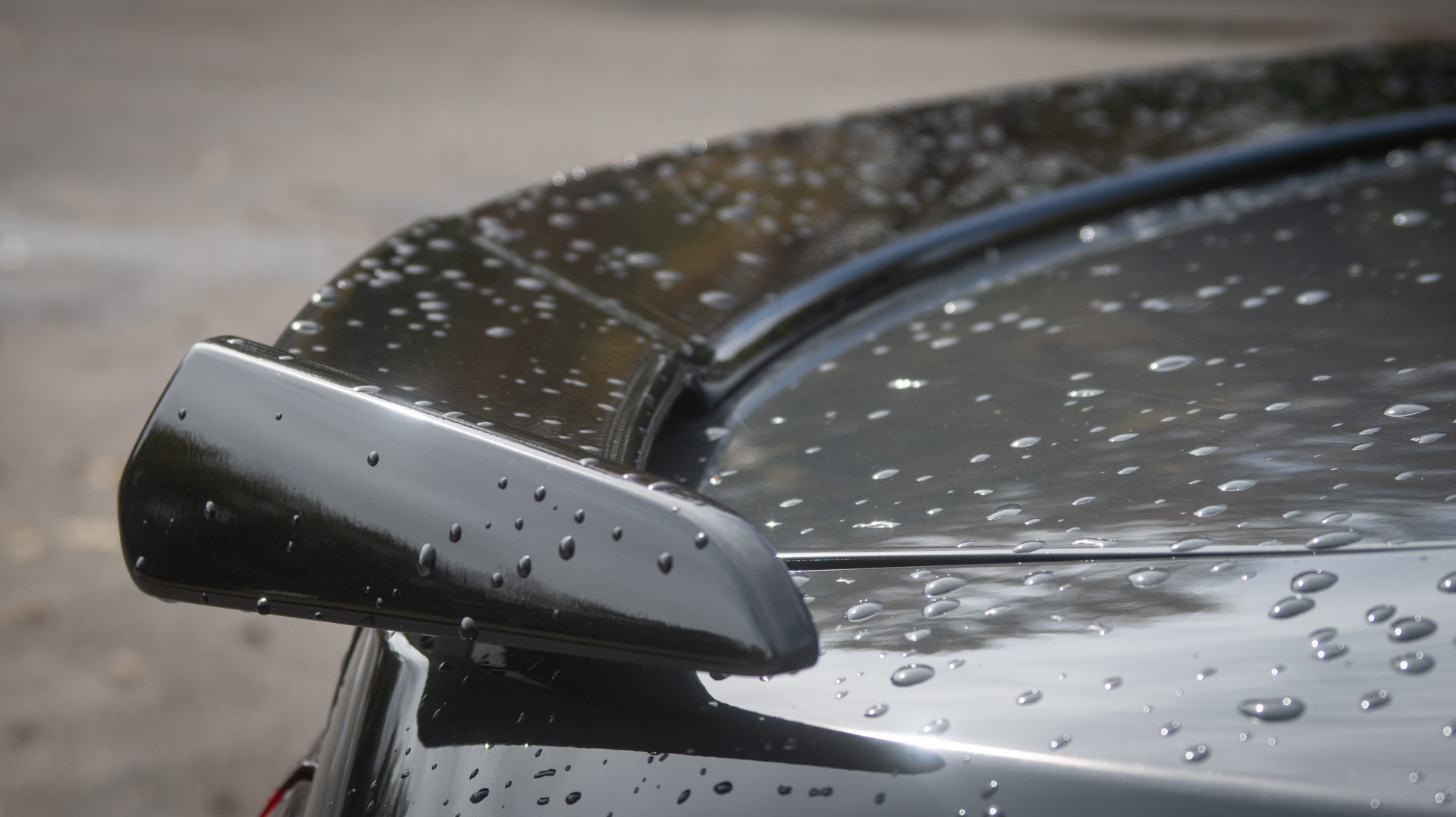
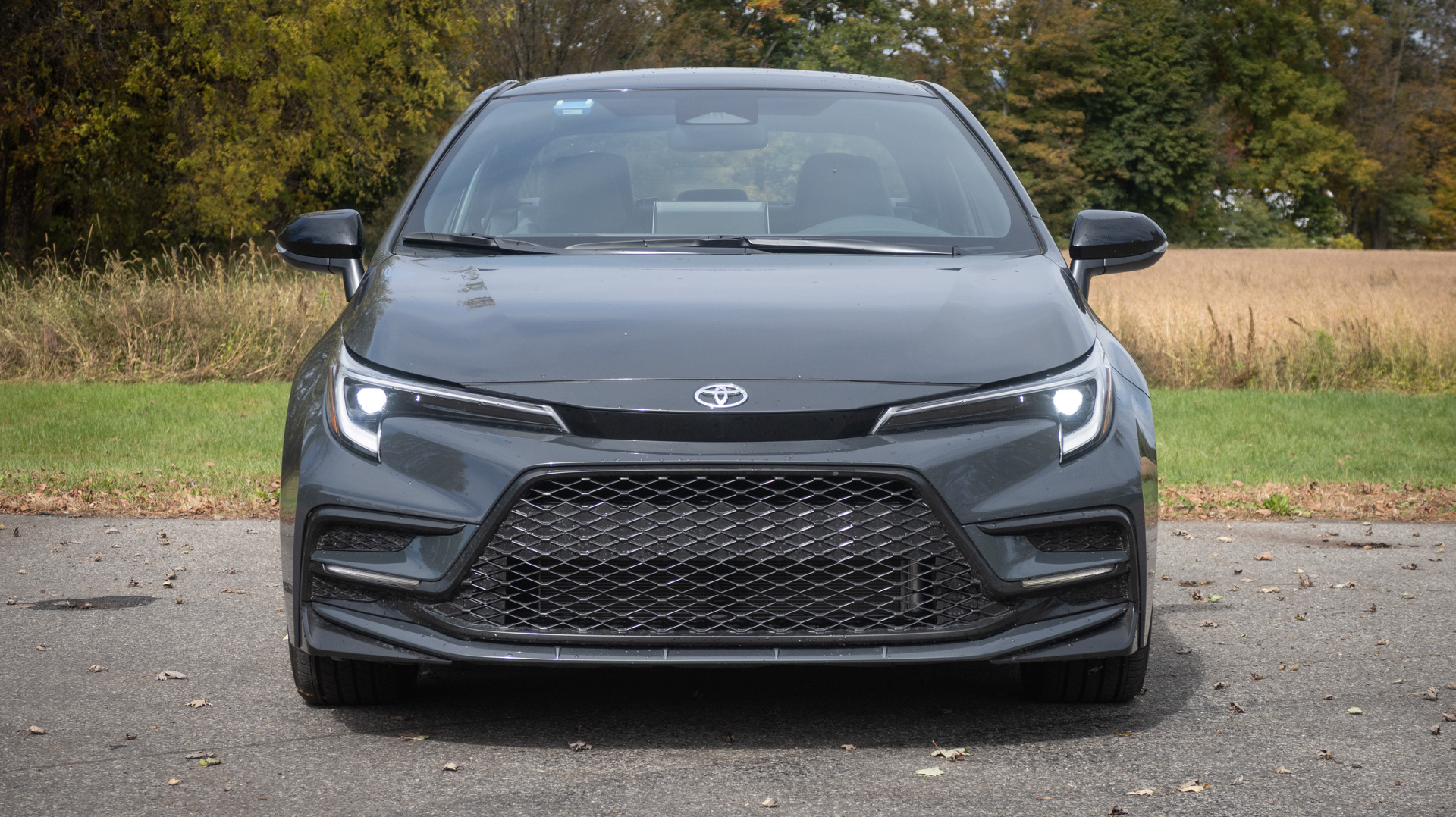
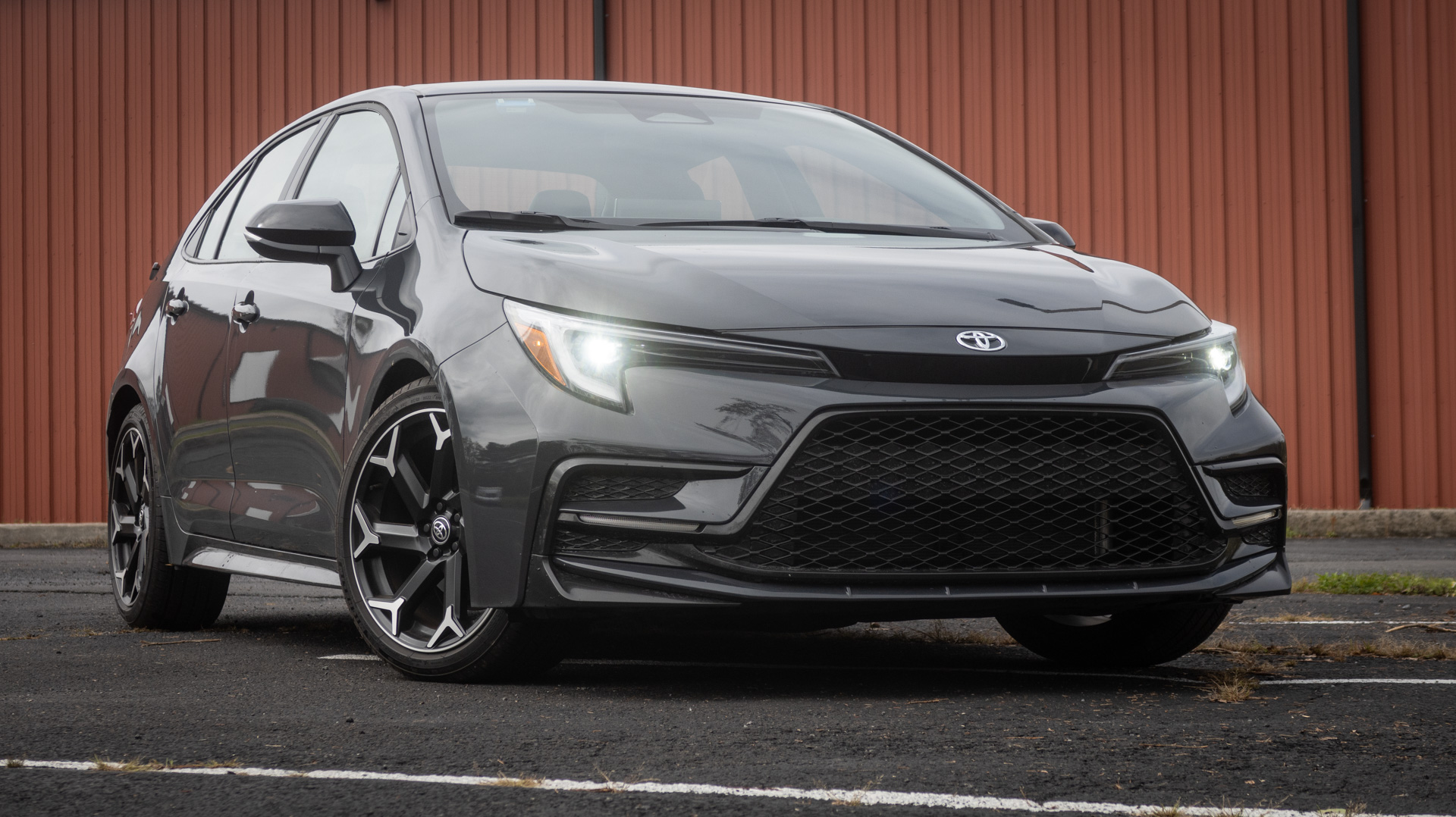
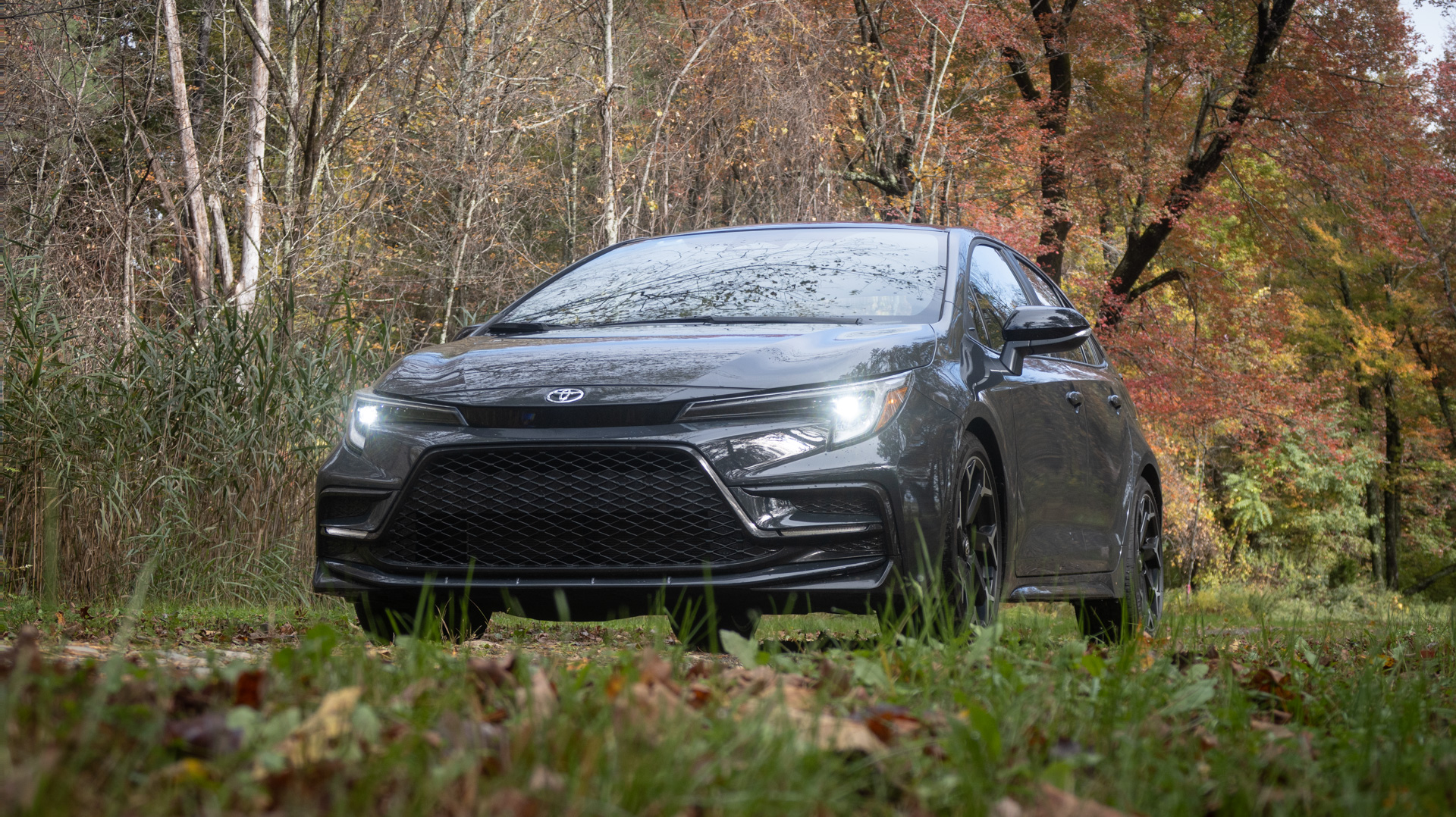
The 2025 Toyota Corolla is a great economy car; there is no need to rehash that. However, the FX trim is the ideal choice for someone looking to get inexpensive wheels while still having something they can take some pride in. It’s pretty bare-bones, but it comes with a cute body kit and conservative lowering springs to give it a sharp look. While it doesn’t reward spirited driving or present a stirring experience, it’s got plenty going for it as an inexpensive get-around car.
The Corolla FX could also be described as a base model with the slightest spritz of sporting pretenses. It’s got a humble 169 horsepower and a groaning CVT, which gives it about as much gusto as Squidward at the start of his shift at the Krusty Krab. But it rides pretty well, and just as importantly, it’s fun to look at as you walk away after parking.
The Basics
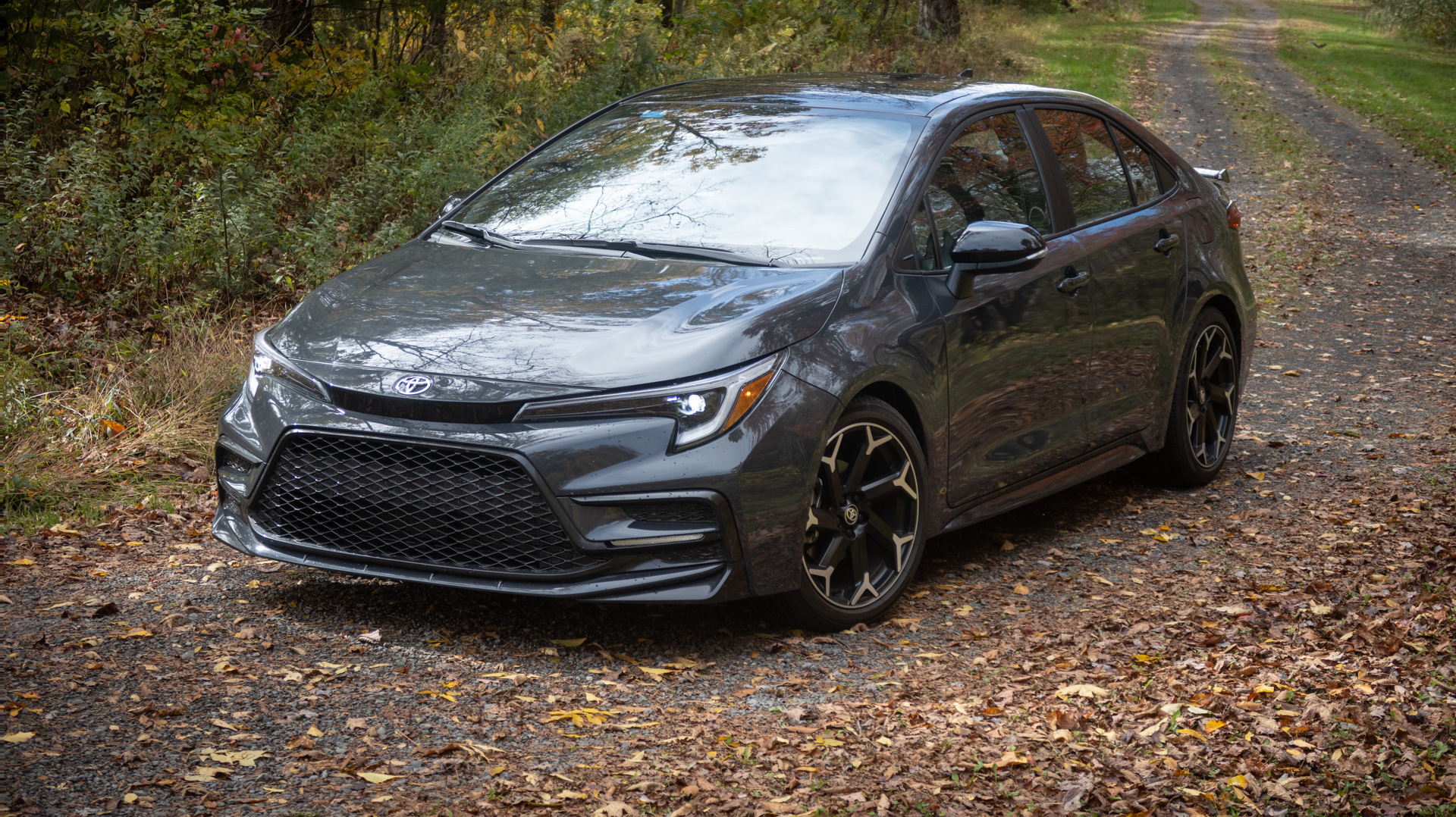
The current-gen Corolla (12th-gen) has been a common sight on American roads for quite some time now—the compact car is largely unchanged since it was released here in 2020. While Toyota does squeeze serious performance out of the TGNA-C platform in this car (the all-wheel-drive manual-shift GR Corolla), the FX here is pretty much at the bottom of the lineup.
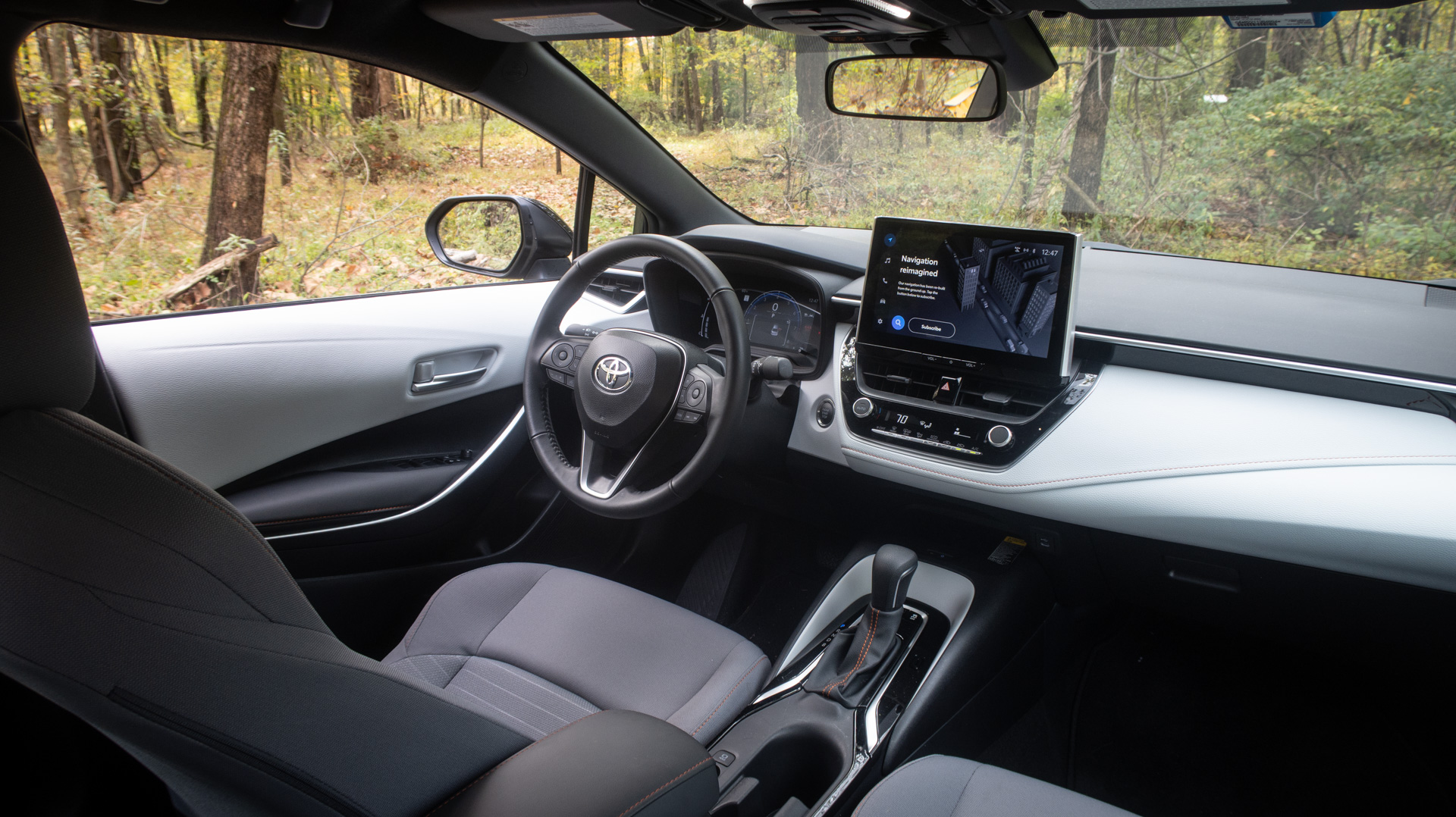
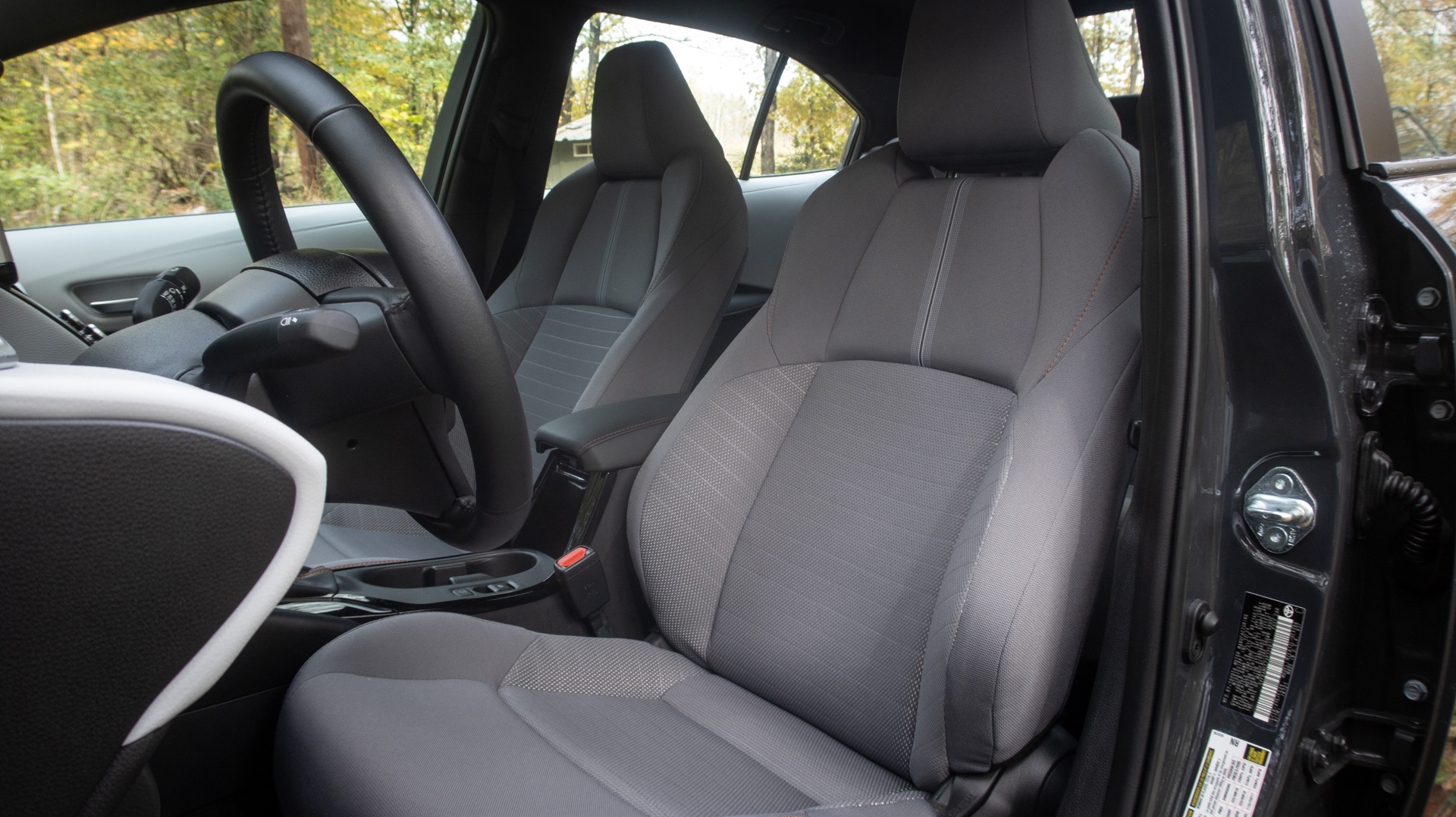
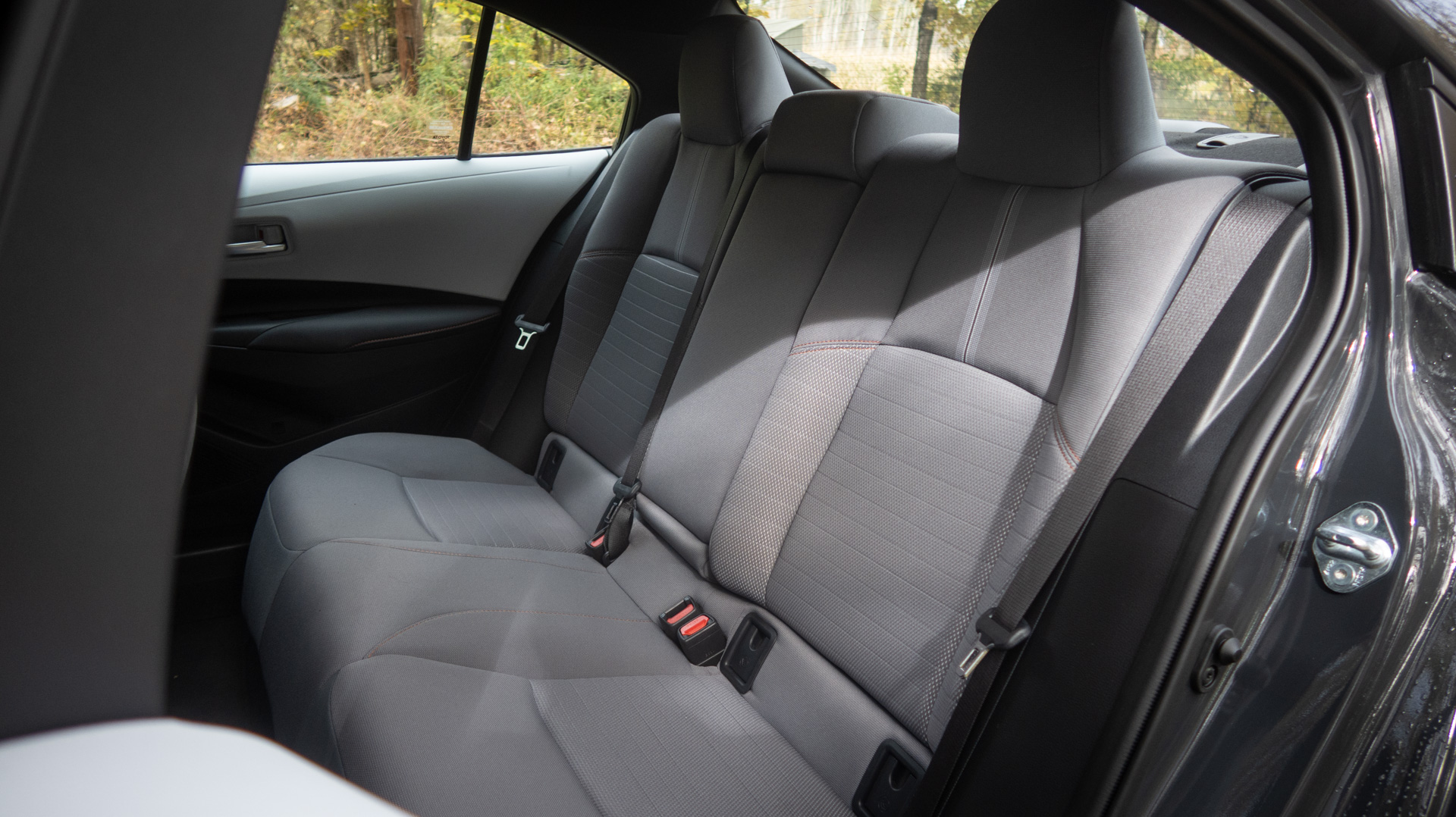
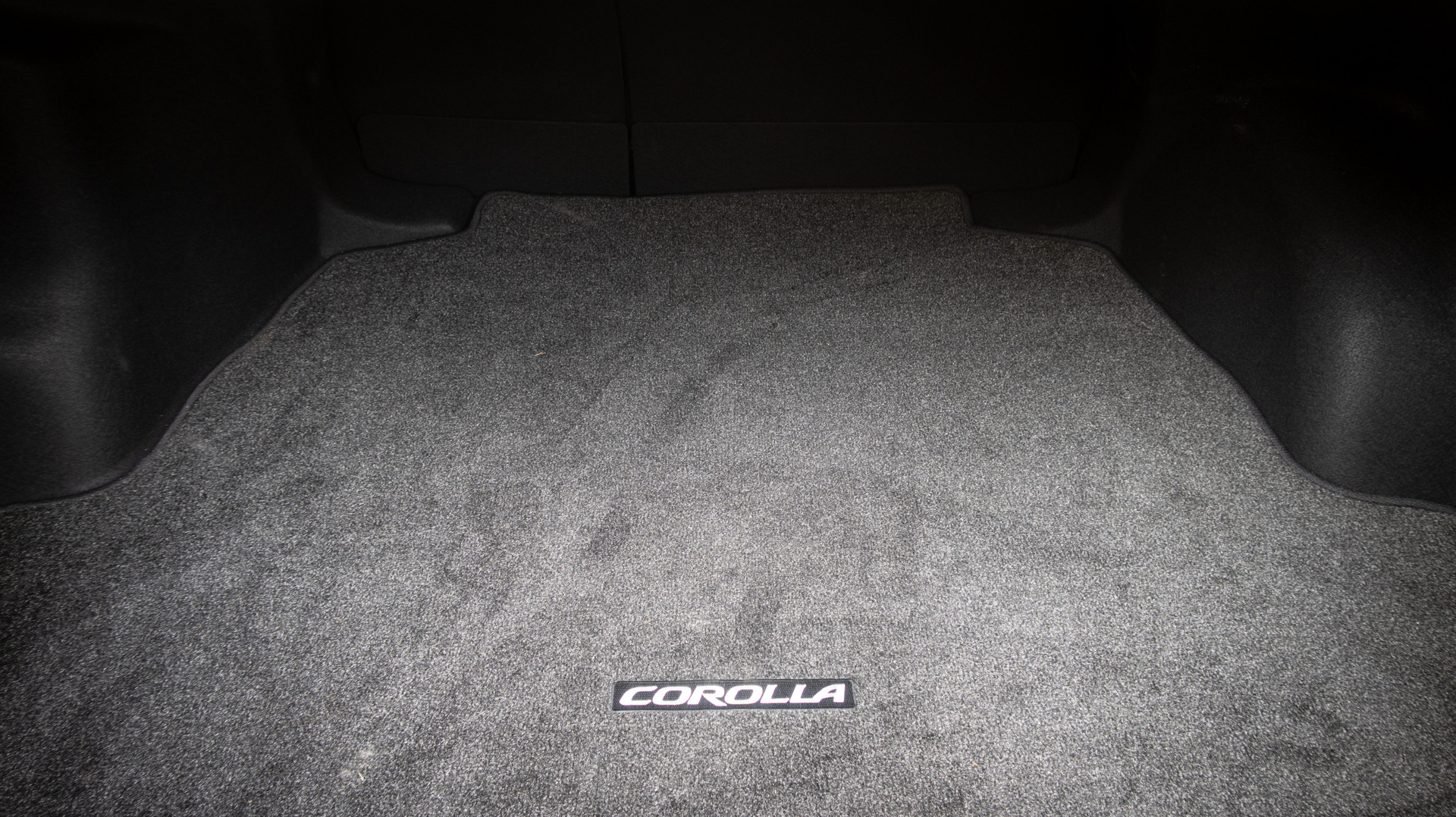
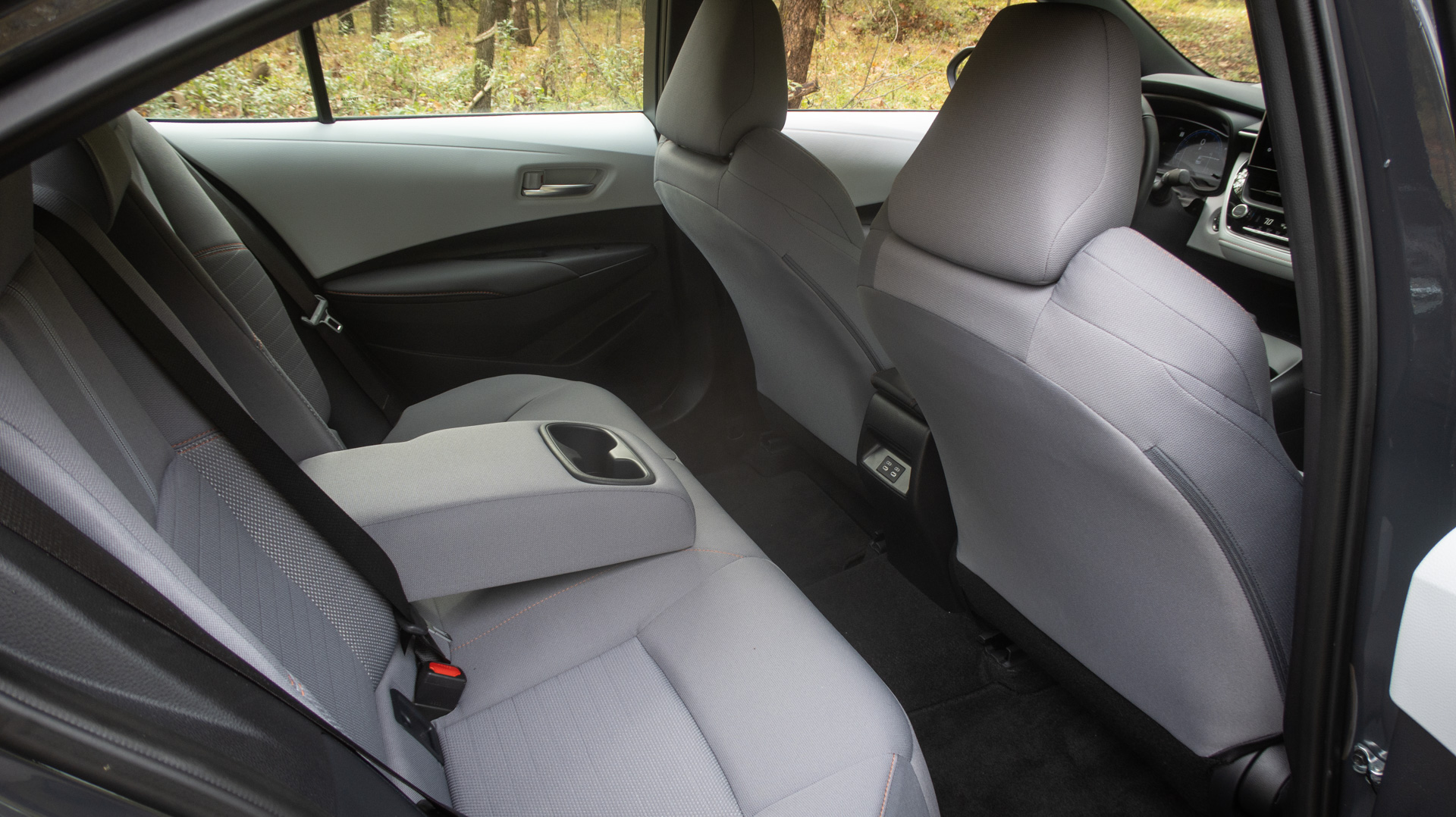
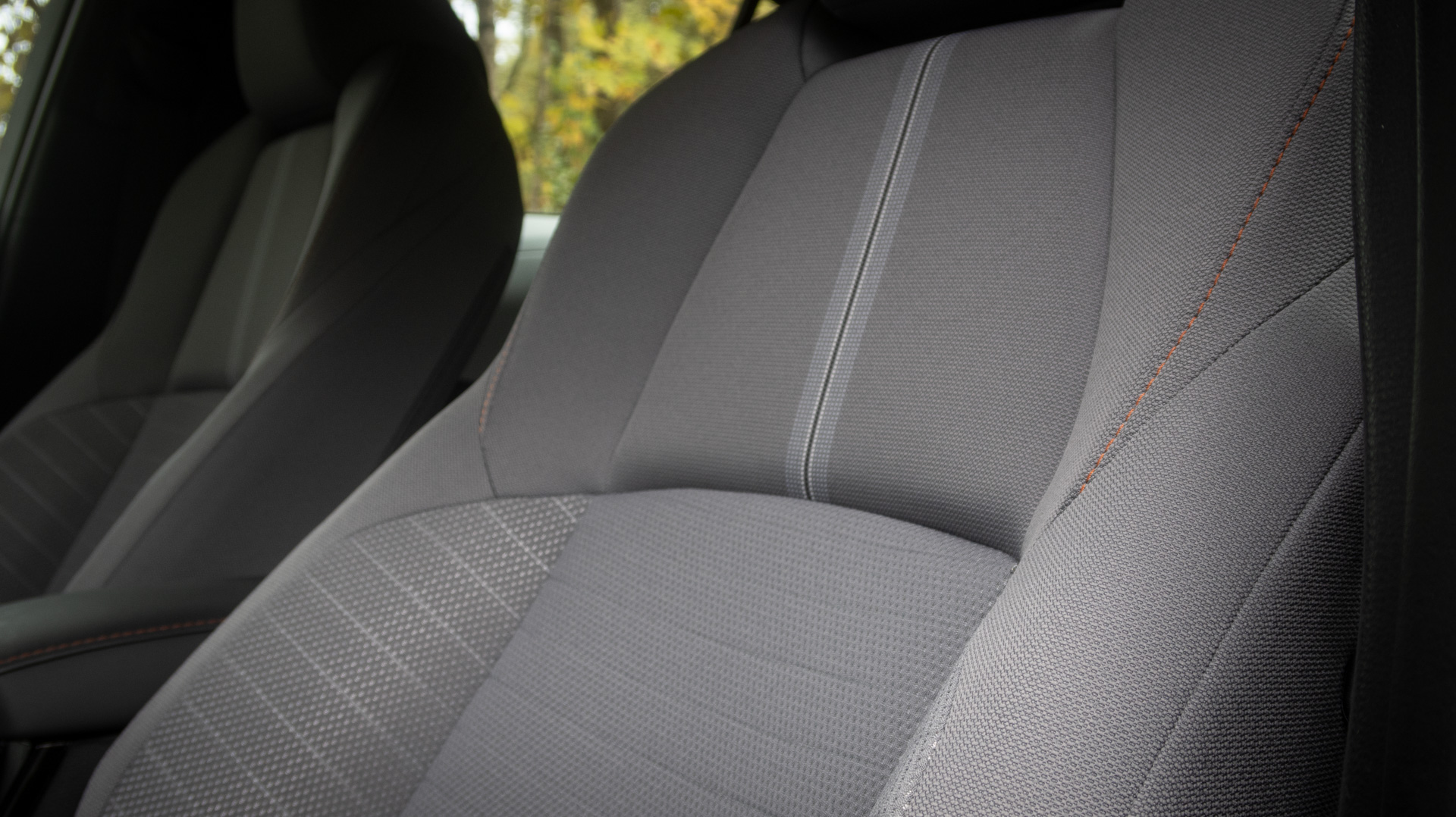
Inside, it feels like the quintessential economy car: small, a cloth interior, minimal features, and an excruciatingly soulless powertrain. The Corolla FX sedan weighs about 3,100 pounds, powered by a 2.0-liter, four-cylinder engine powering the front wheels, and a continuously variable transmission. There’s room for four adults; five is a little tight, but the trunk is generous.
Toyota says the name is a nod to the Corolla FX16—a hot-hatch variant from 1987.

Retro Review: 1987 Toyota Corolla FX16
Driving the 2025 Corolla FX
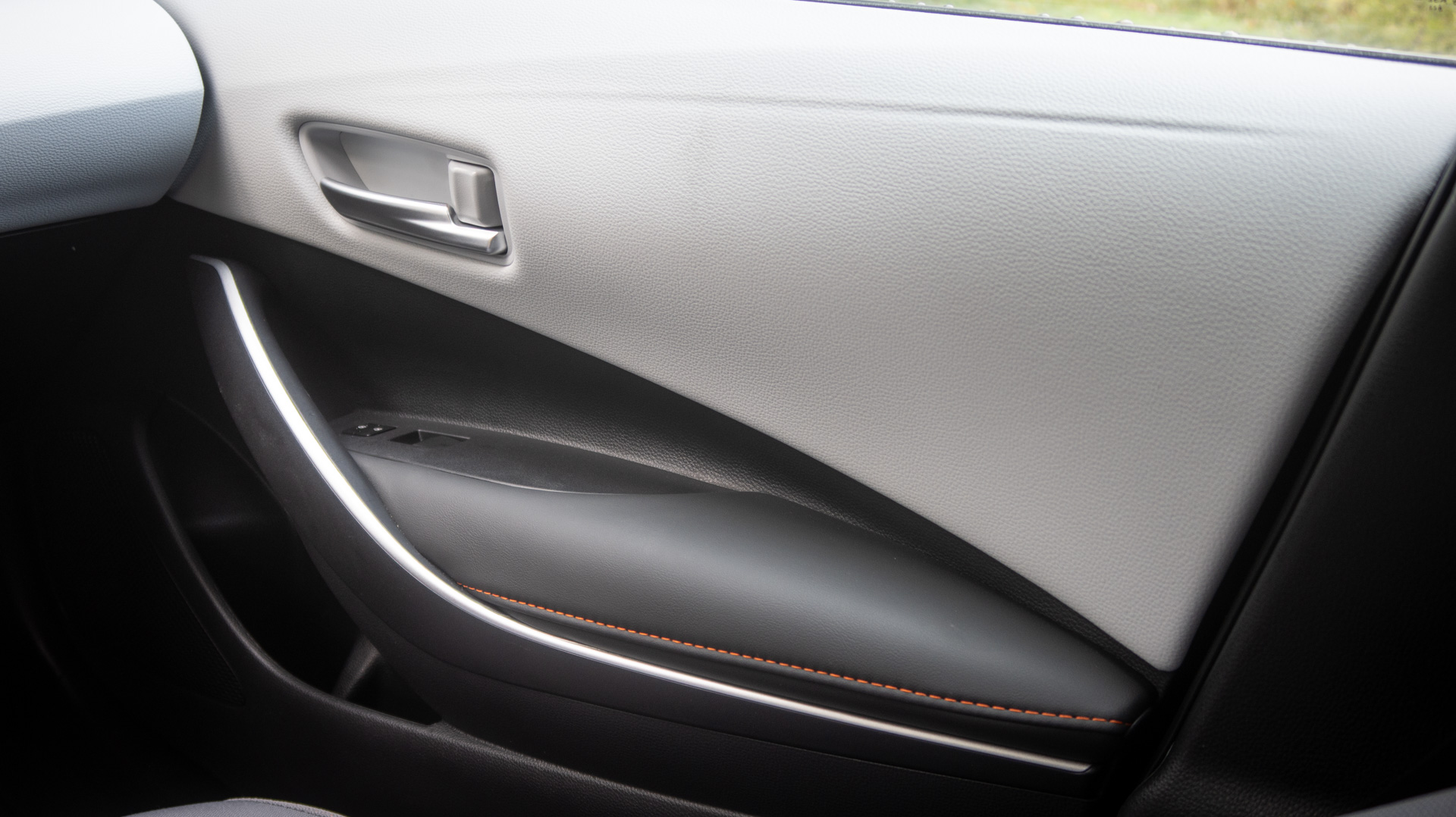
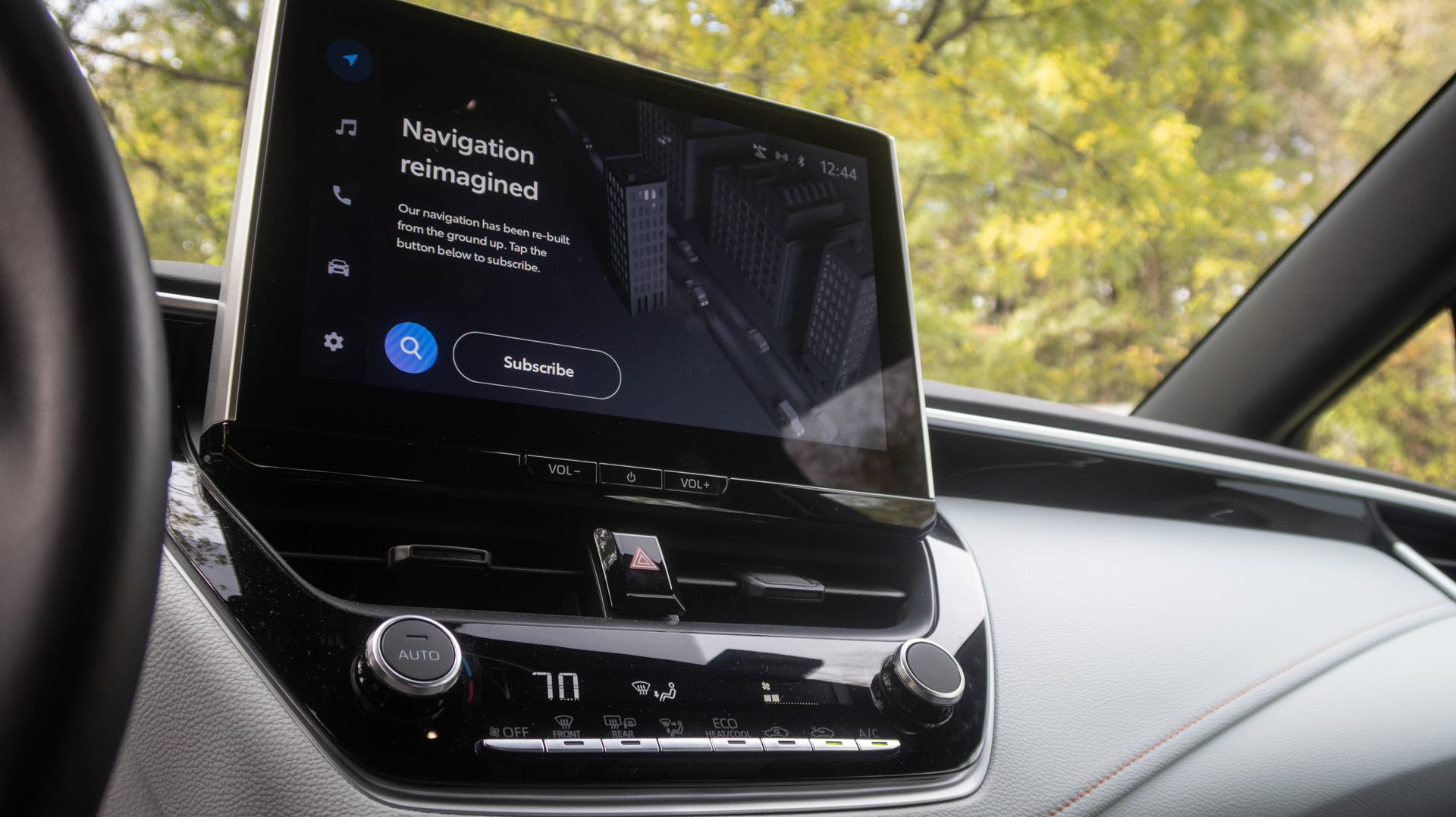
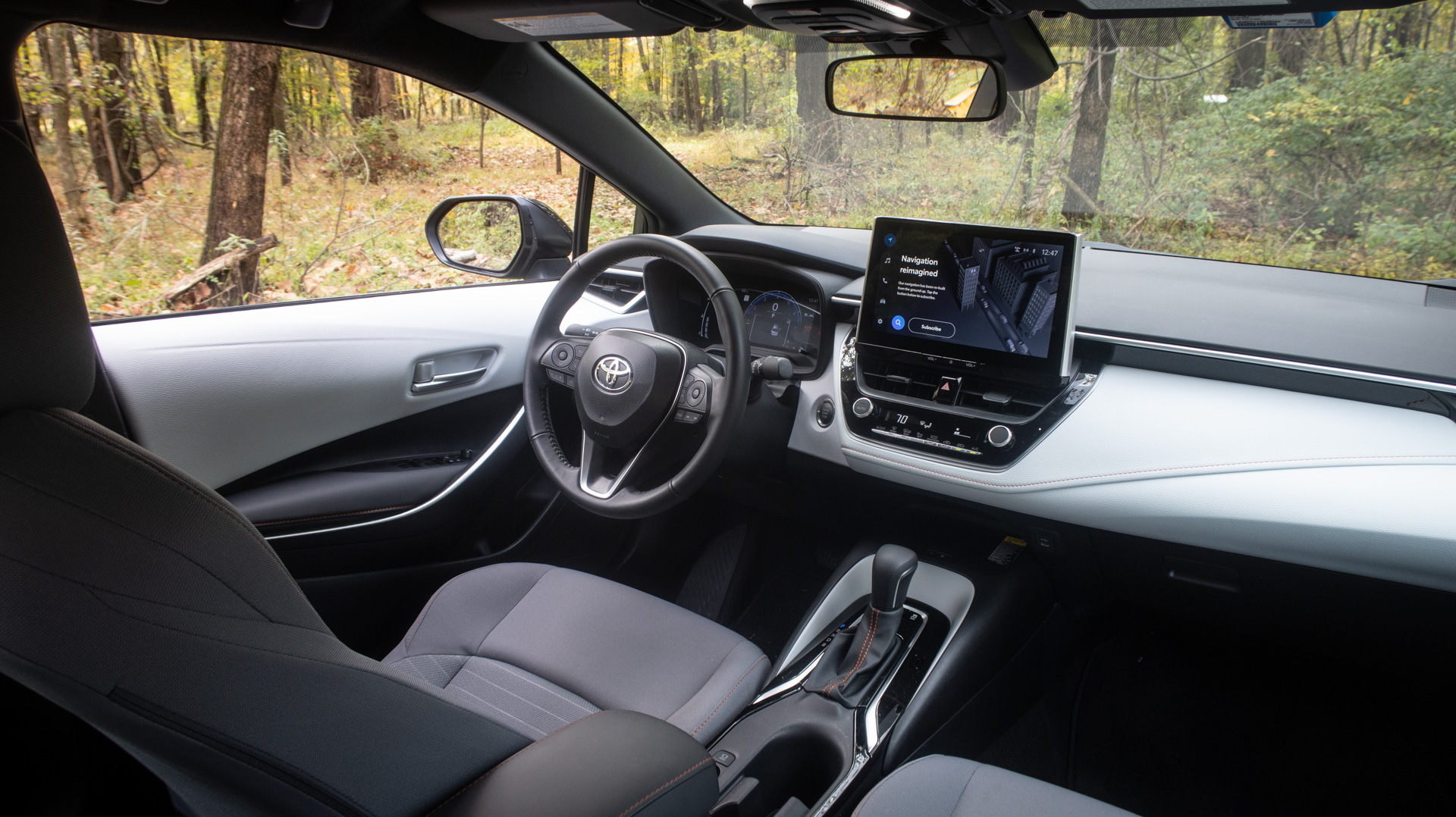
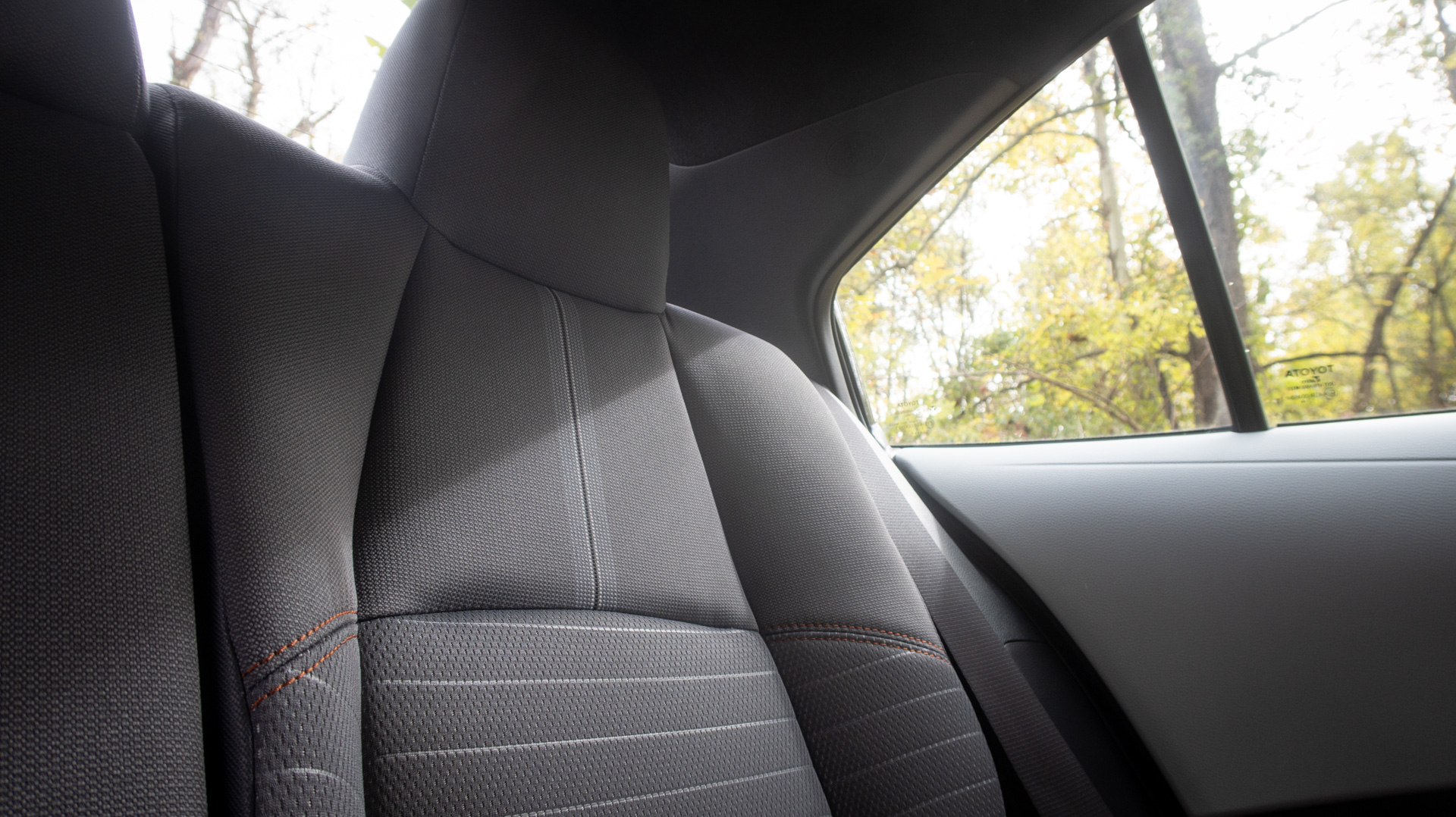
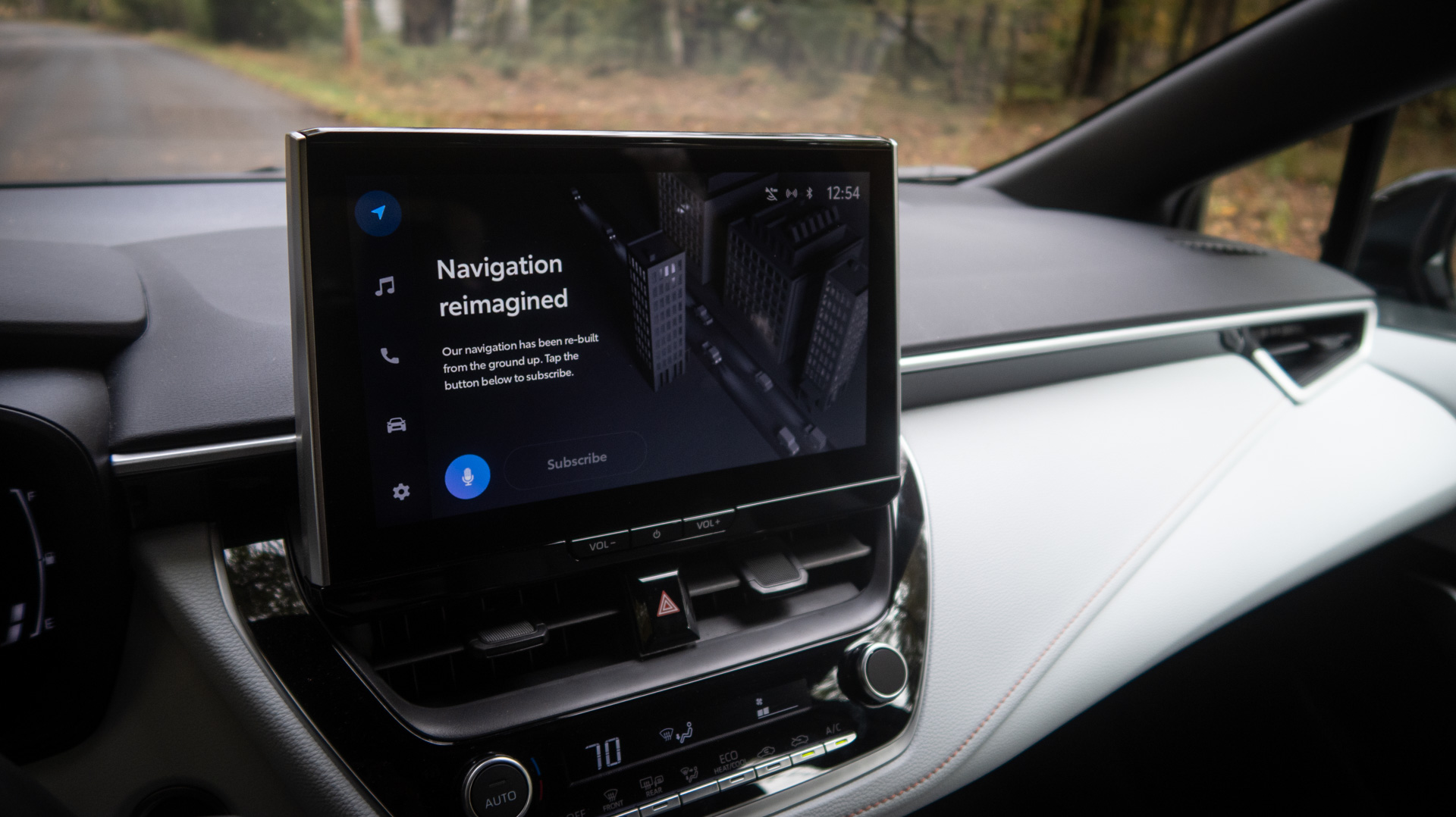
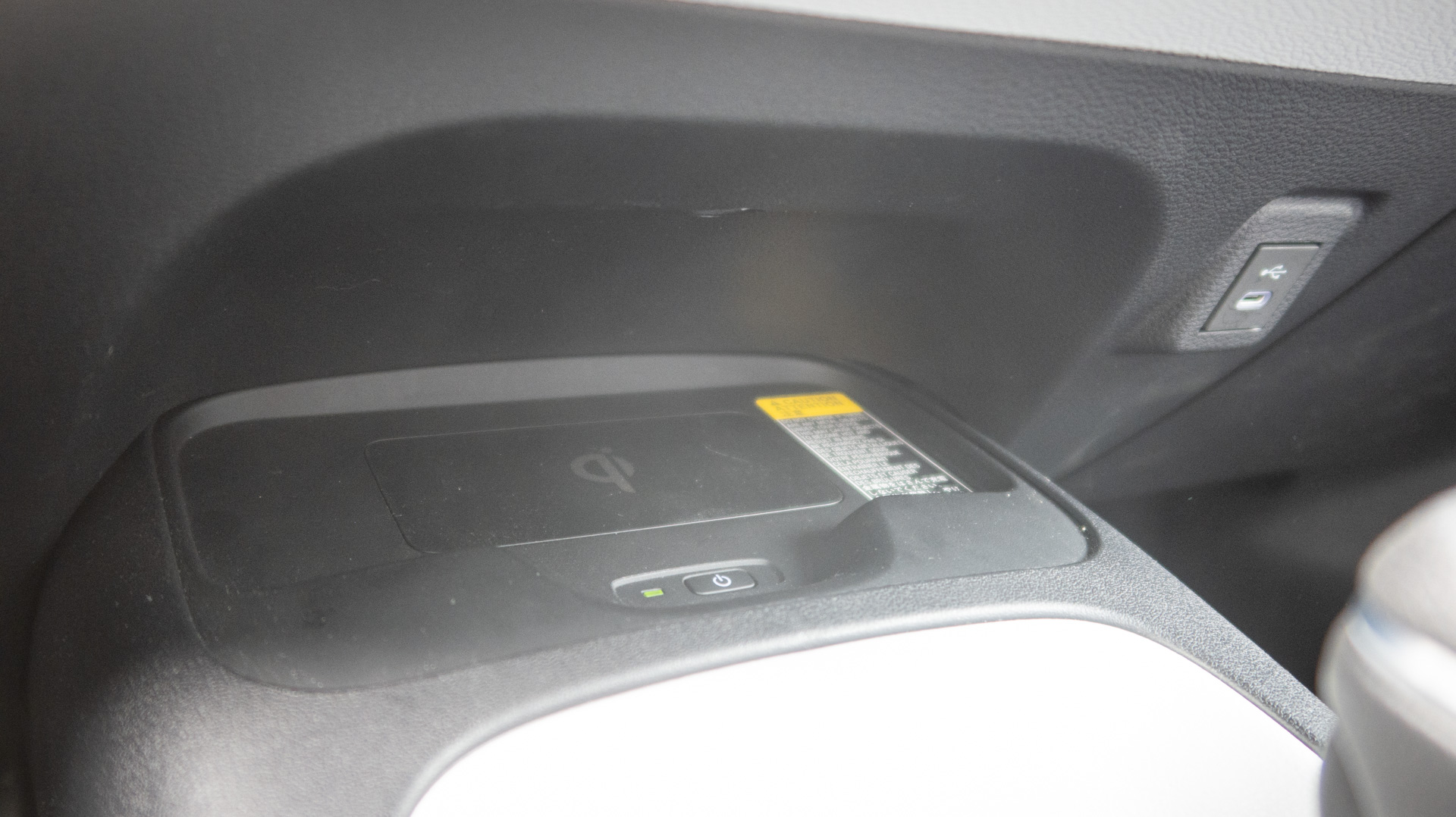
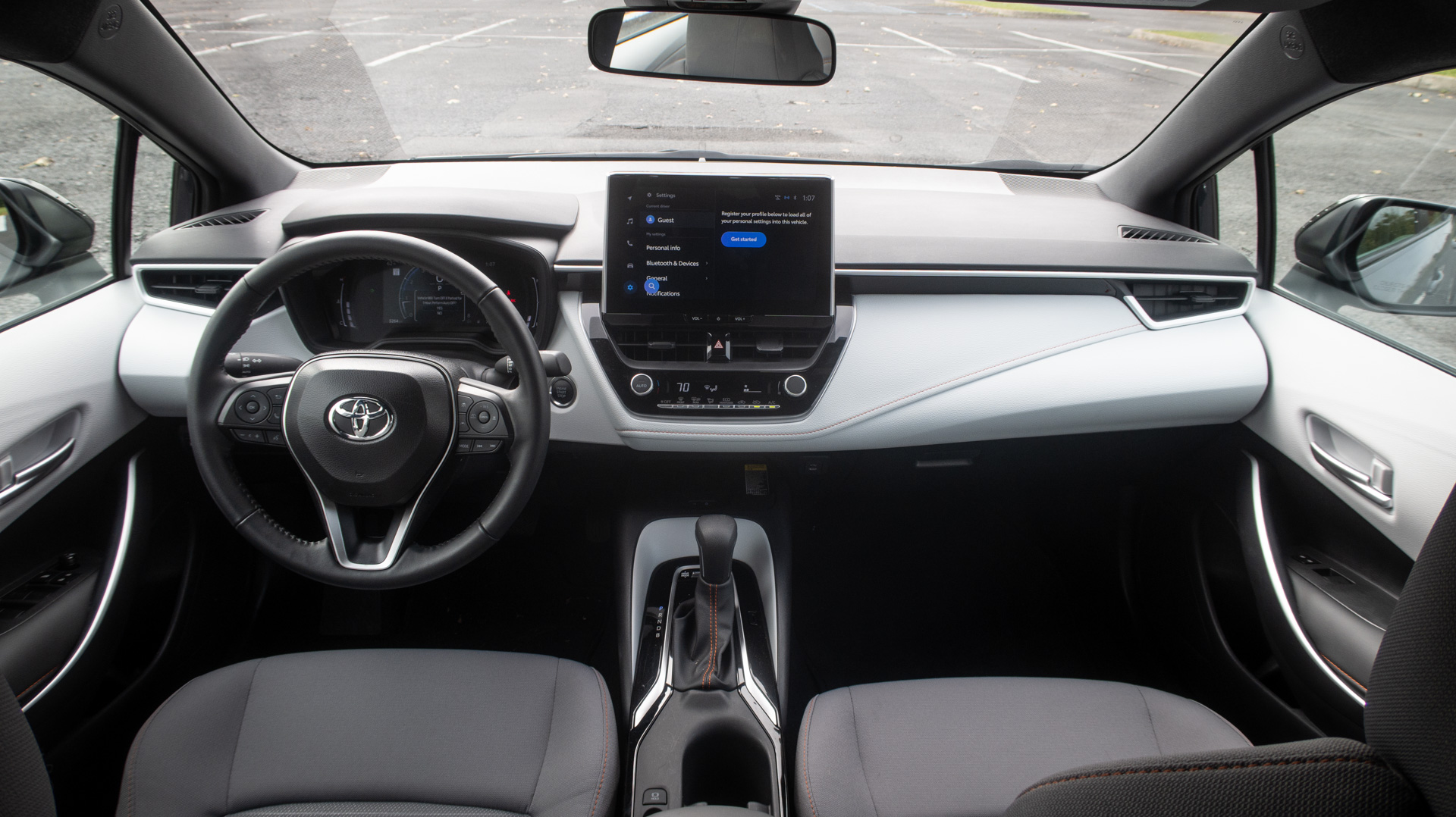
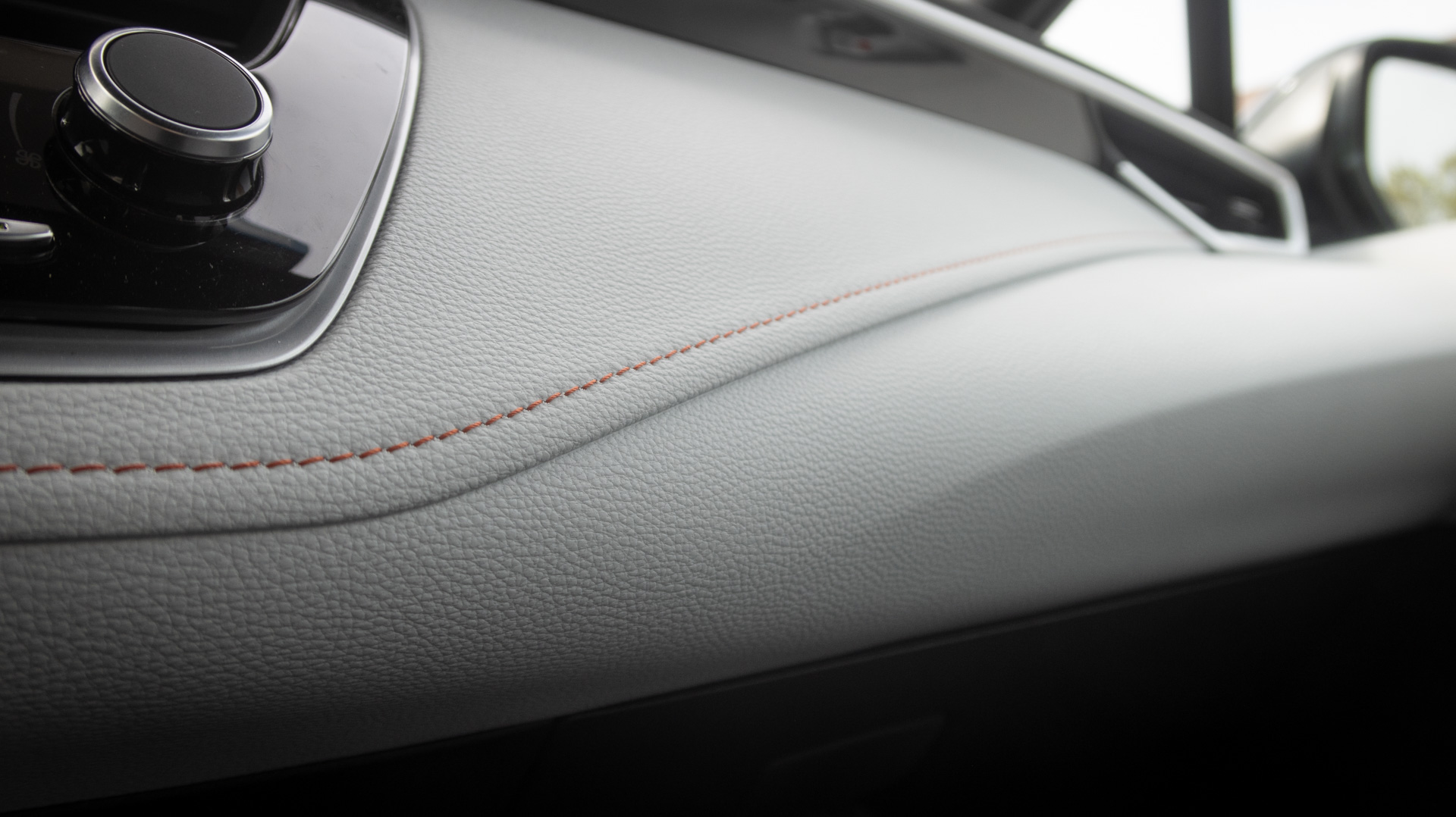
The Corolla’s seats are OK, not impressive, not bad, and I’d give about the same assessment to most of the cockpit’s looks and layout. Material choices feel reasonably robust, and a small contribution of orange piping goes a long way toward making the interior look and feel better. A big, plastic tombstone protrudes from the middle of the dashboard to hold a screen for smartphone connectivity and infotainment, which I absolutely hated.
Getting underway is an anodyne experience, no matter how hard you press the gas pedal. When I accelerated normally, I was satisfied. I didn’t feel like there was any trouble getting to socially acceptable town and highway speeds. But when I floored it, the sensation of acceleration was somehow exactly the same. Except when I was running at wide-open throttle, the Corolla’s CVT sustains an off-putting meowing sound.
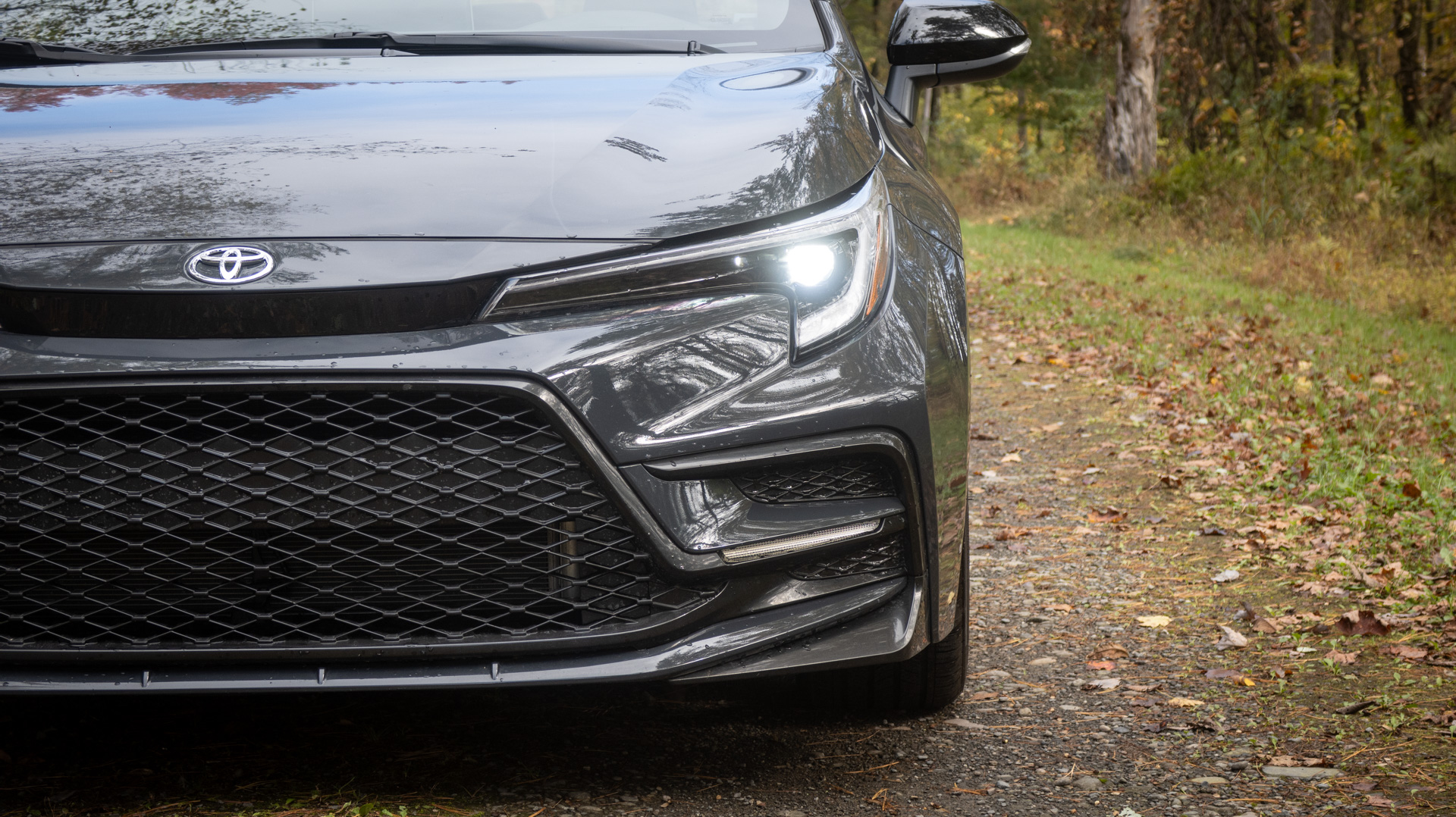
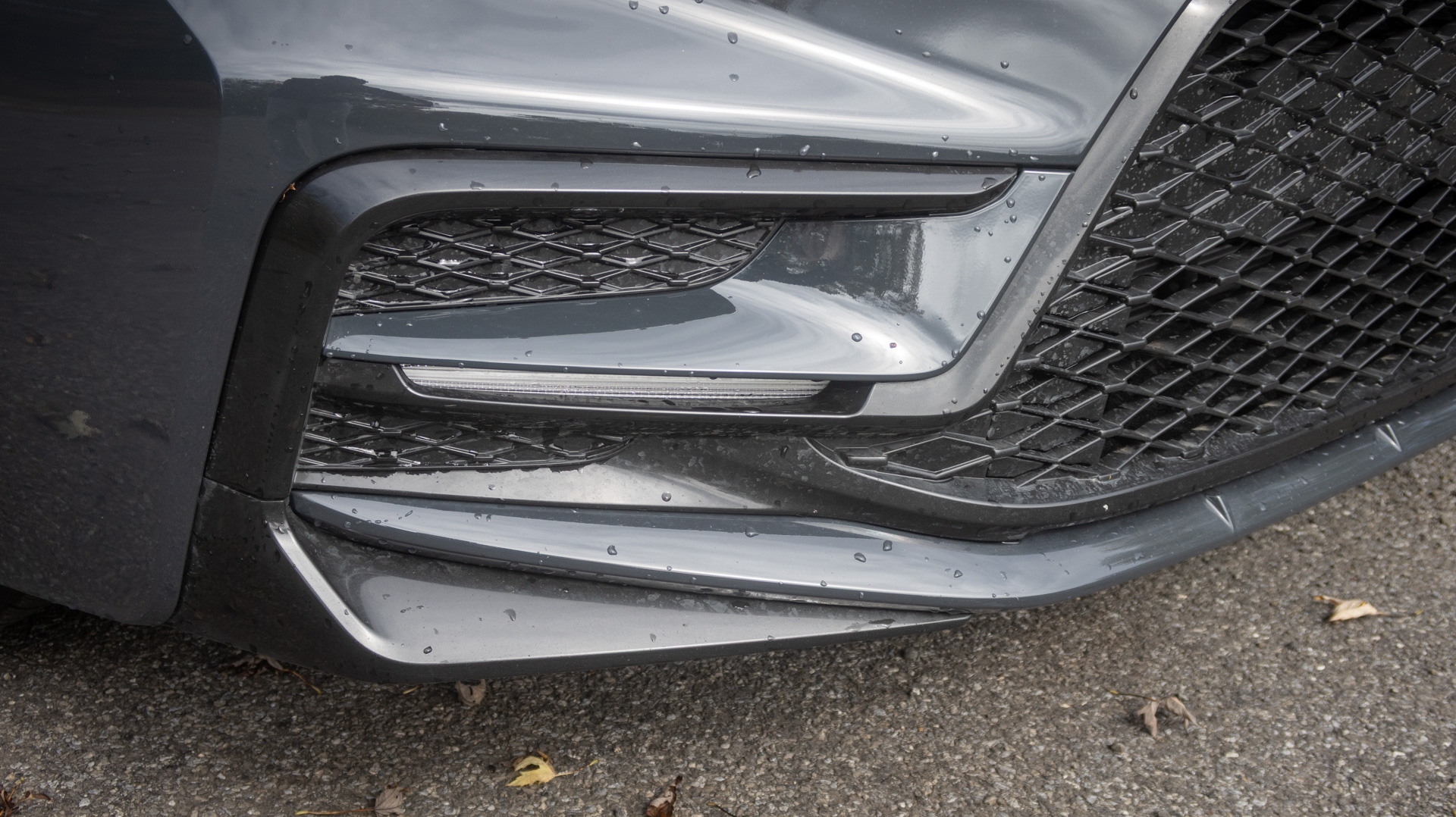
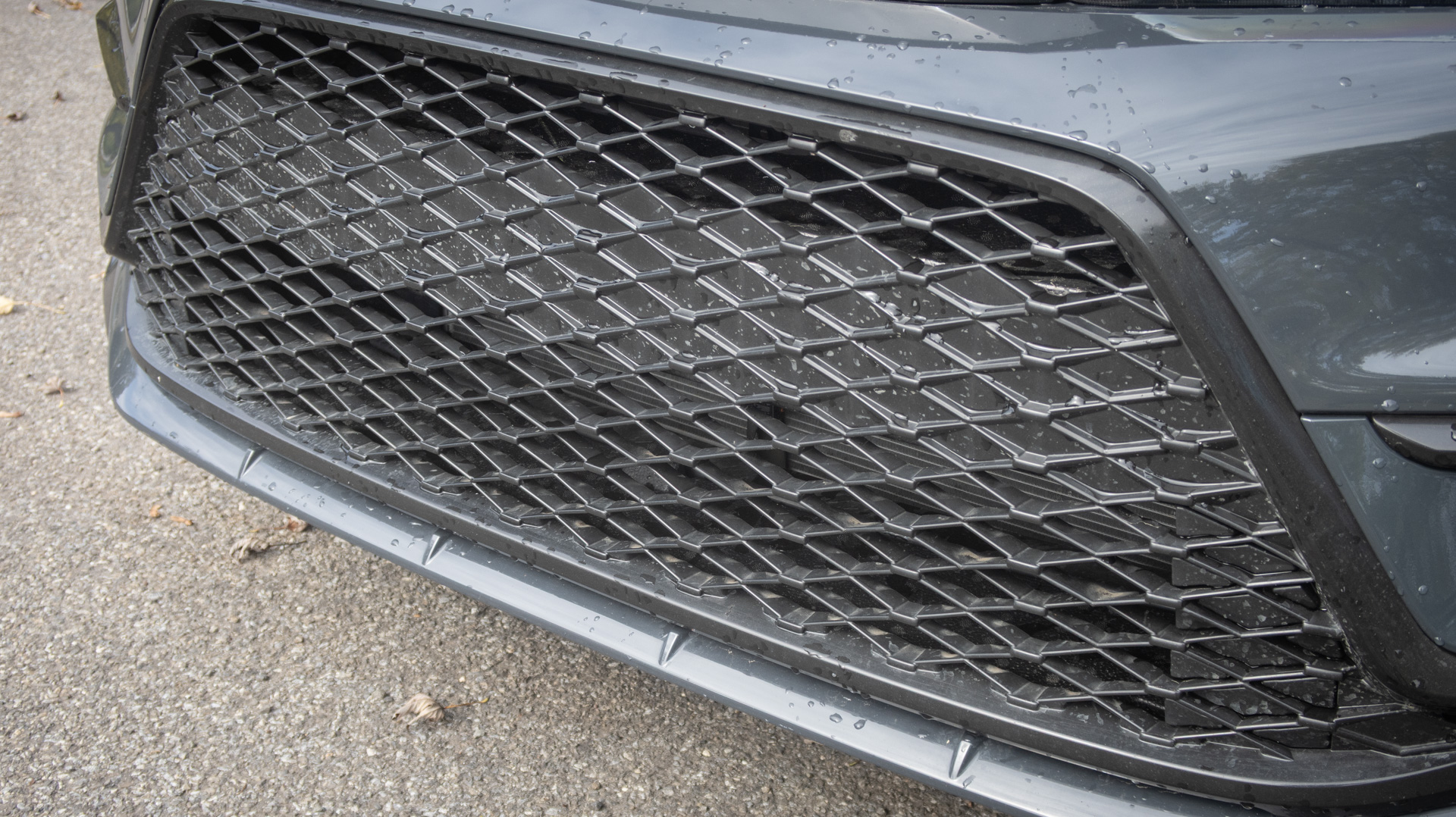
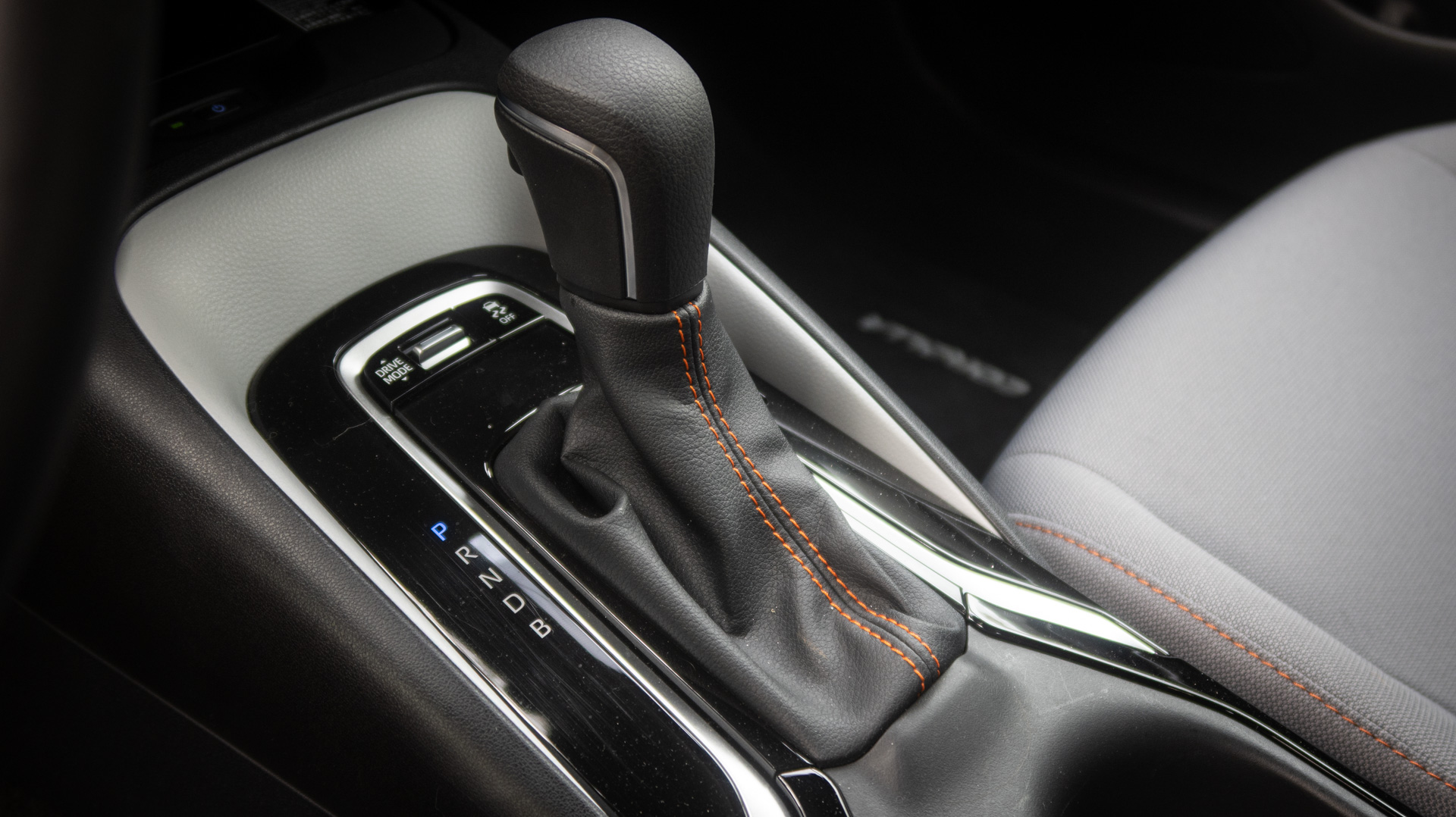
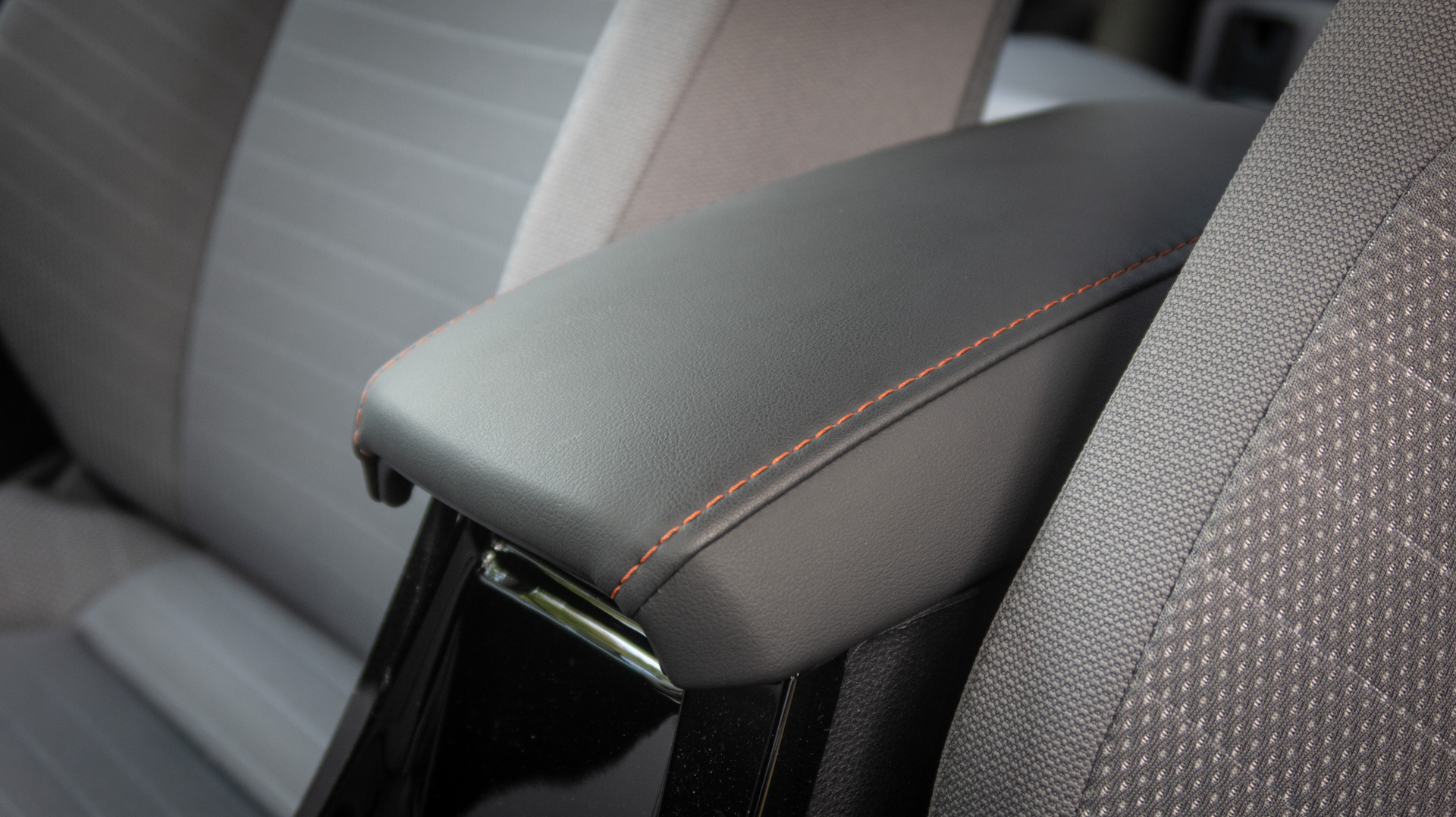
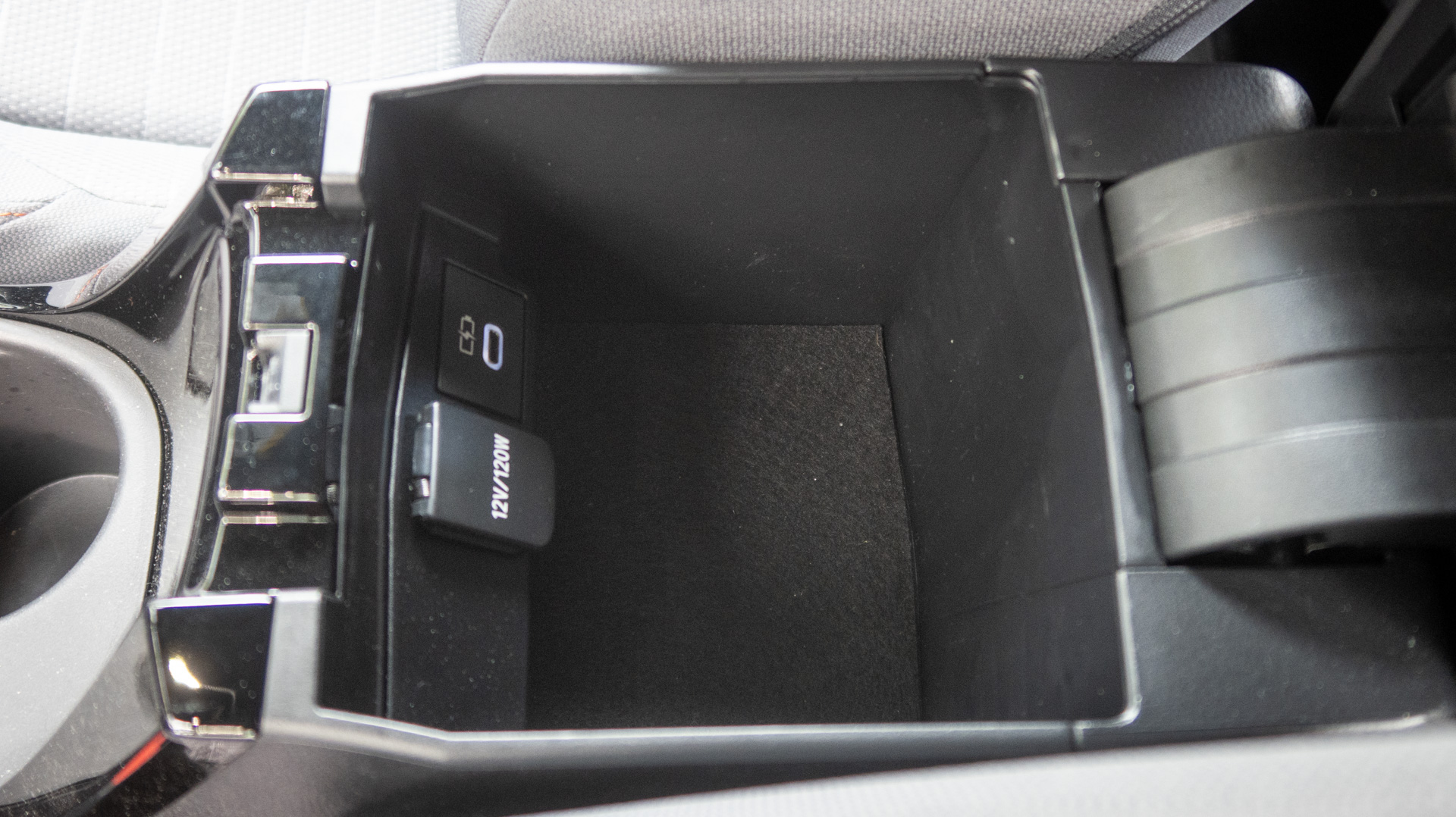
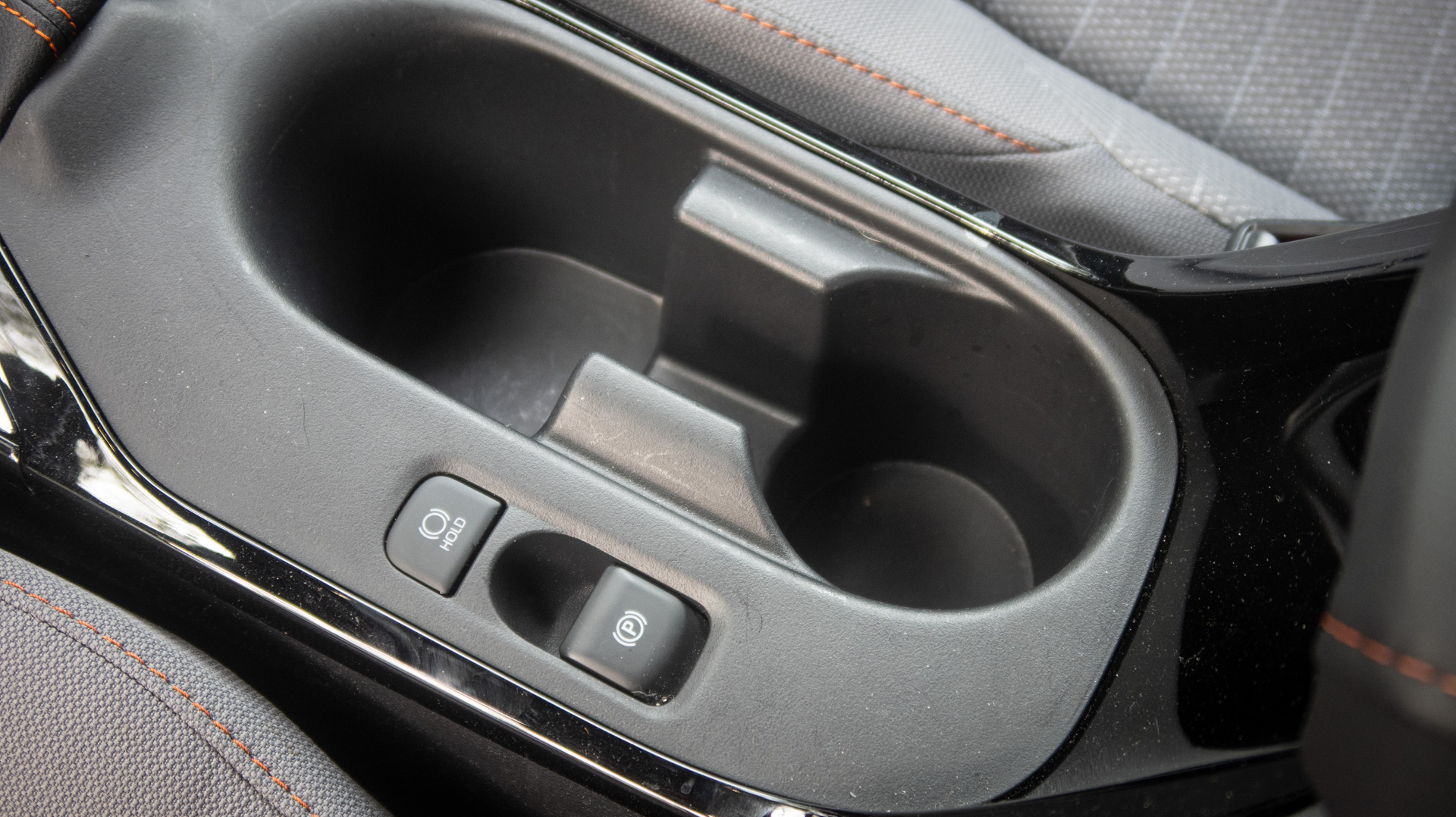
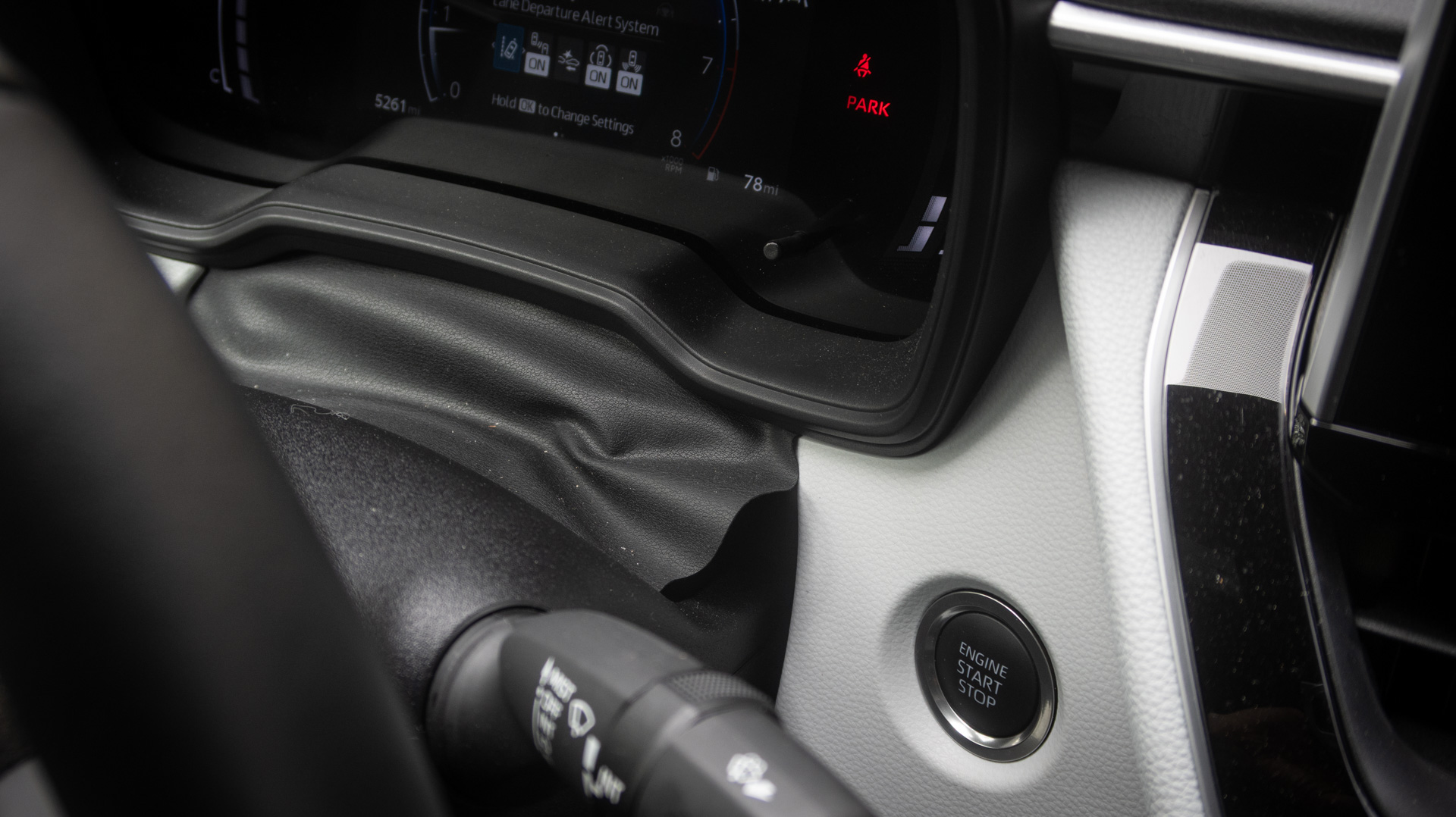
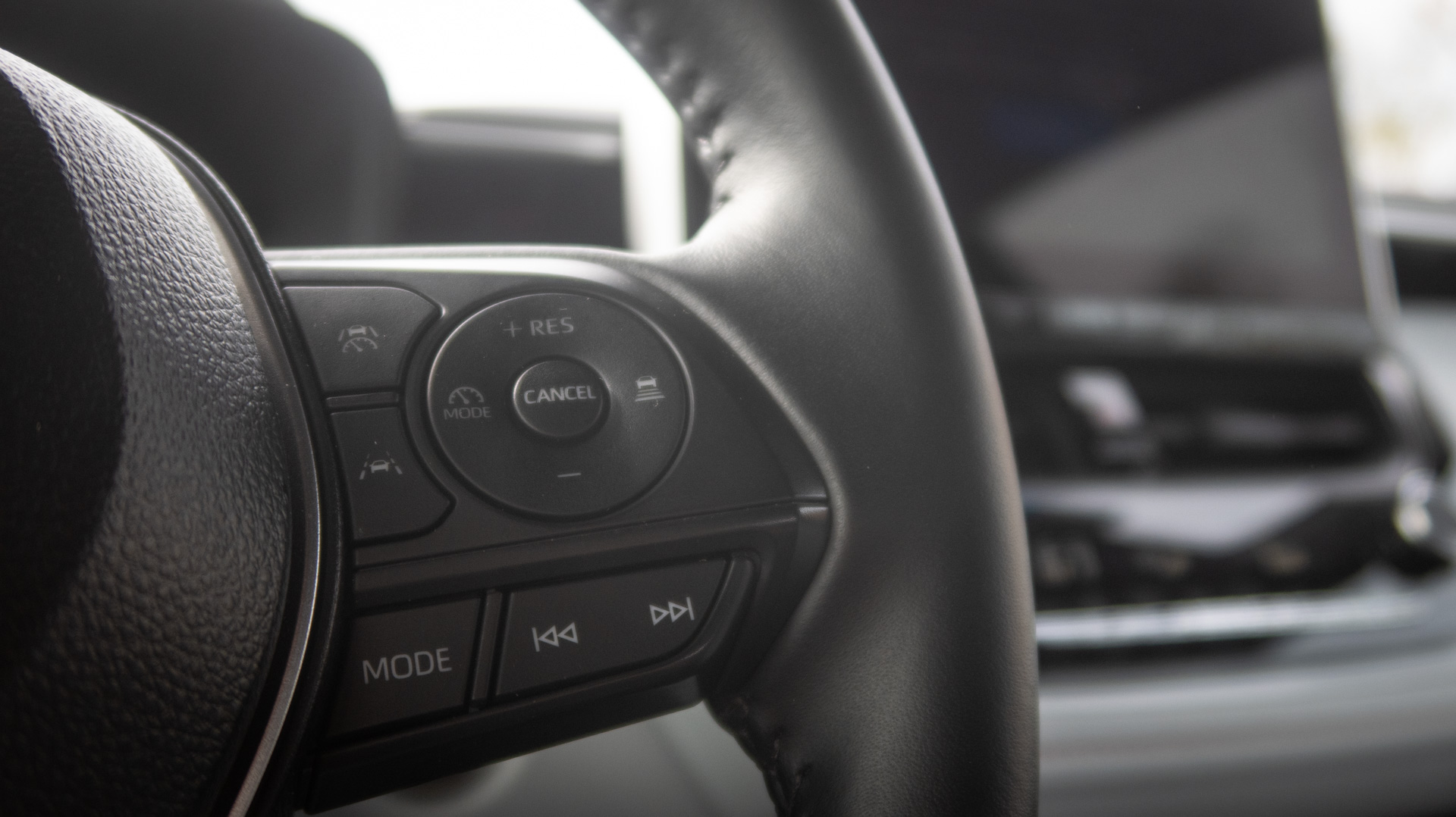
Sport driving mode doesn’t unleash any extra power, but it does apply a slightly different feedback setting to the electric power steering, and I will say the car rides very well. Lowered cars tend to be stiff and harsh; the Corolla FX isn’t. And while it isn’t a fiercely responsive corner-carver either, it does feel very well-balanced, smooth, and consistent, even when you push it around a little.
Toyota did a nice job setting up the ride and steering feel on the Corolla FX to have some appreciable responsiveness while remaining heavily comfort-biased. At city speeds, where it’s meant to live, it feels confident.
The Highs and Lows
Look, it’s not that CVTs are inherently terrible, but driving the Corolla FX reminded me why so many car enthusiasts hate them. It simply diminishes the engine’s responsiveness so dramatically. And if you’re attuned to mechanical noises, listening to the Corolla’s powertrain is about as disheartening as a third-grade recorder recital.
All that said, I know plenty of people who have no clue what their engine sounds like, and if that’s you, you’d have no problem driving this thing at all. In fact, you’d like it, because, like I just said above, ride quality is a standout feature of the Corolla FX.
2025 Corolla FX Features, Options, and Competition
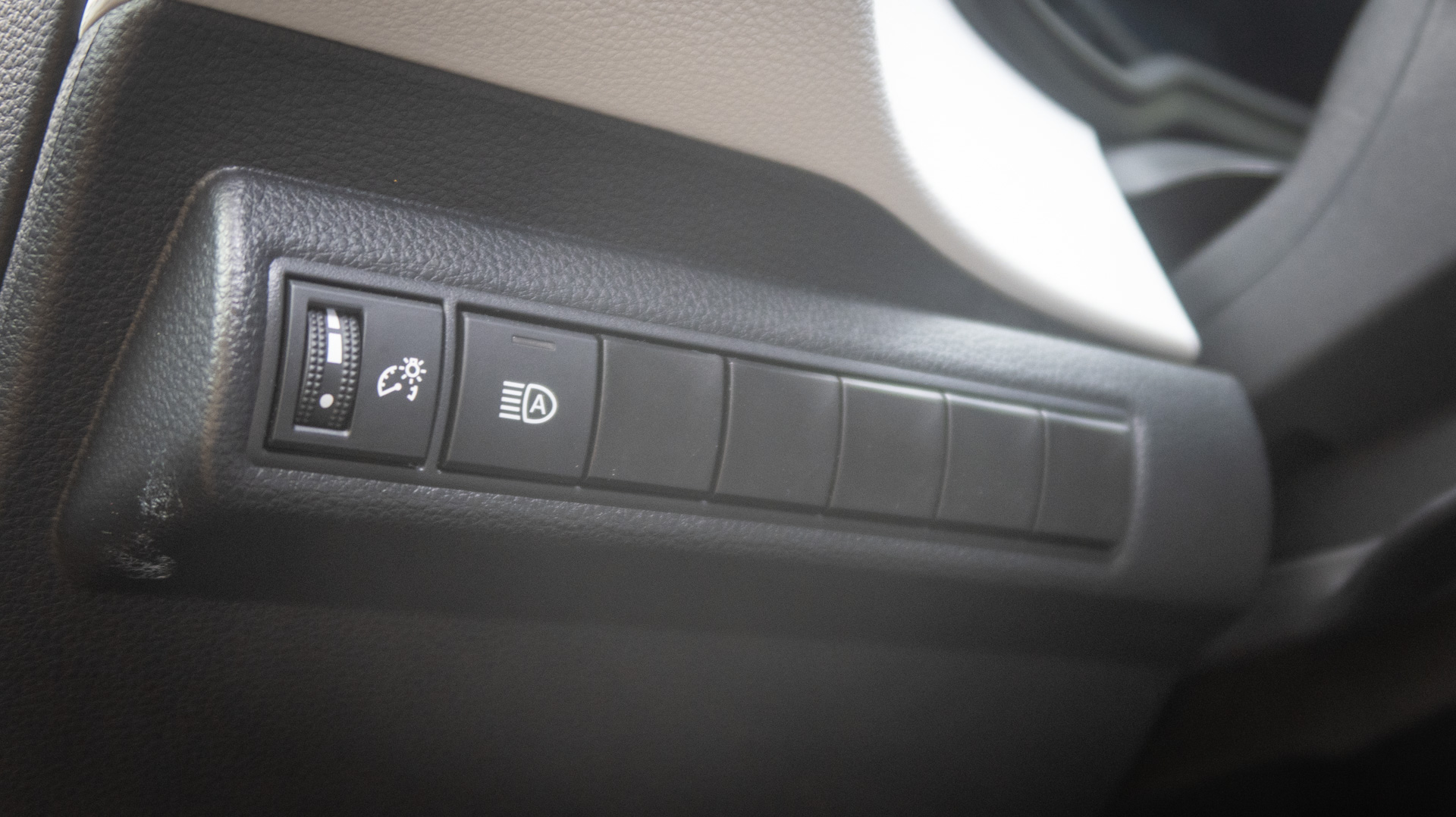
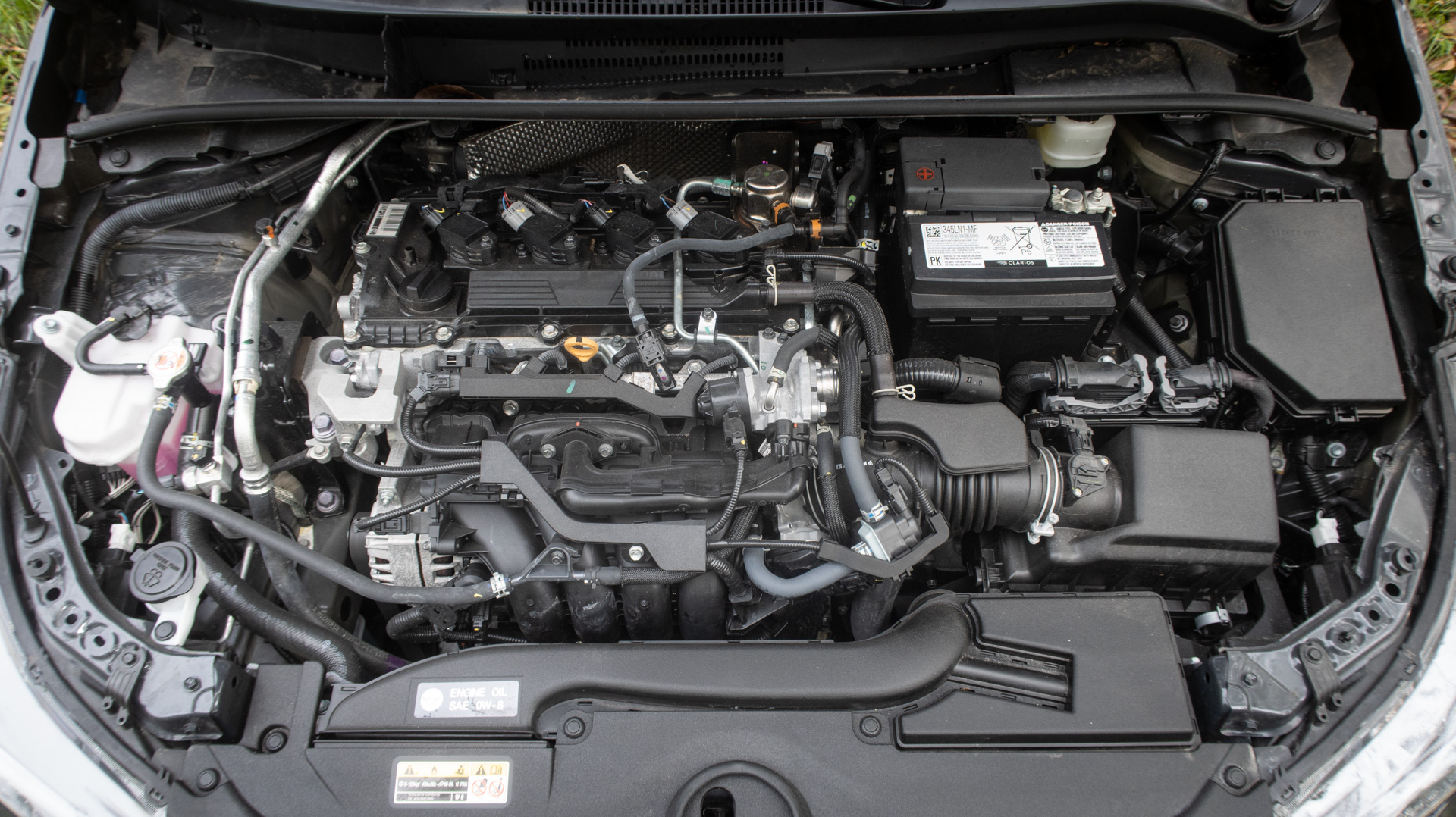
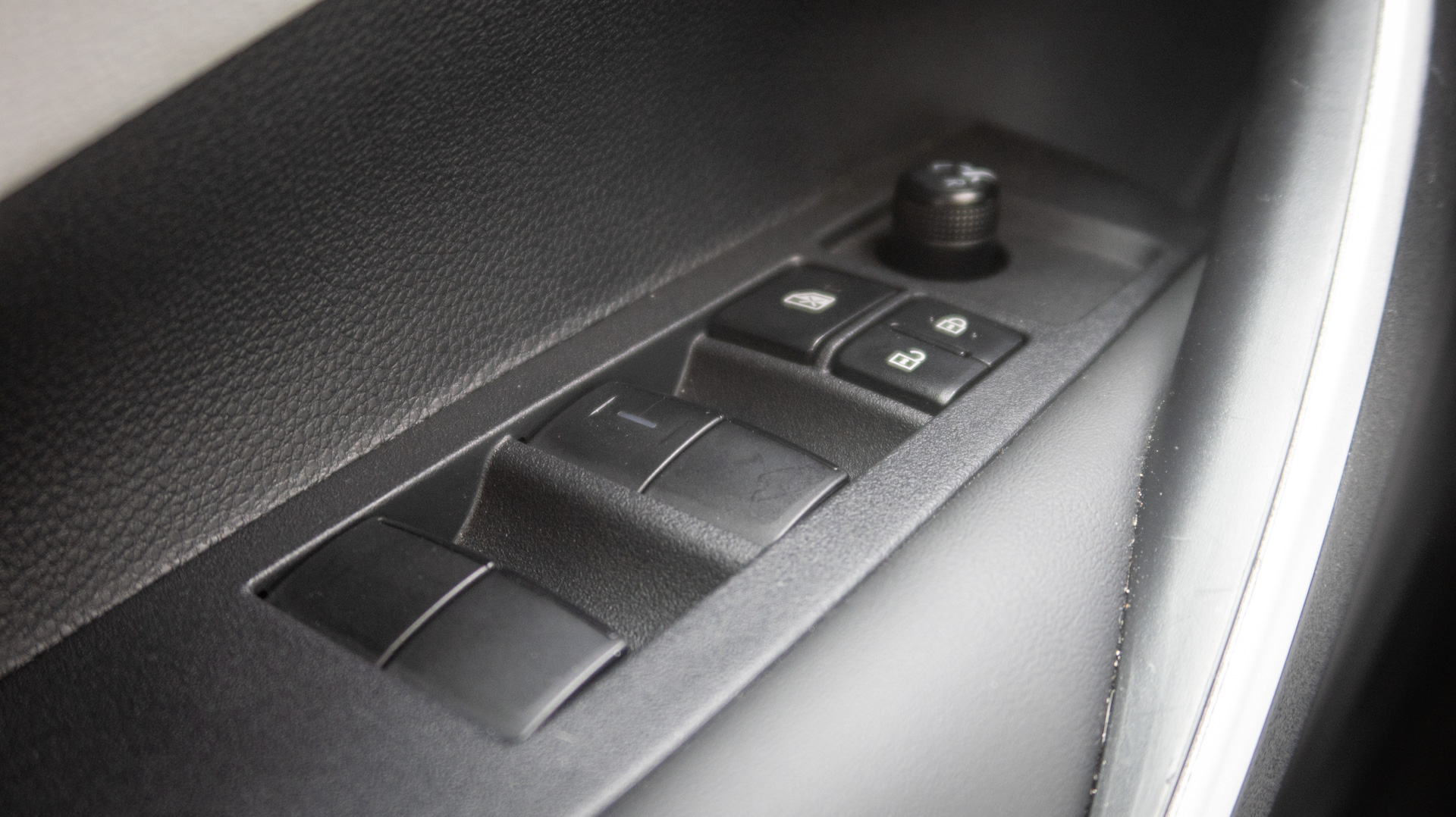
The Corolla FX has a cloth interior and a few luxury appointments—most of the optional buttons are blank. The 2.0-liter engine has Toyota’s VVT-i variable timing, which helps you hit better fuel economy numbers while giving you some oomph at high revs.
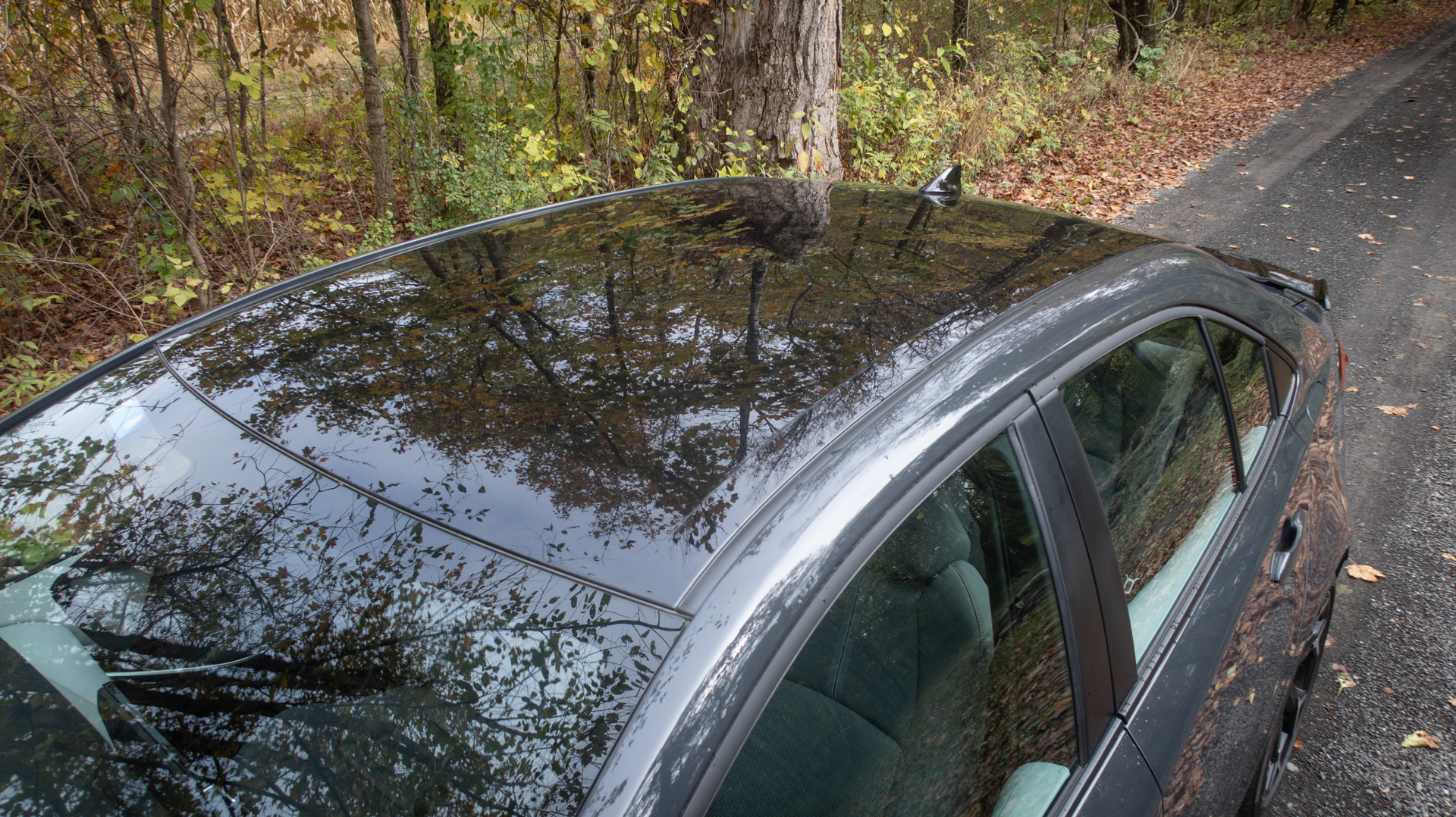
Since the sport suspension and body kit are part of the FX trim, the only options my test car had were a $530 convienece package (includes blind-spot monitoring and rear cross-traffic alert, totally worth it), a $500 black roof option (most cars on dealer lots will probably have this to get a few more bucks out of buyers), and carpeted floor mats for $300.
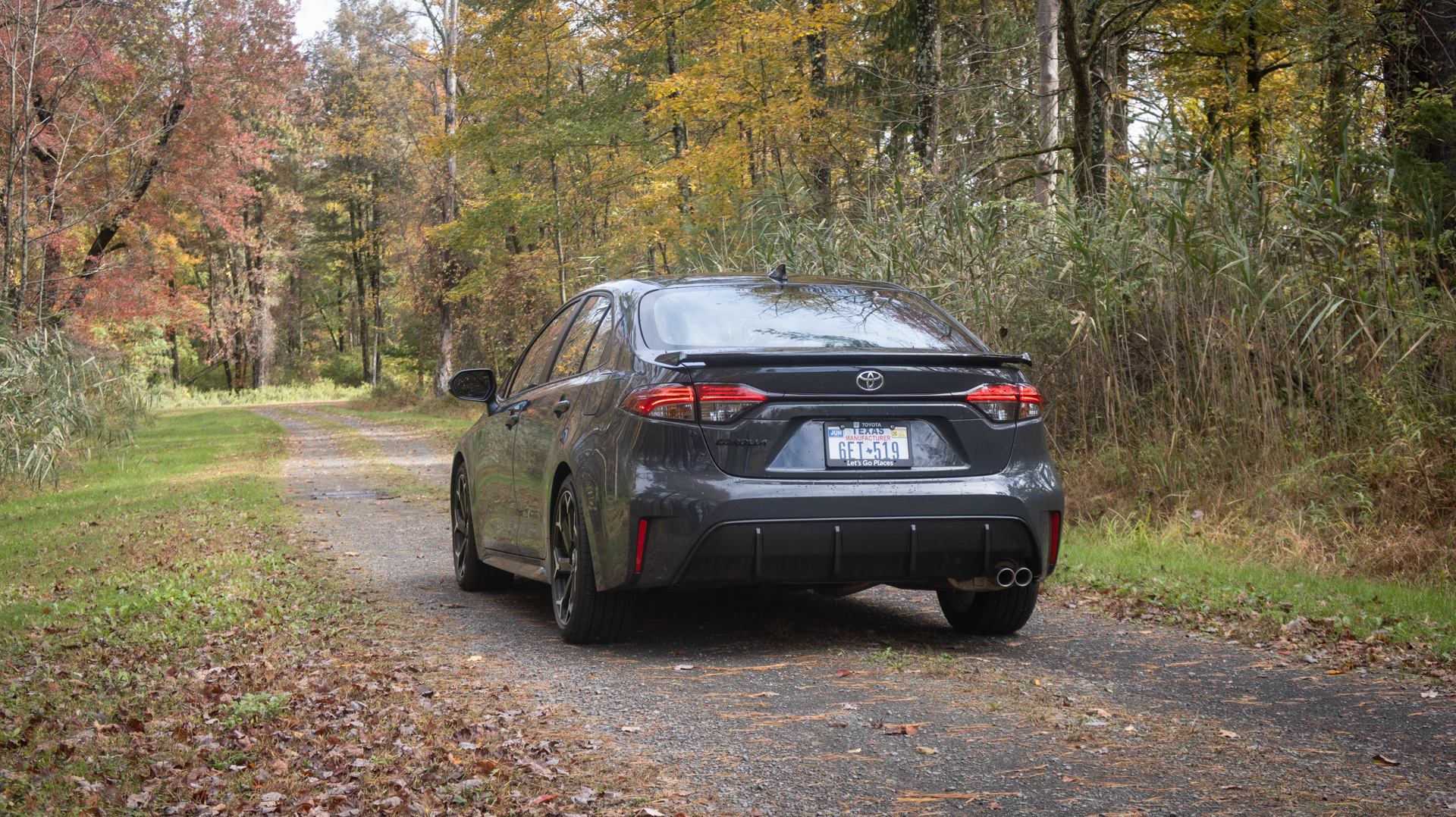
The whole thing comes to just under $30,000, even with delivery, processing, and handling fees. At that price point, if you’ve got to have a new car, you could also be looking at Hyundai. Honda, Nissan, VW, and Kia. You can get a Hyundai Sonata SEL for around $30,000, which has a little more power but slightly worse fuel economy. The Honda Civic Sport has a nicer interior but even less power. A Nissan Sentra SR is less expensive but not as good-looking. A Jetta Sport is also less expensive than a Corolla FX, and it has tiptronic shiftability, which can be fun to play with. Finally, the Kia K4 GT Line Turbo has a peppier engine, but its design won’t appeal to everyone.
Fuel Economy and Efficiency
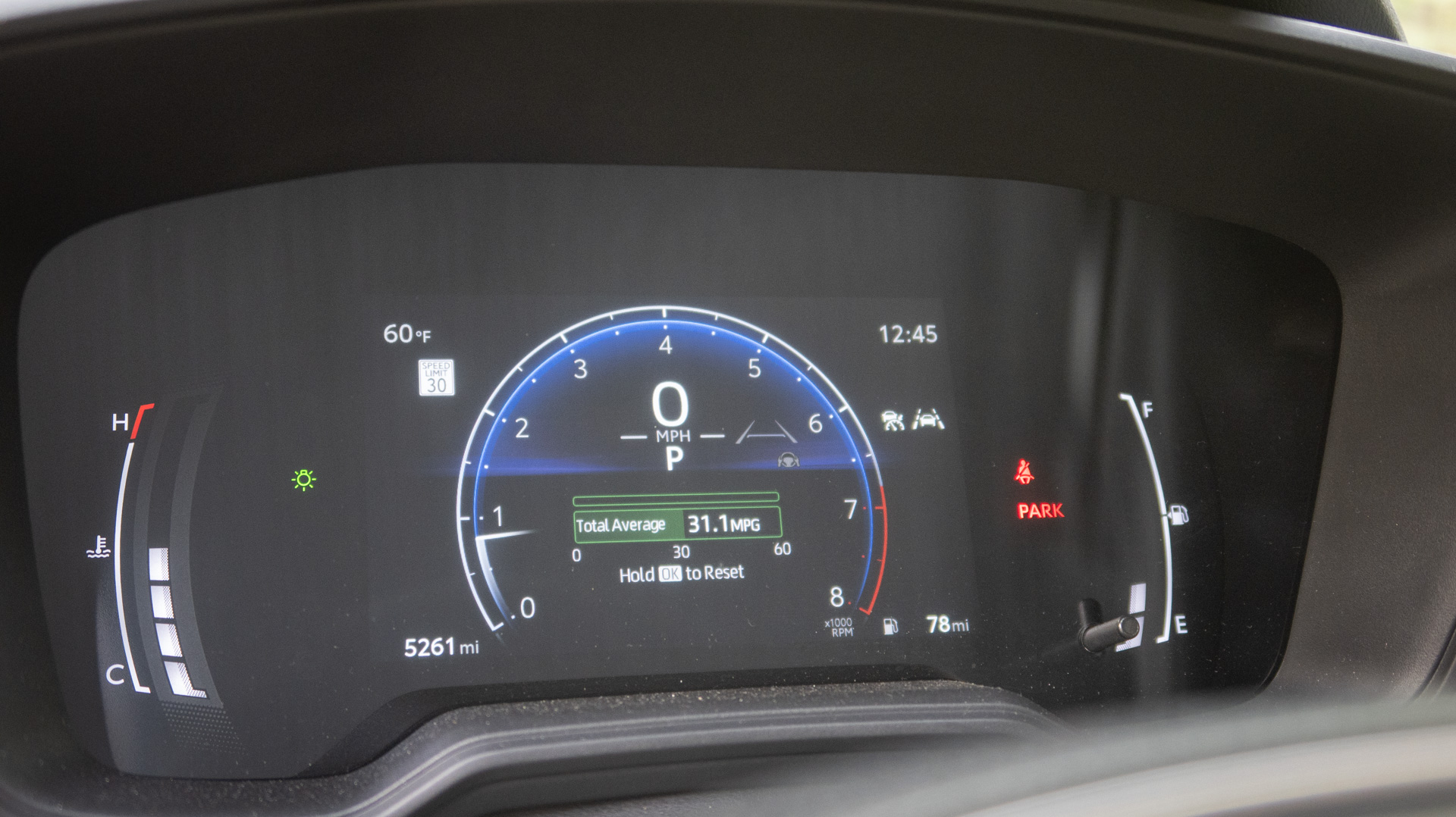
The Corolla FX claims 31, 39, and 34 mpg in city, highway, and combined driving conditions, respectively. That doesn’t seem very impressive to me, considering how slow and small the thing feels—economy cars were hitting those numbers decades ago. Then again, I suppose this car is heavier and safer.
I mostly saw figures in the high 30s on my test loops—lots of 55-mph inter-county roads. Even beating on the car a few times to see what’d happen didn’t seem to ruin my overall average fuel economy all that much.
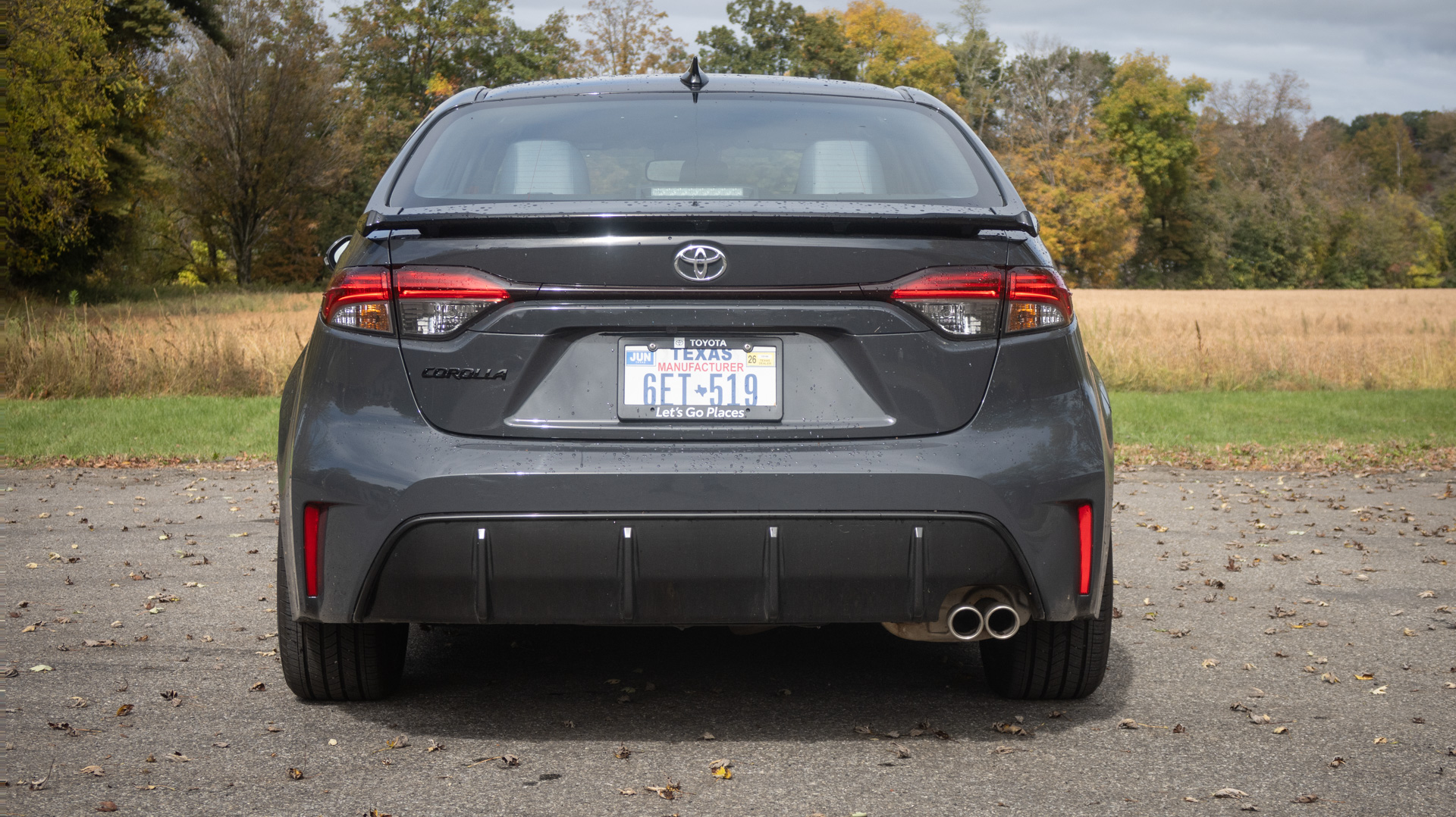
Ultimately, I expect this will be an inexpensive car to run in terms of fuel, consumables, and upkeep. Toyota still has a good reputation for reliability, despite recent truck engine issues. The current Corolla is now a proven platform, and the FX model proves to be an inexpensive, good-looking car.
Value and Verdict
Nobody would accuse a low-spec Toyota of being an entry-level luxury car, but the brand does command a bit of a premium in the market over similar rivals. Based on price alone, the equivalent Kia K4 and Nissan Sentra have much newer-looking interiors, and I suspect the VW Jetta might have a more satisfying driving experience. In other words, the Corolla FX’s best quality is its sharp looks and overall value.
The Corolla FX will get you plus friends, family, and pets around (though not all at once) in relative comfort and genuine style. If it’s as reliable as the Corollas of the past, it should be a willing travel companion for decades with basic regular servicing.
There’s a lot to be said for driving a car built on a prolific and successful platform from a brand that was once basically synonymous with low-cost compact commuter vehicles. And I really do love the look of this thing… don’t you?
Toyota provided The Drive with a seven-day loan of this vehicle for the purpose of writing this review.
| 2025 Toyota Corolla FX Specs | |
|---|---|
| Base Price (As Tested) | $26,500 ($29,289) |
| Powertrain | 2.0-liter inline-4 | continously-variable transmission | front-wheel drive |
| Horsepower | 169 @ 6,600 rpm |
| Torque | 151 lb-ft @ 4,400 rpm |
| Seating Capacity | 5 |
| Curb Weight | 3,110 pounds |
| Cargo Volume | 13.1 cubic feet |
| Fuel Economy | 31 city | 39 highway | 34 combined |
| Score | 6/10 |

Quick Take
It’s not the most complete, most exciting, or best-value economy car in America, but it might be the coolest-looking.
Loading comments…
Comments couldn’t be loaded. Please refresh the page.