
Key Takeaways
- Who pays for your street? Often, it’s the homeowners themselves, not local governments, who bear the cost of street maintenance.
- Historical context of street development. Streets were often built by developers and later absorbed by municipalities, impacting who maintains them.
- Cost of road construction and maintenance. Building a two-lane road can cost $1-5 million, with maintenance costs varying by location and material.
- Funding mechanisms for roads. Roads are funded through private, public, or hybrid models, with taxpayers ultimately footing the bill.
Bottom line: Understanding who is responsible for street costs reveals a complex mix of historical development, funding models, and homeowner responsibilities.
AI assisted, editor reviewed
I’m a homeowner in suburbia. I live on an asphalt-paved street with neat, concrete sidewalks lined with many-decades-old maple trees. Like many others in my position, I have some gripes about the condition of that street, especially after the winter we just experienced here in the Midwest. Everywhere you look, more potholes have emerged, and it would be nice to get them fixed.
Since I’ve only lived in the neighborhood a few years, I wasn’t sure who to bug about that, so I asked around. Some folks said it was the county’s responsibility; others said it was the township’s. A few shook their heads and just smiled ruefully. So I took it upon myself to figure out exactly who has financial responsibility for the street I drive on every day.
This one grievance took me down the incredibly deep rabbit hole of just how we pay for our street infrastructure in America. Just who is supposed to pay to fix the mess out front? Well, as it turns out, the answer is me.
Who built your street?
Do you actually know who built the street you live on? Finding the answer might require more research than you think, but generally speaking, it depends on where and when your home was built. If you live on a major thoroughfare, chances are it will be pretty easy to track down its history. There are passionate infrastructure enthusiasts all over America who document such things extensively.
If you live on a quiet, two-lane street, as many Americans do, tracking down information might prove more difficult, but the developer-improvement model dates back quite a long time. Well over a century ago, farms were being gobbled up to make new tracts of single-family homes, just as they are today. Many subdivisions that are now part of major cities were once rural farmland, too. The rapid expansion of streetcar lines in the late 19th and early 20th century made those “remote” areas reachable via a short commute for people who weren’t fortunate enough to own a horse (or eventually, an automobile). Speculators took advantage of this dynamic by purchasing farmland to subdivide into new single-family neighborhoods.
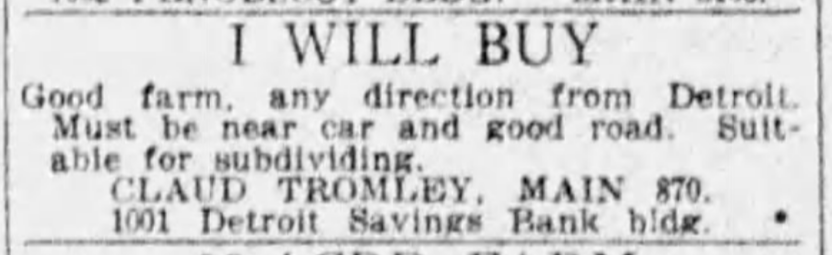
Detroit Free Press, February 23, 1921, Page 17. via Newspapers.com
Improvements like gas, electricity, public water, and public sewer were highly desirable amenities for communities being built during the pre-Depression housing boom. They attracted buyers who expected the neighborhoods to be absorbed into nearby urban centers. Annexation happened at a rapid pace nationwide between about 1900 and the economic downturn of the late 1920s that eventually led to the Great Depression. When that happened, the annexing municipality was on the hook for the debts of the annexed. In exchange, the now-larger city got a bigger tax base and more borrowing power—the better to finance more expansion.
In so doing, cities borrowed against their inflating values in order to rapidly build out their infrastructure throughout the first half of the 20th century. The Great Depression was only a hiccup, and in fact, many urban centers have the New Deal to thank for completing the lion’s share of the unfinished infrastructure they had insatiably gobbled up during the 1920s. During World War II, some citizens were encouraged to burn the bonds they had purchased to finance expansion from two decades prior, simply canceling the debt entirely.
What else lurks beneath it?
Oftentimes, early-20th-century real estate developers were even responsible for building the streetcar lines themselves, along with any amenities located at the residential end of the line, such as parks and other attractions; the opposite end was usually a major labor center. Sprinkled in between would be shops, offices, and other highly trafficked real estate, often including interests held by the same developer. Vertical integration, baby!
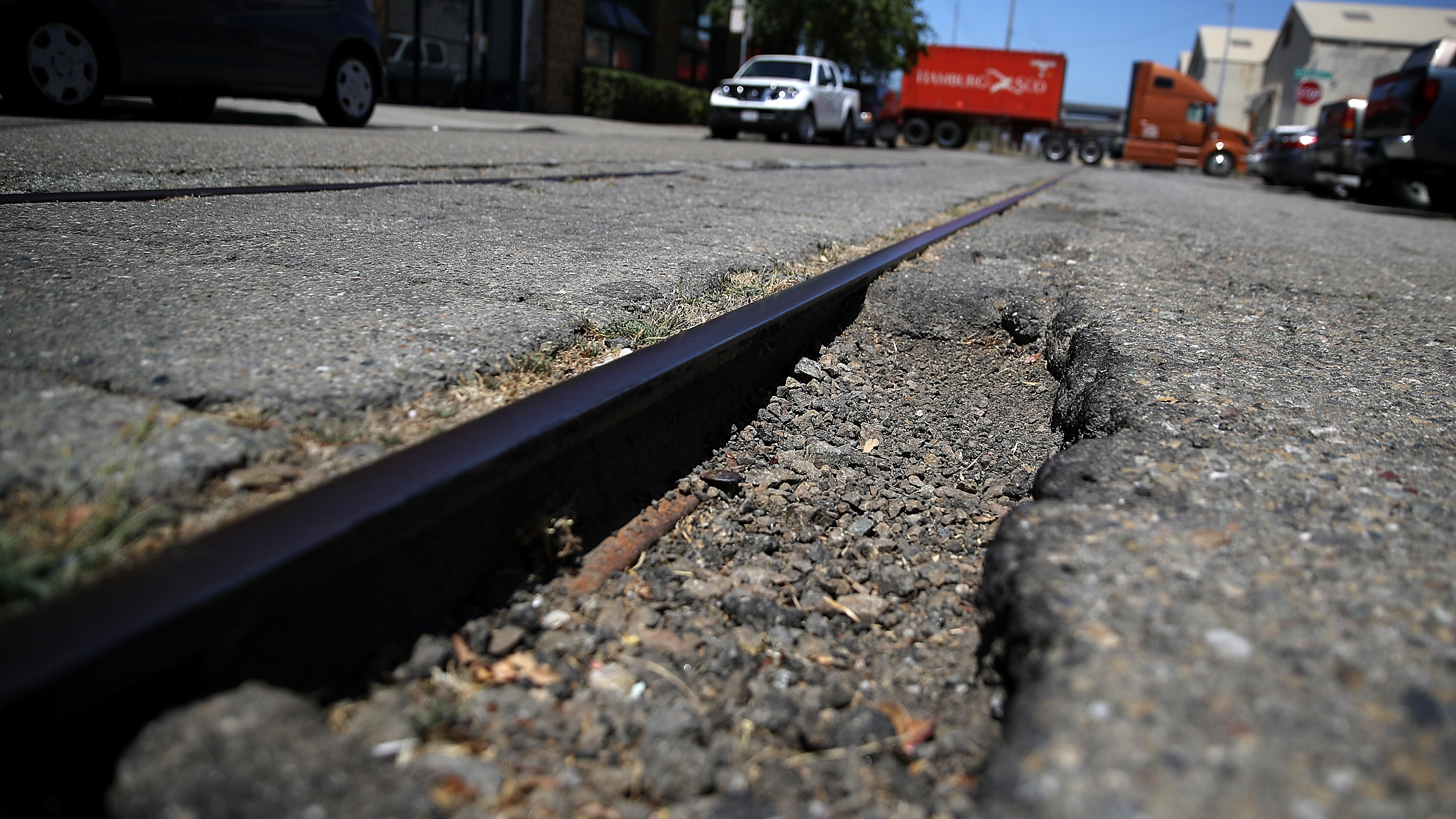
Like the roads themselves, the streetcar lines were eventually consolidated under separate private firms or purchased (often out of bankruptcy) by public transit authorities—yet another financial burden that ultimately fell on taxpayers. The rise of the automobile ran most out of business, but in many cases, the remnants of these lines still lurk beneath existing urban avenues—just something else engineers have to design around when building, upgrading, or repairing your infrastructure.
These same trends continue today, only there’s less legacy infrastructure lurking beneath the new roads being built in America’s emergent exurbs. In the simplest cases, your road was built by a private developer and is privately maintained to this day; that said, a simple arrangement isn’t always beneficial for all involved, especially if the owner simply refuses to maintain their property.
Who maintains it?
Depending on where you live, the answer to this question may ultimately surprise you. As we learned above, the answer is probably not “whoever built it,” unless of course you’re fortunate (?) enough to live on a county- or state-maintained road. Hey, I’ve been there. When I lived on one of the grand old boulevards in Lakewood, Ohio, it was great having the street plowed first, but it sucked having to find off-street parking while they did it.
As I learned while researching my pothole situation, my road may have been preserved as a public right-of-way in the 1920s, but the county only assumed responsibility for guaranteeing it would remain passable. They didn’t agree to maintain it to any particular level beyond that. It remained a dirt/gravel street until the 1990s, when a resident-led coalition campaigned successfully to get it paved. Homeowners paid out of pocket for the improvement with some assistance from the township, but the deal did not include comprehensive maintenance or any provision at all for replacement. It’s now beyond its original service life, and the deterioration is only getting worse.
In my case, strictly speaking, it’s nobody’s job to maintain my street—and I’m one of a very small handful of people who lives here that has a clue. Everybody else simply assumes the relevant department has been derelict in its duty to us as taxpayers. But since we don’t receive any additional money from the highway fund beyond what is allocated to the county, we’re actually the ones on the hook if we want anything done about it.
What does it actually cost to build a road?
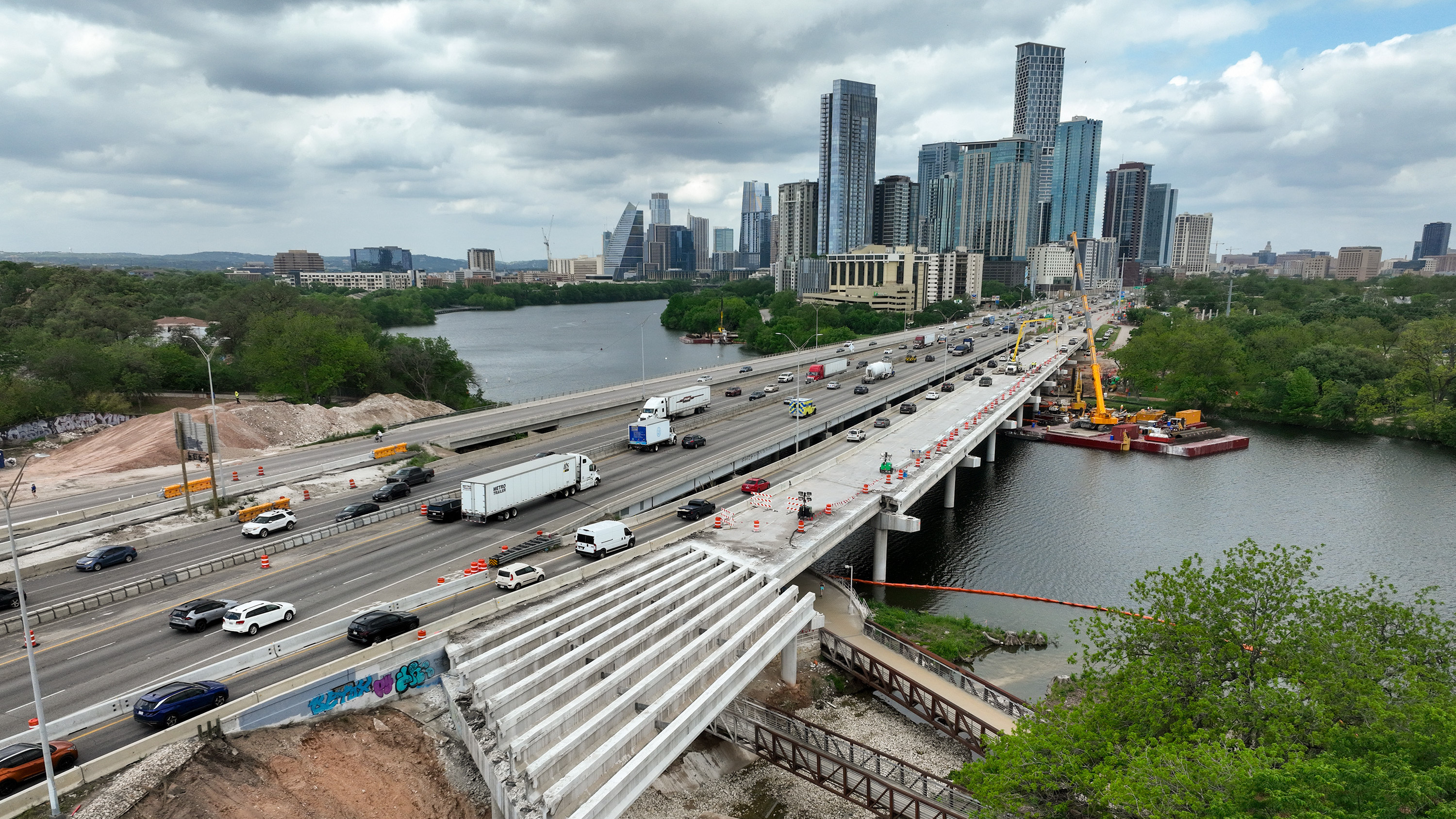
While it can be tough to nail down the exact cost of any given stretch of road without knowing a large number of critical variables, the process is well-documented, making it possible to come up with a reasonable estimate.
Construction of a simple, two-lane rural road typically costs anywhere from around $1 to $3 million. Moving that to an urban environment can bloat those figures to between $3 and $5 million; in some cases, even more. For multi-lane roads, generally speaking, you can simply double the above estimates. Complex infrastructure needs will drive those prices up even more.
Who pays for that and how?
Broadly speaking, roads are paid for one of three ways. Either they’re privately funded, publicly funded, or a hybrid of the two.
Most private road construction falls into one of two categories. The first is the kind seen in modern subdivision development, where the developer itself usually finances all of the necessary improvements to make the resulting neighborhood habitable. Most modern utilities run under roads and sidewalks; adding asphalt or concrete is simply a nice bit of finish work that increases curb appeal. Plus, the cost gets baked into the sale price (or in some cases, passed on in the form of a special tax assessment or HOA mandate).
The other commonly encountered example of private road-building is the old-fashioned tollway. While it’s more commonly associated with bridges or tunnels that were either built by or sold to private enterprise, the toll model has also been used for old-fashioned highways, such as the Dulles Greenway in northern Virginia. Despite being part of State Route 267, it’s owned entirely by an Australian firm.
“Public” road construction is a bit of a misnomer, at least here in the United States. While many roads are publicly financed, the era of the government actually employing people to physically build roads ended decades ago. These days, that’s almost exclusively the domain of private contractors. Still, the public ends up paying for it one way or the other.
This happens at several different scales. Routes that are part of the highway system are at least partially financed by the federal government. The Interstate system is the best example of this. Since it helped unite the country’s major cities and nominally fulfilled some national defense requirements, it was easy to justify spreading the costs around—90% of it, anyway. The other 10% was provided by the states.
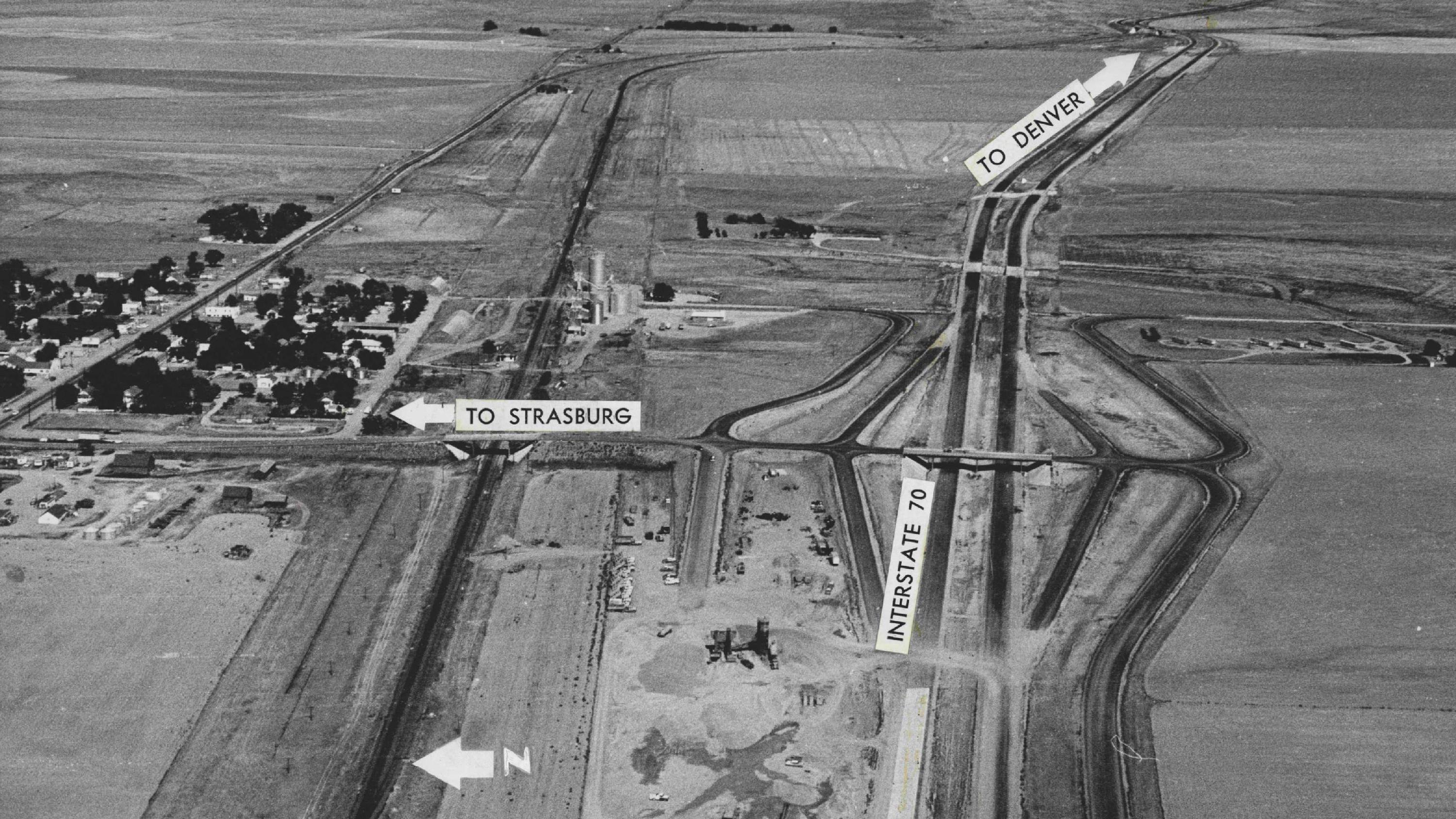
Money to build and improve modern interstates doesn’t come exclusively from the feds, and what does often comes with strings attached. Part of the problem is that the Highway Trust, which is where your federal fuel taxes go, is barely able to keep up with maintenance. Supporting new construction at any sort of scale is simple out of the question.
At the state and local level, governments often have to find creative ways to cover shortfalls in between what a major project costs and what the feds are willing to contribute, especially in cases where you need something more elaborate than “basic” surface infrastructure. Bridges, tunnels and expressways that cater mostly to a dedicated commuter or commercial traffic are often financed up front and paid off with tolls. The entire “turnpike” concept actually predates cars, but hey, if it works?
Smaller state and county routes can also be eligible for certain subsidies if they incorporate recommended safety or conservation methods, but generally speaking, most funding for local roads comes from the populations they serve. Counties pay for county roads; cities pay for city roads. How they finance the projects can vary, but ultimately, it’s the taxpayer who is on the hook for the initial bill.
How much does it cost to maintain a road?
Like the cost to build roads, the cost of maintenance can vary significantly depending on things like climate (extreme cold and heat are both murderous to road surfaces) and the type of material used to surface the road (asphalt wears faster than concrete, but costs less to to both lay and repair). There are also factors such as snow plowing, salting, and other weather-related upkeep (sand removal in coastal areas and the desert southwest, for example) to consider. As in construction, terrain also remains a factor, and not just in extreme cases where entire roads are swallowed as a result of either plate tectonics or an untimely monsoon.
Generally, the cost to maintain a rural surface street falls somewhere between several thousand and many tens of thousands of dollars per year. Most estimates for county road maintenance suggest a figure between $5,000 and $15,000 per mile of road; unimproved rural roads can cost as little as 70-90% less than paved roads to maintain.
In more densely populated areas, the cost to maintain a mile of improved road increases to between $10,000 and $25,000 for some smaller municipalities to hundreds of thousands of dollars for complex roads in highly dense cities. We’ll dive a bit more into what can cause surface infrastructure costs to skyrocket below.
Who pays for that and how?
One might assume that the answer to this question is “whoever paid to build it;” it might surprise you to learn that’s often not the case, especially if your road was built privately. Private subdivision roads tend to be built to public right-of-way standards for a very specific reason; the developers often fully expect the local highway authority to take over control at some point down the line. In exchange, the local government gets a new development’s worth of taxpayers. Win-win, in theory. But somebody has to actually pay to maintain that, right?
If your street remains in private hands, you likely pay for maintenance through a homeowner’s or condo association, or some other form of co-op. It’s also not unheard of for communities to form private coalitions to fund maintenance and improvements with assistance (whether simply logistical or through subsidization) from local governments. In many of these cases, property owners are assessed a separate tax or fee to cover their share of the services for the length of a contract that can’t be severed from the deed. If you move out, the next owner gets the honor of footing the bill.
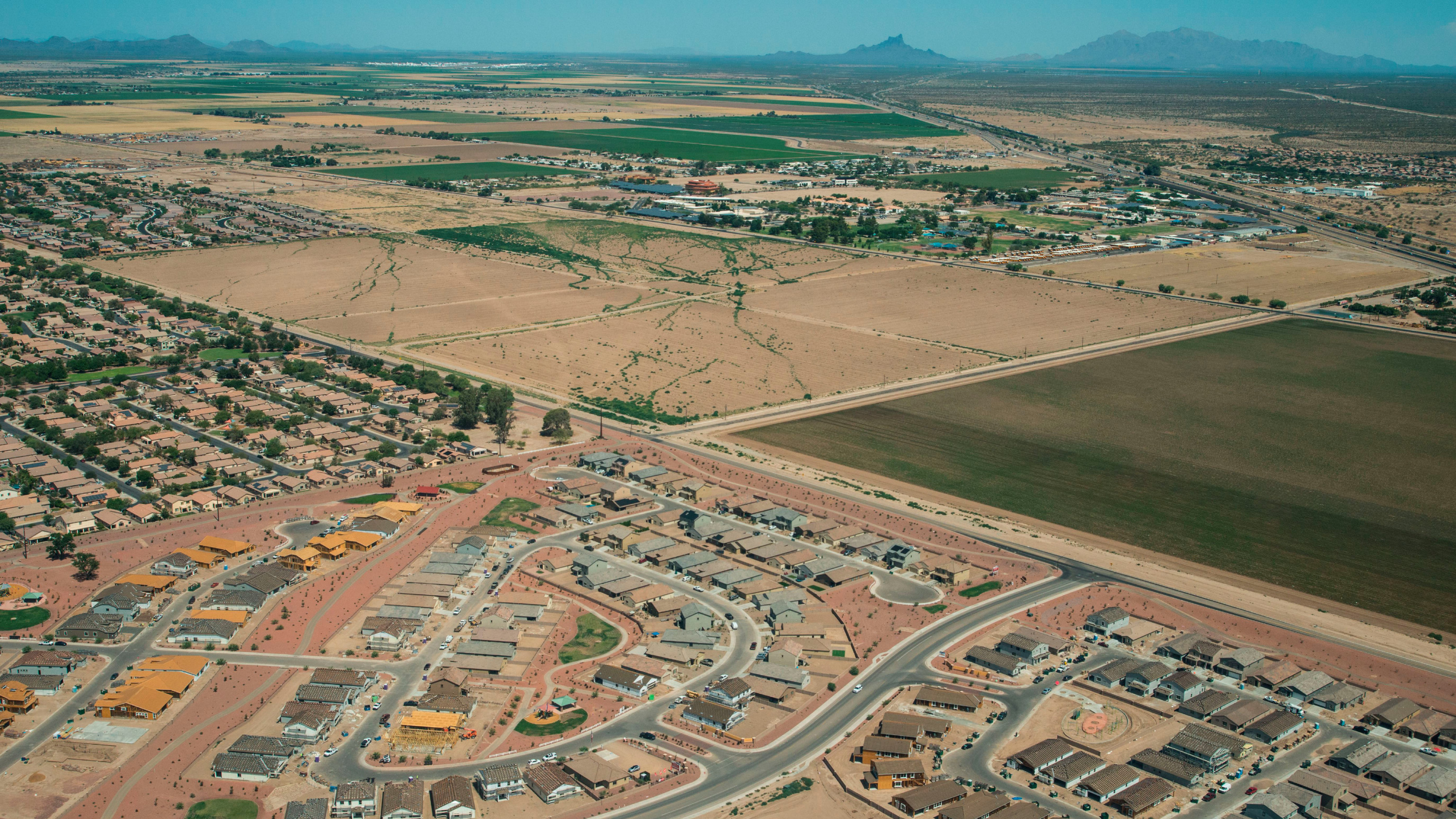
But what about the public roads we all commute on every day? That brings us to our first item in the “how” column: Gas taxes. While it varies from state to state, the general law of the land here in America is that roads are paid for by the people who use them. If you drive more, you end up paying more. It stands to reason, right? That’s accomplished largely through fuel taxes, but while diesel and gasoline prices themselves have largely tracked upward with inflation, their respective tax rates have remained unchanged in most states for decades, contributing to maintenance deficits.
Those deficits have been exacerbated in some cases by the fact that heavy commuters now have access to highly efficient hybrids and electric vehicles. These tend to be heavier than their equivalent gas cars, meaning they’re causing just as much wear and tear as any other car (or perhaps more), but pay less or even zero in fuel taxes. This is something states have begun to address with usage taxes; many of them have faced resistance.
Due to the deficits outlined above, many governments have been forced to tap into other sources to revenue to help cover shortfalls, or have deferred or simply foregone needed maintenance or repairs.
The math of road ownership
The above is a very high-level look at how we finance roads in the United States, but there are other things you should keep in mind when it comes to road construction and maintenance costs. For one, while roads are nominally paid for by the residents who use them, the reality is that those costs aren’t always distributed evenly. While many rural dwellers may feel slighted by the notion of their tax dollars paying for urban infrastructure they don’t use, the opposite is far more often true: Those who live in more-dense areas are frequently the ones subsidizing those who live farther out by virtue of the fact that rural areas simply wouldn’t be able to afford their infrastructure improvements any other way.
Don’t believe me? Here’s some (heavily simplified) math as an example.
Let’s imagine two residents that live on streets that need to be repaved. They live in the same state; one in a duplex near a major city; the other in a single-family home in a small farming town. They both live on a quarter-mile long stretch of road. For the sake of easy math, let’s assume it costs about about $250,000 to repave that stretch of road near the city, and half as much ($125,000) to resurface it in the boondocks.
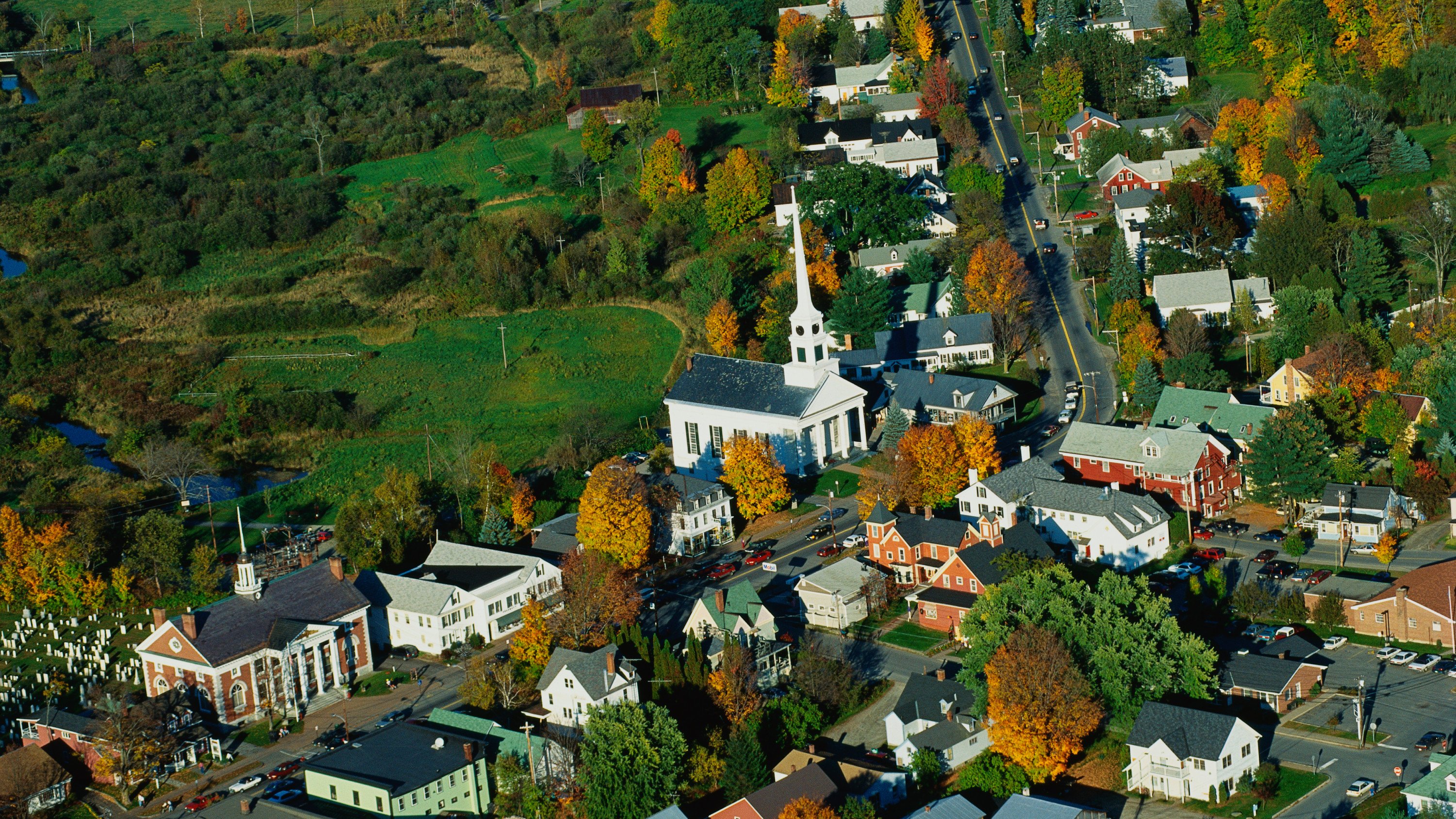
Each of those suburban duplexes probably sits on about 50 feet of frontage, meaning there are approximately 26 of them on each side of a quarter-mile block. Let’s round that down to 25 and double it to account for both sides of the street. That’s 50 duplexes, or 100 households. To pay for the cost of that street, each household is on the hook for $2,500.
At the average gas tax rate (about 50 cents), that means each house would have to burn about 5,000 gallons of fuel to cover their share of the cost. The typical driver in America consumes between 300 and 500 gallons per year. If we take the high end, that means the residents would pay off their street in about 10 years. Realistically, that would probably be more like 12-15, especially since suburbanites are more likely to drive smaller, more efficient cars than their rural counterparts.
For the resident of the small town, the payoff time frame shifts dramatically. The road only costs half as much, which is fantastic, but it’s likely inhabited by far fewer households—maybe even just the one. But let’s give the small town a shot here and simply quarter it, for a rough count of 25 households. That leaves each one on the hook for $5,000—double the amount of each household near the city, which means double the payoff time despite the lower up-front cost. If our rural example truly lived in the sticks, with no neighbors for miles, this math would get scary fast. Dirt roads makes a lot more sense now, don’t they?
And remember, these are just the costs of the roads these hypothetical people live on, not the full extent of the roads they utilize every day. Our real commuter footprint is far larger than this simple math suggests. We don’t even get into how those fuel taxes break down; it’s far more complex than you realize.
Ponder that the next time you see a pothole.
Have feedback? Let the author know at byron@thedrive.com!
Loading comments…
Comments couldn’t be loaded. Please refresh the page.