
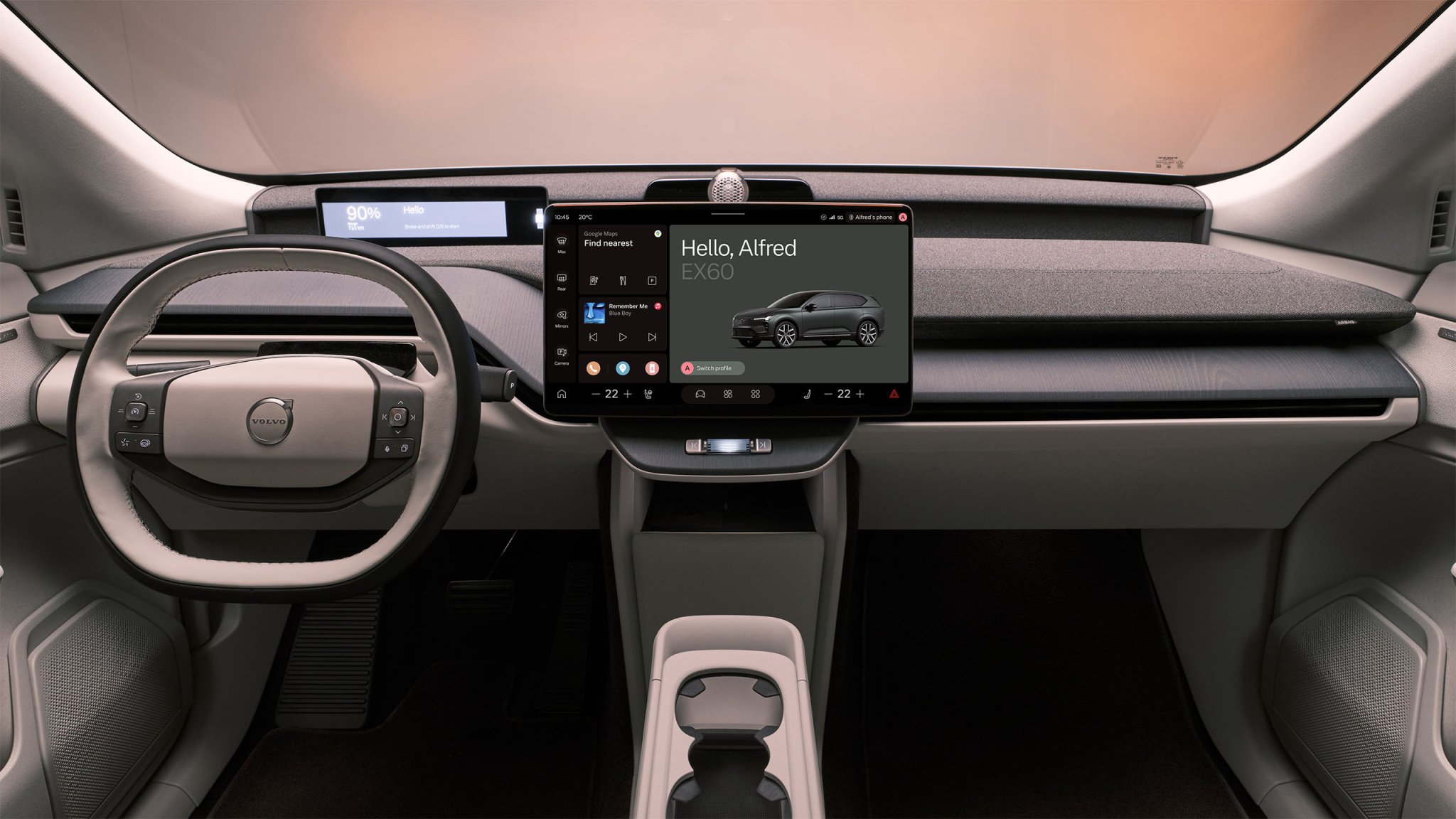
Our concepts of luxury change over time, and automotive history offers a convenient way to survey that shift. Ornate instrumentation gave way to natural materials, the onset of technology in the cabin, and, today, minimalism and screens. It’s up to tastemakers like Volvo to decide what the next generation of automotive luxury looks like, and the Swedish automaker is putting its money on wool.
The Drive had an opportunity to chat with Sara Erichsen Susnjar, Volvo’s Senior Design Manager for Color, Materials & Finish. At a time when many classify Tesla’s austere and featureless interiors as luxurious, Volvo is trying to inject a different perspective into the market—one that relies not merely on leather, but also intricate textiles central to its Scandinavian heritage, including wool.
The 2027 EX60’s dashboard melds wood and wool, allowing tactility you’d expect to find only on the vehicle’s seats to permeate its walls, creating a warmer atmosphere. And although it’s less conventional than leather and Alcantara everything, it looks great.
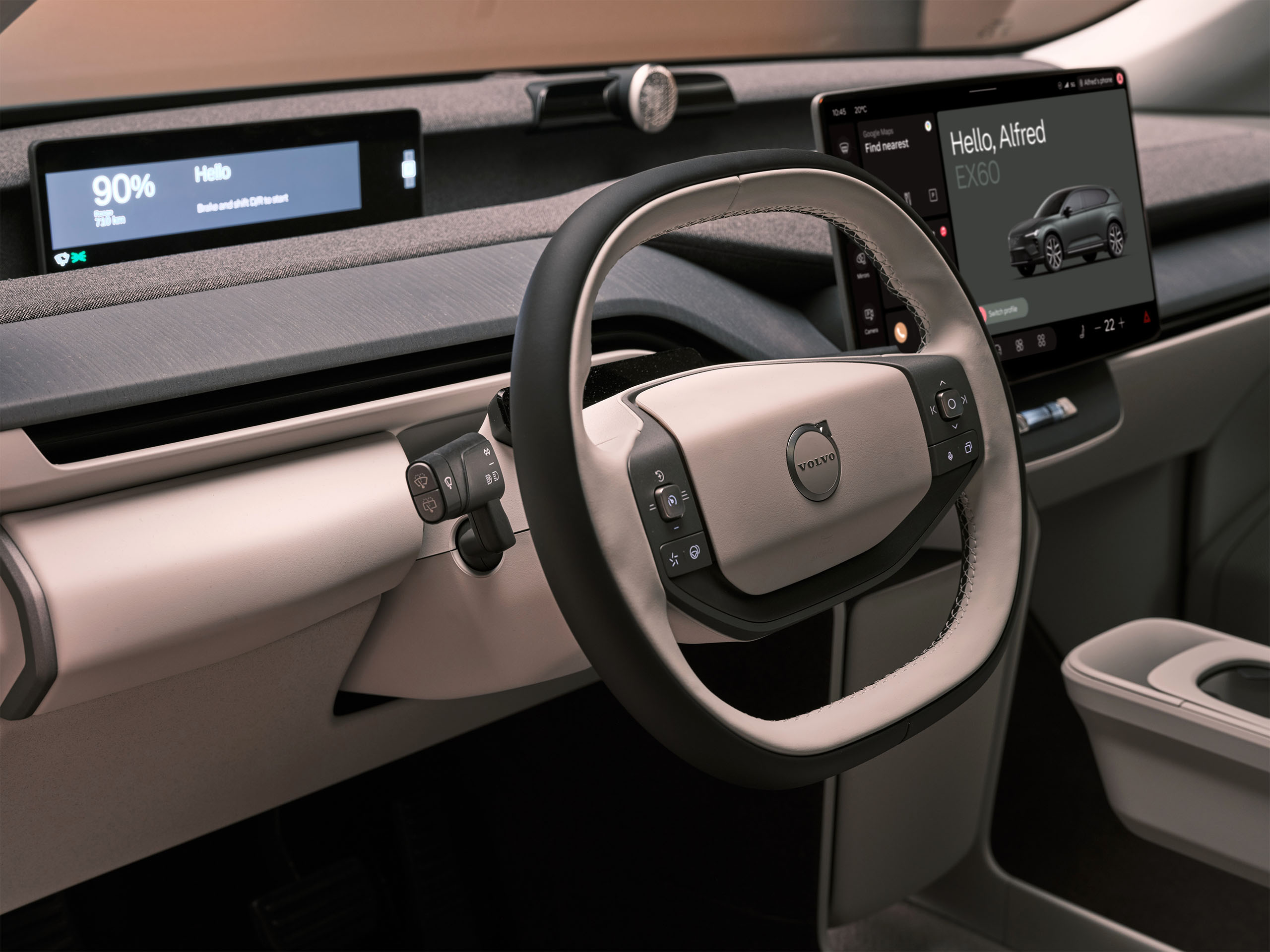
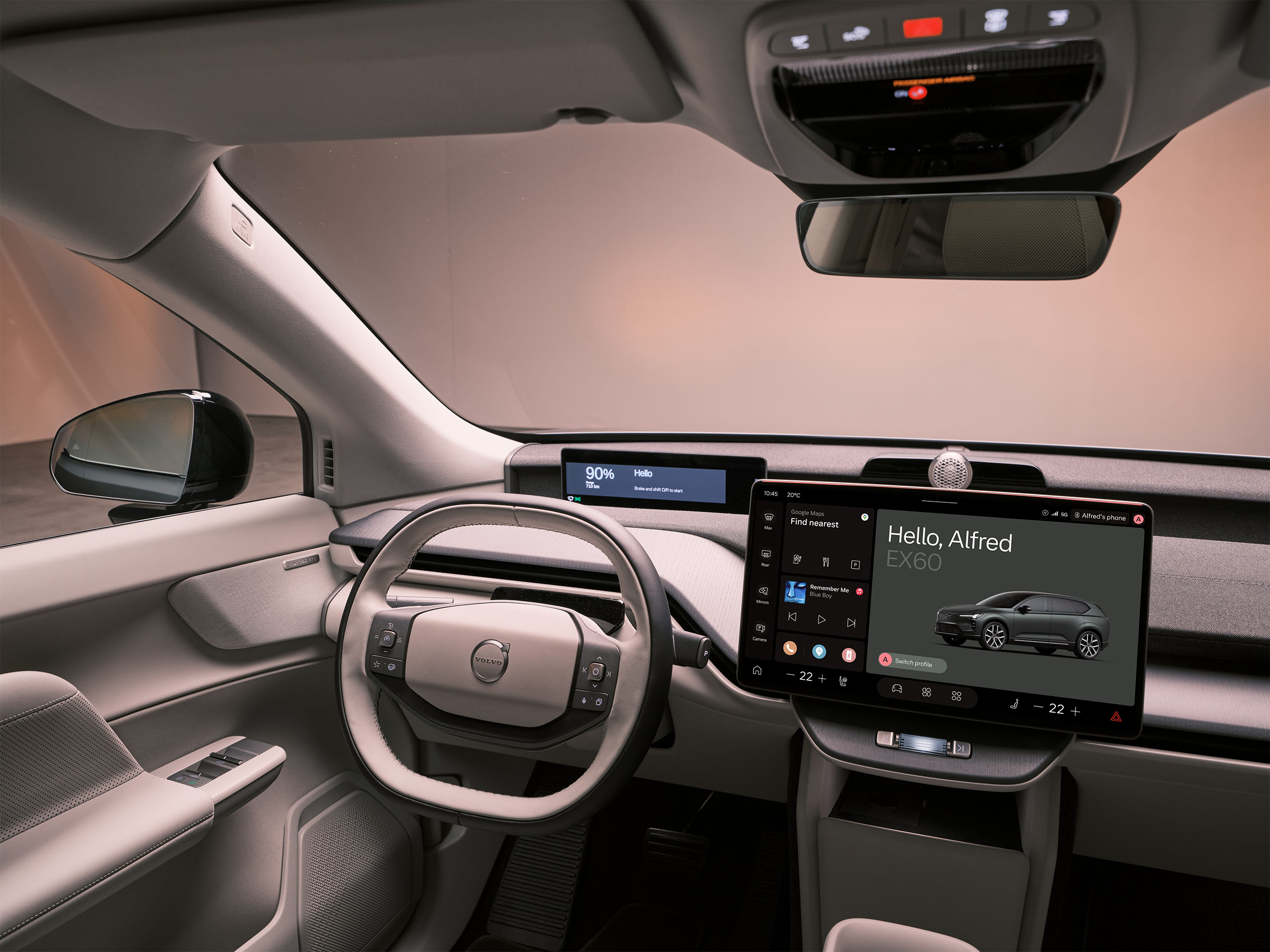
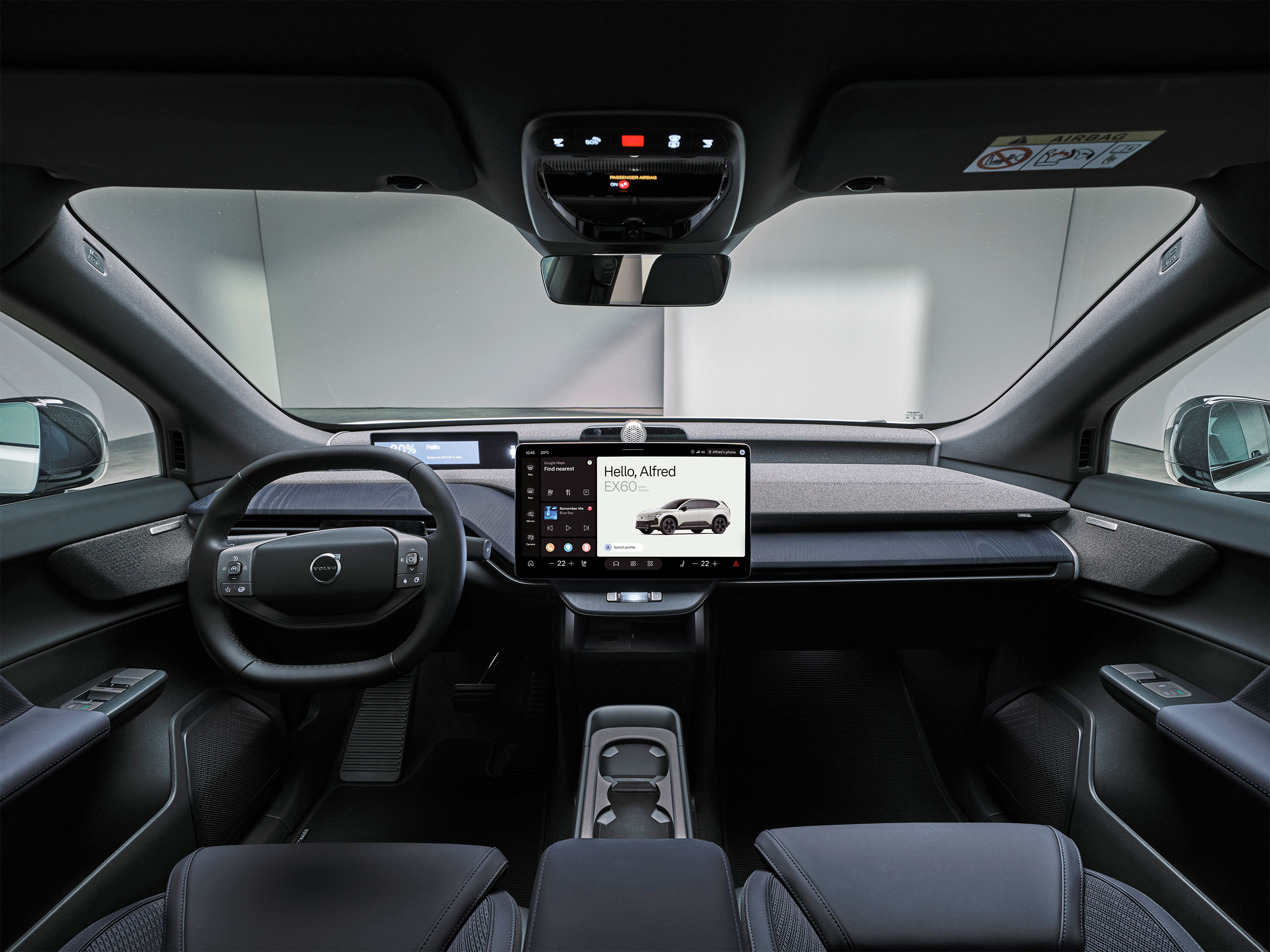
“We, as Volvo design, we always want to work with natural materials,” Susnjar said. “So, wool is like the most premium material that we can think of, like, in furniture design and interior design, and it’s actually a very durable material. So bringing it into the car, it has such nice characteristics, the material—it’s soft, it’s durable, it’s premium looking.”
Susnjar explained how wool has become a “brand-building” material at the Swedish automaker. Back in 2019, it employed full wool upholstery for the XC90’s seats, a first for the marque.
“I don’t think any other brand has got that,” Susnjar said. “I know Land Rover, they have inserts, but not the full wool seat. So we are quite alone with that. And now we are trying to get that into every car. because we really think it is a premium material.”
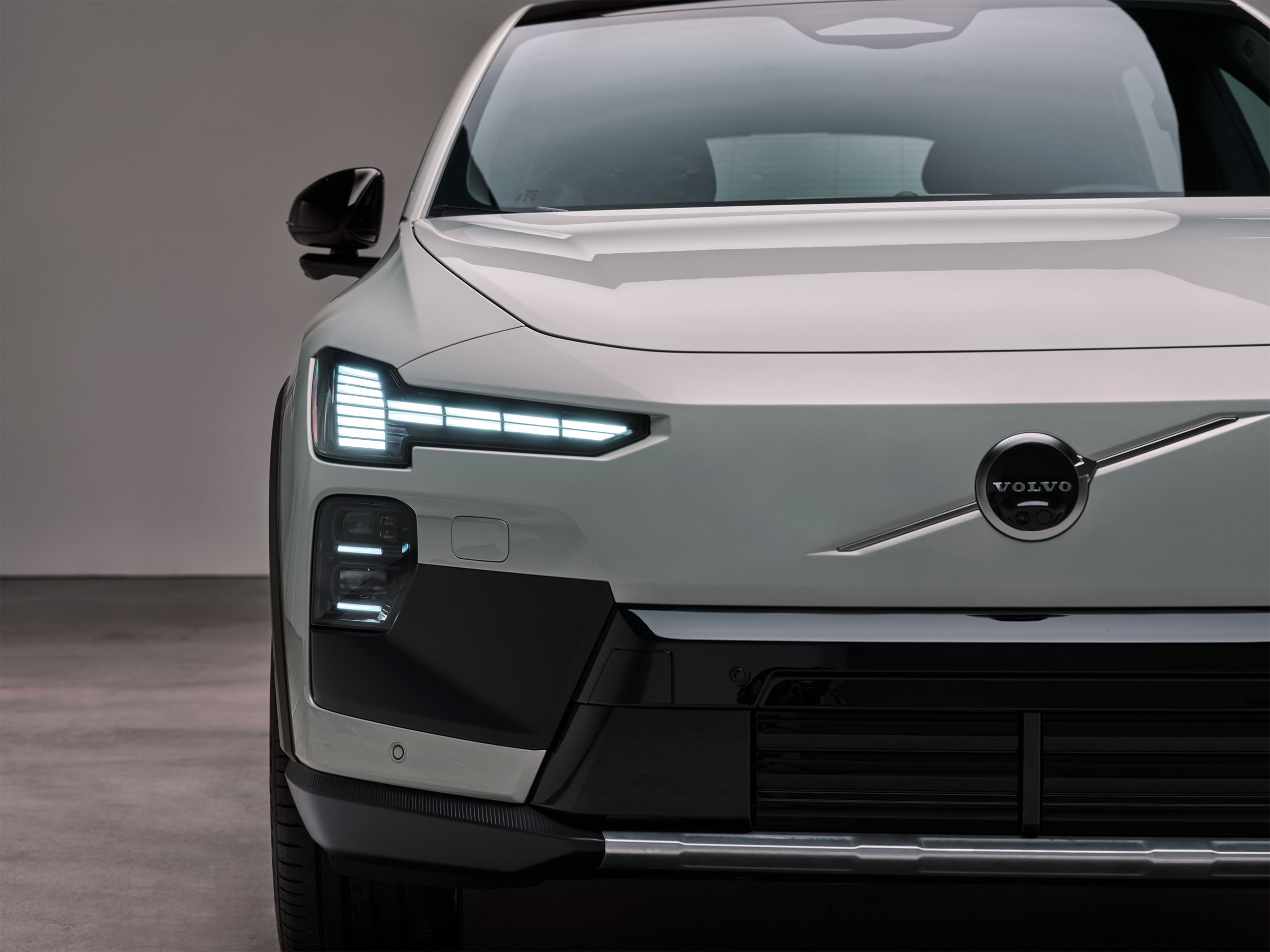
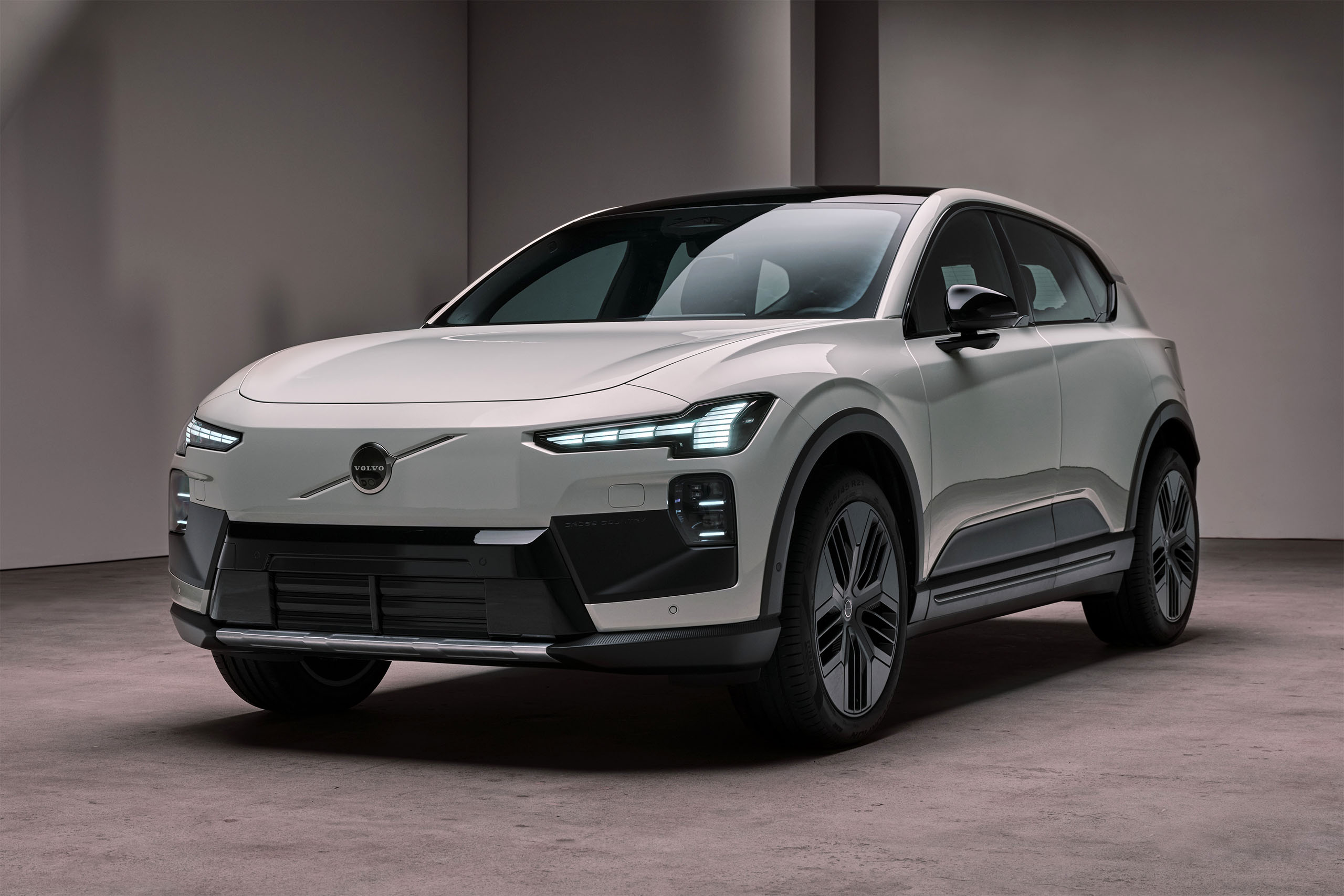
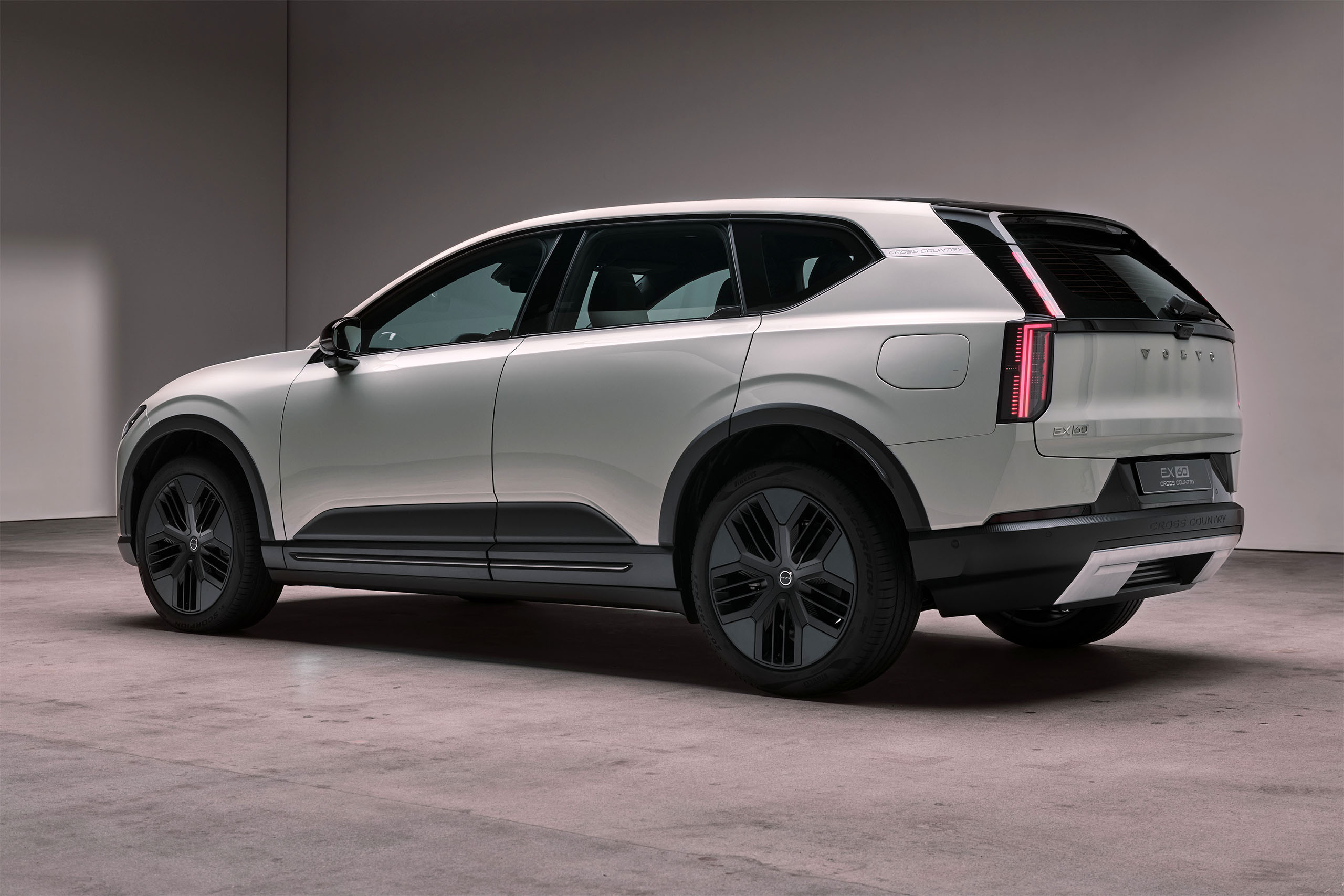
One of the other benefits of wool is that, at least compared to leather, it is more sustainable. (Admittedly, a low bar to clear.) “You have to shear the wool for [sheep] to survive,” Susnjar added. “And also, it’s a biodegradable material.”
It should be said, however, that wool is far from devoid of an environmental cost. A 2023 Vox story cited data from a study on wool production in Australia, the world’s biggest exporter, indicating that “the wool required to make one knit sweater is responsible for 27 times more greenhouse gases than a comparable Australian cotton sweater, and requires 247 times more land.” Car interiors, it seems, leave their mark one way or another.
So, Where Does Automotive Luxury Go From Here?
Ultimately, Volvo is committed to natural textiles that are somewhat alternative in the space of luxury cars, where leather has always been the mainstay. I recall having an early look at the Volvo EX30 in 2023—you know, back when we thought we were getting that thing in America for $35,000—and being quite impressed at the use of materials derived from flax and denim, giving a pop of life and youthfulness to an otherwise spartan interior. It was to be Volvo’s cheapest product, after all, and not really luxurious.
I think that’s the real challenge for automotive interior designers these days. The industry backed itself into a corner with minimalist “airy” cabins, copious screens, capacitive buttons, and soft-touch plastics. The tastemakers erroneously attributed luxury to those characteristics. After all, the absence of anything—choosing not to fill a space that would otherwise be occupied by a dial, or a button, or a piece of trim—saves money.
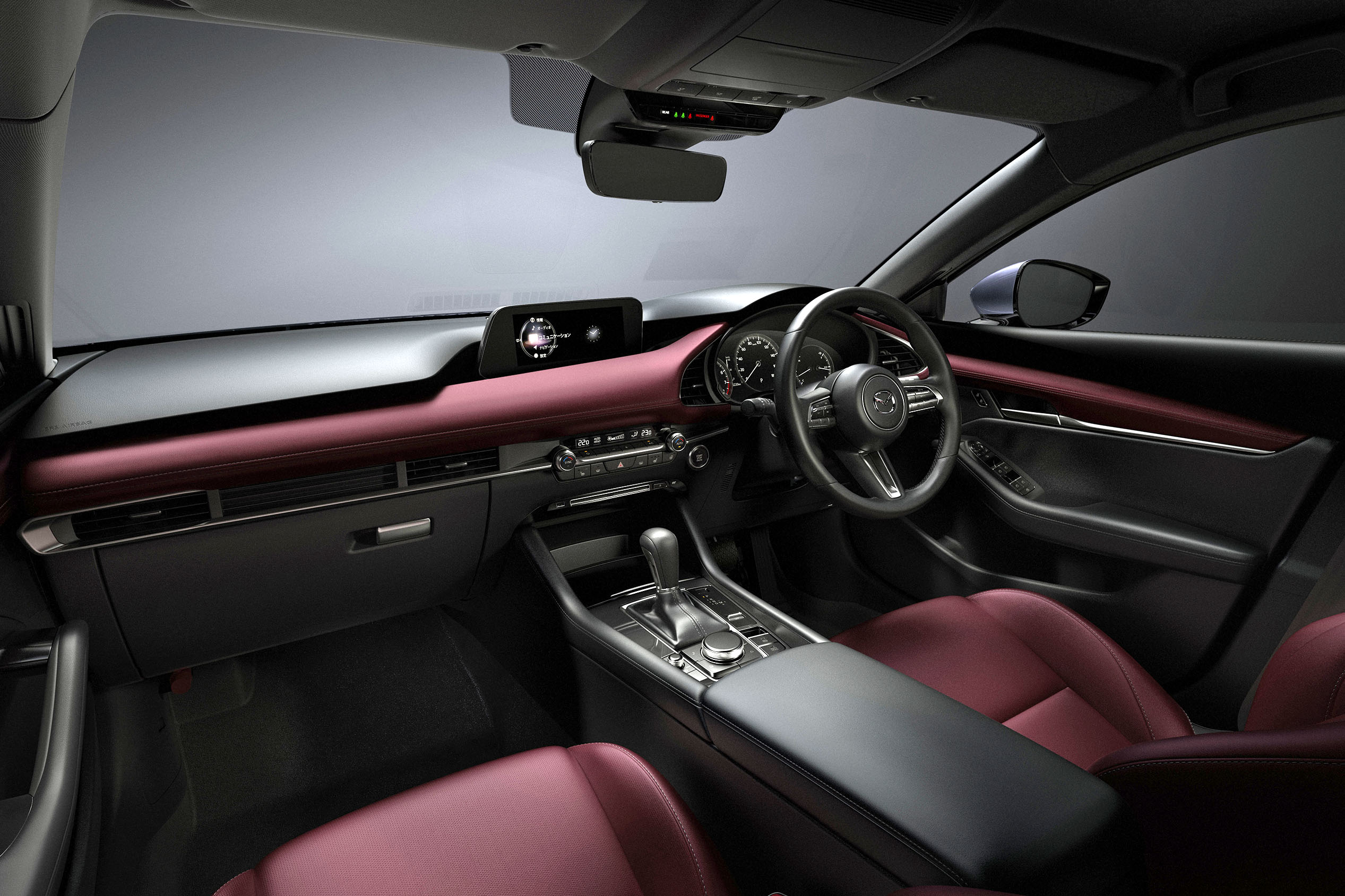
That’s made the modern sense of luxury pretty ubiquitous, which is why a $70,000 Audi genuinely doesn’t feel that much nicer than a Mazda that costs half the price. And that’s not as much of a knock at Audi nor a compliment to Mazda as it might seem. We’re headed for a future where getting a real, naturally aspirated engine powered only by gasoline is about to be a delicacy. Physical buttons will suffer the same fate if we’re not careful.
So companies like Volvo need to find other ways to stand out, and incorporating materials like wool beyond seat upholstery isn’t a bad solution. Texture invites touch, and many cars today actively discourage drivers from touching anything except the steering wheel and maybe a big sheet of glass. The companies that build them want you to use your voice instead of turning a knob. Your physical interaction with the vehicle is limited, and it’s easy to feel siloed off from it despite the fact that you’re literally sitting in it.
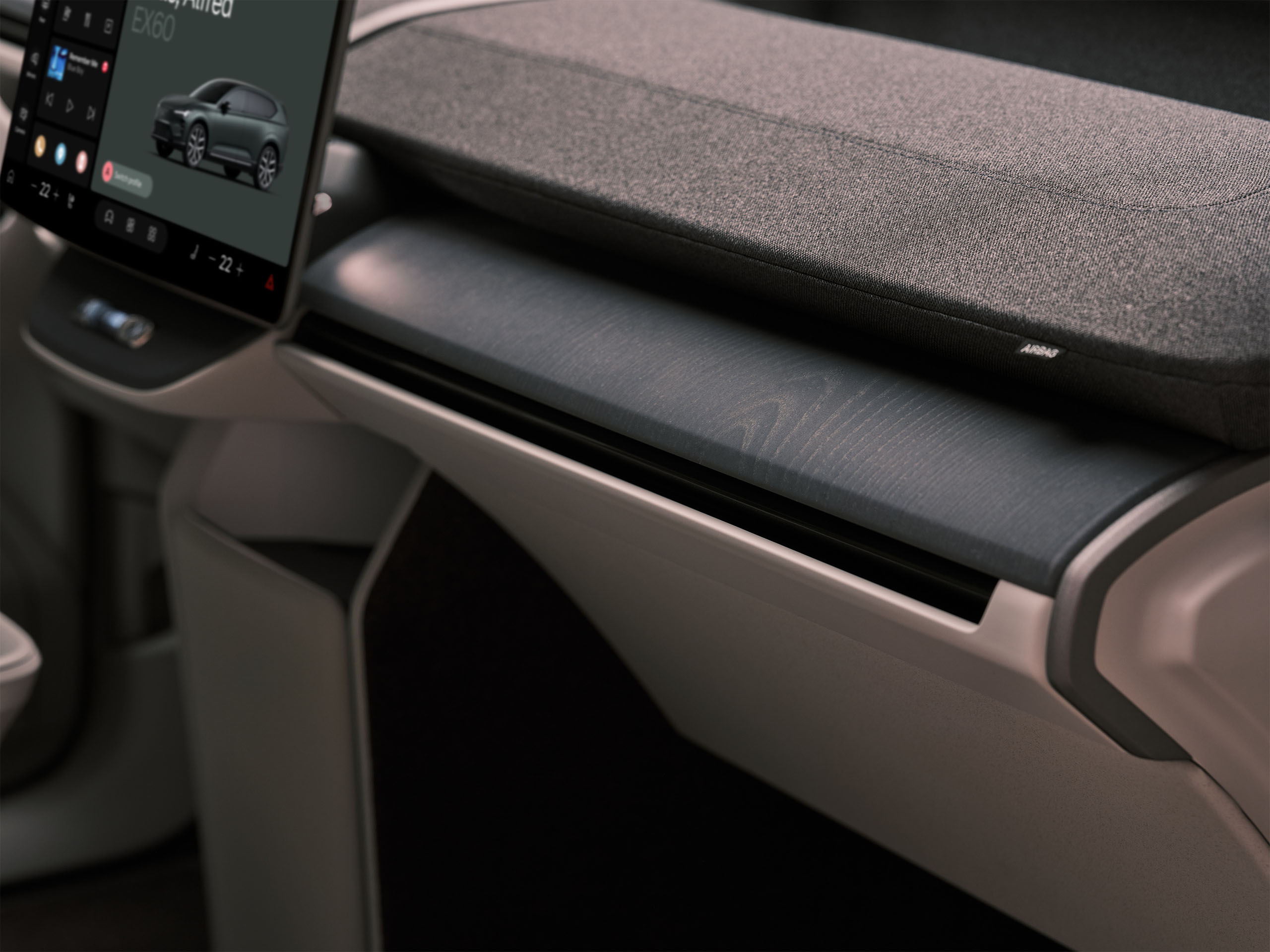
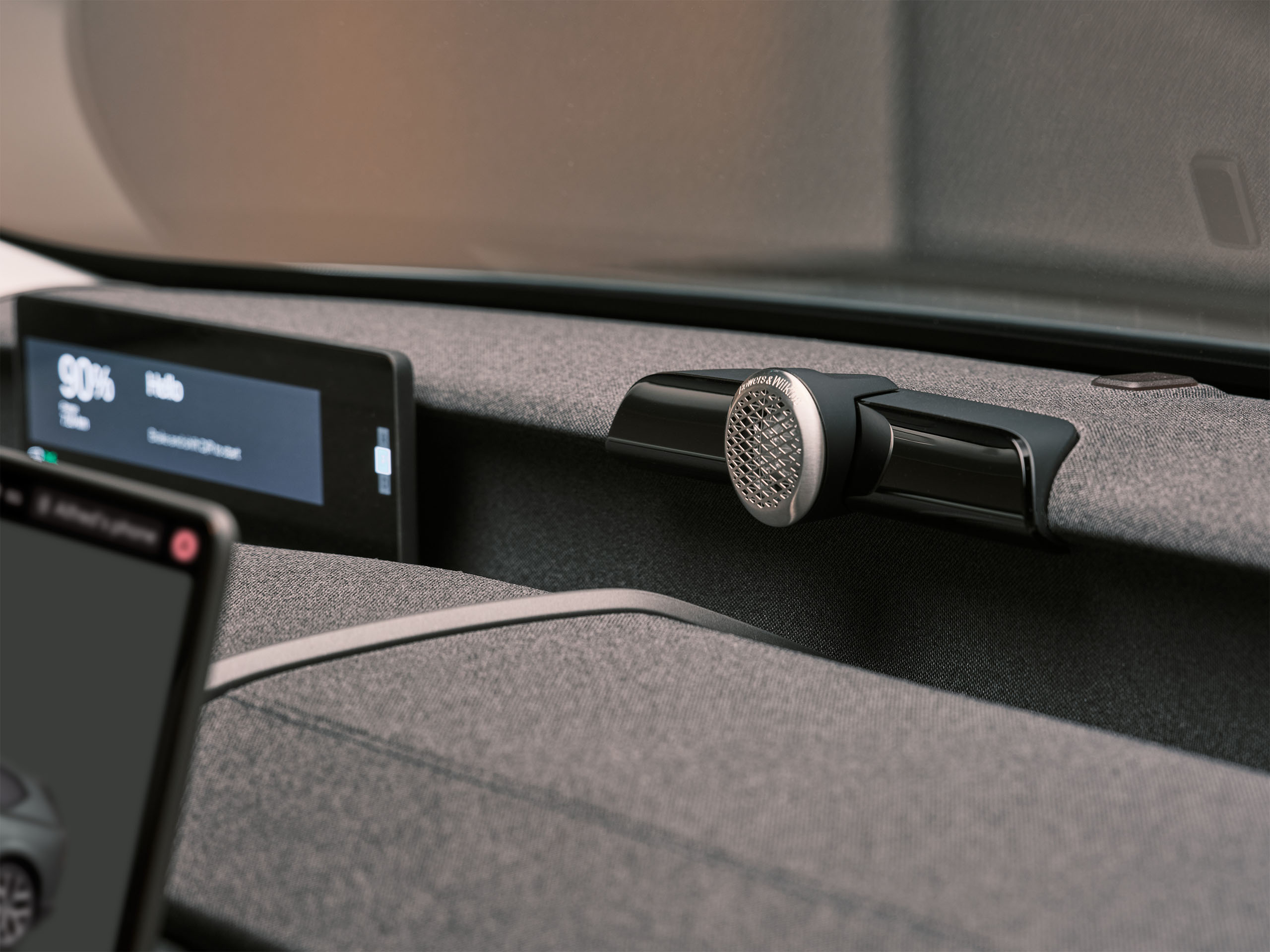
This isn’t to say that Volvo’s final execution here is flawless, or exponentially more inviting than its competitors’. I’d still like more buttons, a slimmer infotainment screen, and vents I can move with my hand. But there is a distinction to that tiered wool dash you want to run your fingers over, and the intricate Bowers & Wilkins tweeter that sits atop it. It draws the eye, and remember when luxury cars used to do that?
So Volvo will apparently lean on natural elements like wool, bringing them into all of its products. I hope it doesn’t stop there, and continues to find ways to add intrigue to its cars, rather than continually chipping away at it like it seems so many design teams are determined to do. It reminds me of an adage a good friend recently told me, from the late graphic designer Paul Rand: “Simplicity is not the goal—it is the byproduct of a good idea and modest expectations.”
Have any thoughts on the state of modern automotive luxury? Email the author at adam.ismail@thedrive.com
Loading comments…
Comments couldn’t be loaded. Please refresh the page.