
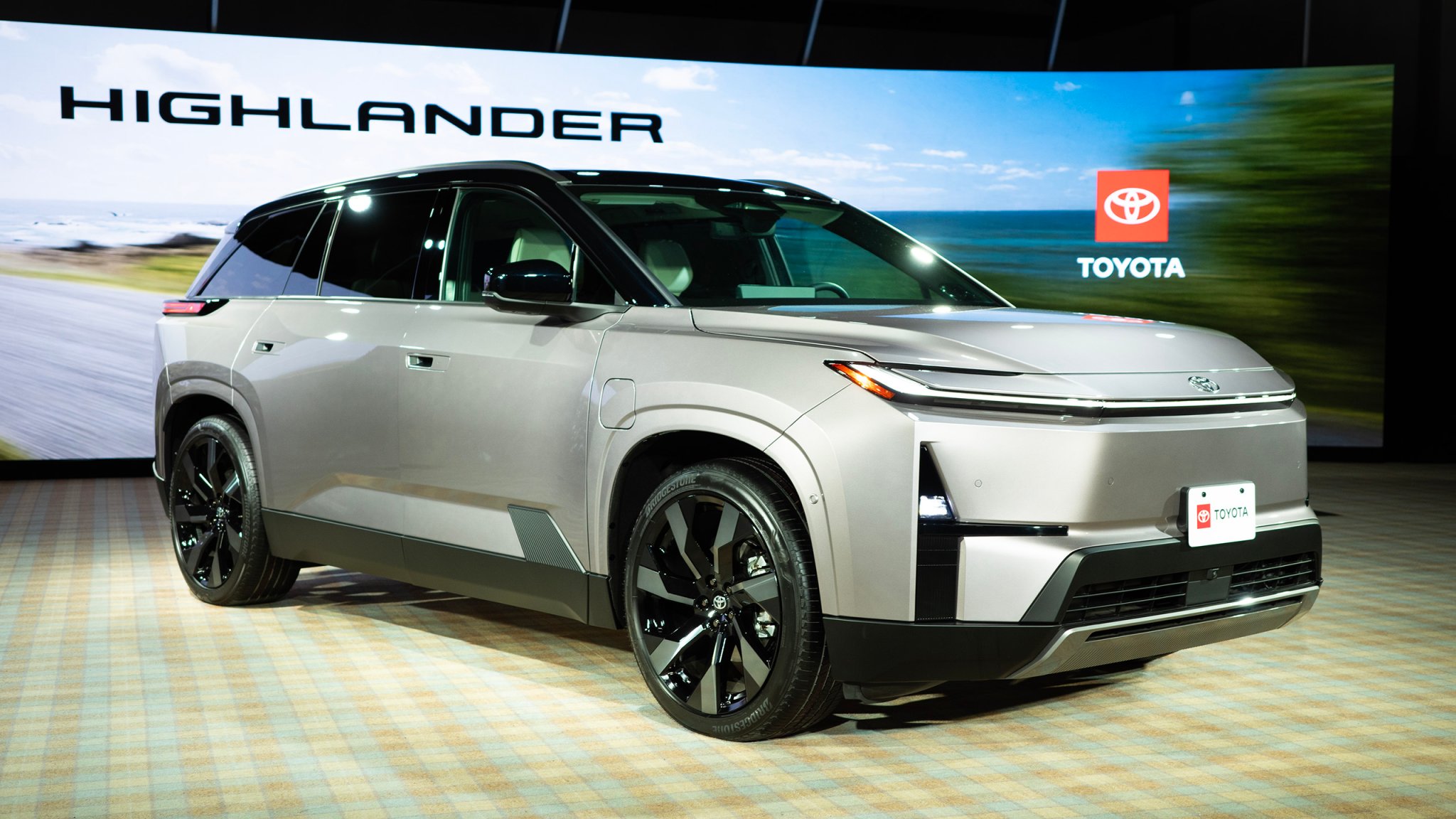
Simplicity and strength—that’s what the design of the new Toyota Highlander, which will be sold only as a battery-electric vehicle when it goes on sale next year, is intended to embody, according to Chief Designer Masayuki Yamada. It’s a big risk for Toyota, taking one of its best-known nameplates and recontextualizing it as an EV exclusively. That makes it a niche product in the present reality, no matter how the company views it. Maybe that’s why the design itself takes no risks.
Yamada likens the new Highlander to modern architecture, and I can see what he means. While I don’t find it especially interesting or progressive, there’s no denying that it’s minimalist and sedate. That simplicity he highlighted earlier is spread over a vast canvas, and if I had to choose another word to define the look of the new Highlander, it would be “scale.” At 198.8 inches, the upcoming EV is all of 2.6 inches shorter than the Grand Highlander, while its wheelbase is four inches longer. That’s the packaging advantage of EVs at work.
But individual elements don’t really make themselves known. The lighting signatures, front and back, are slim and sink back into a rounded brick of a body. There are no matte black over fenders, like on the bZ Woodland, and the C-HR’s softer surfacing, a suitable match for its coupe-esque proportions, has been replaced by a few harsh, geometric creases. So, the first thing you notice when beholding this SUV in person, more than anything else, is its sheer mass. And that’s by design.
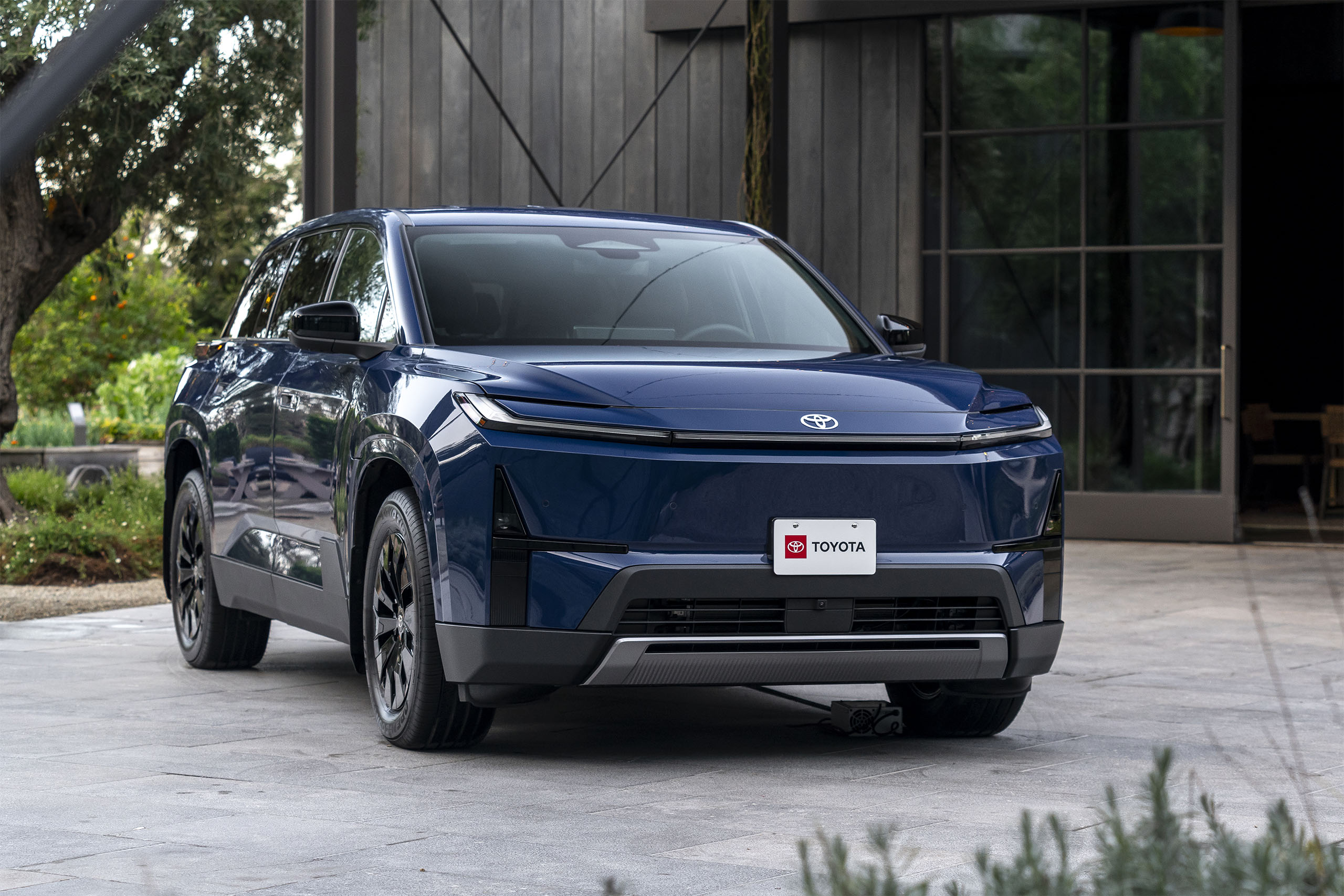
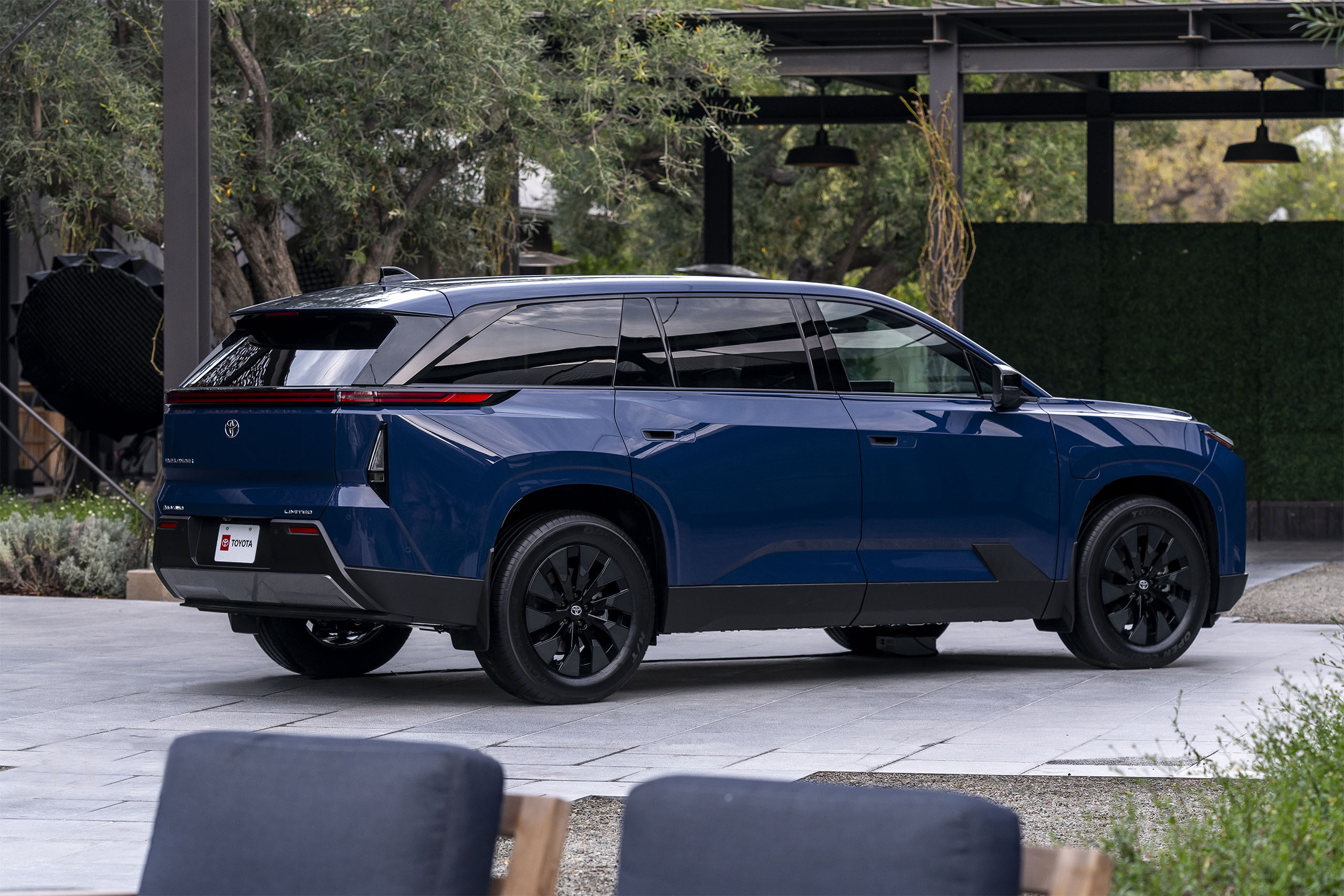

Yamada called attention to the Highlander’s profile. “When you look at the vehicle from the outside, it’s a very straight-cut horizontal belt line,” he pointed out to me. “That goes straight past. But when you’re actually inside the car, it also creates the same effect. So the ambient light travels along the side of the belt line, creating a circular ring that sort of envelops you.”
Stepping into the Highlander, it’s easy to see the connection he’s referring to. Toyota hasn’t played up ambient lighting much in its EVs as of yet, but the big SUV bucks that trend. The thing is, the lighting here is used less to dazzle with color in and of itself and more to draw your eye around the perimeter of the cabin and perceive it as a massive space. In concert with the light-toned upholstery option and seats specifically designed to increase visibility between themselves and the pillars, I’d say the effect lands.
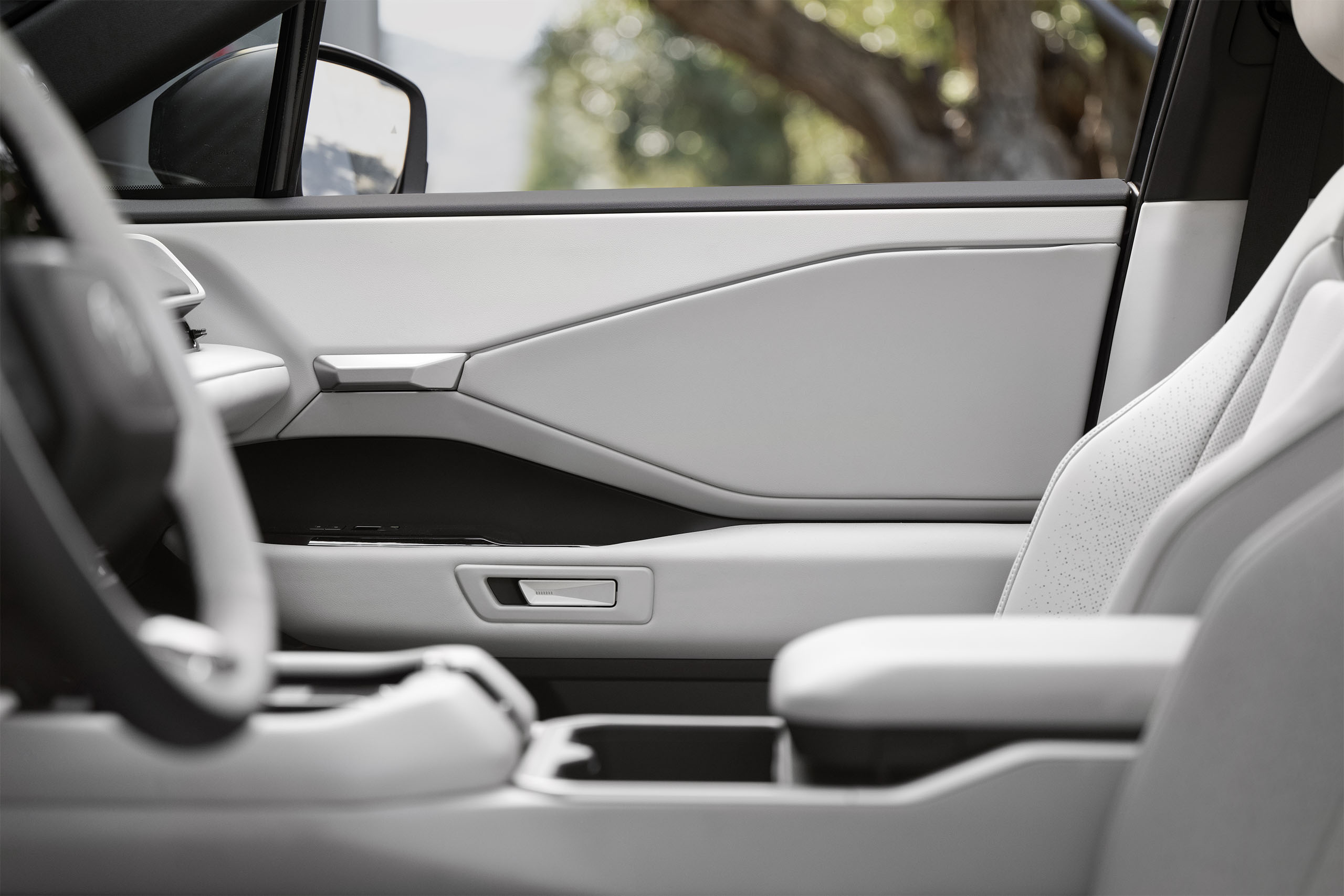
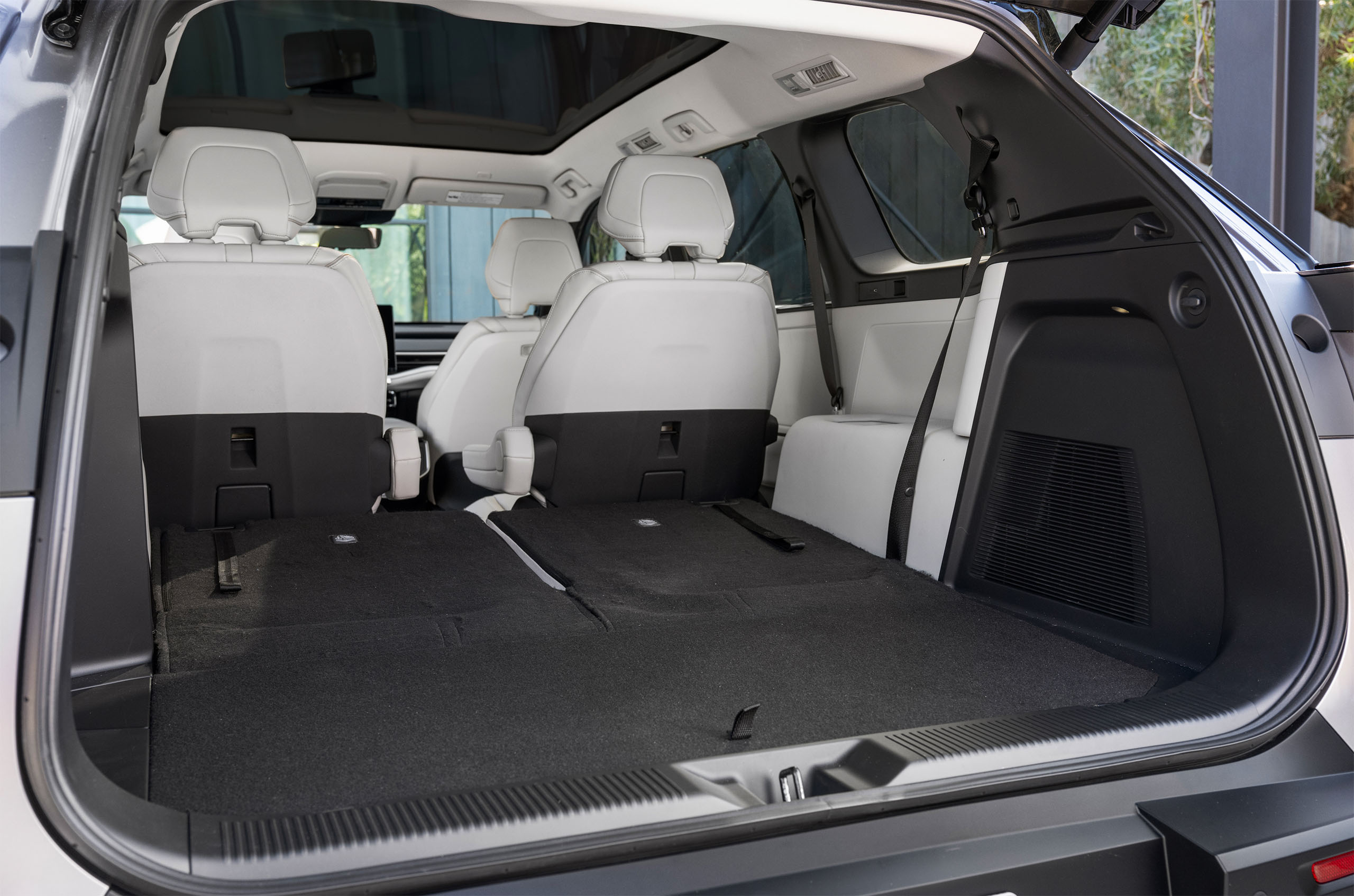
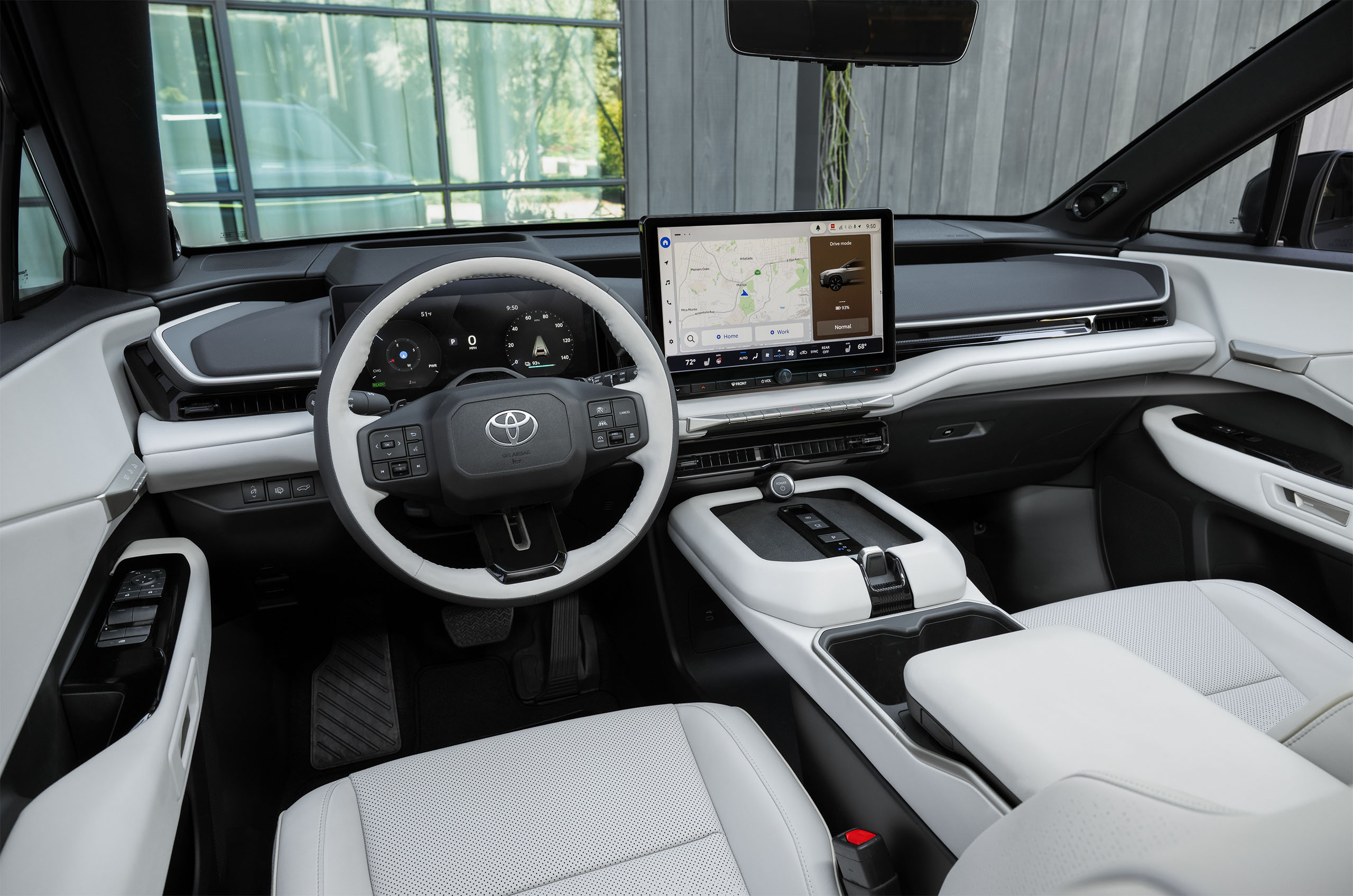
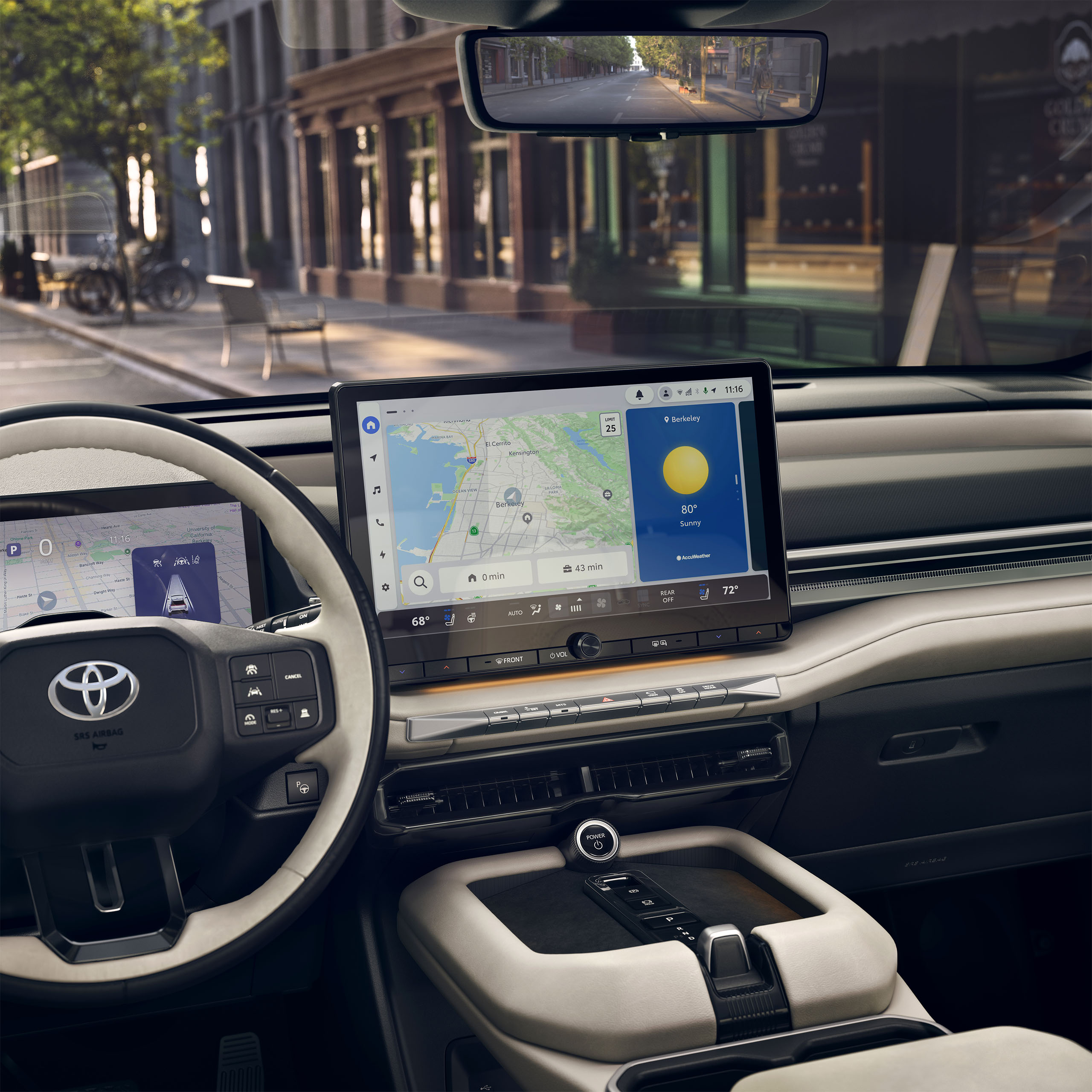
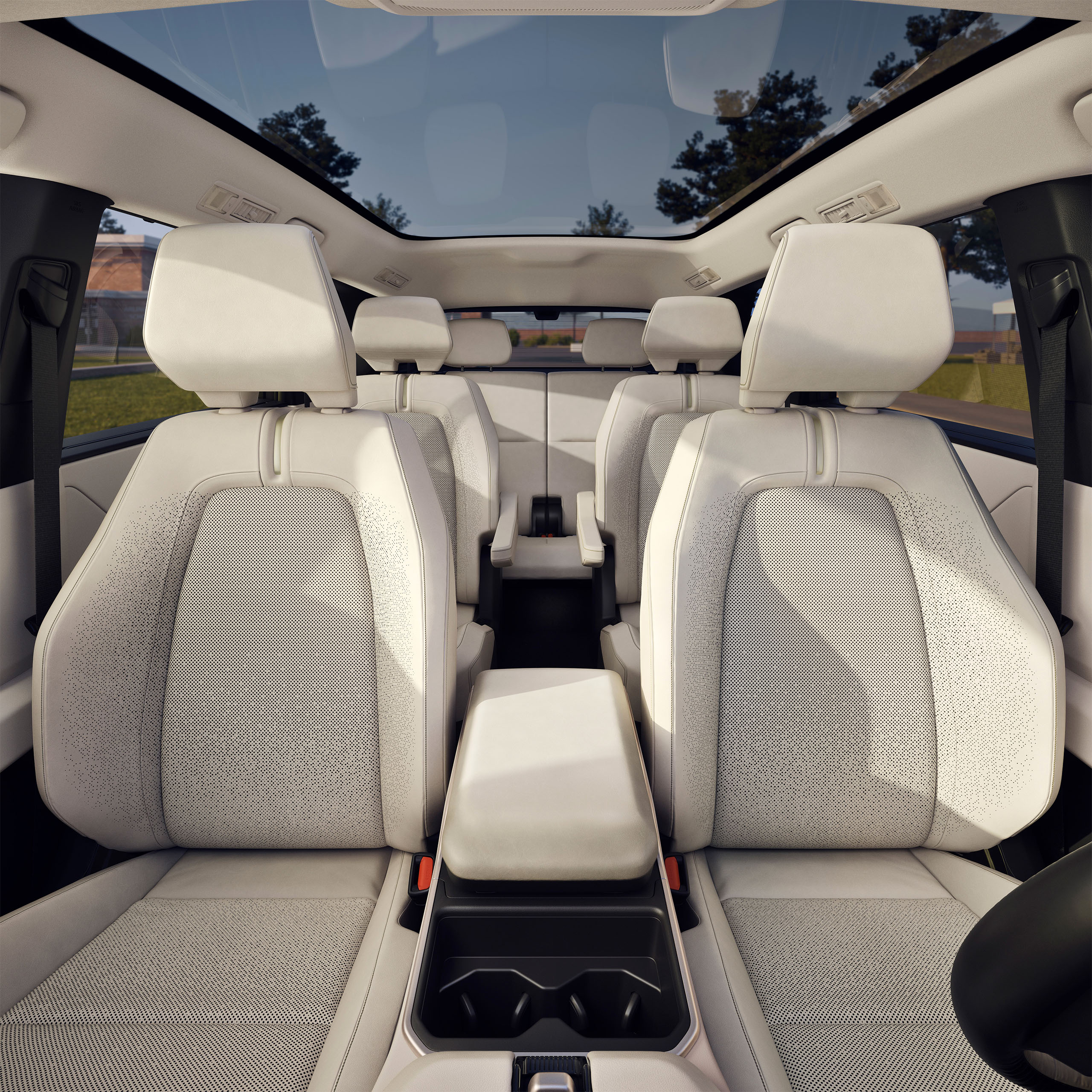
These are not details about the new Highlander you would ever pick up in a photo, and they hardly leap out at you in person, either. At a time when Hyundai and Kia—which have three-row EVs of their own now—keep writing and rewriting their design handbook with every model cycle, the new Highlander is deafeningly subtle. The less charitable might call it underdesigned. Penned so that the only impression it gives is one of immense space, and nothing can obstruct that sensation.
As the welterweight of Toyota’s SUV range, size was never really the Highlander’s priority, but it appears to be now. Then again, if Toyota had chosen to call this the bZ Max or something, dialogue like the kind we’re having in this moment—about what it means for the world’s biggest automaker to commit one of its best-sellers to an EV future—would never transpire. The new Highlander’s design is safe, because its very existence is anything but.
Toyota provided The Drive with travel and accommodations for the purpose of covering this vehicle.
Loading comments…
Comments couldn’t be loaded. Please refresh the page.