
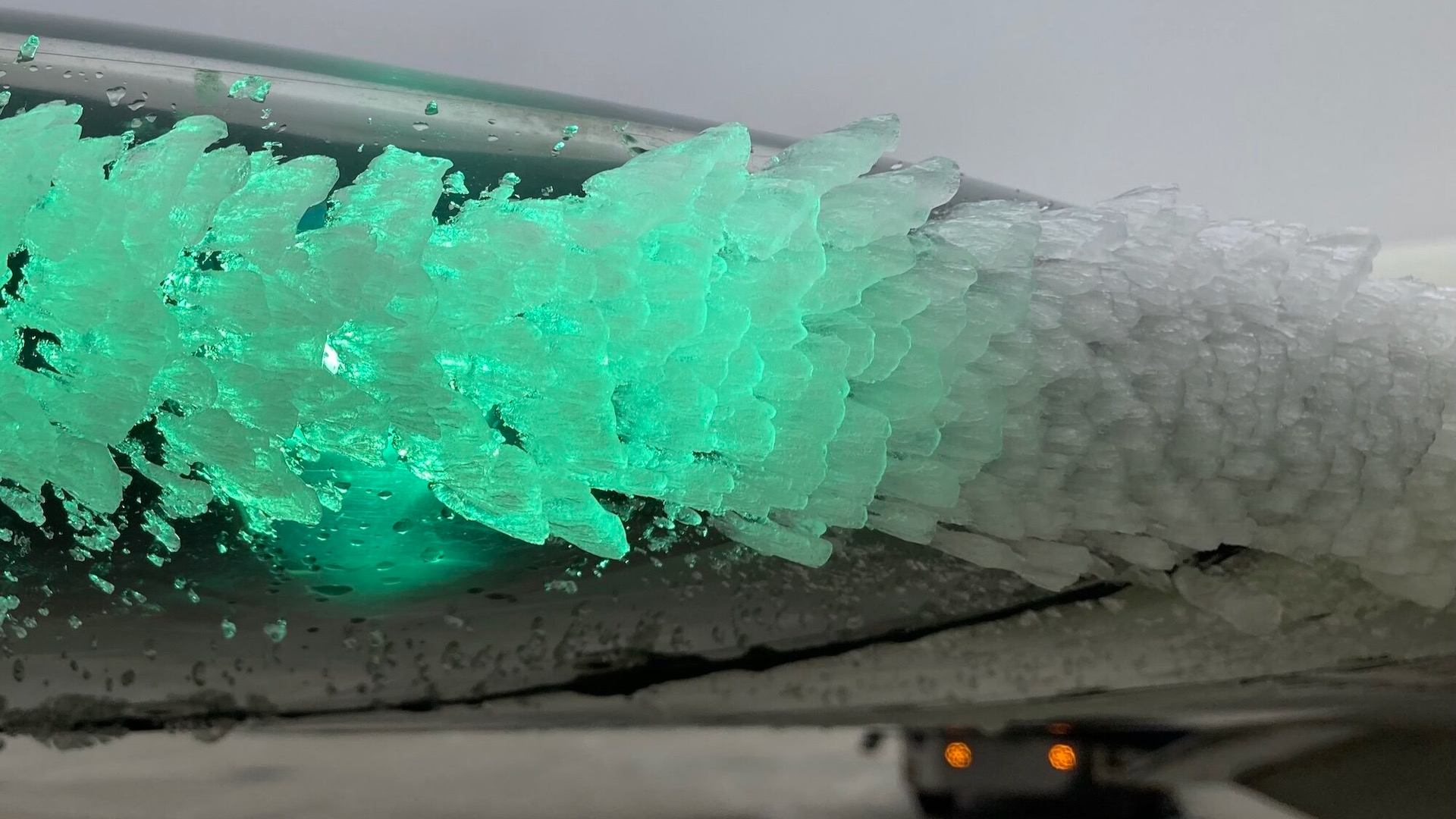
Ice racing is fun, but sometimes you just want to get to work without a heightened risk of crashing. To give drivers more of a warning of freezing conditions, University of Michigan (U-M) researchers developed a pair of new sensors, taking inspiration from a place that can get much colder than Earth.
As explained in a press release, Nilton Renno, a U-M professor of climate and space sciences and engineering who led the project, was looking at ways to measure the amount of moisture in Martian soil, as well as differentiate water from ice, during future missions to the red planet. Renno is also a pilot, and is thus aware of the danger ice presents to planes by blocking their control surfaces. After seeing his parked plane covered with ice one day, decided to apply his background in atmospheric science to icy conditions on this planet.
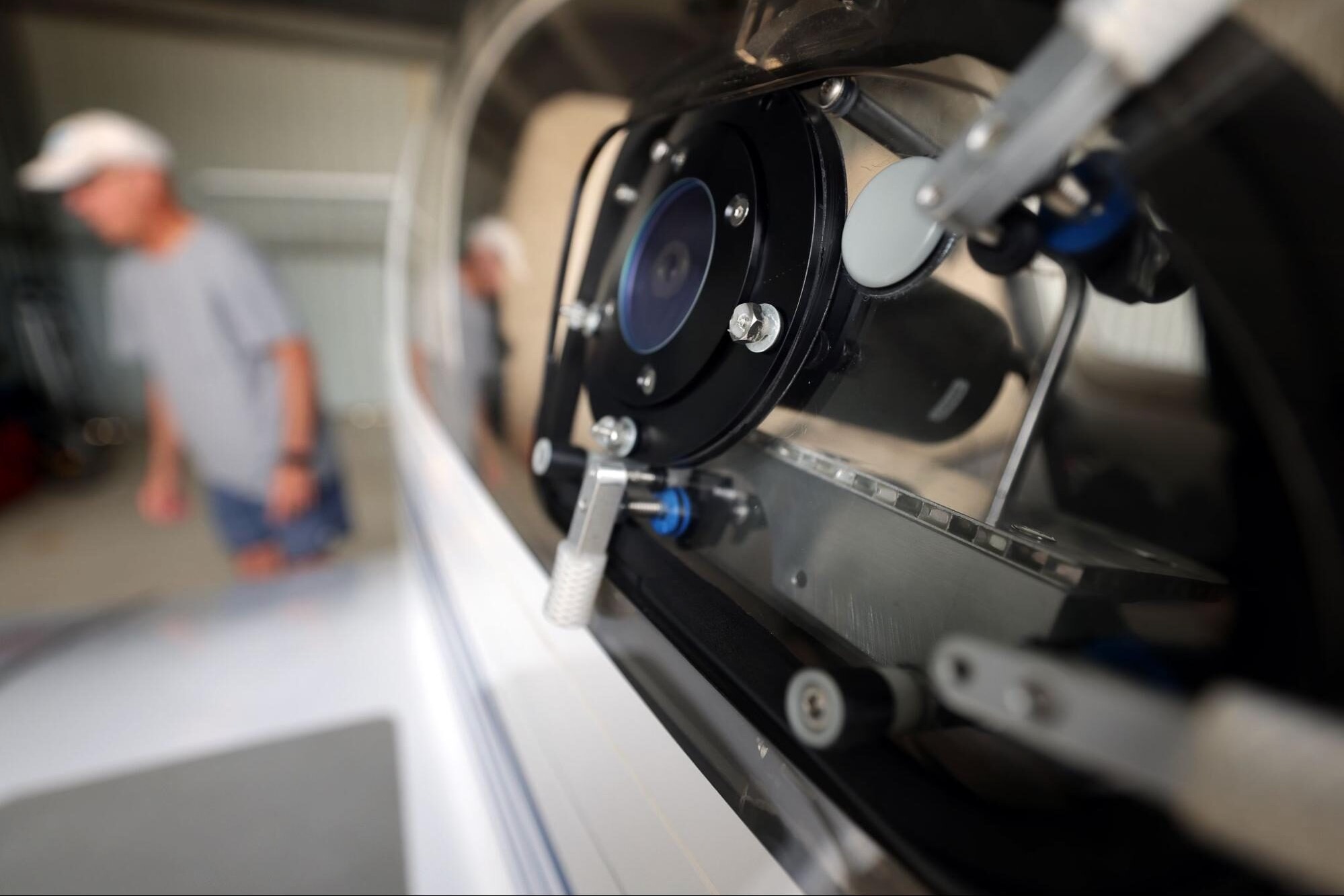
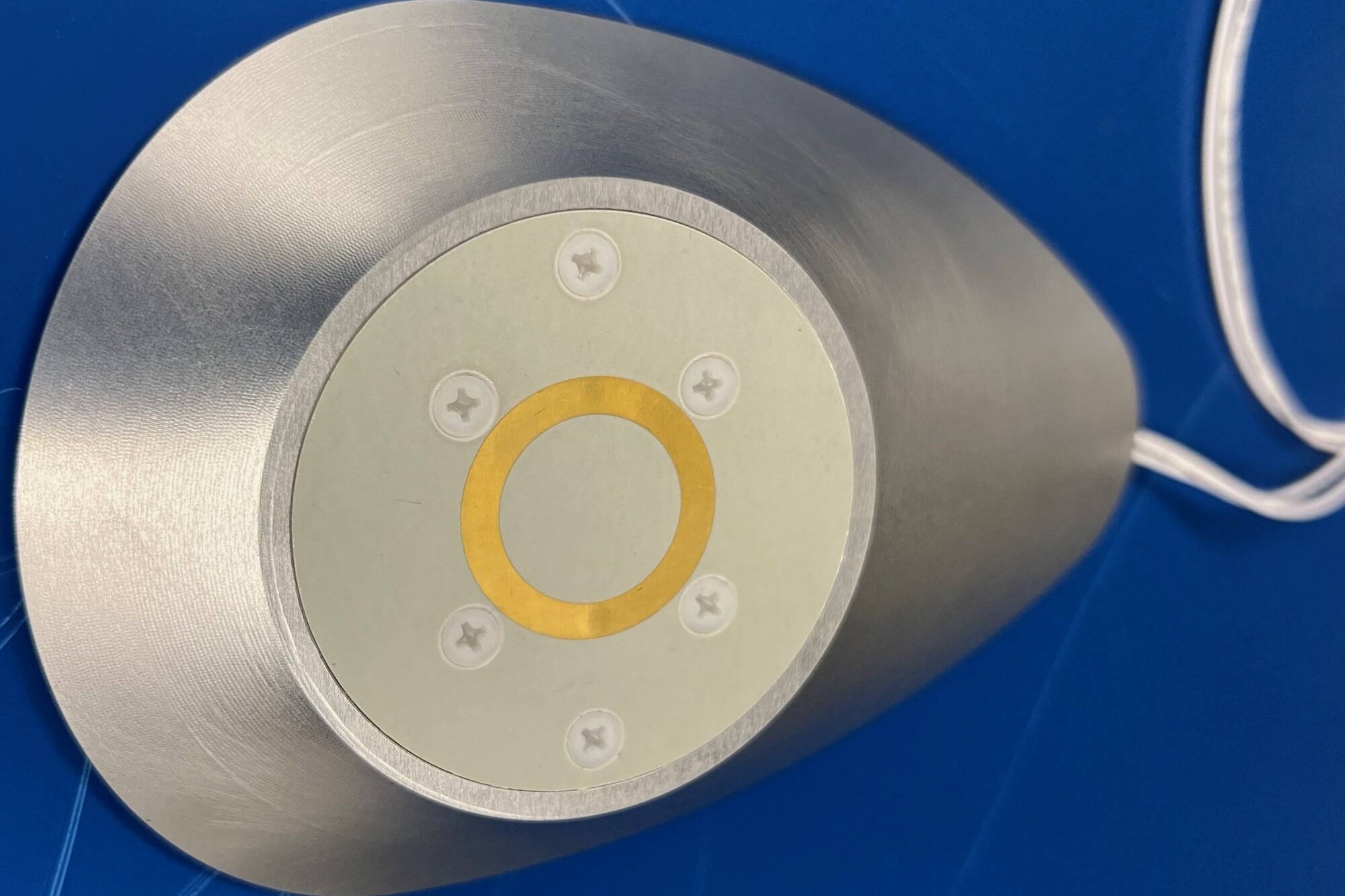
Renno and his team came up with a microwave sensor attached to a vehicle’s surface. The microwave signal it emits changes when the sensor is covered with water or ice. A second sensor fires three infrared lasers with different wavelengths. The first two beams are absorbed differently by water and ice, allowing the sensor to gauge the mix of both in the air. The third laser determines the size of water droplets.
The sensors were tested in a single-engine airplane and a light business jet, but U-M believes they could be applied to cars as well. The laser sensor in particular could scan in front of a vehicle for black ice and warn the driver to slow down, researchers say. Ice on roads causes about 20% of weather-related car crashes per year, according to U-M, but slowing down by 4-9 mph can reduce the risk of serious injury in a crash by half.
“You can save a lot of lives by just slowing down when you detect a slippery road ahead,” Renno said in a statement. With enough skill, it’s possible to drift on ice without crashing. But no matter how skilled you might be, it’s not worth risking your safety and the safety of others by driving into a situation that requires a certain level of talent to get out of.
Got a tip? Reach out to tips@thedrive.com
Loading comments…
Comments couldn’t be loaded. Please refresh the page.