
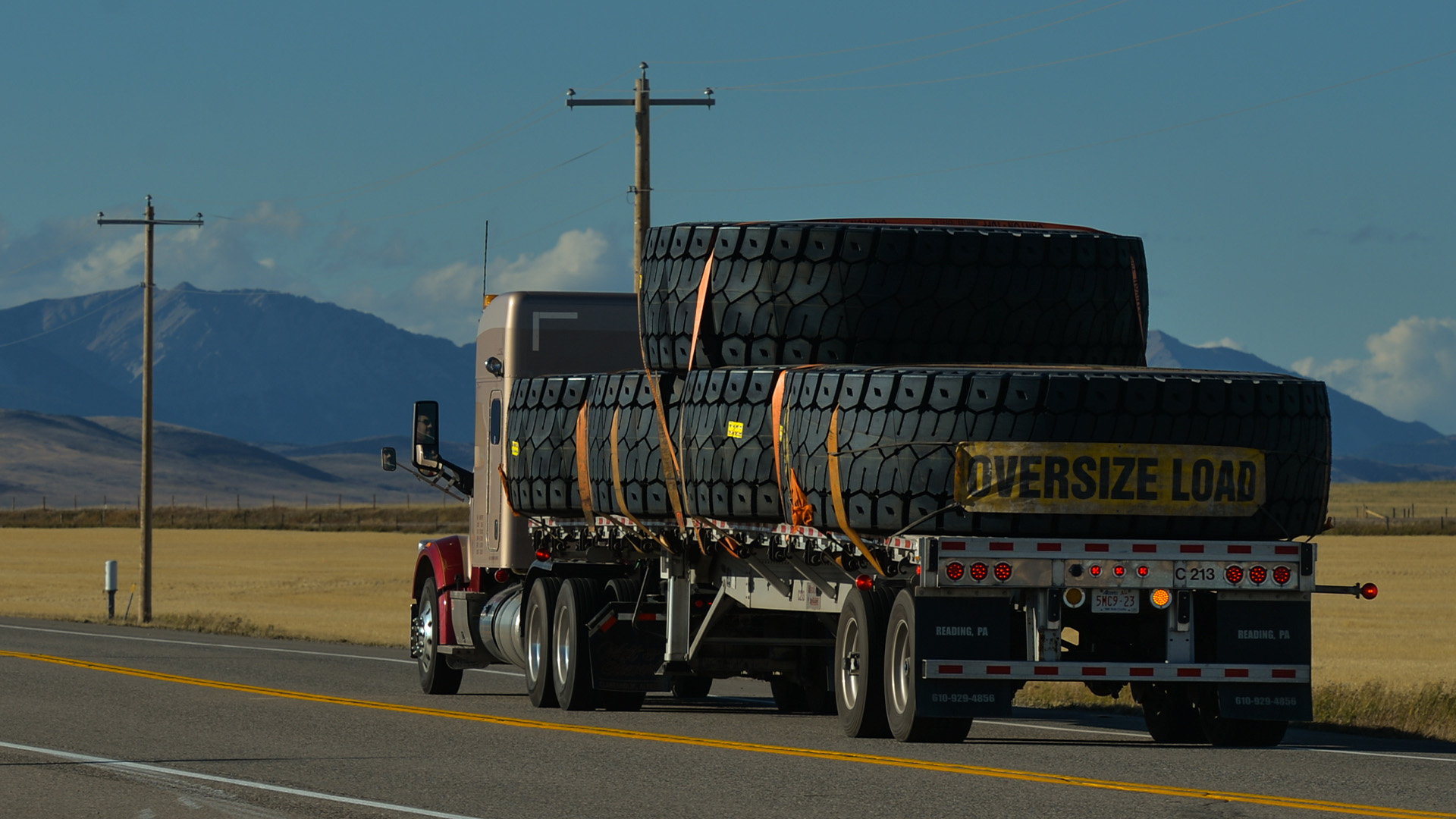
Freight logistics are incredibly complex, and much of our country’s operations depend on getting them right. They’re further complicated by the fact that the United States’ infrastructure has glaring weak points, making the simplest solution of hauling more weight ill-advised at best. Both can be true at the same time—we need to continue finding ways to haul cargo more efficiently, and we need to be mindful of the ancient roads and bridges that pockmark the nation’s highway systems. The problem is, advocates for each truth are striving against the other in Washington D.C. right now.
This fight isn’t new. You can trace it back decades, but it was rekindled more than two years ago when a group introduced H.R. 3372 in the U.S. House of Representatives. That bill proposes a pilot program that would allow states to increase max tractor-trailer weights from 80,000 pounds to 91,000 pounds on six-axle combinations. It offers the obvious benefit of moving more freight at once, though the Coalition Against Bigger Trucks points out that it’s far more problematic than it may seem.
Members of the coalition, consisting of 20 national organizations, are drawing Congress’ attention to a study titled “The Impacts of Heavier Trucks on Local Bridges.” Originally penned in 2023 and updated in 2025, it details the projected costs of replacing between 65,157 and 82,457 bridges allegedly at risk of failing under the increased weights. The total cost is somewhere between $70.6 billion and $98.6 billion, and the study says about a third of that financial responsibility would be placed on counties rather than states.

Counties own slightly more than a third of all bridges in the U.S.; however, the study says they’re responsible for 51% of those that are in poor condition. The CABT argues this is clear proof that counties are already overloaded, not just physically but also financially, as they struggle to maintain existing infrastructure. For that reason, they contend a collective $20 billion investment to accommodate heavier semis is far-fetched.
“There are bridges today that were built 30, 40, 50, even 100 years ago that were never designed to support the weight of the trucks today,” explained Kevan Stone, executive director of the National Association of County Engineers, in a story by The Herald-Dispatch. “That’s why you still see bridge postings in some states, and in other cases, trucks are simply unable to cross the bridge.”
Of course, postings don’t always keep overweight trucks away.
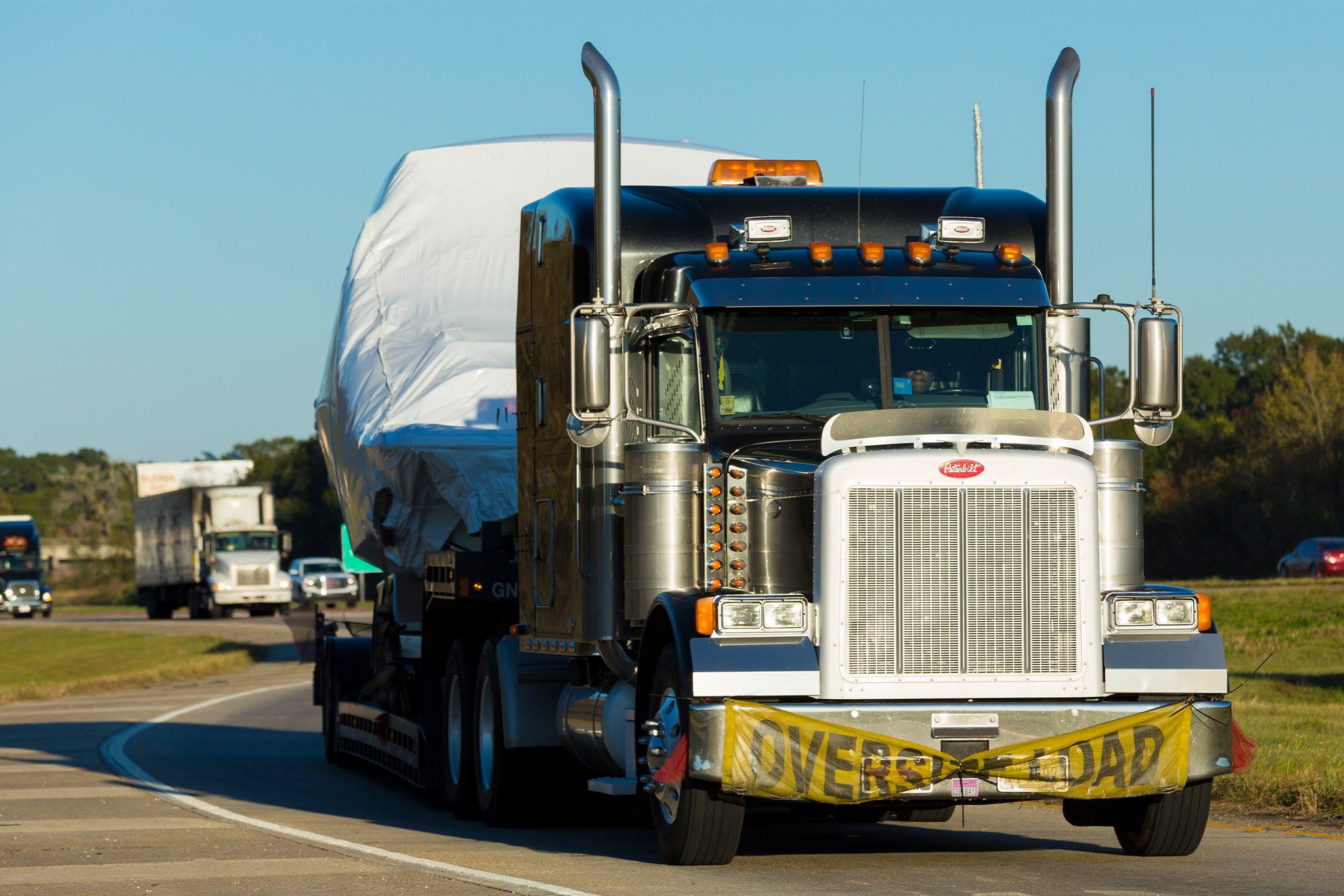
Meanwhile, the Shippers Coalition points to a study of its own. The research focuses specifically on increasing weight limits on interstate highways. It cites a Minnesota Department of Transportation finding that says a sixth axle reduced road wear by 37%, as well as pilot results that reduced diesel emissions thanks to fewer trips.
The tricky part is that trucks don’t always load and unload along interstates. They inevitably have to cross bridges belonging to municipalities that don’t have the money to upgrade them. And while it’s true that many states allow trucks above 80,000 pounds on their roads with special permits, a blanket weight increase could cause chaos.
This does not negate the need for moving more freight across the country more efficiently. It’s an incredibly tough nut to crack, given the restrictions that are in place. But it seems that the Shippers Coalition and CABT will have to find better solutions independently of each other as they both vie for lawmakers’ support.
Got a tip or question for the author? Contact them directly: caleb@thedrive.com
Loading comments…
Comments couldn’t be loaded. Please refresh the page.