
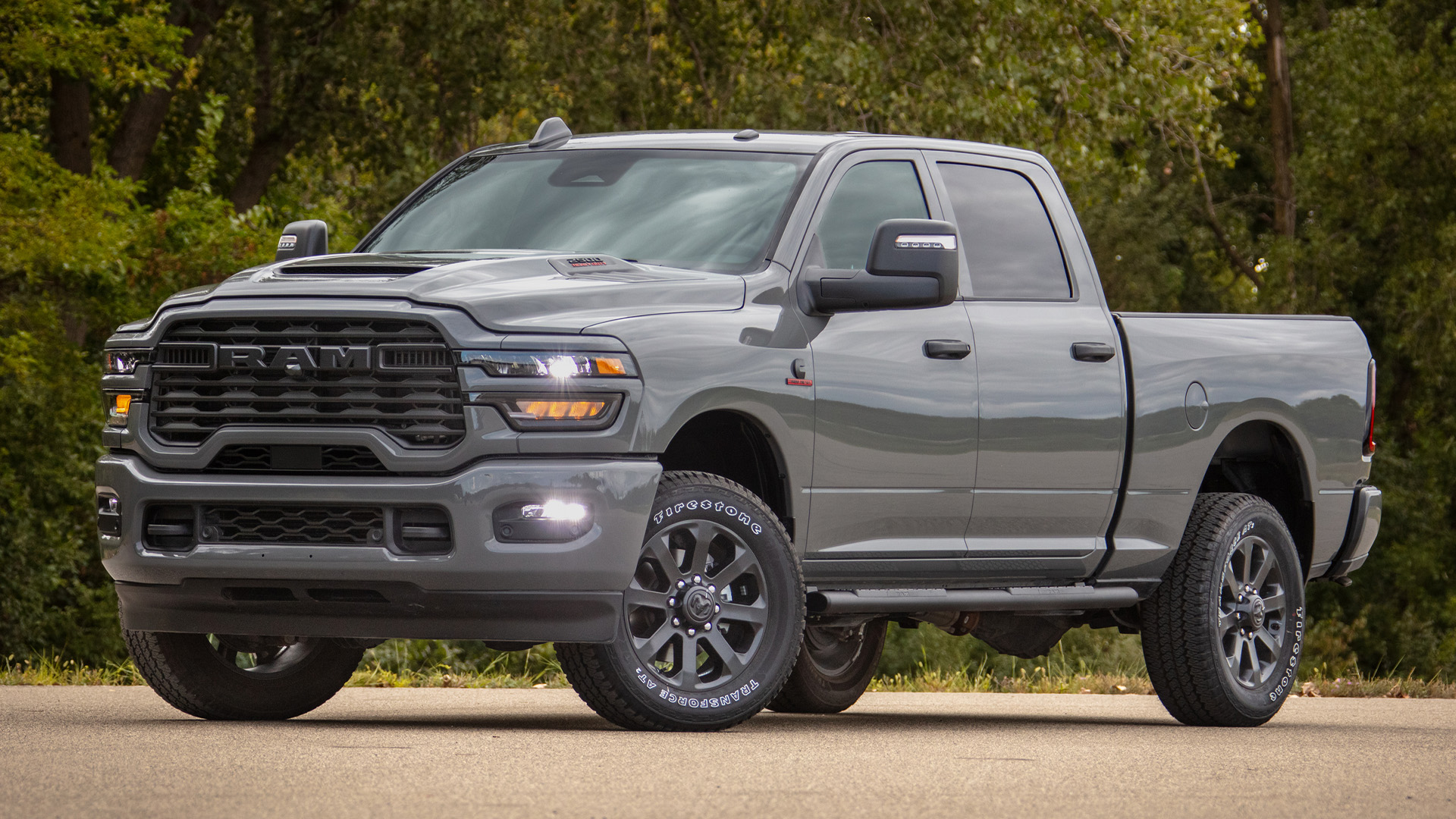
The United States Environmental Protection Agency has long waged war against the automotive aftermarket for modifications that violate the Clean Air Act. Enforcement shot up drastically around the turn of the decade, with the federal government reprimanding one shop owner after another for selling products marked as “off-road-use only.” Courts ruled that some must pay up to seven figures in civil penalties and criminal fines, while others were even sentenced to jail time. The industry’s most vocal members have staunchly opposed this from the start, and now, the Department of Justice has announced it will no longer pursue criminal charges for tampering with a vehicle’s onboard diagnostics system.
This is a big deal–no question about it. But as is usually the case when government agencies make these sweeping proclamations, the details are as clear as mud. It seems as if any ongoing legal battle built on allegations of OBD tampering will be dismissed or at least put on pause; however, that wasn’t explicitly stated in the DOJ’s brief post on X announcing the decision.
Another takeaway is that civil penalties will still be dealt out for violating the Clean Air Act. You might remember that Cummins was ordered to pay $1.7 billion in a 2024 settlement, which resulted from government accusations that it had built defeat devices into its 6.7-liter Ram truck engines. If something like that were to happen all over again after this week’s DOJ decision, the hypothetical offender would still be forced to pay since those penalties were civil rather than criminal.
While it’s true that this is relevant for the entire automotive aftermarket, it’s especially pertinent to the diesel industry. The outlawed modifications in question have always been far more common with heavy-duty pickups. Owners blame equipment like diesel particulate filters and exhaust gas recirculation systems for drastically restricted performance and fuel economy, as well as poor reliability. It became common practice for shops to either sell products to bypass those components or remove them altogether, often making a lot of money for doing so. That undoubtedly drew the federal government’s attention, and the result has been a years-long fight between previous administrations and the truck tuning industry.
Now, it’s worth noting what the DOJ did not say in its announcement. Nowhere did the feds mention relaxed enforcement when it comes to removing hardware like a truck’s DPF or EGR. This decision does not make all emissions tampering legal. SEMA President and CEO Mike Spagnola addressed this in his public statement following the news:
“This is a welcome end to overly harsh penalties for violations that are otherwise addressed through civil enforcement. SEMA believes in following the law, and federal law is clear with regard to tampering of emissions systems or profiting from the sales of products that enable such behavior. SEMA remains committed to working with federal regulators at the U.S. Environmental Protection Agency to ensure our industry has a voice in the development of policies impacting compliance with federal and state laws with regard to emissions and safety, and creating a path for our industry to continue its innovation.”
Whether or not the feds will soften their stance toward emissions deletes remains to be seen. EPA Administrator Lee Zeldin has made deregulation a key focus during his tenure up to this point, and President Trump pardoned a convicted diesel tuner who was jailed for performing illegal modifications. Regardless, you can expect the same industry players who have vocally opposed criminal enforcement to continue doing so.
For now, all we know is that modifying a vehicle through its onboard diagnostics will not result in criminal action.
Got a tip or question for the author? Contact them directly: caleb@thedrive.com
Loading comments…
Comments couldn’t be loaded. Please refresh the page.