
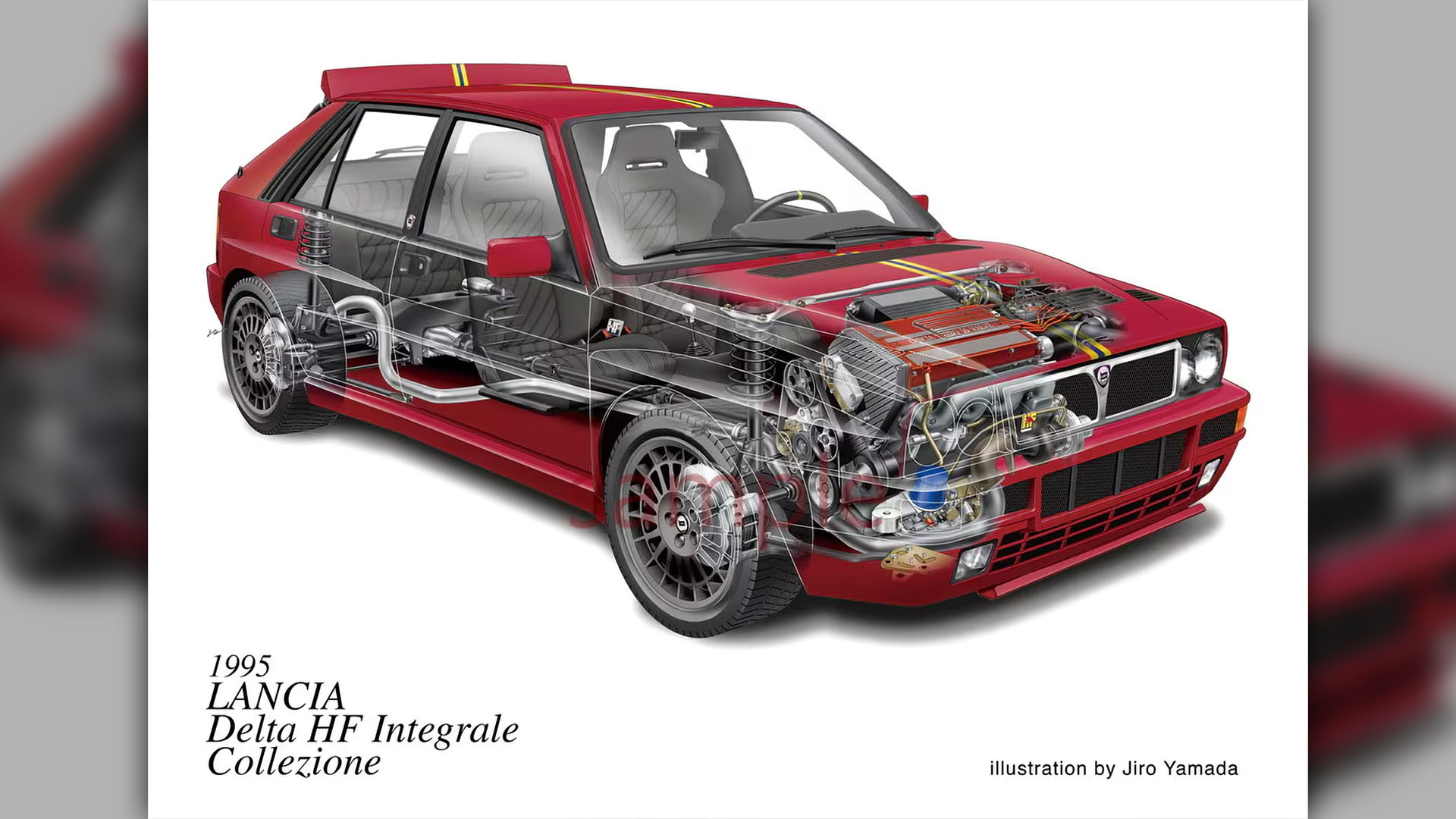
It was confirmed this week that Jiro Yamada, a Japanese illustrator known for incredibly detailed cutaways of cars and other machines, died last August at the age of 65.
Yamada began illustrating professionally in 1979. His subjects spanned everything from legends of motorsport and humble passenger cars to helicopters and rocket engines. He was commissioned to produce renderings for automakers’ promotional and technical materials as well as enthusiast media and private clients. Crack open the official guidebook for the very first Gran Turismo, published in 1998, and Yamada is credited for the illustrations.
Yamada’s website contains a collection of his automotive works, properly organized by makes and models. To call it impressive severely sells it short. This is as specialized an art form as art forms go, and the extent of research, planning, and precision required to build one of these is monumental.
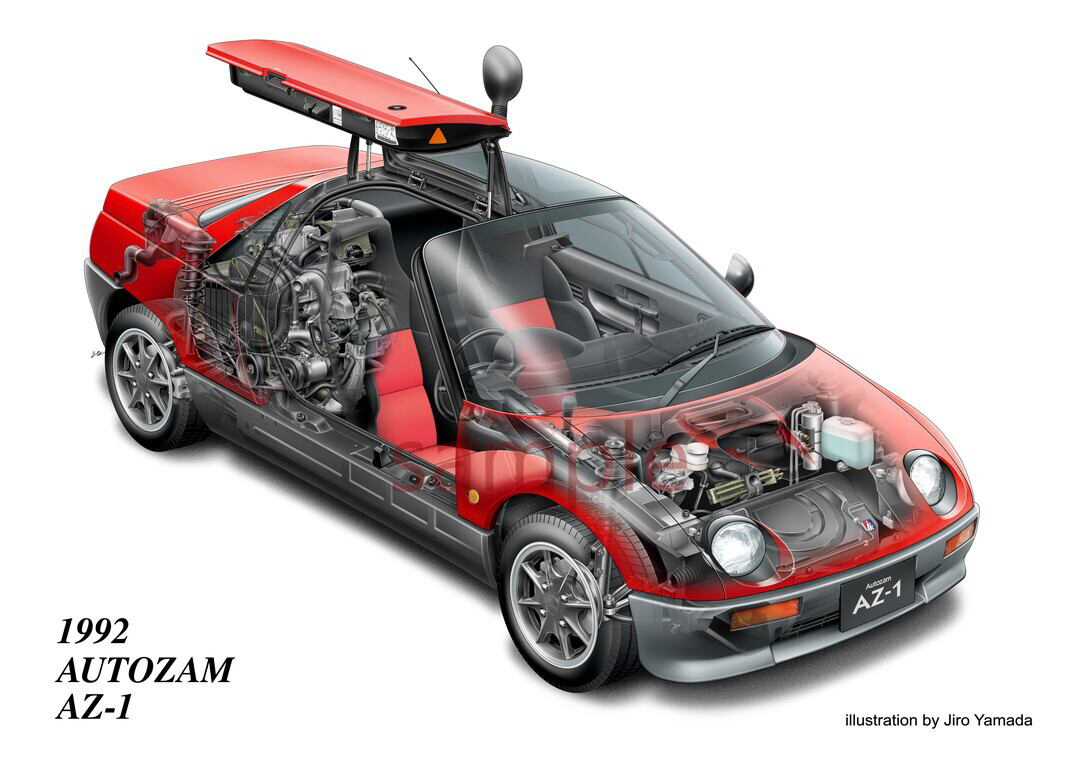
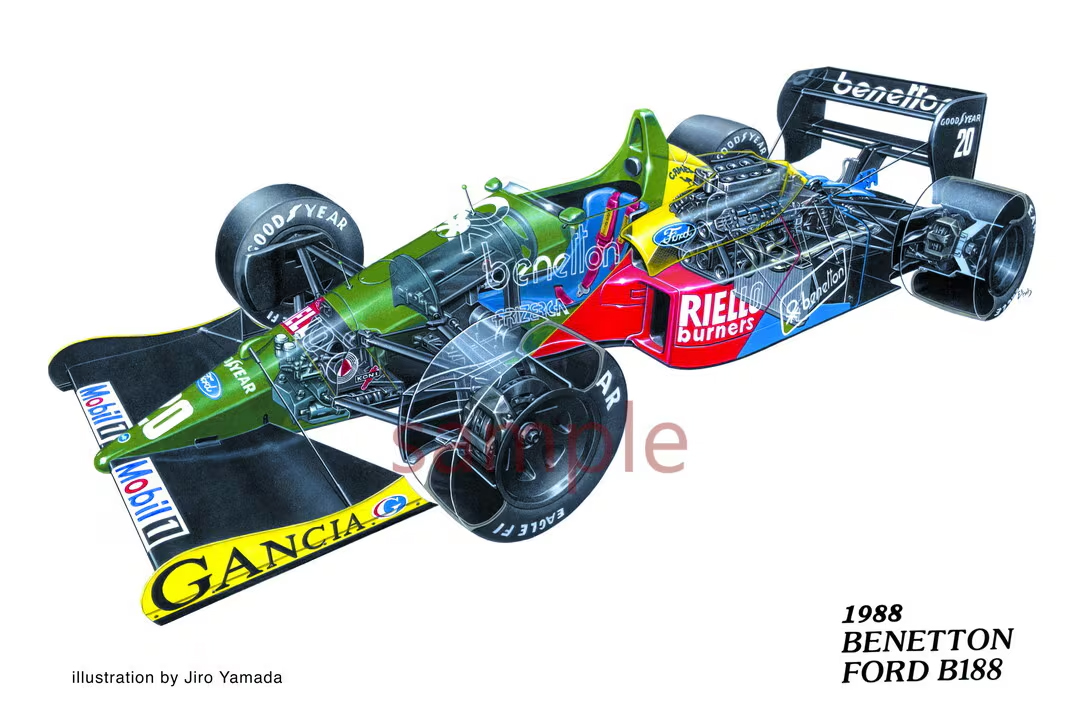
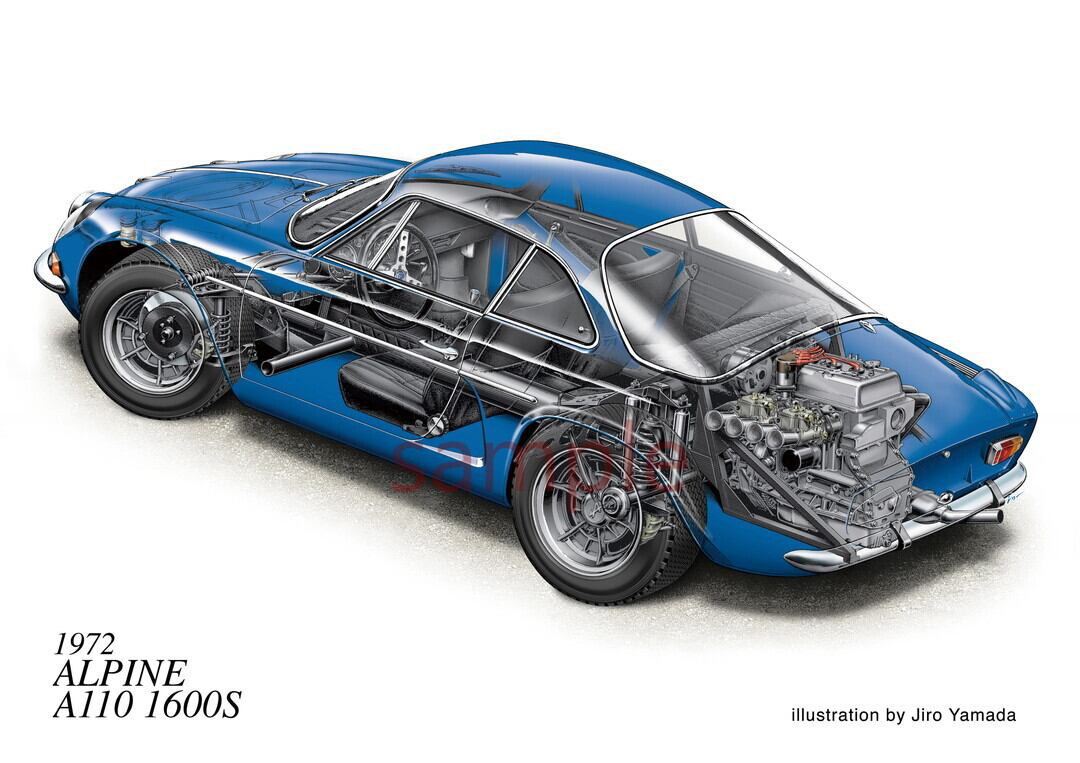
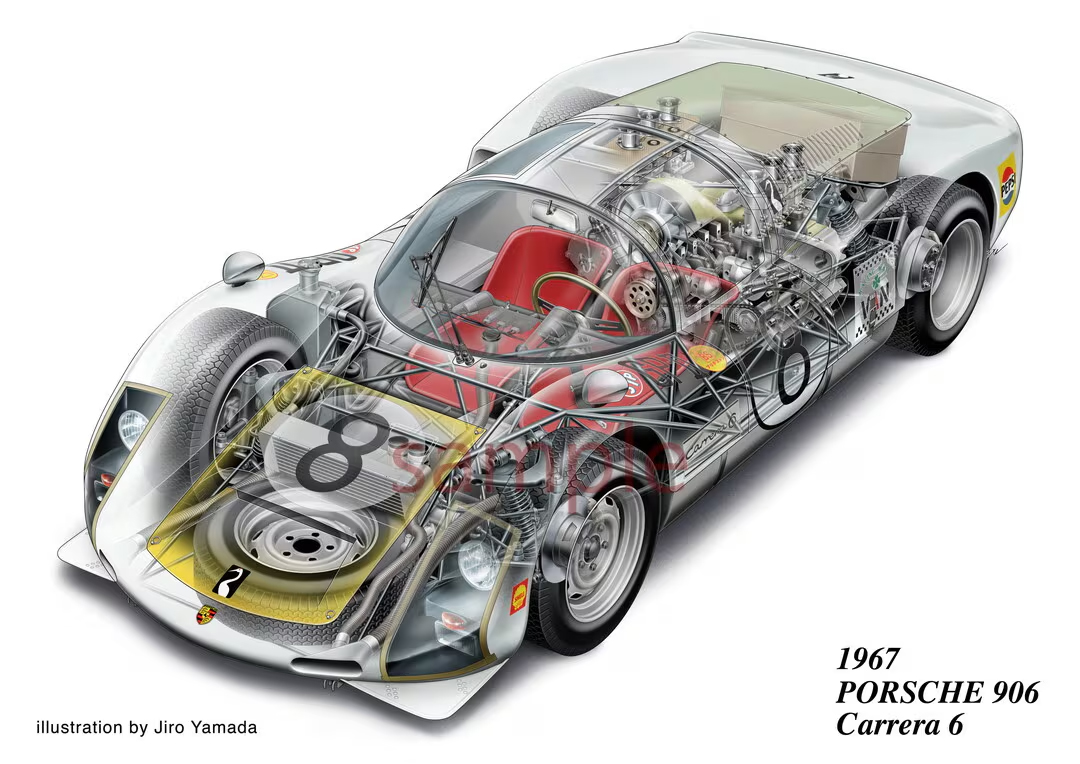
Yamada lays it all out on his site, using his illustration of a Porsche 906 prototype as an example, and it’s very much worth a look if you ever wondered how someone even begins a cutaway of a machine as complex as a car.
According to a post on an enthusiast Facebook group, although Yamada passed last summer following a diagnosis of pancreatic cancer, that only became widely known within the last several days. On August 7, days before his death, Yamada shared on Twitter that he had entrusted the Cinquecento Museum in Nagoya, Japan—a museum dedicated to the Fiat 500—to maintain and sell reproductions of his many works.
#みんなのラリーカーを見せてくれ
— 山田ジロー(チンクエチェント博物館 管理) (@tisjiro) November 20, 2024
青春のランサー pic.twitter.com/bxLDnbuNAq
Yamada transitioned to digital production in 2000, as many of his peers had done—like Jim Hatch, who was interviewed by Road & Track back in 2020. “Everything was done by hand,” Hatch, who began working full-time in the profession in 1991, told the publication. “There were no computers. I would ink everything on a big board with a pen and Kevin [Hulsey] would airbrush everything.” Naturally, technology brought with it a standard of consistency and efficiency that was unattainable before.
On the surface, the task these illustrators are faced with is simple: to convey what lies underneath a car’s body as faithfully as possible. But there’s no single method to answer that brief, and that’s what makes cutaways art. To Yamada, it was a way of “expressing both the rationality and beauty of machines at the same time.” We couldn’t put it better if we tried.
Is there an automotive artist that moves you? Email the author at adam.ismail@thedrive.com
Loading comments…
Comments couldn’t be loaded. Please refresh the page.