

Few people are lucky enough to get behind the wheel of a Bugatti Veyron, but Loris Bicocchi is even luckier. He was the test driver Bugatti hired to explore the outer limits of Veyron prototypes during the car’s development in 2001. As he describes in a press release from the automaker, it was an expedition into the unknown.
Bicocchi served as a test driver for Bugatti’s ill-fated 1990s incarnation, shaking down the EB110 in both GT and higher-power Super Sport forms. But with a quad-turbocharged 8.0-liter W16 that would go on to produce 1,001 horsepower and 922 pound-feet of torque in production form, the Veyron was something else entirely. Today Rivian sells an electric pickup truck with similar output, but at the time, the Veyron had about twice the power of any production vehicle.
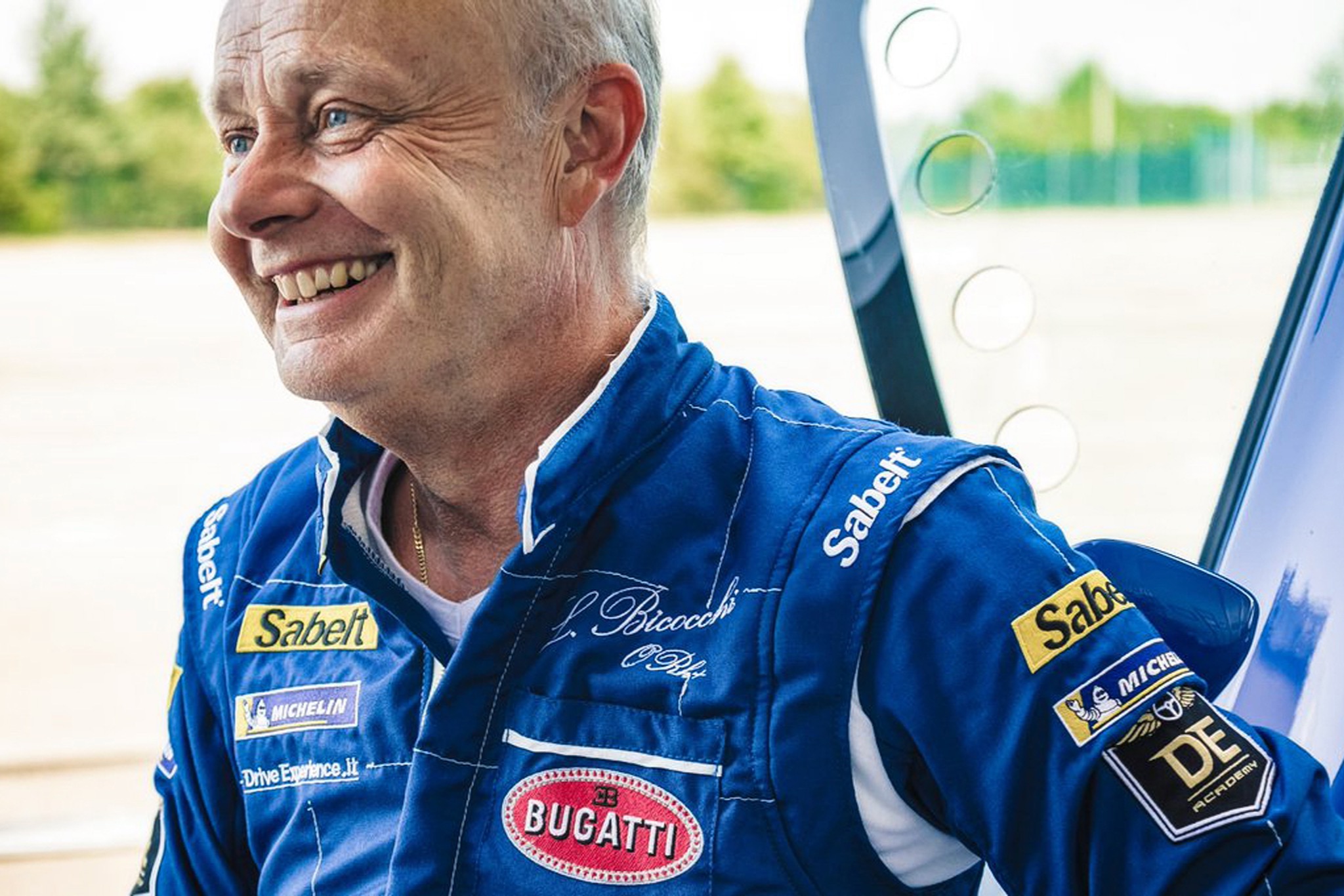
“I didn’t know what to expect,” Bicocchi said of his first test of a Veyron prototype at a Michelin track in France. “I didn’t dare to go full throttle. It was so impressive—crazy, almost inexplicable. You immediately understood what this car stood for.”
The Veyron was capable of reaching 253 mph, a record for production cars at the time. A couple of supercars—the EB110 and the McLaren F1 that the Veyron would eventually dethrone as the world’s fastest—had ventured deep into 200-mph territory, but it was still largely unfamiliar ground for production cars.
“From 300 or 320 kph [186 mph or 198 mph] onwards, everything changes,” Bicocchi said. “Especially aerodynamics. Every single detail counts. I had to reset all the references I had built during my career, because the Veyron was simply incomparable to anything I had driven before.” But after getting to grips with an “incomparable” car, Bicocchi had to guide development so the final product could be driven by mere mortals.
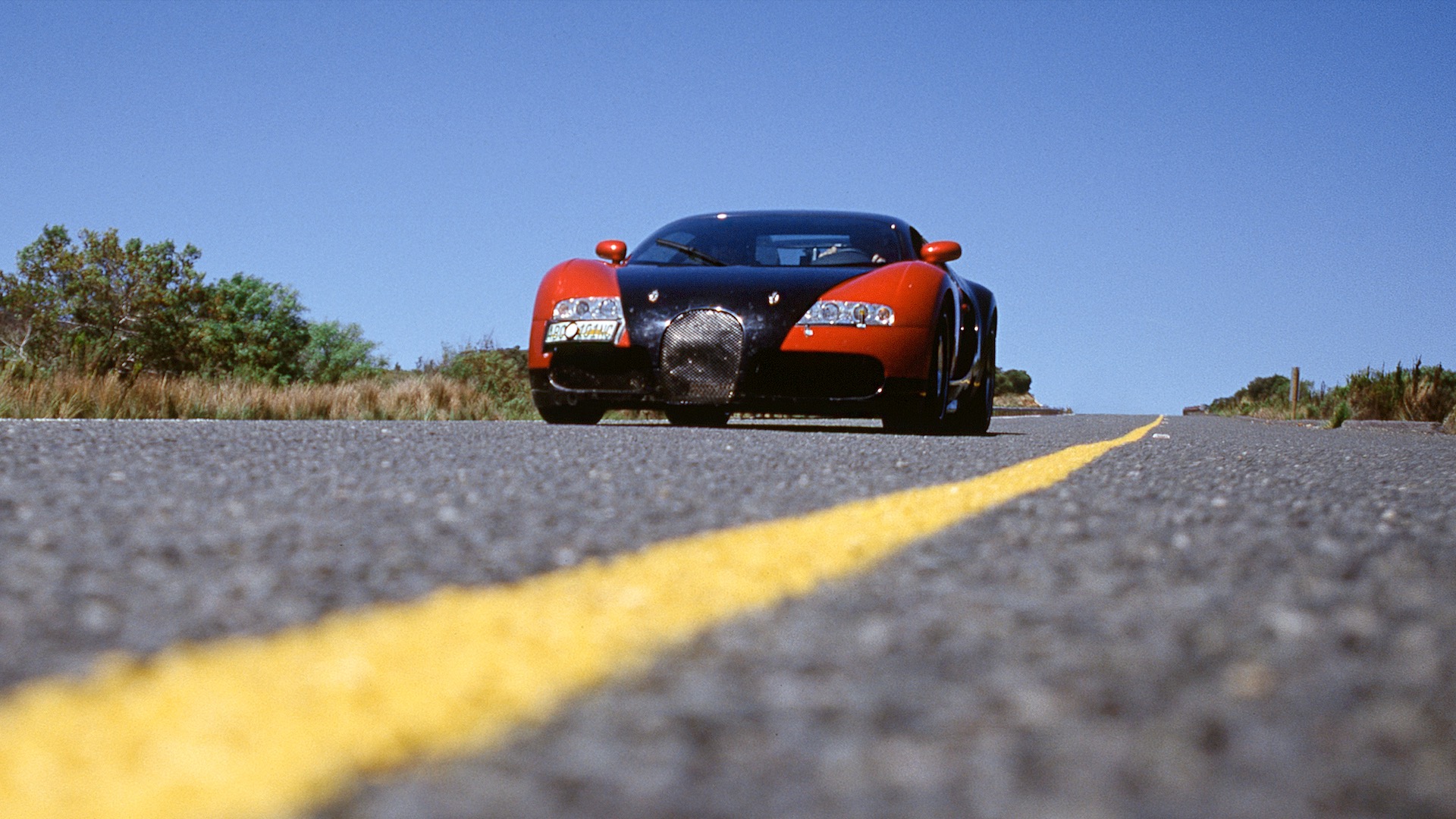
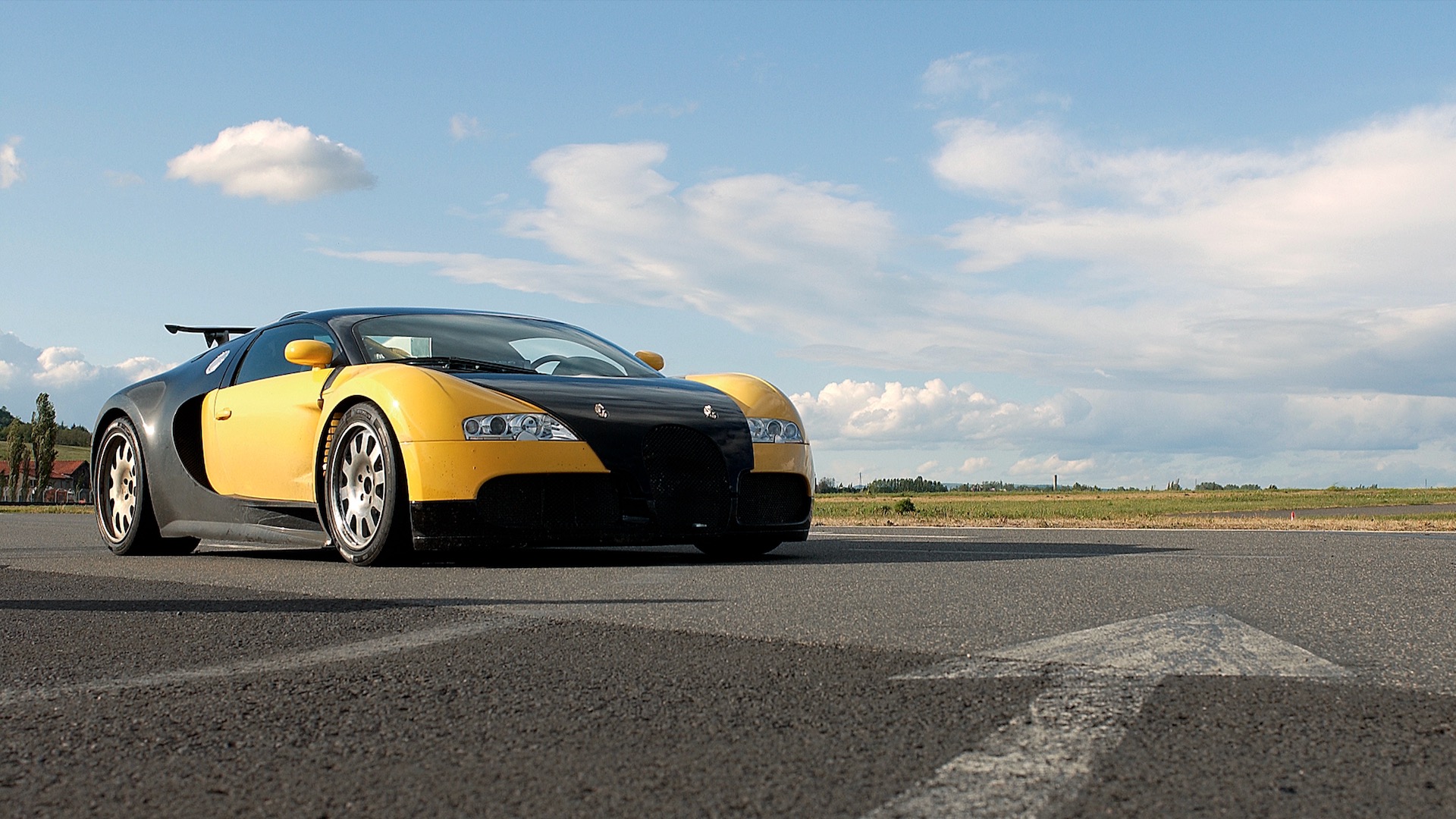
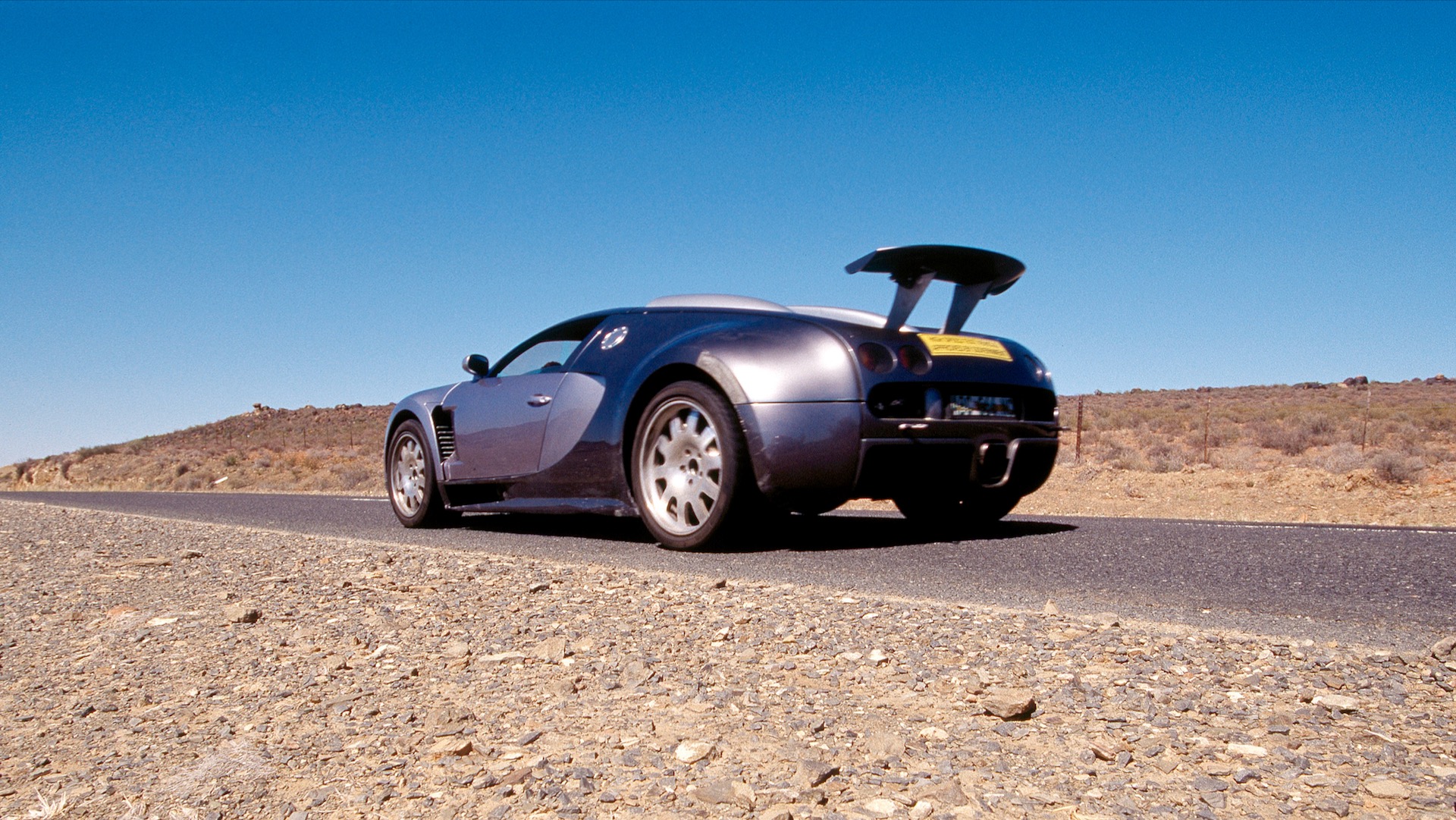
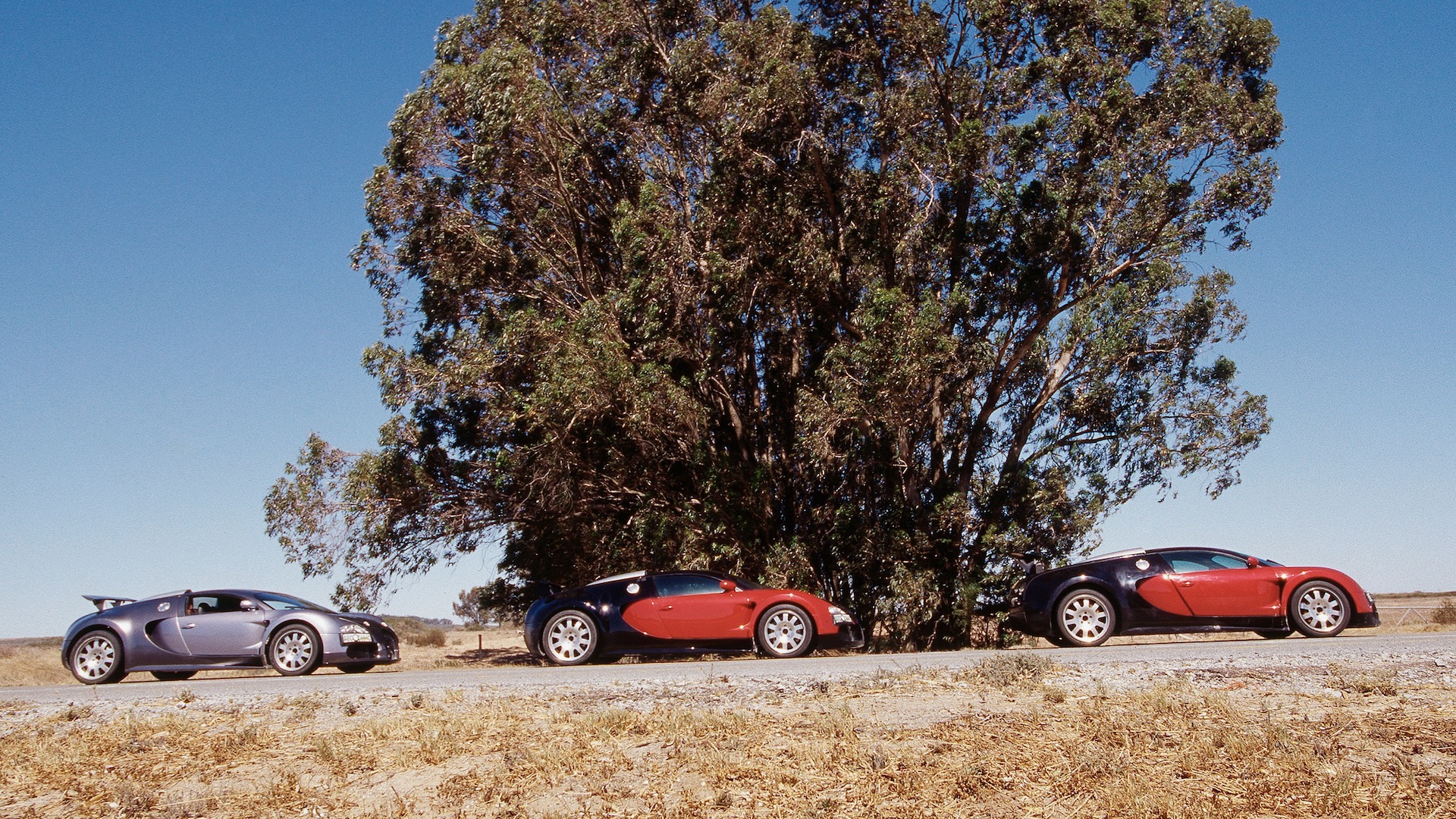
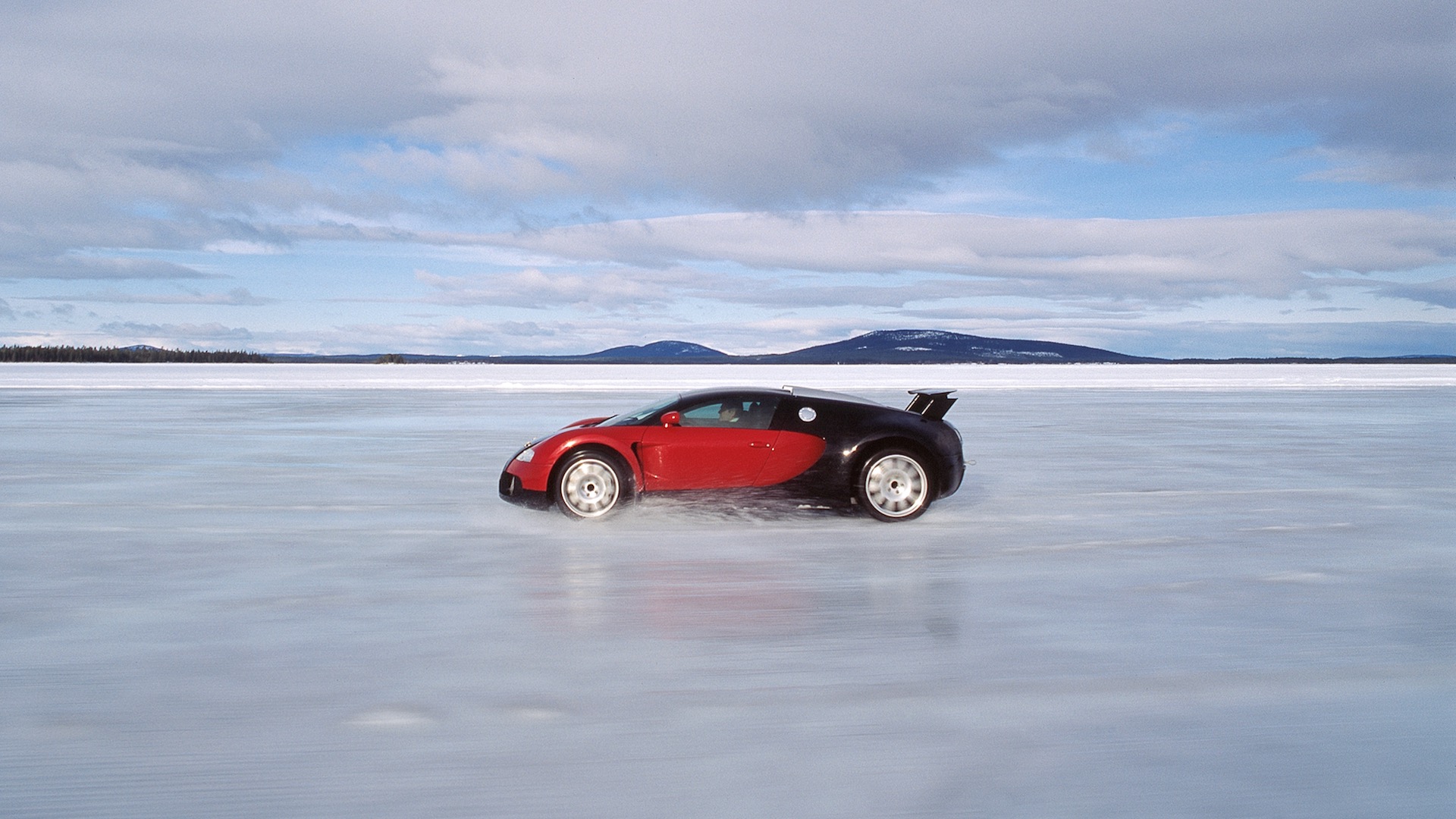

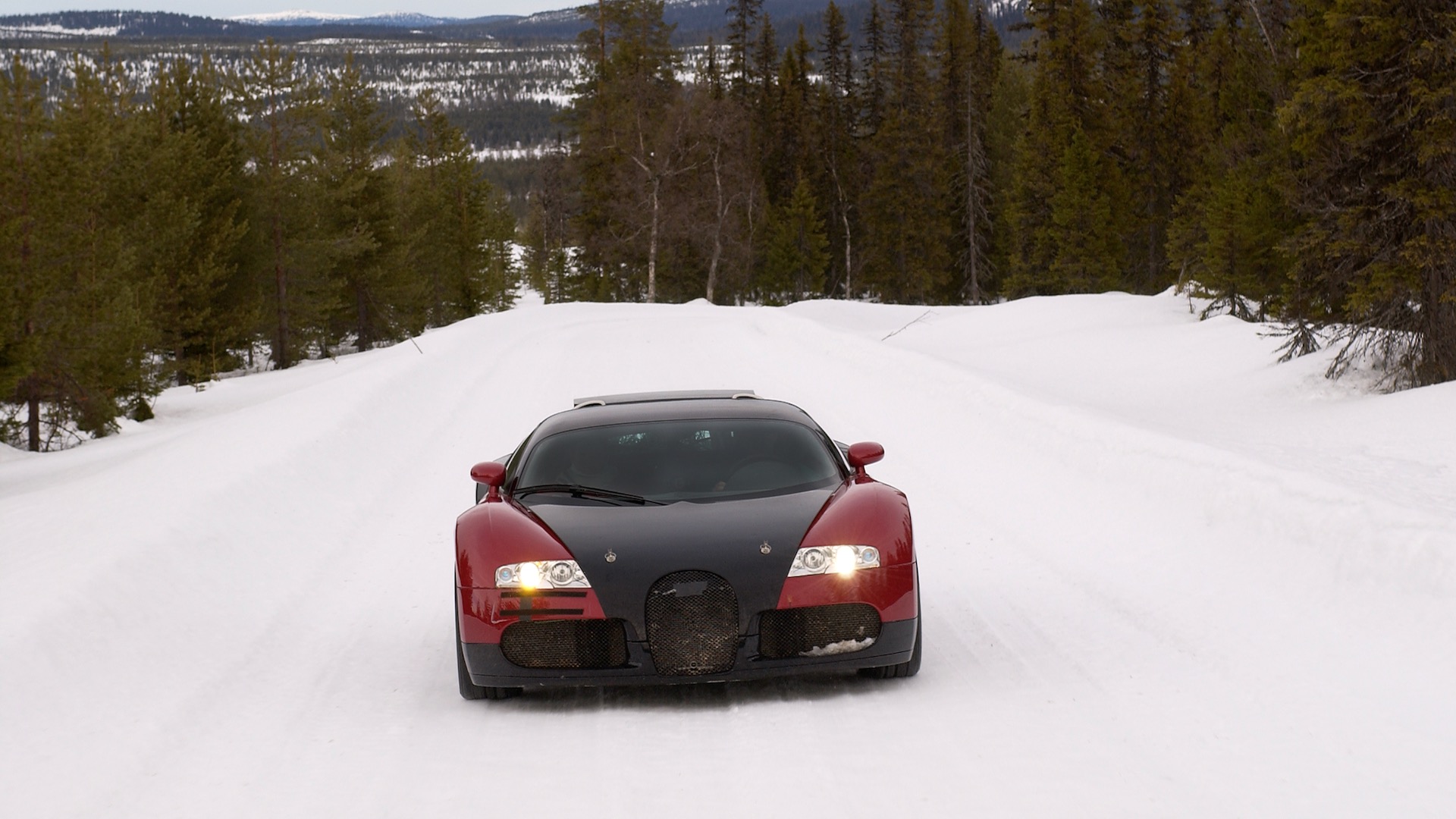
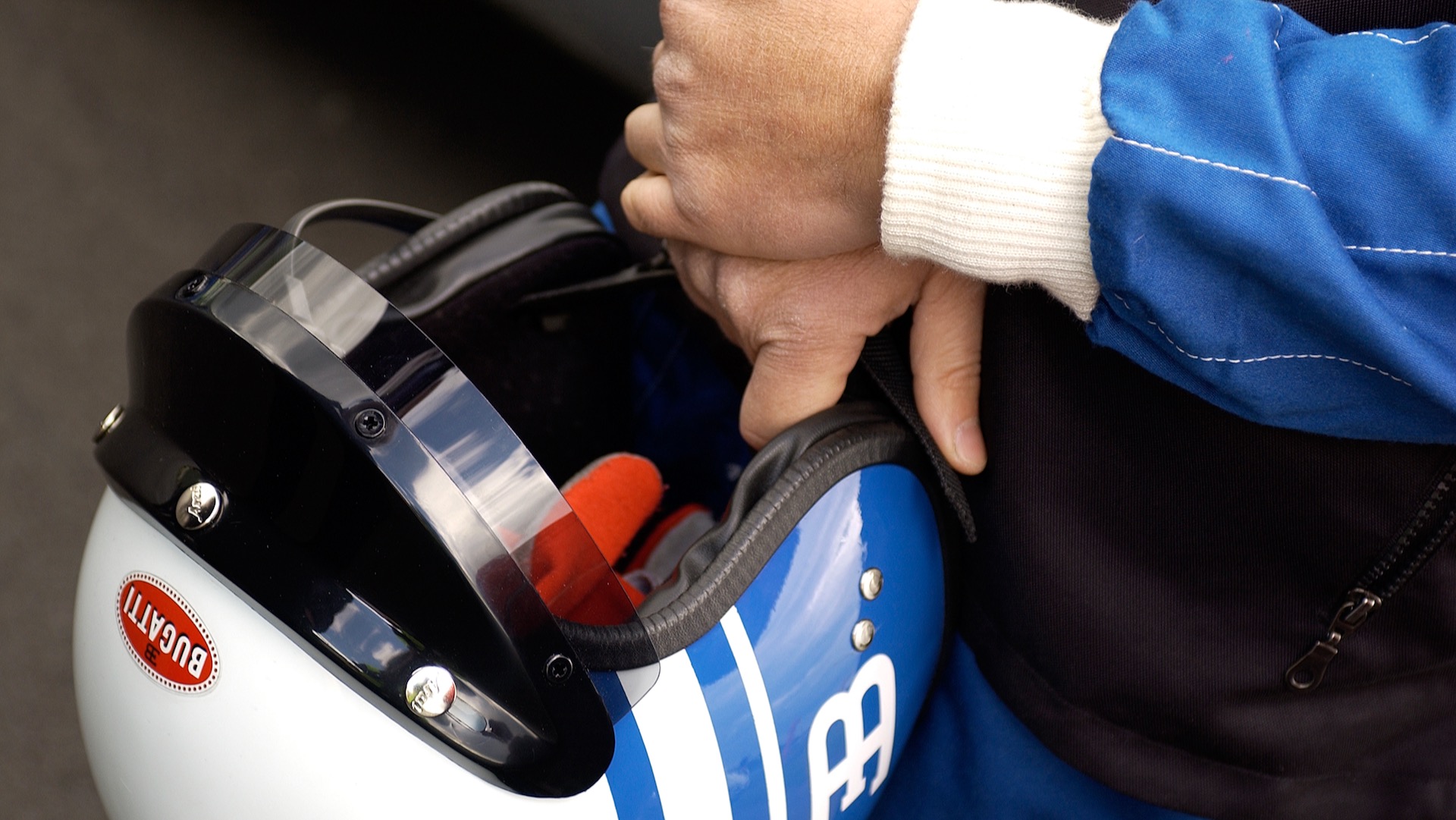
“That was a huge responsibility, both for me and the marque,” he said. “We had to create an incredible car, yes, but one that could be driven by anyone, not only by professional drivers. It was real teamwork—a 360-degree strike force of experts—and we all learned together as we set about making history.”
And make history they did. The Veyron entered production in 2005, relaunching the Bugatti brand in grand style. Bugatti built 450 examples over 10 years, spanning the original 16.4 coupe and other variants, including the Grand Sport convertible and the Super Sport, which upped the top speed to 267 mph. The Veyron was replaced by the Chiron, which in turn has been superseded by the Tourbillon, a car that’s expected to continue pushing the limits of speed and elitism.
Got a tip? Send it in: tips@thedrive.com
Loading comments…
Comments couldn’t be loaded. Please refresh the page.