
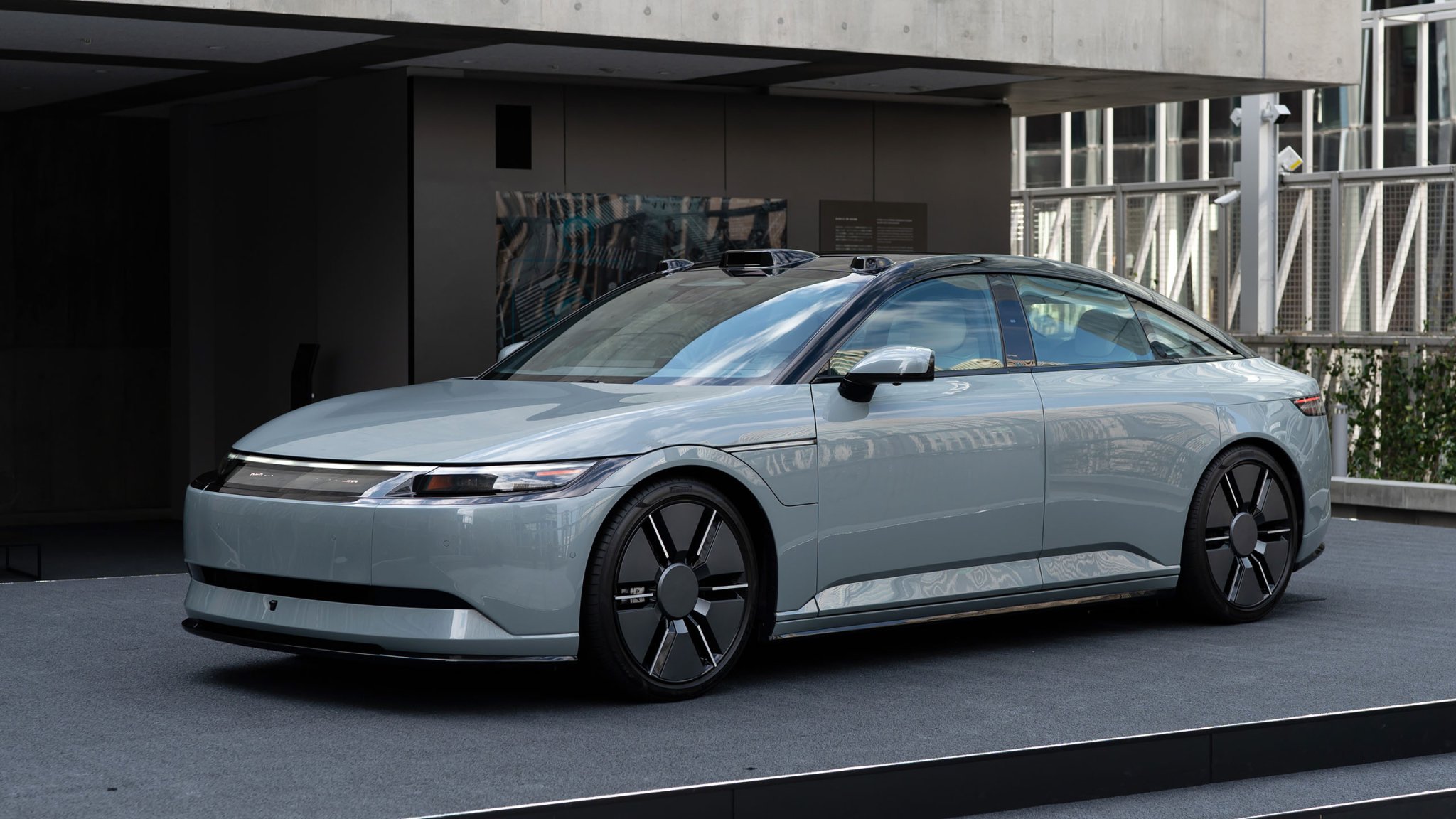
About next spring is when Sony Honda Mobility expects to begin first deliveries of its Afeela 1 electric sedan in California. Being the product of a joint venture between the electronics and automotive giants, it stands to reason that Afeela’s vehicles sit within their own brand, apart from the legacy Honda and Acura marques. However, that’s of little consequence to franchised dealers in the state, who have asked the Los Angeles County Superior Court to bar SHM from accepting reservations for the upcoming EV immediately due to the direct sales approach the new company has taken.
“This is a direct attack on the 161 franchised Honda and Acura dealers in California that have been loyal partners in building the brand’s reputation and success for decades,” California New Car Dealers Association President Brian Maas said in a statement, quoted by Automotive News. “By cutting dealers out, they’re stripping vital consumer protections like local service support, transparent pricing, and warranty assistance.”
The conflict between franchisees and automakers pursuing direct sales has been raging since Tesla first began making headway in the market. The difference is, Tesla wasn’t an established automaker before it began selling cars directly, so it’s been able to sidestep laws protecting franchises in some states. Sony Honda Mobility, on the other hand, does belong in part to a company with an existing retail network.
It’s not the only new car brand that’s run into some legal trouble with this. Scout Motors, which is, by its own admission, “a member of the Volkswagen Group” despite being managed independently, has been taken to court for its own direct sales strategy. As Auto News points out, a California law signed by Gov. Gavin Newsom in 2024 prohibits automotive manufacturers from starting brands that compete with their franchised dealers.
In Scout’s case, it’s easy to understand why VW dealers might be a little peeved. Volkswagen pivoted to an SUV-led lineup in the States over the last decade, but it’s still not quite resonating with buyers, and Scout’s rough-and-tumble, patriotic attitude and plan to sell a pickup truck—albeit an electric one—is arguably more compelling in this market.
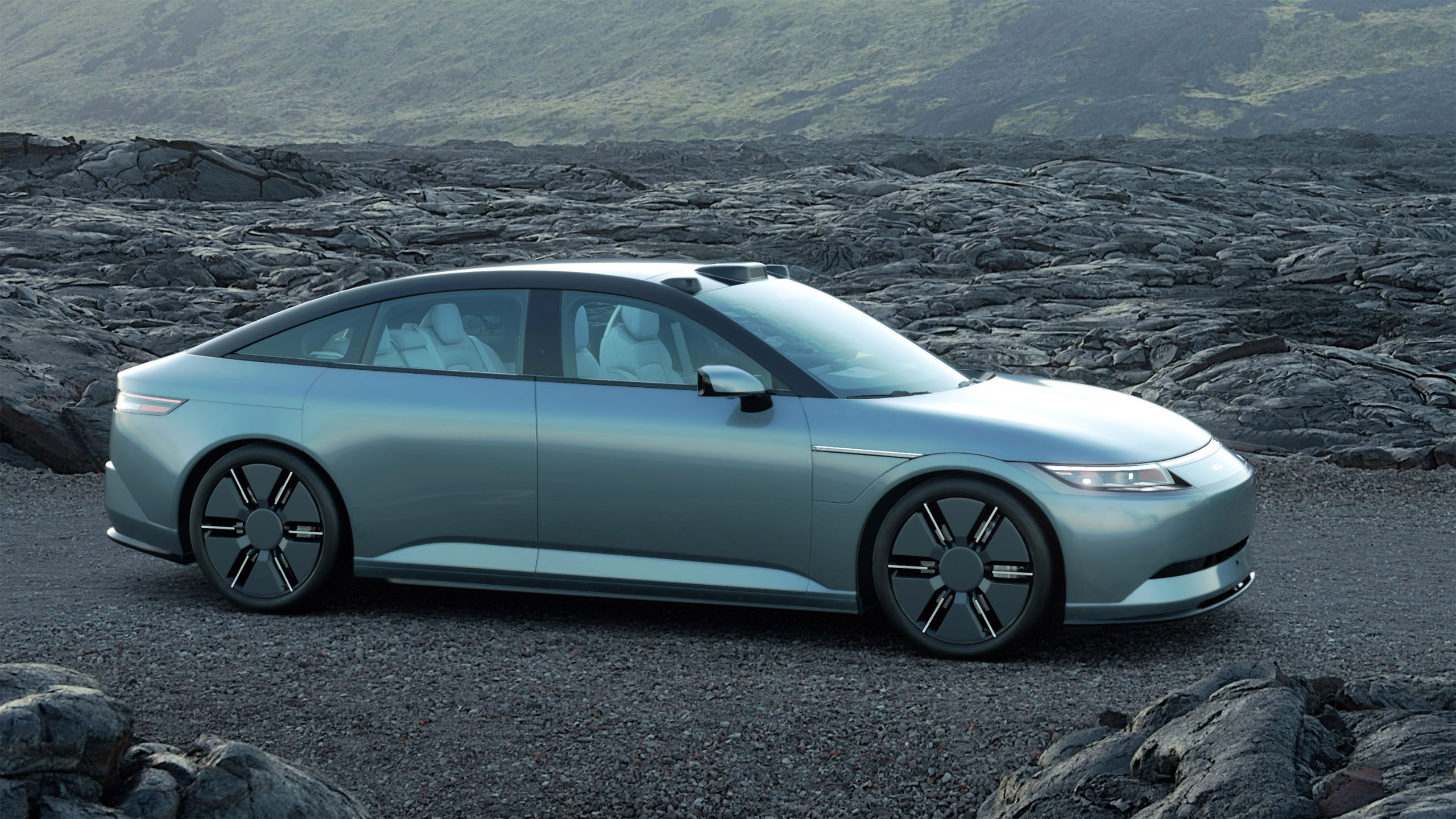
Sony Honda’s situation is a little different. The Afeela 1 rides on the same platform as the other EVs that Honda is building at its Ohio facility, like the Acura RSX and Honda’s 0 Series—cars that dealers will get to sell. On paper, it’s not exactly slated to be the most technologically inspiring EV of 2026; the sedan touts a 300-mile range from a 91-kWh battery pack that has a peak charging rate of 150 kW. And, when it hits showrooms next year, it’ll start at $102,990, with self-driving features only included for three years. A cheaper version won’t come along until 2027 and, even then, it’ll still cost $90K.
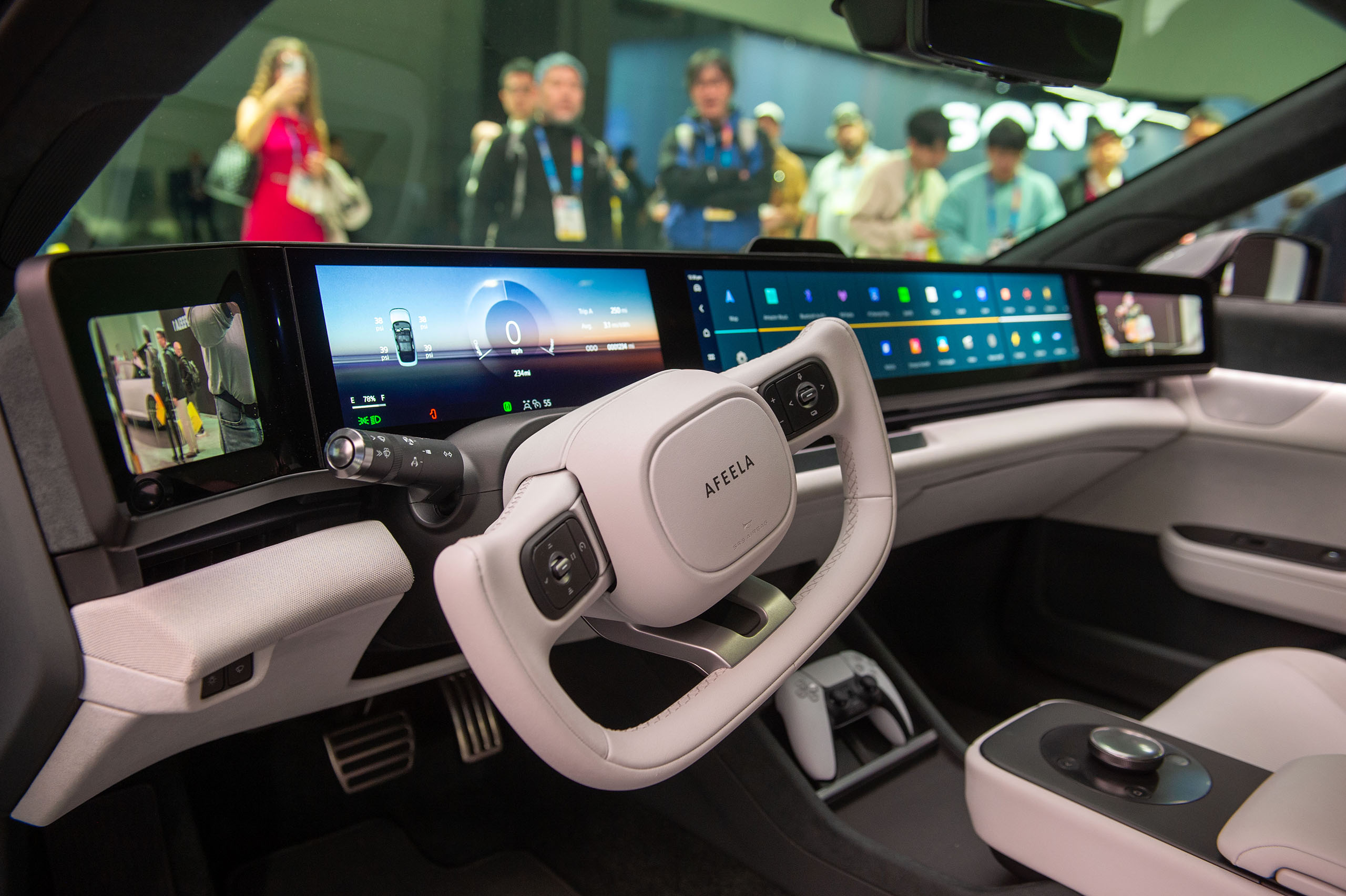
The Afeela 1 is an experiment in a few ways. Setting aside Chinese-market players like Xiaomi and Huawei, it’s North America’s first example of a consumer electronics company embracing the business of selling cars. And it’s also gambling on a clientele out there that’s waiting to pay a high price for expanded self-driving capabilities—capabilities that, even if the Afeela 1 supports, it won’t be able to legally deploy at launch, assuming the law stands then as it does today. We’re also talking about a sedan, something American buyers tend to be allergic to.
All that is to say that I’m not sure this fight will necessarily pay off for California’s Honda and Acura dealers in the way it could, say, for Volkswagen’s. At the same time, from the association’s perspective, it must lodge its case against as many automakers as possible to establish consistency and precedence.
Meanwhile, Afeela appears to be sticking to its ramp-up plan, having opened pop-up showrooms across the state throughout the spring and summer. The first permanent retailers are slated to open their doors later this year in Torrance and Fremont, and any Californians interested can still plonk down a refundable $200 reservation right on the company’s website.
Loading comments…
Comments couldn’t be loaded. Please refresh the page.