
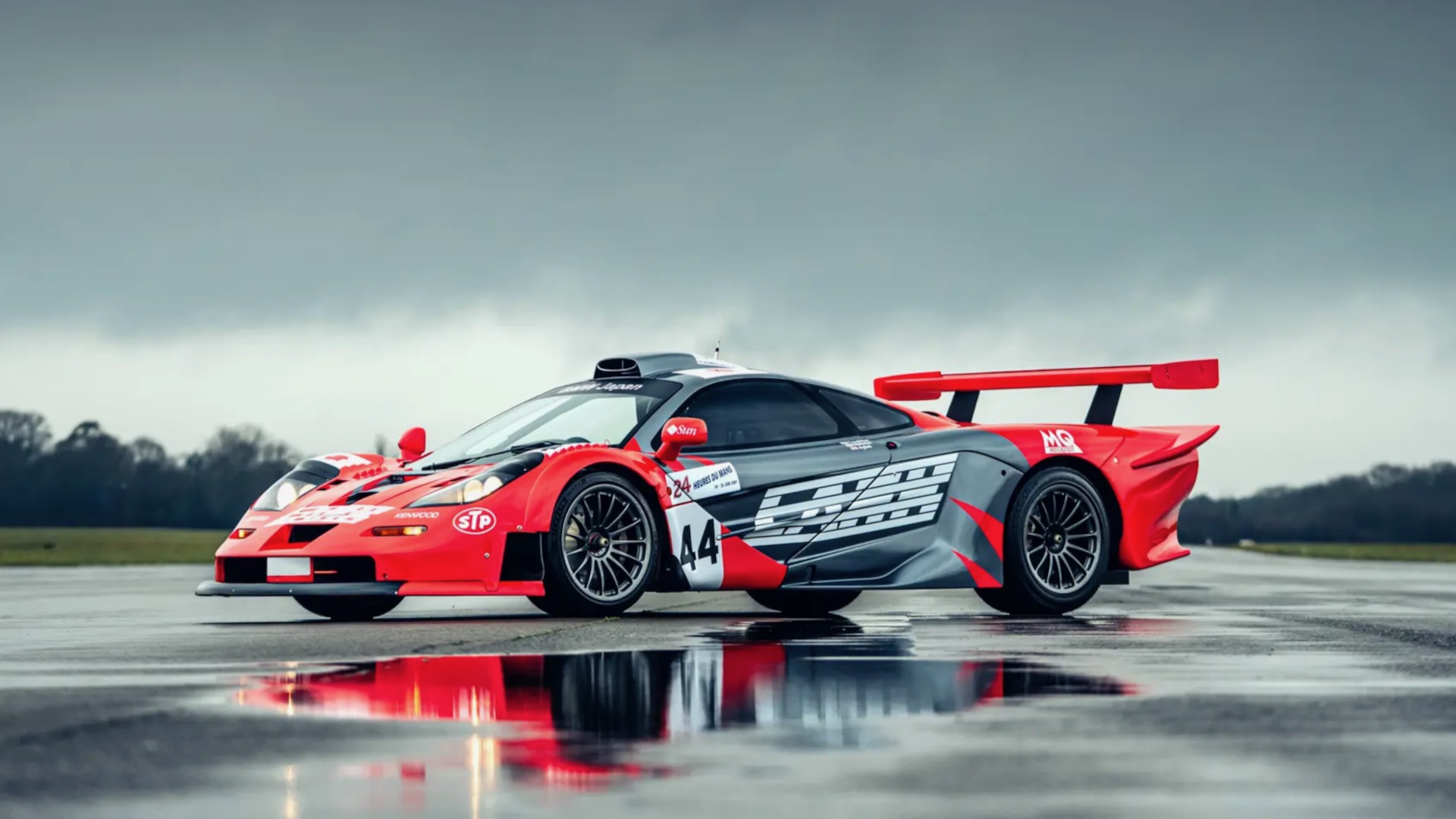
When a McLaren F1 comes up for sale, especially one of the Longtail race cars, oligarchs take notice and the rest of us get a reminder of just how poor we are. Expected to sell for $18 million to $21 million at a sealed-bid RM Sotheby’s auction, this race-winning GTR requires a lot of exploitation of the working class to attain.
That price is certainly justified, though. Designer Gordon Murray was adamant that the F1 was a road car, not a race car, but customers still wanted to slap some numbers on it. McLaren duly created the F1 GTR and even won the 24 Hours of Le Mans with it in 1995. Murray was right though and, even with some aero upgrades for 1996, bigger changes were needed to keep the F1 GTR competitive with the Porsche 911 GT1 and Mercedes-Benz CLK GTR. Enter the F1 GTR Longtail.
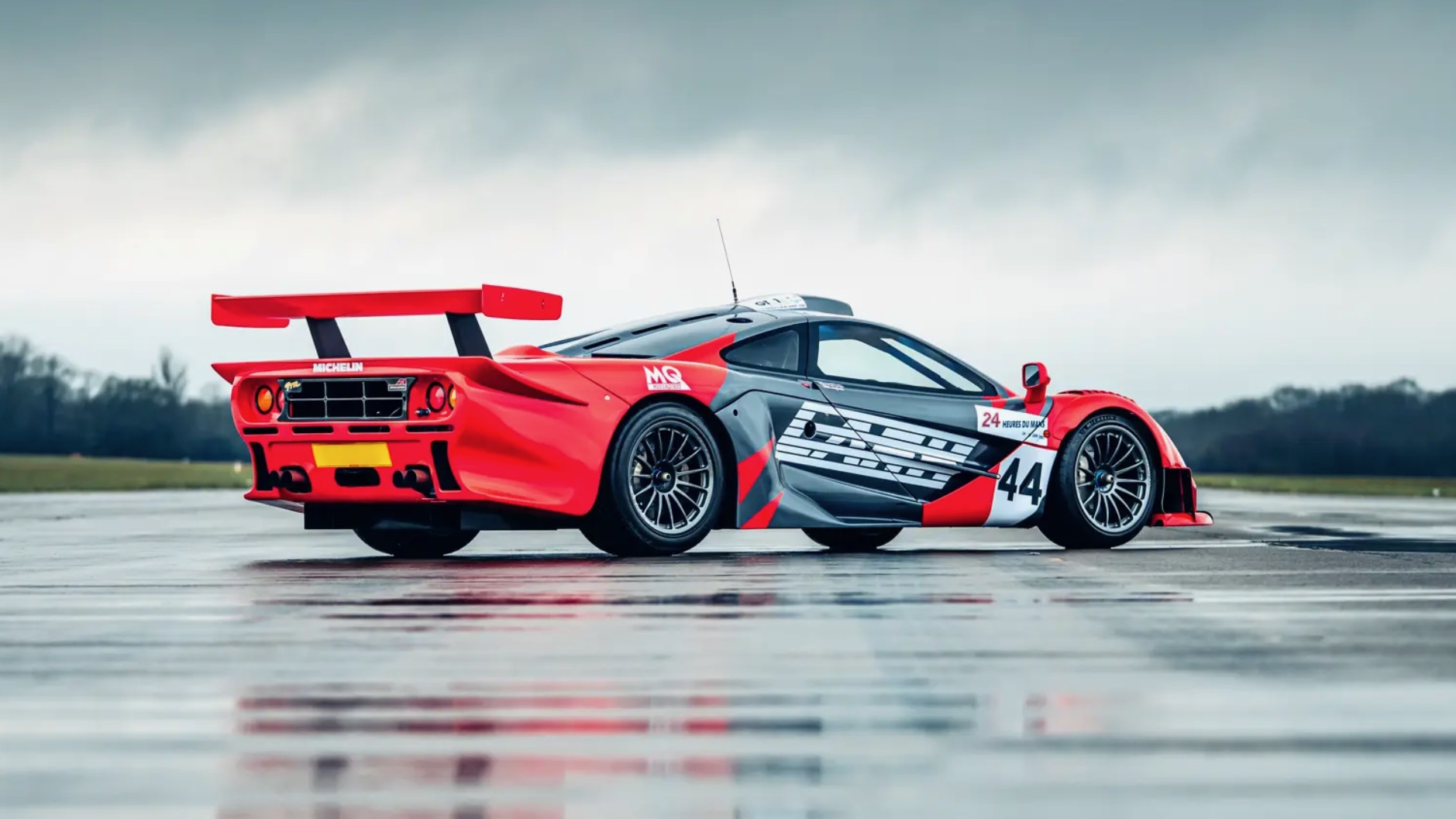
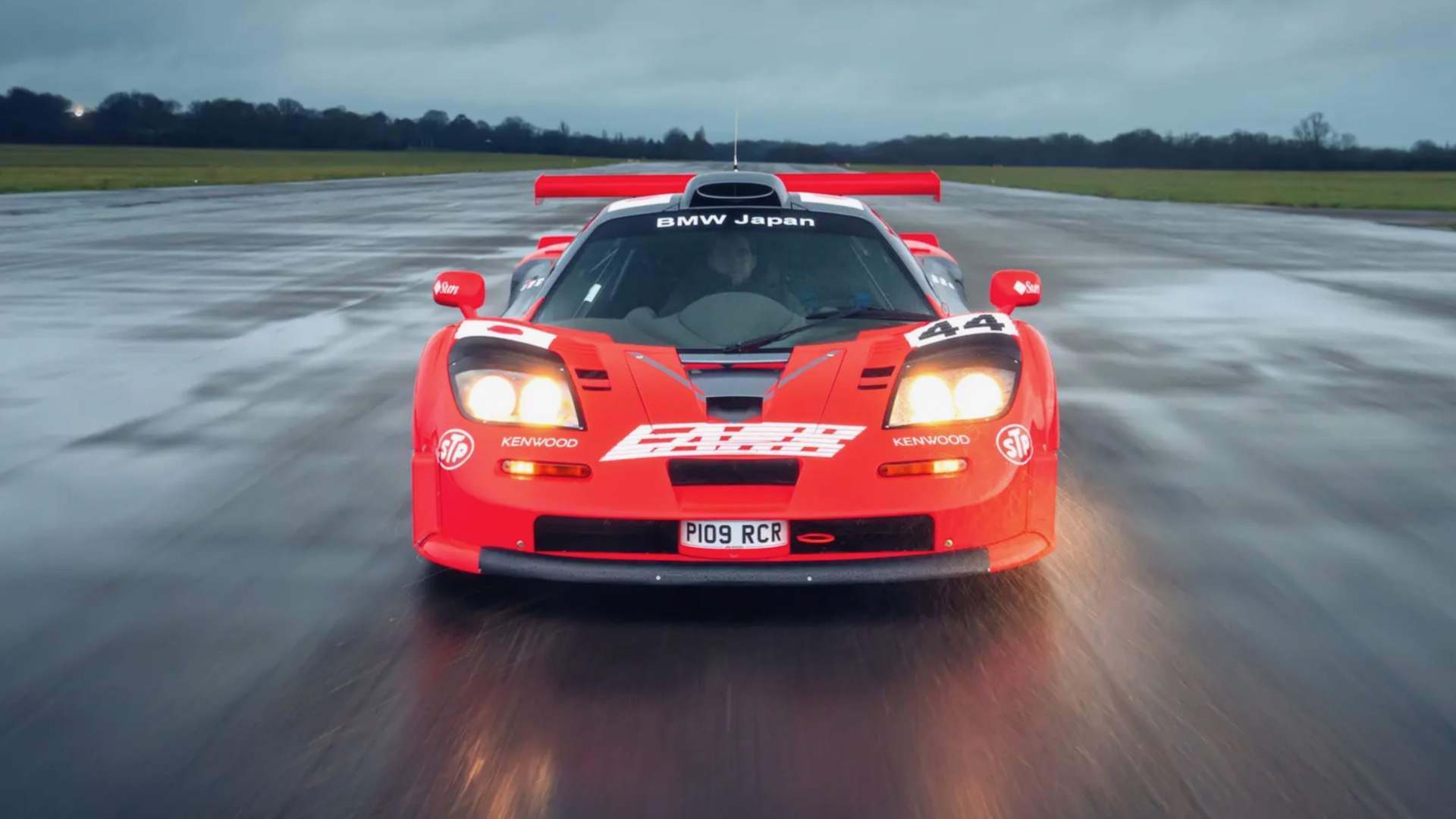
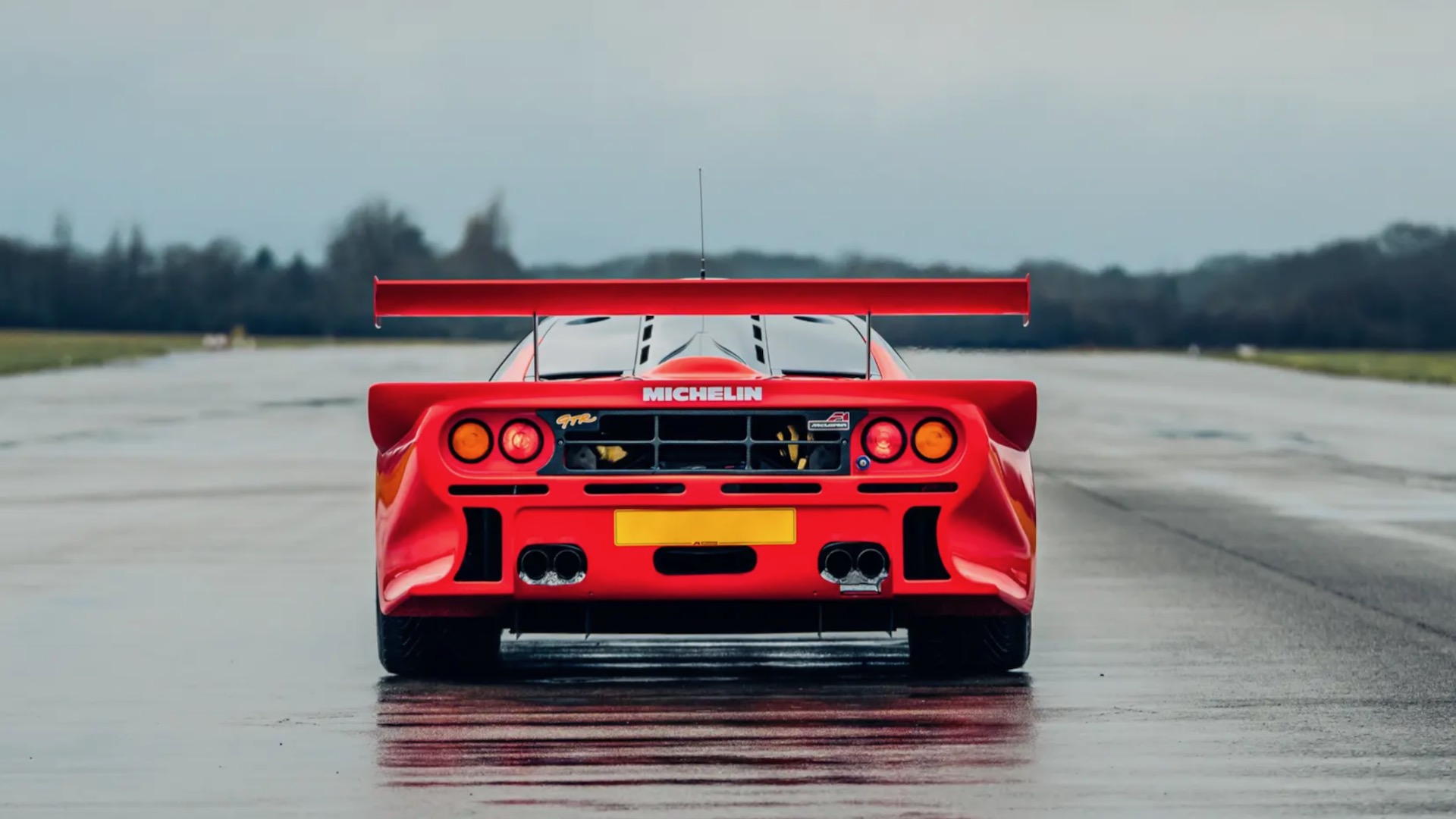
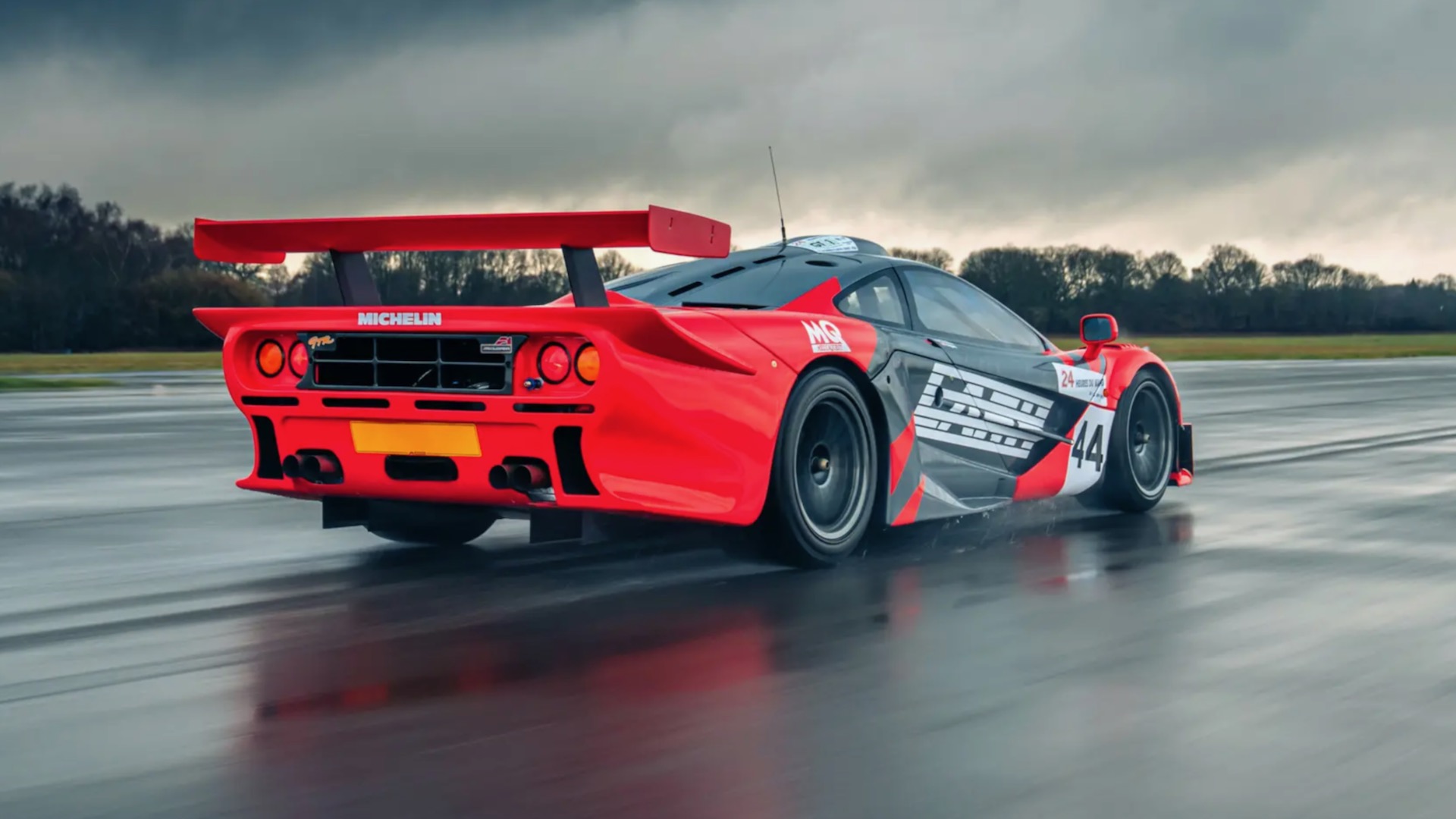
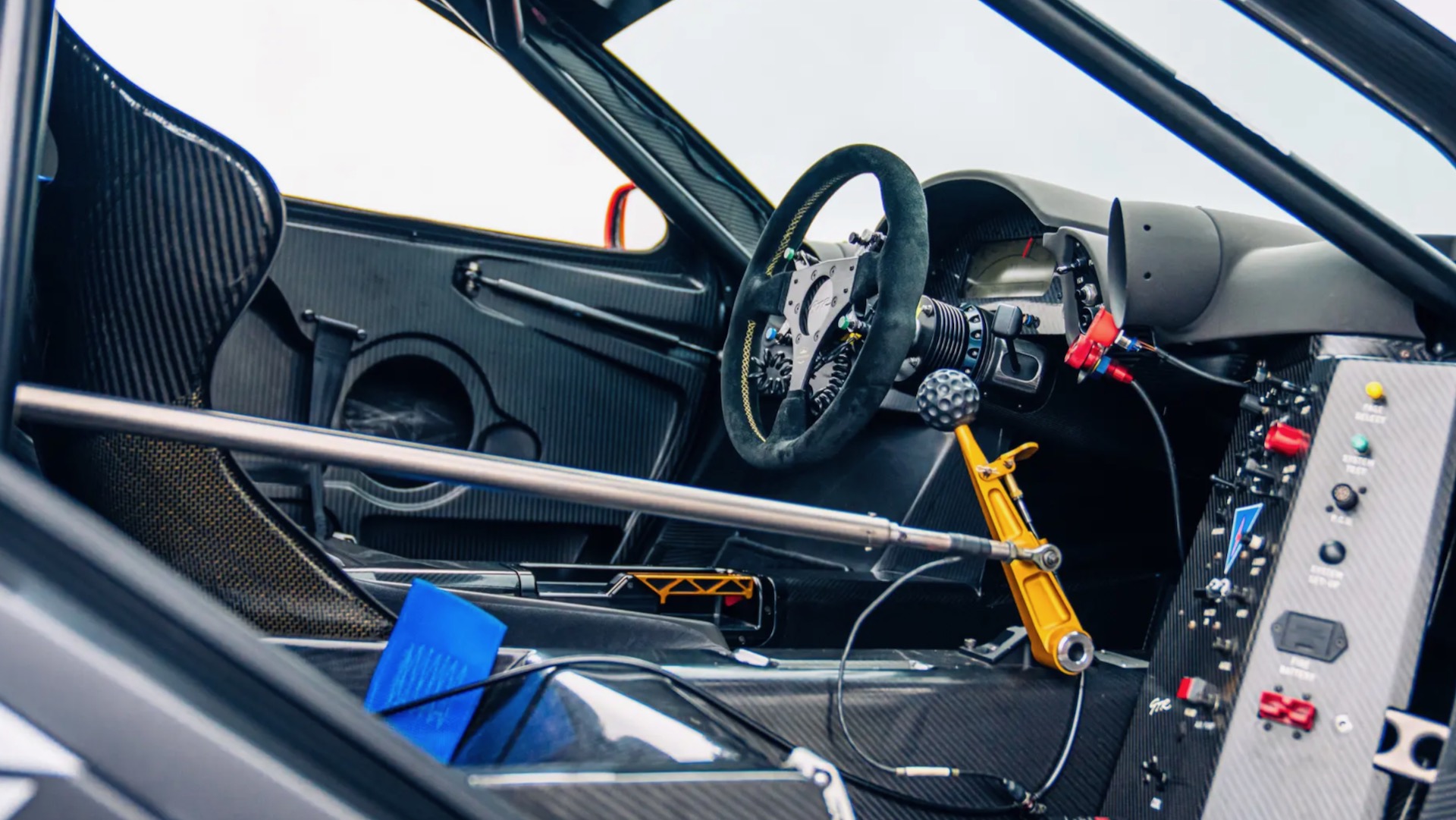
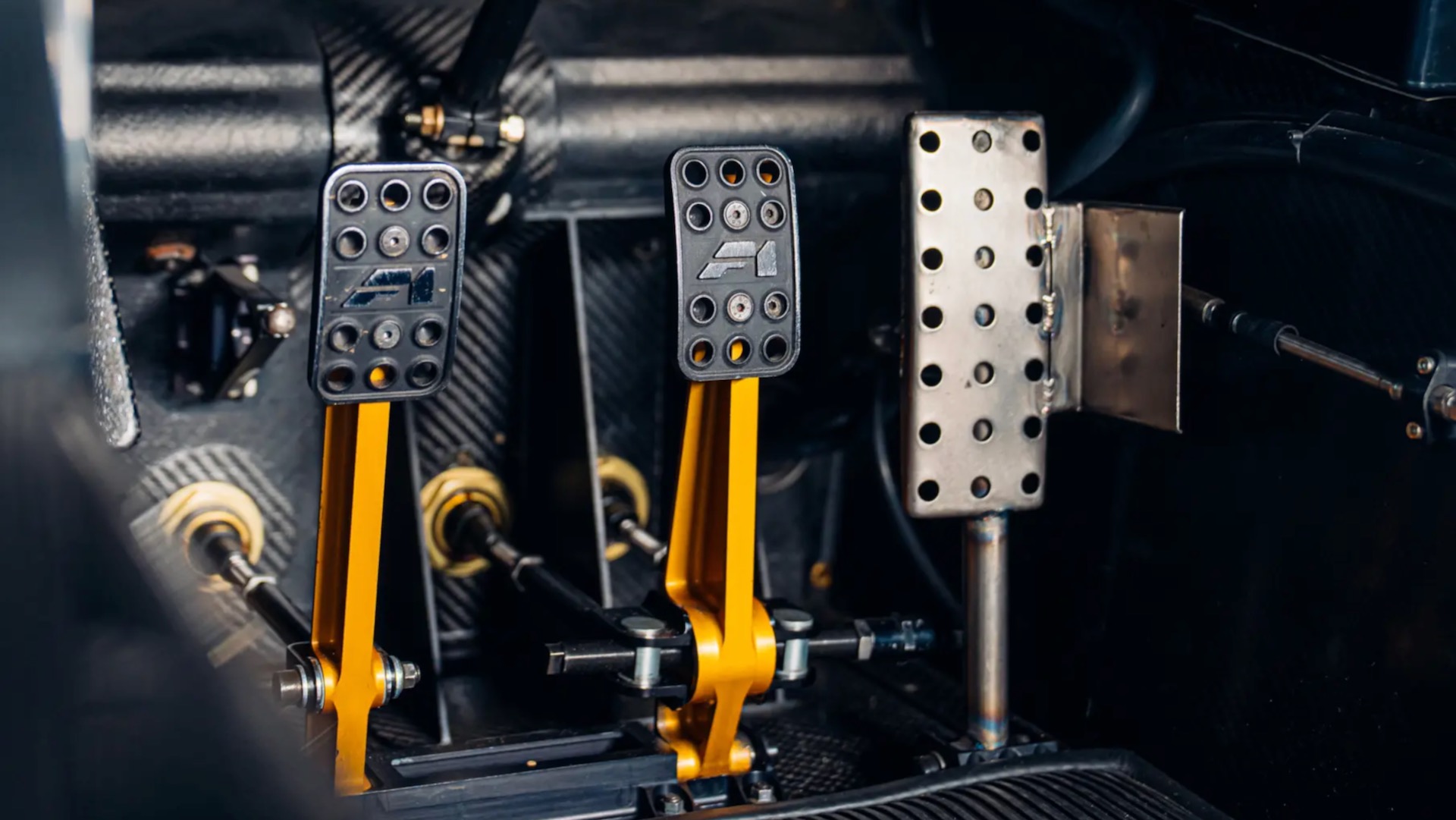
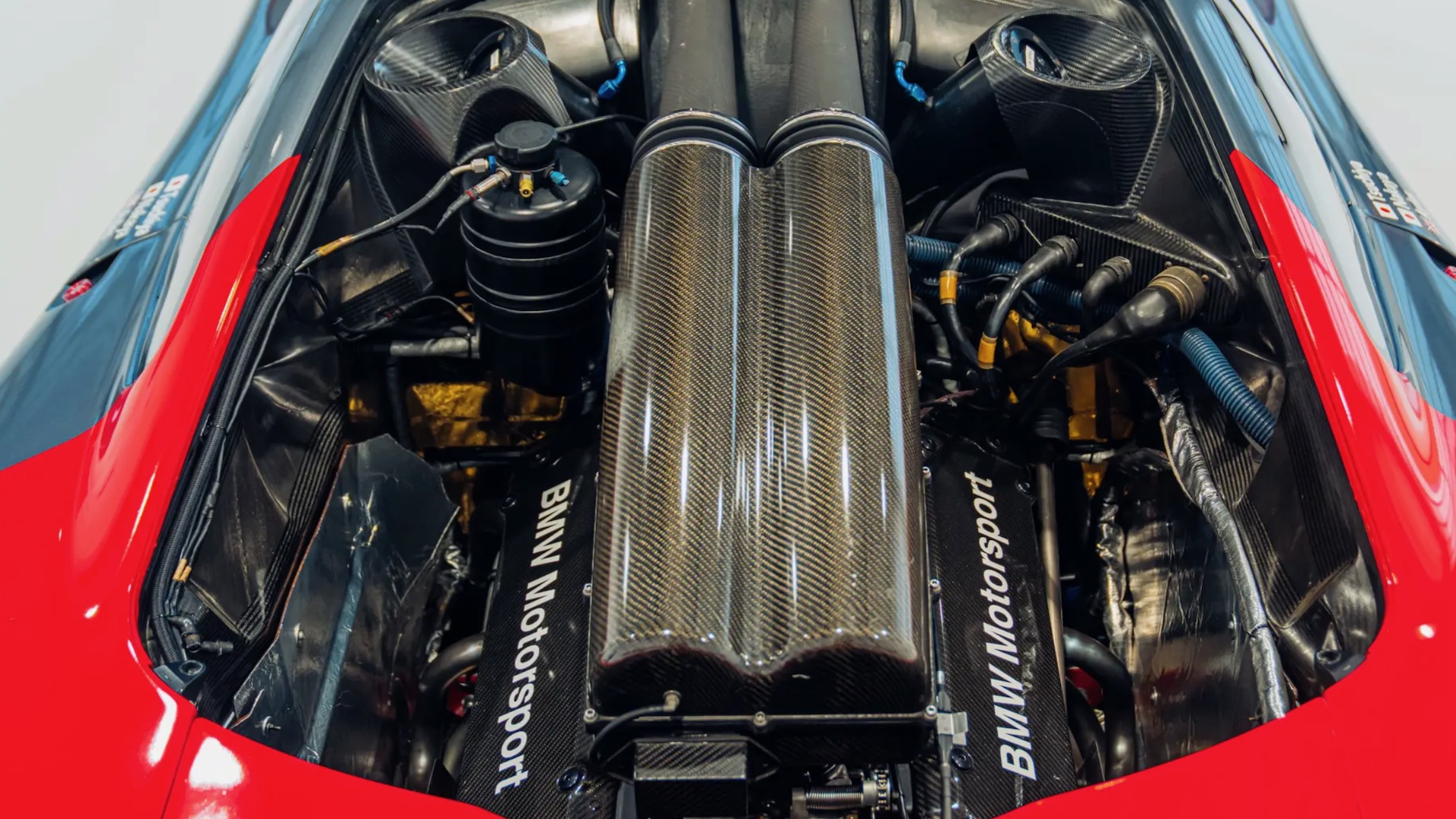
Before it was recycled as a badge for hotter versions of McLaren’s modern supercars, the Longtail name was literal. High-downforce bodywork increased the car’s overall length by about two feet, but that wasn’t the only change. The road-car transmission—a major weak point in earlier cars—was replaced with a six-speed sequential unit from Xtrac. The BMW-sourced V-12 was also downsized slightly to 6.0 liters to help improve throttle response and reliability, while the Longtail shed 299 pounds compared to the 1995-spec GTR, meaning it weighed just 2,017 pounds.
McLaren built 10 Longtails out of a total run of 28 GTRs. The car up for auction—chassis 27R—is the penultimate one built and the first to see action. It was sold to London-based financier David Morrison, who entered it in the season opener of the British GT Championship at Silverstone under the Parabolica Motorsport banner. Drivers Gary Ayles and Chris Goodwin lapped the field, giving the Longtail a win in its competition debut.
Chassis 27R was then loaned to Japan’s Team Lark for the 24 Hours of Le Mans, but didn’t finish. It was raced a few more times before being sold in late 1998 to accountant James Munroe—real name James Cox—who was later arrested for embezzling money from his employer, educational materials published McGraw-Hill.
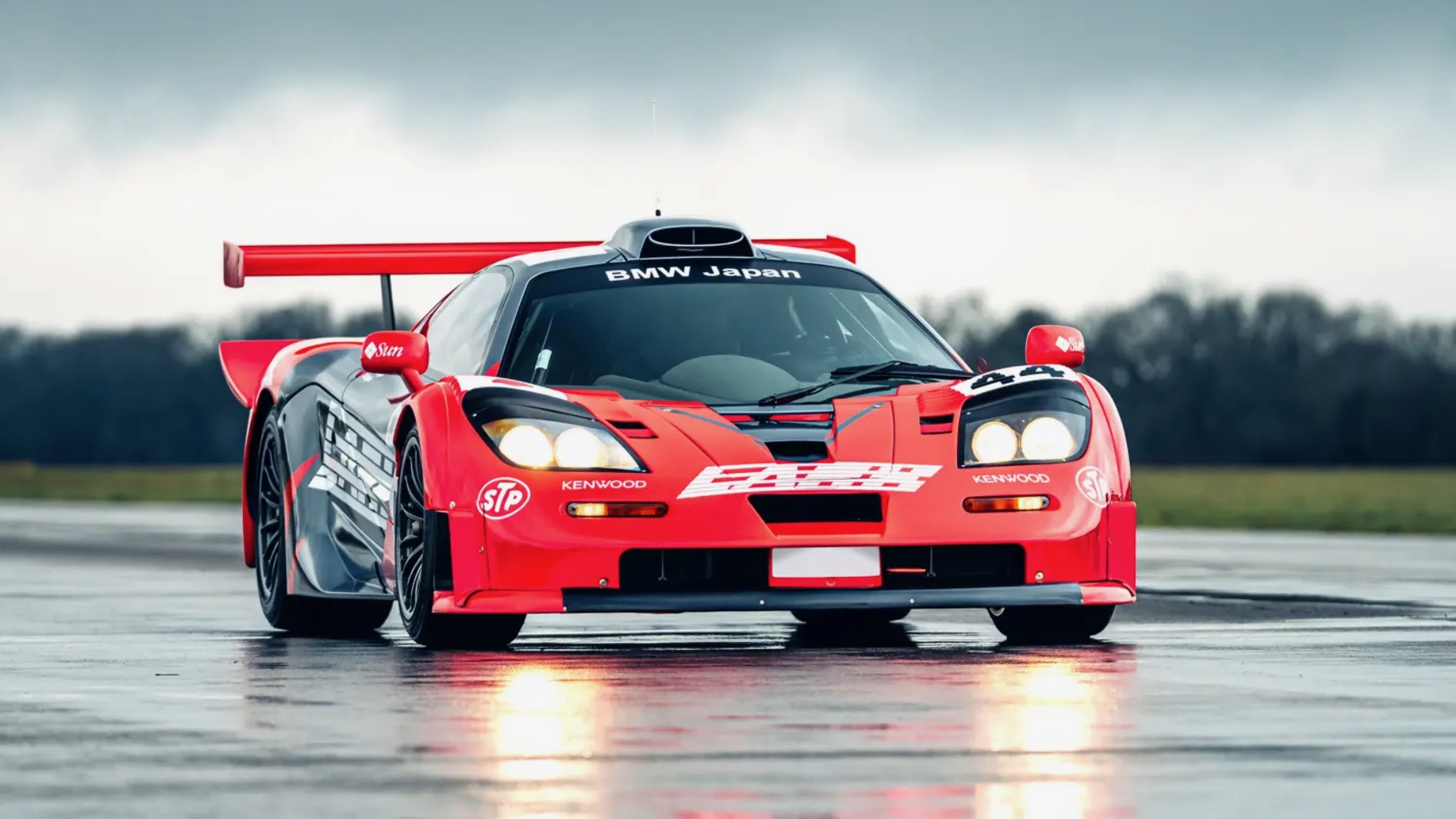
Chassis 27R then passed through the hands of various collectors, at one point being converted for road use by McLaren F1 specialist Lanzante Limited. Lanzante also serviced the car in 2025, including replacement of the fuel tank, fuel system components, engine bay heat shield, fire suppression system, and starter motor. That job alone cost about 53,000 British pounds (roughly $72,000 USD at current exchange rates), partly explained by the need to basically disassemble the car to access the fuel tank, and that the heat shield is made of gold.
The Longtail is currently wrapped in its 1997 Le Mans livery, but the original Parabolica Motorsport paintwork remains underneath, according to the auction listing. The cost of changing it back presumably won’t be much of a bother for the person who can afford to own and maintain the ultimate racing version of McLaren’s first road car.
Got a tip? Send it in: tips@thedrive.com
Loading comments…
Comments couldn’t be loaded. Please refresh the page.