
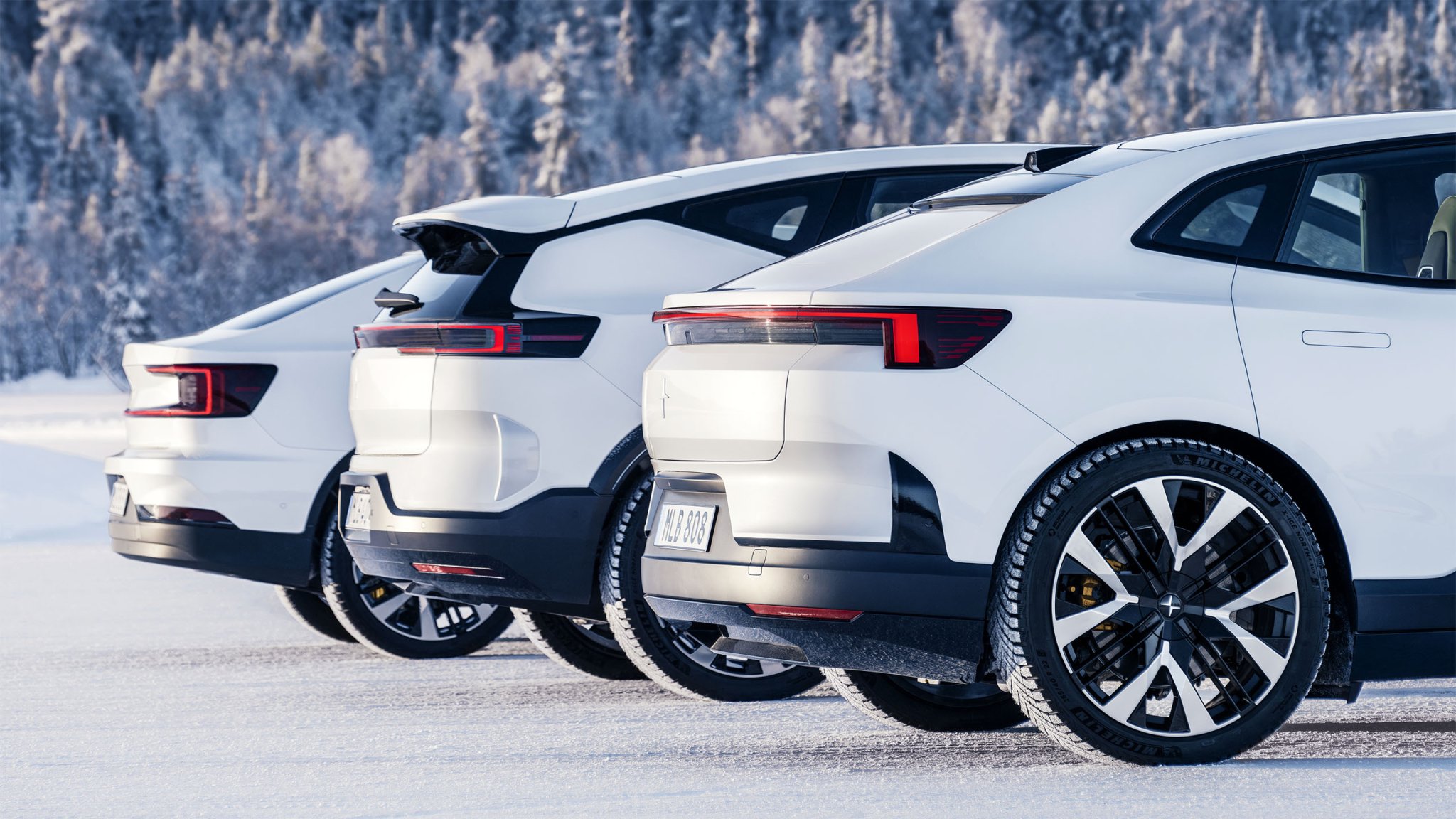
Polestar launched as an automaker defined less by the things it would do, and more by what it wouldn’t. It wouldn’t do combustion engines, at least not after the Polestar 1. It wouldn’t do colors, inside or out. It wouldn’t do traditional generational model cycles. For one of its vehicles, it doesn’t even do rear windows. And yet, profitability has eluded the young brand, forcing it to confront some of those red lines. A new roadmap announced Wednesday has spelled it out clearly: Polestar’s original business plan failed, and it’s been replaced.
Giving credit where it’s due, Polestar is not deviating from its EV-only stance, at a time when pretty much everyone else has. But it’s going back on plenty of other things. It will embrace colors, for one, rather than exclusively offering its vehicles in shades of gray. Design chief Philipp Römers expressed a desire to make the brand’s products “more emotional” during the company’s latest strategy update, and some new hues figure to be a way to do that; he already teased as much late last year. Interior buttons will be part of this initiative, too.
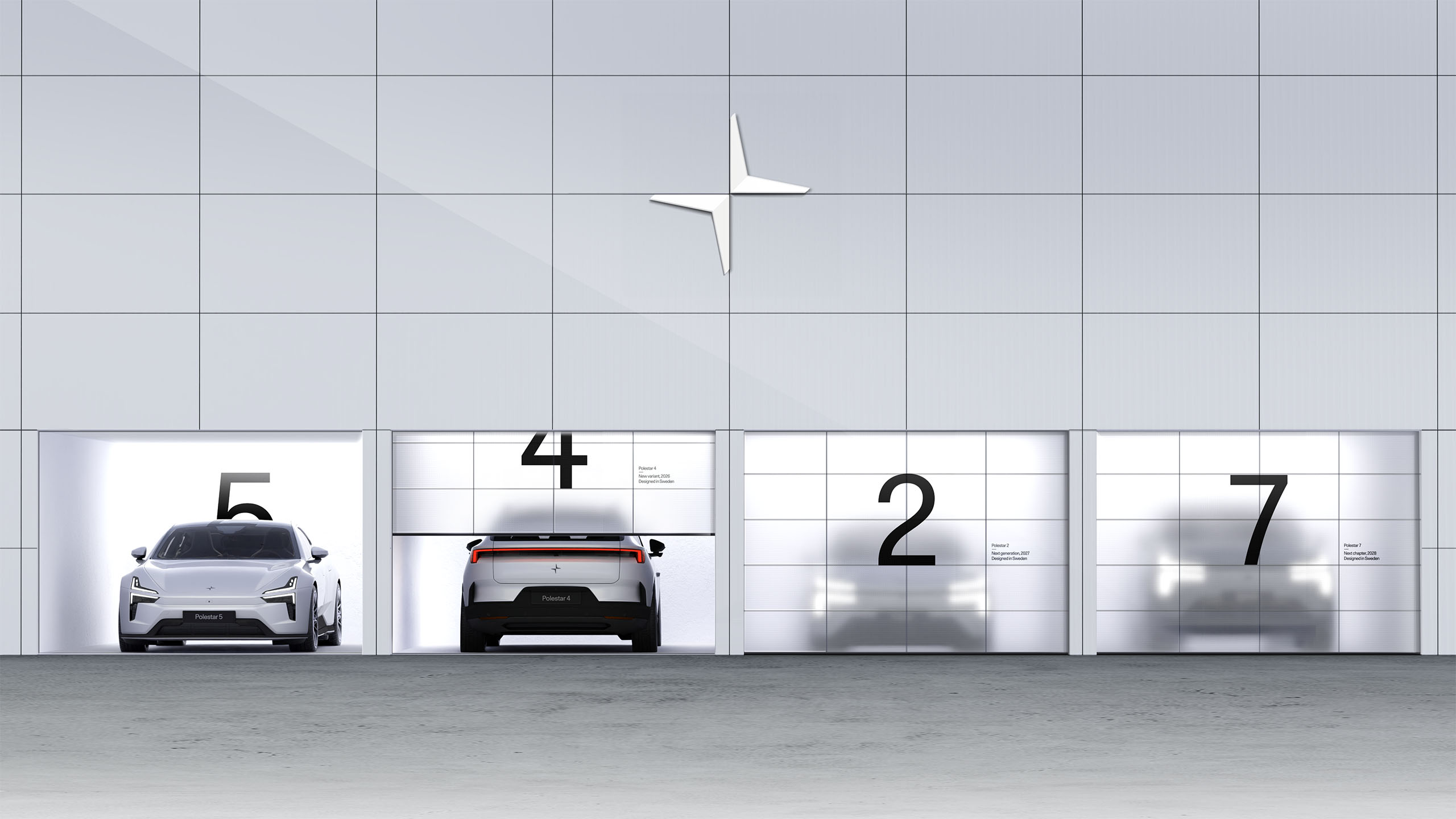
One of the major headlines from today’s business update was the announcement of a successor to the Polestar 2, a vehicle that, two years ago, former CEO Thomas Ingenlath said wouldn’t get one—at least not directly. At that time, a new model named the Polestar 7 (keep that in mind; we’ll come back to it) was to replace the 2, and this unconventional approach to naming was done all in the spirit of inspiring innovation.
“As much as we might build a very similar car, because it has a different number we won’t have this natural trap where we’re boxed into that concept of what the car had been,” Ingenlath told Autocar in 2024, touching upon the Volkswagen Golf as an example of an iconic model that can’t truly innovate, because it’s constrained by its own title.
Yet, as we’ve learned today, we’re not only due for a new Polestar 2 in early 2027—which is not a facelift but an “entirely new car,” in Römers’ words—but also the Polestar 7 compact SUV in 2028. Meanwhile, the Polestar 6 roadster merely got a passing mention in today’s announcements of four new cars in the next three years. It wasn’t earmarked as one of those, by the way; a North American Polestar representative confirmed to us that the 6 will arrive after the 7. That sounds like a 2029 debut at the earliest for the brand’s prospective halo product.
Then there’s the Polestar 4, which our own Joel Feder only just recently got to sample; there’s already a new variant coming. The existing 4 will soon be renamed the 4 Coupe, while the “new” 4 will have a long roof that sounds more wagon than SUV—and a rear window.
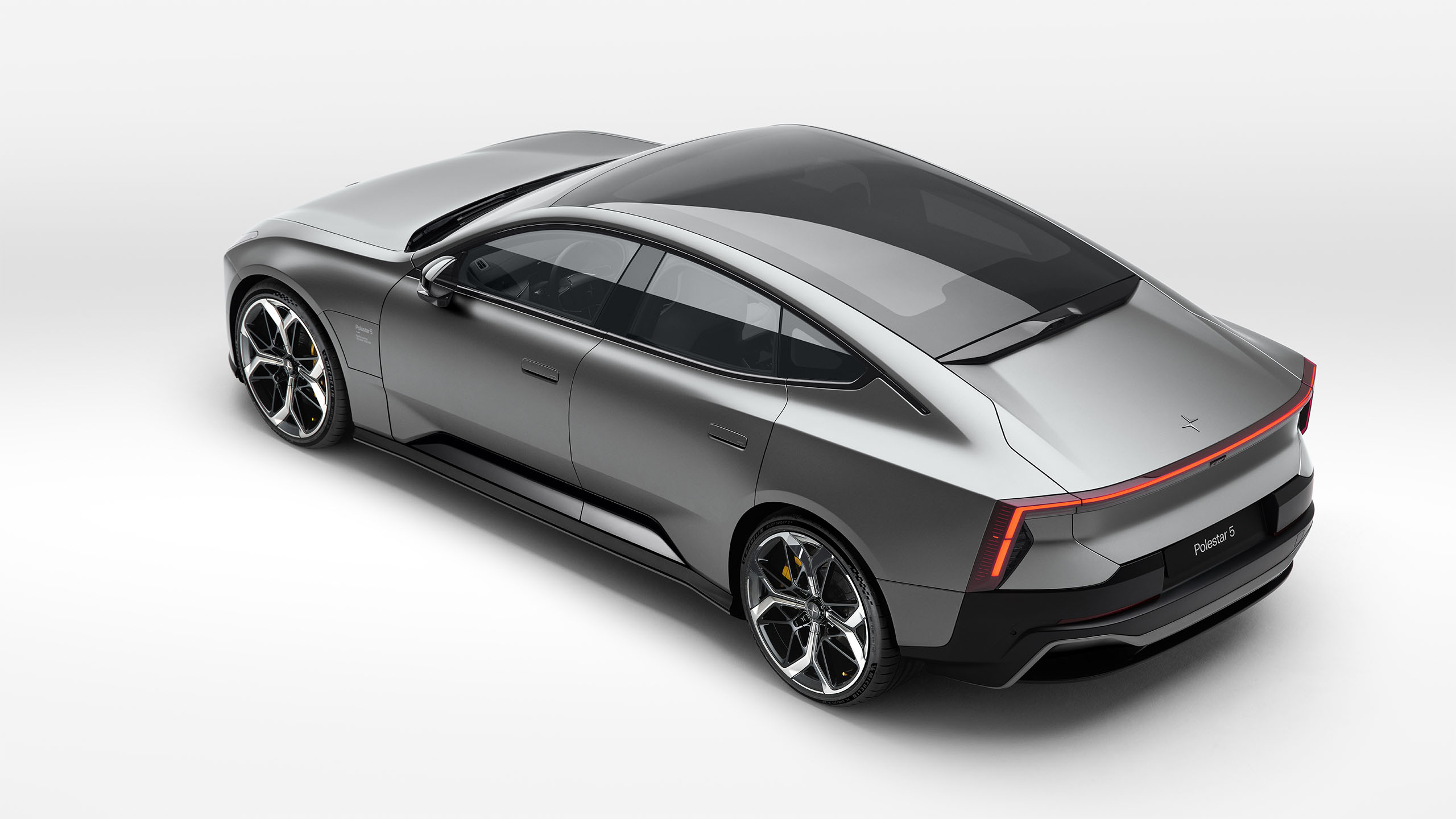
Last but not least, there’s the Polestar 5. It’s still a genuine sedan (or a “grand tourer” in the brand’s parlance), and it’s still unlikely to be sold in the U.S. anytime soon.
Polestar’s willingness to deviate from the status quo of carmaking was commendable, but its strategies have been puzzling since the very beginning. The company’s naming convention, for starters, doesn’t follow any kind of logical progression up- or down-market. The idea of eschewing typical model generations might sound refreshing to the company’s designers, but it’s bound to be agonizing for consumers. There’s a reason brands have value; once you’ve introduced yourself, they save you the trouble of having to reintroduce yourself over and over and over again. That’s why we’re getting a second-gen Polestar 2 that was never supposed to happen.
And the color thing. Sure, most people buy white or black cars. But if the goal is to stand apart, casting away an entire spectrum makes that obviously more difficult, at least on the visual side.
Polestar has seemingly kept an open mind toward all of these topics, though, which is really all you can ask after a few judgment calls that didn’t pan out. During today’s presentation, CEO Michael Lohscheller, who replaced Ingenlath and has been at the helm for a little more than a year now, kept returning to a familiar phrase: “We’re doing the right things.” Naturally, only time will tell how right or wrong these moves are. What we know for certain is that Polestar’s original vision was a nonstarter, and everything we heard today was evidence of that.
Got a tip? Reach out to tips@thedrive.com
Loading comments…
Comments couldn’t be loaded. Please refresh the page.