
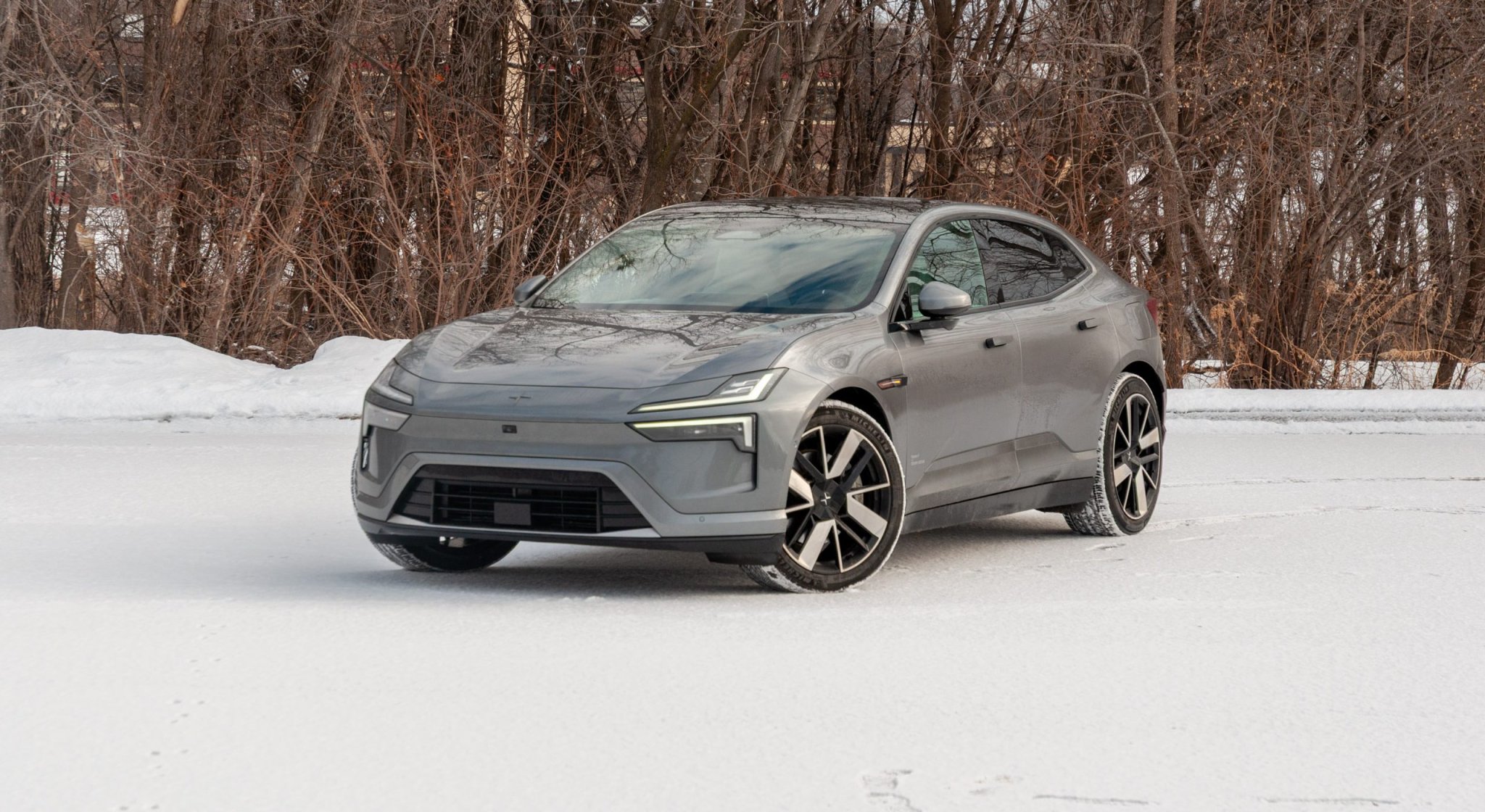
It’s unlikely buyers are going to waffle on whether the new 2026 Polestar 4 is what they want or meets their needs. One look, and perhaps more importantly, one test drive, is all it will take for a decision to be made.
The new Polestar 4 is the automaker’s latest addition to the lineup and is meant to be its mainstream entry into the mid-size EV segment, capable of going toe-to-toe with class leaders and other notable new arrivals. What actually ended up arriving was a mixed bag, and for many, a polarizing one.
The Basics
Way back in 2021, then-head of Polestar Americas Gregor Hembrough told me that the automaker was putting a bullseye on Porsche: the upcoming Polestar 3 would be a Porsche Cayenne rival, the Polestar 4 would aim for the Macan, and the Polestar 5 would take on the Taycan. Not really sure that happened, but having driven the Polestar 3 and Polestar 4, I can almost see where Hembrough was trying to go. But the execution, especially with the Polestar 4, is hamstrung by some decisions.
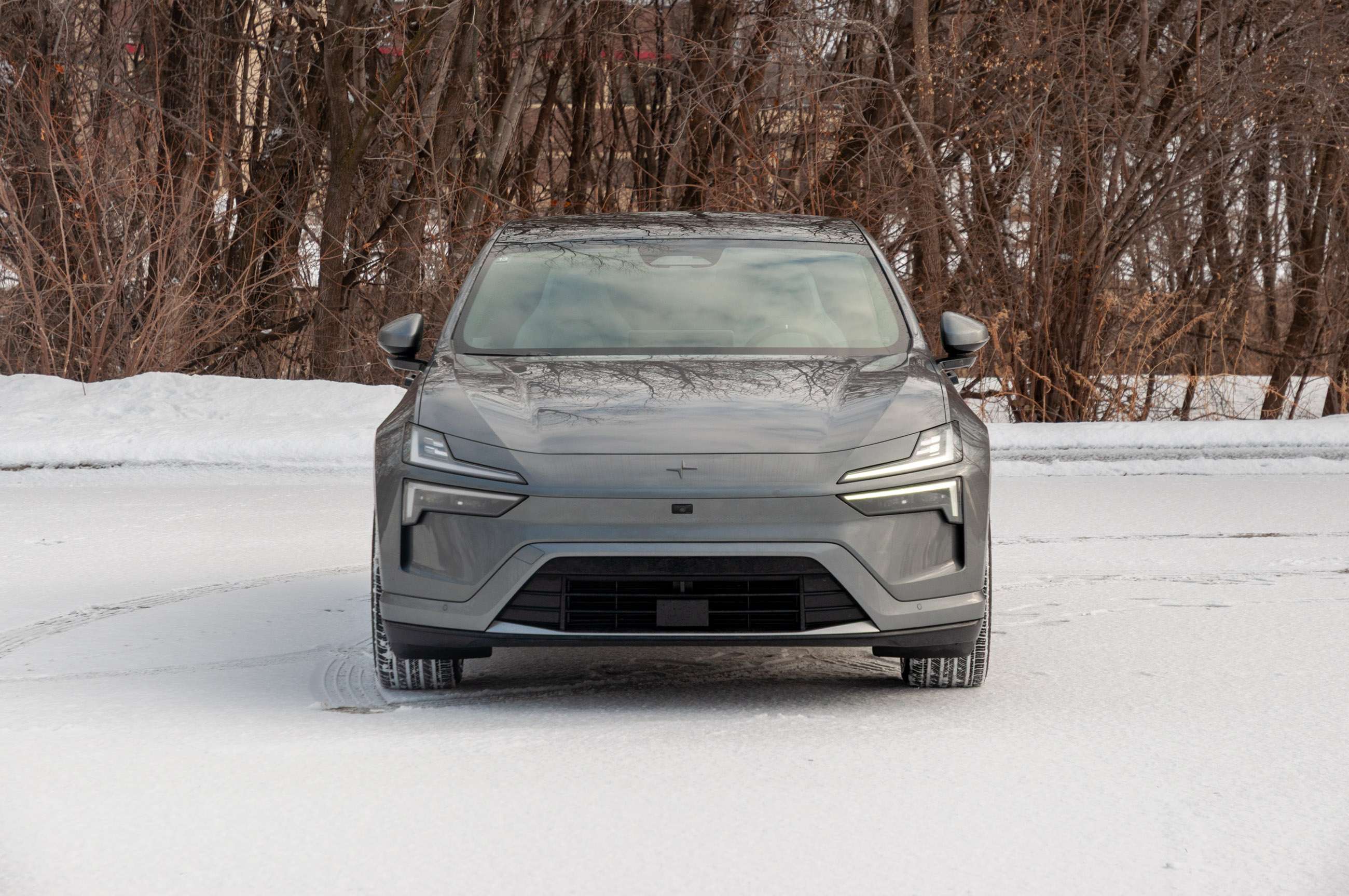
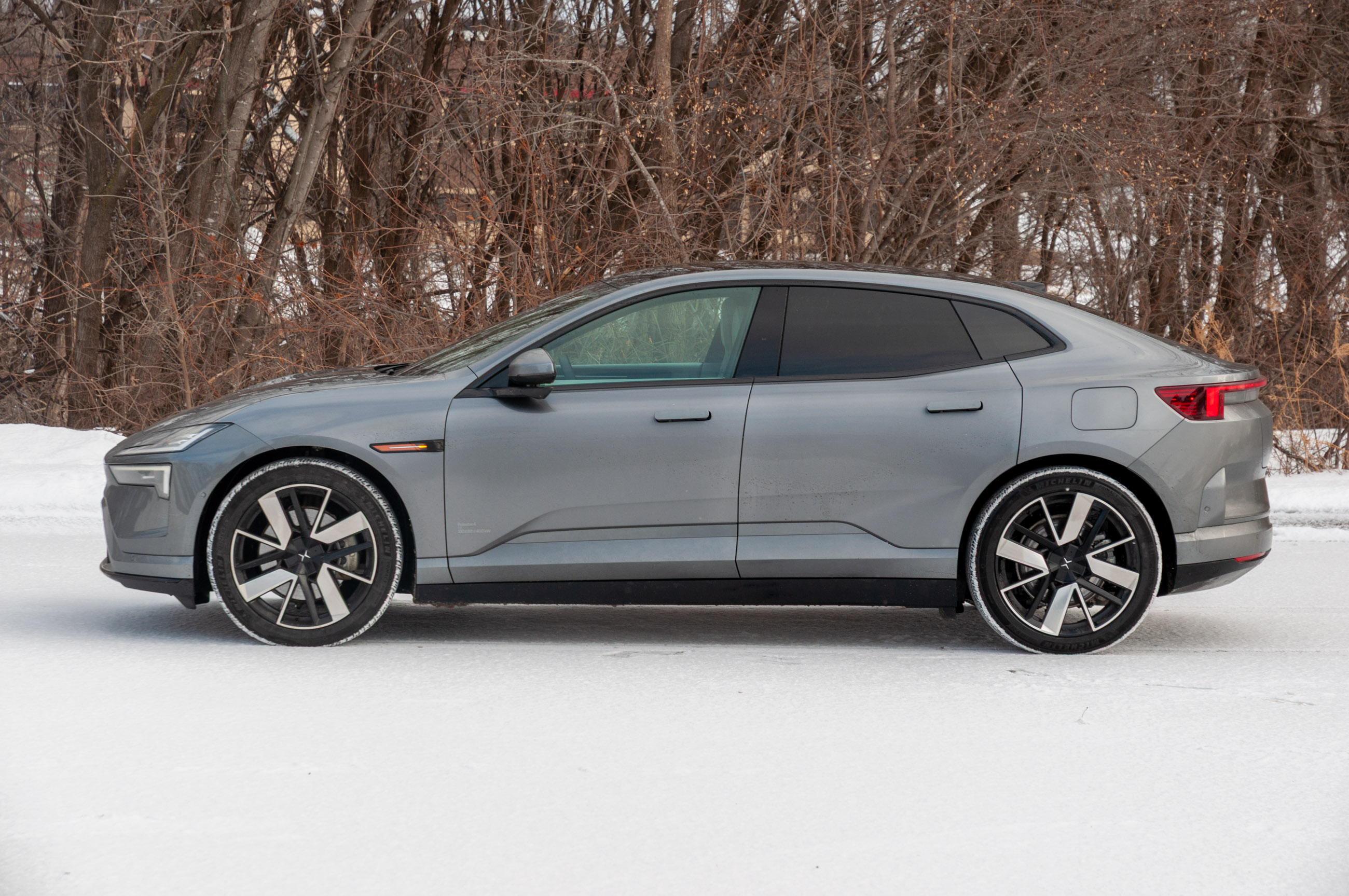
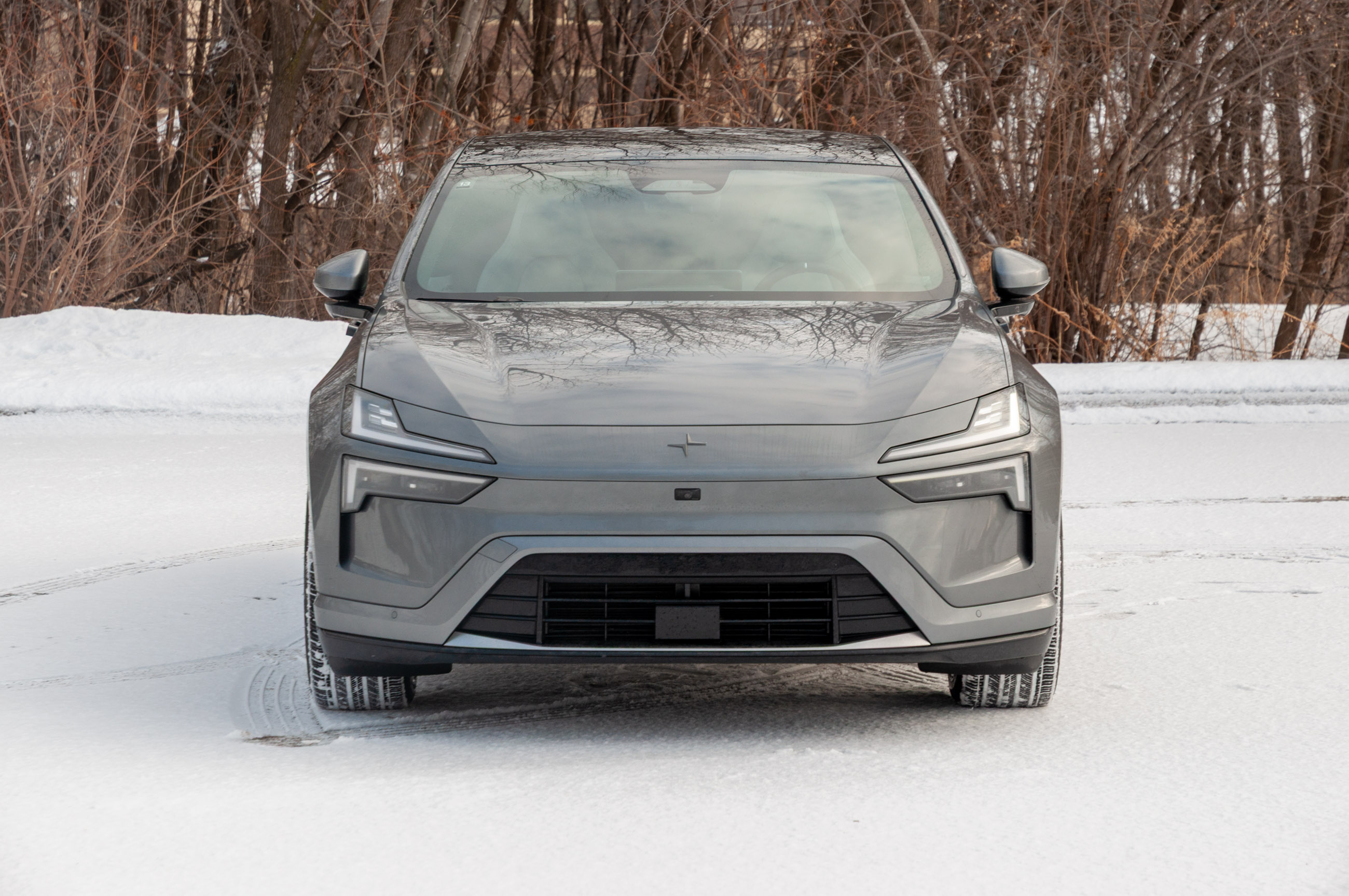
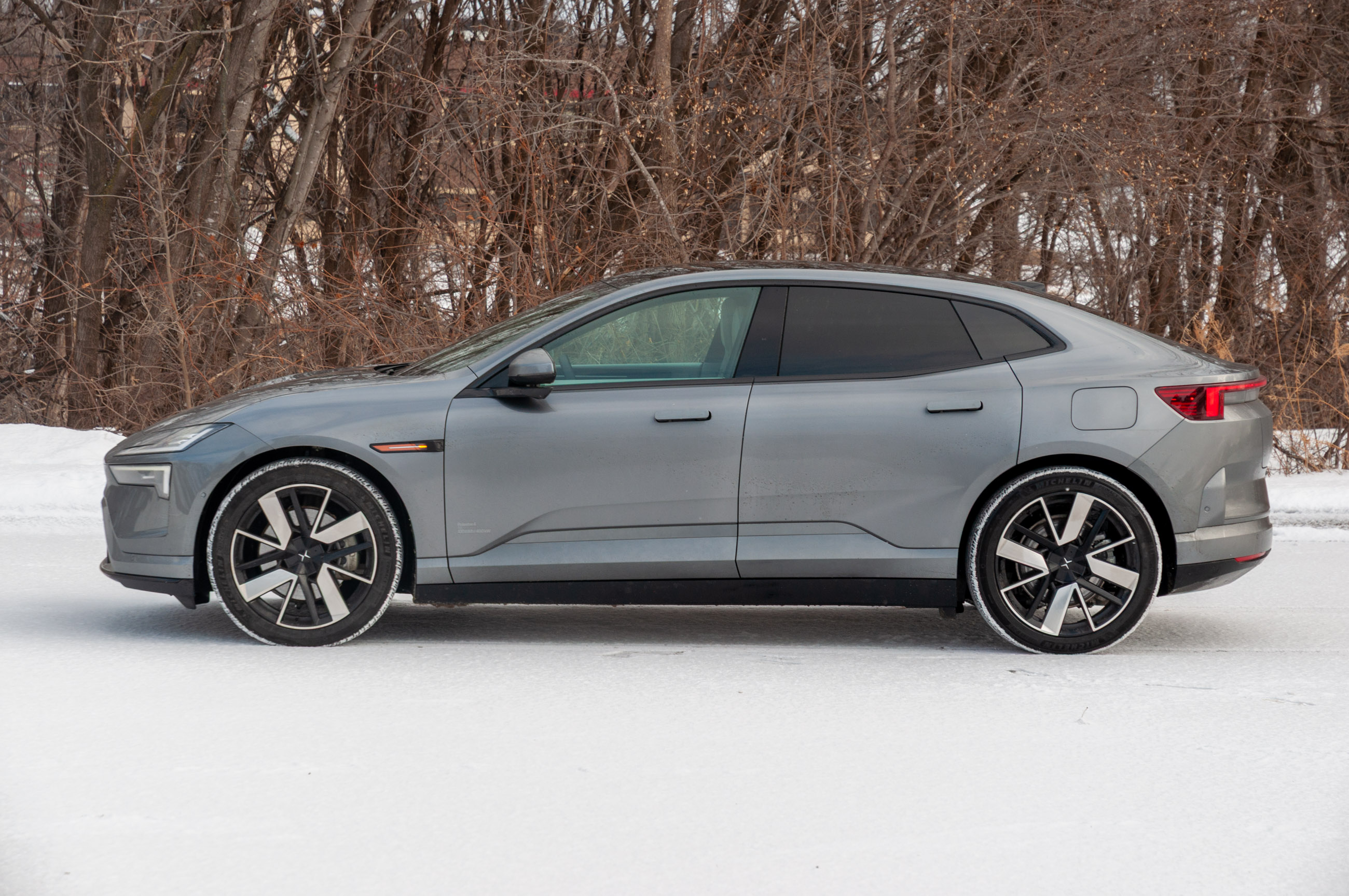
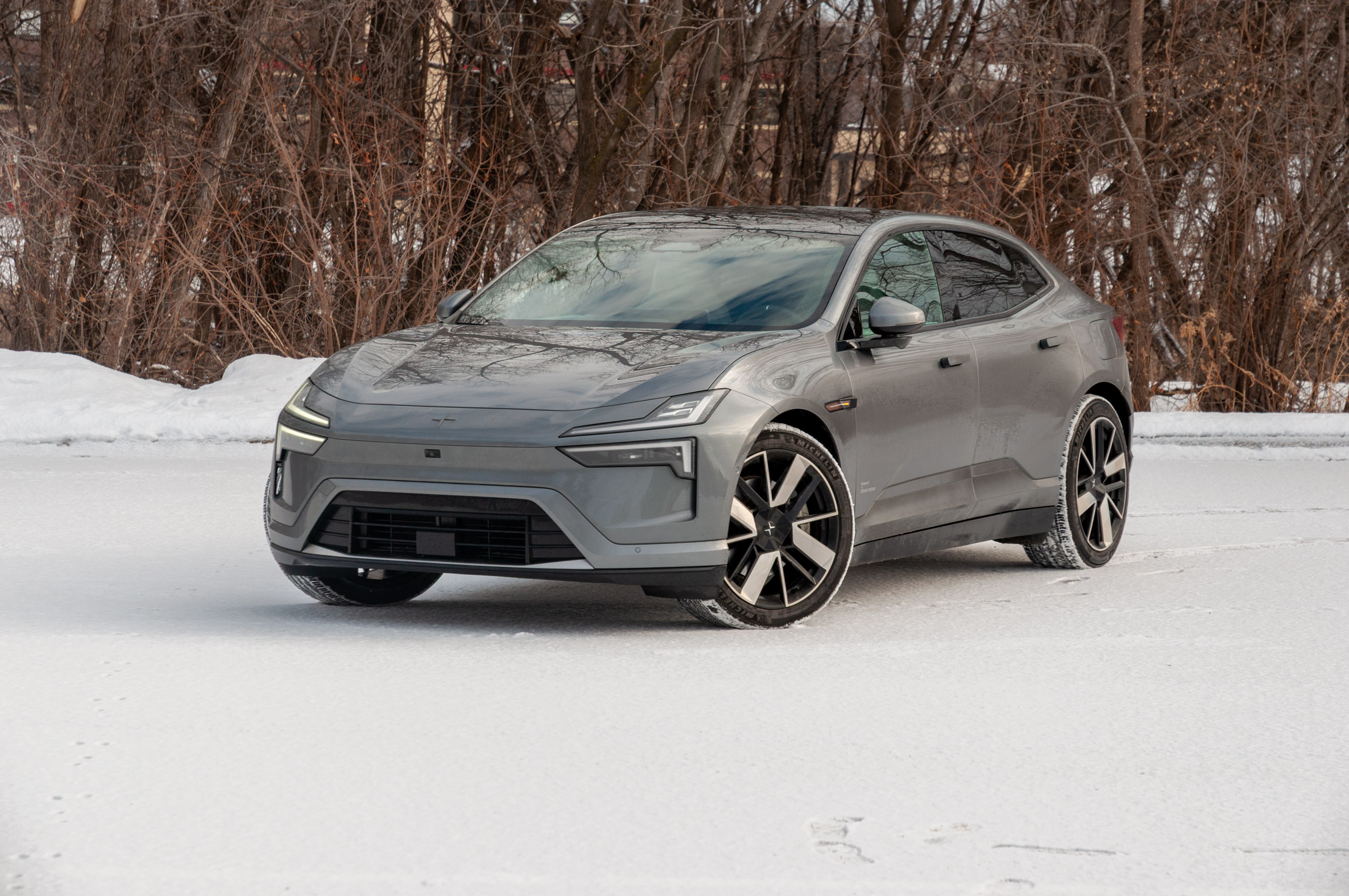
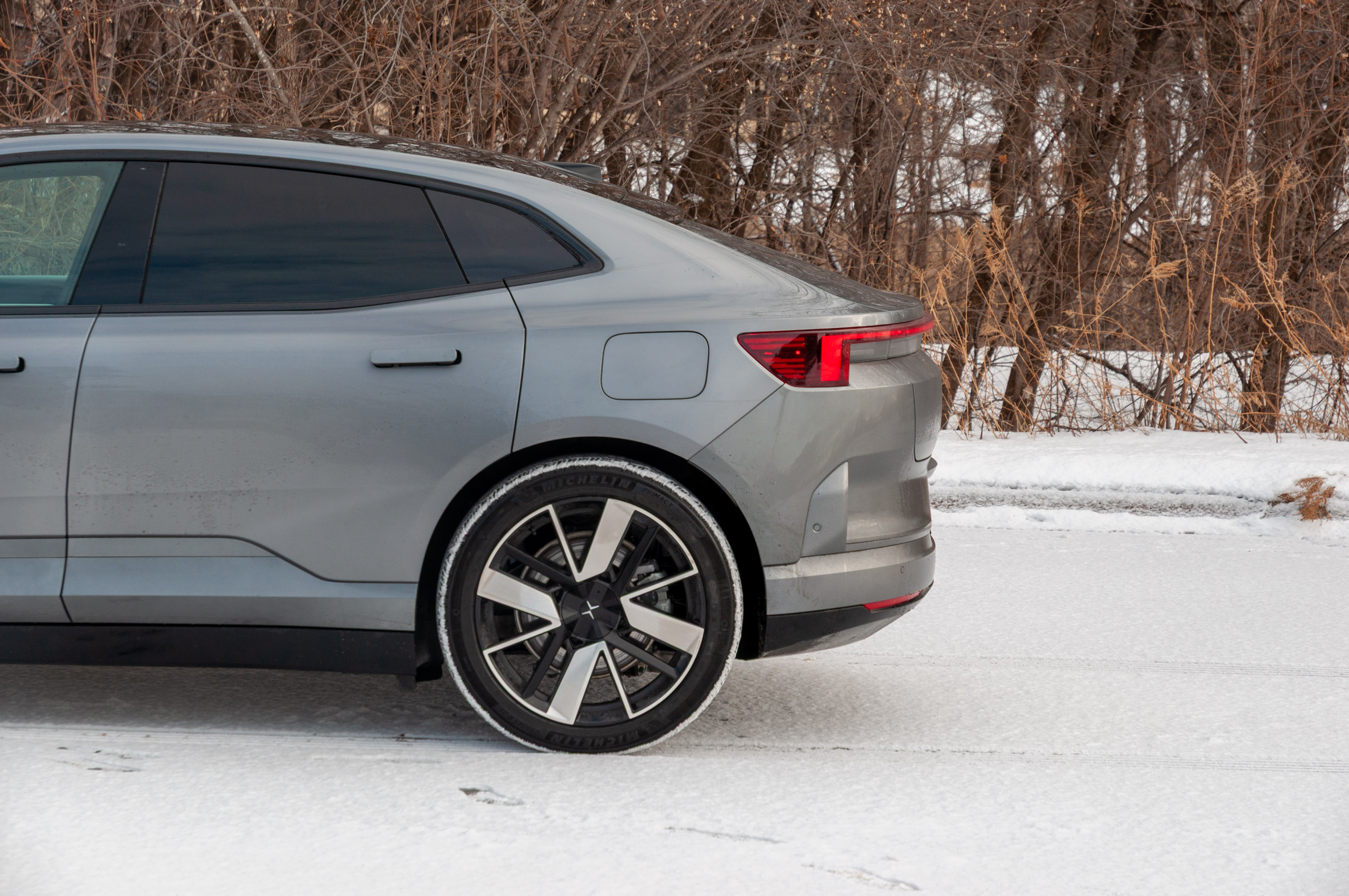
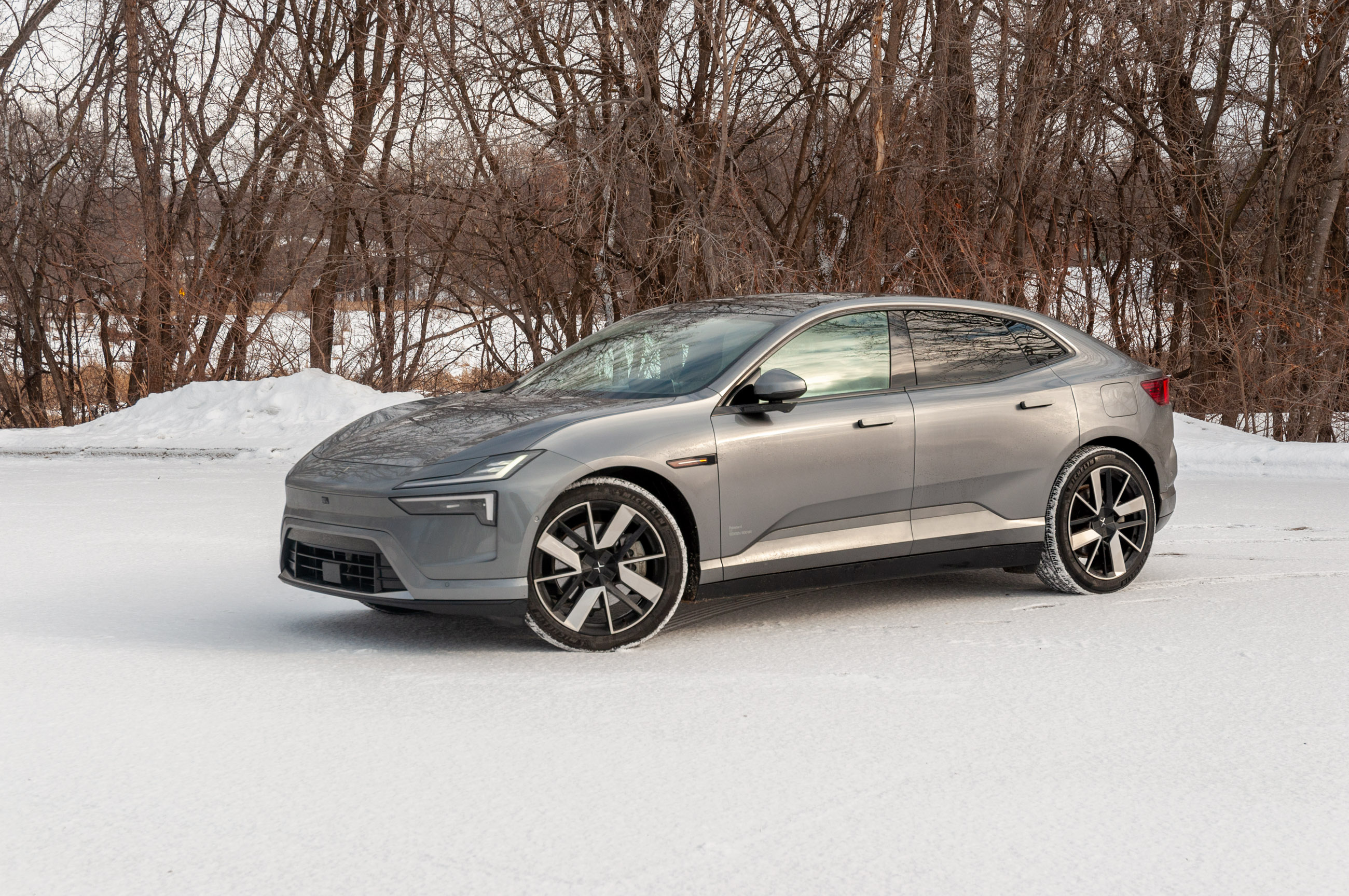
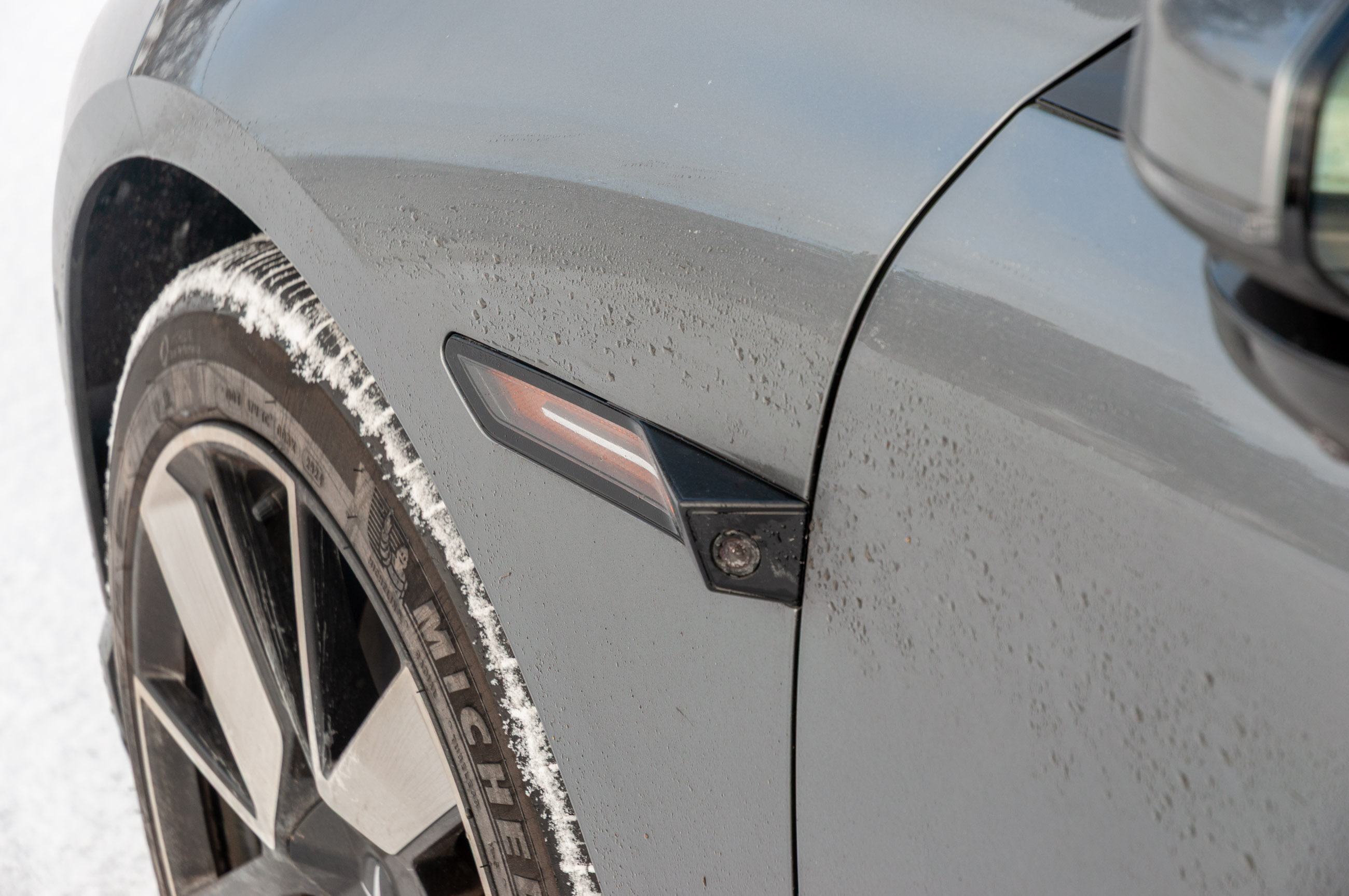
The Polestar 4 is more interesting to look at than any Tesla Model 3 or Model Y, with an attractive fastback shape, sharp LED pickaxe headlights, trim sides that appear as if they are tucked in, and a full-width LED taillight that delivers more on the Tron vision than Elon’s own designs. It could be argued that this looks bland, that the lack of a real color palette isn’t helping, or that it’s from China, but it’s not ugly.
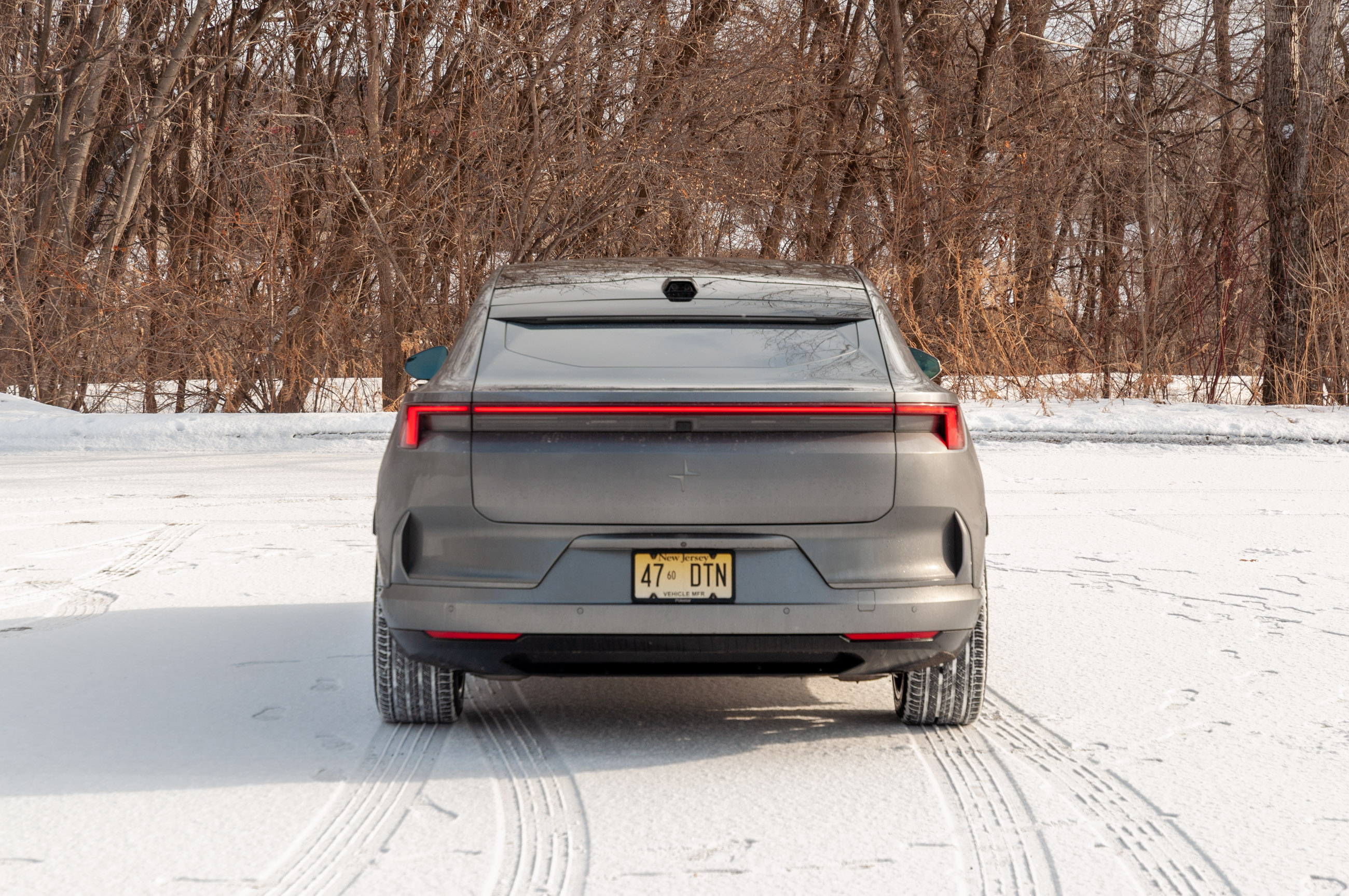
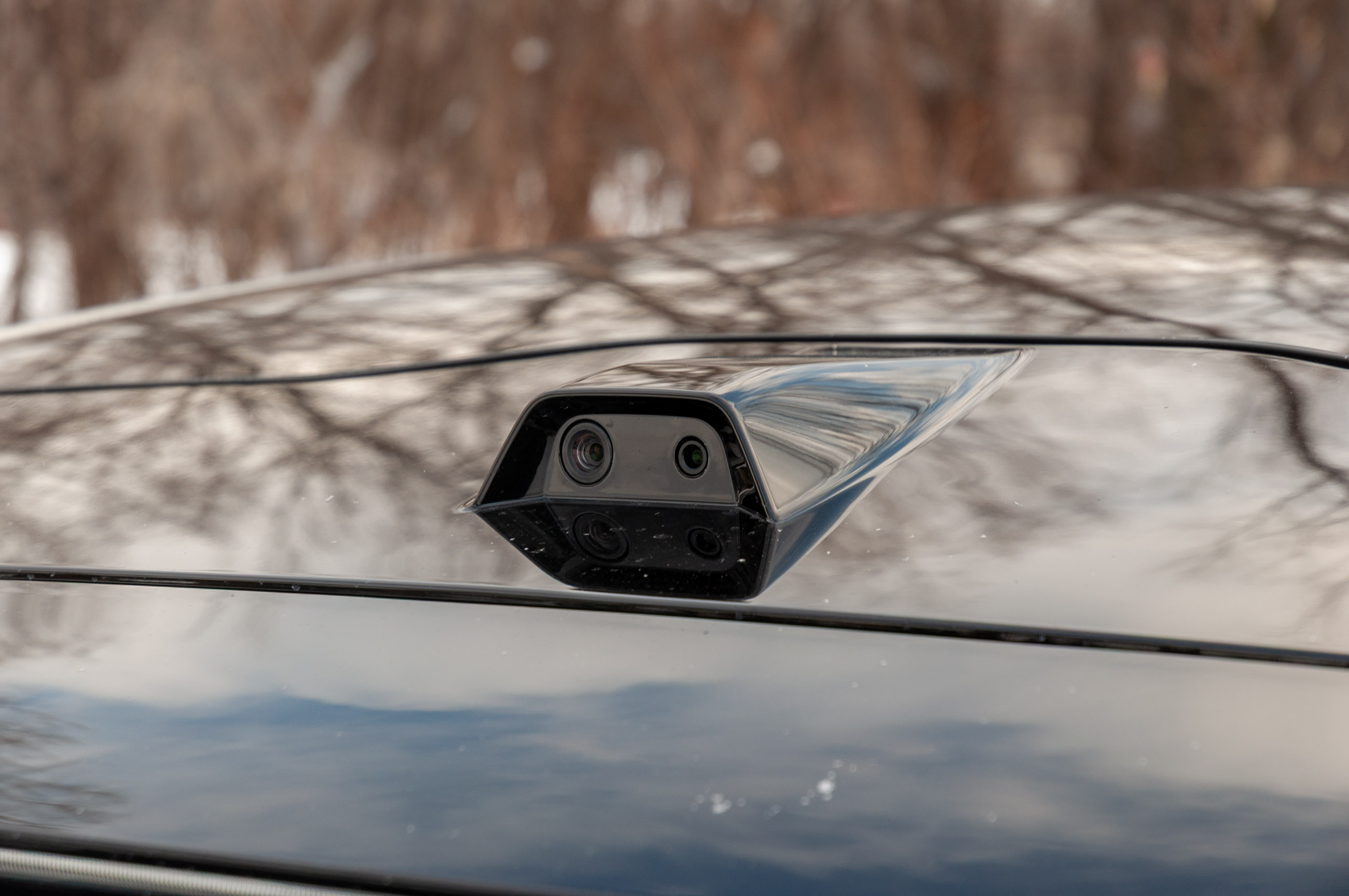
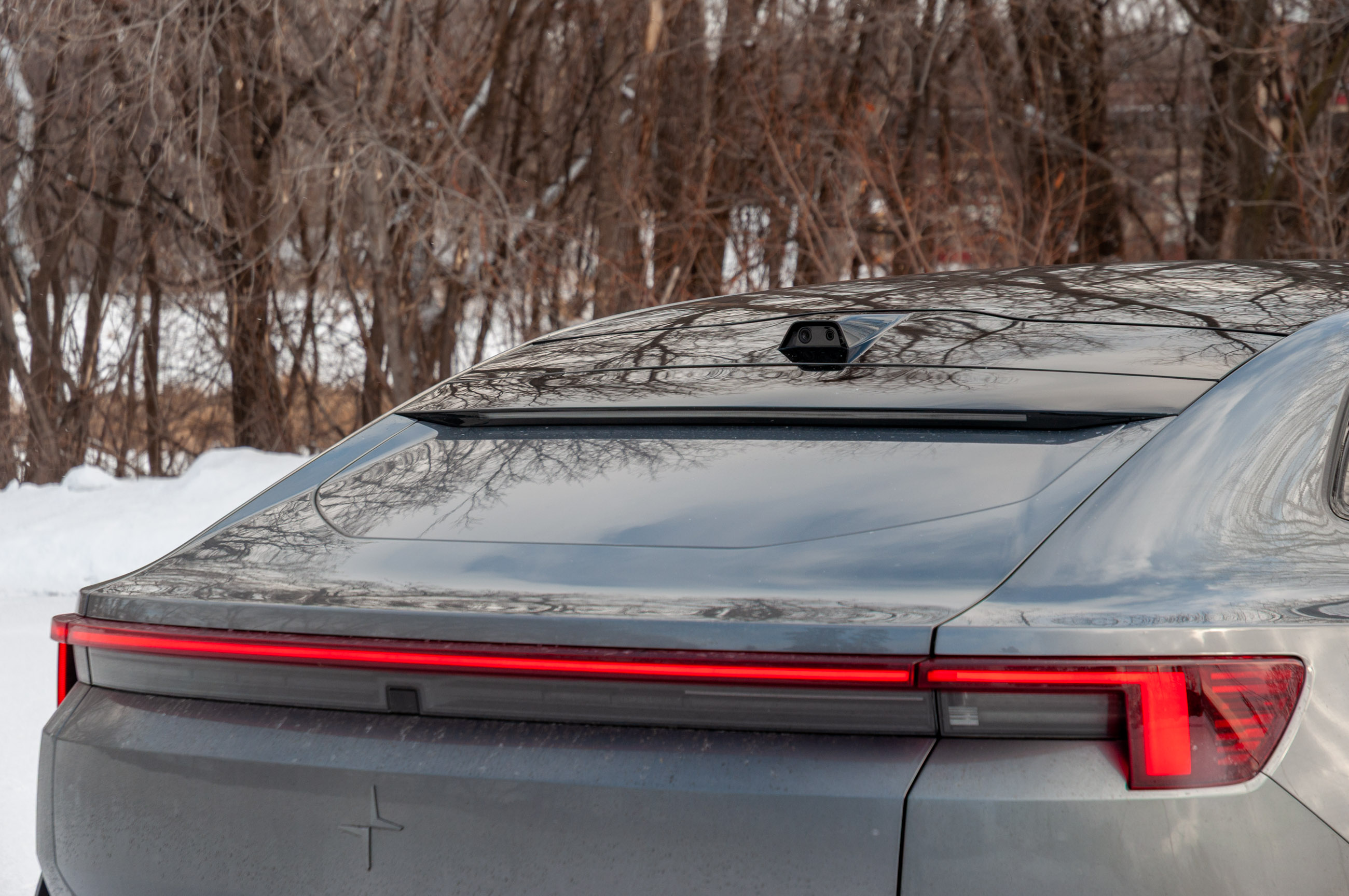
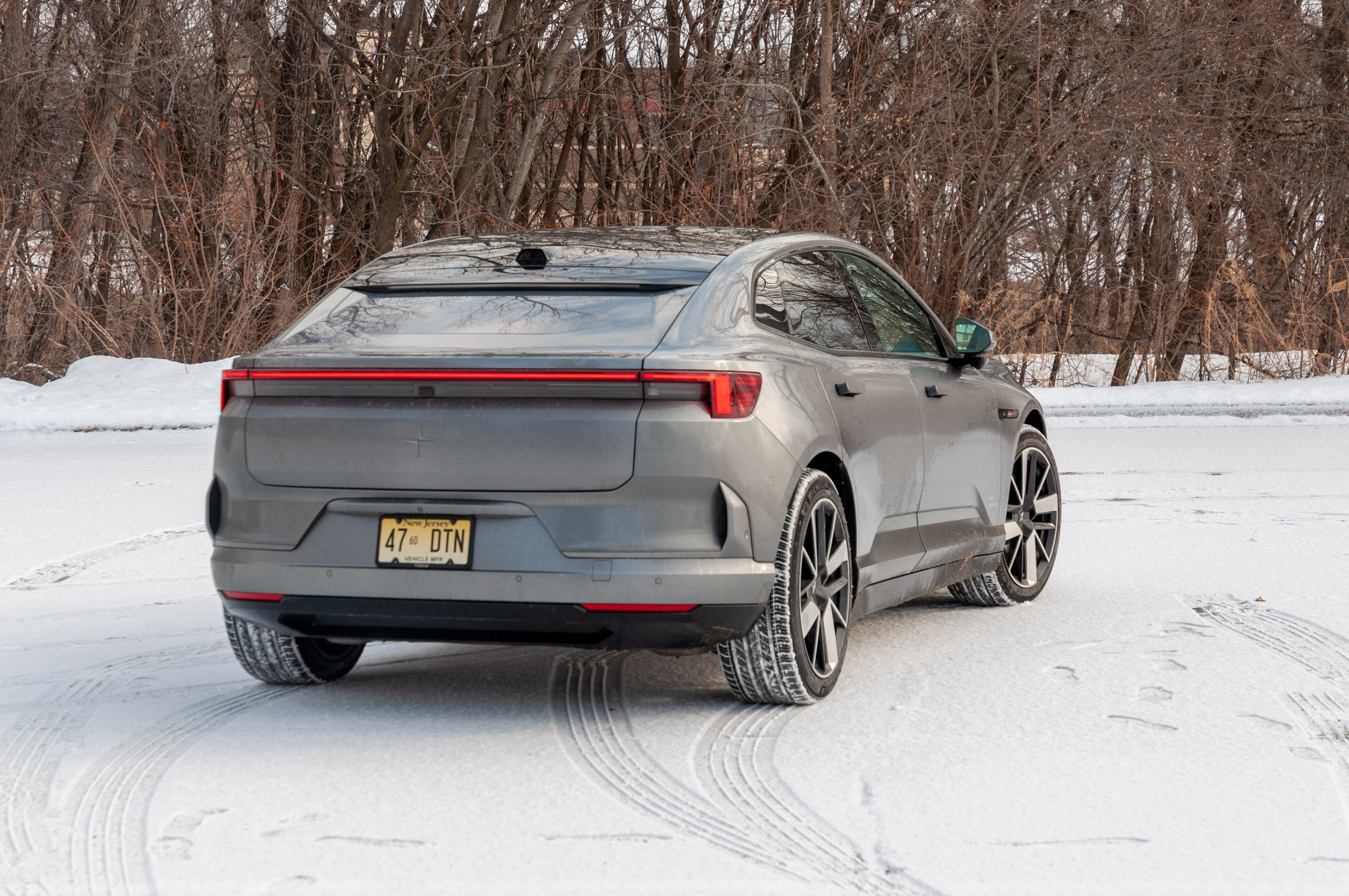
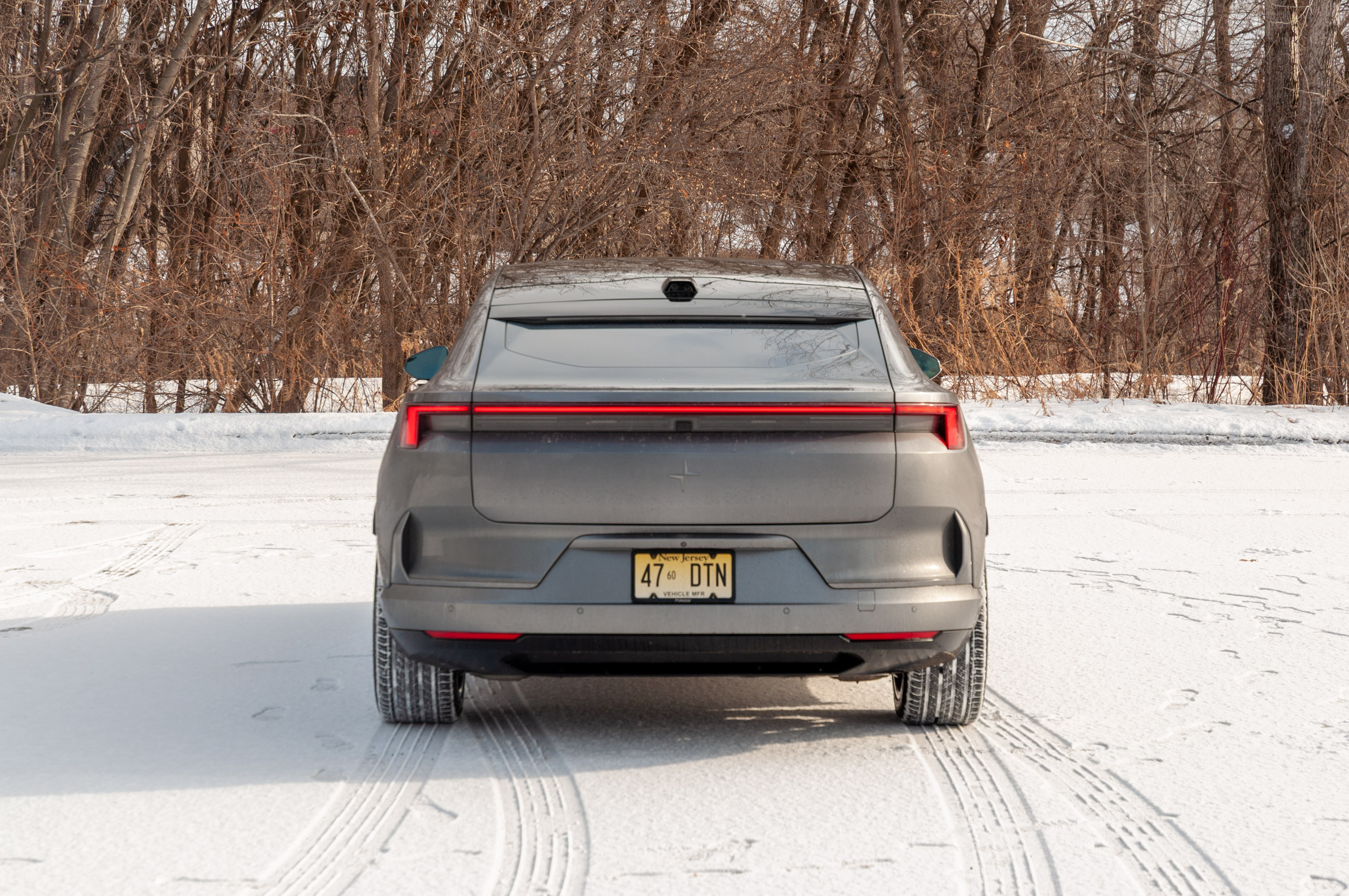
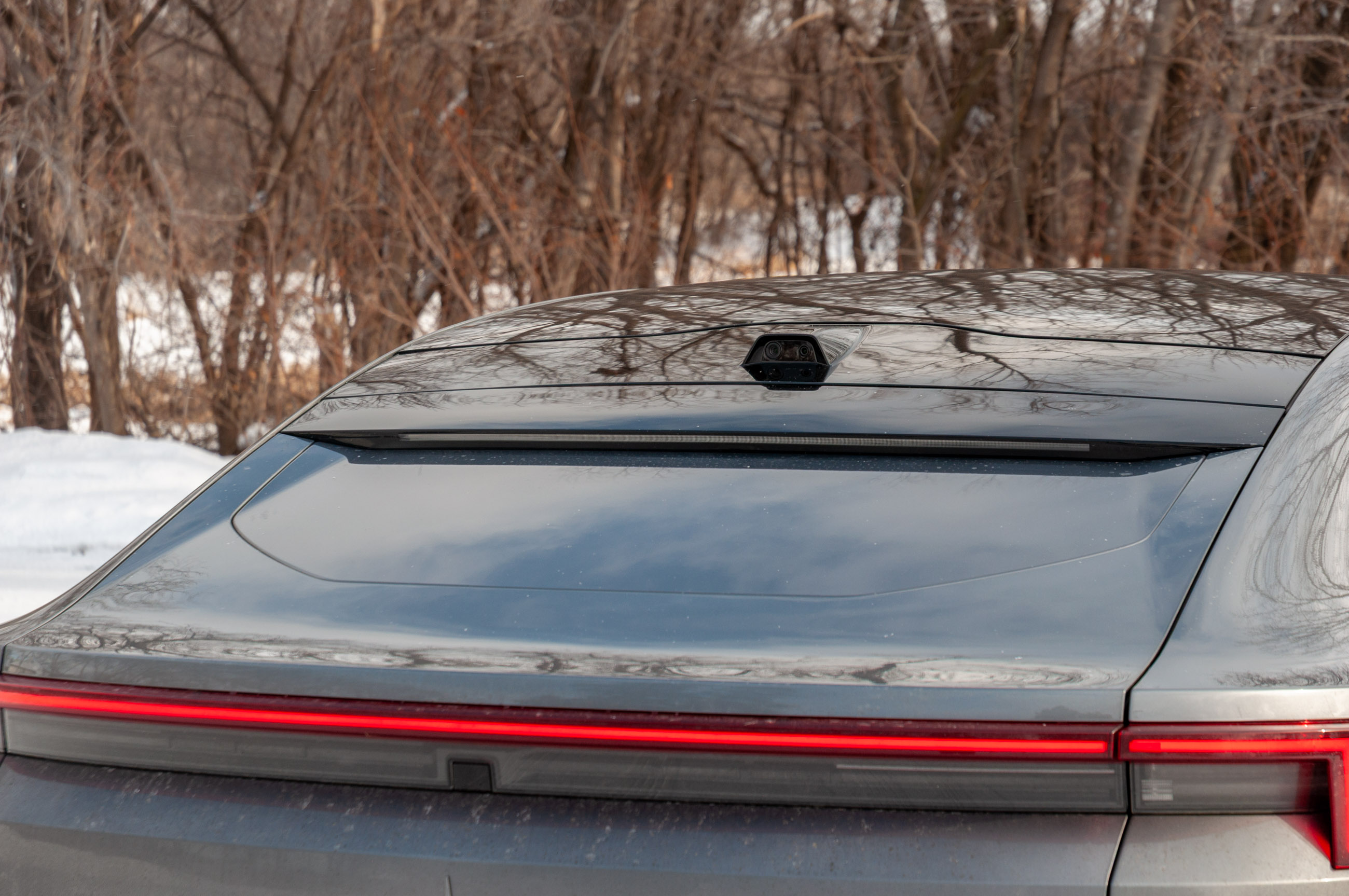
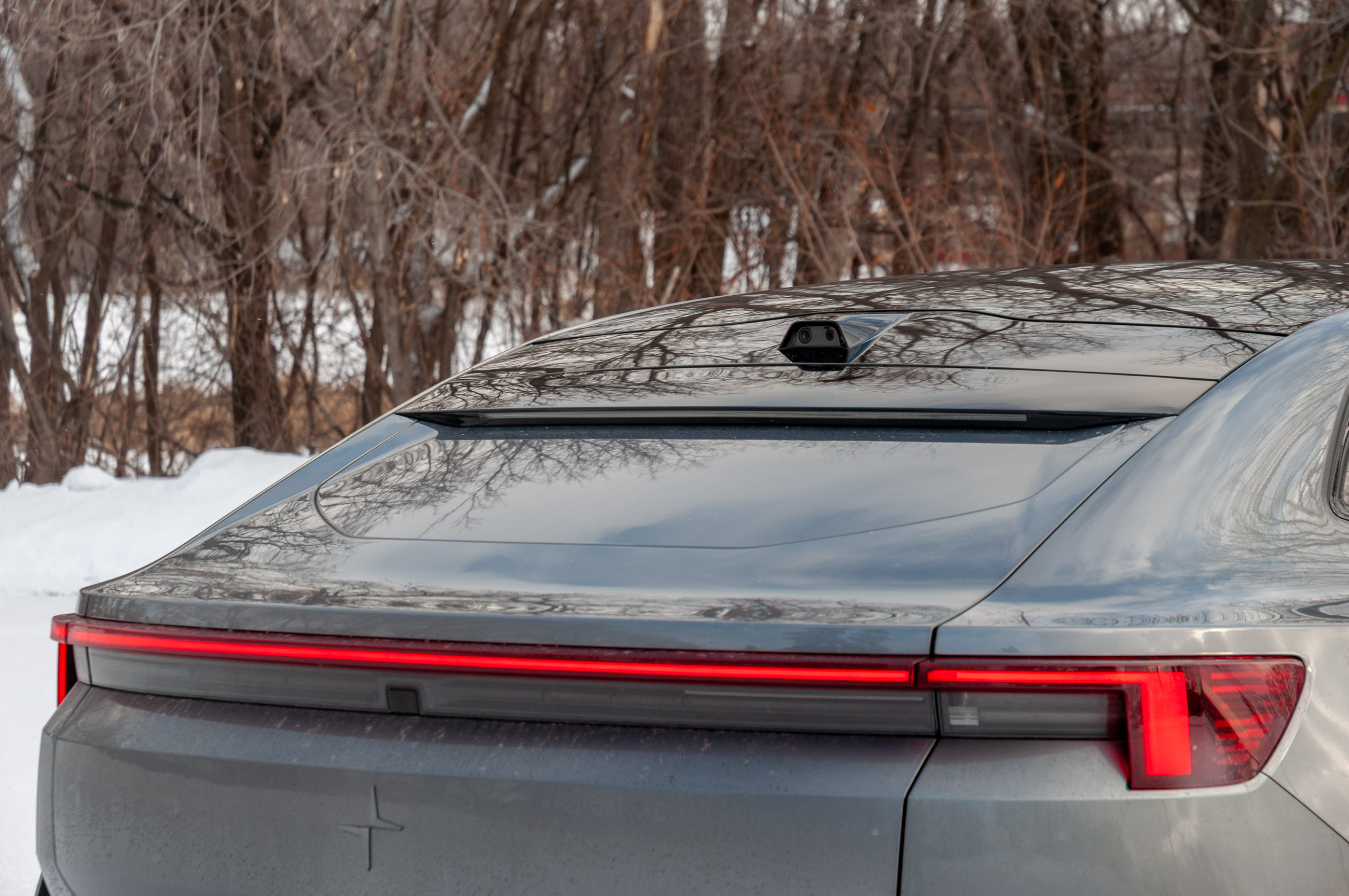
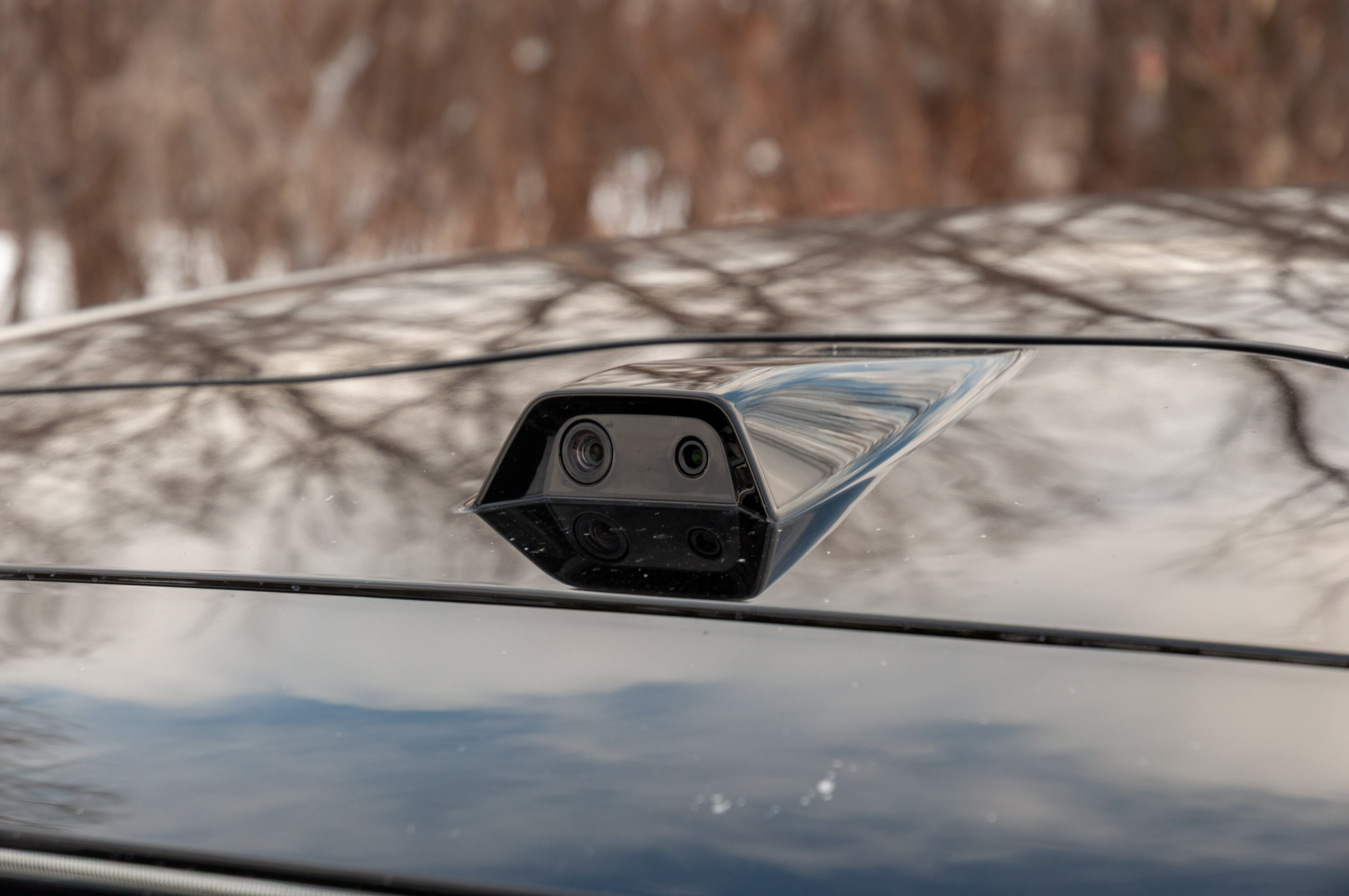
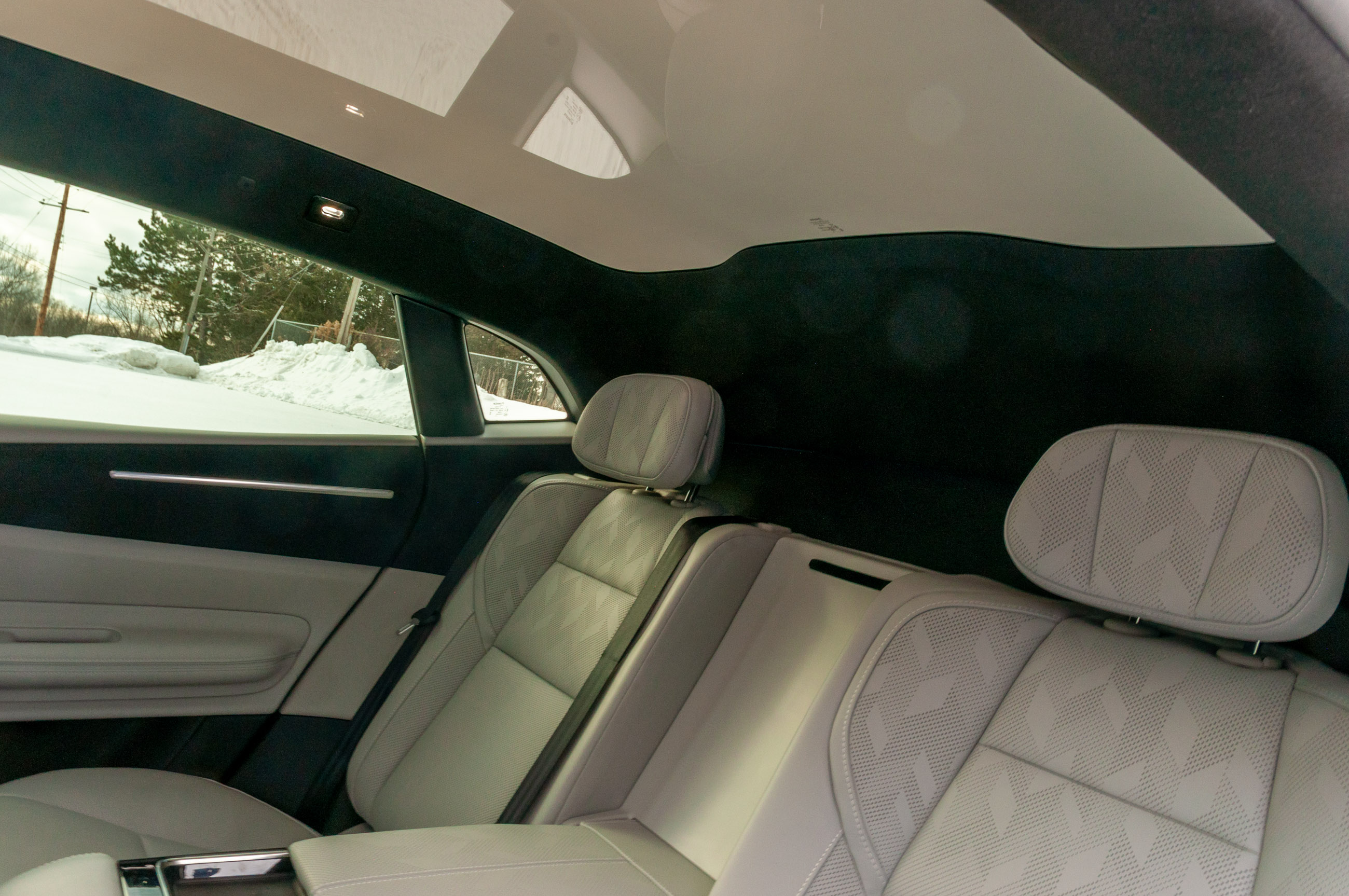
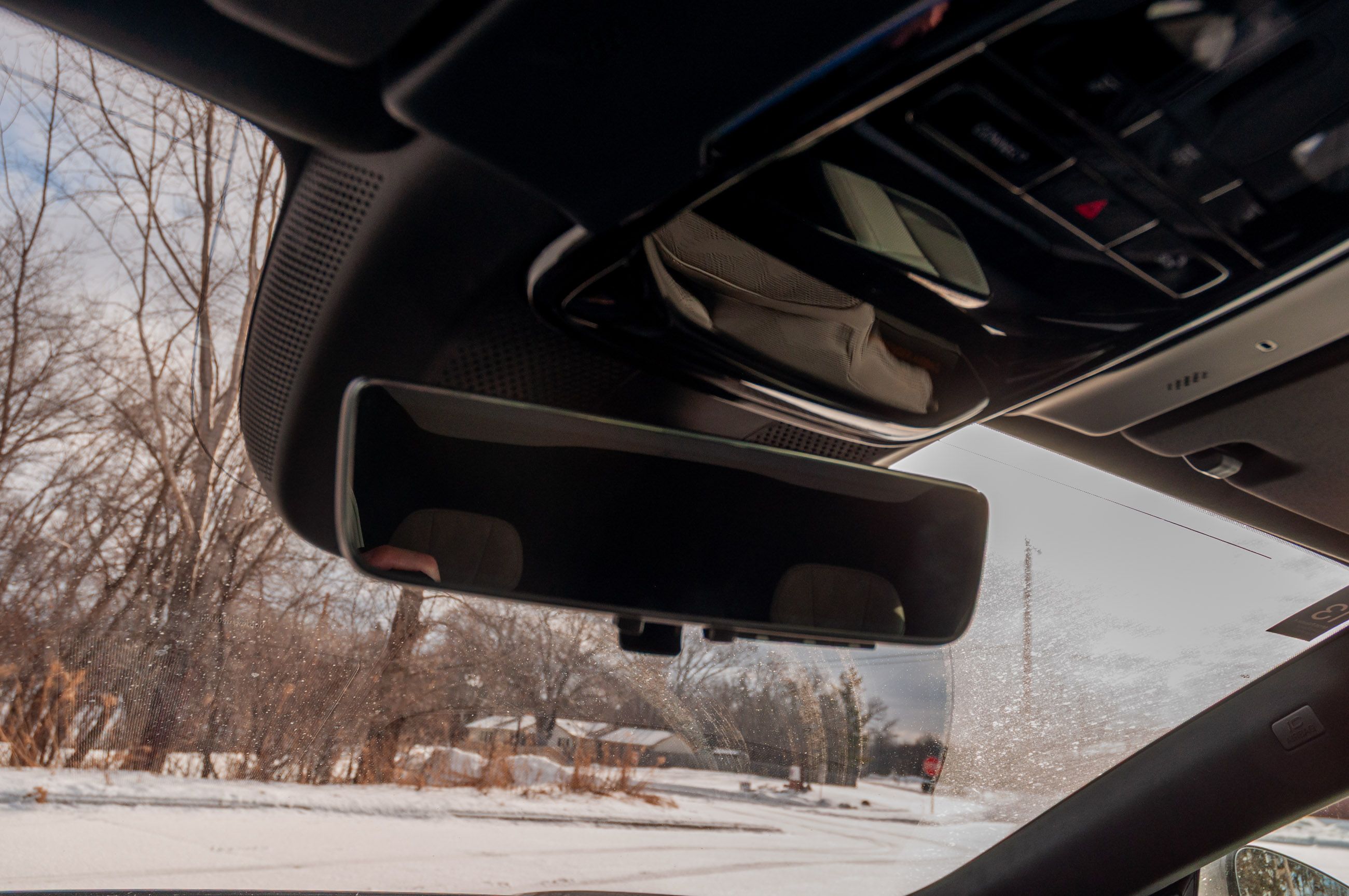
But the rear defines this thing. There’s no back glass. A painted panel resides where the back glass should be. A shark fin sits just above that panel with a camera that provides a livestream video feed to the rearview mirror inside the car. This design trait has been pulled off on hypercars and supercars, but not on mainstream cars, which is what this EV is supposed to be.
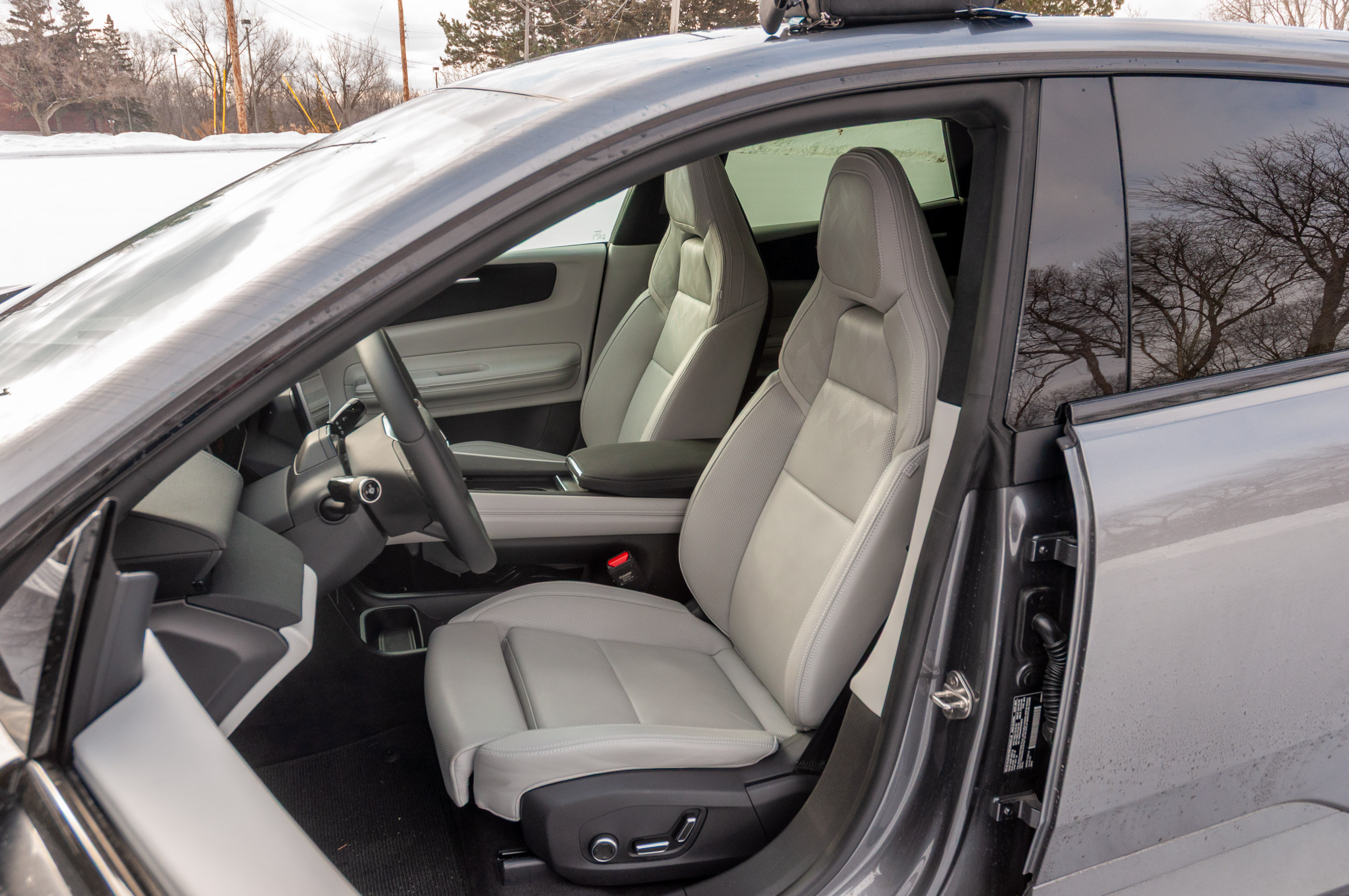
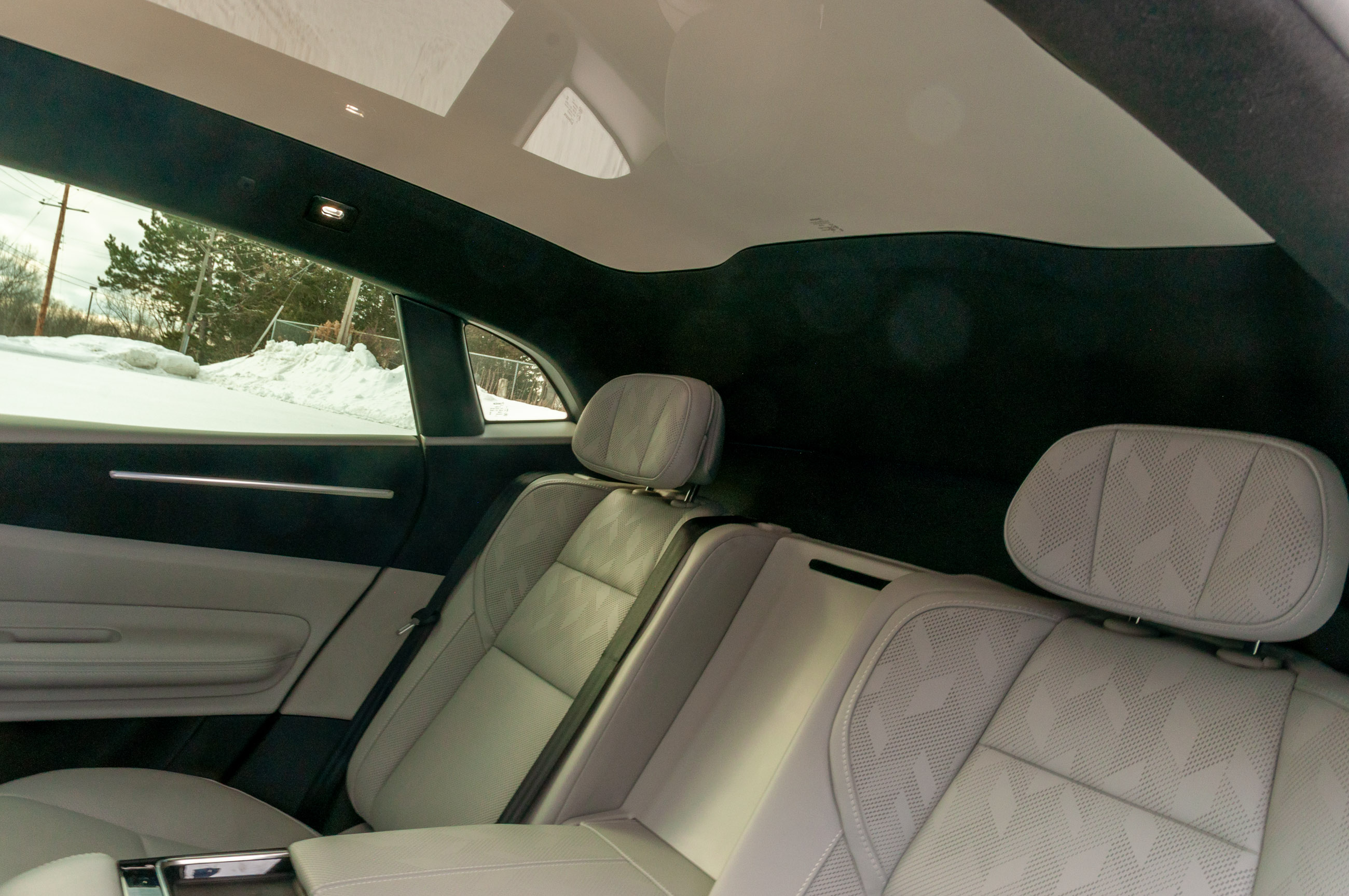
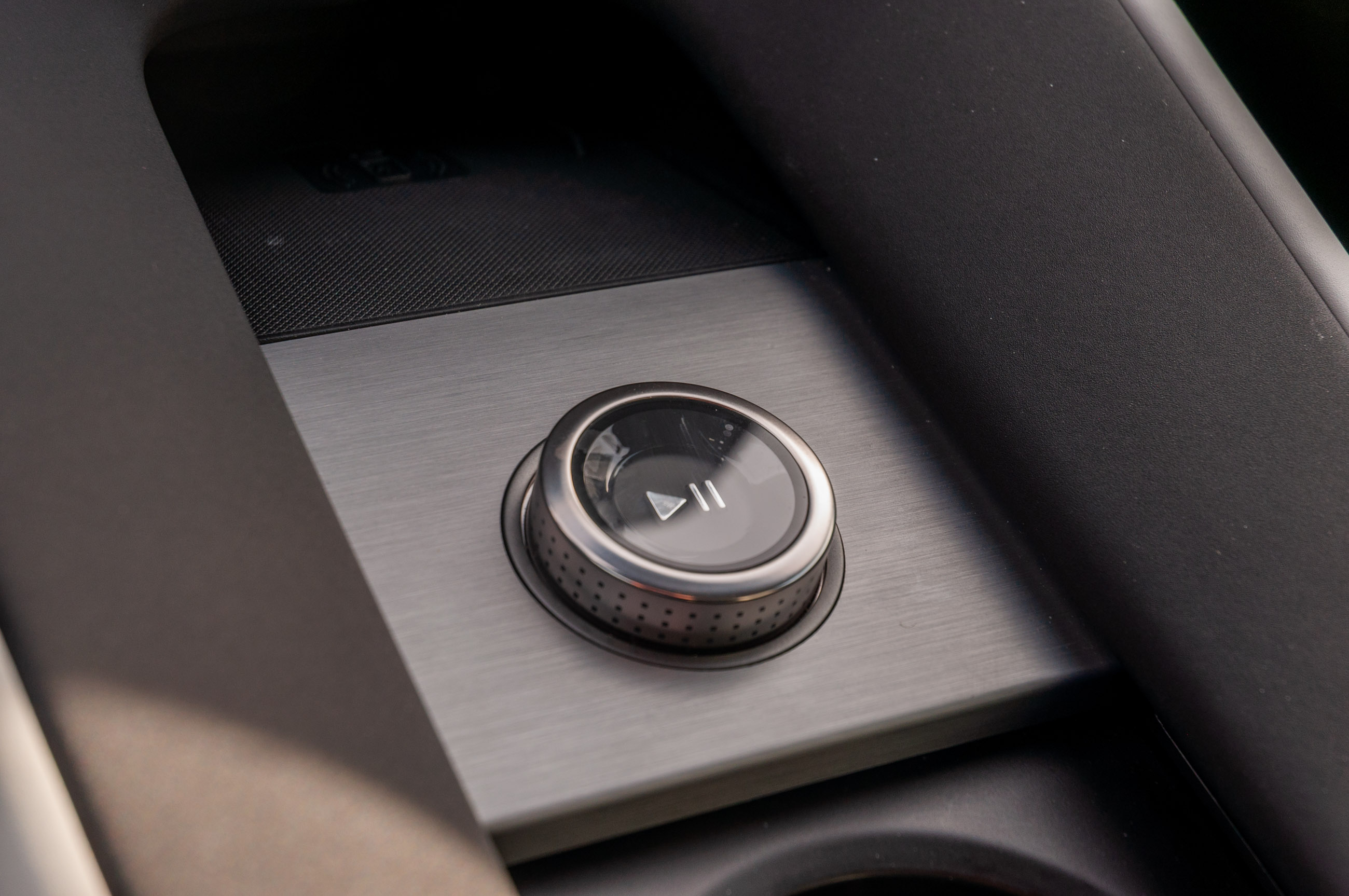
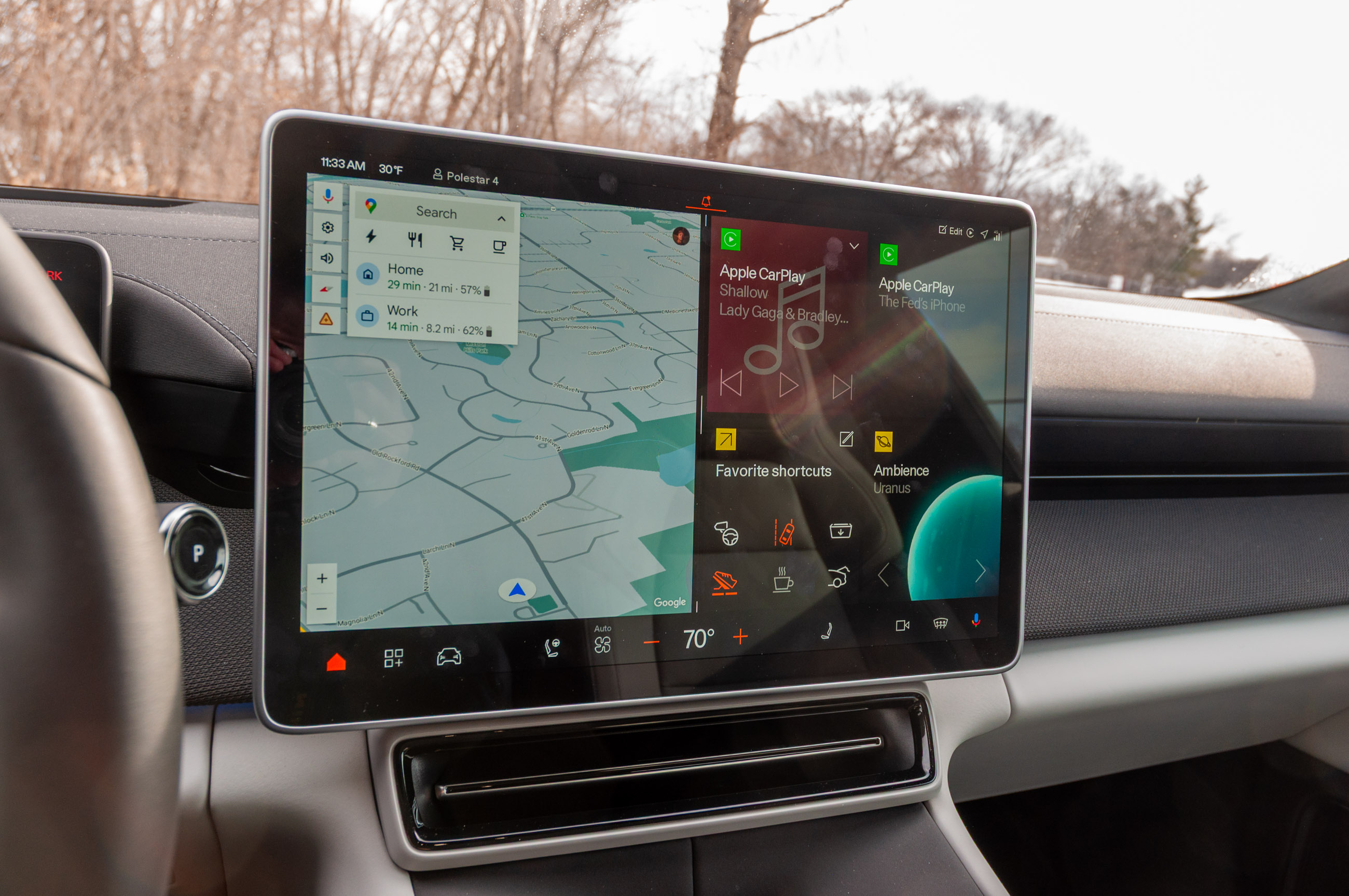
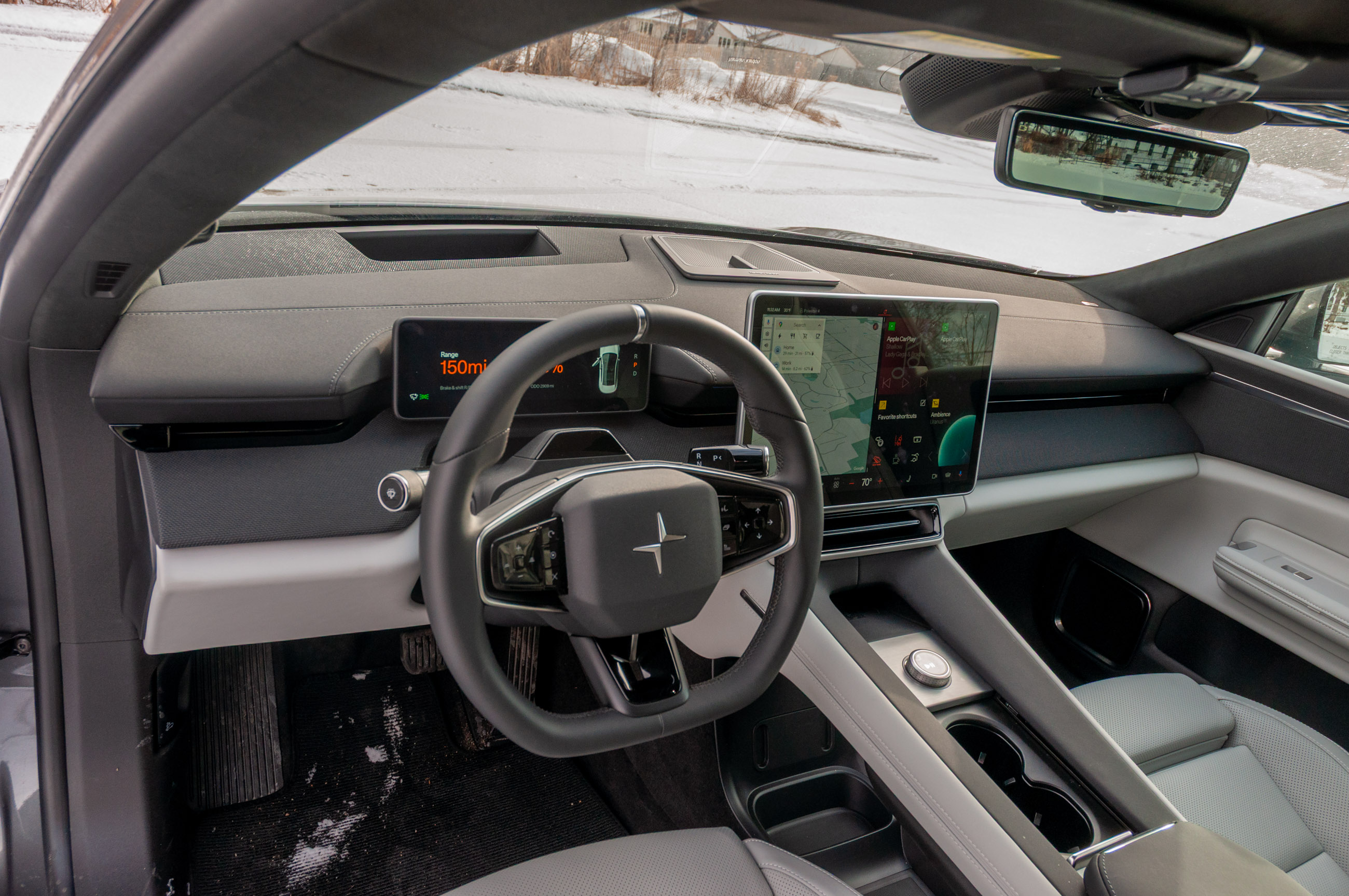
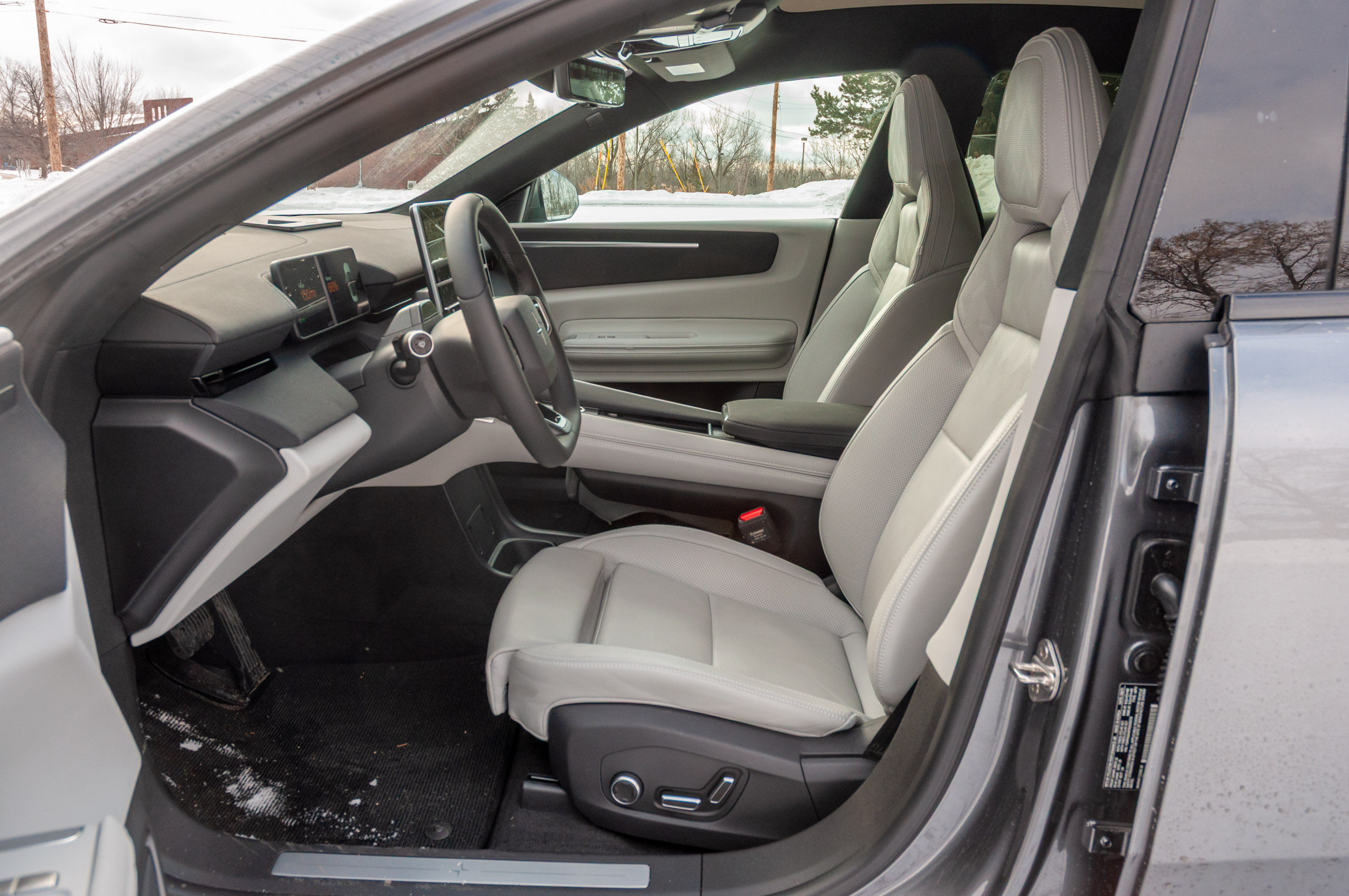
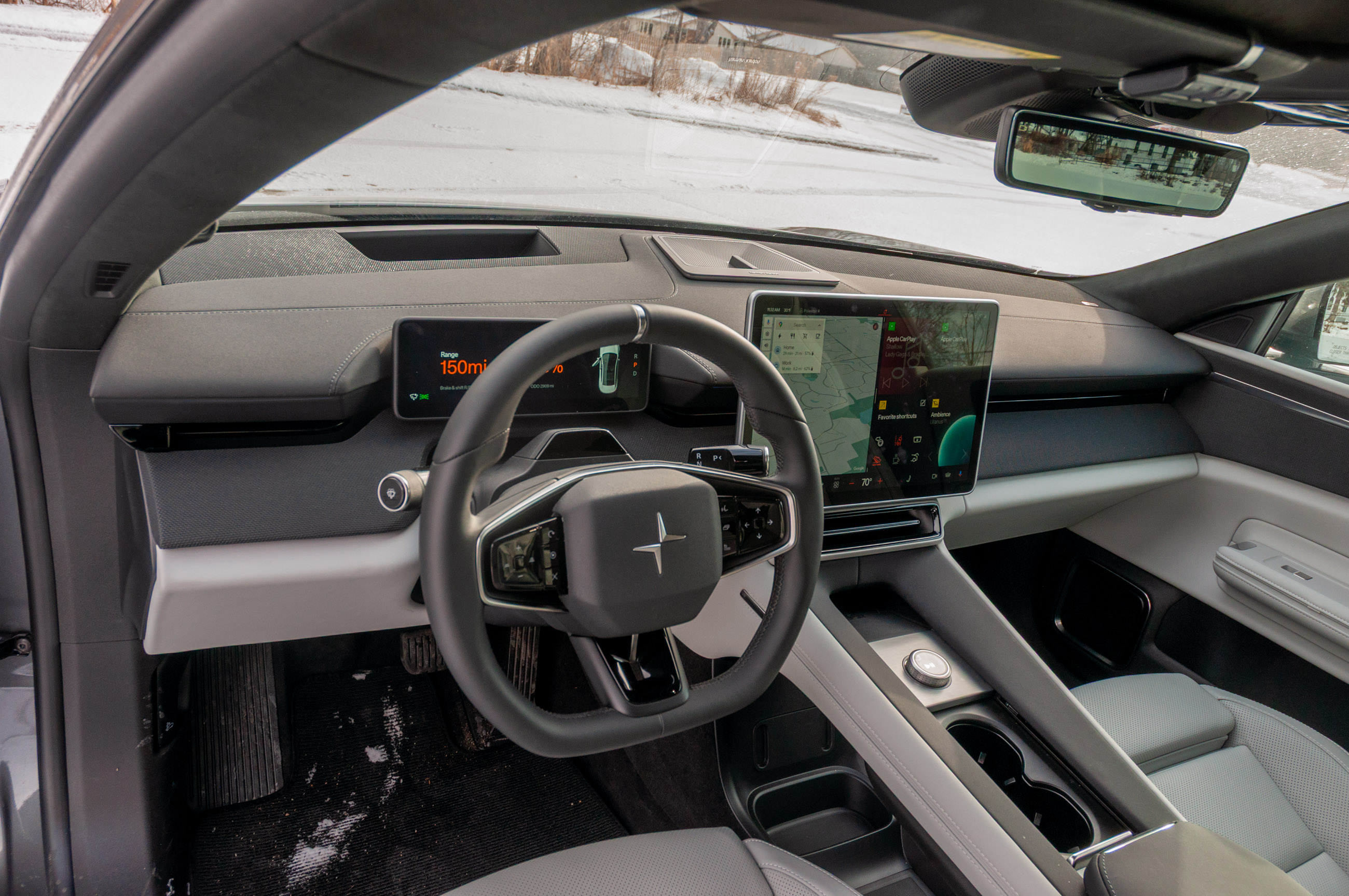
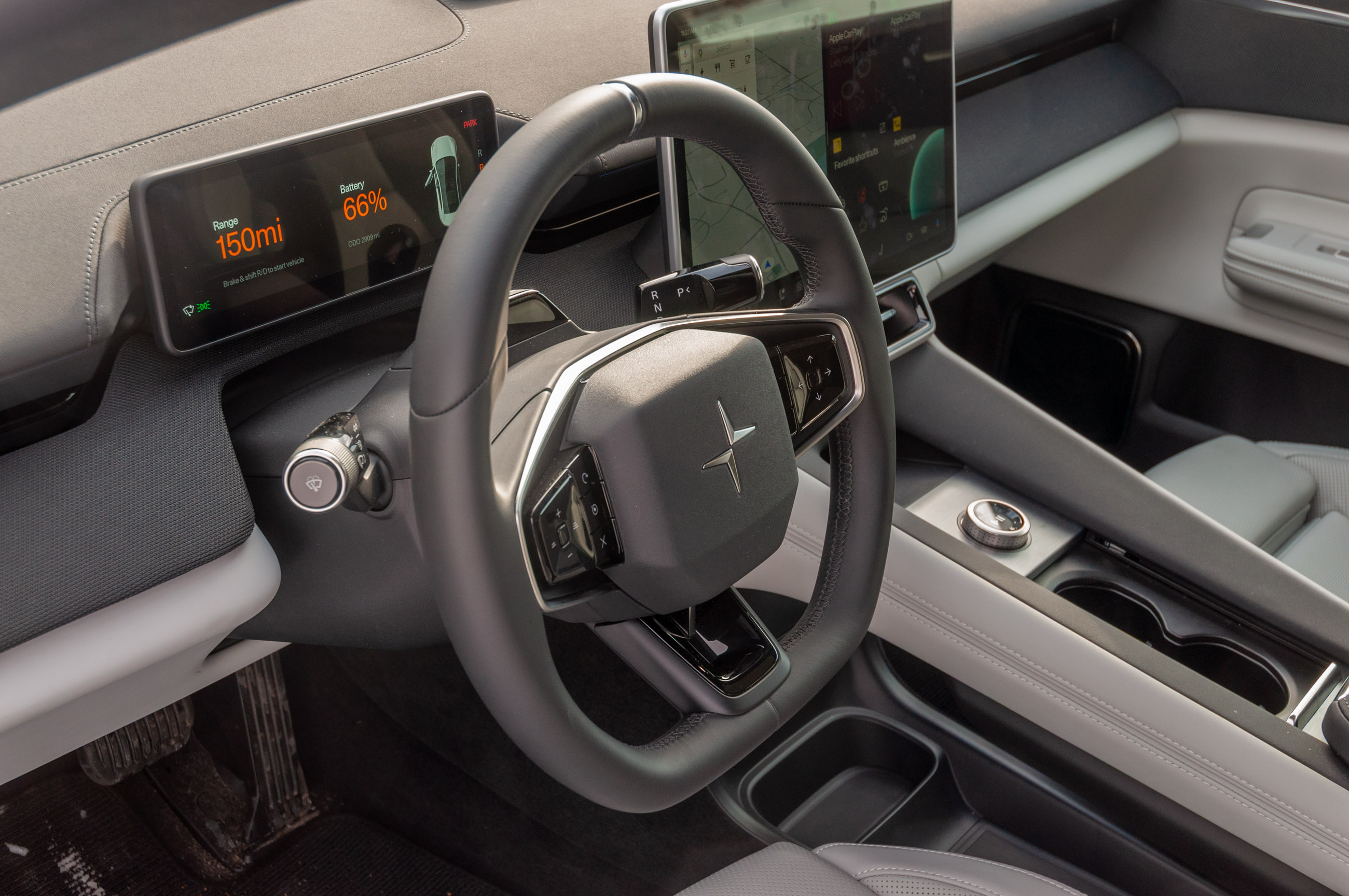
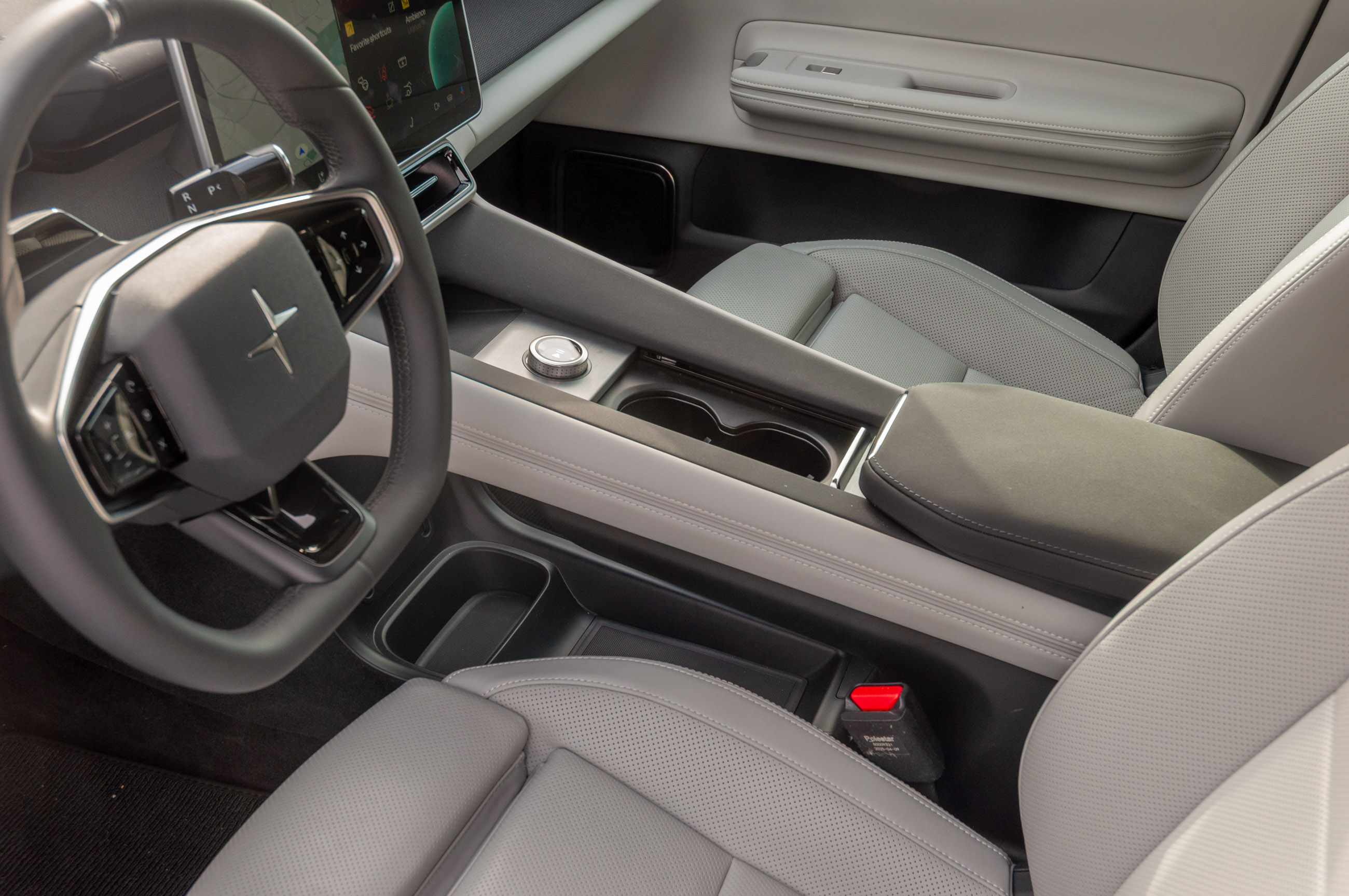
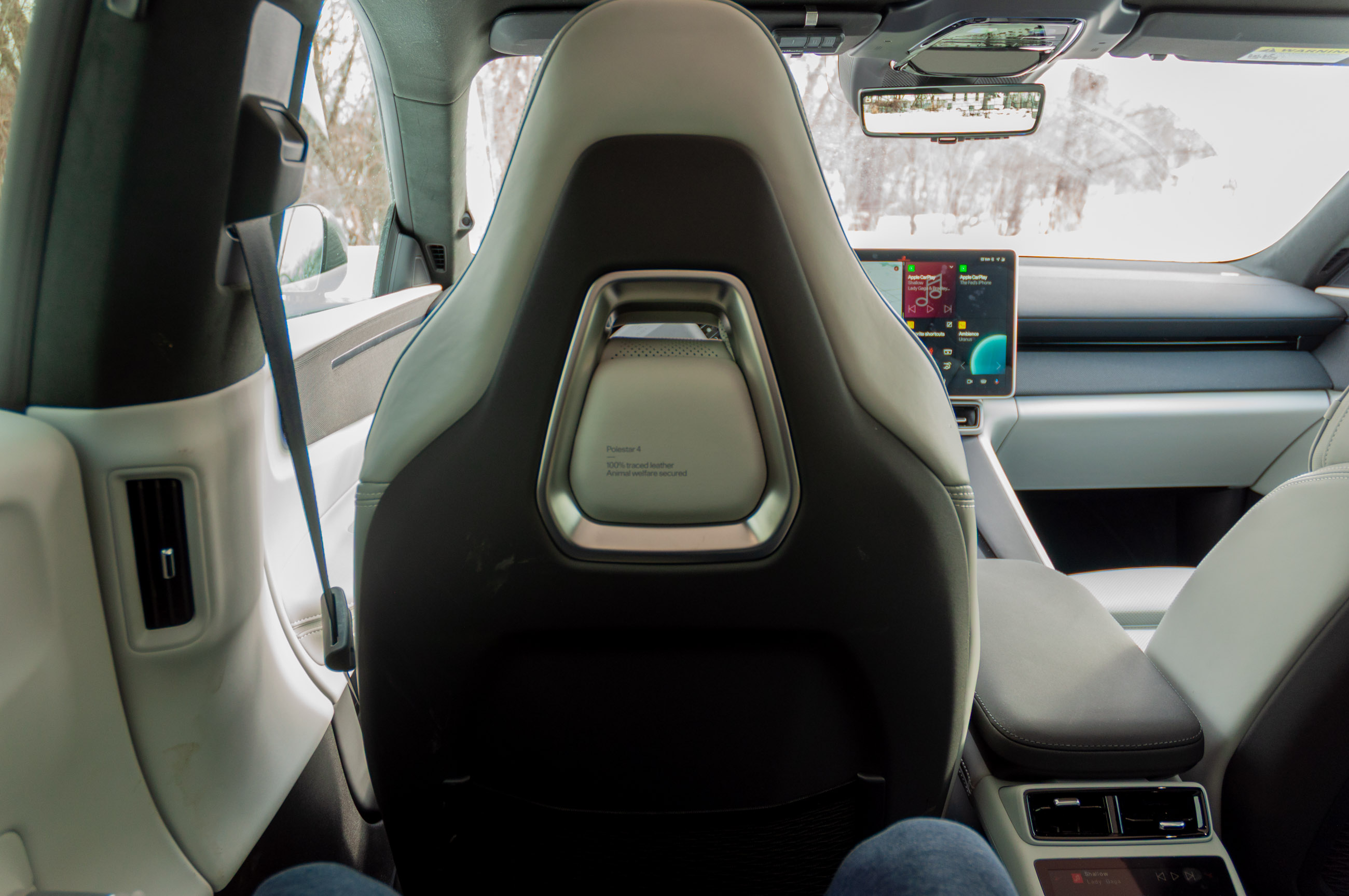
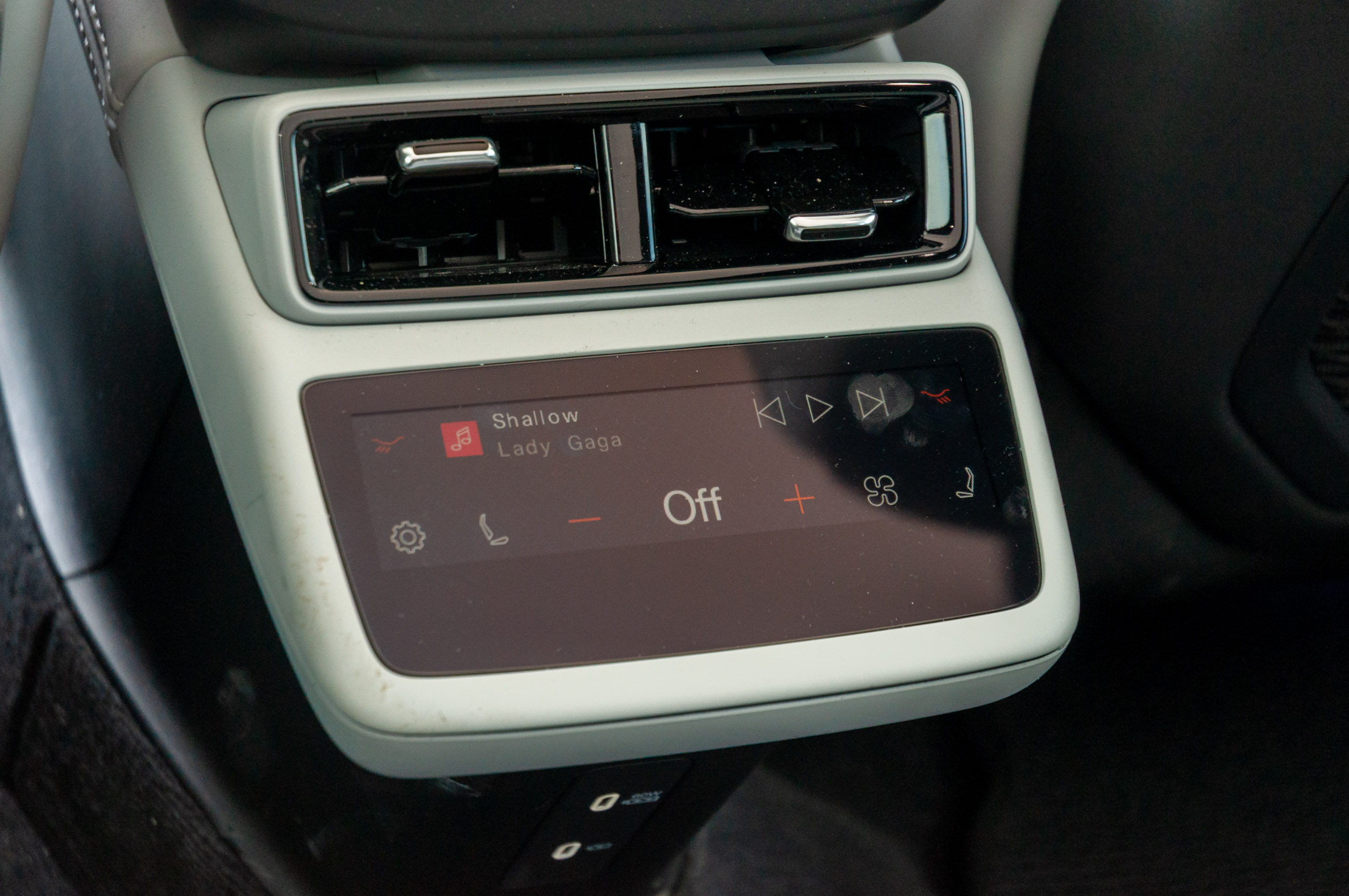
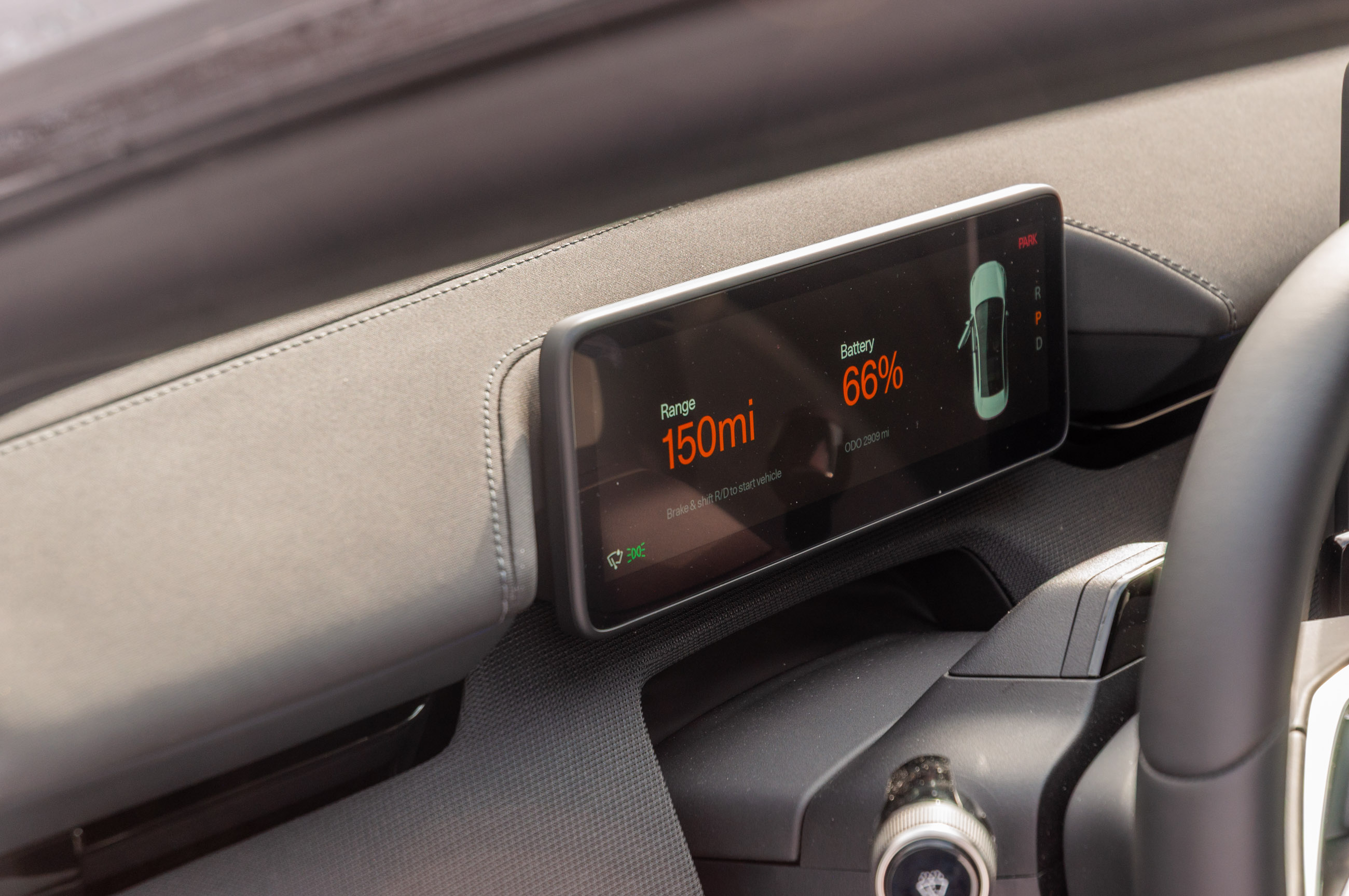
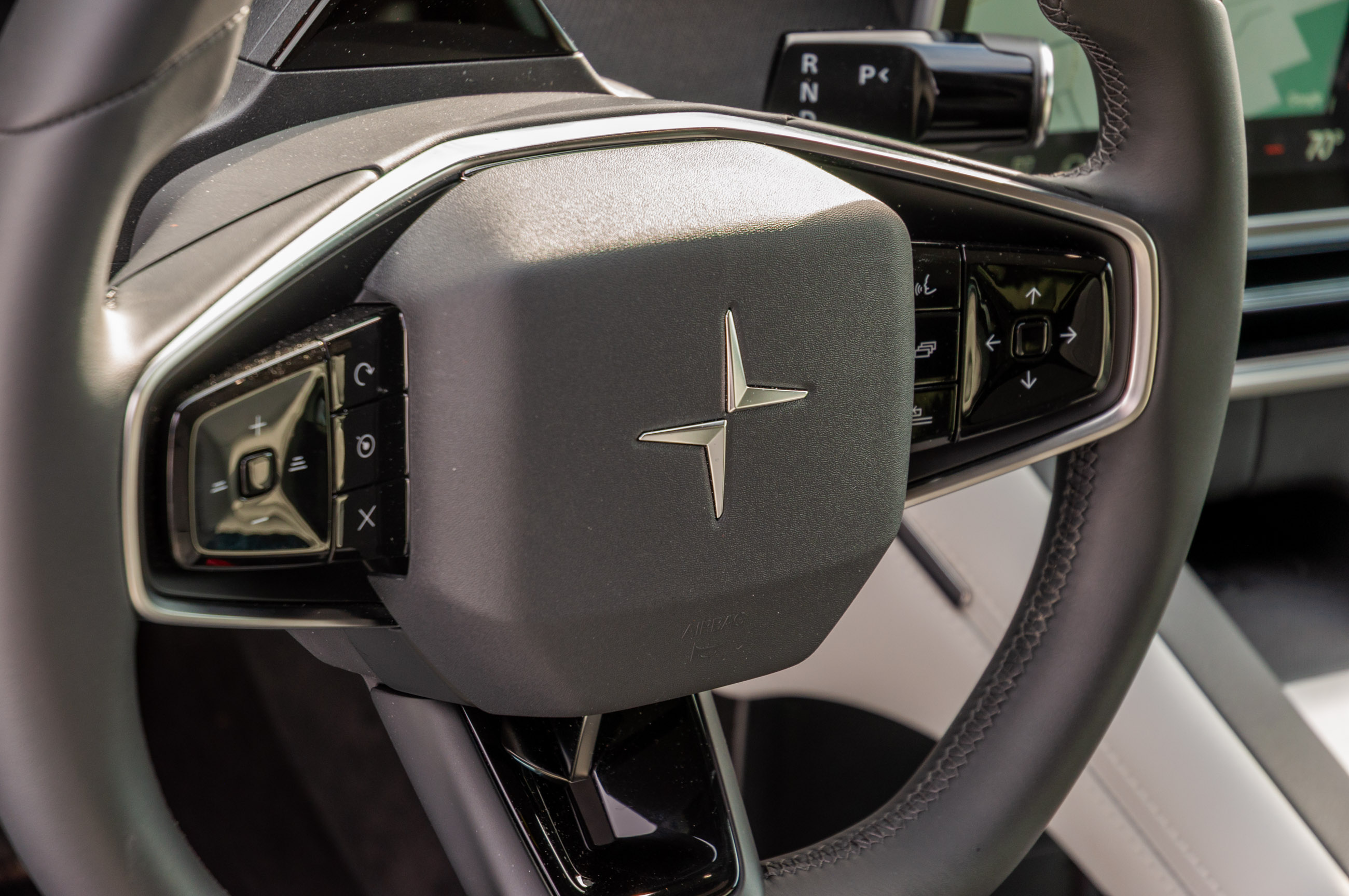
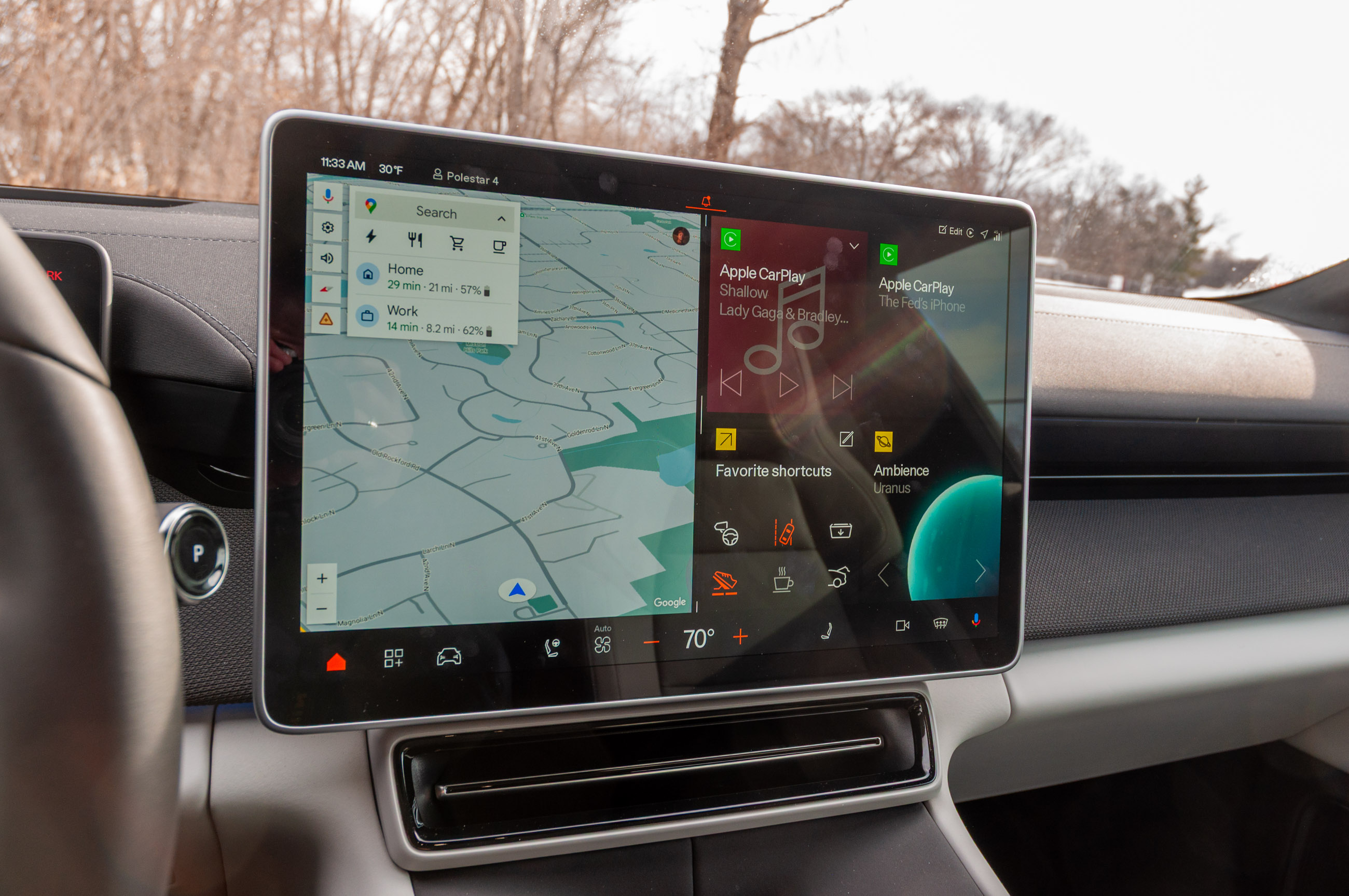
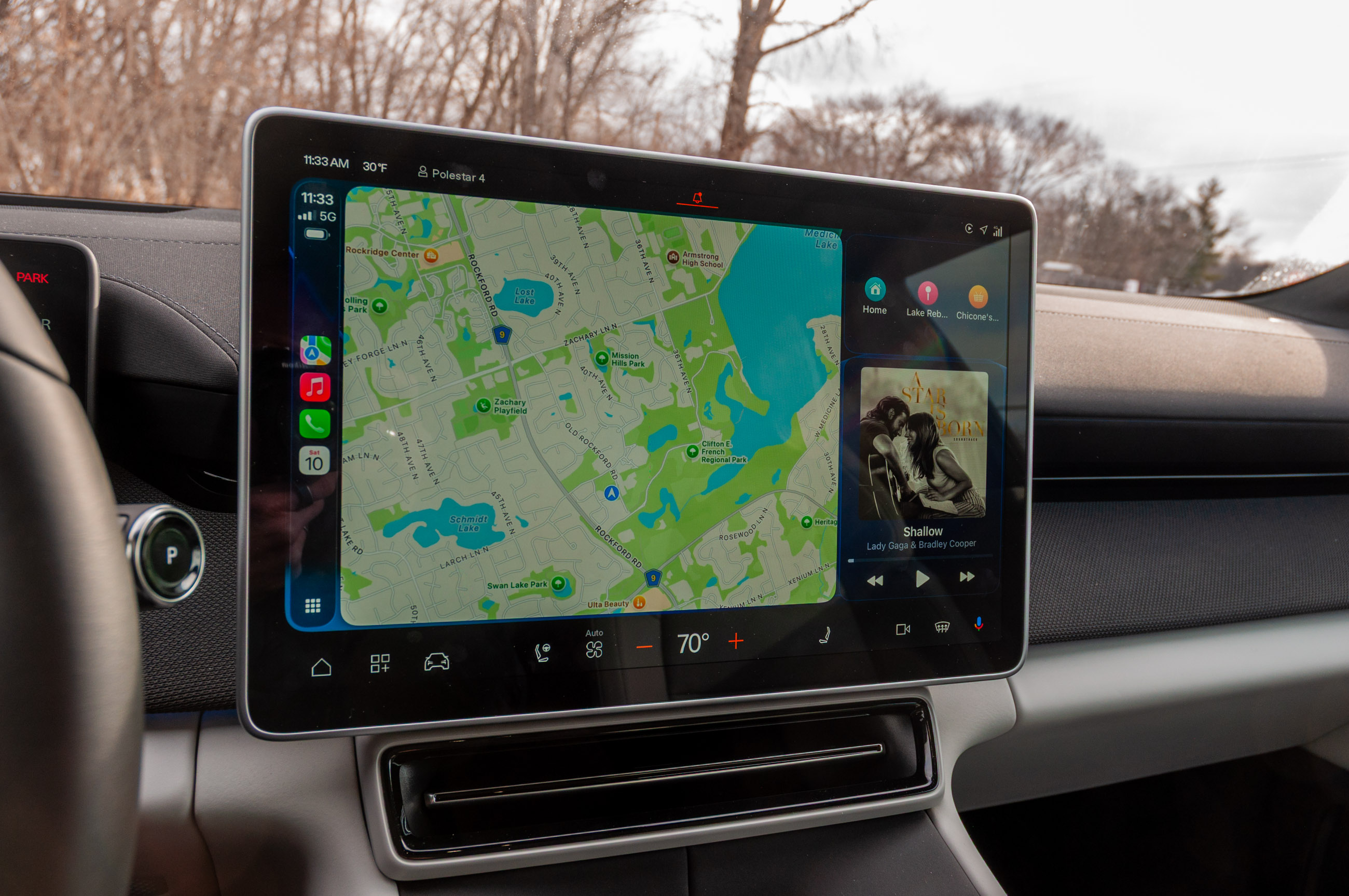
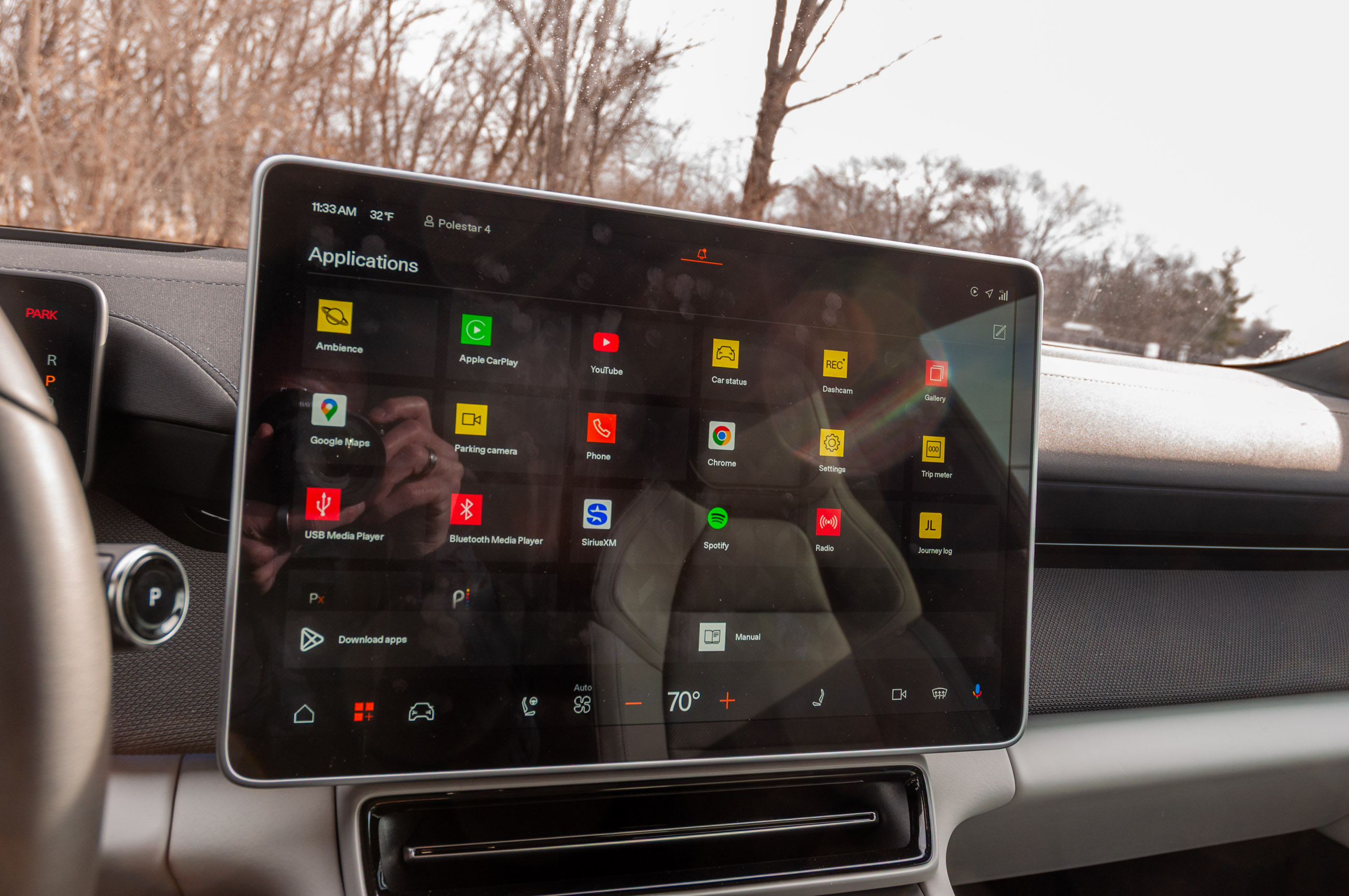
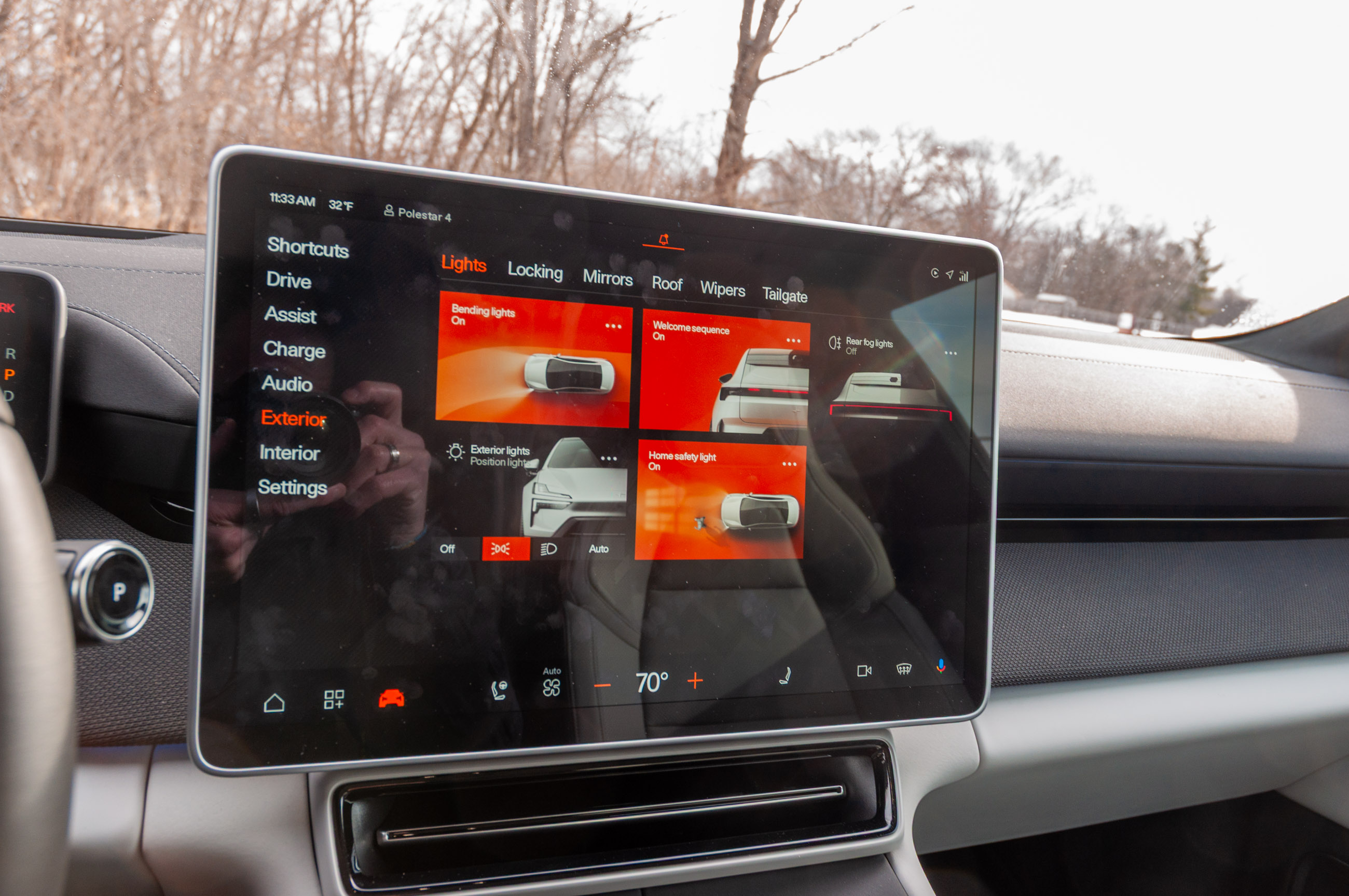
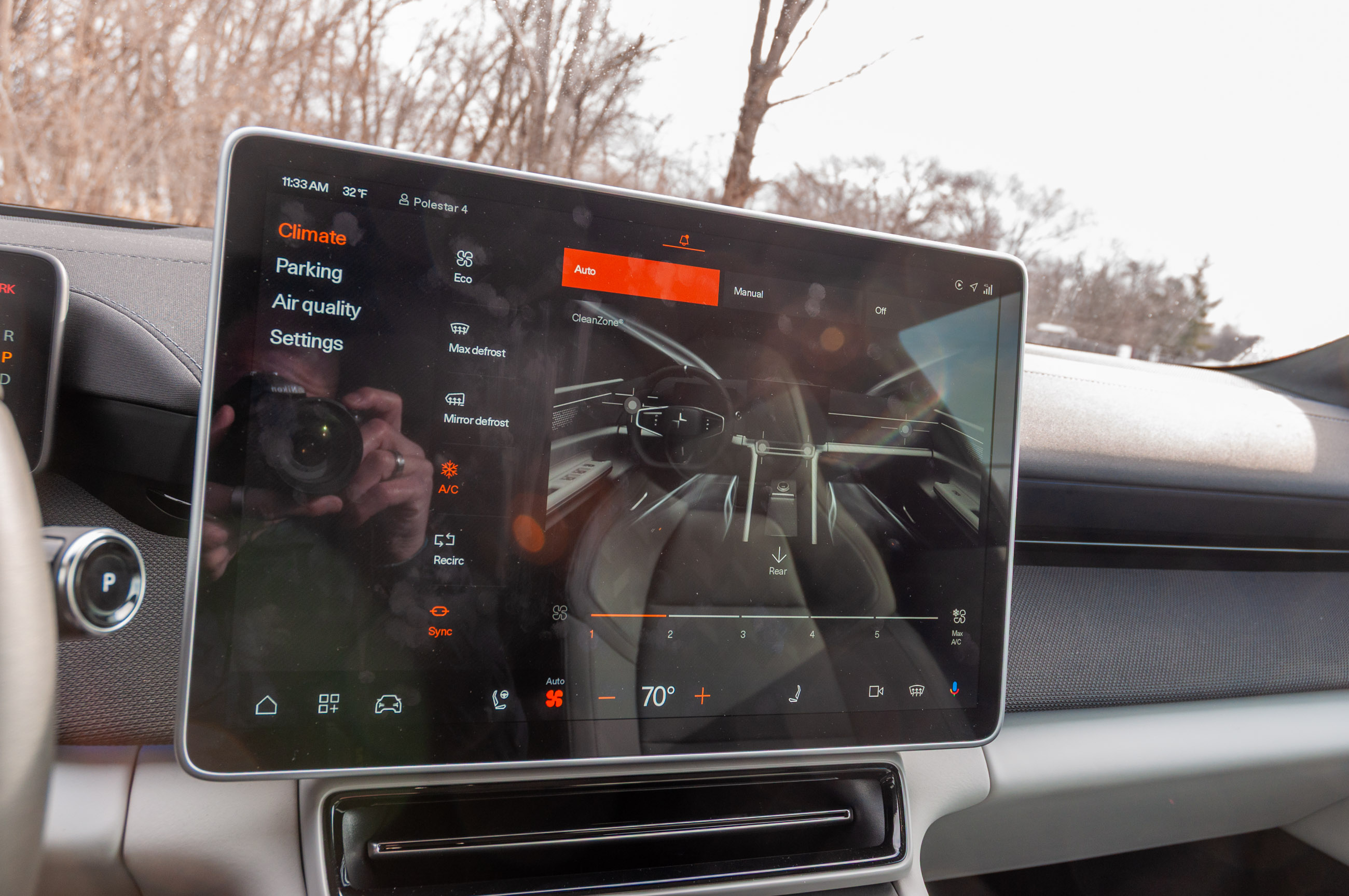
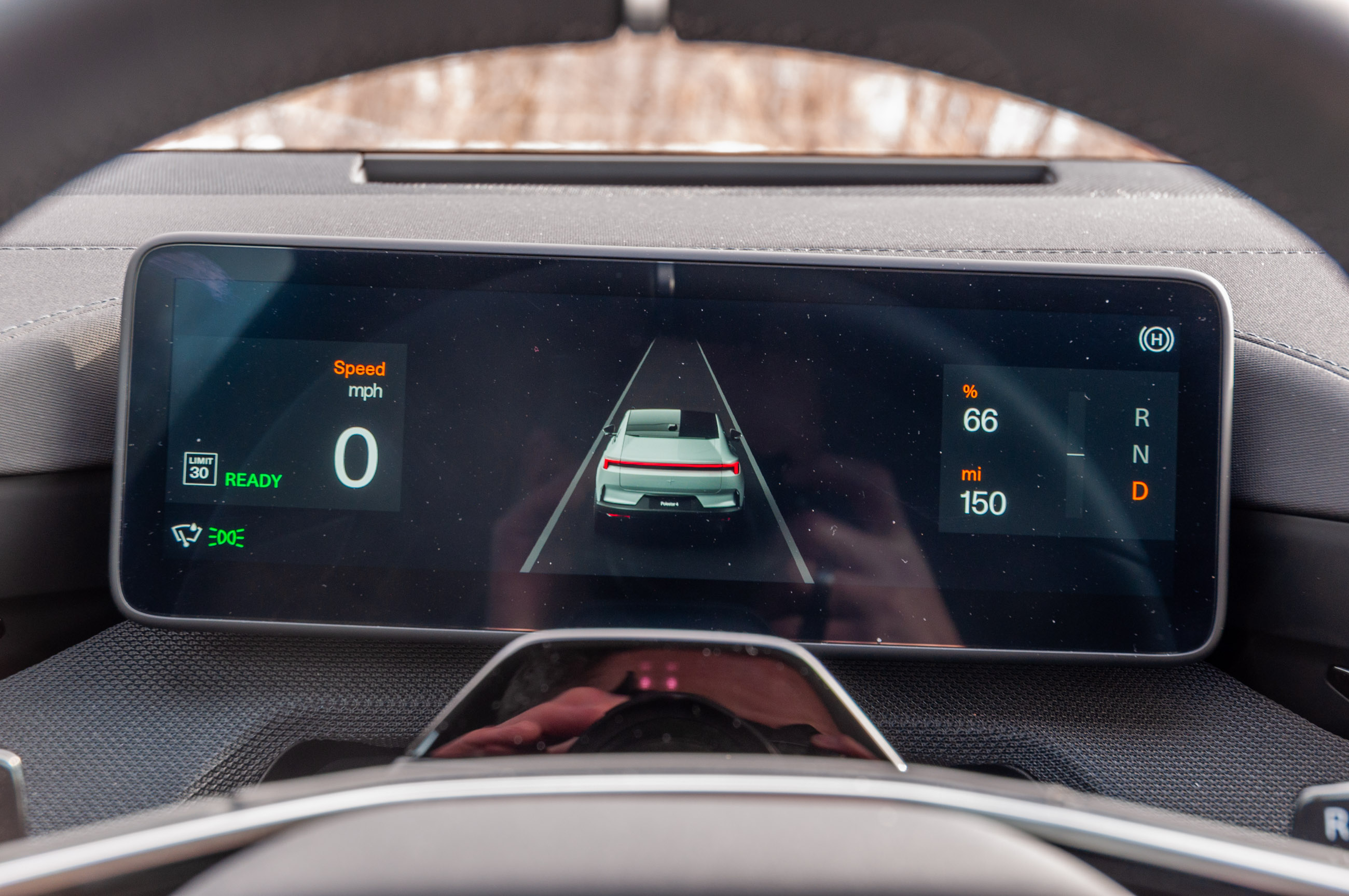
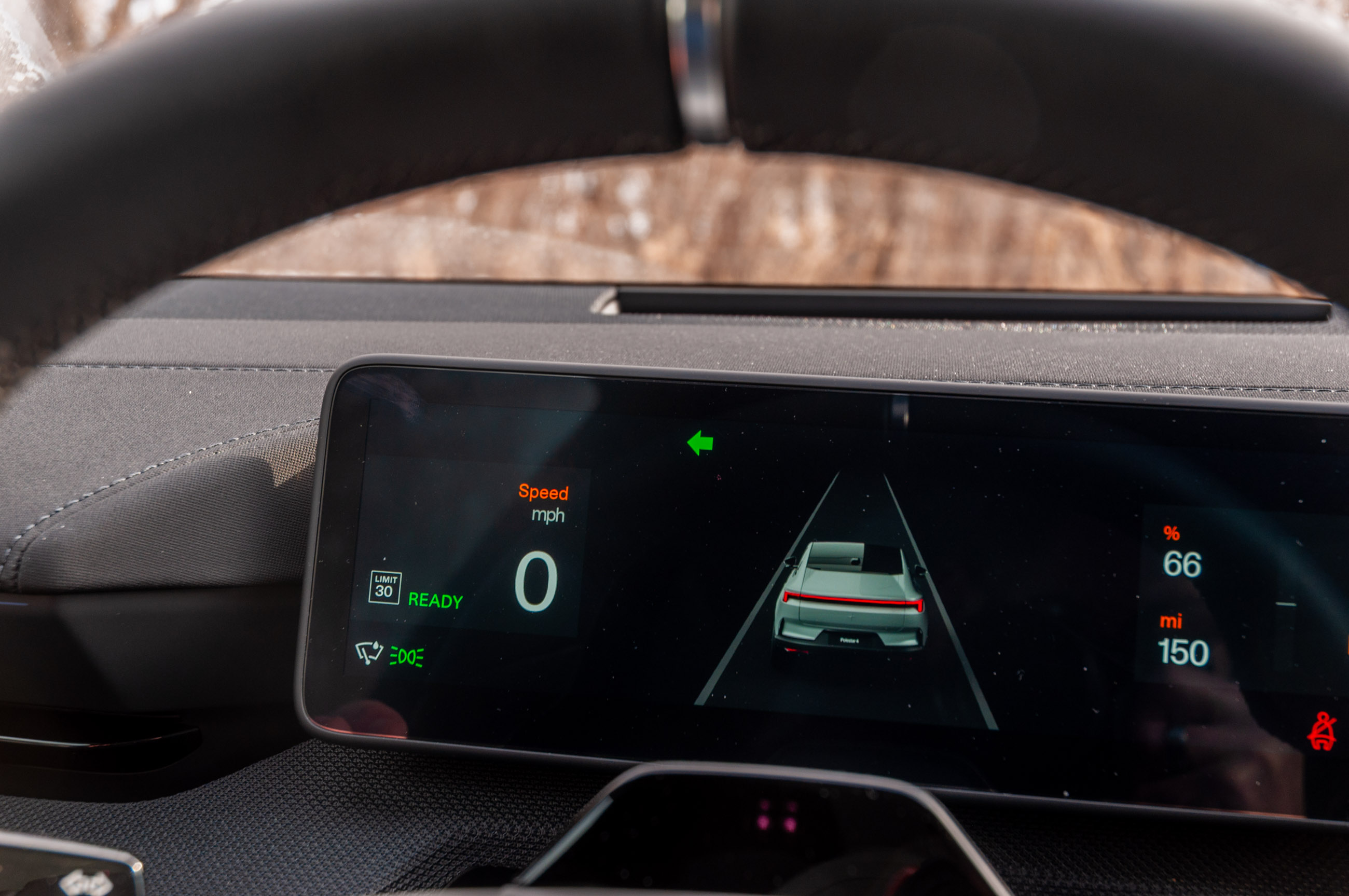
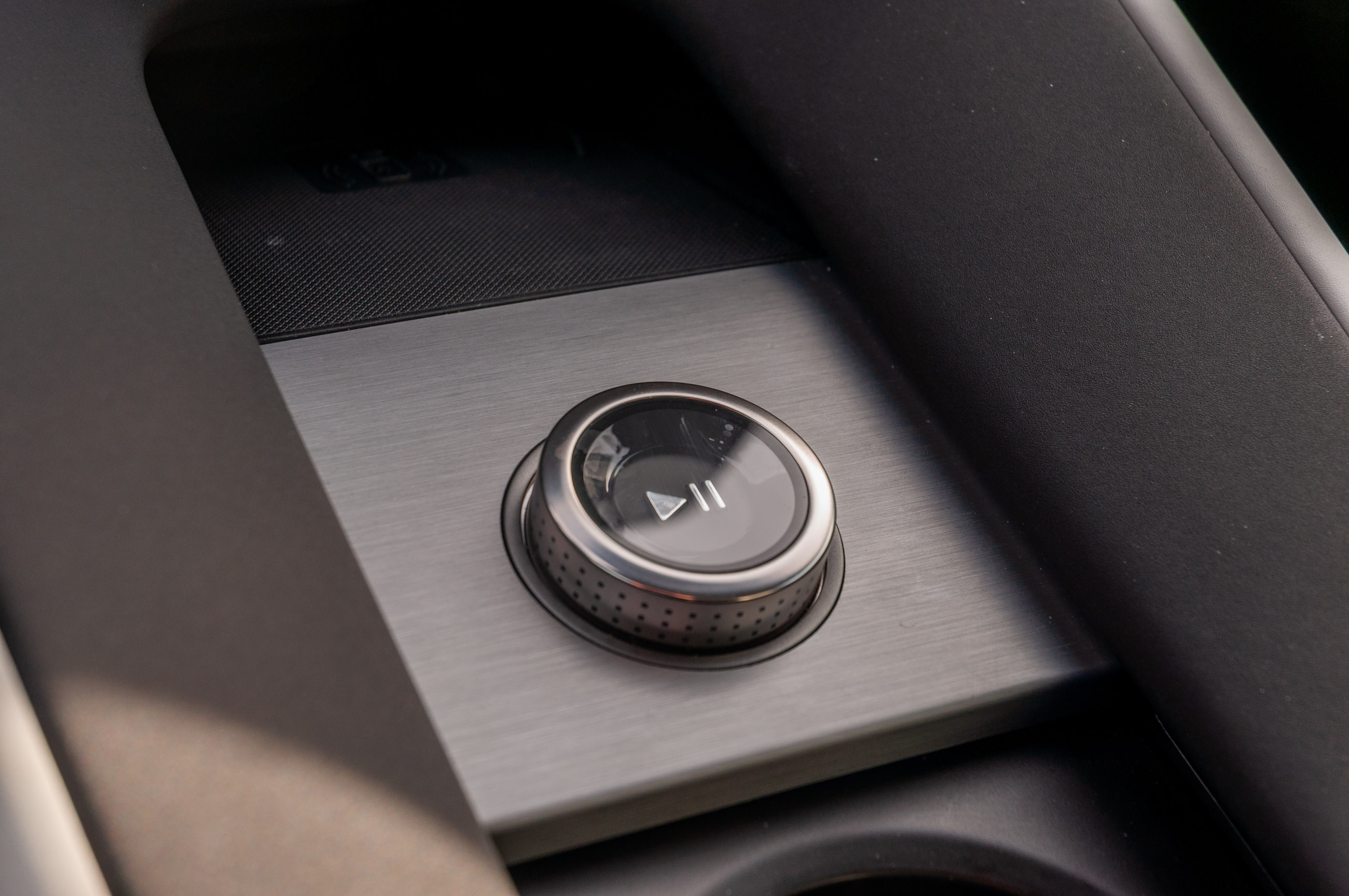
The interior is a simple, clean, solidly screwed-together affair that will be a love-it-or-hate-it moment for most. The low-set horizontal dashboard is stark, with a 10.2-inch digital gauge cluster mounted on the steering column and a 15.4-inch touchscreen mounted off the dashboard that controls nearly every vehicle function, except for a large volume knob on the center console. Yes, even the air vents are controlled from the touchscreen. There are real stalks, and the real buttons on the steering wheel are actually labeled (the things we have to call out in 2026).
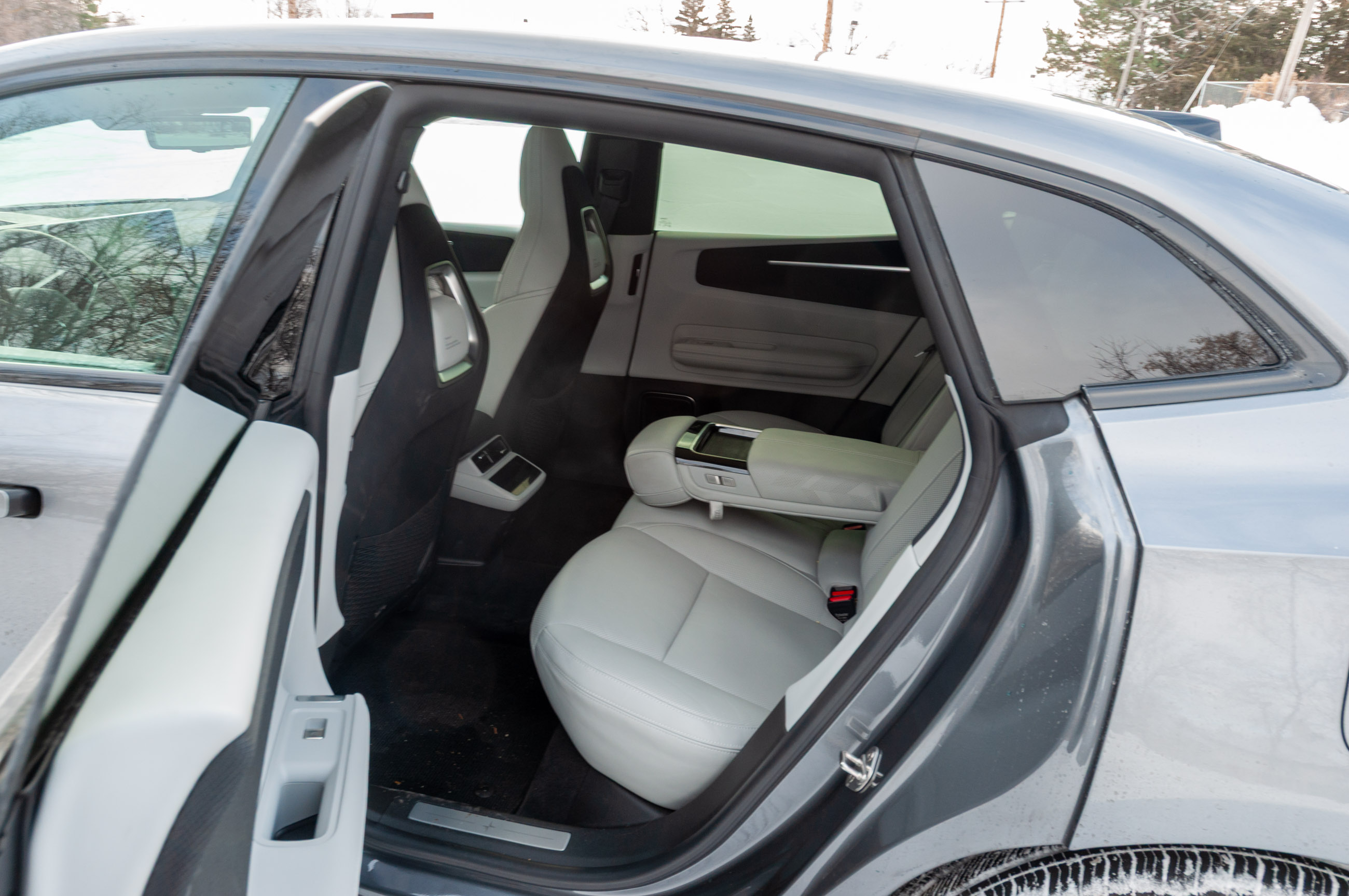
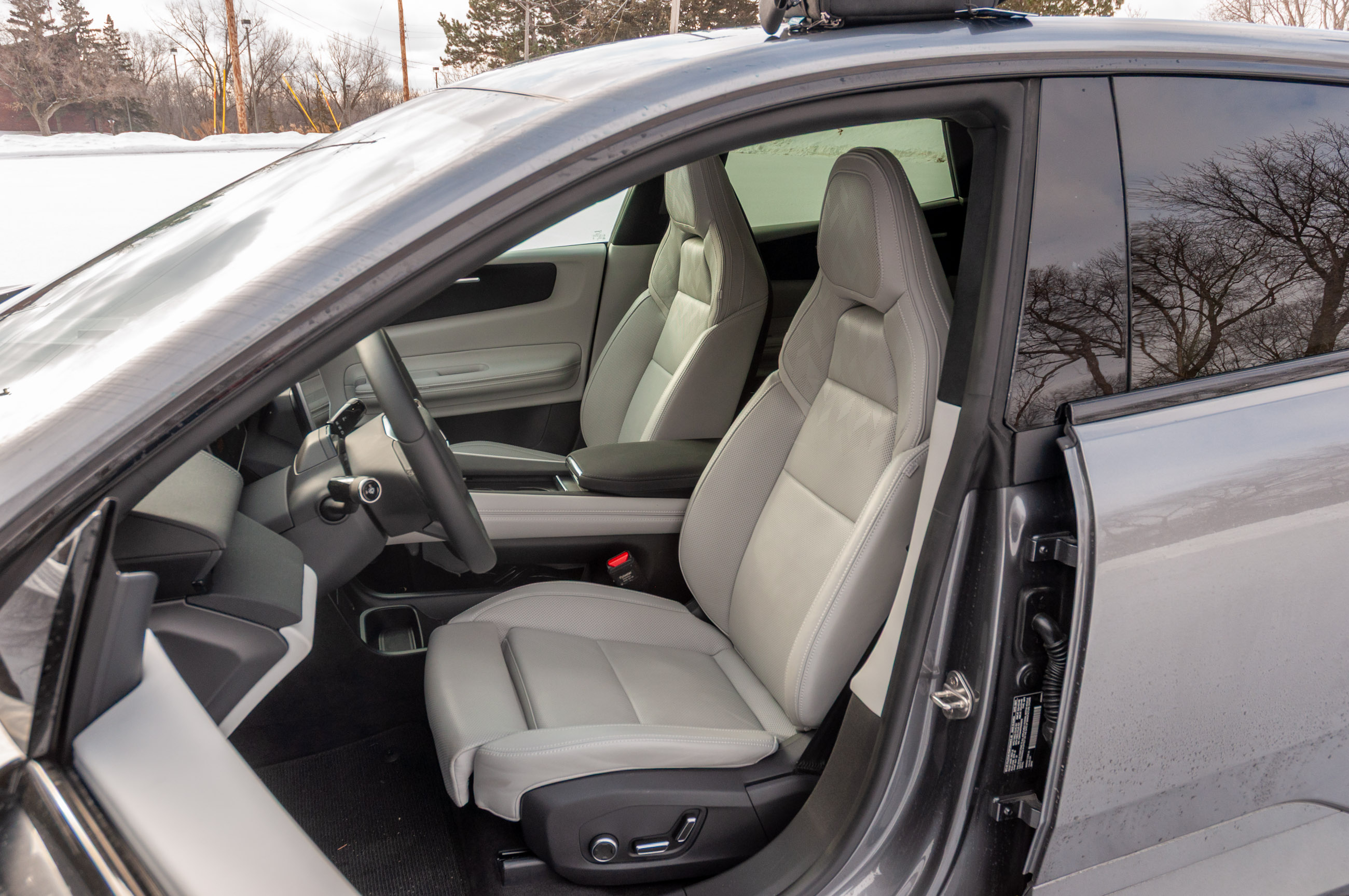
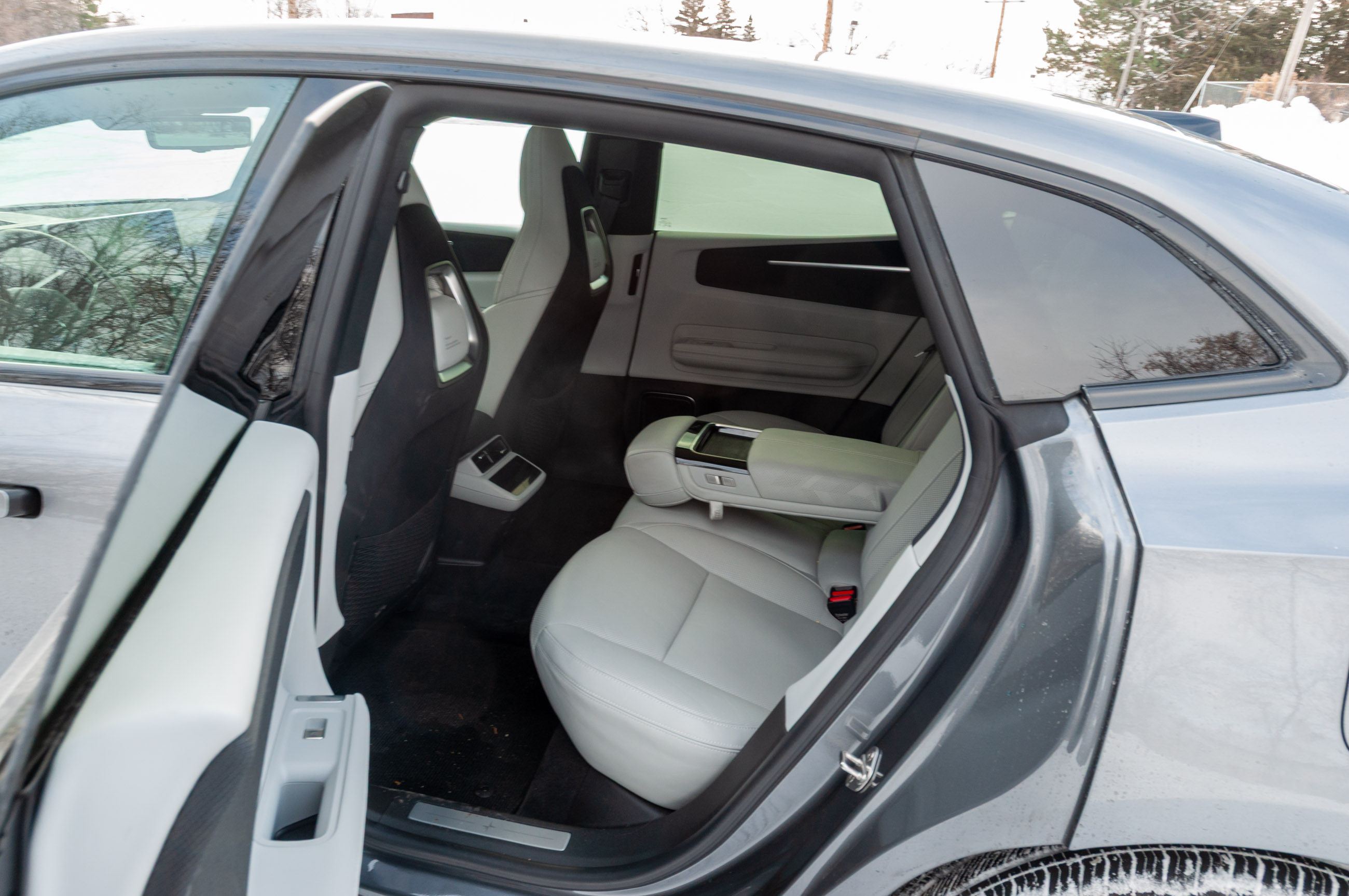
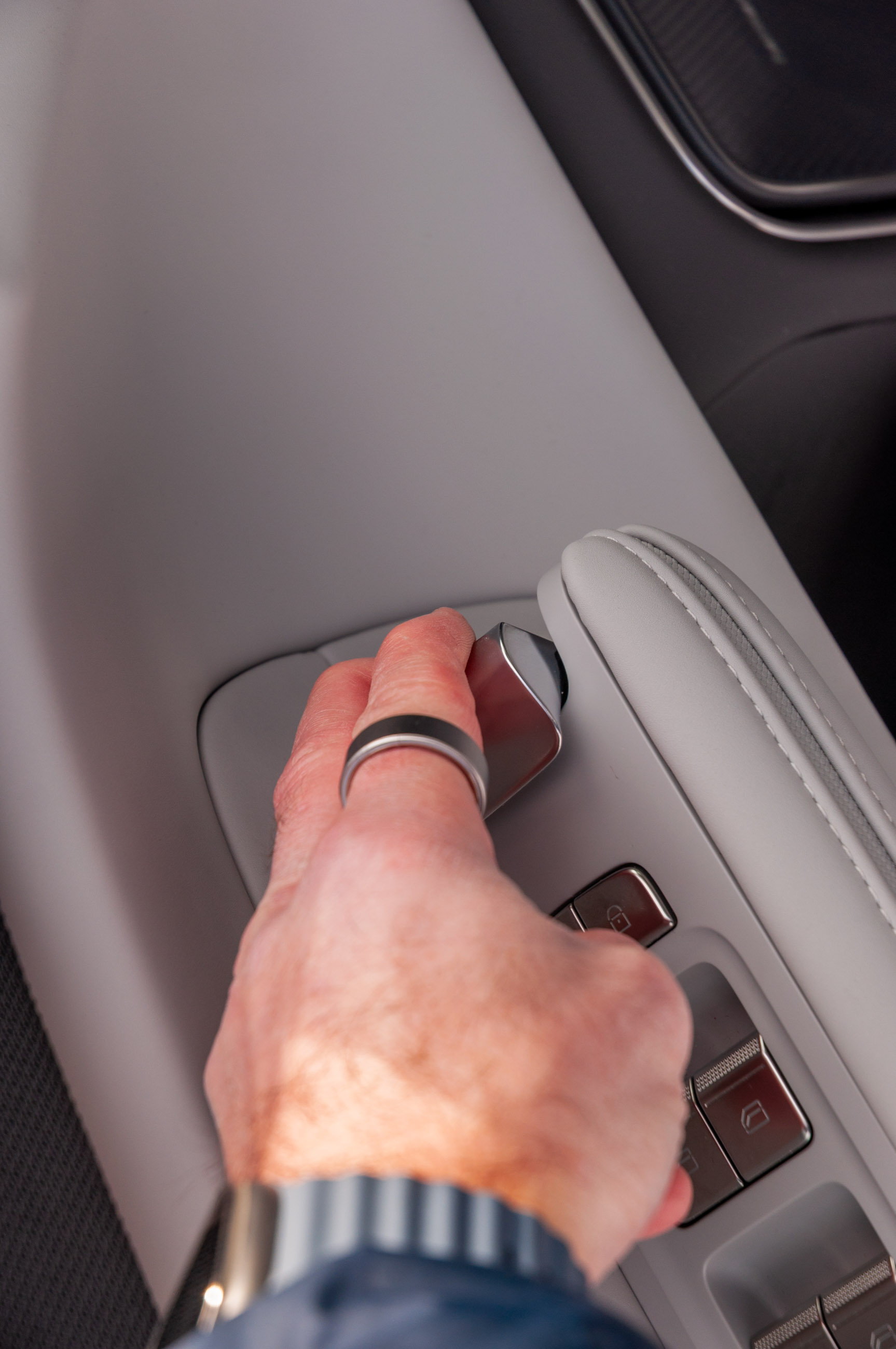
The front seats are supportive and firm, but not directly from a Volvo. The rear seat is fine. Polestar makes claims about more headroom thanks to the lack of a rear window, but I’m not sure I’m buying that. At 5-foot-10, it was a comfortable place to sit for around-town errands, but the door opening isn’t huge or notably better than that of a Model 3.
Driving the 2026 Polestar 4
The base Polestar 4 is a single-motor, rear-wheel drive affair with 272 horsepower, 253 pound-feet of torque, and a 0-60 mph sprint of a humbling 6.9 seconds. Anyone desiring more power or all-wheel drive will opt for the Long Range Dual Motor model with 544 hp, 506 pound-feet of torque, and a 0-60 mph sprint of 3.7 seconds.
Driving the Polestar 4 is believing; the dynamics are where Hembrough’s vision and claims make sense. The perfectly-weighted steering is applause-worthy. Razor sharp, not too quick, and might even be Porsche-worthy. Maybe. Testing it when it isn’t freezing outside, with snow and ice on the ground, is needed to get more impressions, but it’s quite good.
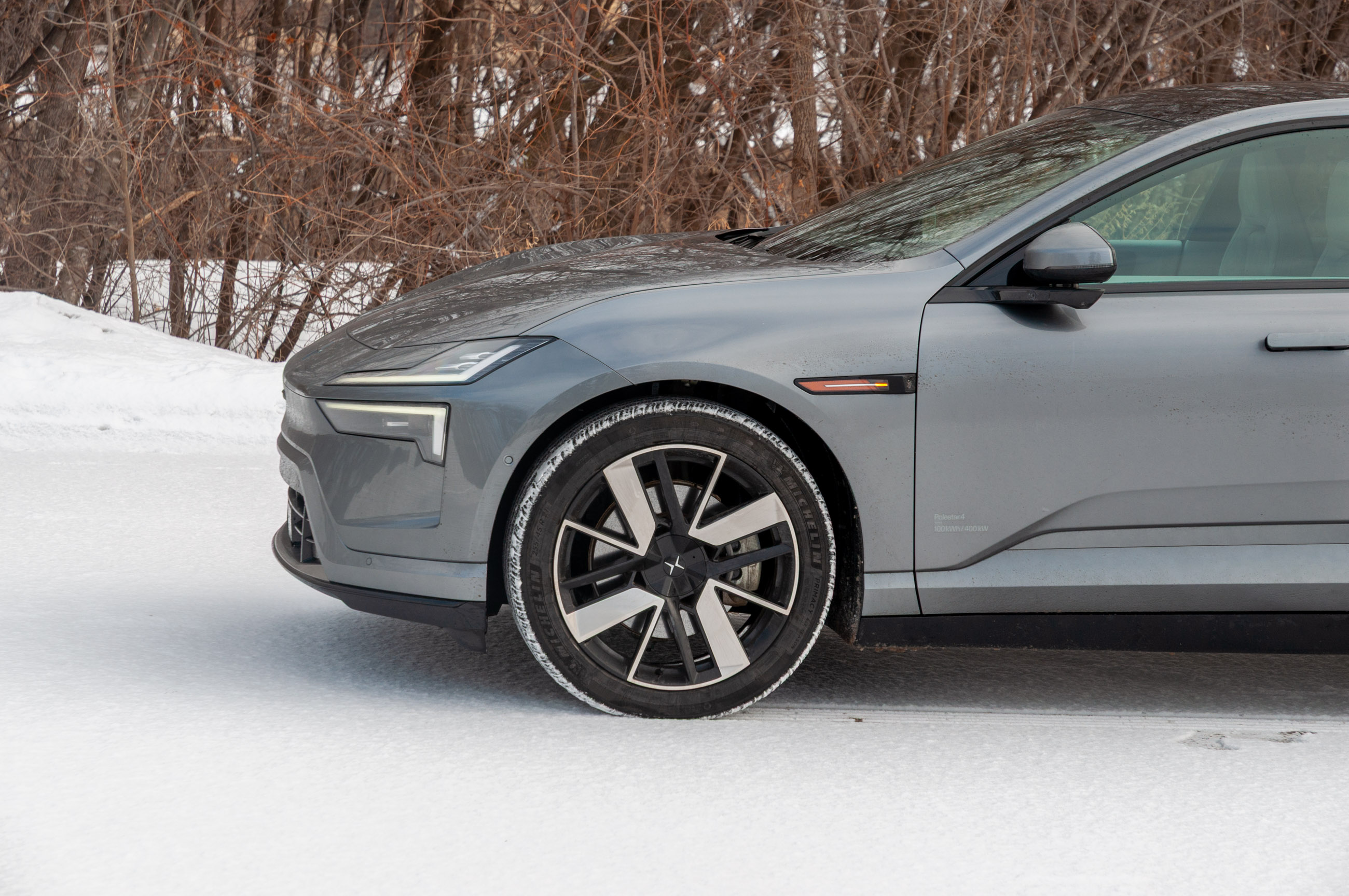
You could’ve told me the ZF-sourced active dampers tested were from a Porsche Macan Electric, and I’d have believed you. The suspension remained composed over broken, heaving pavement that was a patchwork of ice and snow, even on the optional $1,800 21-inch wheels. Judgement is being reserved on how a base model with passive dampers rides and drives.
More impressive was the fact that the Polestar 4 didn’t have a dedicated Snow Mode, and the systems almost never let a tire slip.
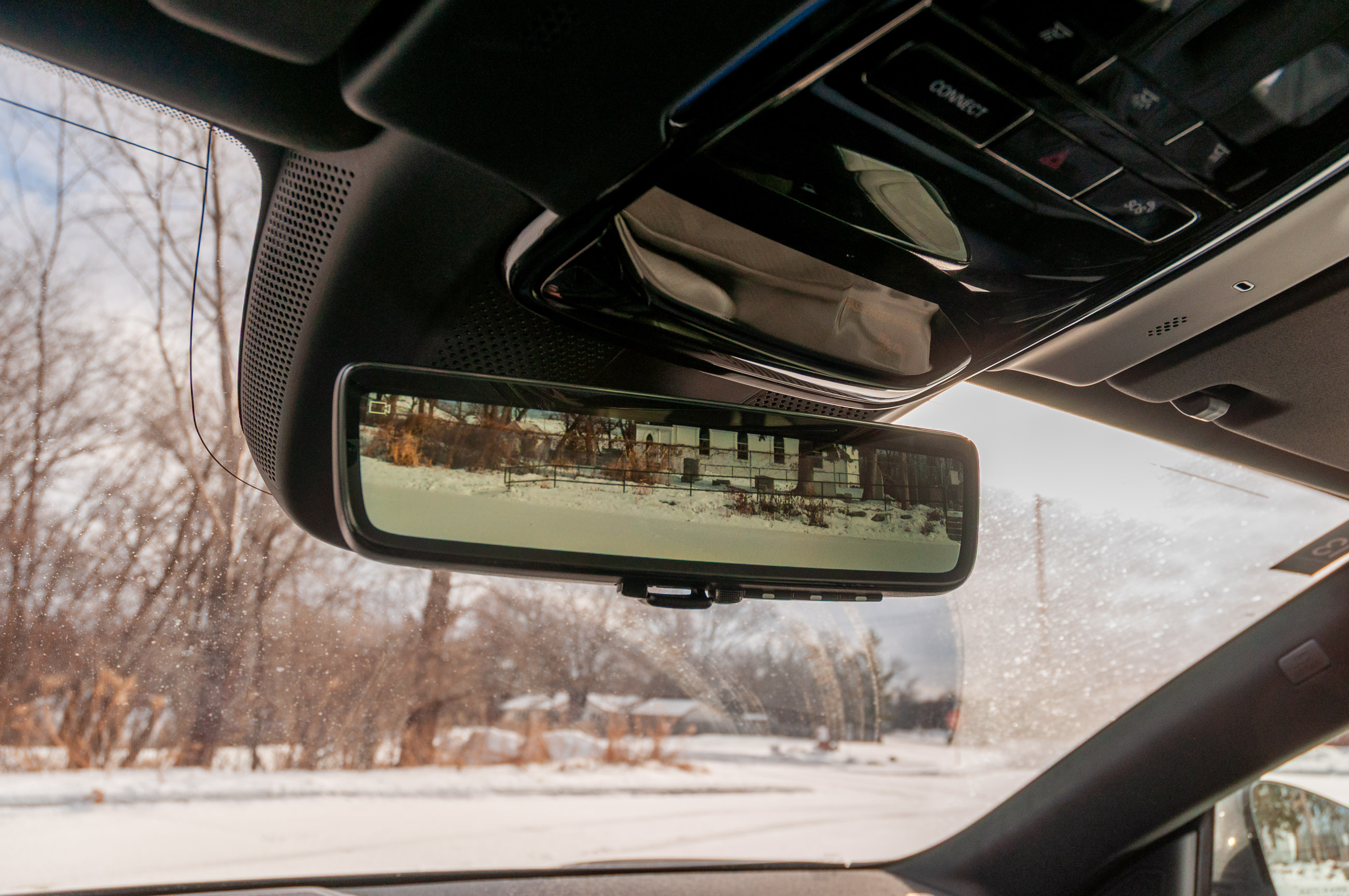
But it’s that rear window, or lack thereof. Team Polestar was creative, with the camera swiveling left or right to expand the viewing angle when a turn signal was engaged. In everyday driving the system is… fine. But at night there’s glare. In the snow or wet, it’s blurry. And the worst part is the depth perception in a parking lot. This is before even addressing the fact that someone allowed a strip of ambient lighting to be mounted near the rearview mirror, which is then reflected into the mirror at night in the most distracting way possible.
Range, Charging, and Efficiency
Single-motor rear-wheel drive cars have an EPA-estimated 310 miles of range, while dual-motor. all-wheel drive cars, like the one tested, drop to 280 miles of range. Every Polestar 4 has a 100-kWh battery pack running off a 400-volt electrical architecture. Polestar claims that fast charging from 10-80% will take 30 minutes.
Over 353 miles of suburban driving in freezing temperatures, the Polestar 4 averaged 2.5 mi/kWh, which isn’t terribly efficient, but is similar to what you might see in similar weather in a Hyundai Ioniq 5 or Porsche Macan EV. This would translate to a total driving range in the cold of about 250 miles.
Quick Verdict
Years ago, before the Polestar 4 was ever seen, it was heralded as a Porsche Macan challenger. The base car at $57,800, including a $1,400 destination charge, is a hard argument against a Macan. The well-equipped dual-motor tester I had came in at $79,100, making it the value play.
But the entire package and discussion inevitably come back to the one defining design choice: the lack of a rear window on a mainstream car. Whether it’s for you is something only a test-drive can probably answer.
Polestar provided The Drive with a seven-day loan of this vehicle for the purpose of writing this review.
| 2026 Polestar 4 Dual Motor Pilot & Plus Specs | |
|---|---|
| Base Price (Dual Motor Pilot & Plus) | $57,800 ($79,100) |
| Powertrain | dual-motor | single-speed automatic | all-wheel drive |
| Horsepower | 544 |
| Torque | 506 lb-ft |
| Seating Capacity | 5 |
| Curb Weight | 5,192 pounds |
| Towing Capacity | Up to 3,500 pounds |
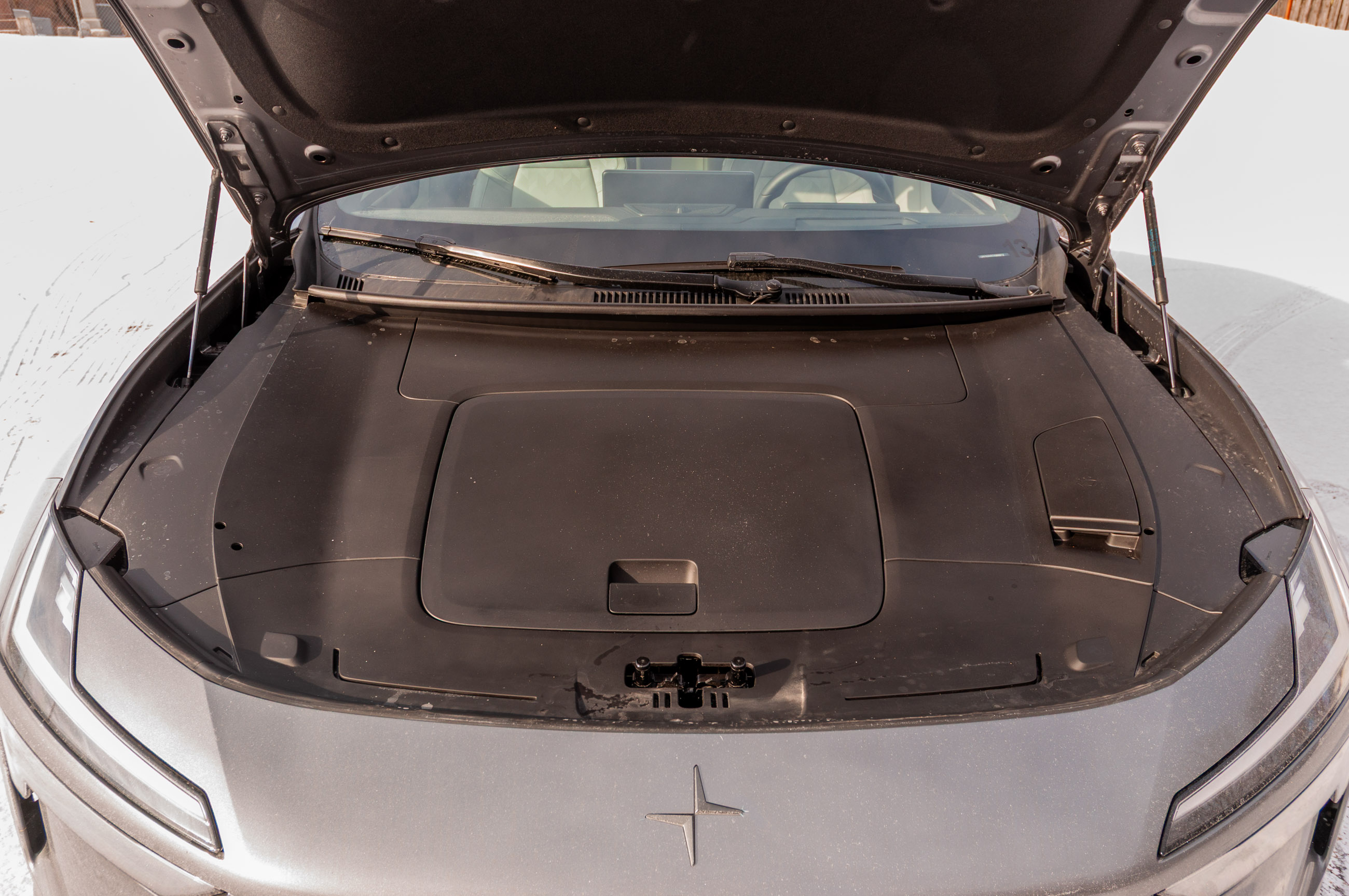
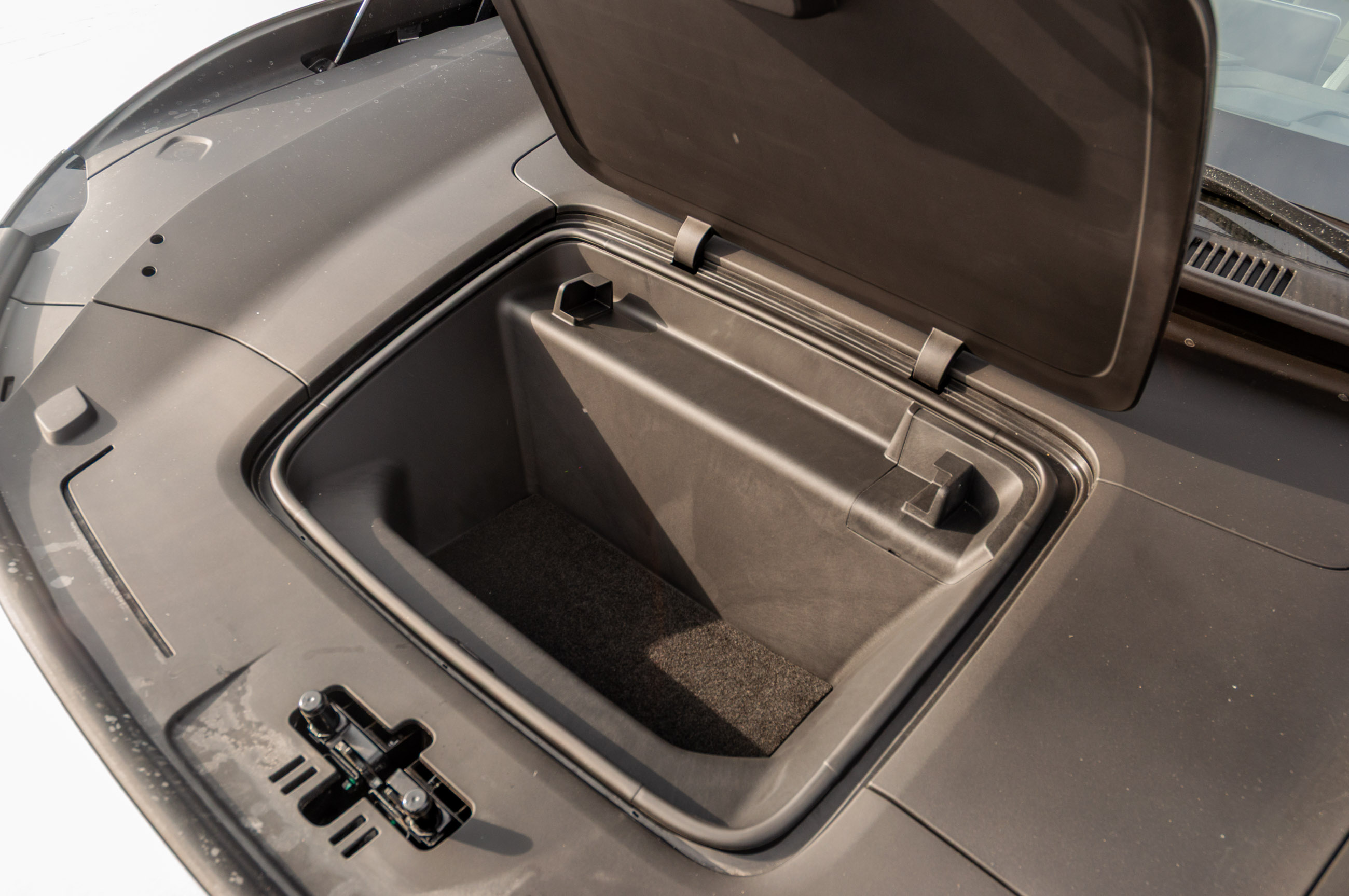
| Cargo Volume | 18.6 cubic feet behind second row | 54.2 cubic feet behind first row | 0.5 cubic feet frunk |
| Ground Clearance | 6.53 inches |
| 0-60 mph | 3.7 seconds |
| Top Speed | 124 mph |
| EPA Range | 280 miles |
| Score | 7/10 |

Quick Take
Polestar nailed the dynamics of a budget Porsche, but the lack of a rear window was a gamble.
Loading comments…
Comments couldn’t be loaded. Please refresh the page.