
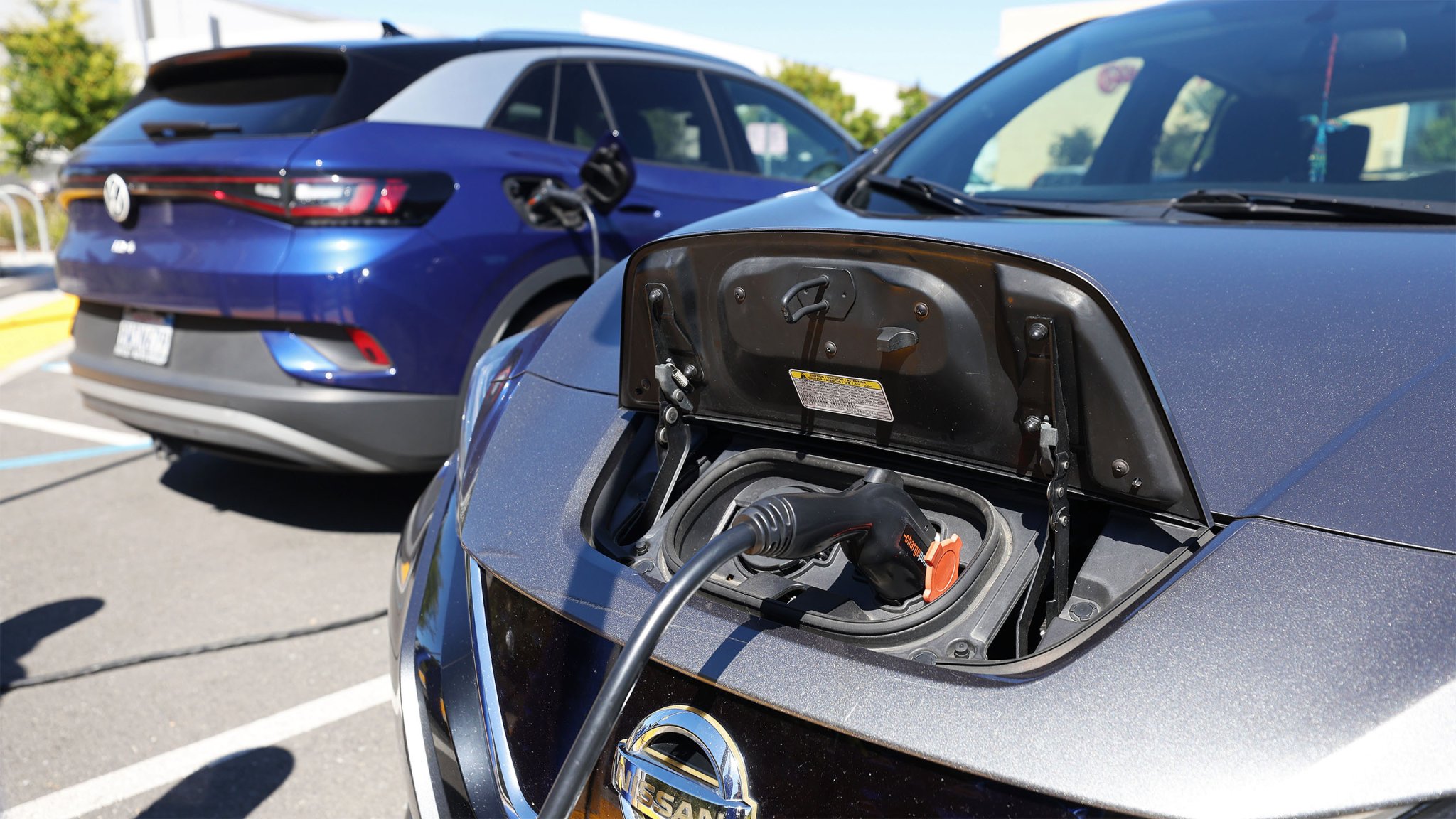
The end of the federal EV tax rebate last fall quickly depressed sales, but rising gas prices in 2026 have given them a second wind—kind of. Because, while it’s true that new EVs are still down by more than 20% year-over-year, per the latest data from Cox Automotive, used EVs are having a moment. 128,000 secondhand EVs found homes in the second quarter of this year, a new record, according to Cox figures.
To put that into perspective, that’s up 29%—and specifically around 30,000 cars more—over Q2 2025. The average price of a used EV is right around $37,000, which works out to a $3,000 premium over the typical new gas-powered vehicle, including hybrids. That’s actually a recent bump, too, because before this boom, most used EVs changed hands for just under $35,000. The market is responding to the demand, though if you haven’t scooped one up in the last few months, you definitely haven’t missed the boat yet.
“Three-year-old EVs on average are far outpacing the normal seasonal trend and outperforming all other powertrains to date,” Mark Strand, Cox’s Deputy Chief Economist, said during the group’s mid-year review. “The [Manheim Market Report price] for a three-year-old EV is now about 14% above week 1 value. By comparison, non-EVs of the same age peaked around the first week of March and are more closely following expected seasonality, up 3.5% compared to week 1 values.”
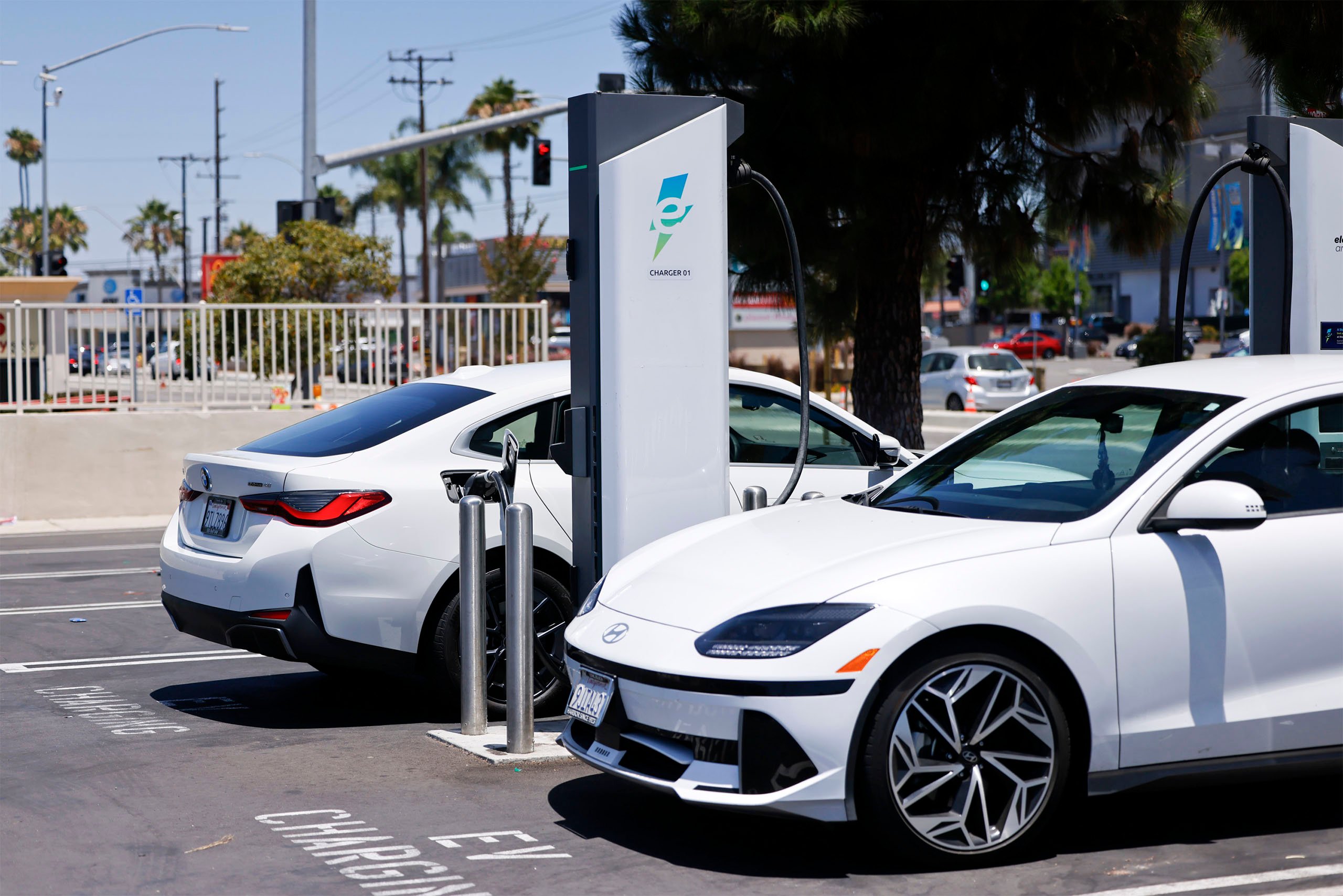
The report notes that most EVs that are reentering the market came off leases, and that lessees aren’t likely to purchase vehicles priced above market value at the end of their terms. “Lenders have been absorbing these valuation adjustments gradually, helping the wholesale market digest the increase in used EVs,” an earlier report in April stated.
Part of the reason there were so many leases in the first place is because of a short-lived loophole eligible to EV leases that classified them as commercial sales. (Anyone who jumped on a $0 Fiat 500e lease deal has such provisions to thank.) And we’ll be seeing vehicles from that era of leasing continue to mosey back to dealer lots over the next two years, according to expert Sam Abuelsamid, who gave us the lowdown on the trend back in February.
Fortunately, while used EVs may be especially vulnerable to depreciation, that’s not because of their batteries losing efficacy. Once you get past the likelihood that we’ve been testing them wrong, the fact is that automakers have done very well to mitigate degradation as the technology’s matured. Just don’t DC fast charge every day, if you can help it. If you can’t, maybe hold onto that hybrid or gas car for a bit longer.
Got a tip? Reach out to tips@thedrive.com
Loading comments…
Comments couldn’t be loaded. Please refresh the page.