
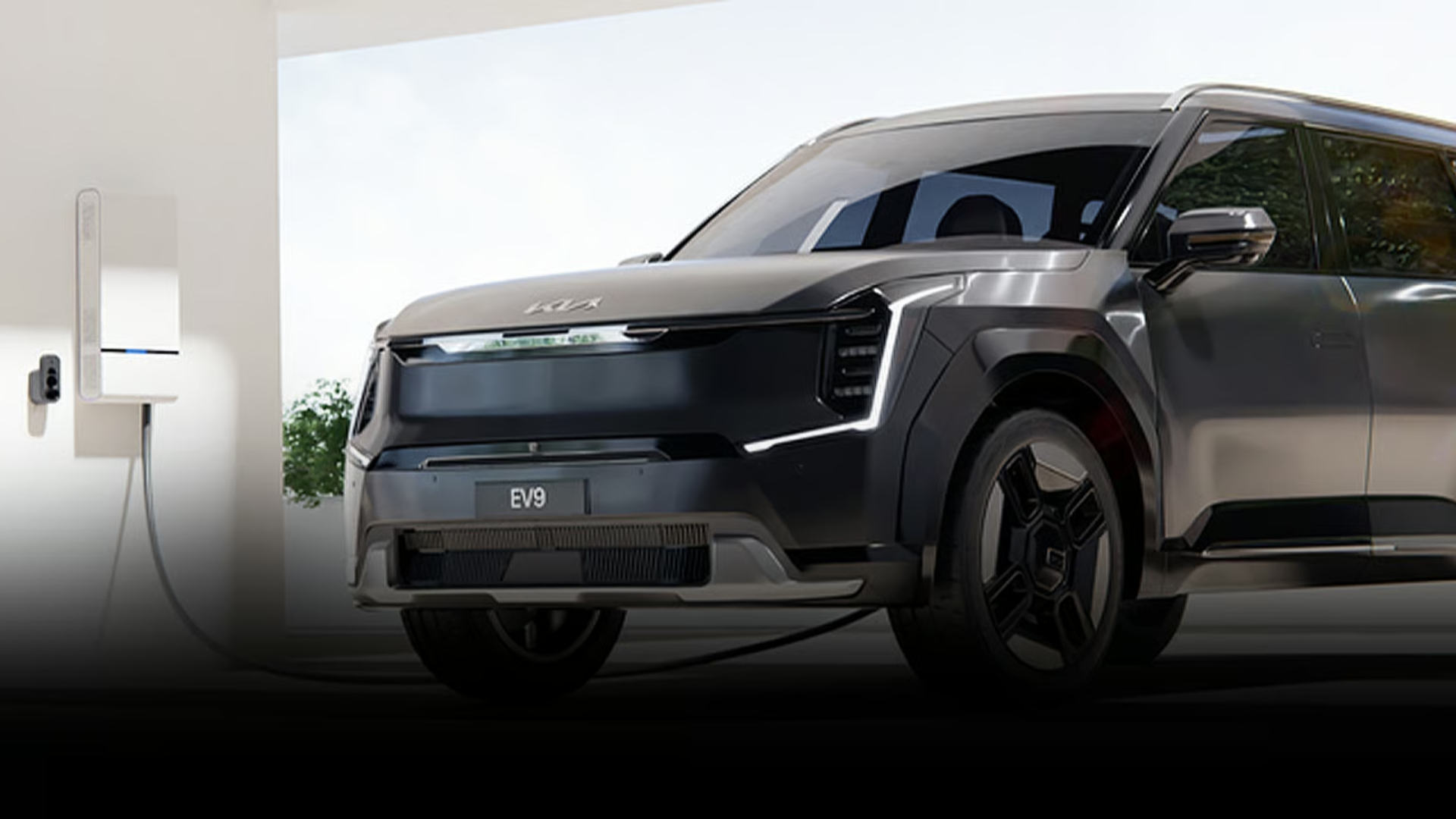
If somebody offered you a service where your fuel tank was topped off overnight (at a discounted rate), precluding you from ever again needing to use a gas station, you’d be interested, right? You’d wonder what the catch is, of course, and there is one: If you ever need to get gas mid-trip, you’ll have to go out of your way to find it, and once you do, it might take you between five and 10 times as long to fill up—maybe longer, if something goes wrong (and something will eventually; mark my words). Would you take that deal?
That’s the fundamental pitch behind an EV. Sure, detractors will tell you that the sweetener only applies to homeowners, leaving renters and others without direct access to private parking completely unable to take advantage. That’s less true than it once was, but on balance, it’s a fair criticism. On the flip side, boosters will tell you that America’s charging network is expanding by leaps and bounds, and that range anxiety is overblown to almost mythological proportions. There’s some truth to that, too.
Realistically, the most consistent barrier to mass-market interest in EVs has been something far less nuanced: Buying a new EV is freakin’ expensive. And since last September, the situation has only gotten more dire. But that’s new EV prices. What about used?
We’re on the verge of an unprecedented and somewhat prolonged (two- or three-year) surge in affordable, off-lease electric cars. Coincidentally, we’re also coming to terms with the potential for long-term upswings in fuel prices. This means a whole lot of buyers could be looking at electric cars seriously for the first time, and while depreciation may drive their resale values into the dirt, we’re still talking about cars that are just a few model years old—expensive cars, mind you. Even at 50% depreciation in three years, a car that was $60,000 when new is still $30,000 used. Cheaper, sure, but still not cheap relative to the $15,000 economy cars listed right alongside them.
But can a gently used Honda Civic power your entire house? No. Plenty of used EVs can. And not just a few lightbulbs and the refrigerator, mind you. We’re talking all of it. For example, a Chevy Silverado EV offers vehicle-to-home charging straight out of the box and a 205-kilowatt-hour battery pack—enough to sustain a typical home for days or longer, especially if power is deliberately conserved.
Similar stationary battery backup solutions cost tens of thousands of dollars for equipment alone. Some commercial 200-kWh solutions can easily cost $75,000 or more. Does that make a low-mileage Chevy a little easier to swallow at $50,000? Remember, not only can it power your house—it might be able to tow the whole thing to safety too.
Not every used EV is an overachieving half-ton pickup, of course. There are plenty of segment breakdowns out there, and some have even attempted to consolidate information about the bidirectional charging solutions available in the market. Not all of the info is current, but the good news is that while the EV segment may have contracted somewhat in the past year, the newer models still on sale are more likely to be capable of vehicle-to-load or vehicle-to-home charging right from the factory.
If that’s what you’re after, the past five or six model years are your only real hope. But if you’re willing to work with a third-party or even DIY a solution (don’t feel bad if not; electricity isn’t for the faint of heart), the potential candidate pool grows significantly. Even a first-gen Nissan Leaf’s battery can be repurposed for whole-home energy storage if you’re feeling particularly industrious.
So, if recent events have you reconsidering your everyday fuel strategy, remember: an EV can be more than just a car.
Got a news tip? Let us know at tips@thedrive.com!
Loading comments…
Comments couldn’t be loaded. Please refresh the page.