
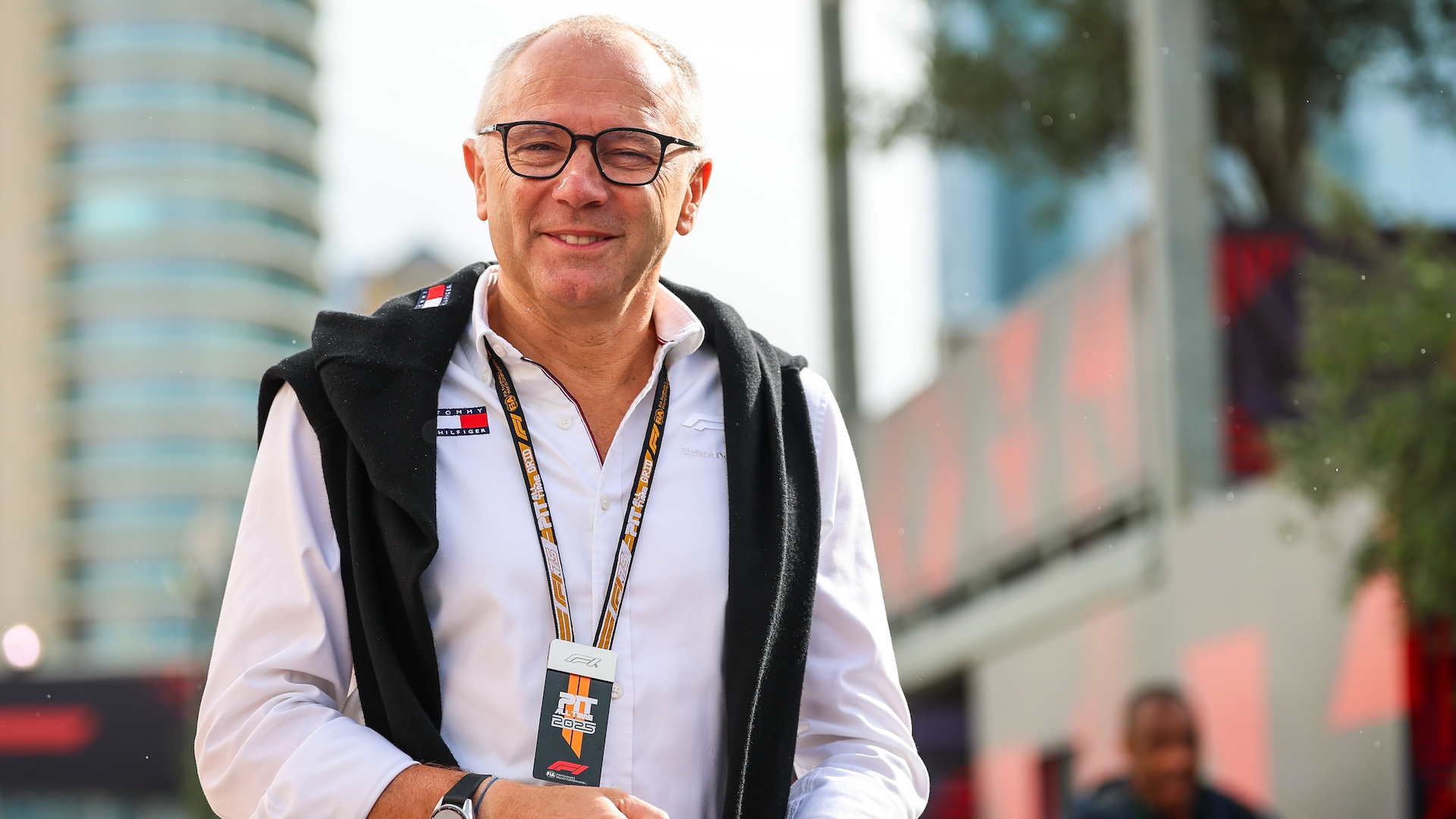
Formula 1 CEO Stefano Domenicali opened up about the current state of the sport during a recent visit to Italy’s popular The BSM podcast. There, the Italian executive discussed the evolution of the sport over the last few years, The F1 Movie, Netflix, and, perhaps more importantly, the changes F1 must make to remain relevant not just in the motorsport sphere, but also in the entertainment business.
During the hour-long podcast, the host, Gianluca Gazzoli, asked Domenicali many questions about F1, and many of them had to do with Imola being dropped for the 2026 season. Domenicali explained that Imola’s spot on the calendar for the last few years was only because the small venue (by modern standards) managed to sneak into the championship during the COVID-19 pandemic.
Note: The quotes below have been translated from the original Italian interview.
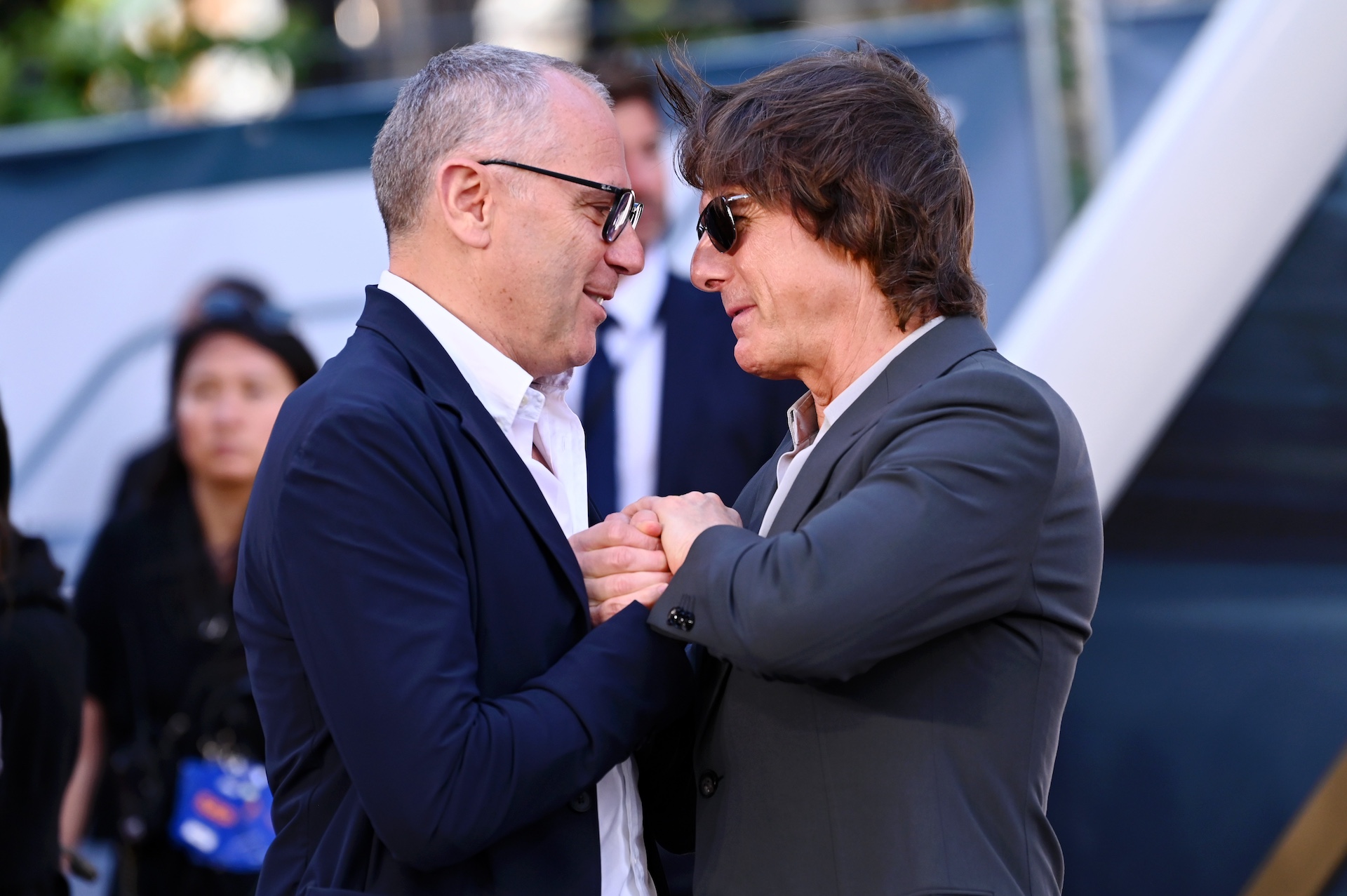
“Imola returned to F1 due to COVID, when we faced the opposite problem [that we do now], and we were limited in terms of availability, travel, and more,” said Domenicali. “We found ourselves with the risk of closing down a world championship, so we had to invent protocols and bubbles where we could work, and we could race, and we could produce a product for television.
“But it’s clear that as F1’s global demand has grown since then, it’s hard to justify the sport’s presence in such a small town with small infrastructure that offers limited value to the sport and to its fans,” he added.
While explaining the Imola situation, Domenicali took a detour to explain his logic behind the phasing out of historic venues, or at least, the fact that they seem to be an endangered species, and their existence on the calendar is threatened every year.
“Obviously, if a Grand Prix has historic value, it’s a plus, but it’s not enough, it’s an element that offers [a sense of] heritage to fans like me who have followed F1 since I was a child, but not for new fans who come to follow F1,” said Domenicali.
“If you look at the data, the ability to [scroll through media] fast and forget who even won last year is very high. So for many young people who follow F1 today, racing in Monte Carlo compared to a new circuit in Las Vegas makes no difference to them. So this [historic] element and heritage of a race should be supported, but with a structure that looks to the future,” he said.
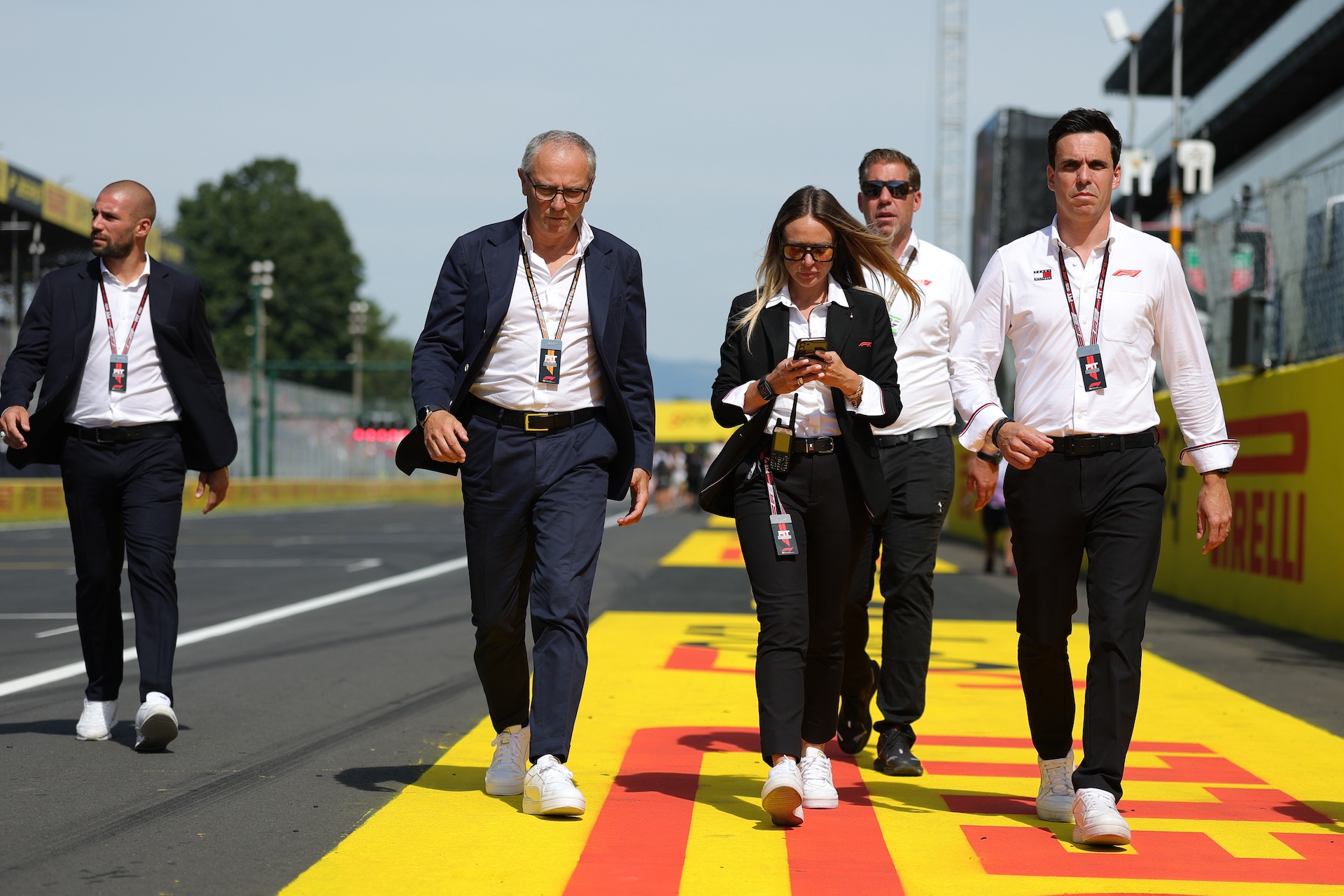
With F1 once again hosting 24 races worldwide next year, Domenicali went into detail about recent growth and how F1 is no longer just a racing series, but an entertainment machine tasked with competing against other mass events. There’s a well-defined strategy to maintain its current fanbase while doing the utmost to build a new one.
“F1 is enjoying a great moment; it’s a moment of growth. We’re living a moment that a few years ago, only a few of us believed that our sport could enjoy this level of growth,” he said. “Above all, we are attracting new and young people who love our sport, and we are involving a female audience.
“I always say, F1 is no longer just in a sporting dimension; it’s in an entertainment dimension. Entertainment is a positive, beautiful, energizing thing, and from this point of view, we are competing, but we must remain very attentive to what’s going on around us. F1 is competing for the interest [or attention] of people, and [we must remain aware] this attention may be won over by a film, a podcast, a concert,” he added.
“While F1 is in a different context, we must retain the attention of those who have always followed us, while making [new audiences] go, ‘Oh wow, everyone is going to the F1 race, and it looks cool and nice and everyone’s there.'”

L'UOMO CHE HA RIVOLUZIONATO LA FORMULA 1! 🏎️ STEFANO DOMENICALI passa dal BSMT!
Got a tip? Email us at tips@thedrive.com
Loading comments…
Comments couldn’t be loaded. Please refresh the page.