
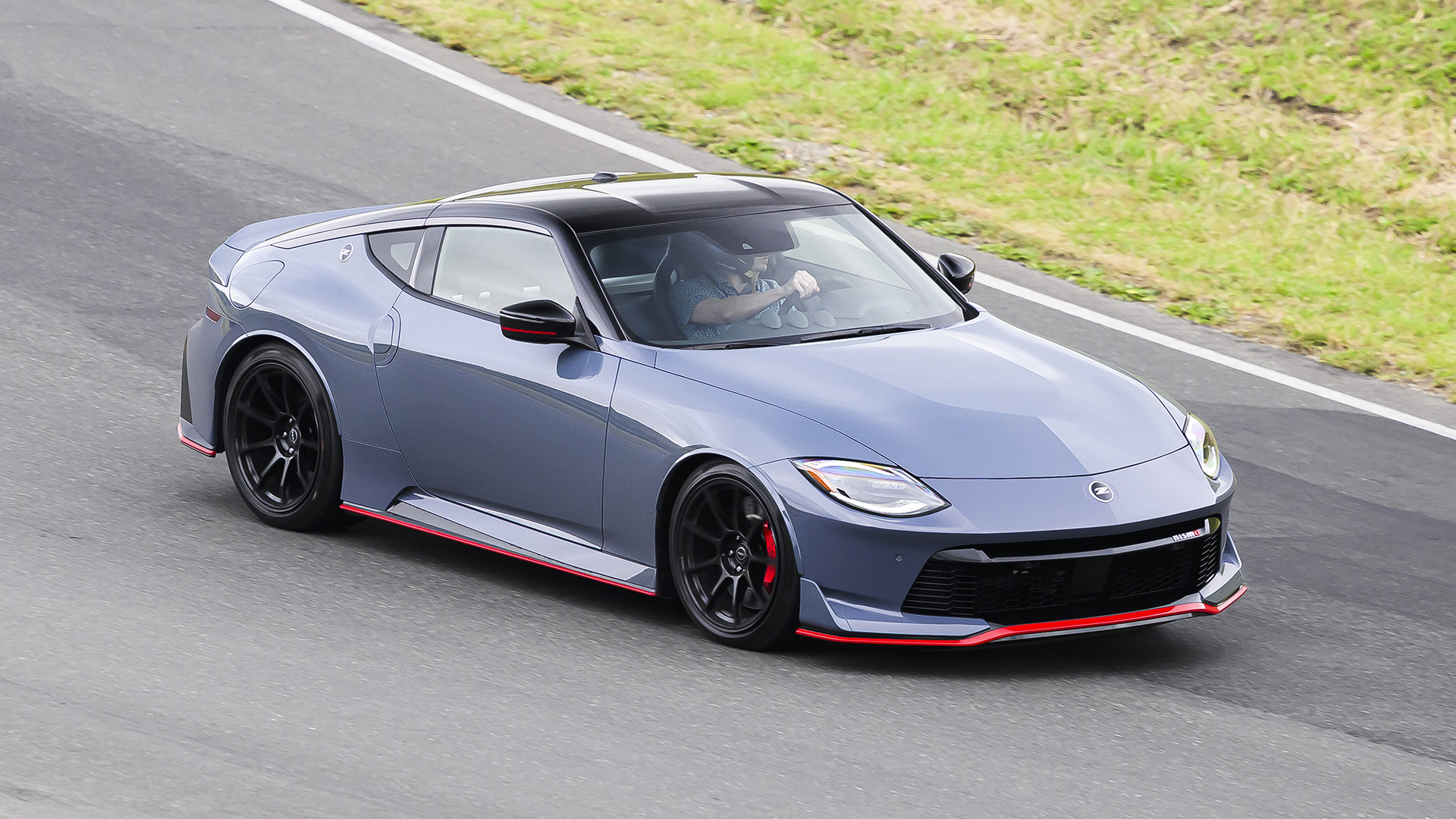
The Z runs in my blood. My grandpa owned a 240Z, my dad owned one, and I spent the pandemic wrenching on and driving a 280Z until I eventually, and reluctantly, handed over the keys. The love for the nameplate didn’t go anywhere with them, however. The Z has always been the car that taught enthusiasts what a sports car is supposed to feel like: accessible, dependable, no gimmicks, with performance always a few notches higher than you strictly need. That equation has held across every generation. When I got the call to drive the 2027 Nissan Z Nismo with a manual at Sonoma Raceway, I wasn’t just excited as a journalist. I was excited as a lifer.
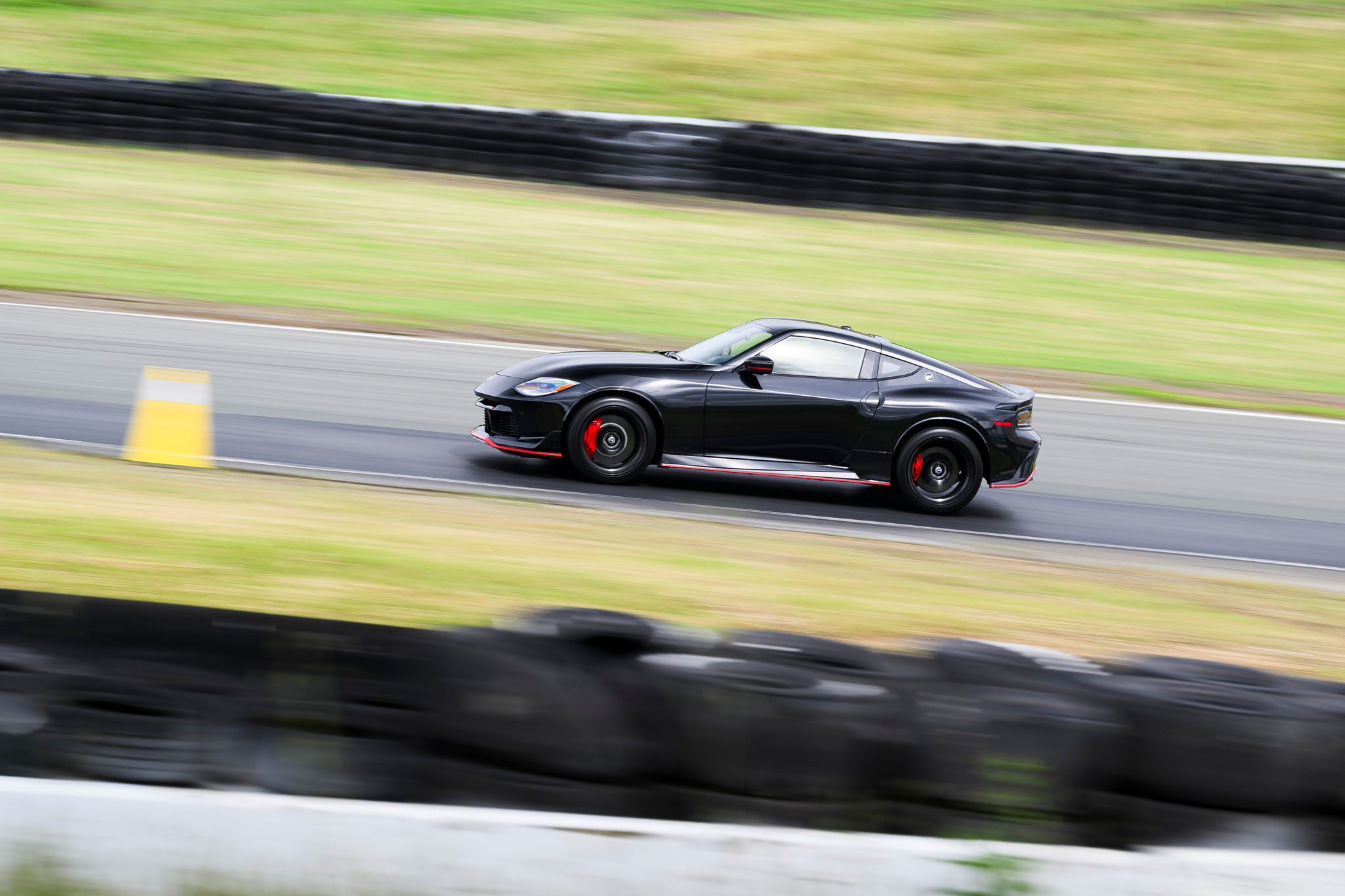
There’s some important context before we get into it, though: the track was wet. Rainfall from the previous night kept the track slick enough to keep my palms sweaty and my right foot honest. In some ways, that’s a liability. In other ways, a wet track tells you more about a car’s true character than a dry one ever could.
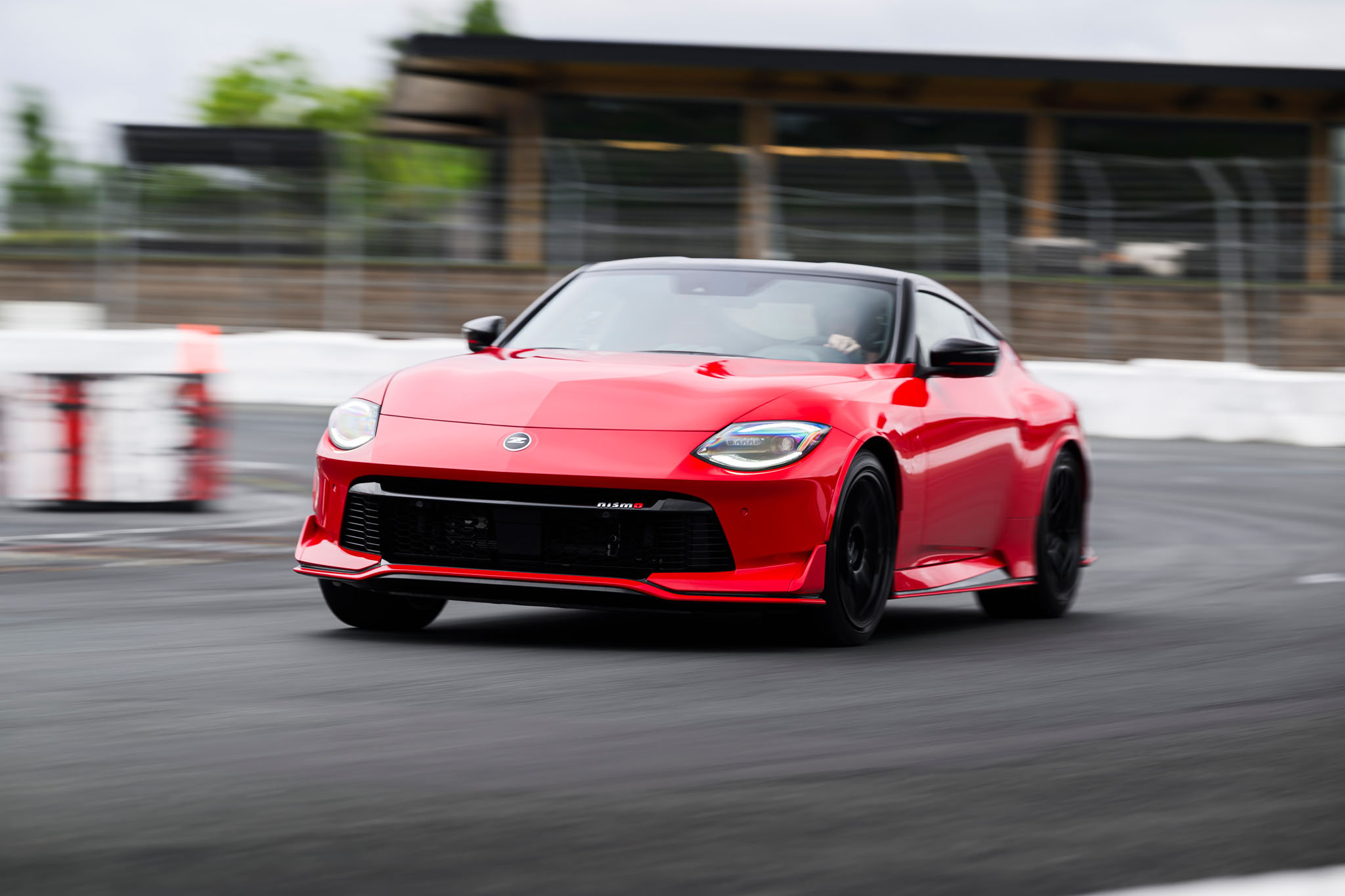
The 2027 Z Nismo is a meaningful update to a car that was already good. The outgoing Nismo, which we reviewed back in 2023, was a legitimate sports car with a significant asterisk: no manual transmission. Nissan’s own rep told us at the time that a three-pedaled Nismo was “not off the table” if customer demand called for it. Demand called. Nissan answered.
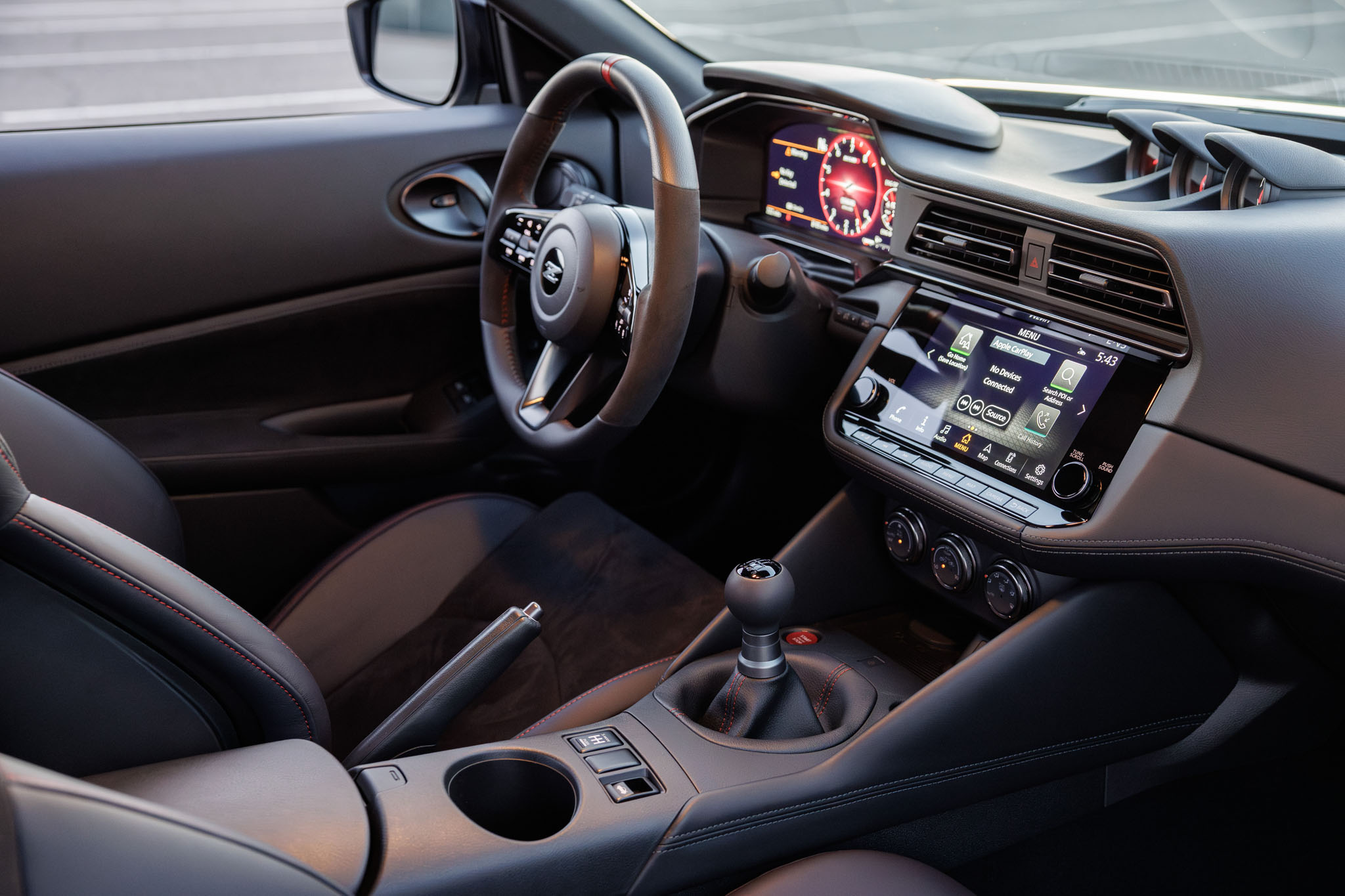
The headlining change is the addition of a six-speed manual transmission tuned specifically for the Nismo grade. The clutch is upgraded over what you’ll find in the Sport and Performance trims. The shifter is notchier with a shorter throw. And the engine’s throttle and ignition timing have been retuned for manual-specific driving.
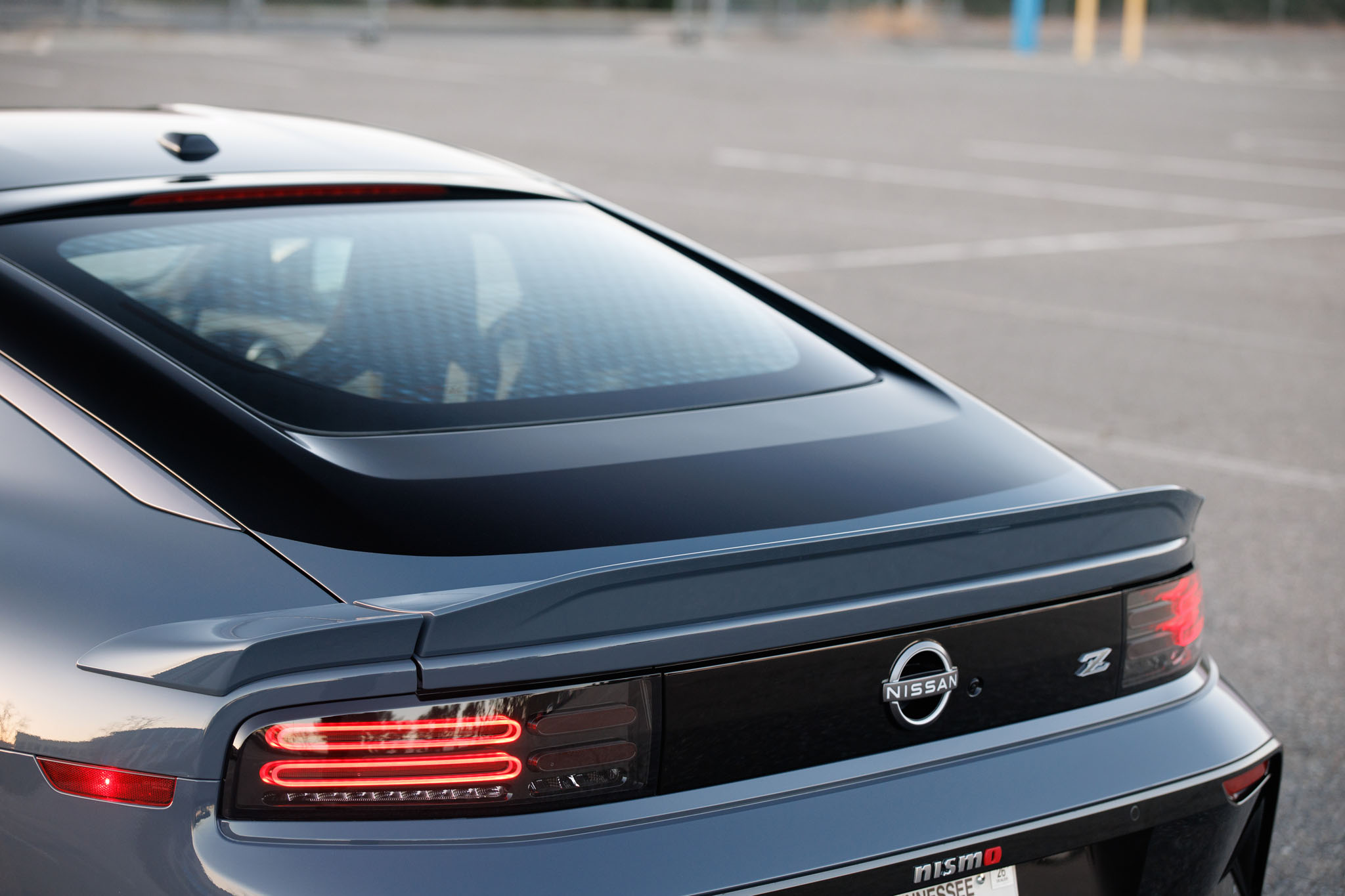
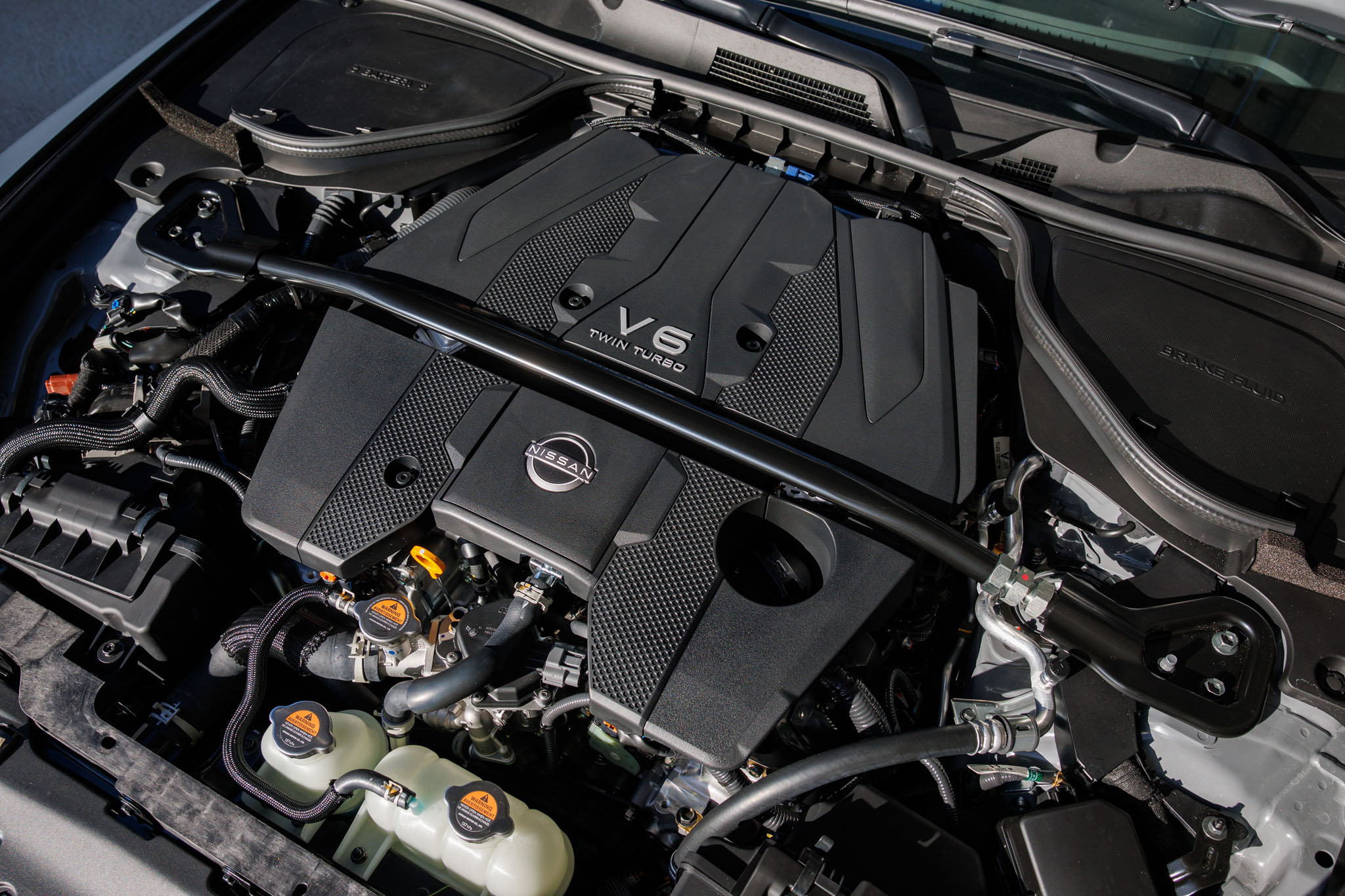
The drivetrain remains the same: A VR30DDTT 3.0L V6 Twin Turbo making 420 horsepower and 384lb-ft of torque in Nismo trim. This means the Z is now available with a nine-speed automatic or a six-speed manual transmission. So, what’s there to complain about now, huh?
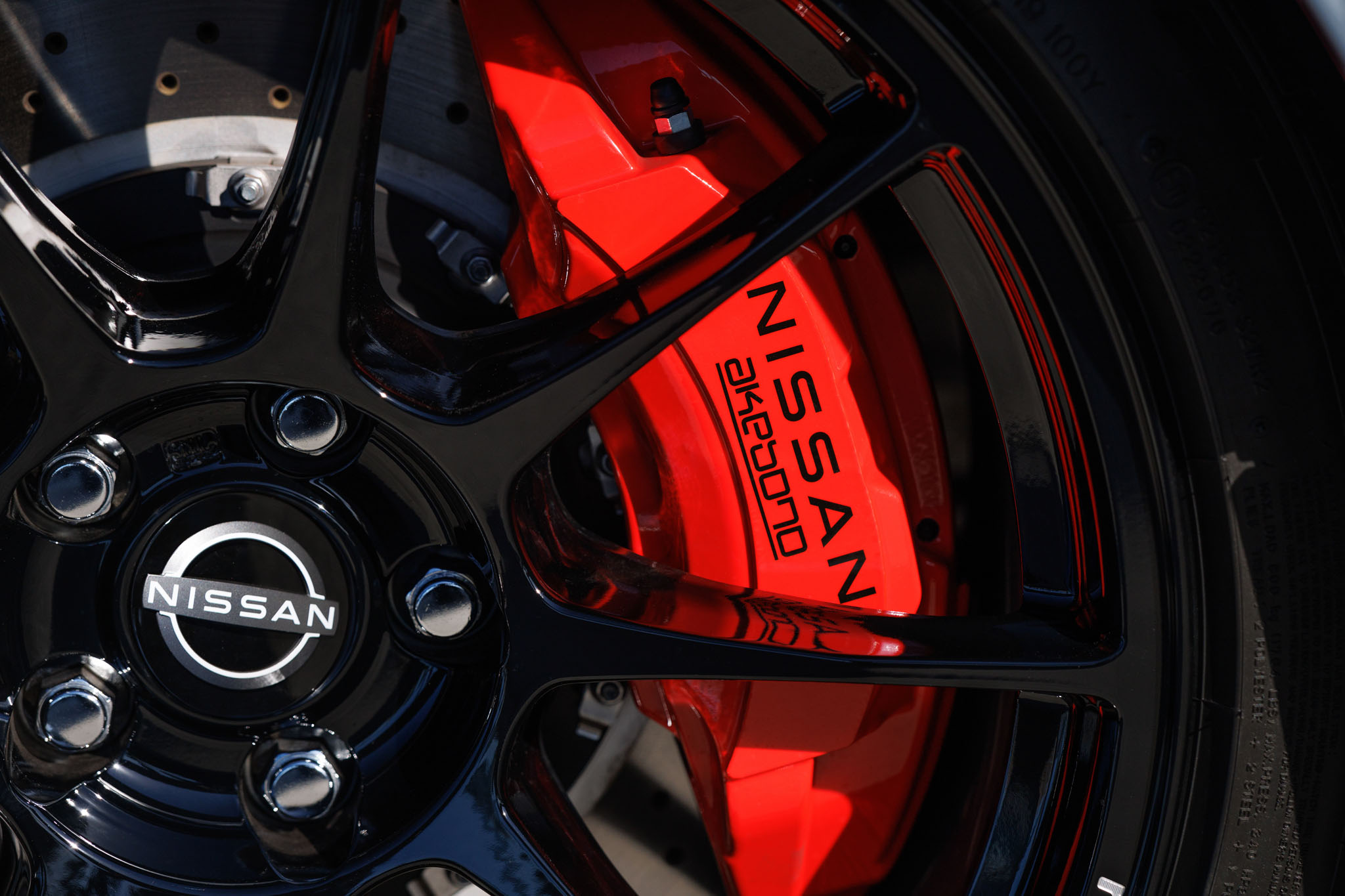
The rest of the Nismo’s enhancements carry over and improve on the previous generation’s formula. The front brakes are now two-piece iron-aluminum rotors derived directly from the GT-R, measuring a substantial 15 inches and featuring dramatically improved cooling channels. They shed 19 pounds of unsprung weight in the process, which prompted Nissan to retune the suspension to account for the lighter front end. The steering rack also received attention, with hardware and software tweaks. On paper, these are incremental improvements. Behind the wheel at Sonoma, they add up to something that feels more purposeful than the car it replaces.
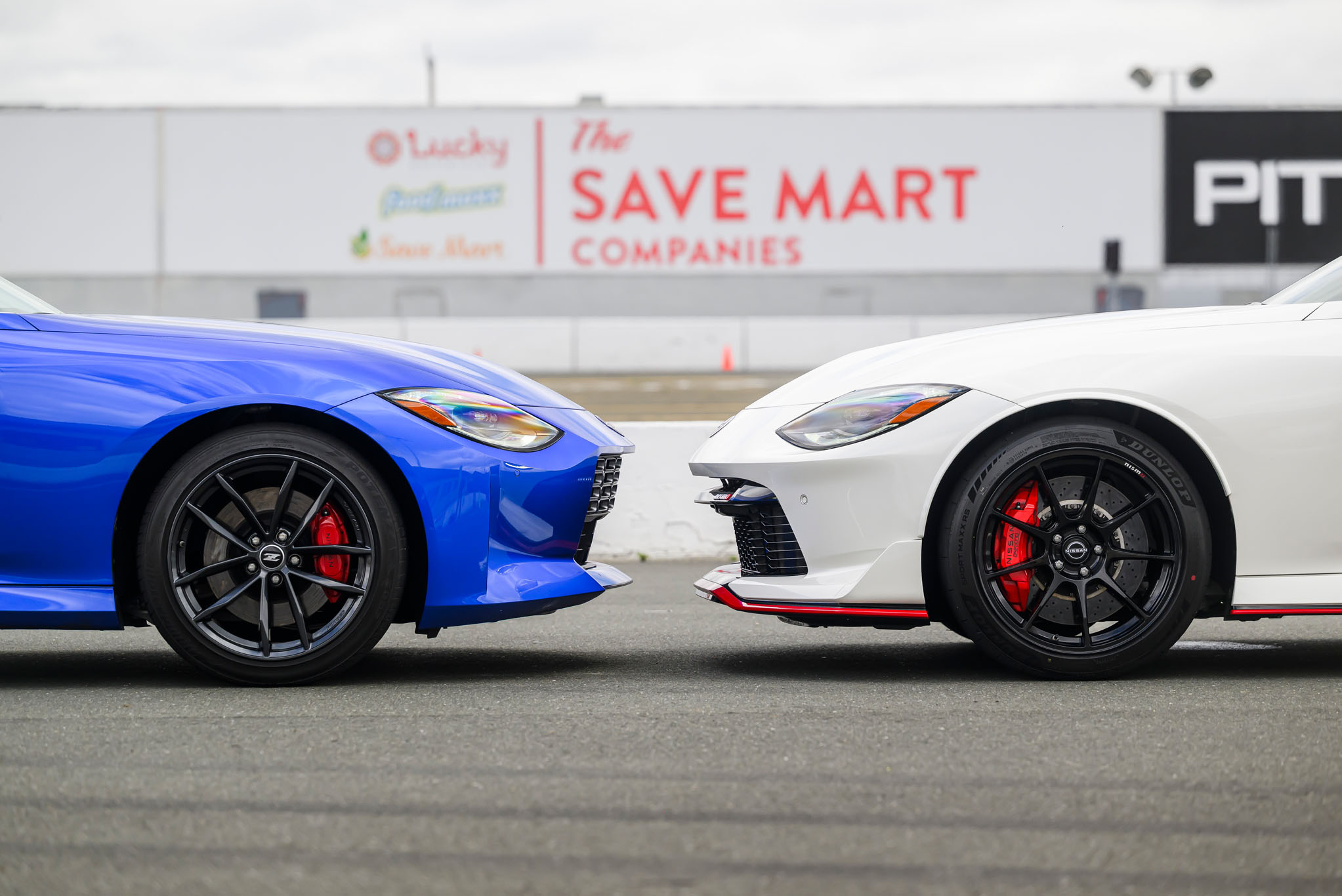
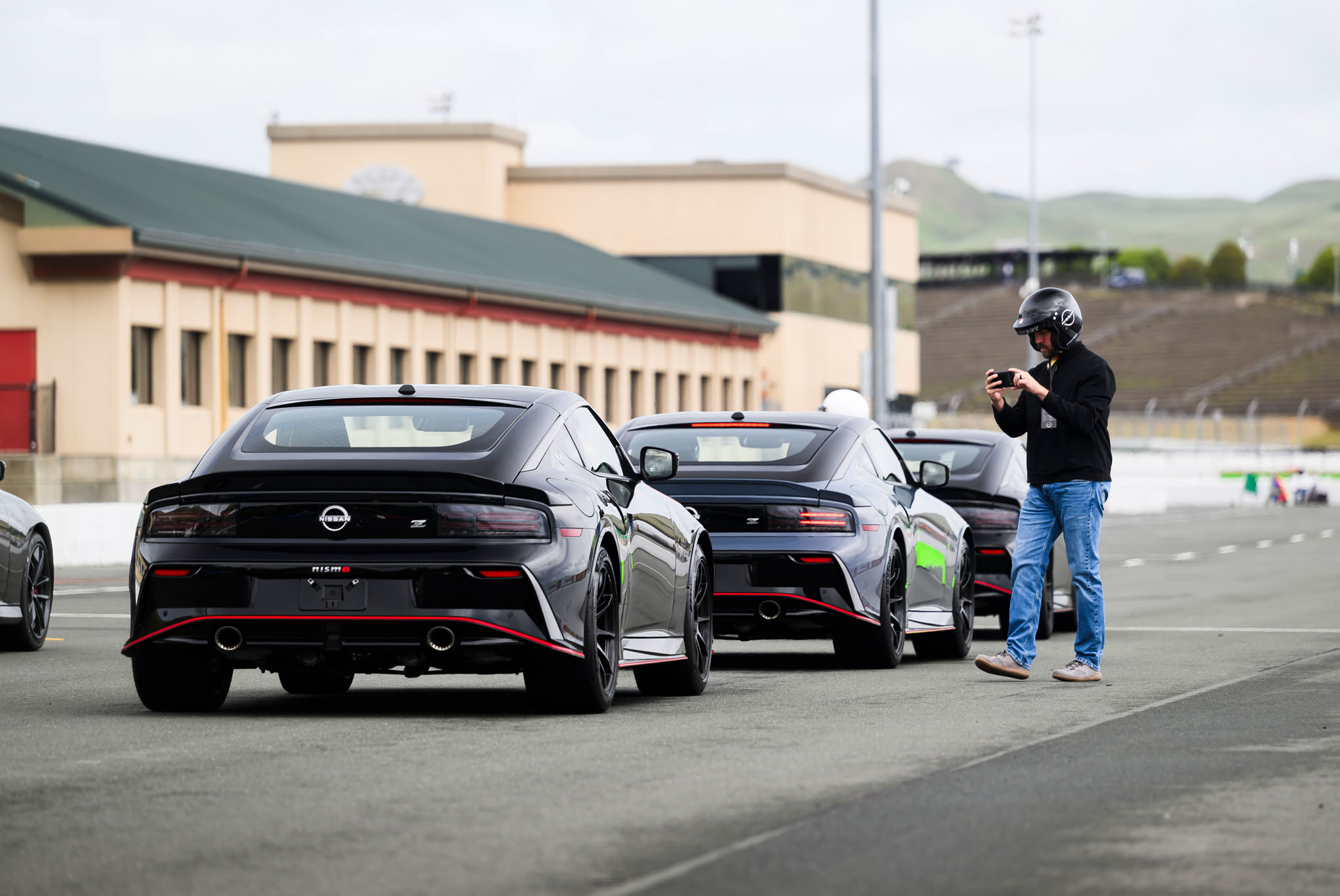
Nissan had us drive the standard 2026 Z Performance before handing over the keys to the Nismo manual, which turned out to be a smart move. The back-to-back comparison made the Nismo’s character immediately legible. It wasn’t night and day—the underlying Z architecture is good enough that even the base car feels capable—but the Nismo felt planted in a way the Performance trim doesn’t quite manage. Everything tightened up by a couple of notches: the steering, the chassis, the way the car committed to a line. I’d describe it as track-focused rather than competition-ready. This isn’t a GT3 fighter. It’s a driver’s car that respects the driver enough to be honest about what it is.
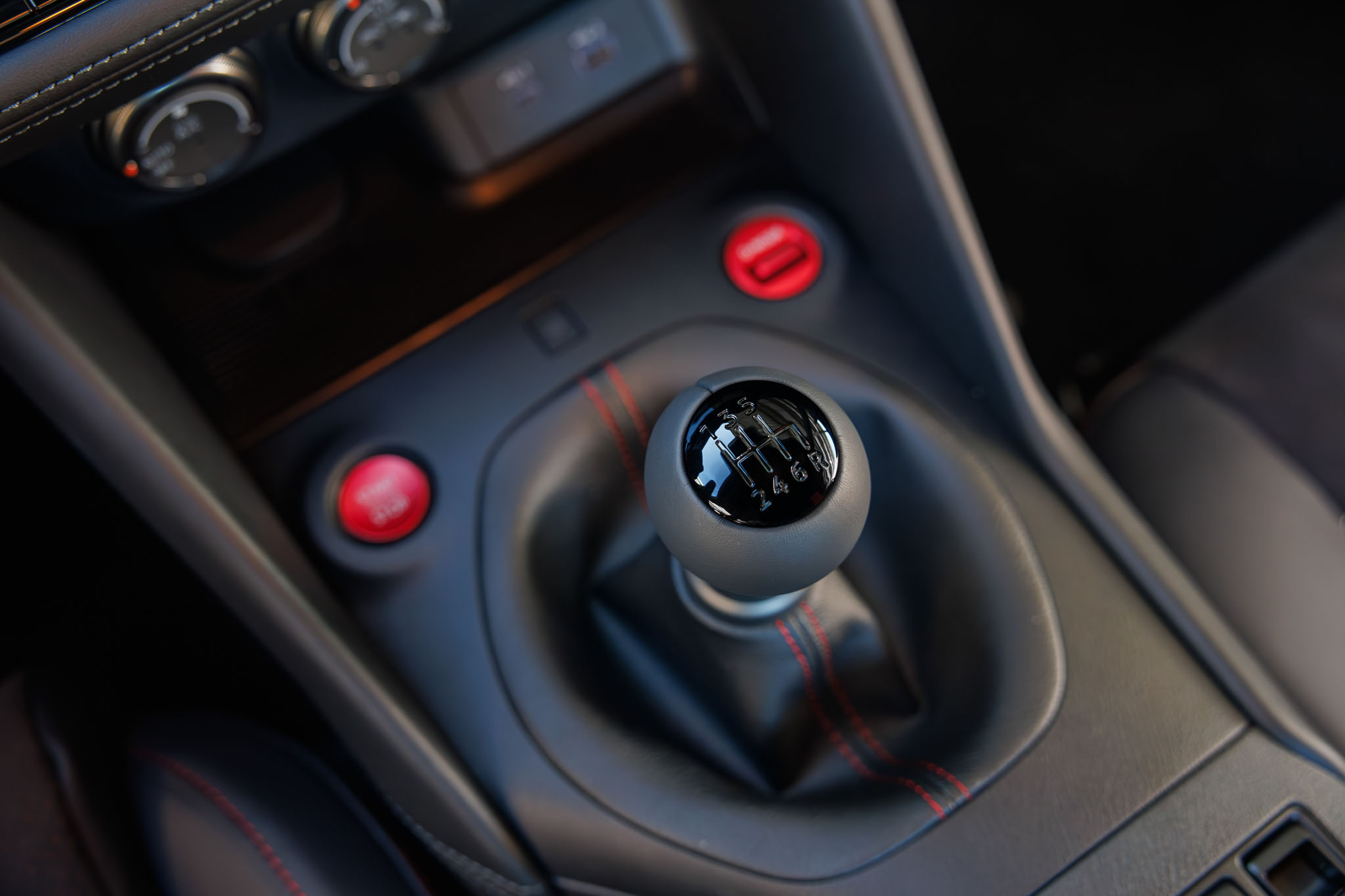
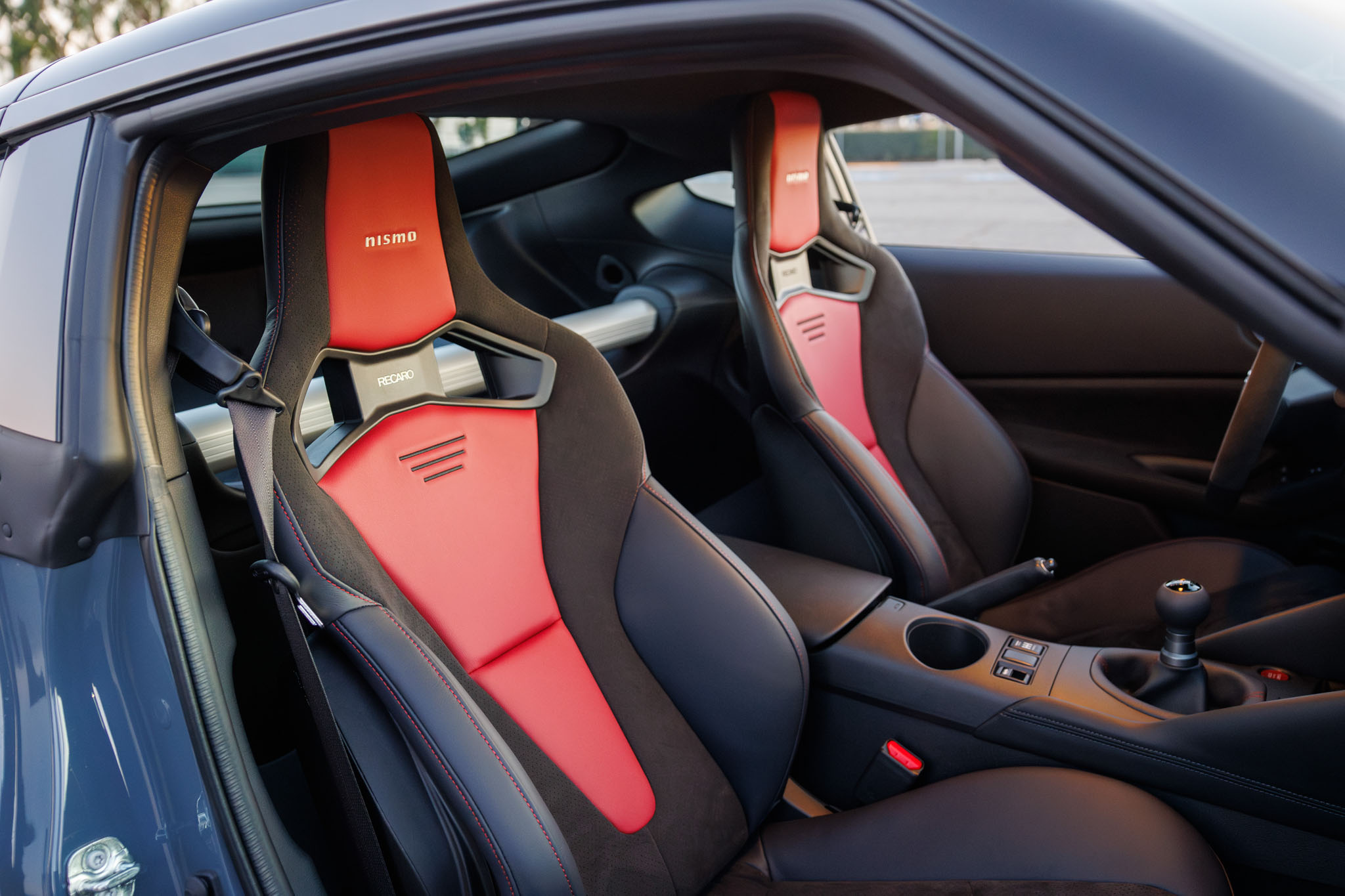
The three main touchpoints inside—steering wheel, shifter, and seats—reinforce that character immediately. The Nismo-exclusive Recaro buckets are properly supportive without being punishing, upholstered in leather and Alcantara that looks the part. The steering wheel wears the same Alcantara treatment, which gives it a firmer, more connected feel in your hands. And the shifter with its shorter, more mechanical throw is exactly what it needs to be. Not a showpiece, not a talking point, just optimal.
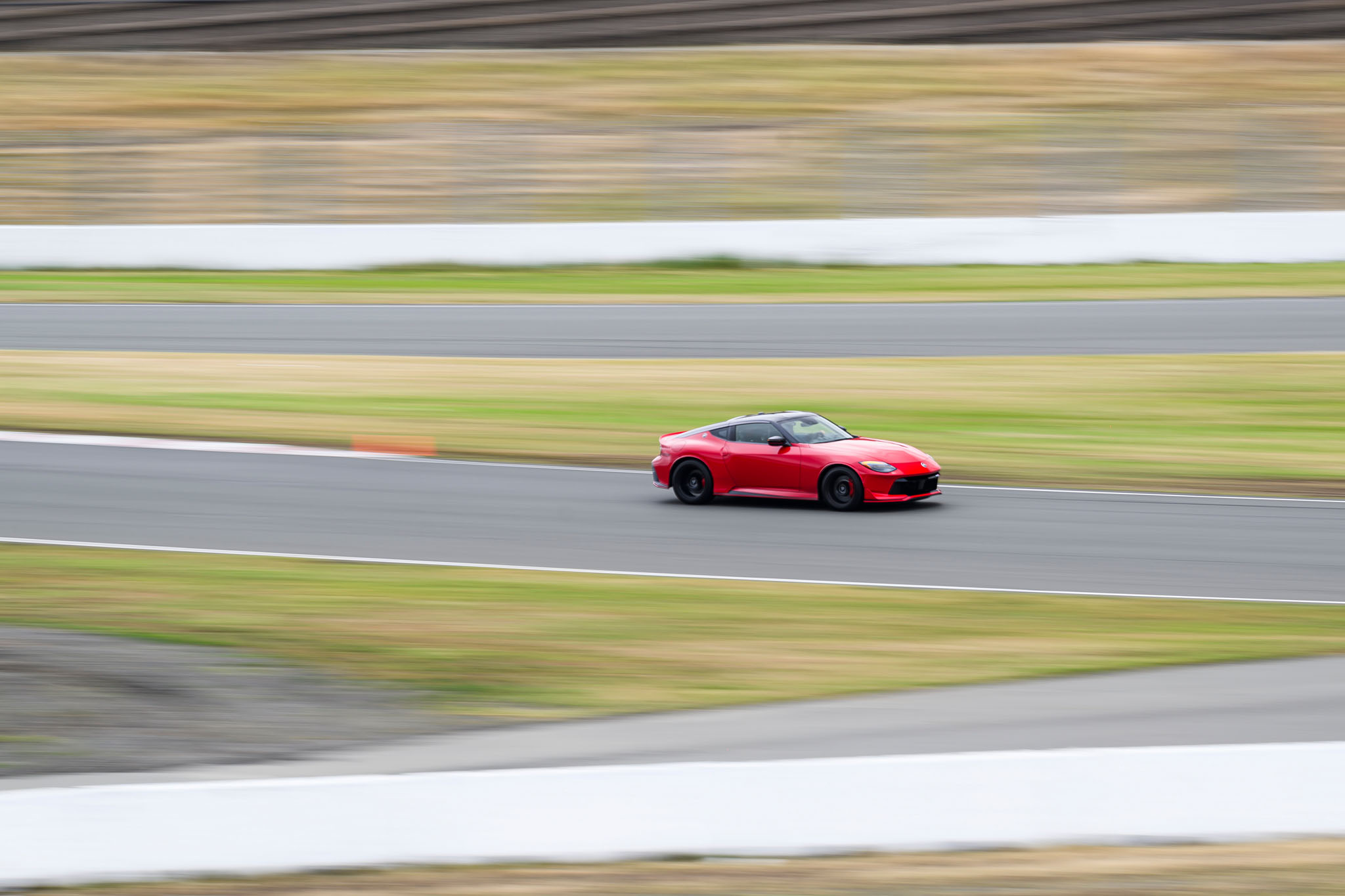
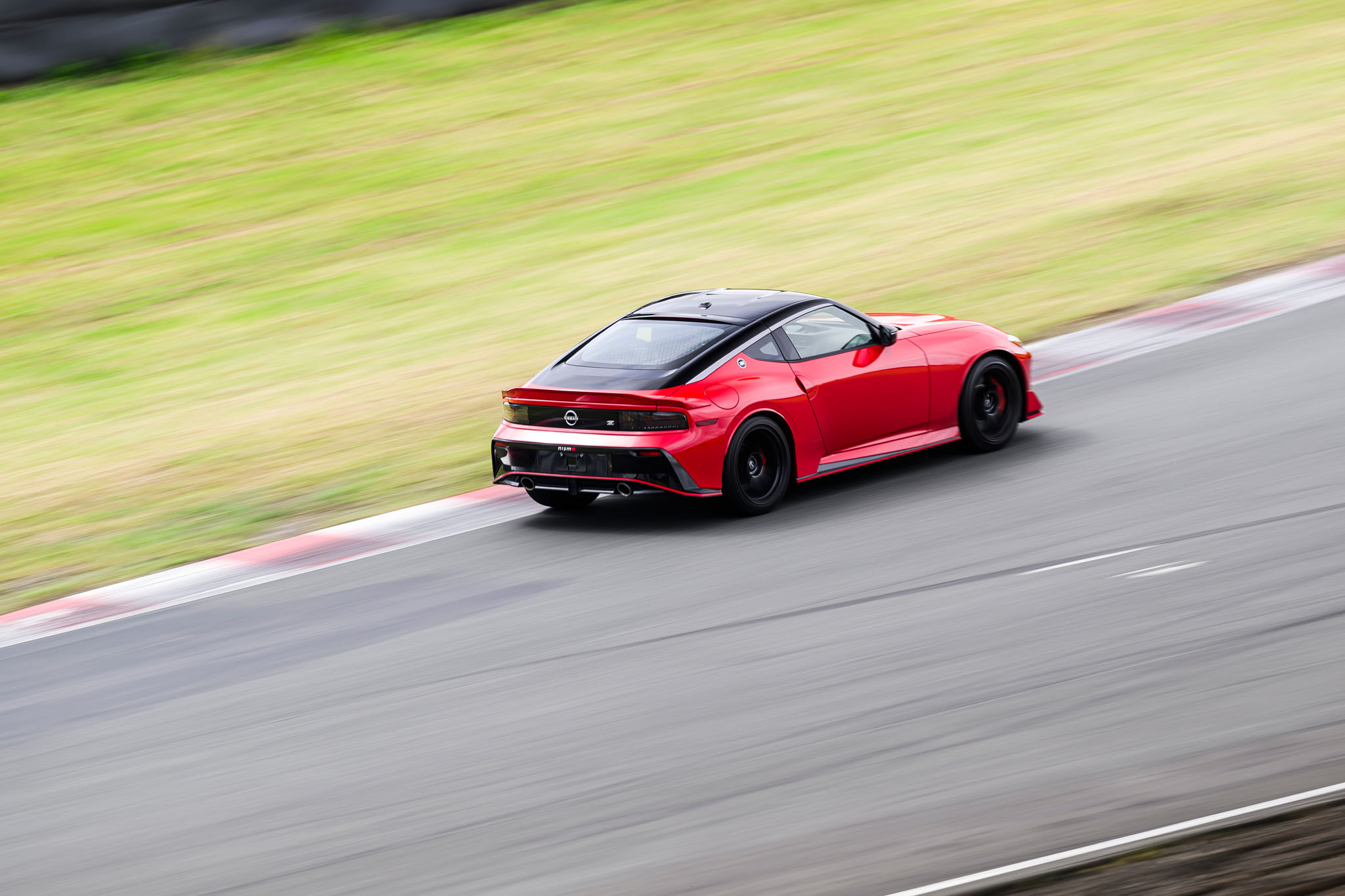
The boost on the twin-turbo 3.0-liter V6 hits hard. That’s not news for anyone familiar with the current Z, but the manual transmission makes you acutely aware of it in a way the automatic insulates you from. Coming out of the carousel at Turn 6 or the double apex at Turn 7, there were moments where the rear end reminded me, firmly, that I was driving a front-engine rear-wheel-drive car with 420 hp and a wet track beneath me. Exiting the hairpin at Turn 11, the car got properly squirrelly under hard acceleration on standing water. I backed off. This kind of spiky, low-end torque rewards smoothness and punishes sloppiness.
While I couldn’t stress-test the GT-R-derived brake rotors through repeated hard use, I can tell you that the bite from the calipers was strong and progressive. Nissan’s testing team says the improved cooling from the two-piece rotor resulted in temperatures running 100 degrees cooler after 10 laps. On top of shedding nearly 20 pounds of unsprung weight in the process, I’d say these rotors are more than just an incremental upgrade.
Then there’s SynchroRev Match—Nissan’s automatic rev-matching system, standard on the six-speed Nismo, and a feature that’s been part of the Z family since the 370Z days. On a wet track where my full attention was already spoken for, SynchroRev Match earned its keep on every downshift. Perfect heel-toe execution, every single time, without a thought. Purists can opt out with the press of a button. However, the car is engaging enough everywhere else that one perfectly executed downshift after another doesn’t feel like cheating. It feels like a superpower. And who doesn’t want a superpower?
The analog argument is worth making explicitly, because it’s one of the things I appreciate most about this car in the context of 2026. Critics have noted that, since the current-generation Z arrived, it’s essentially an updated 370Z rather than a ground-up reinvention. It’s true that the layout is nearly identical, but if it ain’t broken, don’t fix it. In the context of modern cars being tech-heavy and buggy as a result, the Z feels like a finished car. It’s a proper two-seat, rear-wheel-drive sports coupe with the correct gearbox and a punchy engine. Its intentions are worn plainly is typical Z fashion.
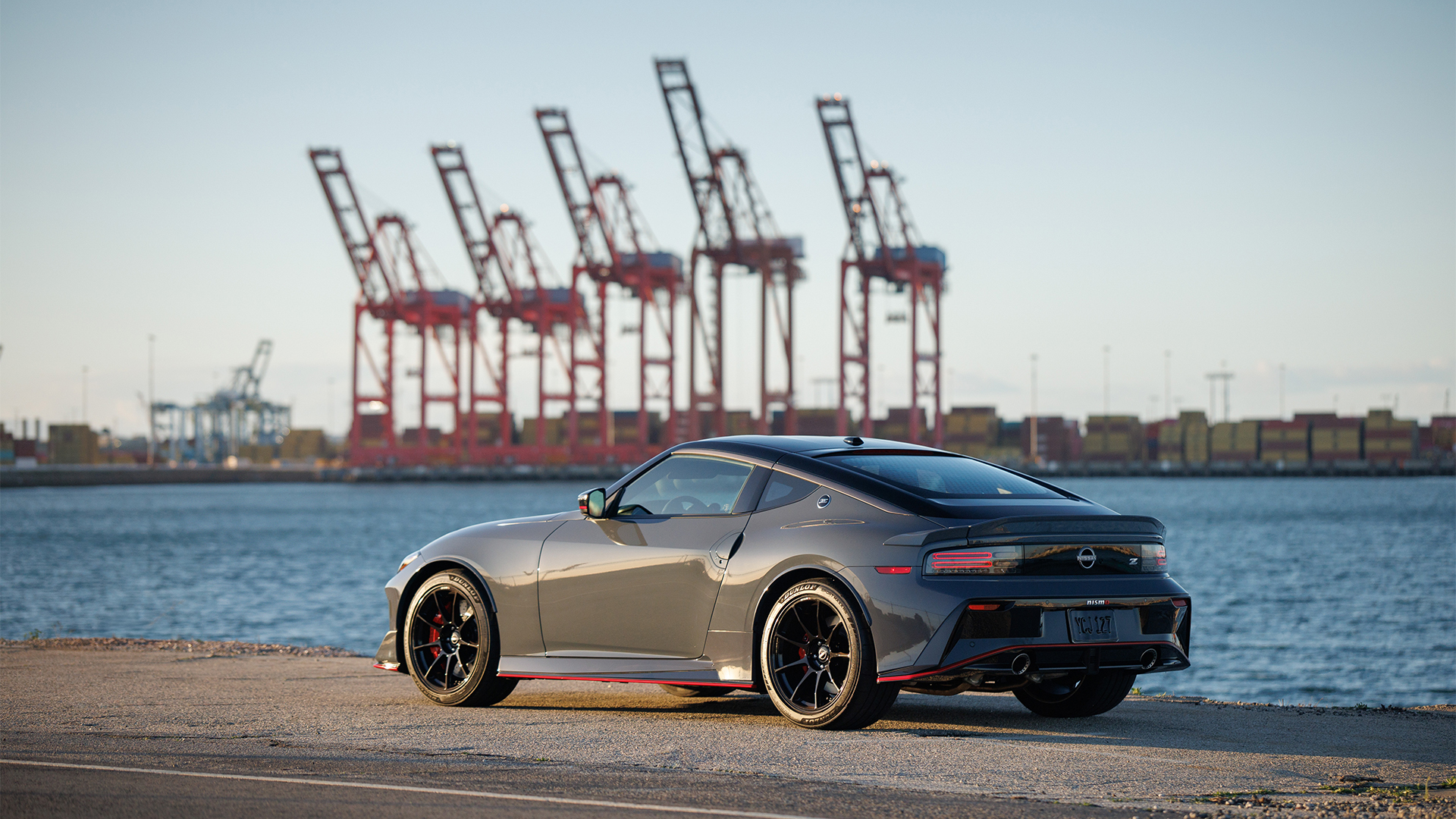
Pricing for the 2027 Z Nismo hasn’t been announced yet. Nissan says figures will come closer to the car’s summer launch. The previous outgoing Nismo starts at about $66,000, which our 2023 Nismo review rightly noted was a tough sell against the Ford Mustang Dark Horse and BMW M2. The manual’s arrival addresses the biggest complaint, but whether the price adjusts meaningfully remains to be seen. When the numbers land, that will determine whether this car is a no-brainer for Z faithful or a tough conversation.
There are things I can’t fully evaluate from one wet session at Sonoma, like the powertrain at the absolute limit on a dry track or long-haul highway manners. What I can tell you is that Nissan didn’t simply roll its eyes at the call to give the Nismo Z a manual. Instead, it answered the call with a mischievous grin and a quiet “We know.”
Nissan provided The Drive with travel and accommodations, along with the use of a vehicle for the purpose of writing this review.
2027 Nissan Nismo Z Manual Specs
| 2027 Nissan Z Nismo Manual Specs | |
|---|---|
| Base Price | TBD |
| Powertrain | 3.0-liter twin-turbo V6 | 9-speed automatic | rear-wheel drive |
| Horsepower | 420 @ 6,400 rpm |
| Torque | 384 lb-ft @ 2,000 – 5,200 rpm |
| Curb Weight | 3,624 pounds |
| Seating Capacity | 2 |
| Cargo Volume | TBD |
| 0-60 mph | TBD |
| EPA Fuel Economy | TBD |
| Quick Take | More than just a manual swap—retuned brakes, steering, and a NISMO-specific shifter make this the Z purists have been waiting for. |
| Score | 8/10 |

Quick Take
More than just a manual swap—retuned brakes, steering, and a NISMO-specific shifter make this the Z purists have been waiting for.
Loading comments…
Comments couldn’t be loaded. Please refresh the page.