
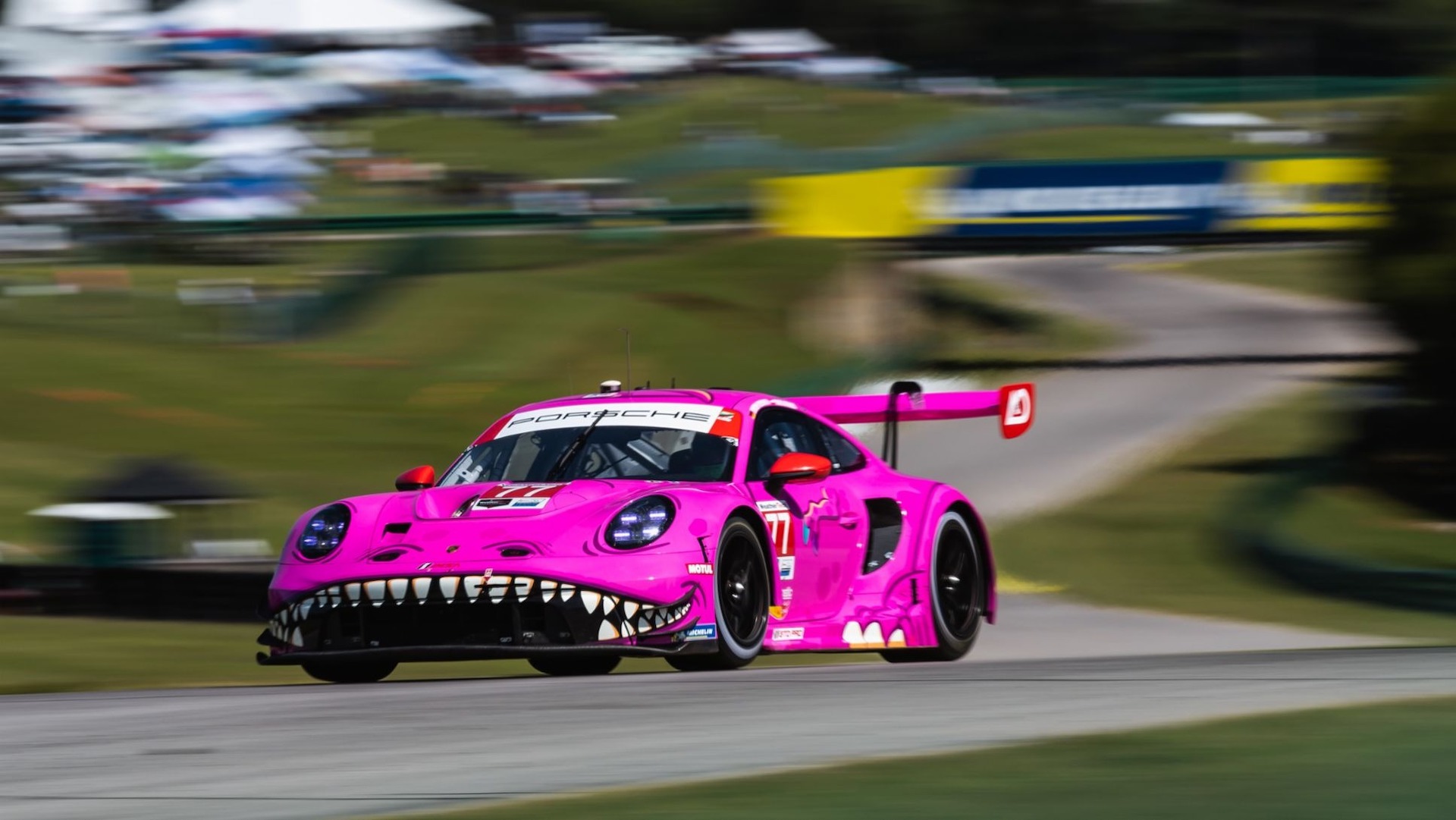
Many racetracks have succumbed to high real-estate prices in recent years, their sweeping turns or steep banking replaced by subdivisions or warehouses. At least for now, Virginia International Raceway won’t be one of them.
Since VIR reopened in 2000, owners have controlled the track and facilities, but not the land they sit on. It was operated on a 100-year lease with the property owners, the Foote family. Last month, VIR announced that it had “acquired full ownership of the land it operates on.” That gives the VIR team total control of the track’s future, while also creating more flexibility for growth.
“VIR can now live on in perpetuity,” Connie Nyholm, CEO and co-owner of the track, said in a statement. “Now that everything is really ours, we are excited to chart VIR’s future.”

Opened in 1957, VIR hosted sports car races with big names like Carroll Shelby and Hurley Haywood before closing in 1974. The track reverted to farmland until 1998, when Nyholm and co-investor Harvey Siegel arranged the lease. They oversaw the reopening of the track in 2000. Siegel retired from co-ownership in 2013, with Mark and Tara Rein buying in as new co-owners with Nyholm in 2020.
In its reincarnated form, VIR features five configurations ranging from the 1.1-mile Patriot Course to the 4.2-mile Grand Course. VIR continues to host professional racing, albeit only on a limited basis. At the time of publication, the sole pro event slated for 2026 is an IMSA GT race on the weekend of August 21.
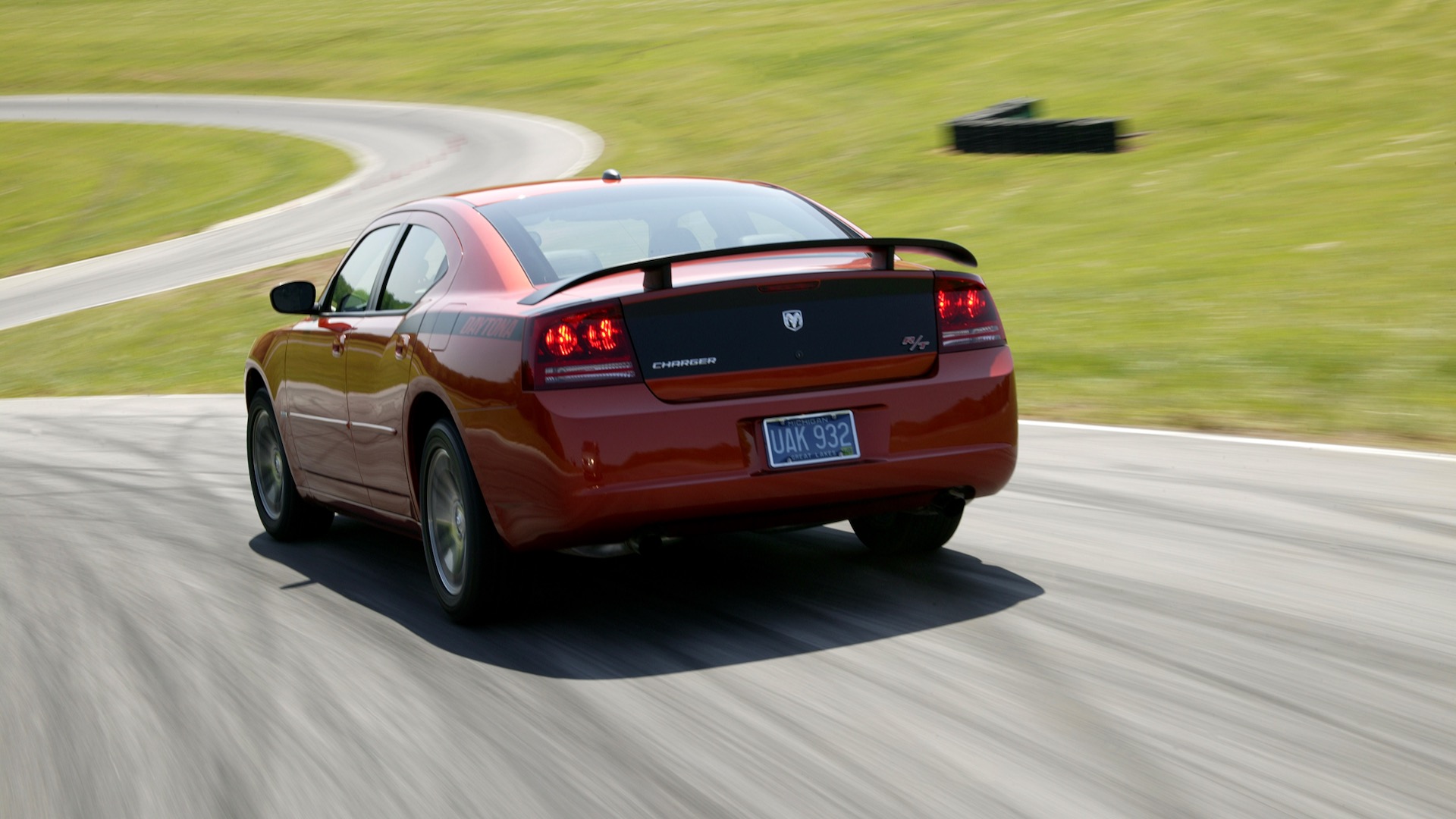
However, VIR’s fast-and-challenging setup makes it a popular destination for manufacturer record attempts and track days. Helping to facilitate the latter, current ownership was worked to build up amenities, including a number of trackside villas. The lease arrangement was holding this back, Nyholm said in the release. Acquiring the land gives ownership more freedom to expand VIR, helping to bring in more revenue and further insulate it from the problems that have plagued other tracks.
Getting a new track started is hard enough, but even venerable facilities have faced the bulldozer in recent years. California’s Irwindale Speedway was sold to a developer in 2022 and demolition began earlier this year. The owner of Michigan’s Grattan Raceway has been looking to sell the property for at least two years, asking an ambitious $15 million the last time we checked in.
Loading comments…
Comments couldn’t be loaded. Please refresh the page.