
If you’re any kind of car geek, you have a wild gift car fantasy. You meet a bitter divorcee who gives away an ex’s prized machine out of pure spite; or maybe the guy whose tire you stopped to change turns out to be a flip-flop billionaire who rewards you with your exact spec because it’s simply collecting dust that week, and hey, you stopped; your humanity’s worth a Dodge Viper to a guy who can afford to run a bidet on day-old moon water, or something.
OK, that one might be mine.
As plausible as we’d like these scenarios to be, they just don’t happen that often. The first pop-culture example to spring to mind—John Cusack’s Rob Gordon scoring a vinyl collection from a jilted ex in “High Fidelity”—ended up on the cutting room floor, and in a movie where the same character comically fantasizes about his colleagues beating a phenomenally douchey Tim Robbins with an air conditioner (Go ahead; we both know you want to click that).
Fear not; nobody gets bludgeoned in this story, but it’s pretty wild nonetheless. It’ll help if you know the name Kevin Mitnick. He was a hacker-turned-security consultant who, later in life, helped shape the modern white-hat. Just how prototypical was Mitnick? He put himself on the proverbial map in 1979 by dialing into a software company’s server and copying its forthcoming operating system release in its entirety. Imagine convincing a Microsoft server to cough over an early copy of Windows 12 using little more than a phone number.
Some online criticism implies that Mitnick was more of a social engineer than a “hacker” in the sense that we distinguish them today, but the reality is that a great deal of “hacking” is still dependent on an authorized user making a mistake—usually by revealing sensitive login data. For a reasonably realistic take on modern black-hatting, I recommend Mr. Robot; be warned, that series is heavy.
So, how do we get from old-school hacker to wild gift-car fantasy? In this case, by way of 14 counts of felony wire fraud. That’s where Shawn Nunley comes in.
Back in the ’90s, Nunley worked for Novell, a now-defunct brand that produced enterprise software—server operating systems, messaging systems, that sort of thing. GroupWise is probably its best-known brand among the general public today, but the juicy target back then was NetWare, which was the backbone of many a corporate/government/academic network. Naturally, this made it a valuable target for a hacker like Mitnick.

“Back in the 90s, Kevin was trying very hard to hack into Novell’s network,” Nunley wrote. “I was a network administrator. Of course, we had no idea it was Kevin, but things were happening that made it fairly obvious we had a persistent threat. Phones ringing sequentially throughout the building (war dialing) and all sorts of other signs… we knew something was up.”
This was Mitnick, using a slightly more sophisticated version of the same tactic that earned him his first big score in 1979.
“Late one night at home, I got a phone call from a Novell employee named Gabe Nault,” Nunley wrote. “The ’employee’ wanted direct inbound dial access. Since I was responsible for the entire network’s inbound connectivity, I knew this type of request was abnormal and against policy.”
And Mitnick, no amateur, had obviously succeeded in extracting at least some private information from Novell employees prior to his Hail Mary phone call:
“…this guy had a story about working on a top-secret project called Snowbird (real) and needing to make some emergency code changes, but he was on vacation in Vail at a hotel,” Nunley continued. “He needed the coveted, policy-breaking, direct inbound modem access. Right. He even mentioned his vacation in Vail, which conveniently matched the greeting on Gabe Nault’s voicemail. But it all felt wrong.”
“With a feeling of suspicion creeping in, I played it cool,” Nunley wrote. “I said, ‘Hey man, I’d love to help you out, but I can’t do what you want from here at home anyway, so I’ll have to do it in the morning as soon as I get to the office. But in case I forget, please leave me a voicemail.’ He agreed, and that was that.”
“When I got to work, the voicemail was there, and I immediately recorded it onto a cassette recorder for safekeeping,” he wrote. “That recording became the primary evidence in Kevin’s case.”
When Mitnick was caught, that’s when Nunley learned that the voicemail was the only meaningful evidence that the Justice Department had against him. At first, he was on board with the prosecution, but after five years of trial delays, Nunley grew weary of the way the law was treating his adversary, and he stopped working with the DOJ. Shortly thereafter, Mitnick took a plea deal and was released.
When he got out, Mitnick contacted Nunley to apologize. Their bury-the-hatchet moment was even immortalized by Wired, and they went on to become good friends.
Mitnick was barred from selling the story of his legal entanglements for seven years after his release, invoking legal precedent intended to curb profiteering by serial killers. But Mitnick was able to find plenty of work teaching people how to defend against the intrusion tactics he’d spent decades refining. He would go on to found two consulting businesses, one of which his family still owns and operates.
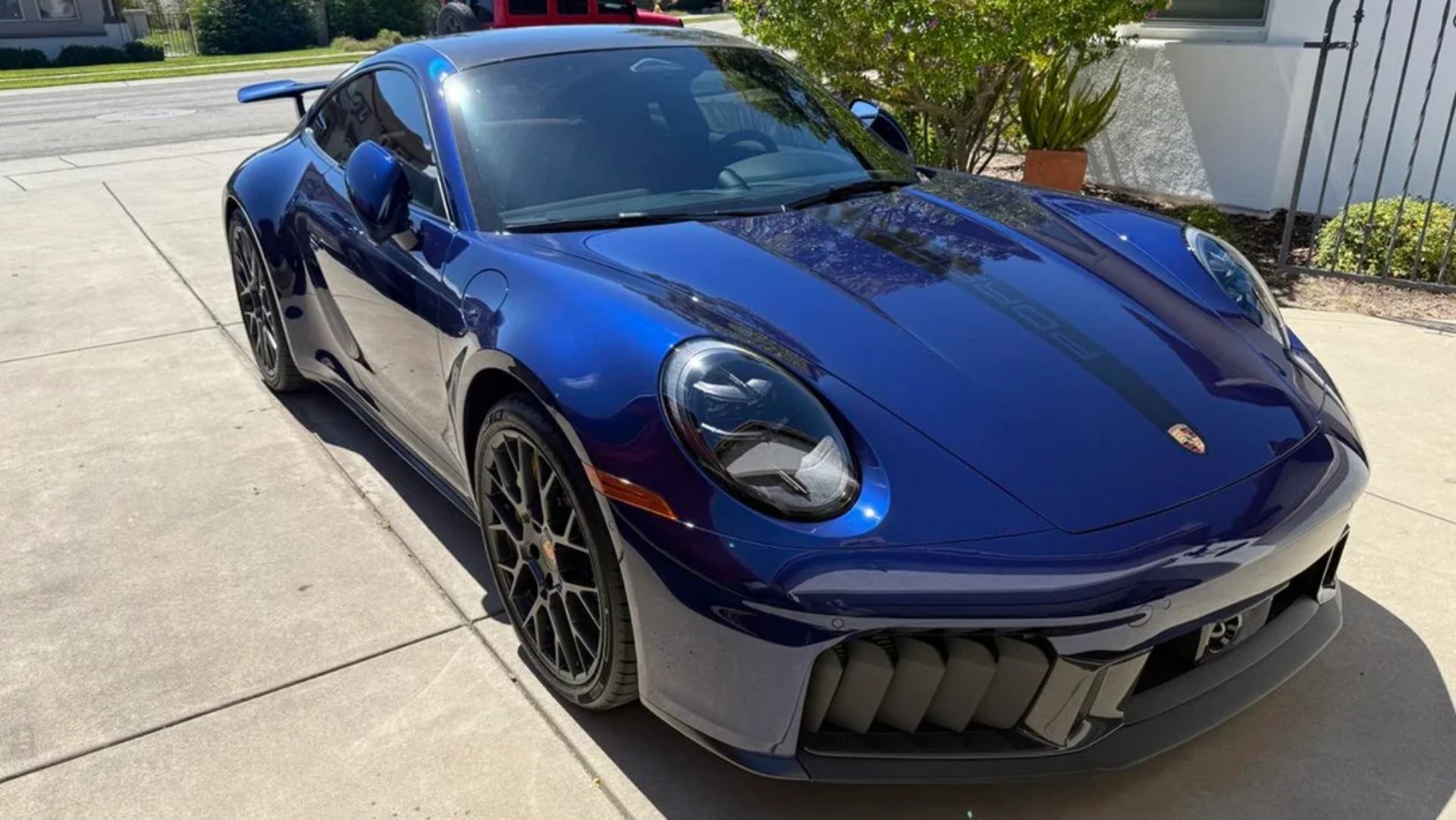
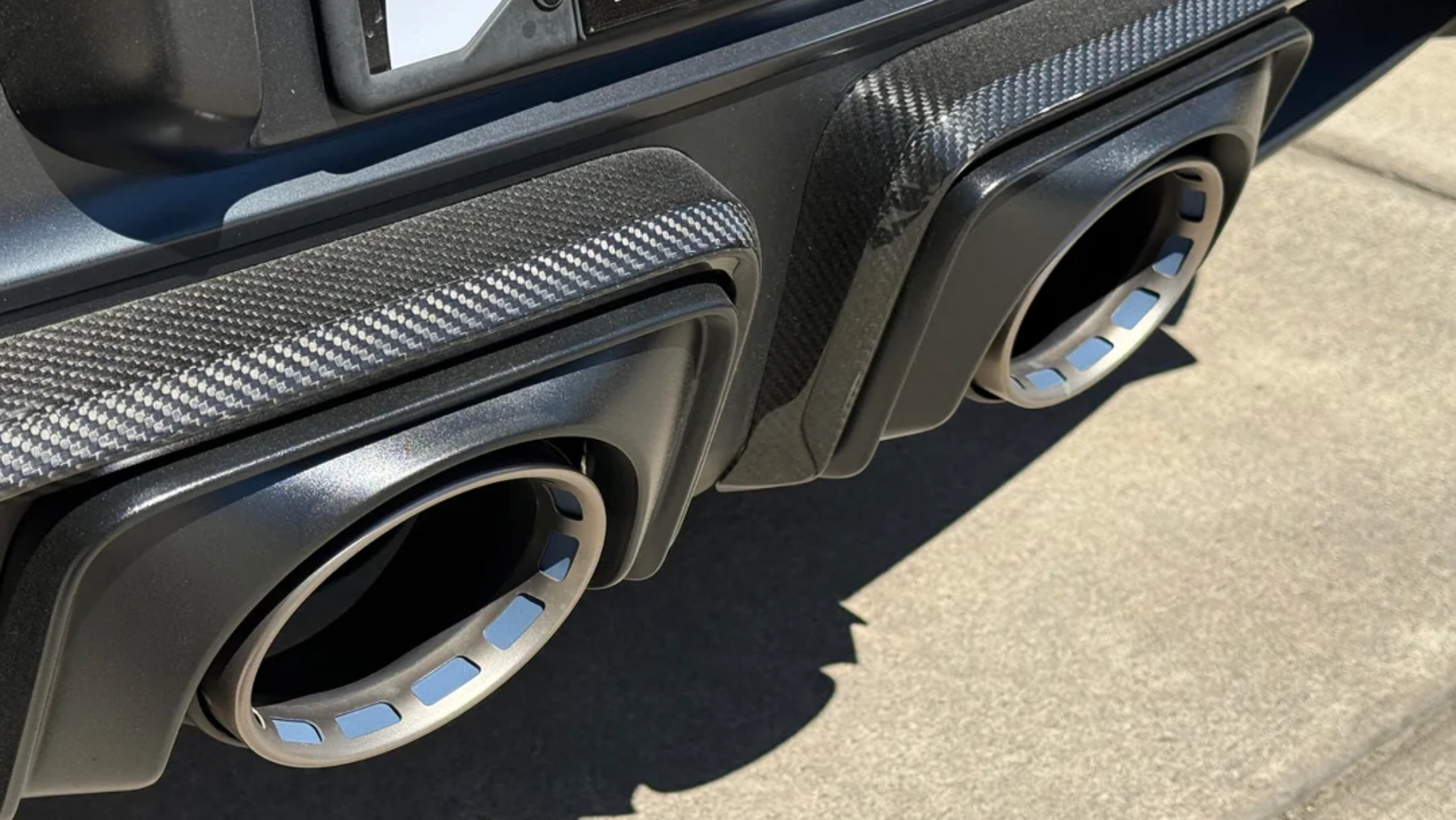
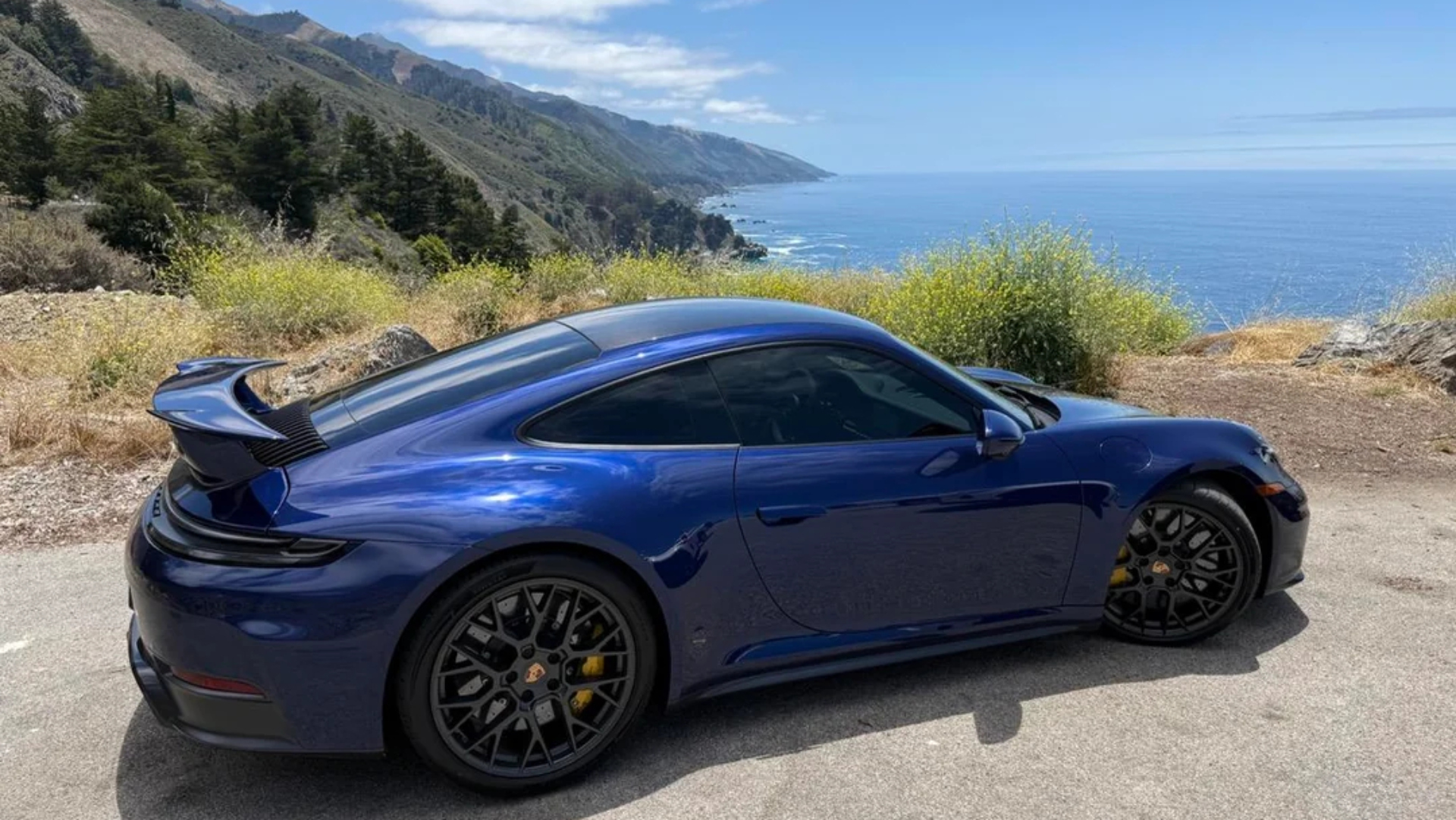
When Mitnick passed from pancreatic cancer in 2023, he left Nunley a gift—enough to buy his dream car, a 911 Carrera 4 GTS.
“I have had a wonderful time watching him develop into a real man,” Nunley said of his friend. “I am truly sad he is gone as he was a big part of my life for the last quarter century.”
With any luck, he’ll have his 911 for at least another quarter century, if not more.
h/t to Zerin! Got a news tip? Let us know at tips@thedrive.com!
Loading comments…
Comments couldn’t be loaded. Please refresh the page.