
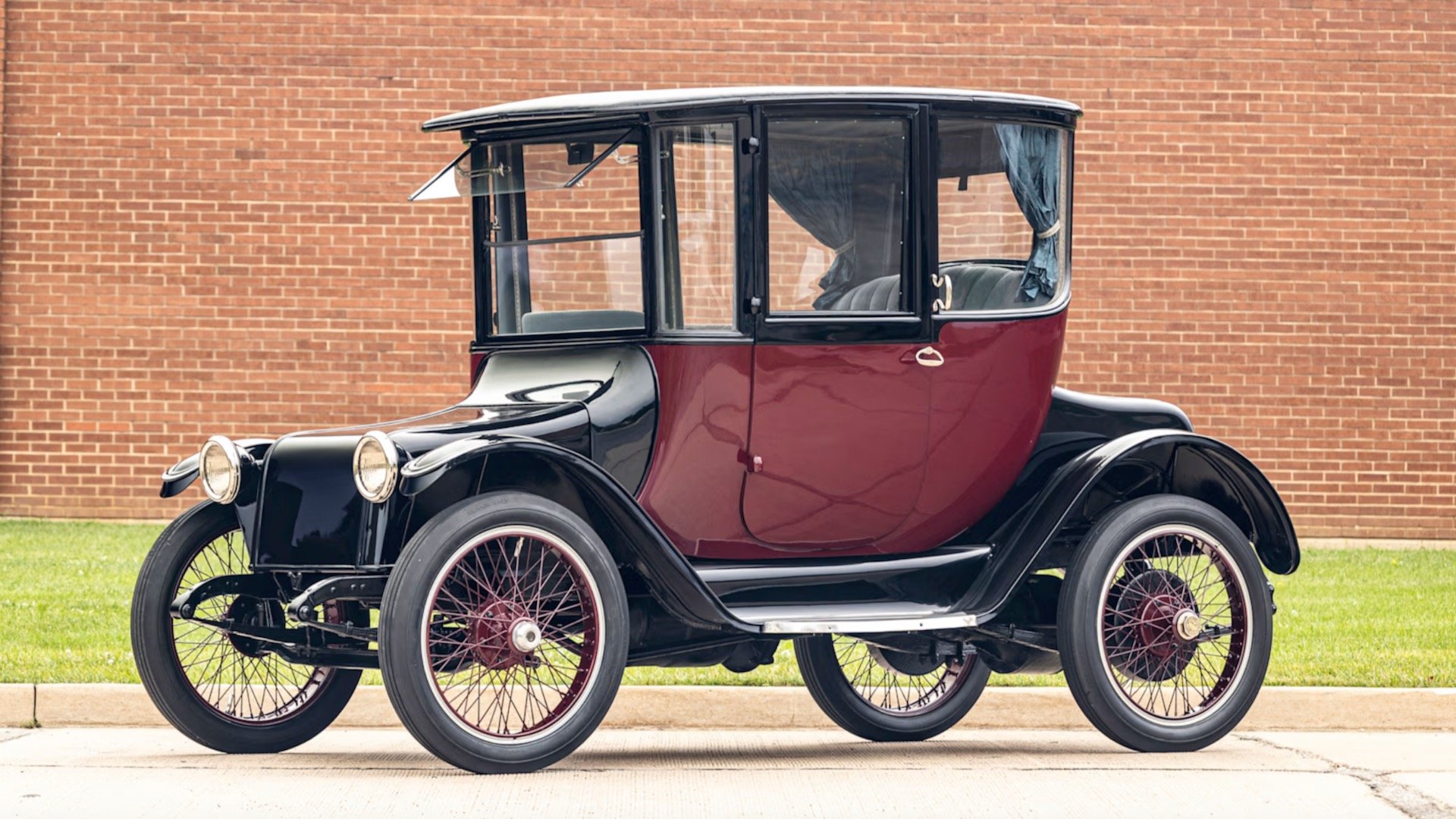
Electric cars present some challenges in a world built around internal combustion, and I’m not just talking about the lack of public charging stations or an auto industry that’s afraid of change. EVs have existed almost as long as the car itself, but while an engine can be rebuilt, there’s not much you can do with century-old batteries.
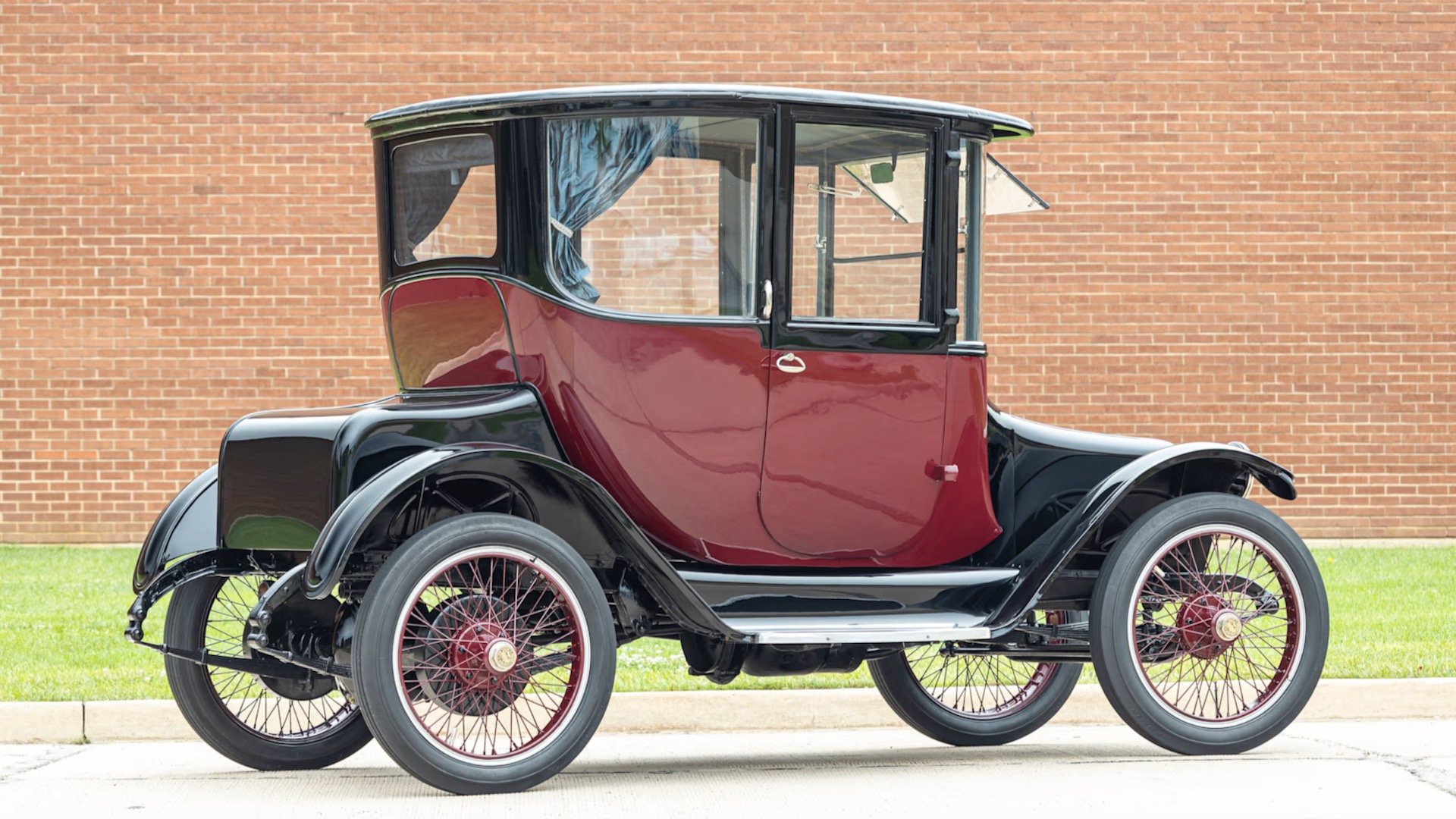
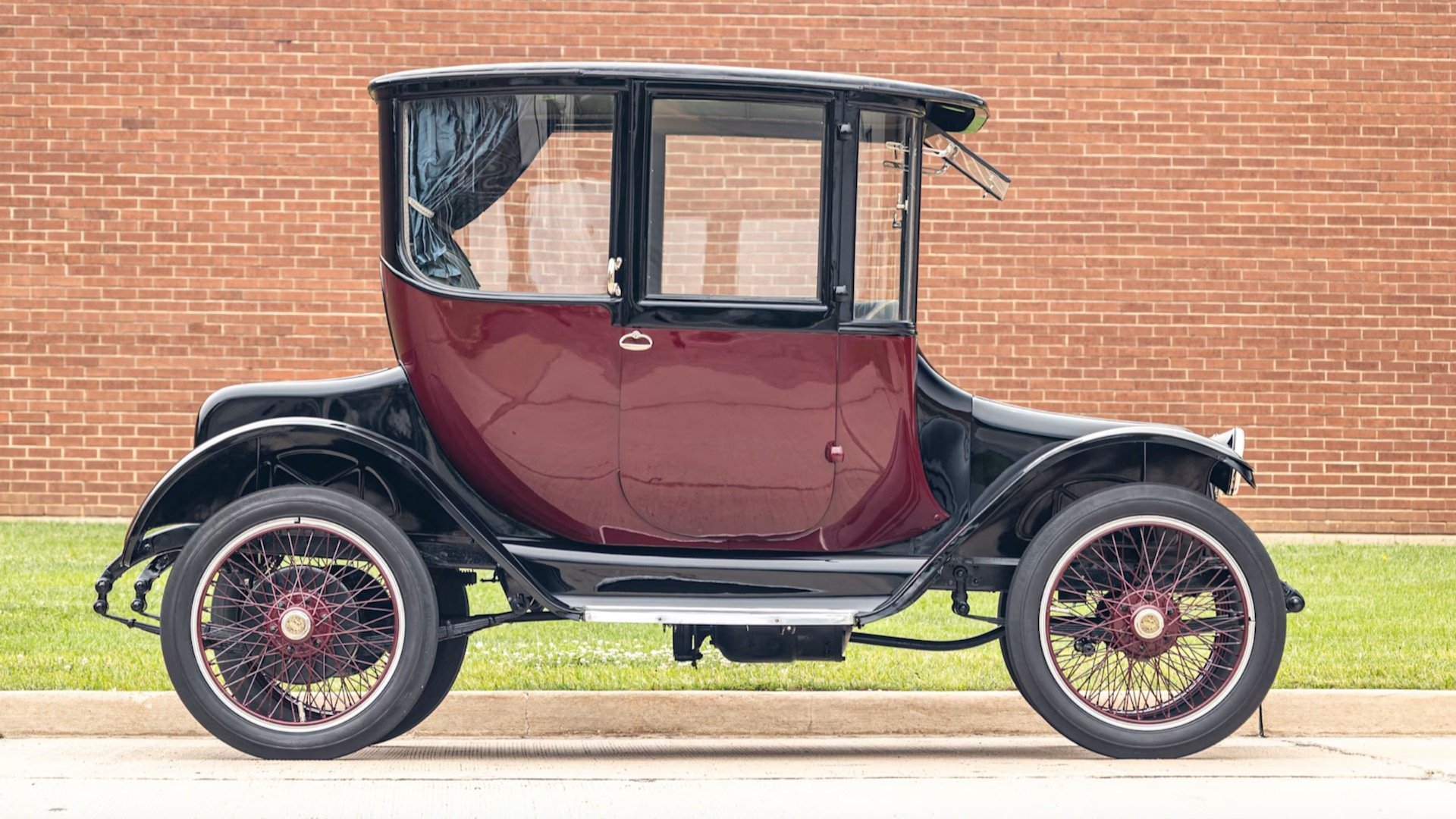
The owner of this 1918 Detroit Electric Model 75B Brougham coupe—one of the lots at Mecum’s 2026 Monterey Car Week auction—got around that by installing modern batteries as part of a full restoration. The listing says the restoration was done to “concours standards,” although given the obsession with originality in judging, it’s unclear how this car would fare on the concours circuit. But at least it actually works.
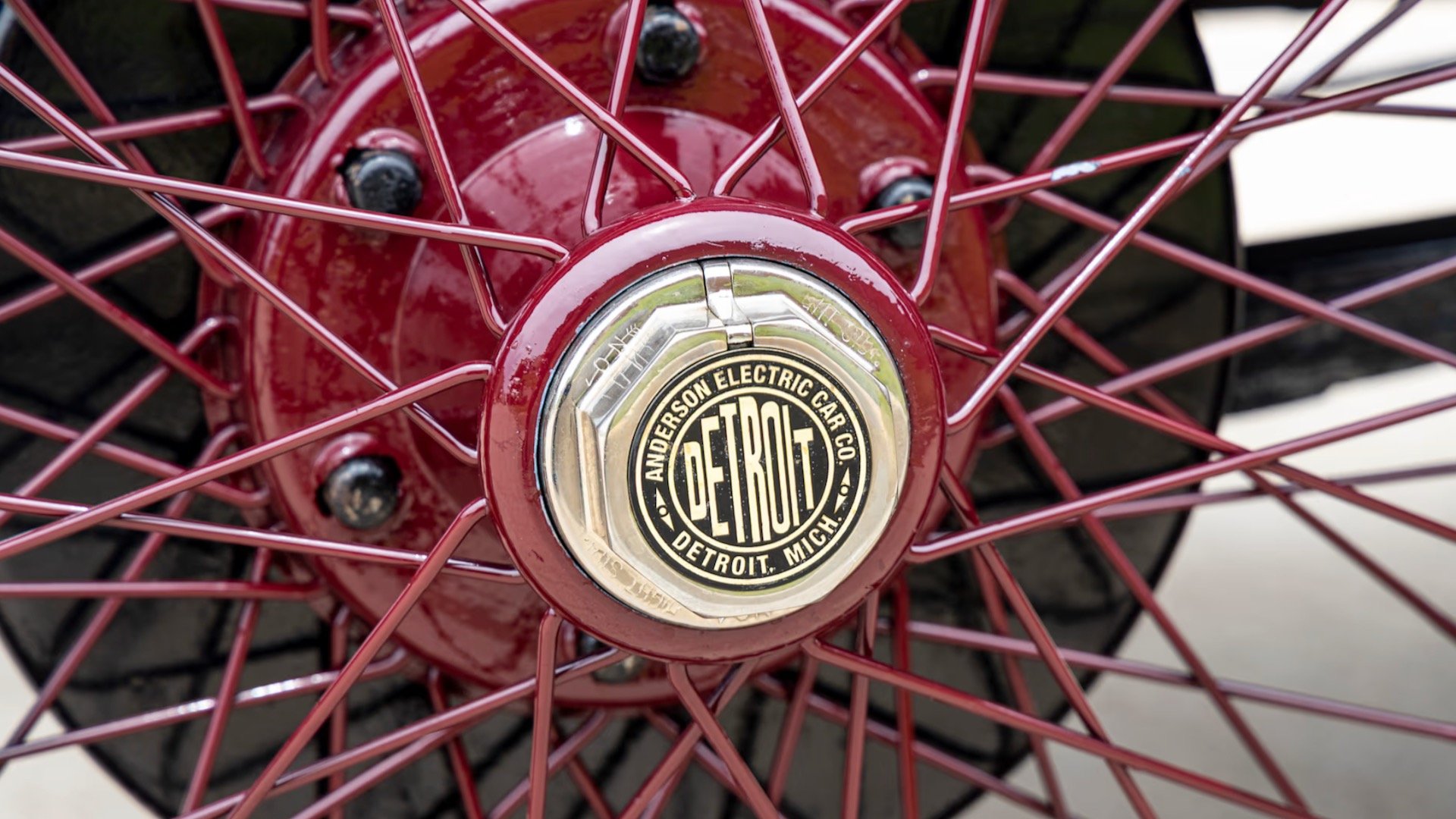
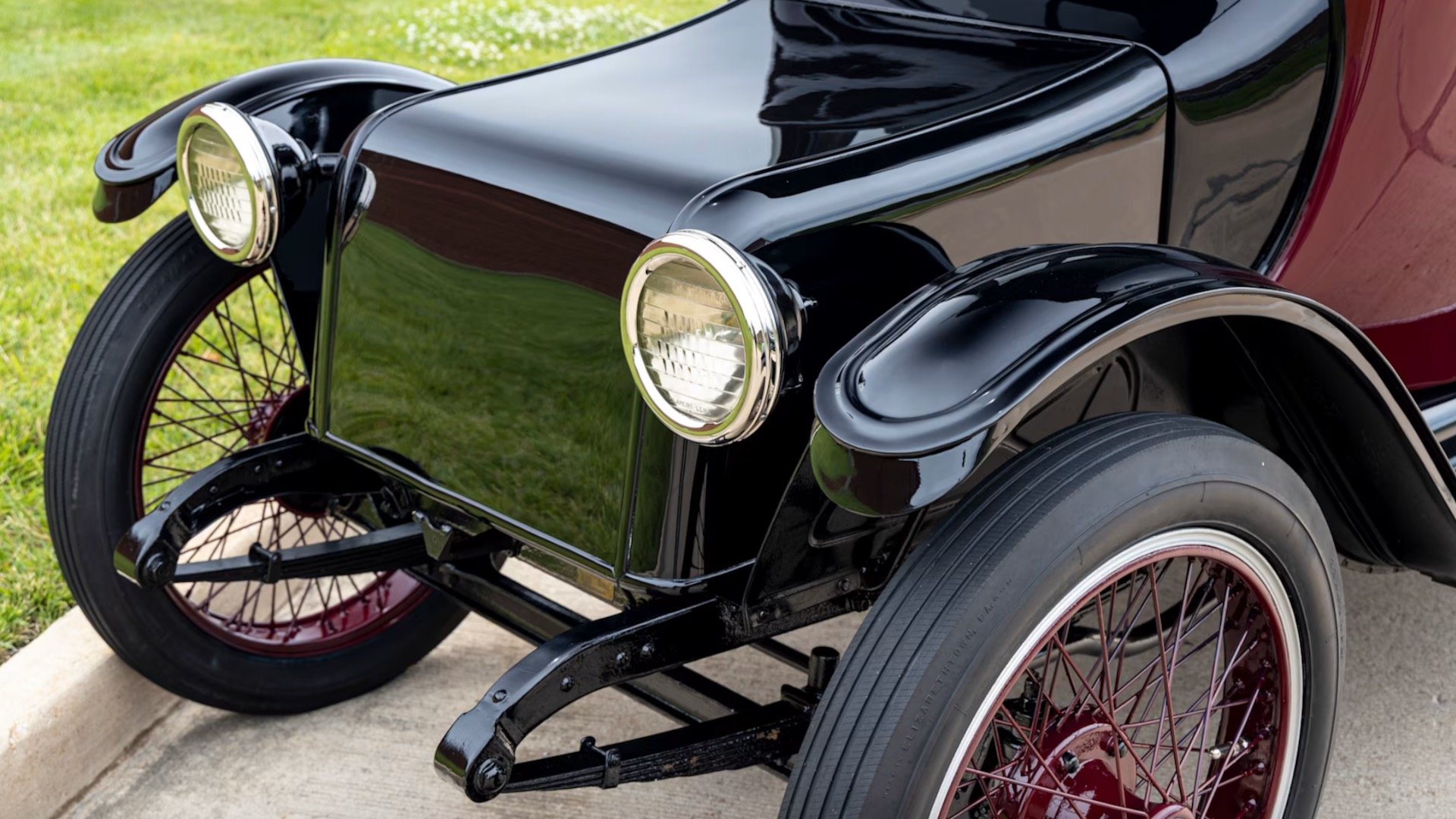
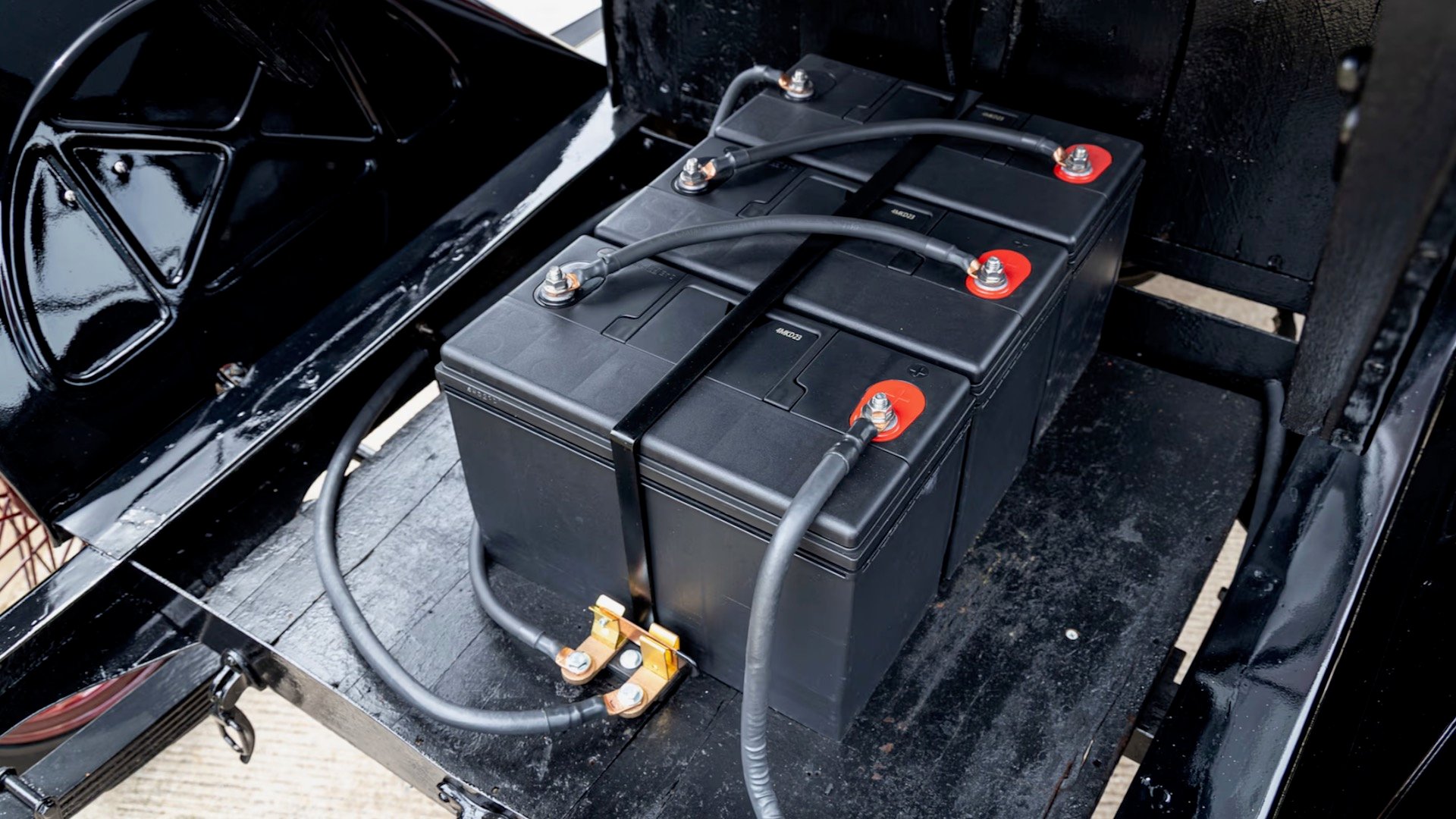
The listing doesn’t specify what modern batteries were used, but scrapped EVs and hybrids, as well as the various companies offering EV conversions of vintage cars, are all likely sources. Jay Leno has a 1914 Detroit Electric that’s being re-powered with Nissan Leaf battery modules, for example. Also unclear is the impact on range and performance. The listing only says that the 75B had a range of approximately 80 miles and a top speed of approximately 20 mph when new.
The company that would become Detroit Electric was founded in Detroit in 1884 as the Anderson Carriage Company. The owners clearly saw which way the winds of change were blowing and introduced the first Detroit Electric car in 1907. In an era when concern for the environment was hardly a thing, electric cars were pitched as quieter and simpler to operate than gasoline ones. With so few gas stations, range anxiety was just as much of an issue for gasoline-car drivers as for EV drivers. People also weren’t used to the smell of gasoline, and hand cranks and manual lubrication made internal-combustion cars intimidating to newbies.
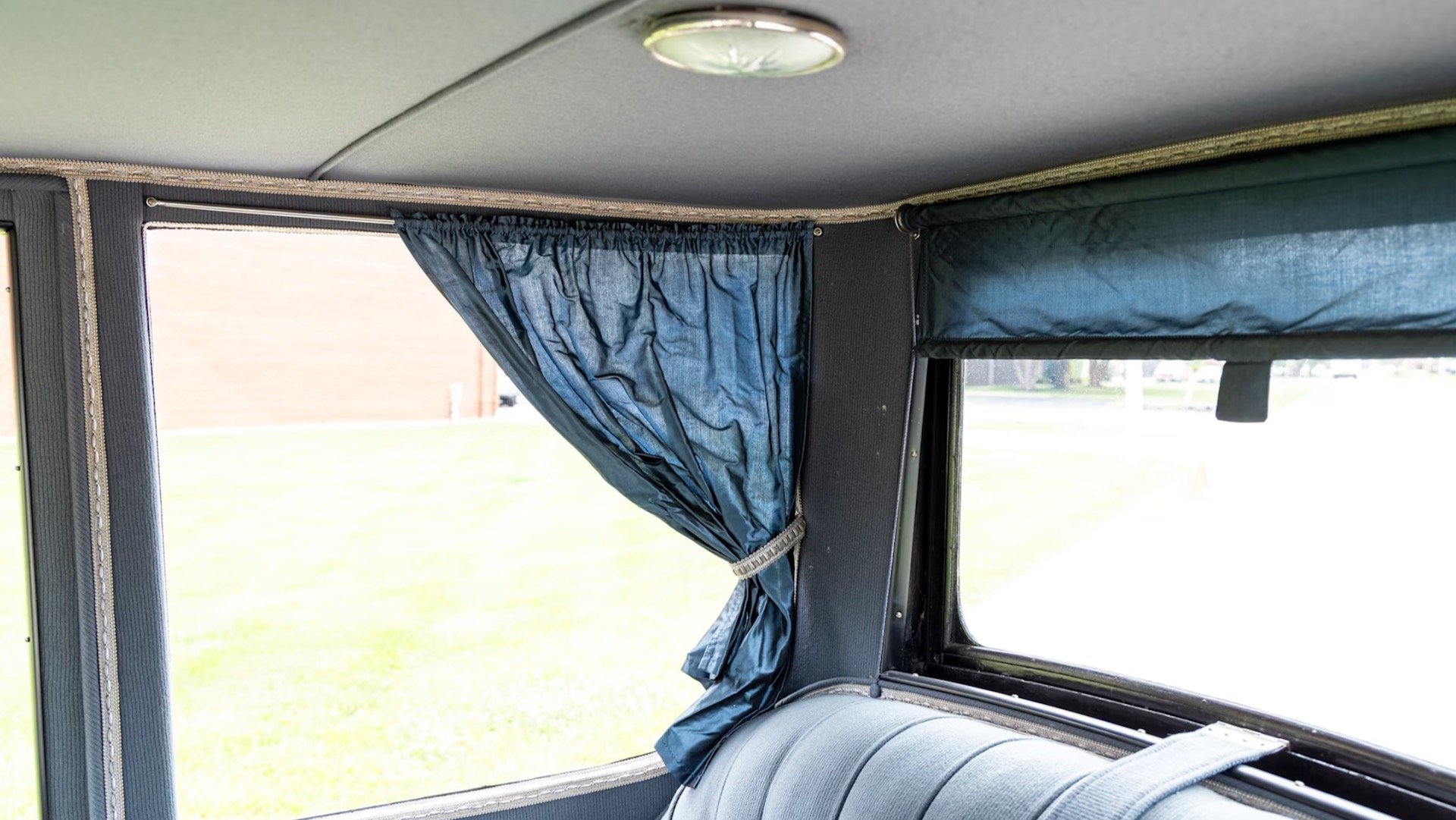
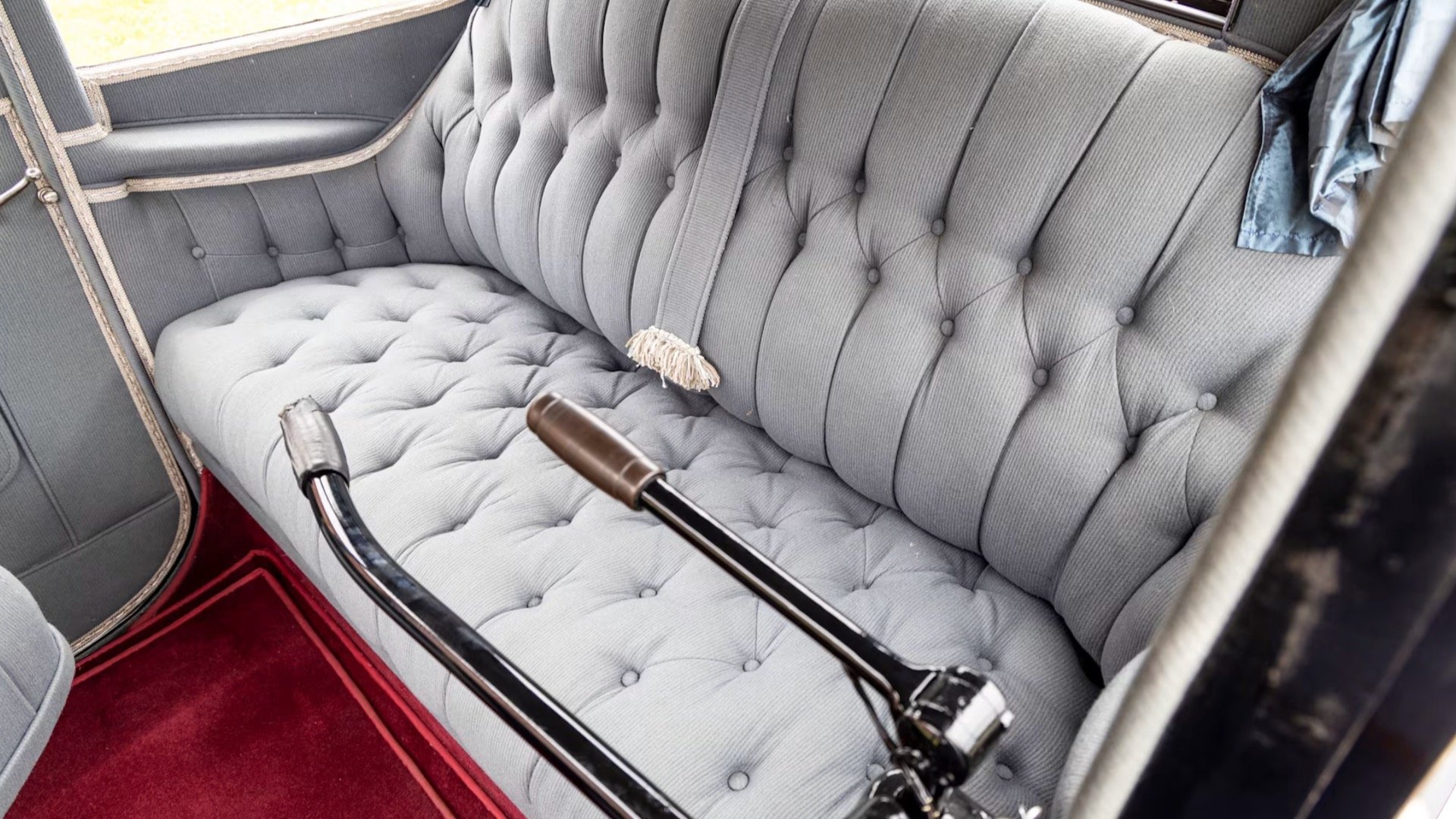
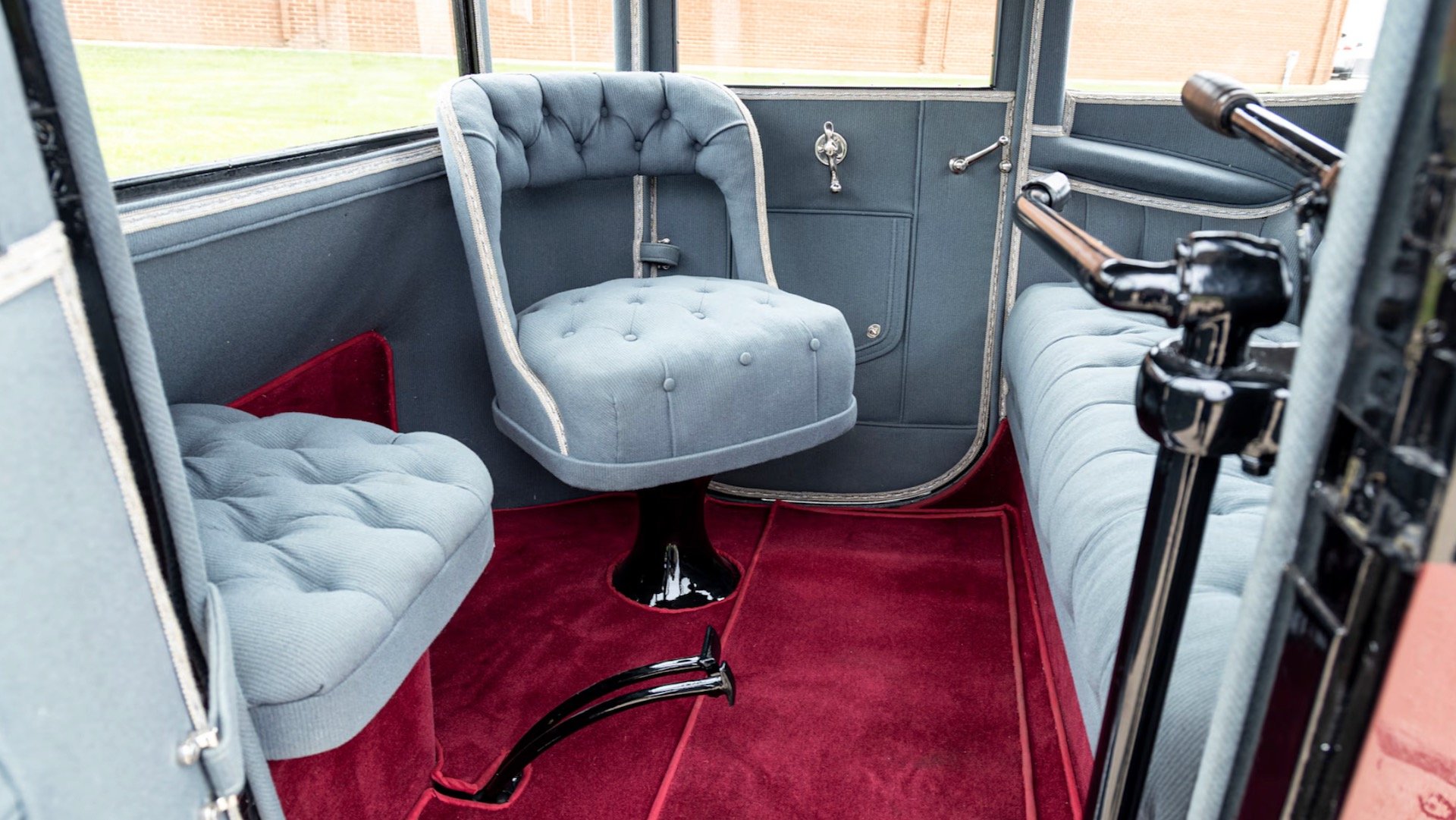
In those unenlightened times, the ability to drive an EV without the need to muscle a crank starter or generally get your hands dirty also meant that these cars were heavily marketed toward women. Despite being personally invested in a rival technology, Henry Ford and then-Packard president Henry Joy both bought Detroit Electrics for their wives. Misogynist stereotypes may have also influenced some of the design features. The driver sits facing the passengers and steers with a tiller, making the interior look and feel more like a living room where wealthy women of the time were expected to entertain guests. And 90 years before the Volkswagen New Beetle, this car had built-in flower vases.
In its time, Detroit Electric was one of many EV brands, alongside the likes of Milburn and Baker. But with bigger companies like Ford and General Motors committed to internal combustion, it was only a matter of time before electric cars lost out. Detroit Electric stuck around until 1939. There was an attempt to revive it in 2013 that followed in the tire tracks of Tesla with a modified Lotus Elise that never built charge.
Loading comments…
Comments couldn’t be loaded. Please refresh the page.