
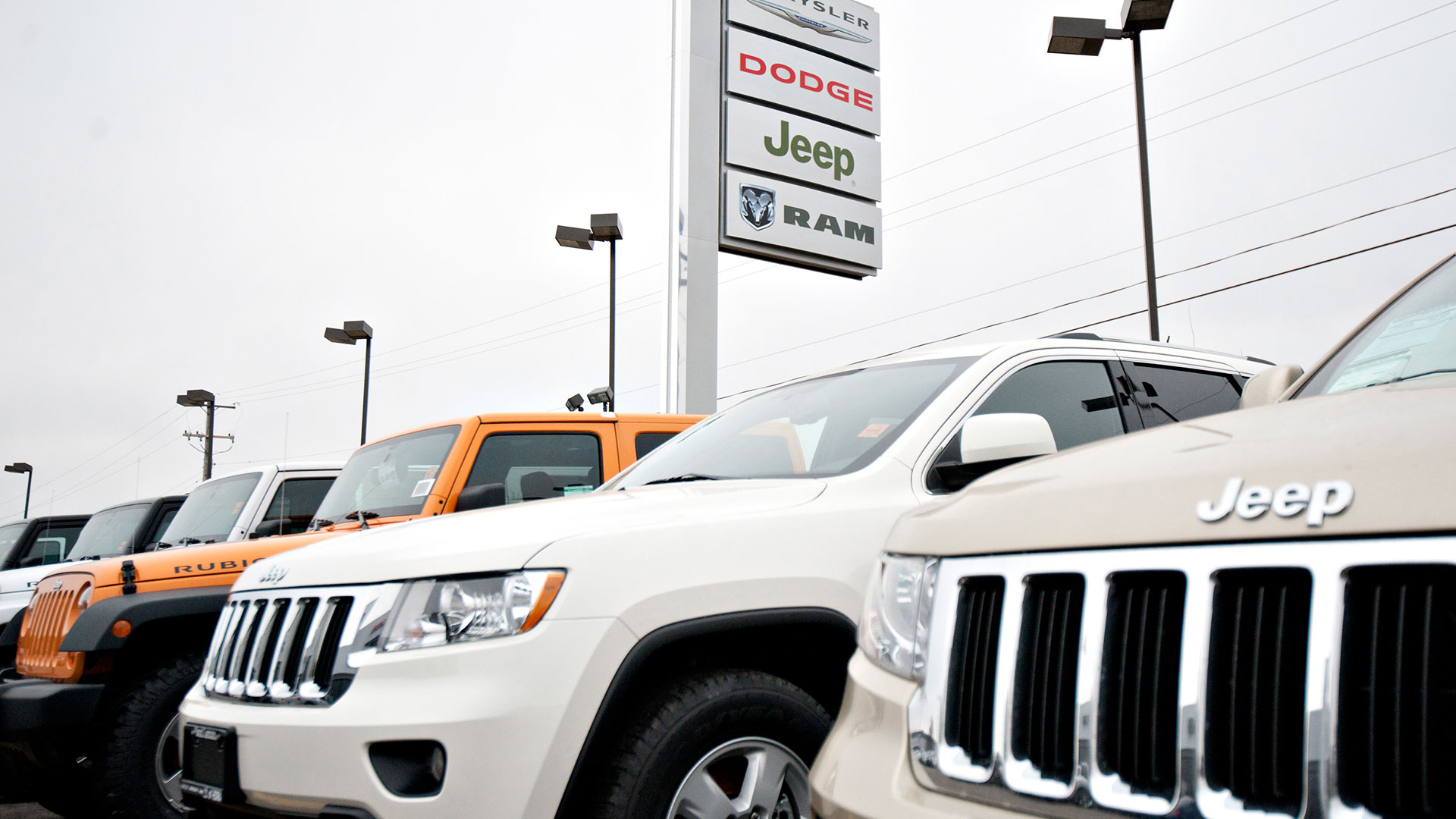
Unlike most other consumer goods, buying a car usually means working with a franchised dealership, a middleman enshrined by laws in most states. Franchised dealers haven’t exactly built a reputation for honesty and transparency, making car buying more of a headache than it needs to be. But a new study claims they’re also costing customers more money.
State laws requiring automakers to sell cars to customers through franchised dealerships are adding between $3,934 and $4,992 to the transaction prices of new cars, according to the nonprofit International Center for Law & Economics (ICLE). The center calls reliance on franchised dealerships a “middleman tax.”
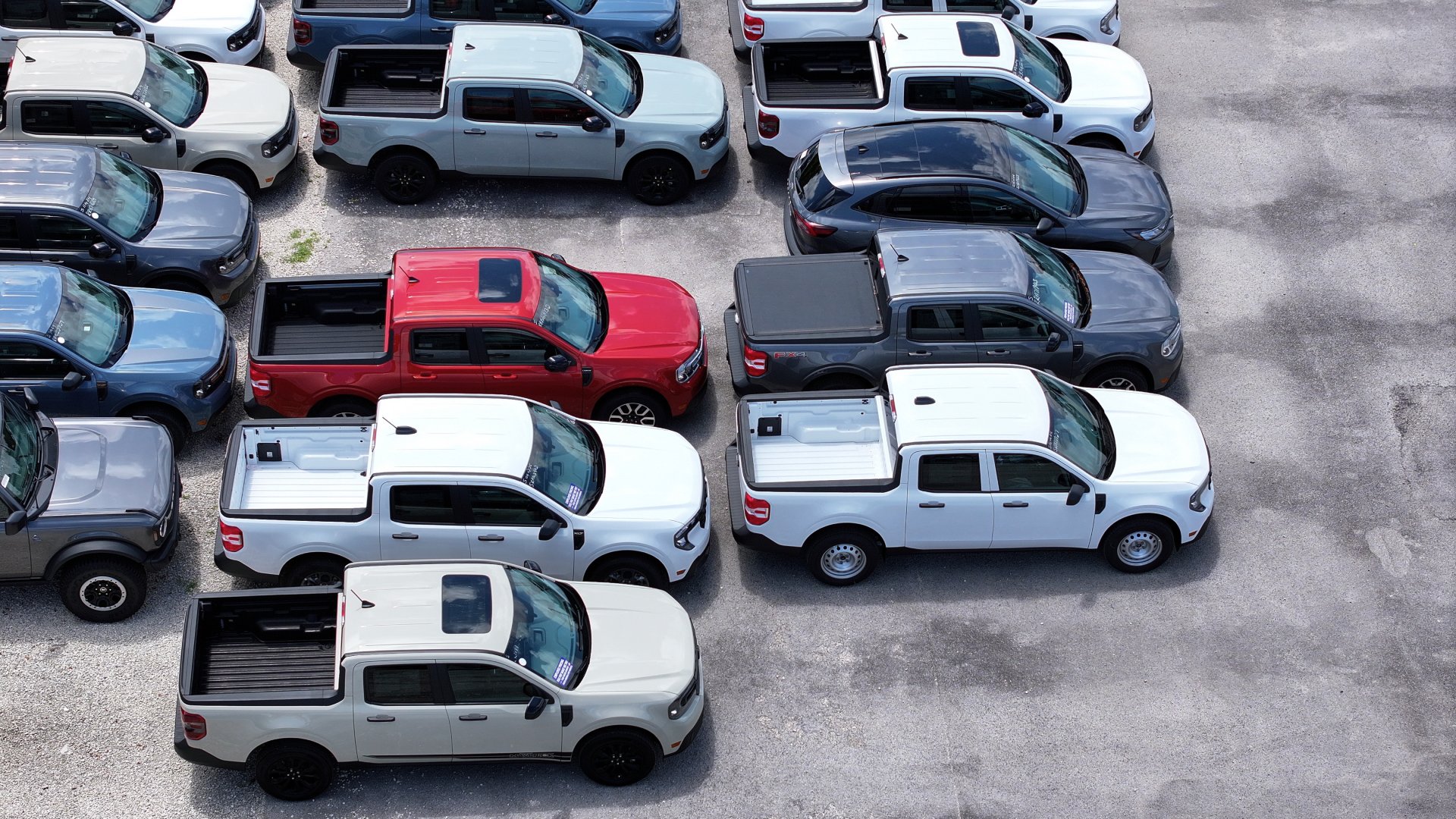
That effective tax, which is based on average new car prices of $50,000, comes from various inefficiencies in the franchise model, according to the study. The need to maintain inventory adds $1,045 to $1,105 in “carrying costs,” compounded by floorplan interest rates of 6% to 9%, the study claims. Another $1,600 is associated with helping to move that inventory, which isn’t always keyed to customer demand, while overhead for facilities and staff adds about $1,200 to $1,900 in what the study’s authors deem avoidable costs.
Franchise laws date back to the early days of the auto industry, and originally helped protect independent dealers from unfair competition from the automakers they relied on for supplies of new cars to sell. But the study, which builds on a 2000 Goldman Sachs study and subsequent findings by the U.S. Justice Department, argues that franchise laws have outlived their usefulness.
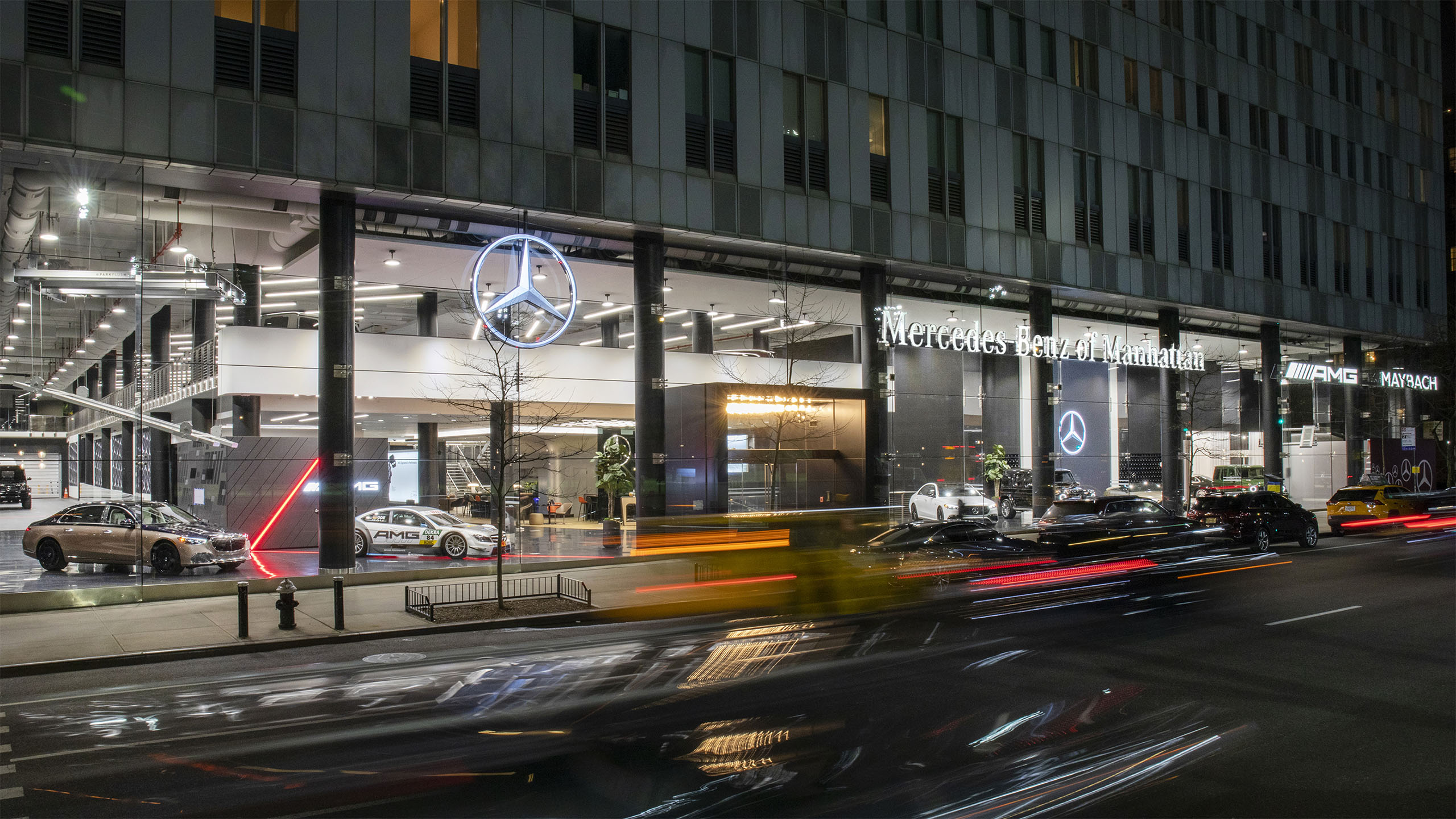
“Protecting an incumbent distribution channel is not the same as protecting consumers,” the study reads. “Allowing manufacturers to compete through different models would better align the law with the realities of the modern automobile market.”
Tesla challenged state franchise laws with its direct-sales model over a decade ago, opening the door for other EV startups. These companies have argued that, as new entrants into the market, they have no obligation to work with franchised dealerships. That argument is being put to the test by the Volkswagen Group’s Scout brand, which plans to sell cars directly to customers but has drawn legal challenges from dealers with franchises for other VW Group brands.
Loading comments…
Comments couldn’t be loaded. Please refresh the page.