
Key Takeaways
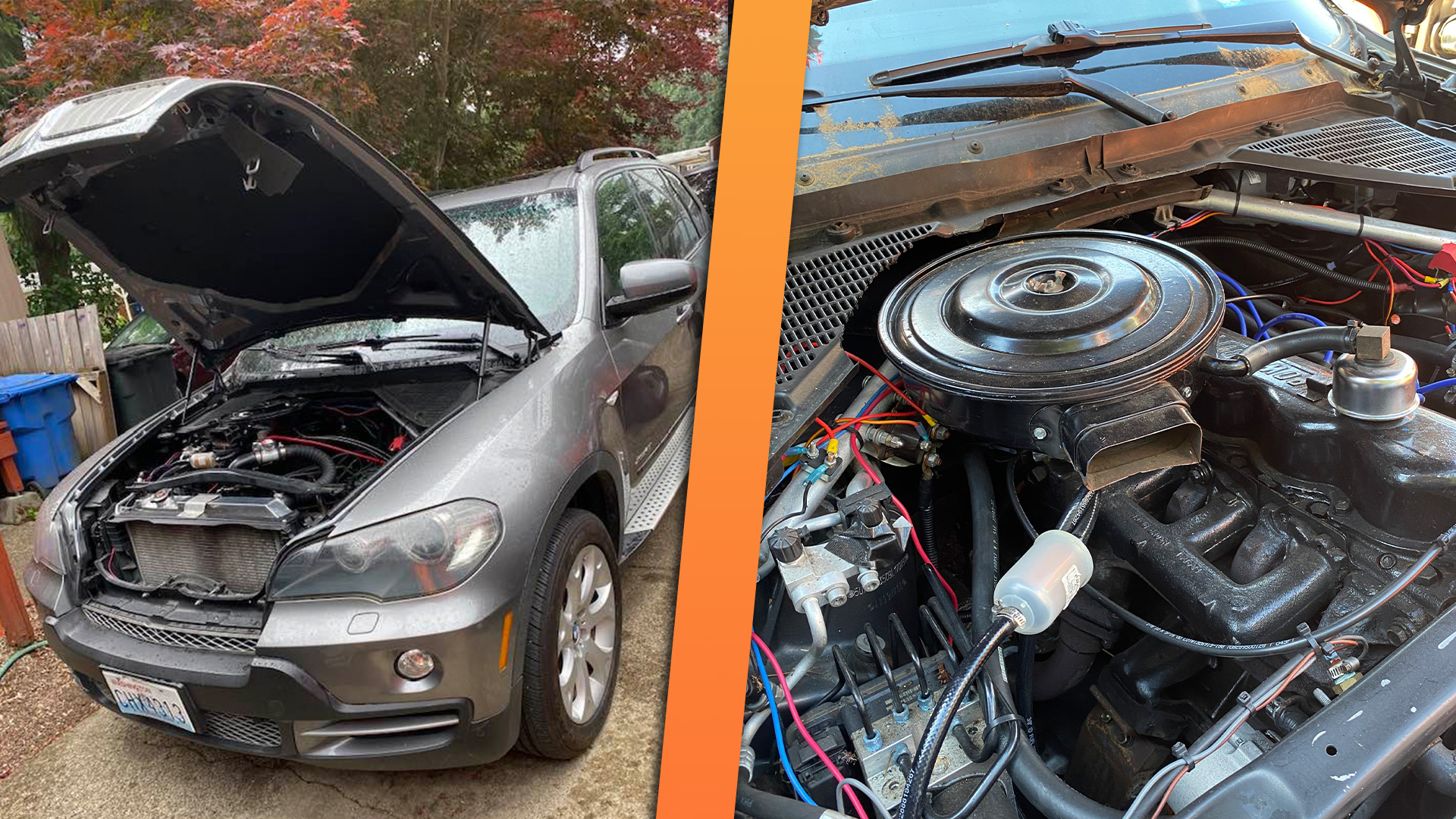
- Unconventional engine swap. Bruce Mowrey replaced a BMW X5’s V8 with a carbureted Ford inline-six.
- Cost-effective solution. Mowrey avoided thousands of dollars in repairs by using a $700 engine and transmission combo.
- Creative engineering. He adapted the BMW to work with the Ford engine using innovative-but-simple techniques.
- Unique driving experience. The car is slower but reliable, offering a vastly different driving feel.
AI assisted, editor reviewed
Many shadetree mechanics have been flustered—flabbergasted, even—by German automobiles. They’re just so… precise. And finicky. Bruce Mowrey chose to address this by swapping out the 4.8-liter V8 from his 2009 BMW X5 that was gifted to him. In its place now sits a familiar but unexpected power plant: A 240-cubic-inch Ford inline-six that’s more than 50 years old.
Mowrey caught people’s attention, including my own, when he posted a Facebook video of the Bimmer with the hood popped. It’s been viewed more than half a million times now, and understandably so. I’ve seen all kinds of engine swaps at this point, but never one like this.
“We drove it around a little bit, and if you had a long red light, it would start smoking when you took off,” Mowrey said of the car, which was in rough shape when he got it. “We found out it had bad valve stem seals. $5,200 to do that job.”
And this was after the previous owner had thrown roughly $9,000 at it.
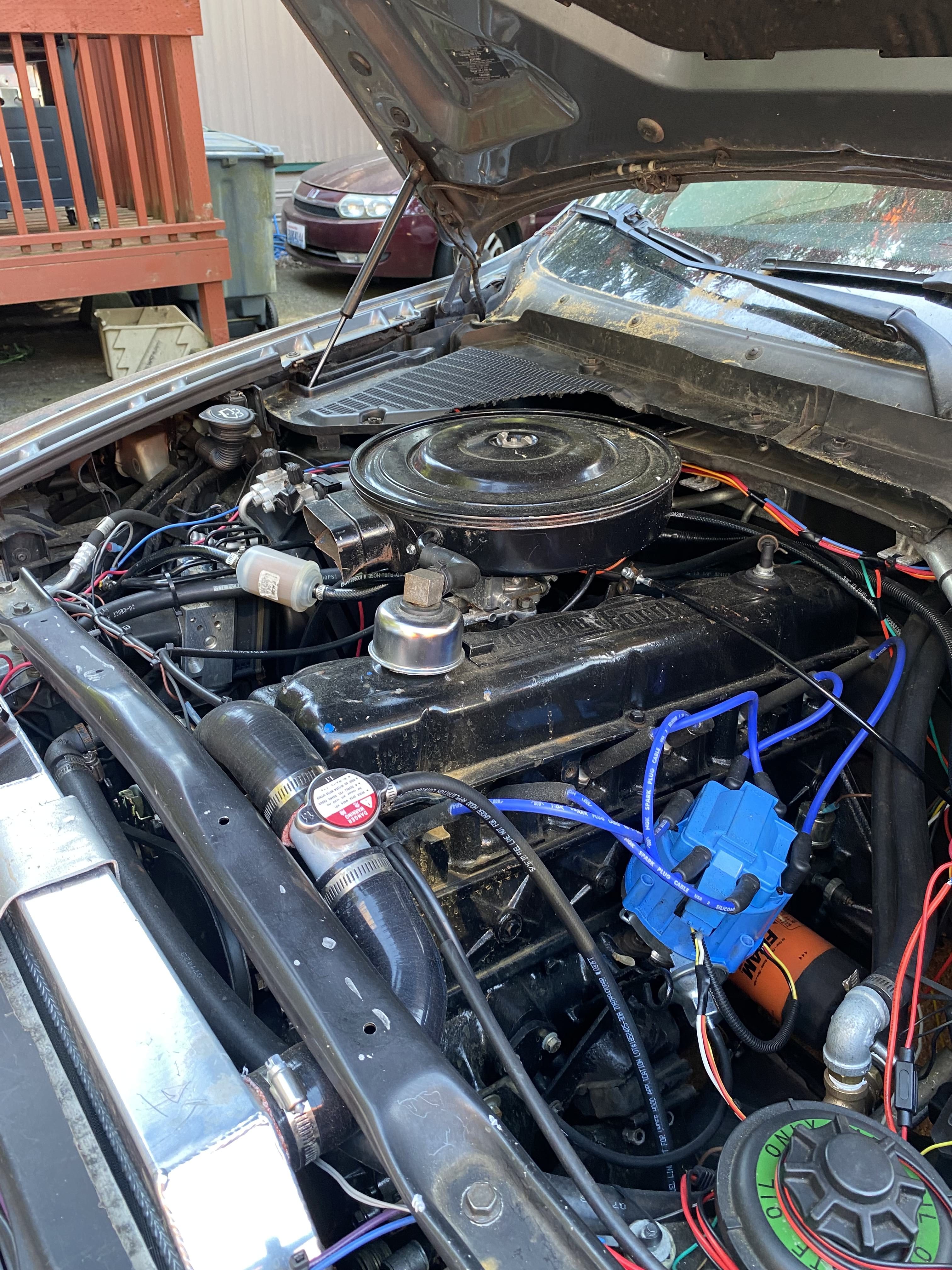
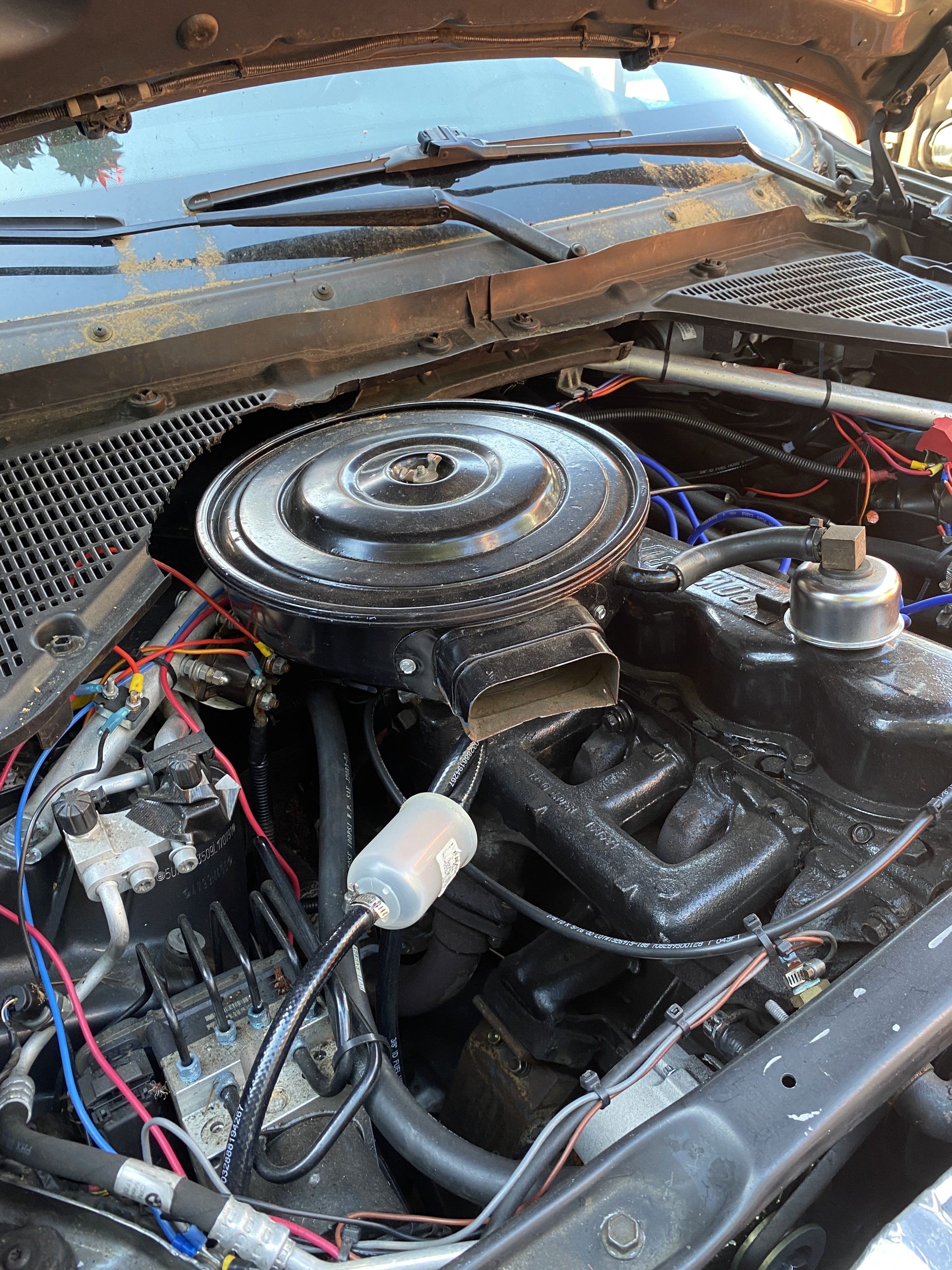
Immediately, his mind started racing through different engines he could swap in there. Mowrey told me he has a history of that sort of thing. His last project involved dropping a 3208 Caterpillar diesel engine into a ’69 Ford one-ton frame, complete with a Peterbilt cab.
“I’ve always been a Ford guy; a little 289, 302, something like that,” Mowrey recounted. “Then an ad popped up on Facebook Marketplace for this 240 with a mated-since-new transmission.”
Ford had a family of inline-six engines during the ’60s and ’70s. Of those, the 240-cubic-incher fit right in the middle. The 170-cubic-inch lump was typically used in Econoline vans, while the 300-cubic-inch six went in pickups and even dump trucks.
“We found [the engine and transmission] for $700, and then got the old engine out,” Mowrey said. “I took it apart, and nobody wanted to buy anything off it. So, we scrapped it and got $60 for the block because it was all aluminum.”
Getting the classic Ford engine to work took some ingenuity. Mowrey ditched the old high-pressure fuel pump but kept the housing, swapping the stock tank for one out of a boat. A low-pressure pump now sits underneath the BMW, and there’s a nylon tube that goes down into the tank to suck out the fuel. (Something tells me a Munich man would never try that. Good thing Mowrey is from Tacoma, or whereabouts.)
He rigged up a multi-step start sequence that involves inserting the key fob, then flipping a switch for the ignition, and another for the fuel pump. Then, the engine fires with a push-button. “It’s been quite a fun little thing to figure out how to make all that work,” Mowrey quipped.
As you might expect, the computers did not play nicely with the Ford engine from the get-go. Mowrey said the windshield wipers ran constantly at first, but only at low speed. The turn signals weren’t working either, and the heater was screwed up as the blower wouldn’t kick on.
“It was just easier to bring a power wire in and hook it up to a main switch,” Mowrey explained. “So, the engine’s on its own complete circuit.”
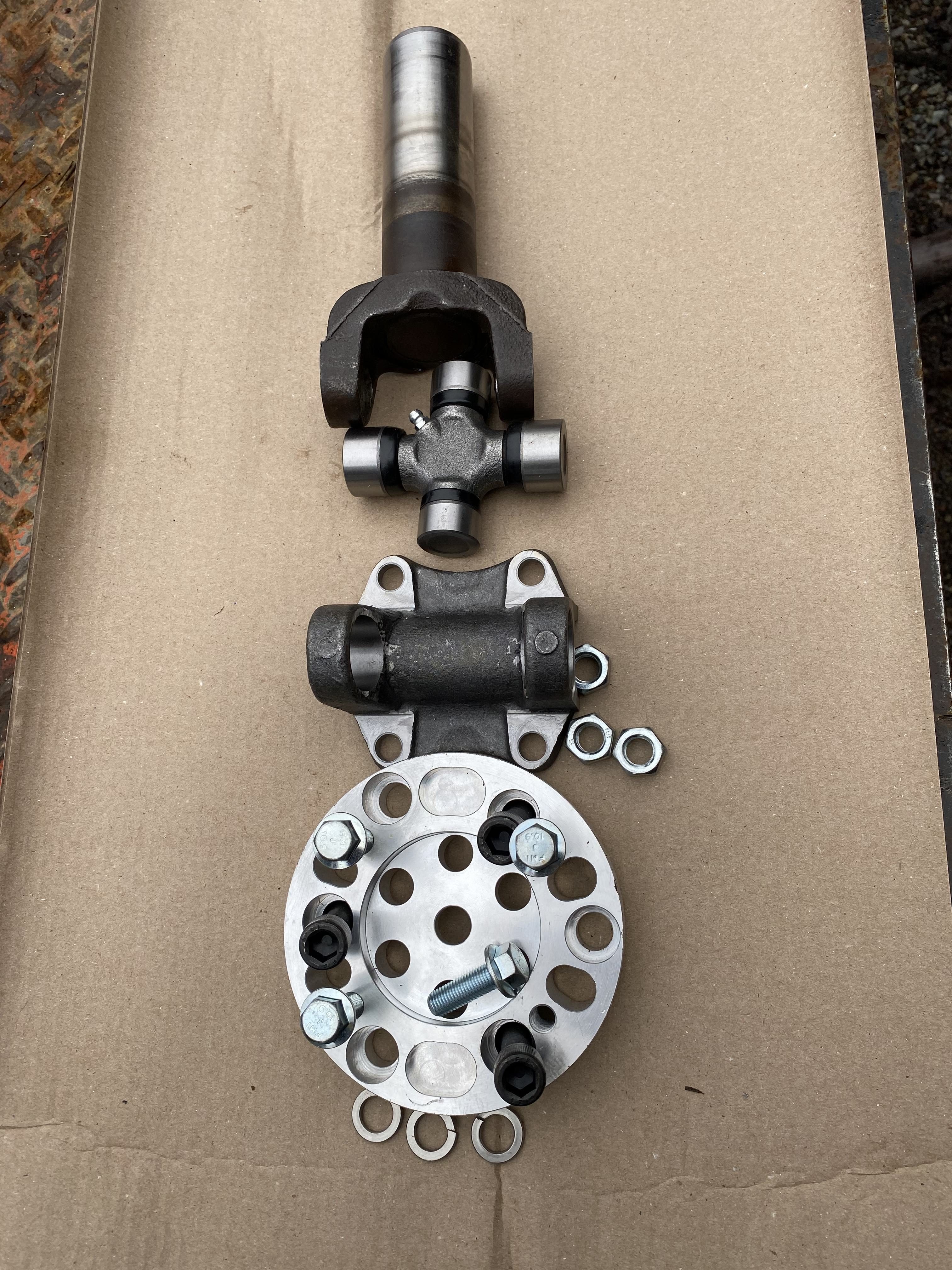
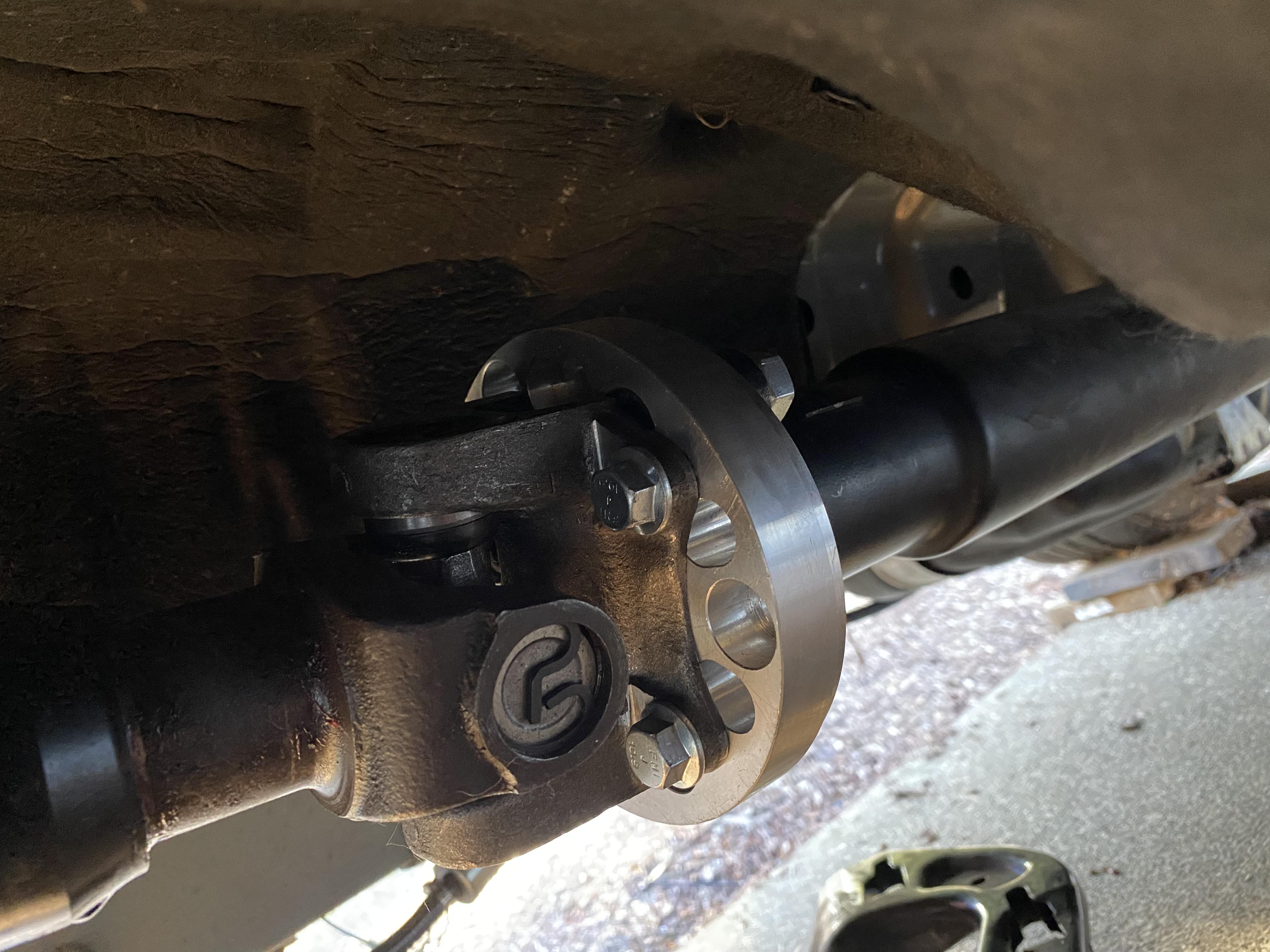
The final puzzle piece was getting the driveline situation figured out. See, the Ford three-speed automatic wasn’t designed with an independent rear-end in mind. What Mowrey ended up doing was buying a 1350 u-joint driveshaft adapter from TF Works, which normally sells parts for BMW drift cars. It bolted right up, and not only that, but it didn’t require any cutting on the stock driveline.
The ol’ girl runs like a top now—except, it’s slow. Like, super slow.
“You have to get used to driving that kind of engine again,” Mowrey noted. “It’s not just stomp on the gas, and it goes. It’s a gradual climb, and then you go. It’s a whole different world of engine.”
But that doesn’t matter too much because it starts and goes every time. That’s just the type of job you do when you’re given a car for nothing and you find a solution that works for relatively cheap. Mowrey enjoyed it—you can tell from the way he talks about it.
“It’s been a huge brain teaser to figure out how to do this,” Mowrey said. “I did all this out front of our house in the driveway.”
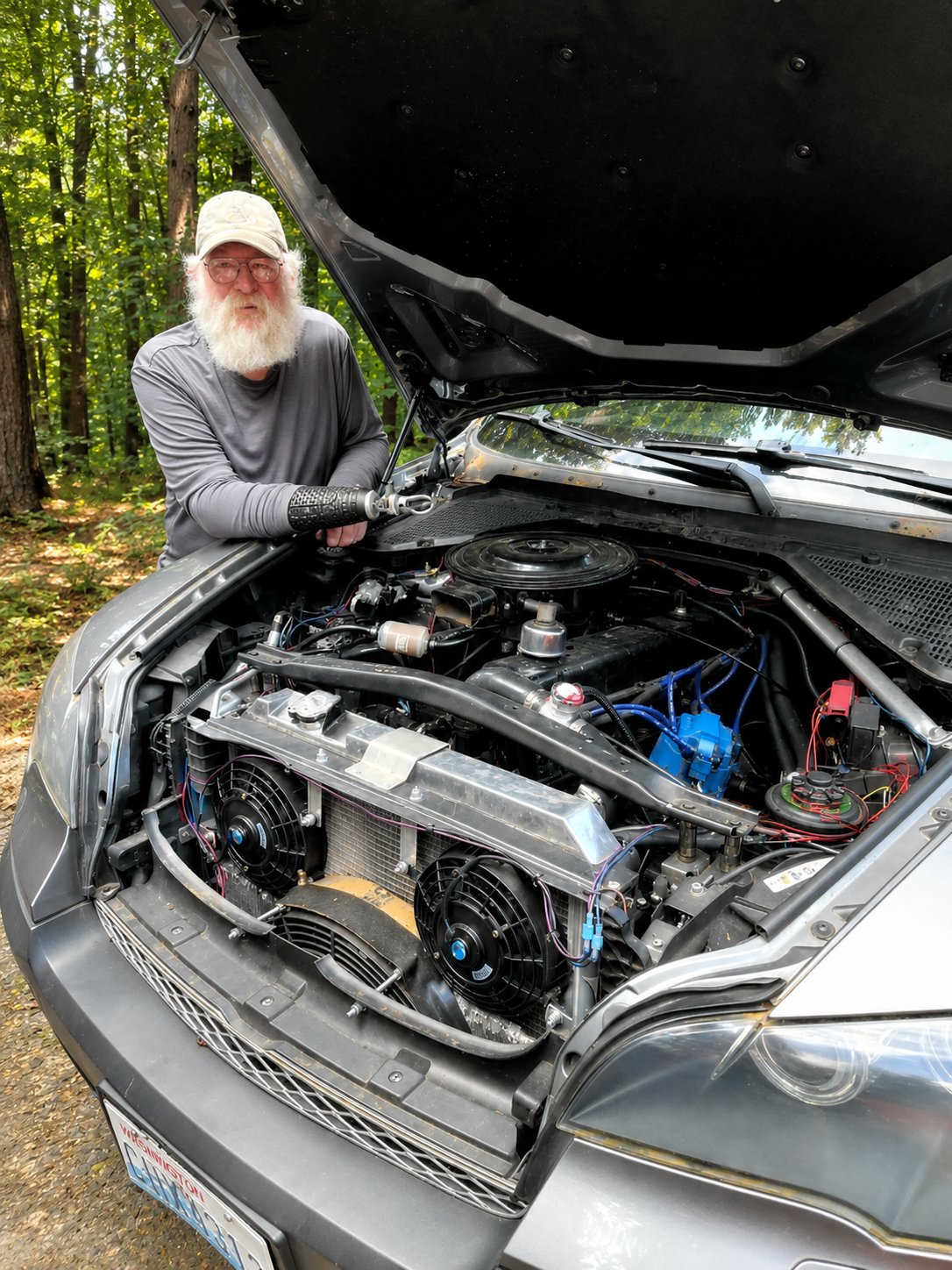
I know one thing: I respect the heck out of him for doing this. And I’m glad to tell the story to you all. The Ford inline-six is a legend for a reason, and here it is today, still working—albeit in an unlikely vessel.
Got a tip or question for the author? Contact them directly: caleb@thedrive.com
Loading comments…
Comments couldn’t be loaded. Please refresh the page.