
Key Takeaways
- Jingle banned in California. A judge ruled Kars4Kids ads deceptive for lacking disclosure about their religious affiliation.
- Misleading charity claims. The organization funds religious programs, not underprivileged kids as implied.
- Donor’s dissatisfaction. Bruce Puterbaugh felt misled after his car donation supported a Northeast religious mission.
- Legal repercussions. Kars4Kids must update ads with full disclosures or stay off California airwaves.
AI assisted, editor reviewed
If you’ve ever heard the “1-8-7-7-KARS-4-KIDS” jingle, you’ve probably heard it a million times. In states where this car-donation charity operates, it’s been running obnoxiously repetitive singing-kids ads for decades with the intensity of a shock-and-awe military campaign. But after all those years of operation, one disgruntled donor took it to court and got a judge to kick Kars4Kids off California airwaves for practicing “an actionable strategy of deception.”
Update, June 4, 2026: At the end of last week, an appeals court ruled that Kars4Kids ads can stay on the air in California while the appeals process plays out. Alas, the grating earworm prevails. Below is the rest of the story.
Since Kars4Kids is mostly a thing in America’s coastal states, I’ll link the jingle for those of you who are unfamiliar. (As we were discussing the issue in our newsroom this morning, my colleagues in Indiana, Missouri, Michigan, and Minnesota hadn’t heard of it.) Of course, anyone with a SiriusXM subscription has probably been subjected to the song as well.
The Kars4Kids song actually has its own website. If you really want to torture yourself, you can listen to a bunch of versions of it there.
While the song is undoubtedly annoying, that’s not why it’s been ordered off the air. As laid out in the New York Times, ABC7, and elsewhere: “Judge Gassia Apkarian of the Superior Court of California, in Orange County, found that Kars4Kids’s ads violated the state’s laws against false advertising and unfair competition.”
More specifically, the Judge didn’t like that the Kars4Kids ads have no disclosures about the organization’s religious affiliation.
As stated in the court ruling, the problem is that the “Kars” were not “4 Kids” at all. Kars4Kids’ own COO Esti Landau testified that the group “operates no functional programs” for helping kids in California. The money mainly goes to Oorah, an organization “dedicated to Jewish heritage and summer camps in New York and New Jersey.”
“Ms. Landau explicitly testified that the organization’s primary purpose is not to help economically disadvantaged children. She testified that Oorah’s programs include ‘matchmaking’ for young adults and ‘gap year’ trips to Israel for 17- and 18-year-olds (averaging 250 participants per year).”
So, yeah, nothing wrong with funding gap-year religious mixers for 18-year-olds. But it’s a far cry from the “underprivileged kids” the ads imply are being saved by your 200,000-mile trade-in.
The Israeli link to Kars4Kids is not a new discovery—it only takes casual research to find the connection between Kars4Kids and Oorah. But it’s not apparent in the ads, and that’s the crux of plaintiff Bruce Puterbaugh’s problem here (yes, we’re finally getting back to the old Volvo). The court ruling describes his vehicle as a “2001 Volvo XC,” I imagine, they’re referring to a Volvo V70 XC (the high-riding wagon with cladding) since the XC90 wasn’t out yet that year.
“After donating the car, he learned from a neighbor that the proceeds would fund a Jewish organization based in the Northeast. Mr. Puterbaugh said he felt ‘taken advantage of,'” as the New York Times wrote.
You might as well just get the rest of the download directly from the court ruling:
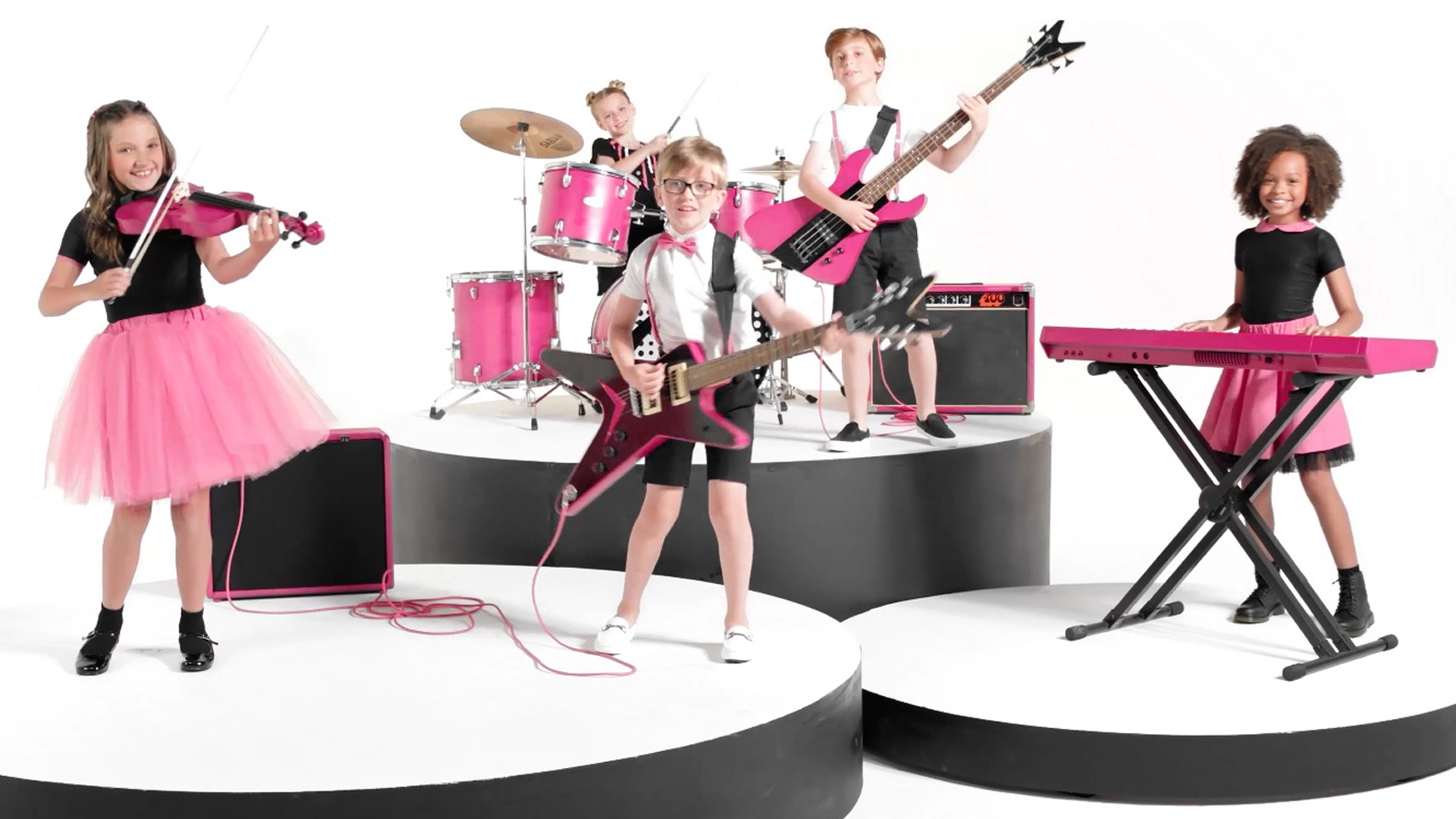
“The Plaintiff testified that he was subjected to the Kars4Kids radio ‘jingle’ repeatedly (‘over and over’). The jingle that was played in court several times was the TV version. It features several children aged 8-10 playing various musical instruments, with the jingle repeated at least 4 times. The short and repetitive ad has the following lyrics:
1-877-Kars4Kids
K-A-R-S Kars for Kids
1-877-Kars4Kids
Donate your car today.
“Plaintiff testified that as a ‘charitable person,’ he relied on the advertisement’s auditory message to conclude that the organization benefited ‘underprivileged kids from all over the U.S.’ and, specifically, kids in California, given that he was donating the vehicle in California. The Plaintiff donated a 2001 Volvo XC, which is valued at $250. He testified that he felt ‘taken advantage of’ upon discovering—only after the donation—that the funds did not stay in California but supported a specific religious mission in the Northeast.
The Court finds that Plaintiff credibly testified that the Plaintiff believed the charity benefited ‘underprivileged kids from all over the U.S.’ and expected that a donation made in California would benefit children in California.”
Now, Kars4Kids has 30 days to add some kind of deeper disclosure to its ads or keep them off the air in the state of California.
Got any more Kars4Kids gossip? Hit me up at andrew.collins@thedrive.com.
Loading comments…
Comments couldn’t be loaded. Please refresh the page.