
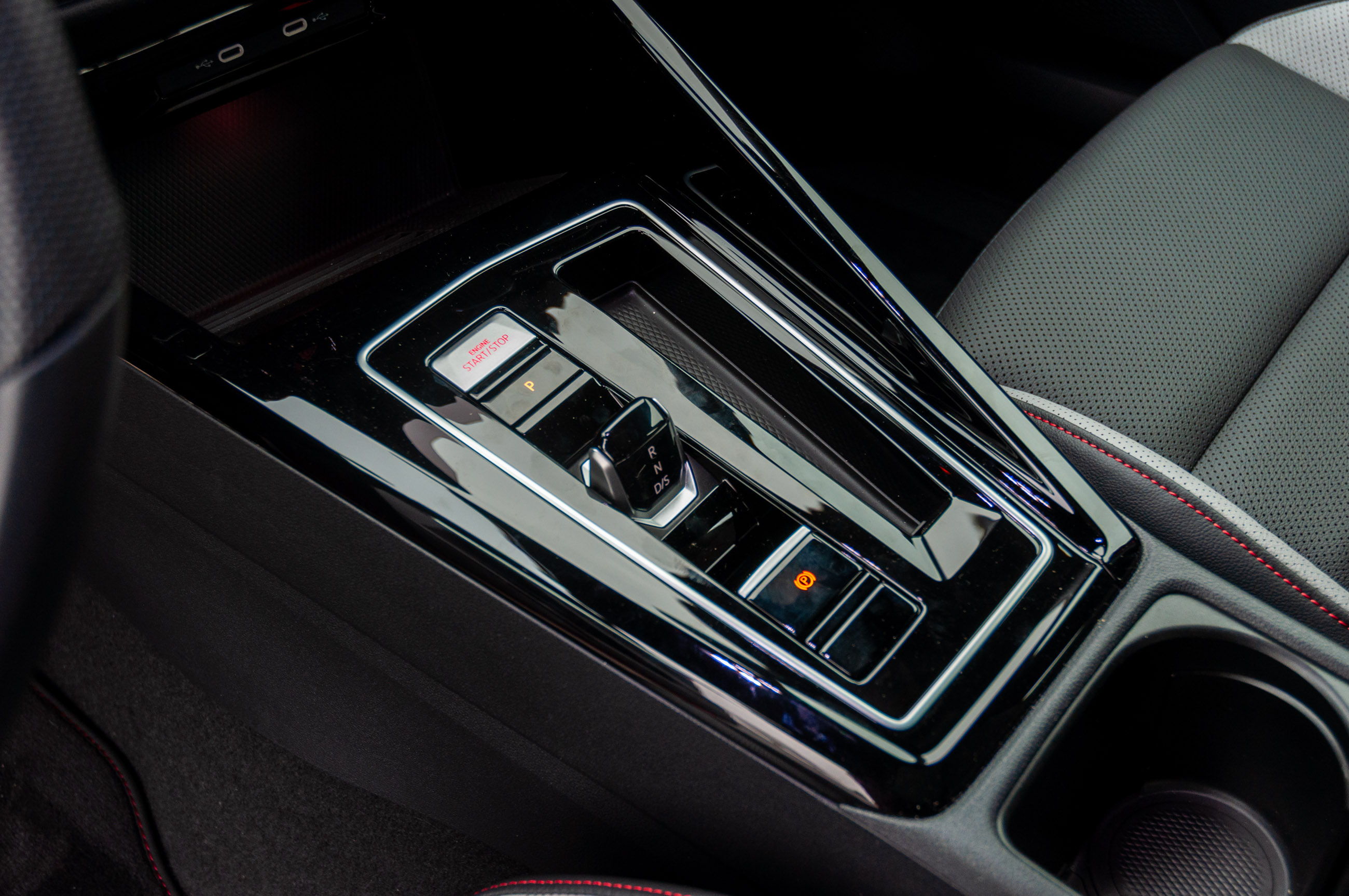
There are a laundry list of bad design trends throughout automotive history, and arguably many will jump on the screen-only interface bandwagon real quick. Heard. Spending the week wit the 2026 Volkswagen Golf GTI has reminded me of a design trait that has infected the entire industry and somehow isn’t focused on often enough: shiny piano black plastic.
To be clear, Volkswagen, and in this case the 2026 Golf GTI, is not alone nor is it the focus of this story. It merely was the impetus and reminder that the topic needs the world’s brightest spot light to be shined upon the issue. More automakers than not are taking part in this horrid fad including top-shelf bar-setting luxury marques.
Ahead of countless examples throughout the industry where this is taking place, let’s take a look at the reason this is happening, why it’s a wretched idea, and ways creative automakers are avoiding the issue.
Shiny piano black plastic spread like cancer throughout the industry rapidly because on day one it can make a car look far more upscale and expensive than it is for a much lower cost than other materials. The sun and light glimmers and shines off this material and the entire interior looks, and feels, slick like a black lacquer has been applied throughout. While not a warm vibe like wood, the shiny piano black plastic doesn’t deliver a cold vibe like metal or even silver plastic trim.
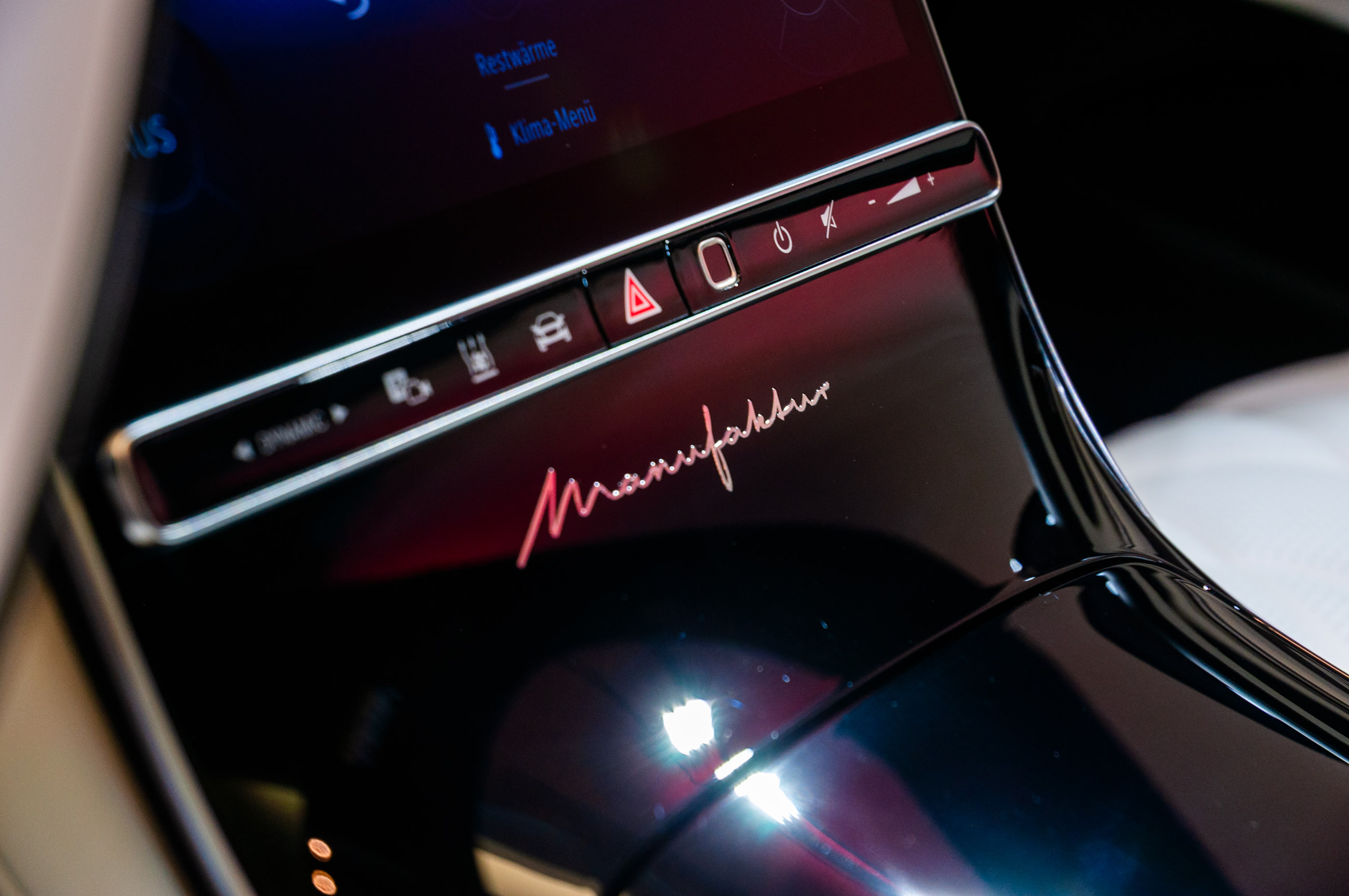

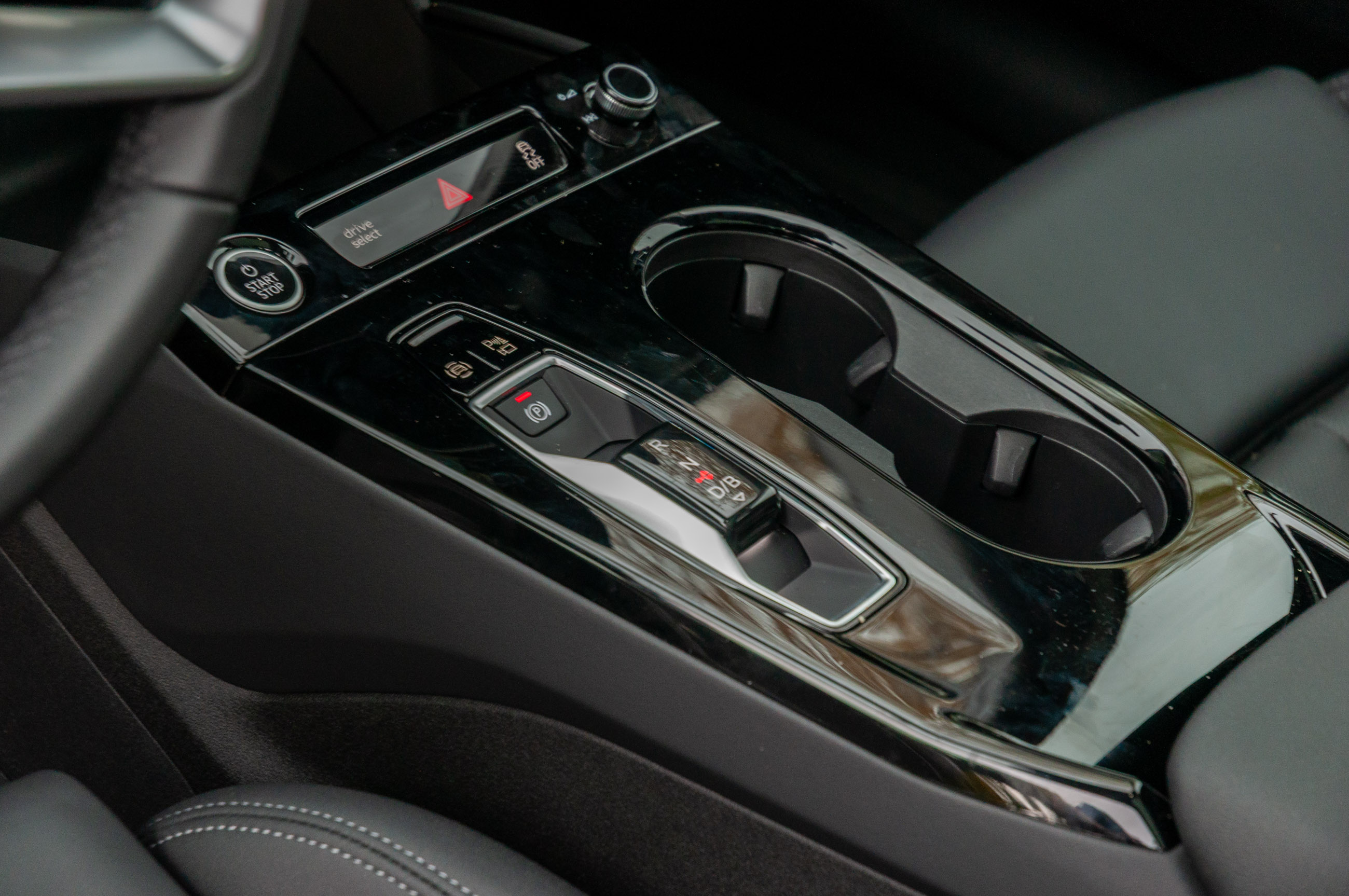
The issue, which can arise within minutes, is that no matter how careful, how neurotic, how cautious someone is, inevitably the shiny piano black plastic trim gets scratched, knicked, and or marred rapidly as a car is used. Whether it be from coins or keys dropping on the center console or a phone slipping out of someone’s hand, every single imperfection shows up instantly and stands out.
Even if someone is insanely lucky and doesn’t manage to let an item touch the plastic, finger prints show up in a second making the entire thing look grimy. This inevitably will lead to someone using a rag or towel to wipe the surface, which then leads to swirl marks and hazing, just like on paint, making the shiny piano black plastic dull at best. At worst, those micro scratches are seen every time light hits the surface.
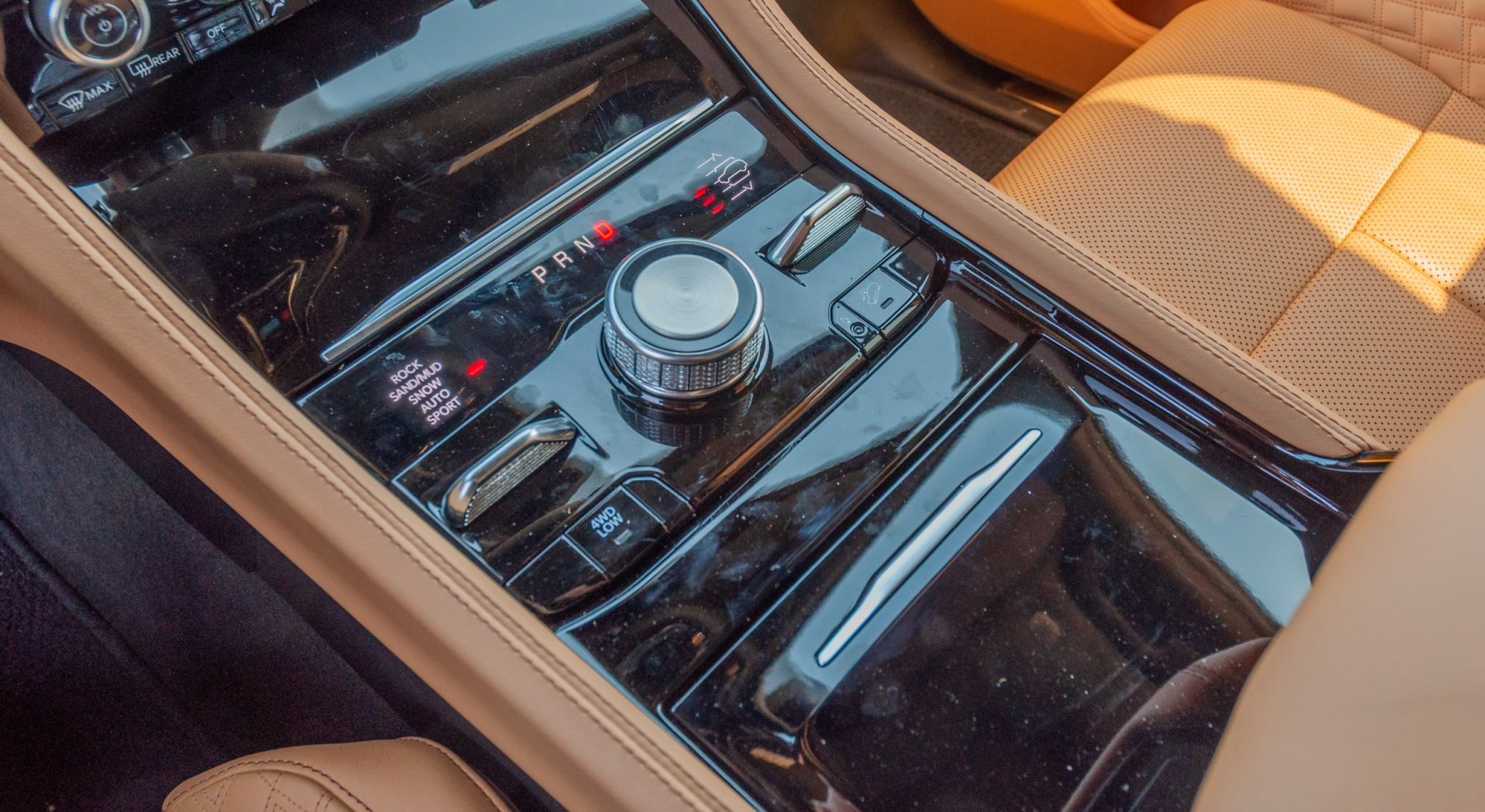
The situation is even worse in a family vehicle like the Jeep Grand Cherokee, where kids will throw things up front or drop their toys.
Almost no automaker is immune from the allure of using this stuff. Mercedes-Benz has it slathered in their top-shelf cars. Jeep uses it on the Grand Cherokee. Volkswagen loves the shiny piano black plastic and it’s covering the entire center console, and even parts of the digital gauge cluster surround, on this Golf GTI I’m driving this week. Kia slathered the center console of the EV6 with this plastic. Most modern Audis have an egregious amount of this stuff.
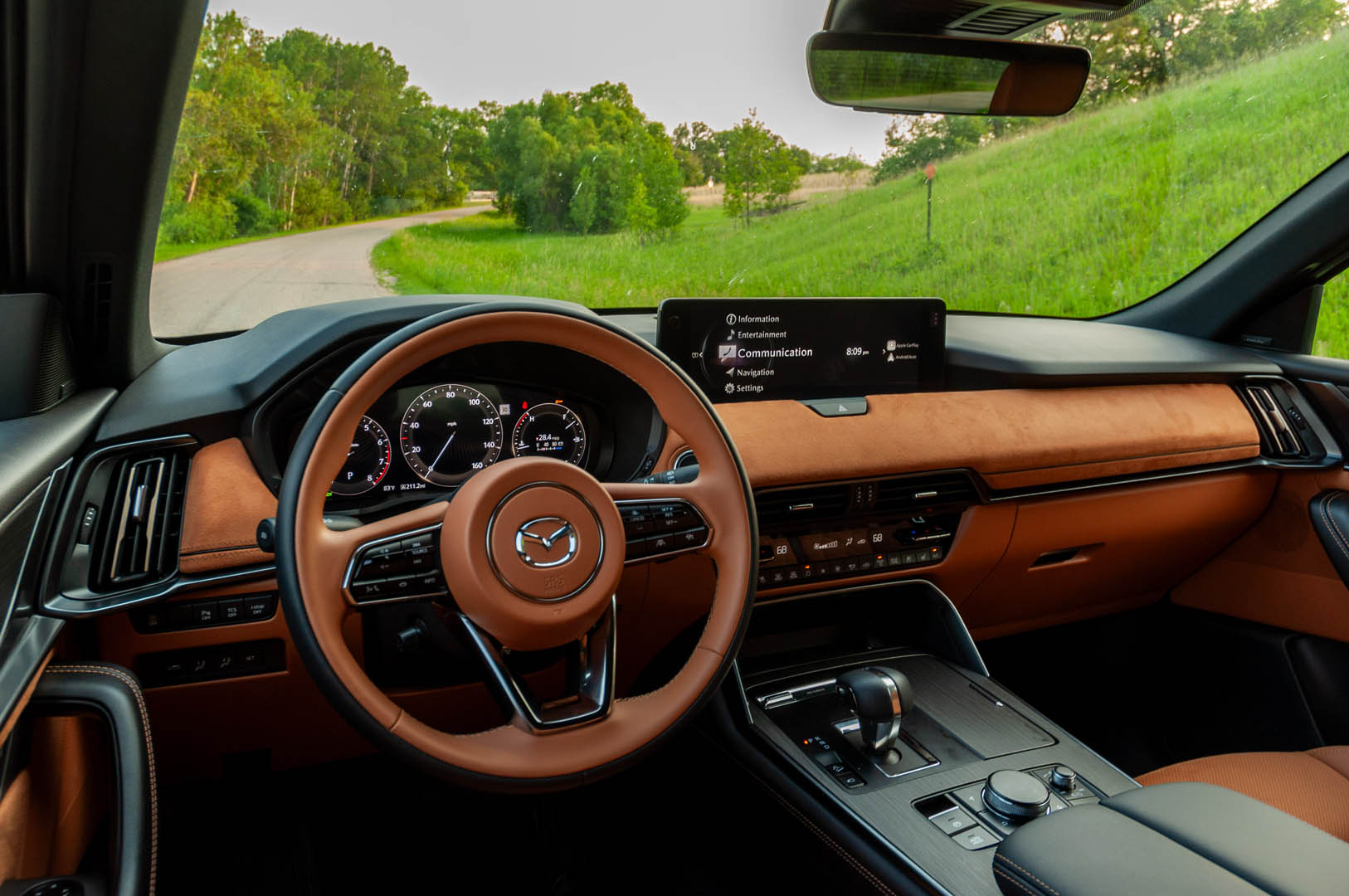
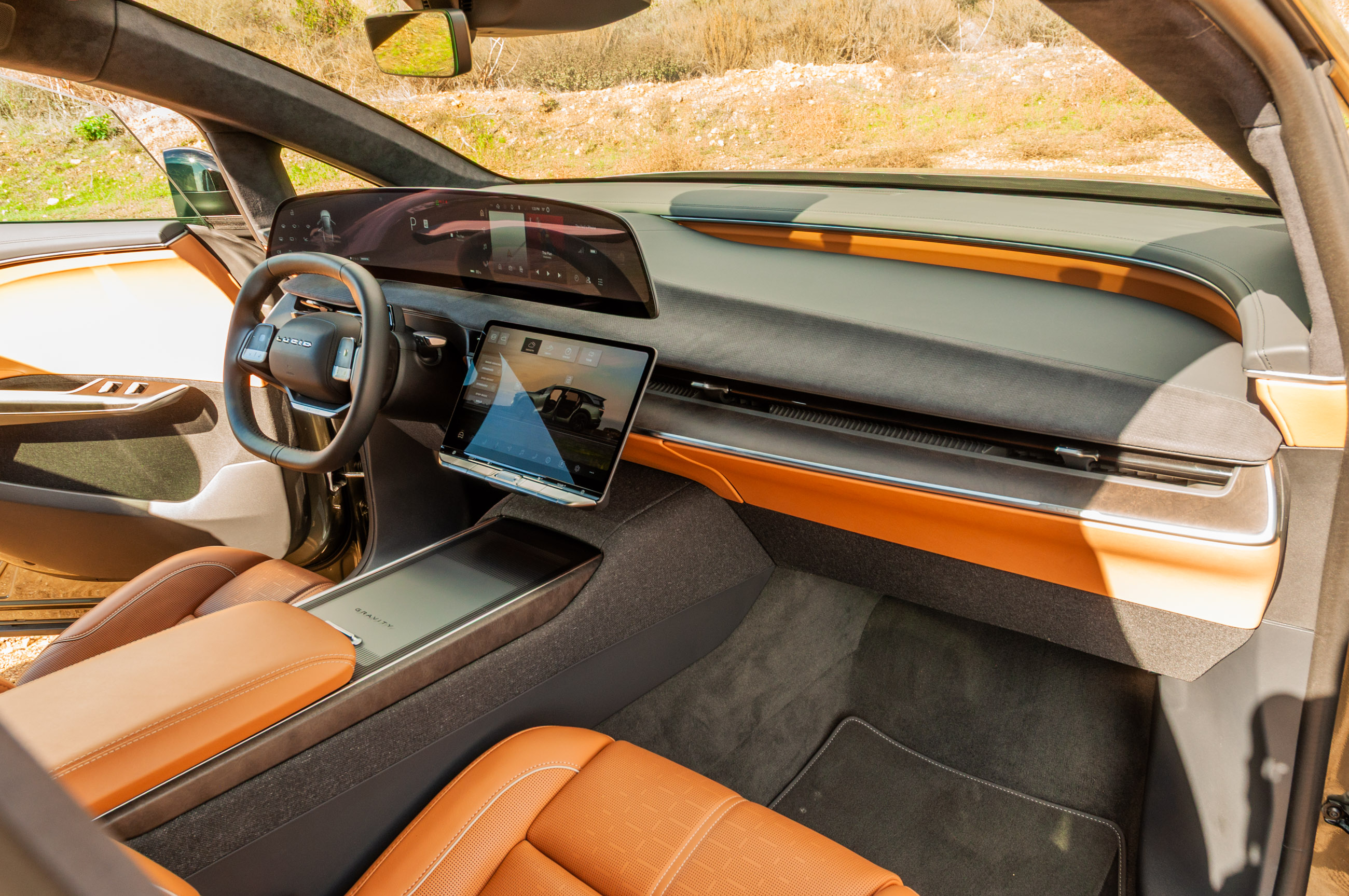
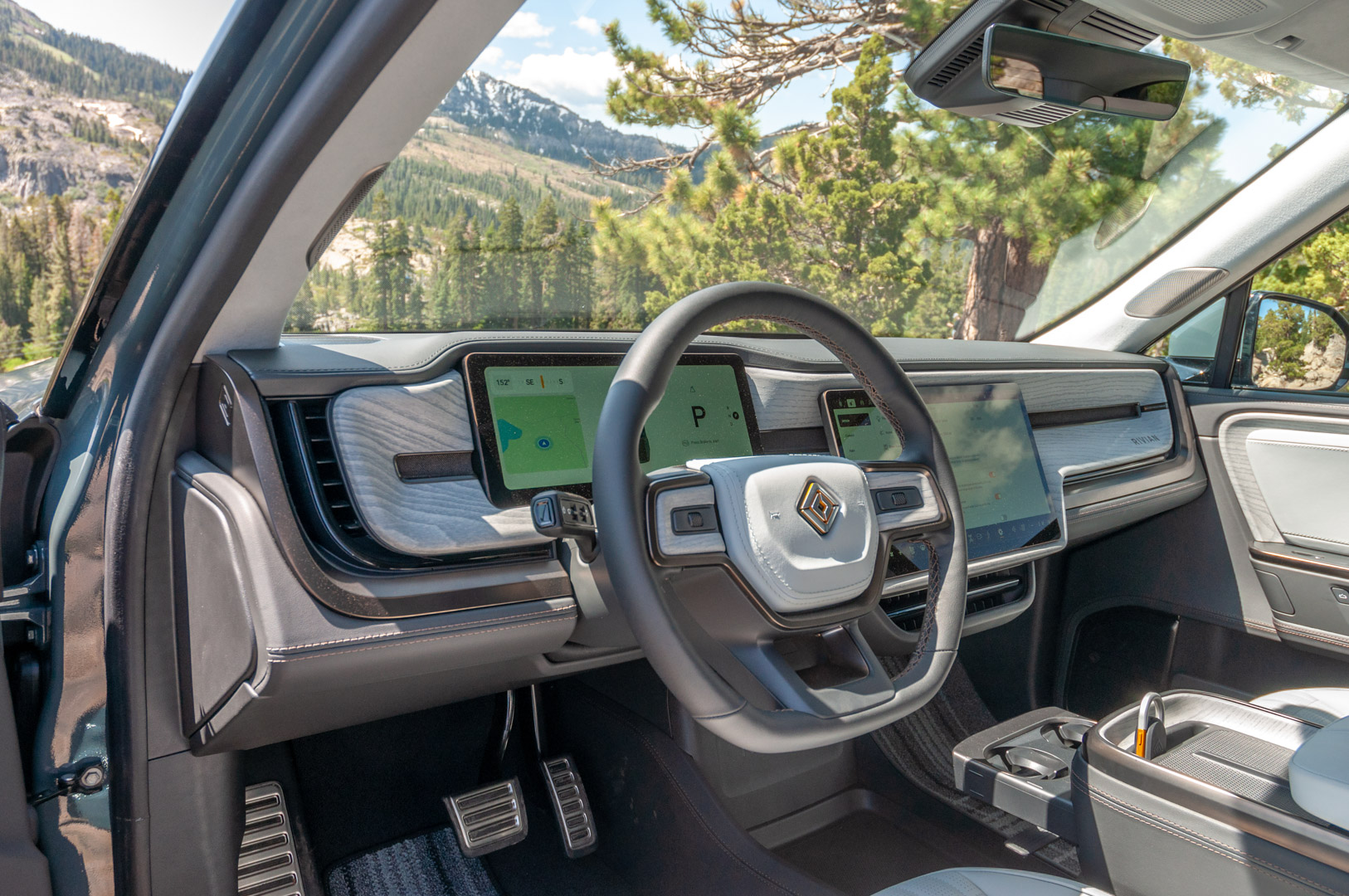
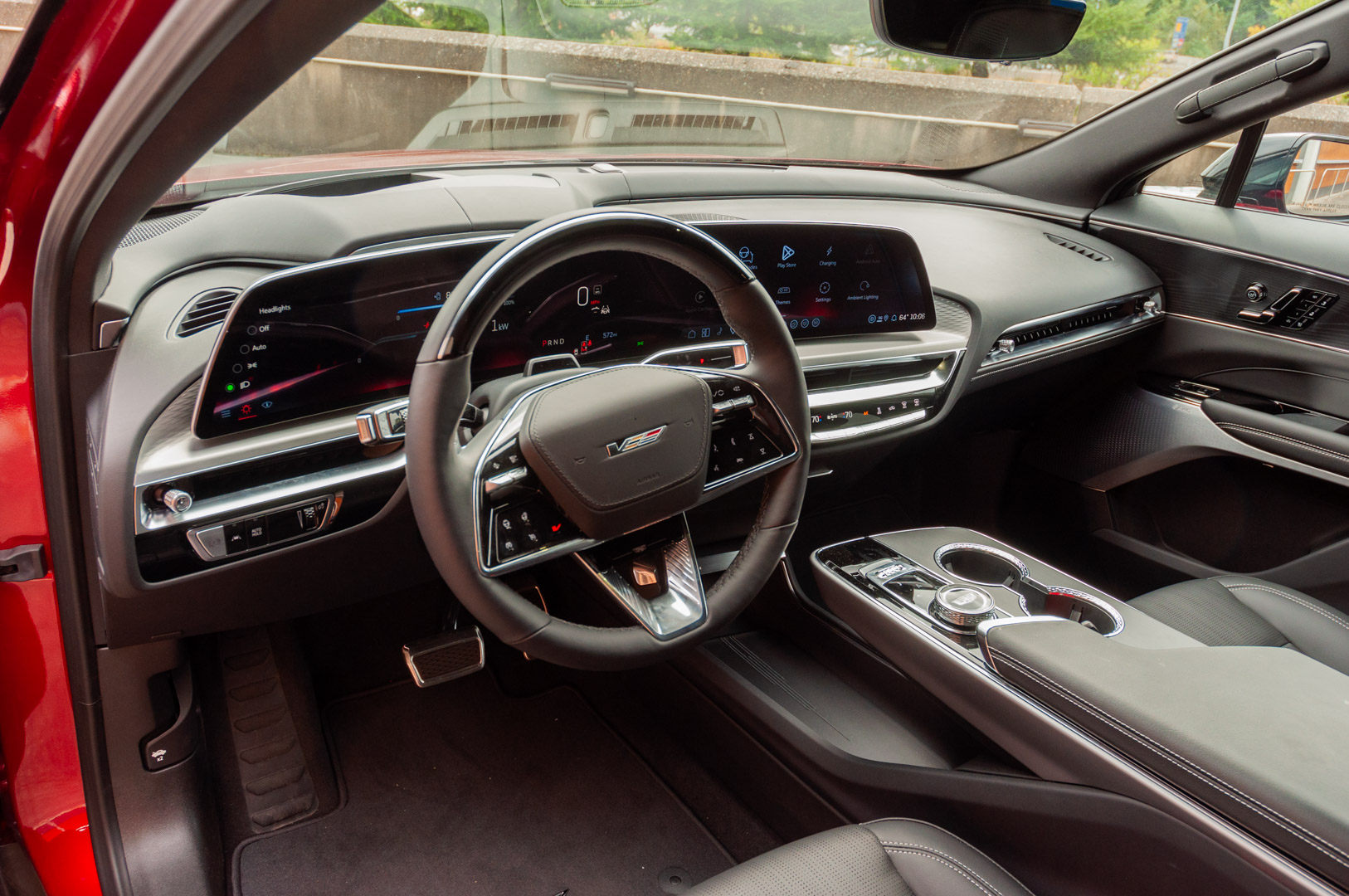
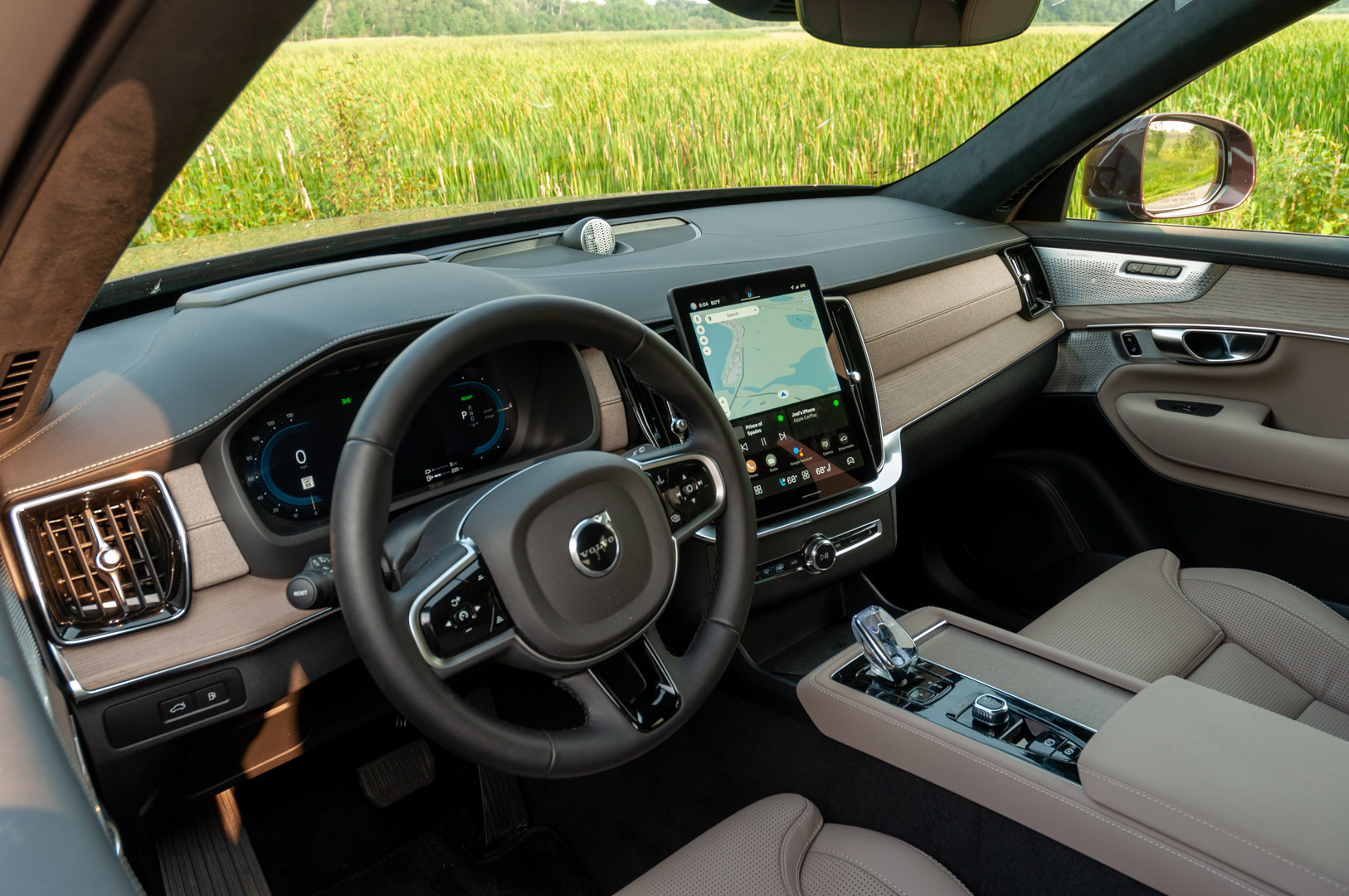
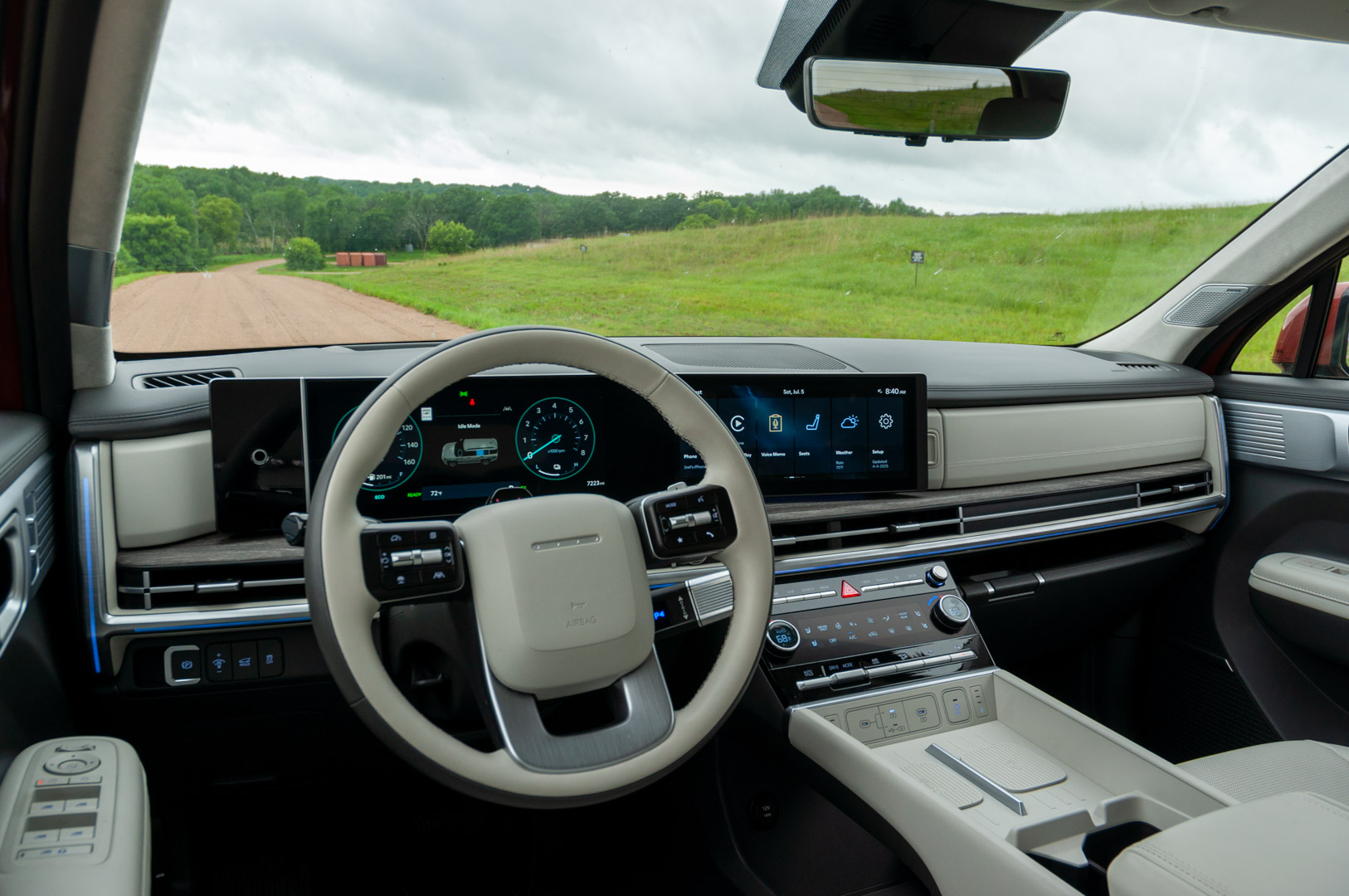
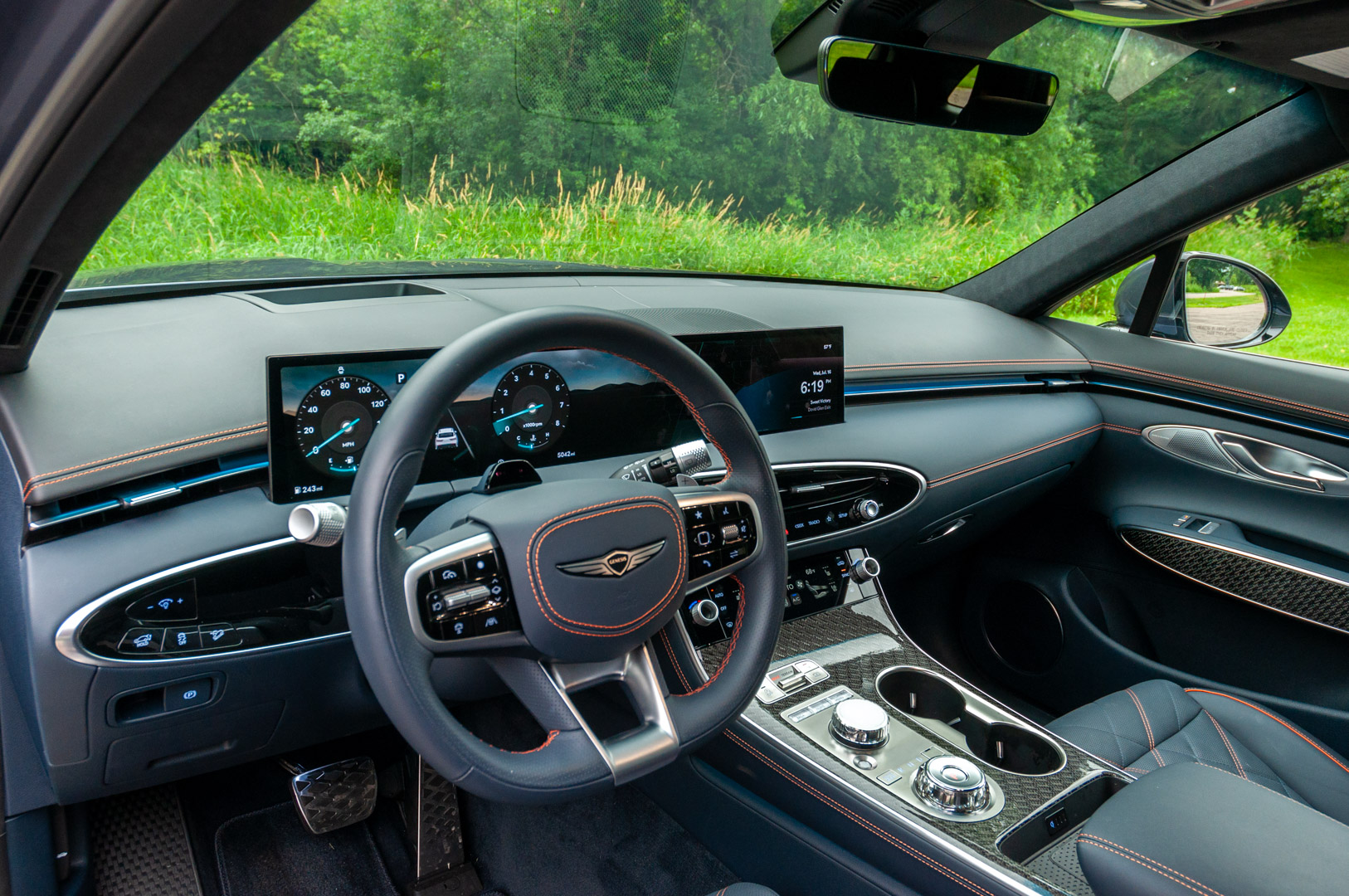
There are some automakers that have seen the light and moved on to other trim materials. Mazda avoided it in the CX-90, and has shown you can make upscale-looking plastic trim that isn’t easily marred. Lucid isn’t touching the stuff nor is Rivian or Tesla. Cadillac, Volvo, Hyundai, and Genesis have only used it sparingly, with the latter two in places it’s less likely to get all scratched up.
Say what you will about touchscreens, but there are countless materials automakers can turn to and be creative with. The shiny piano black plastic trend needs to be taken behind the barn and never seen again.
Got a gripe with a design trend? Send us a line at tips@thedrive.com
Loading comments…
Comments couldn’t be loaded. Please refresh the page.