
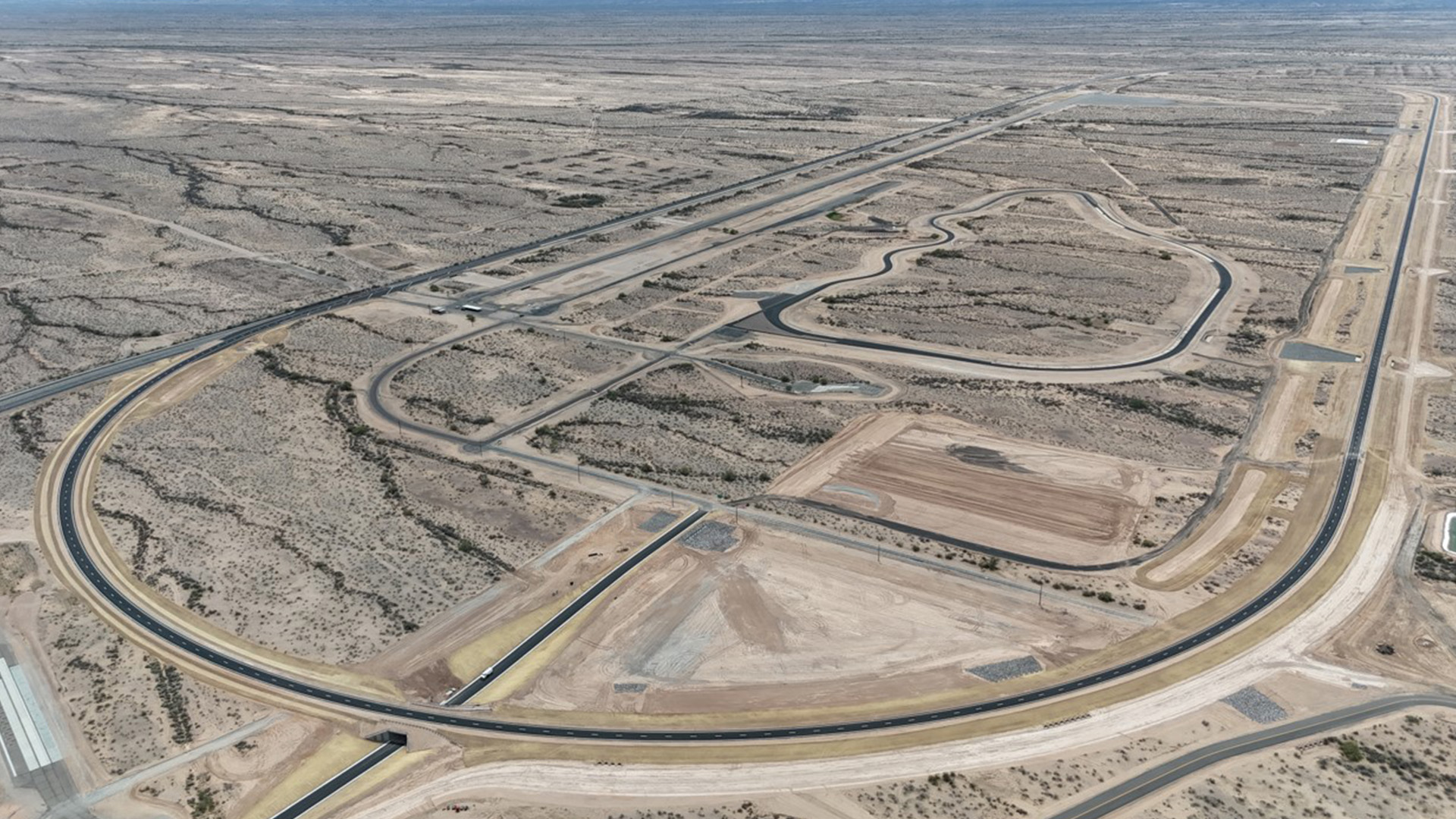
Toyota keeps insisting that hydrogen fuel cells are the future, and y’know, it’s a hard sell. I’ve been vocally skeptical about it more than once, and I’m certainly not alone. Part of me thinks that’s why Toyota invited me to its Arizona proving grounds last week—that way, I could see it for myself. I obliged, and after a full day of talking with engineers and seeing the manufacturer’s hydrogen tech up close, I can confidently say: I almost get it.
So much about hydrogen fuel cells almost makes sense. If you didn’t know anything about cars, or trucks, or the infrastructure that exists to keep them fueled, you’d think hydrogen was the best thing since sliced bread. “You’re telling me I can fill up my daily driver with the most abundant element in the world, drive it for 300 or 400 miles, and the only byproduct is water? Shoot.” Toyota even throws in $15,000 of free fuel for anyone who will buy a Mirai, its only existing FCEV passenger car. Too bad people still won’t touch it with a 39-and-a-half-foot pole.
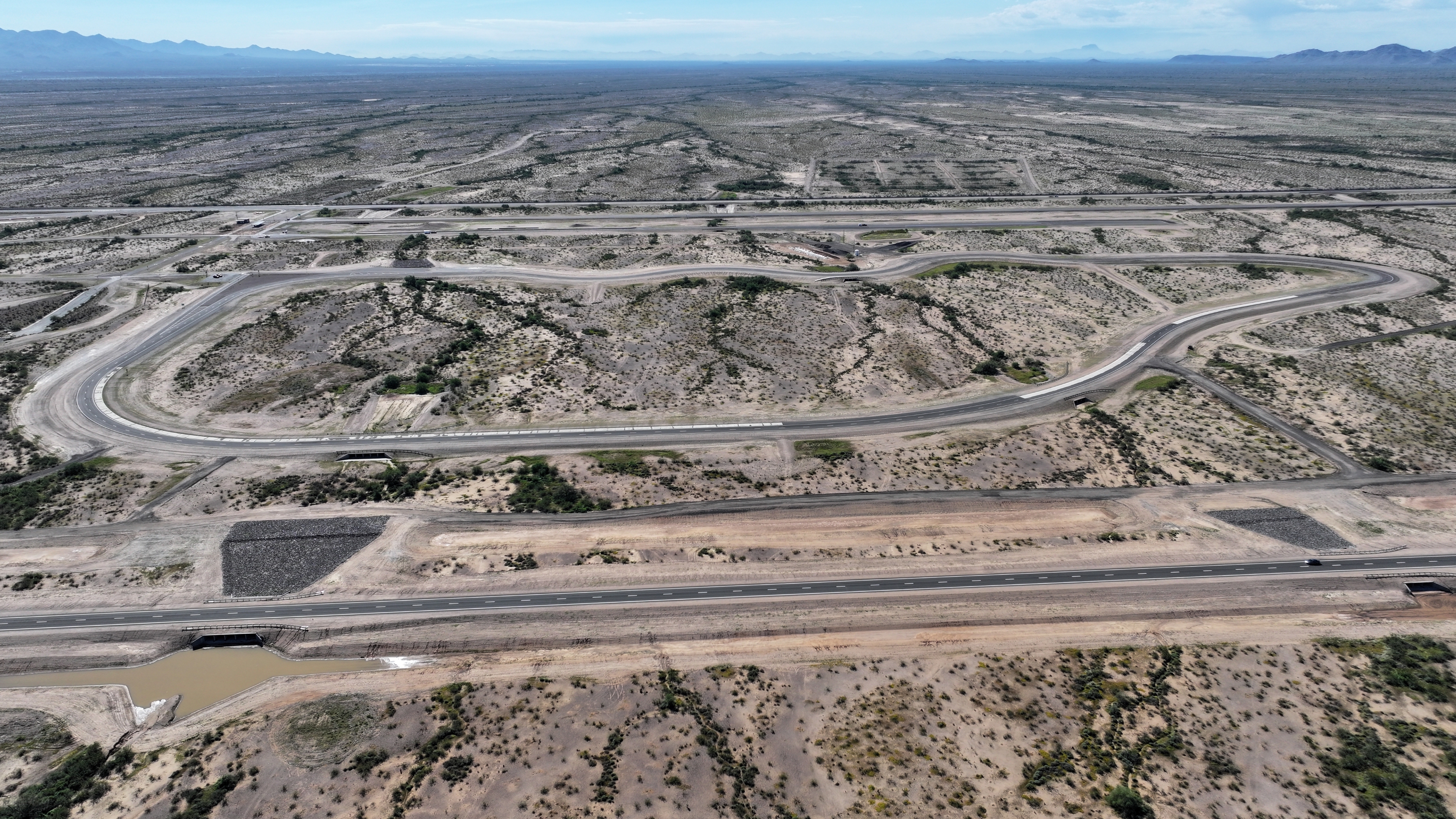
All this was on my mind as I rode on a shuttle bus packed with journalists from Phoenix to the desert town of Wittmann, Arizona. Toyota owns a 12,000-acre plot of land there with all kinds of test surfaces and scenarios so it can develop your next Camry or RAV4. We were met with a stacked itinerary that featured walkarounds and ride-along experiences for different hydrogen-powered vehicles. The central meeting spot was a big ol’ hospitality tent, which got its power from a fuel-cell generator stuffed in the bed of a Toyota Tundra. More on that in a bit.
The Concept
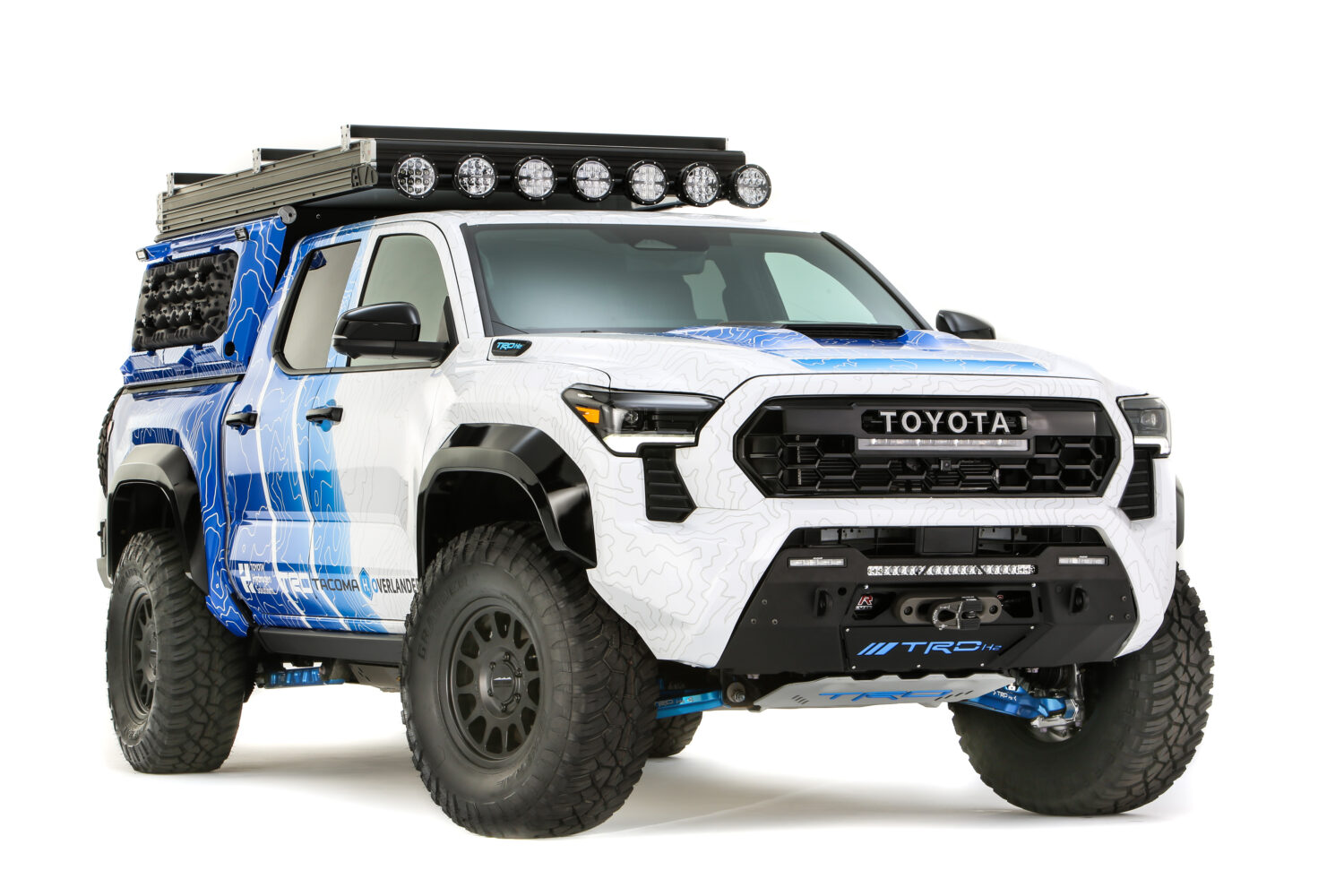
Toyota’s big idea is that it can use hydrogen to develop power for electric vehicles at scale. The italicized bit is the hard part, as Toyota has proven for years that it can build fuel-cell EVs. It has done so, mainly, with the Mirai—a handsome sedan that only makes sense to own if you have an incredibly specific use case. Toyota hopes to get more folks excited about hydrogen with concepts like the Tacoma H2 Overlander build that it developed for SEMA.
That rig greeted us as we rolled into TAPG, a facility that doesn’t often welcome journalists like me. Toyota likes to test secret stuff here, and if I’m honest, it felt like Toyota had been keeping plenty of secrets about hydrogen. I’m not sure how else you could explain the world’s largest automaker dumping tens of millions of dollars into a fuel that has lost what little steam it picked up in the U.S., with at least one exec claiming it will “take over” diesel in our lifetimes.
From the general public’s perspective, hydrogen seems like a neat pet project for the manufacturer; from Toyota’s, however, it’s a major player in what the brand calls its “multi-pathway” to carbon neutrality. The automaker that bet big on hybrids was smart to play it cautious with battery electric vehicles, but it insists that FCEVs—which rely on an infrastructure that’s practically non-existent in much of the country—are important, too.
I believe there’s a fundamental misunderstanding going on. We’re all looking at Toyota, the builder of Camrys and Corollas and RAV4s, as if it expects to make hydrogen happen with those cars in the near future. Though after spending time with the engineers and executives working on these H2 projects, it became clear to me that Toyota is zooming way out, viewing hydrogen as a solution for niches that might not be as visible to the everyday person.
Heavy-Duty Hydrogen Workhorses
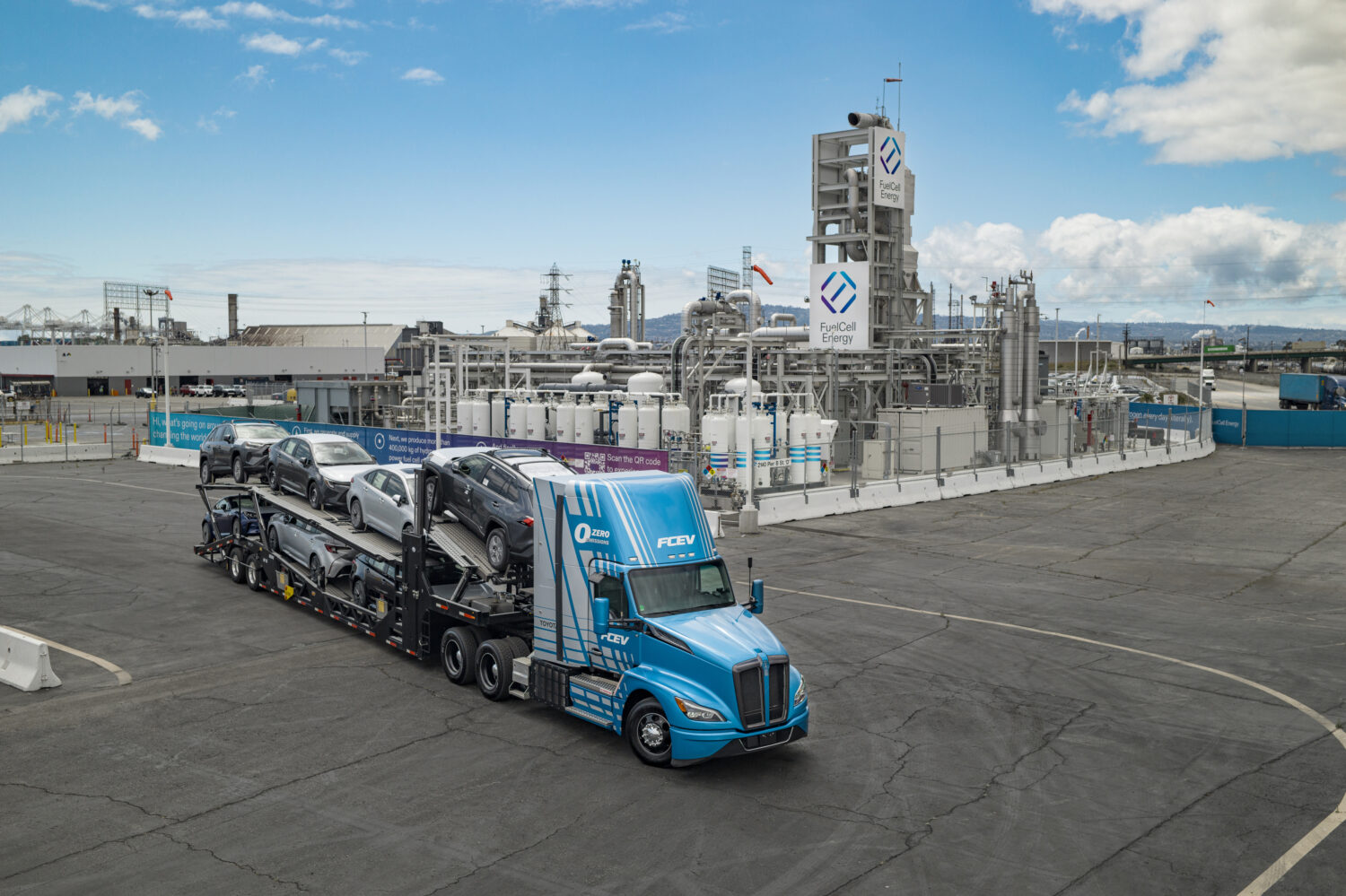
Tractors like the one you’re looking at here are already in use at the Port of Long Beach. Their trailers are often loaded by hydrogen fuel-cell Toyota forklifts, and their tanks are filled with hydrogen produced on-site. It’s the picture-perfect use case for a truck with about 400 miles of range, which is about as good as a Tesla Semi but far less than the long-haul diesel semis that can go more than 1,500 miles thanks to big-time fuel capacity.
The FCEV semi-truck’s battery forms a cradle around its frame, where you’d typically find the diesel tanks. The hydrogen is stored behind the cab in six pill-shaped containers that are darn-near impenetrable.
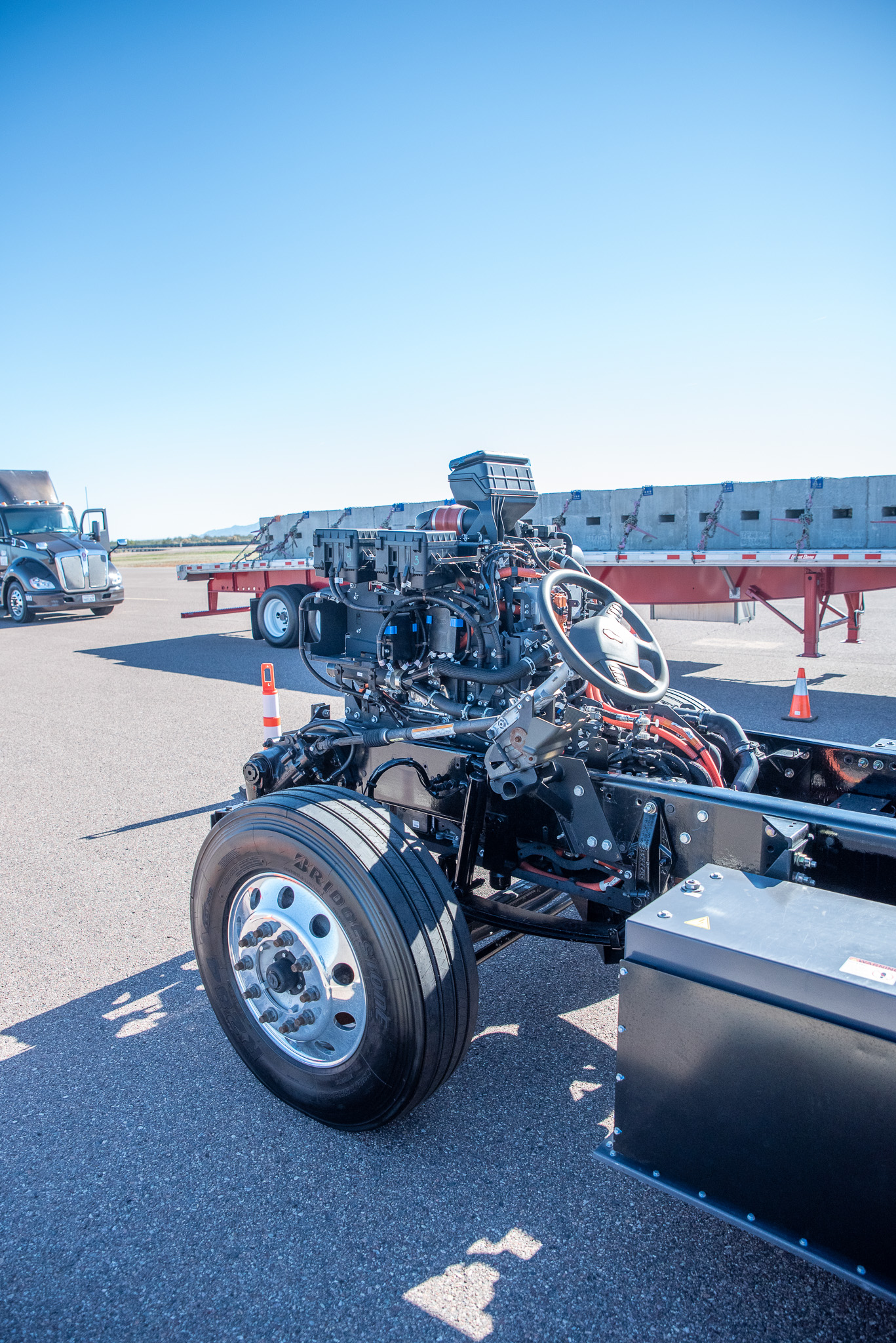
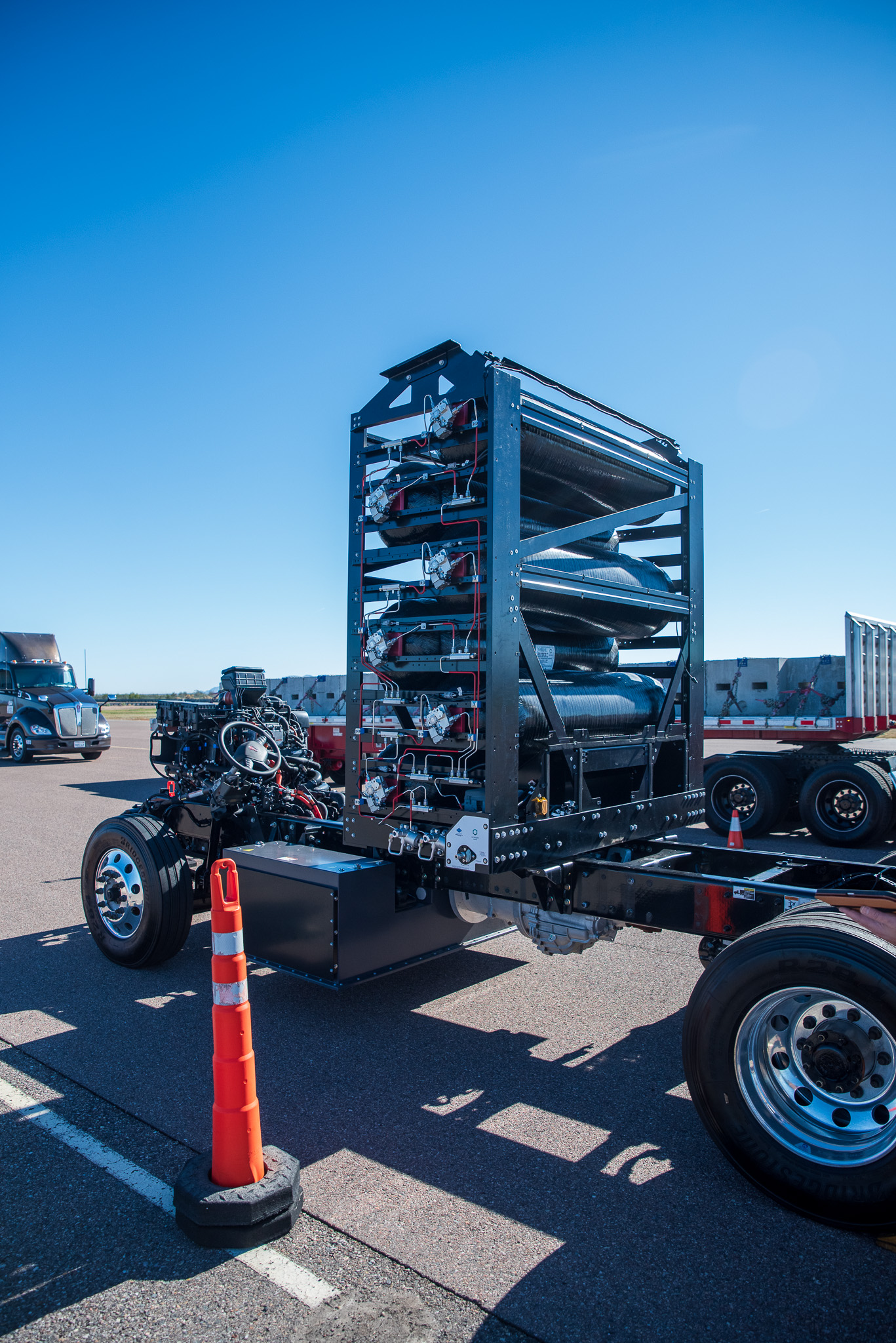
Most of the new Peterbilts and Kenworths you see on the road today have a big Cummins under the hood. Usually, it’s an X15 model making upwards of 500 horsepower. That’s pretty stout, but I rode shotgun in one during a drag race against a fuel-cell semi and lost miserably. Both weighed in at 80,000 pounds combined, and the driver’s foot was to the floor. A lot of that can be chalked up to the Toyota-powered truck’s four-speed automatic versus the diesel semi needing to shift through its 12-speed transmission.
More important than any novel drag race test is how quietly the FCEV semi operates. Some truckers—in fact, most of the ones I know—might say they prefer the exhaust noise of a diesel straight-six, but after a while, it gets old. People grow hard of hearing over time and, more noticeably, they get tired from the constant shaking and shifting around. You don’t have to worry about that with these.
These are a heck of a lot cleaner, more powerful, and more livable than diesel semis. I can see why someone would choose one over a traditional truck, especially if they return to the same hub every day.
The Way Hydrogen Could Work Right Now
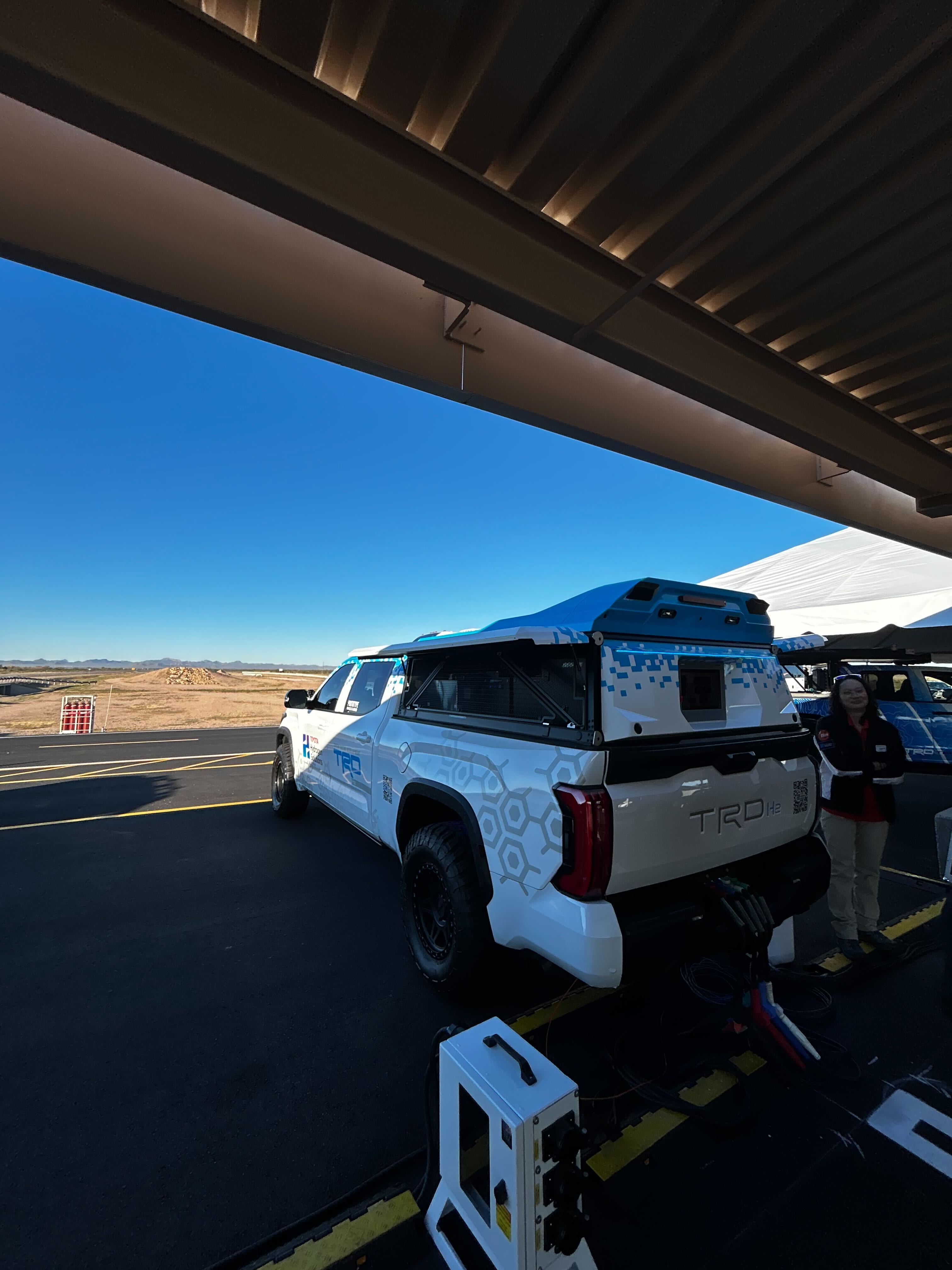
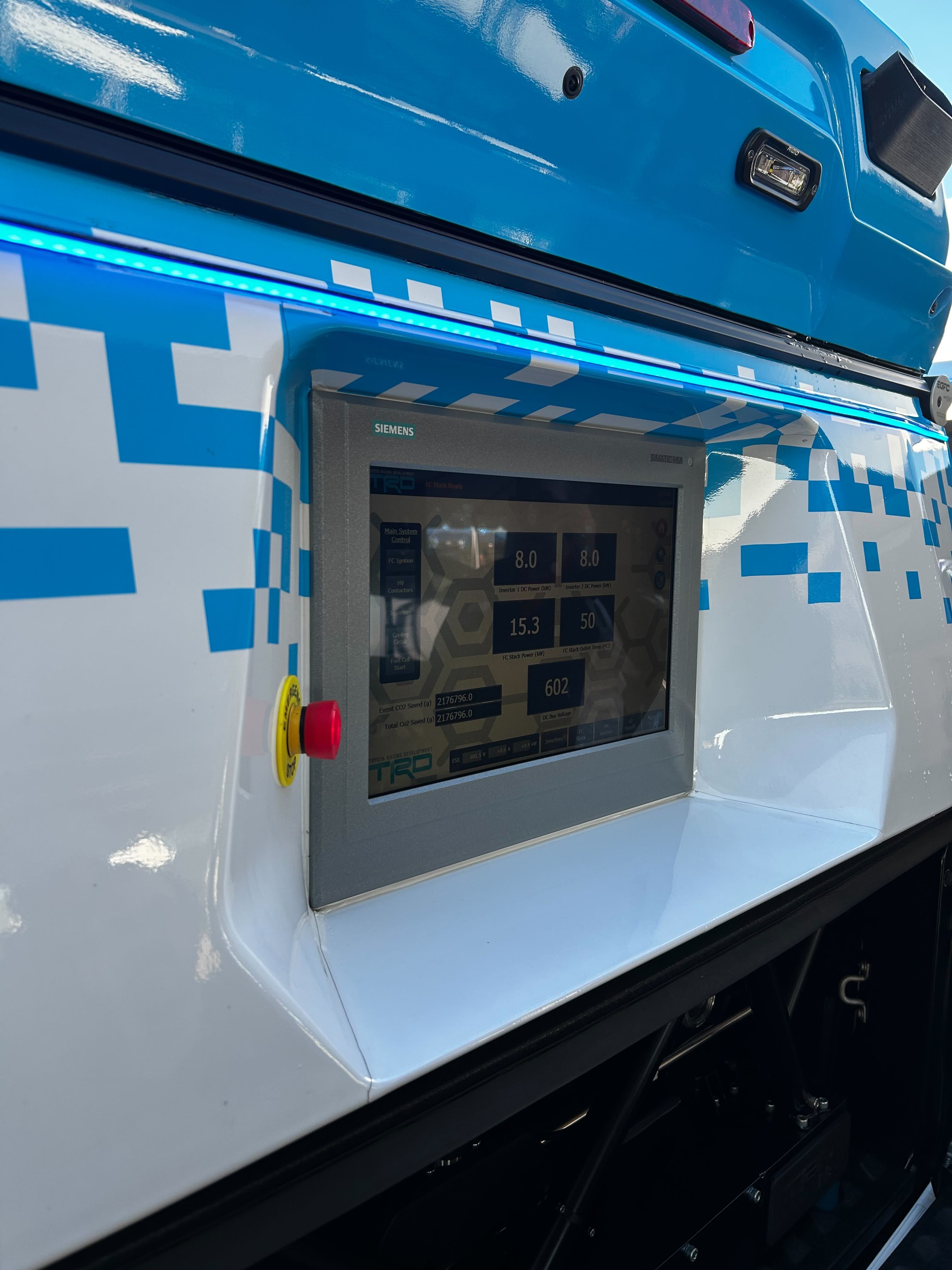
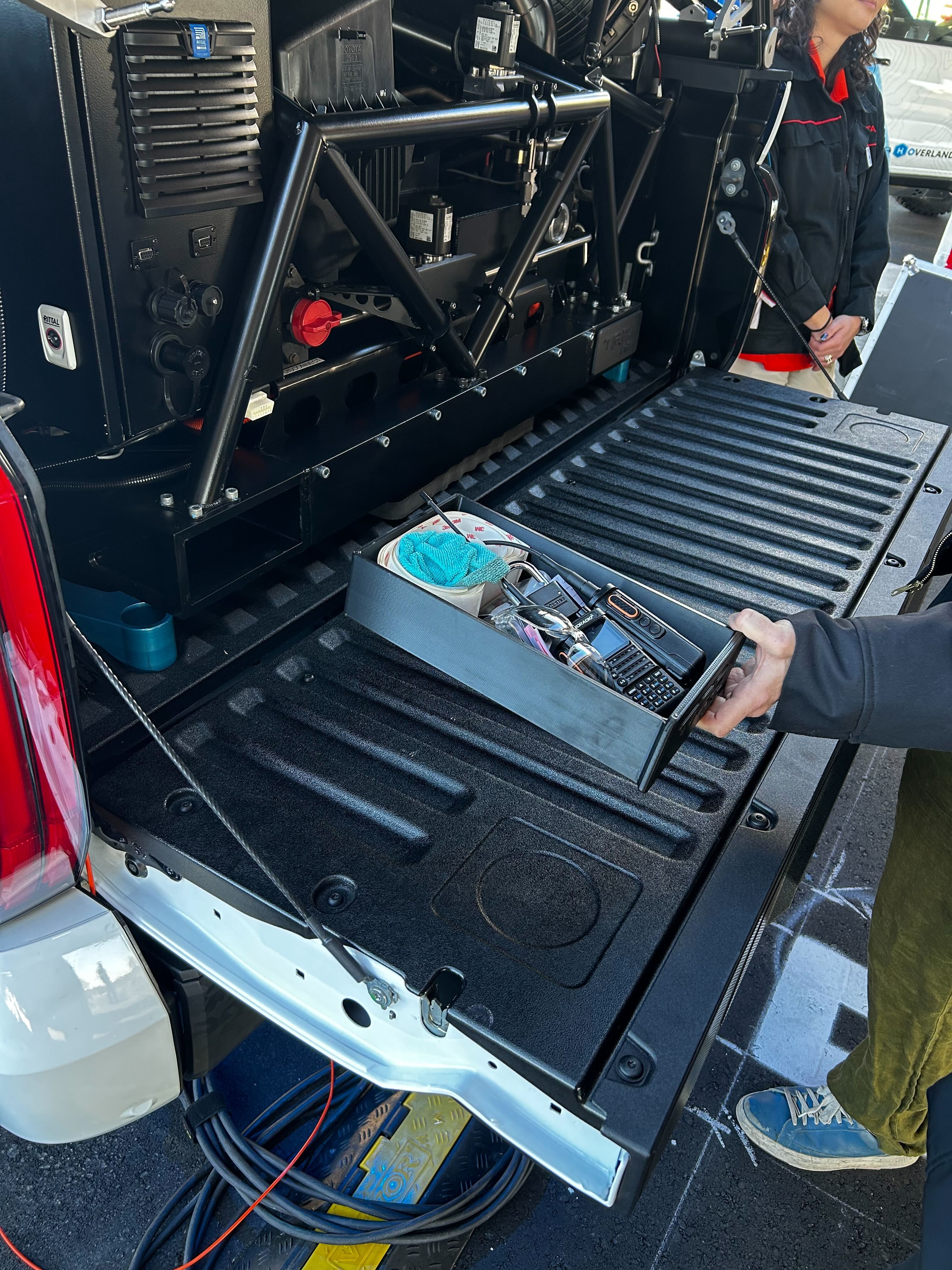
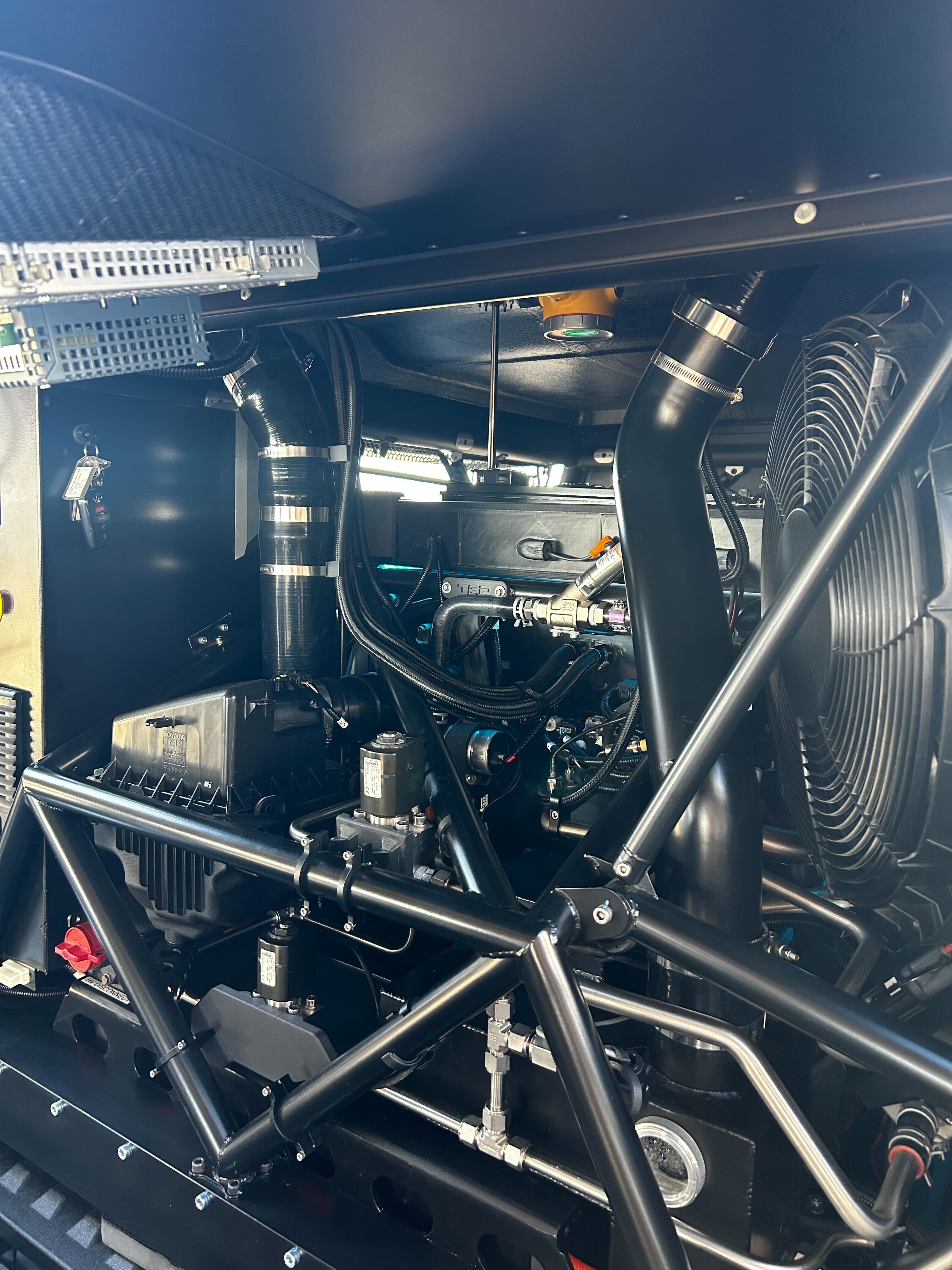
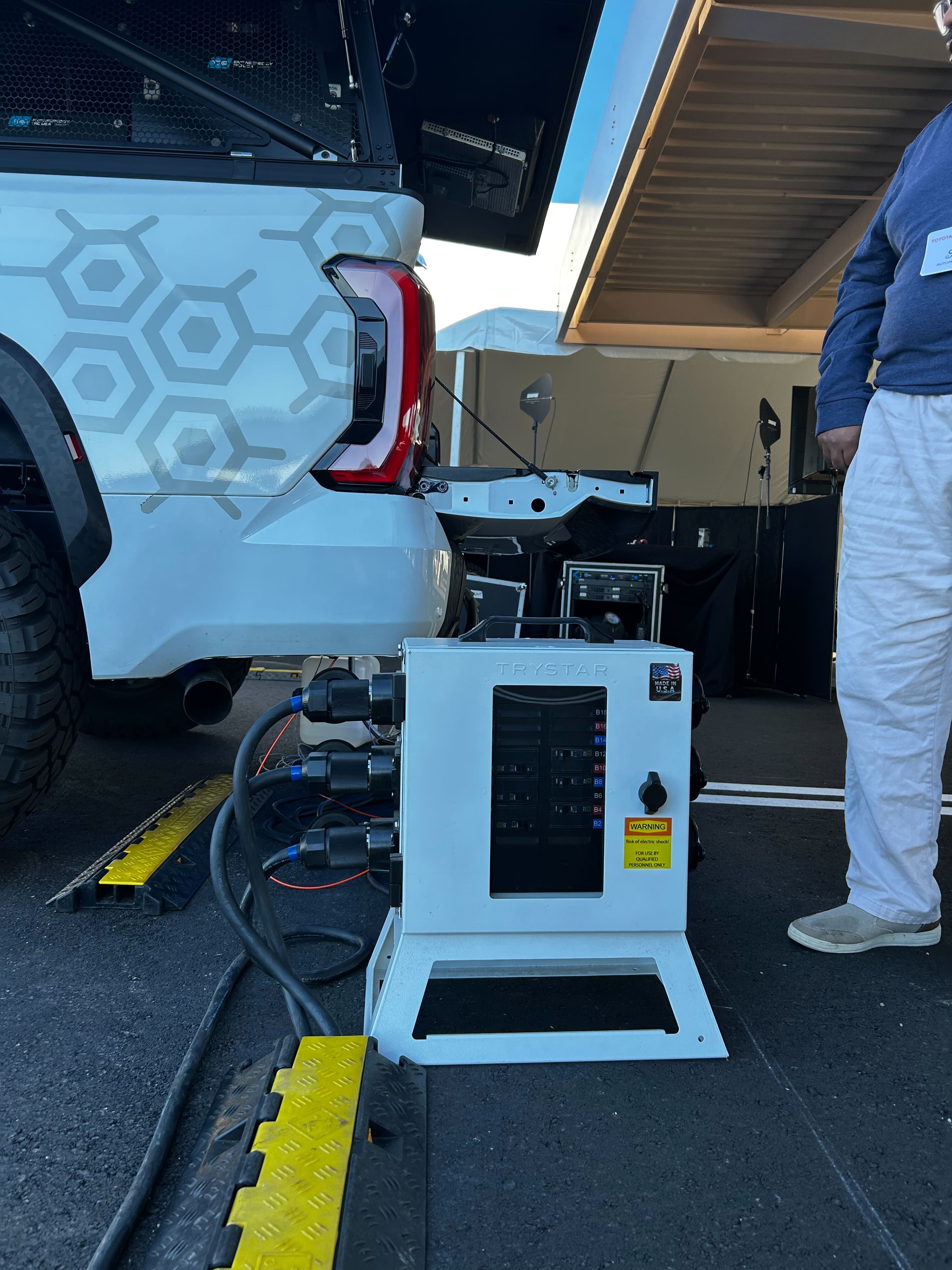
I mentioned that Tundra with the fuel-cell generator just a bit ago. I think this might be the technology’s best application—at least for now. Toyota repurposed a Mirai fuel-cell as well as some other parts from the bin, like a RAV4 air intake box, to create the rolling power bank. Importantly, the Tundra doesn’t carry an onboard hydrogen supply; rather, it was plumbed via braided line to a caged hydrogen bottle more than 25 feet away.
I spend a fair amount of time around diesel and gas generators, and I can tell you right now that not even the quietest internal-combustion-powered inverter comes close to Toyota’s hydrogen fuel-cell unit. That’s good news for tent campers everywhere who lose sleep at night thanks to their RV neighbors running their own power supply all night. It’s also good news for folks in crowded cities when the power grid fails and all the big buildings have to rely on backup power to keep the lights on.
That’s one of the best parts about hydrogen fuel cells that I witnessed firsthand: They’re so scalable. In turn, they could be a boon for industrial applications—emphasis on could there.
What would be even more interesting is if Toyota could scale up the patent-pending technology that it developed for the Tacoma H2 Overland project. That truck takes the water produced by the hydrogen fuel cell, filters it, and sends it through a hose so campers can use it to wash their hands or their dishes. It’s a self-sufficient, replenishing water supply. Imagine that same idea, but with industrial generators and power supplies.
The Tundra with the hydrogen fuel cell generator produced a little more than two gallons of water after six hours of operation. I can’t help but think that a larger generator, used to power an entire hospital or logistics warehouse, could make a whole lot more. What you could do with the water is endless, and while this certainly isn’t an endorsement for doing such, I talked to at least one person who has drunk it without any type of filtration. (Apparently, it’s tasteless, even compared to bottled water since it has no minerals.)
If you ask me, paired with the potential for regional freight delivery, the prospects are huge.
What’s Stopping It
This is what keeps me from saying I totally get the idea of hydrogen, and it’s a big one: Just where the heck will we get it? It’s not a new objection, and yet, it’s the largest looming one. Toyota knows that, you and I know that, my coworker Joel screams about it any time he gets the chance.
I heard a couple of engineers mention their hydrogen suppliers, one of which delivered to the middle of nowhere during the Rebelle Rally. Those who are willing to carry it will apparently do so anywhere. But that’s still not as convenient as rolling up to one of a dozen gas stations within a square mile of where you already are.
It likely won’t be until massive chains decide to carry hydrogen that we’ll see it take off—if they ever do, and I’m not hopeful. Storing it is a headache, as hydrogen molecules are so small and volatile that they require specialized containers. And while you might see companies like ExxonMobil and Chevron put out press releases about the potential of hydrogen, part of me doubts their sincerity in seeing it truly take off to the point that Big Oil is challenged in any way.
Toyota is involved in making hydrogen fuel more accessible, but even as the largest automaker in the world, it’s going to take a mighty collaborative effort to see it take off stateside. Government support is one obvious way that could take shape, but it would be foolish to count on that from the current administration on a federal level. States like Arizona have discovered a huge amount of hydrogen underground, so maybe they’d be interested in working together. But there’s still the problem that many gas stations, whether they’re owned by regional chains or Mom and Pop, don’t have the resources to offer it at the pump.
We could see the hydrogen fueling infrastructure grow meaningfully before we return to the earth, and it’s worth noting that hydrogen is the most abundant element in the entire world, but boy… It’s going to be tough.
Got a tip or question for the author? Contact them directly: caleb@thedrive.com
Loading comments…
Comments couldn’t be loaded. Please refresh the page.