
Key Takeaways
- Price increase challenges affordability. Originally priced under $20k with incentives, the Slate Truck now starts at $24,950 without federal tax credits.
- Strong initial interest despite cost. Slate received 10,000 pre-orders, indicating continued consumer interest.
- Customization and DIY appeal. The truck offers numerous affordable accessories and DIY options for personalization.
- Comfortable and economical ride. Despite its simplicity, the Slate Truck provides a comfortable and quiet driving experience.
Bottom line: Slate's electric truck offers affordability and customization, but the price hike challenges its value proposition.
AI assisted, editor reviewed
When it was originally announced last year, Slate said their new Truck would be priced in the low $20,000s. At the time, federal incentives would apply, making the final price of the truck below $20k. Now, federal incentives have been axed and the new automaker has had to pivot.
It seemed plausible way back in April 2025 that car buyers would be drawn to a simple, small, inexpensive truck that bragged about its customization opportunities and its ease of ownership. Indeed, Slate reminded us recently that they received 180,000 reservations for the truck, and they still emphasize the necessity of an affordable vehicle option for consumers.
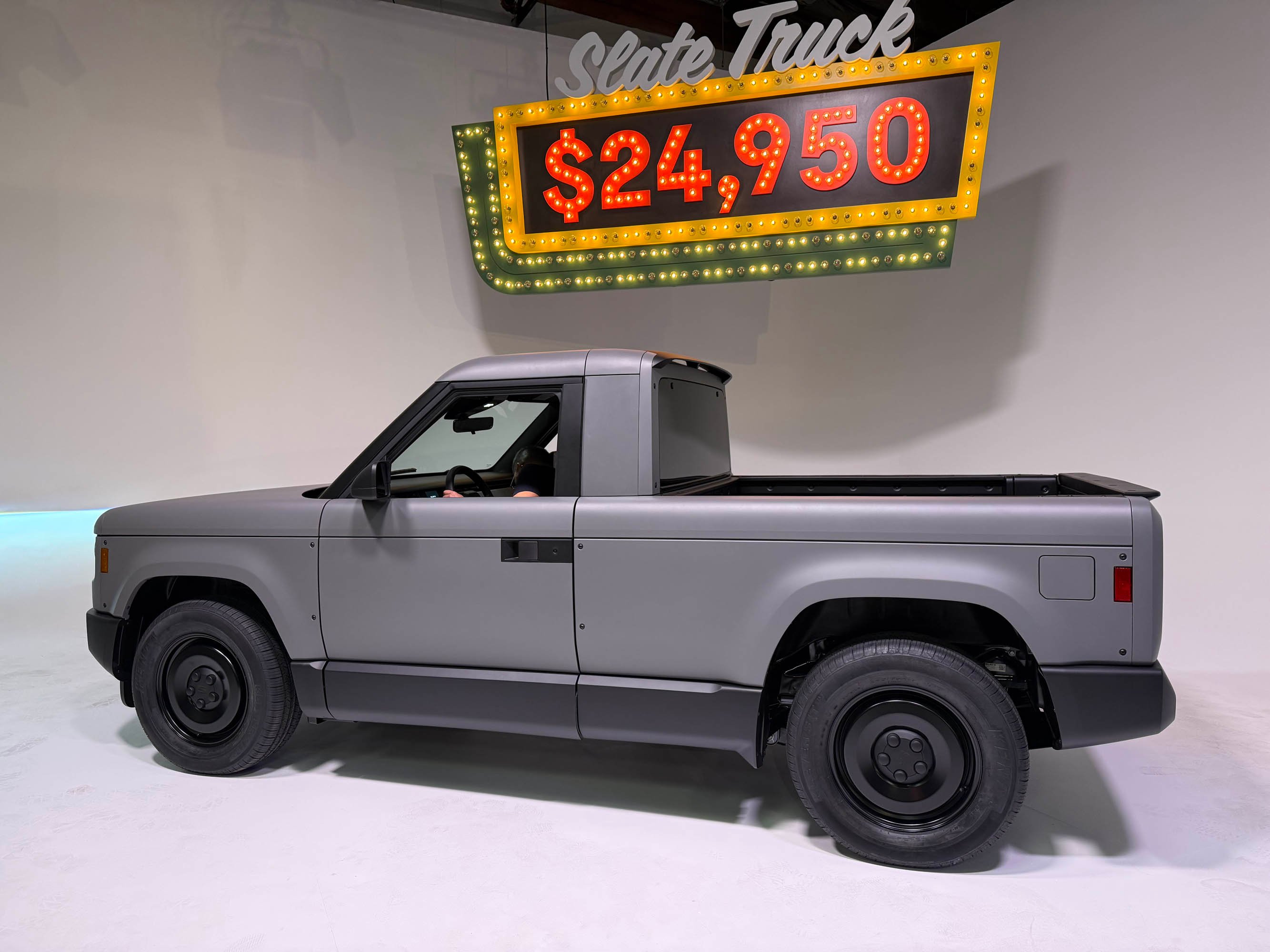
But what happens now that the basic, Blank Slate Truck will cost $24,950 to start (before an unknown destination fee) with no federal tax credit to help with pricing? Slate is optimistic and shared that after their web portal opened yesterday morning to accept pre-orders they immediately received 10,000 of them (remember, the pre-order designation requires a $300 deposit). Does this mean that all potential buyers are undeterred? Not necessarily, but there are 10,000 people who are willing to explore a future with the Slate Truck.
And here is your friendly reminder that certain states and localities are still offering incentives. Some states offer actual tax credits (though most of the time buyers need to qualify by not making more than a certain amount of money) and many incentives amount to discounted charging for a period of time or discounts for installing a home charger. It’s important to note that a buyer isn’t going to get more money back beyond their tax burden. And frankly, the majority of those incentives won’t come close to the $7,500 maximum tax credit Uncle Sam was doling out until last fall. So doing your homework may pay, but not very much. Slate has a link on its website you can click on to find your state’s available incentives.
It should also be said that the Slate Truck potentially has a cost-of-ownership edge over its non-EV competitors. EVs require less maintenance and of course, the price of gas right now sure is compelling for EV ownership. Sure, this requires different thinking than just a discount off the price of the Truck, but it’s worth taking into account.
The key issue here is not whether the Slate Truck is affordable, it is. The Truck is still one of the least-expensive new vehicles out there. But the rub is that the Truck is fairly bare-bones. What in 2025 seemed like an appealing value option may now seem less like a value. And It’s important to also discuss the top end of the spending.
The Slate Truck has a lot of positive attributes, to be sure. One is that you can drive this truck in an almost completely disconnected way. There are no telematics in the vehicle itself. The Slate Truck relies on its app to deliver information back to Slate. It’s not a natively connected vehicle, it only collects data it needs to refine driving characteristics and improve the vehicle over time, and collects the information through the Slate app. People looking to get a break from Big Brother may be up for spending more money to get that privacy, though who knows what the future will hold.
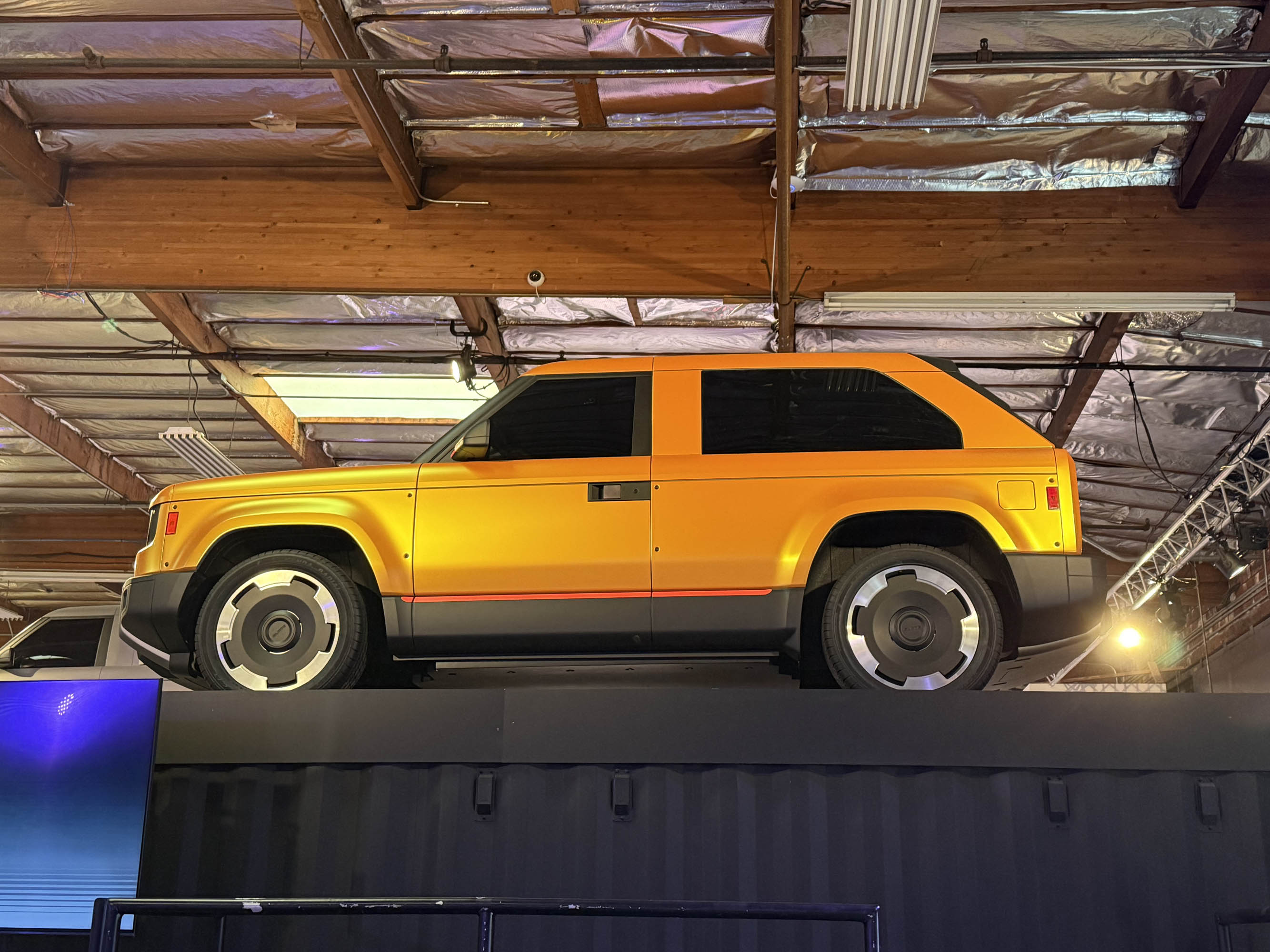
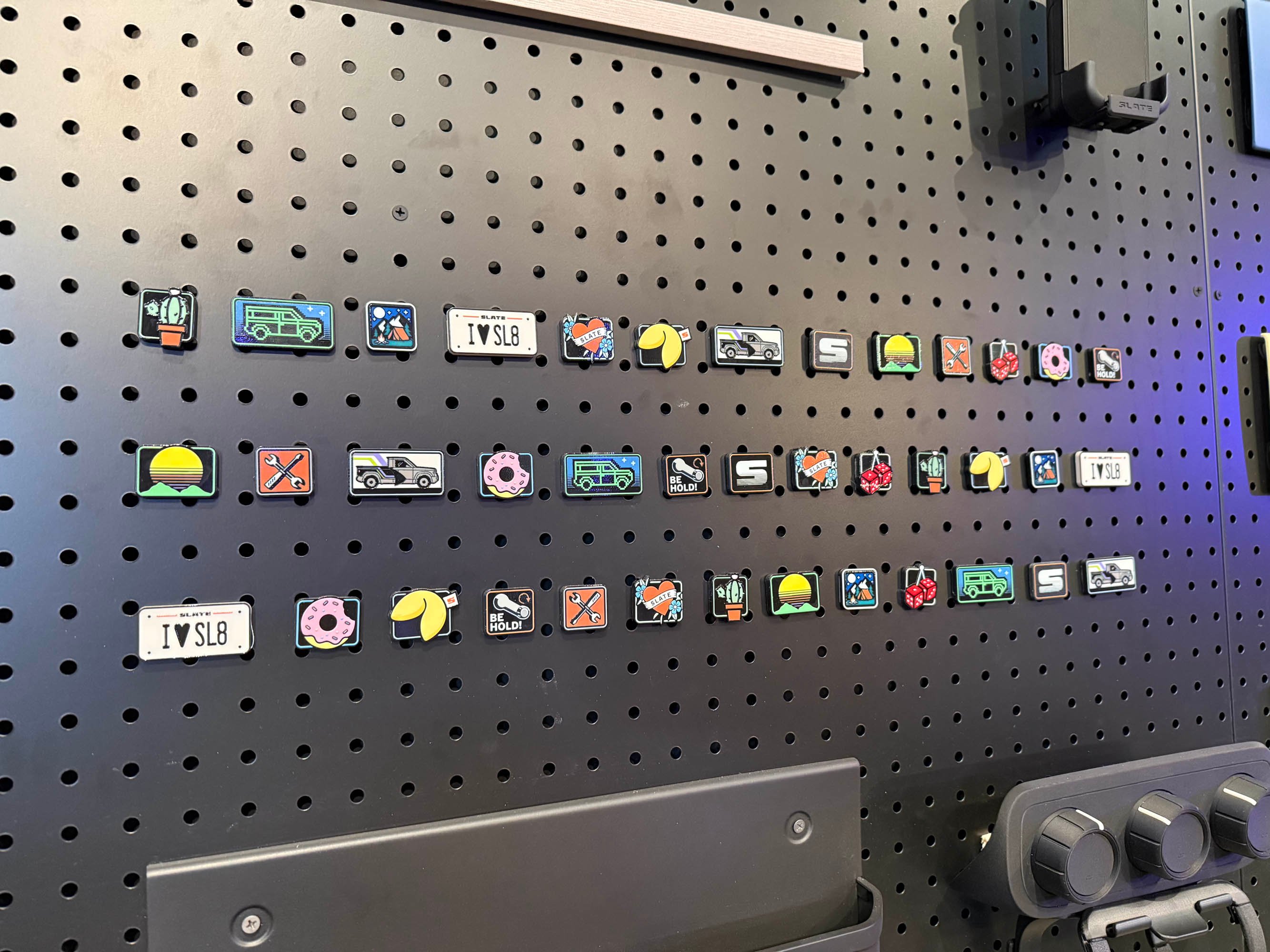
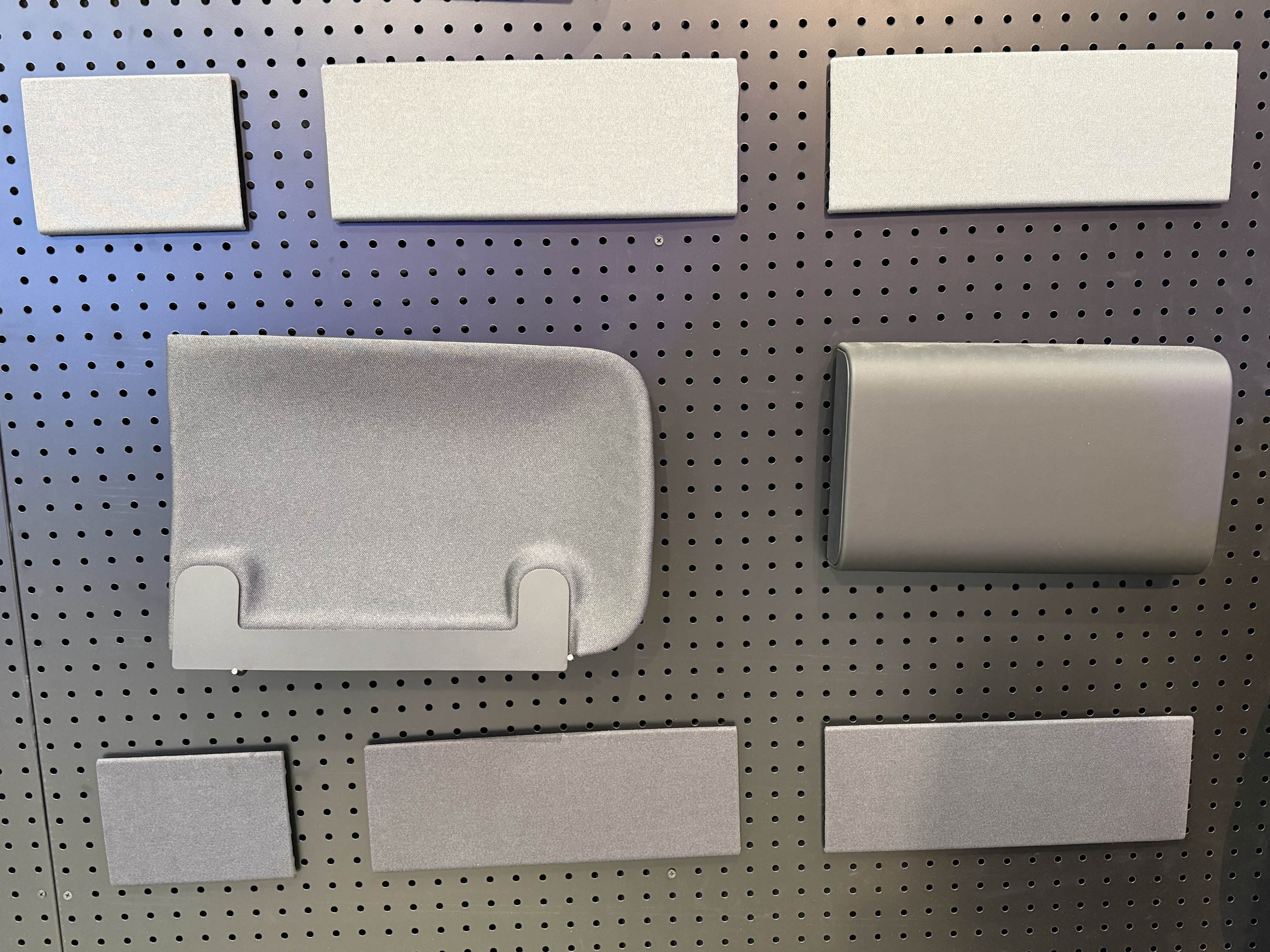
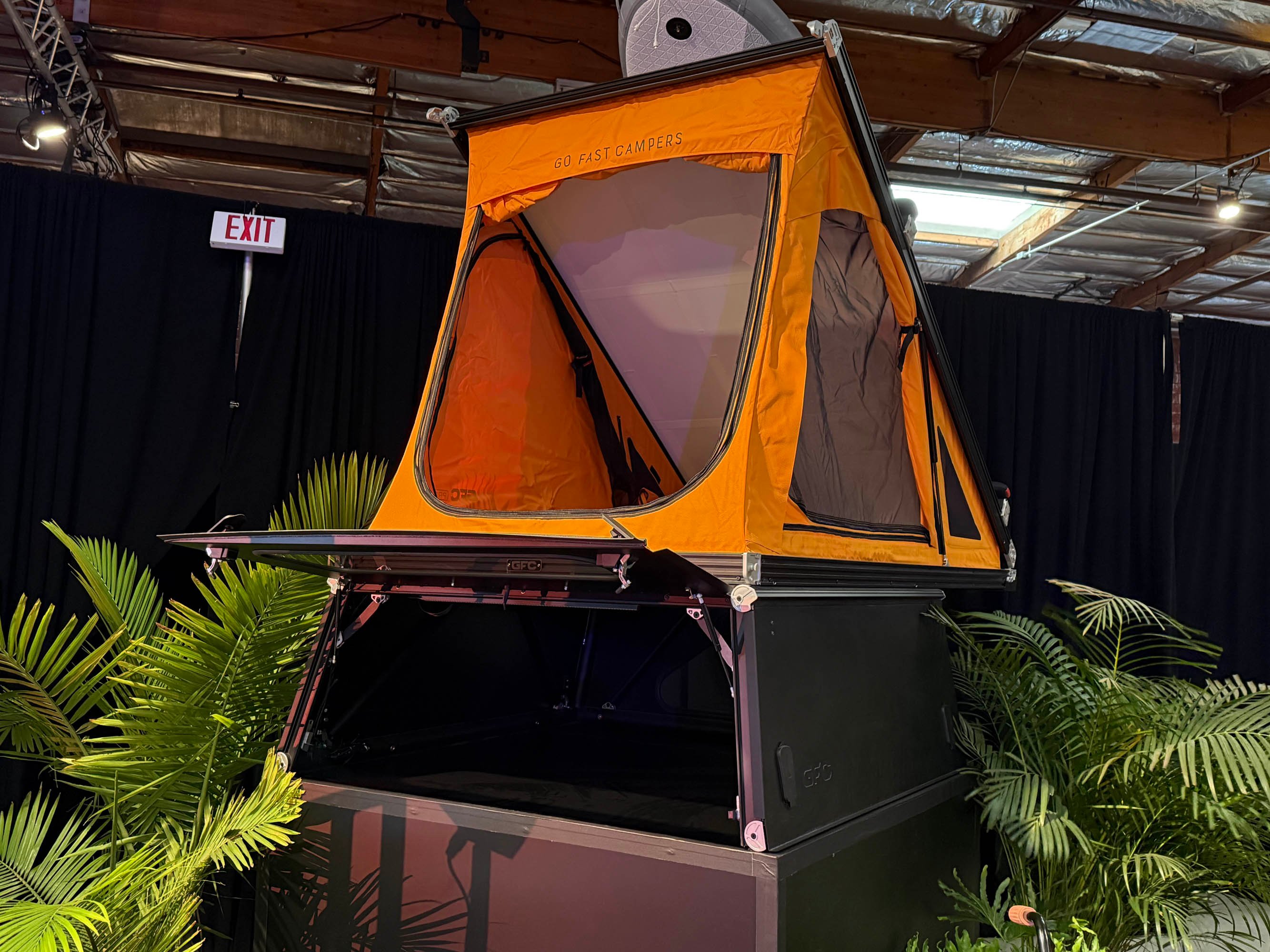
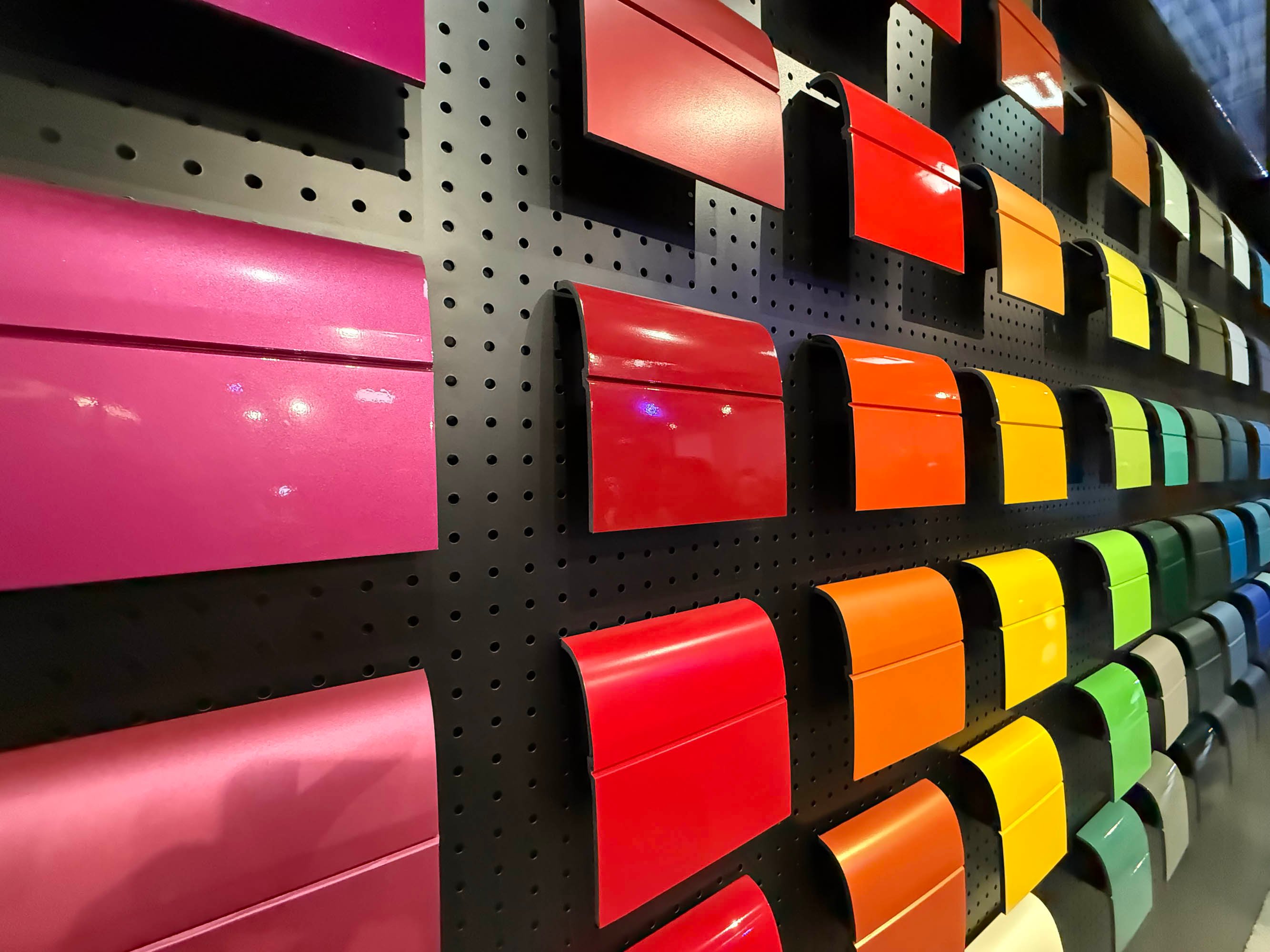
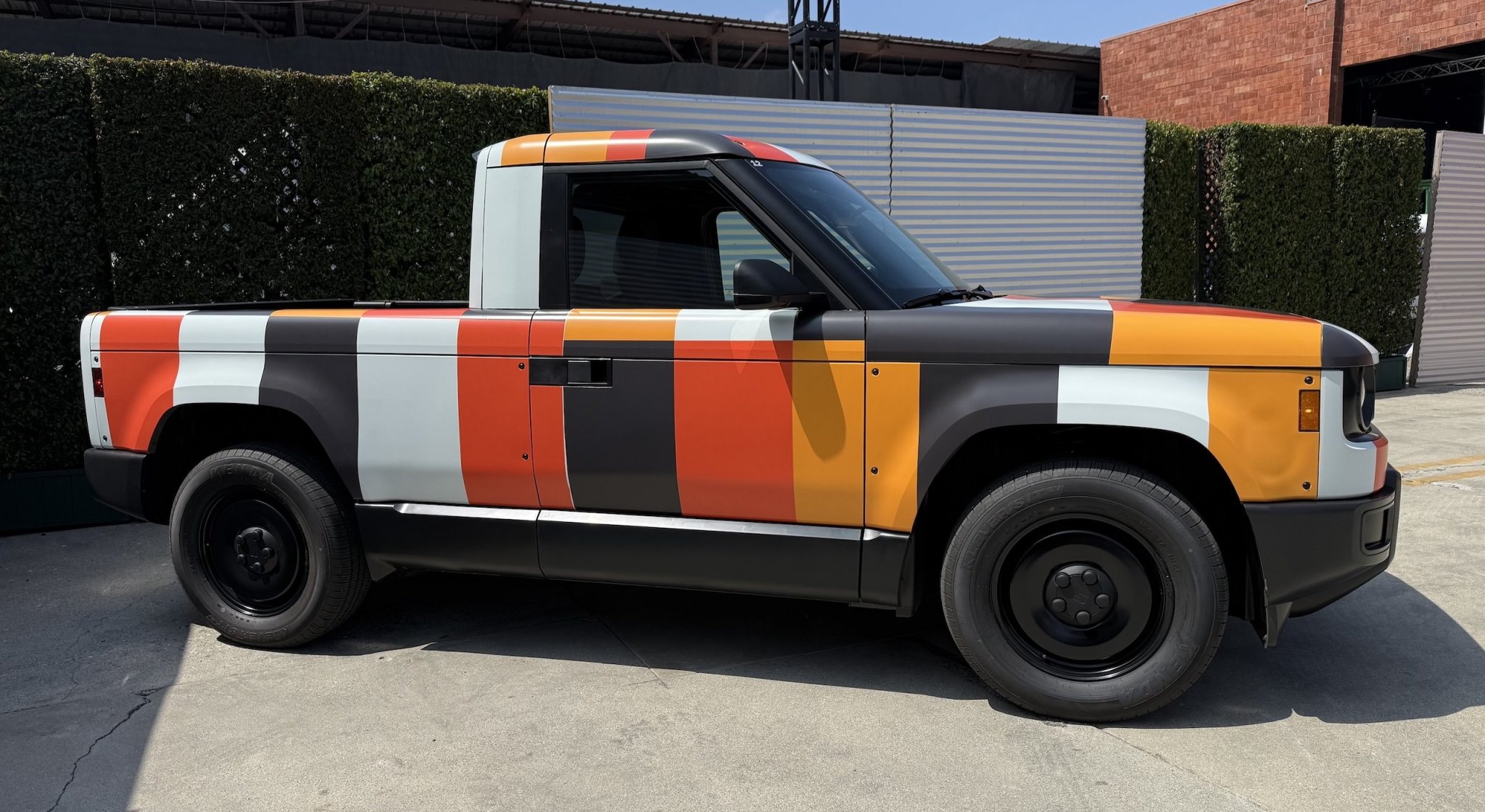
Personal expression will certainly be a draw for some. The Truck has wraps, brakelights, seat upholstery, bezels, trim pieces, and on and on. A third of the available accessories for the Truck are under $100. Wraps start at $500 if you aren’t excited about the gray color it rolls off the assembly line with. The Truck was actually designed with wrapping it front of mind, explaining the boxy shape.
And guess who is going to wrap it? You! In fact, there are a lot of DIY options for your Slate Truck. It’s certainly attractive to know that you can order the SUV kit, it will arrive at your house flat-packed, and you can install it yourself. If you’ve built your own Scandinavian furniture and aren’t excited to take that kind of project on, you can outsource the work to a local Slate mechanic via RepairPal.
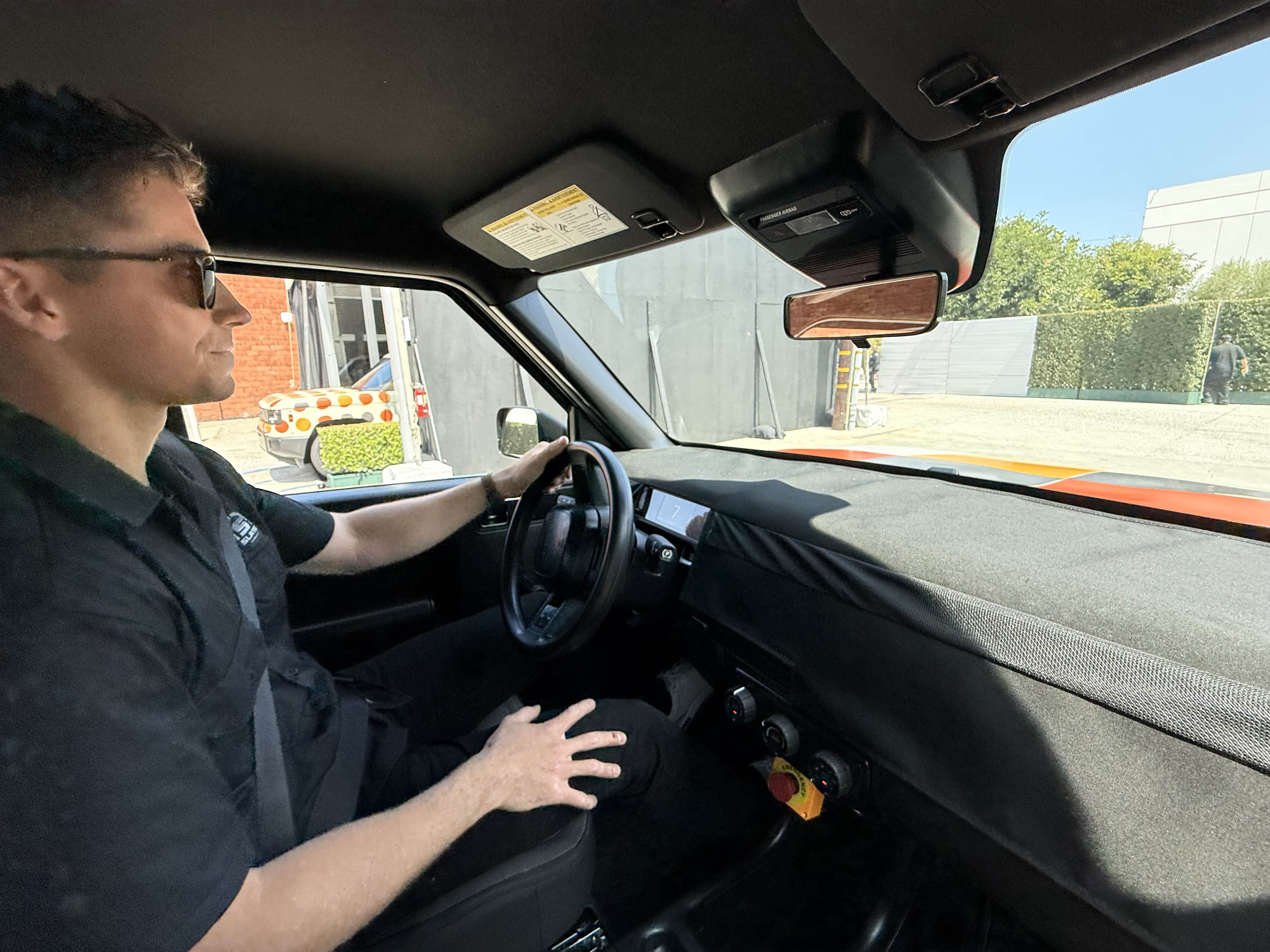
And of course, it’s been hard to say what the price threshold should be for the Slate Truck since no one outside of Slate has actually been in one until now. Would all the hand-wringing about the price be moot after experiencing one? I’m here to only partially address this issue, as I got to sit in the Slate Truck and go for a ride, not a drive. I was chauffeured around a Los Angeles block and here’s what you need to know.
The Blank Slate Truck has bucket seats and a center tray with cup holders and open bins. The seats are comfortable, they’re a little soft in a good way. They are wide, I had expected them to be a bit more narrow and sporty. Okay yes, I worried they’d be thin and stiff, so I was glad to find such a pleasant ride. And while the Truck is small, it did not feel tight. I did put my backpack on the floor in front of me, but could have stowed it behind the seat. The legroom is good in the front of the Slate Truck, and even surprisingly good in the back seat of the SUV trim.
The roll-up windows were sturdy and didn’t bounce when rolled up and down. Very throwback-pickup-truck of you, Slate.
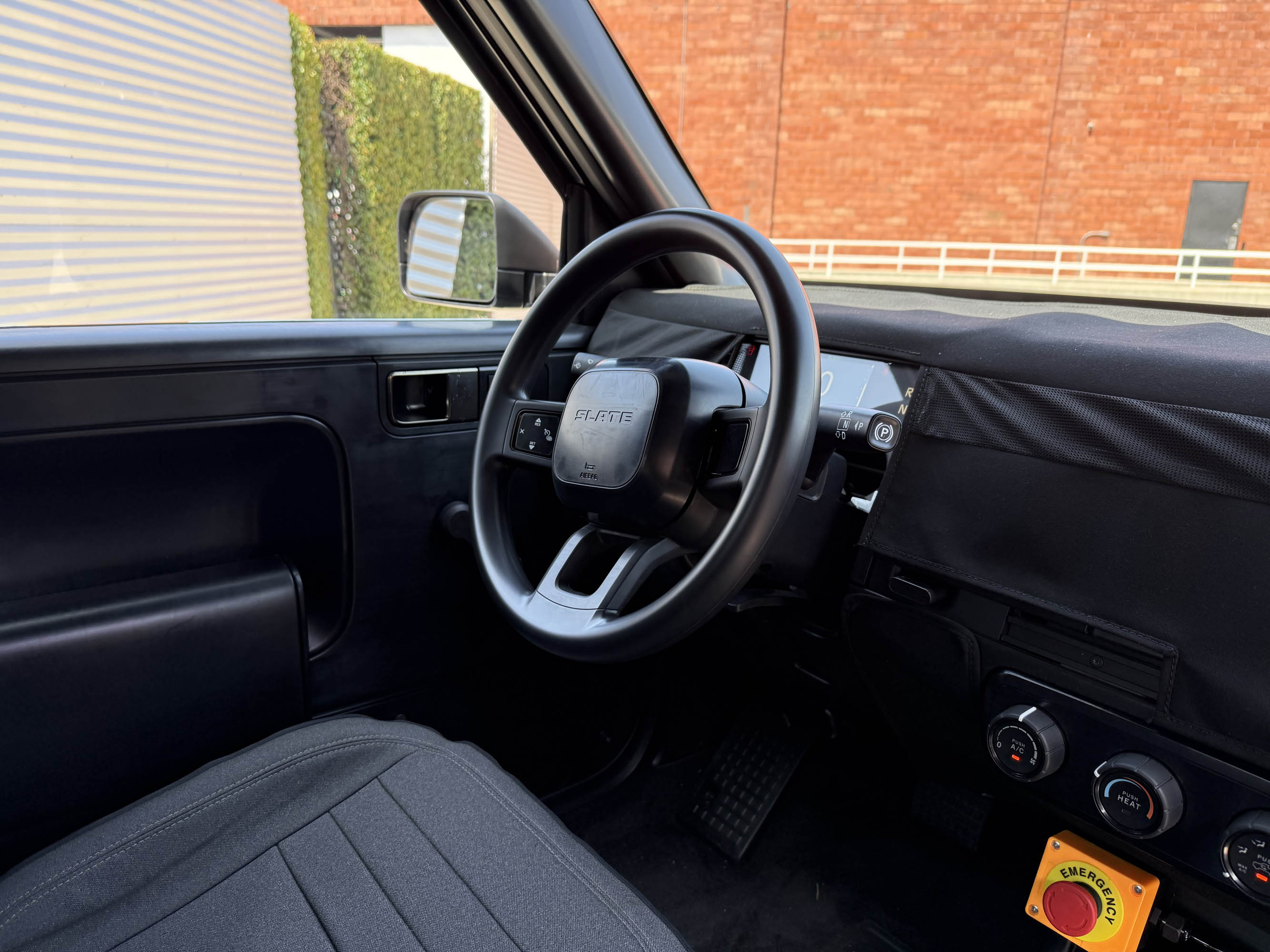
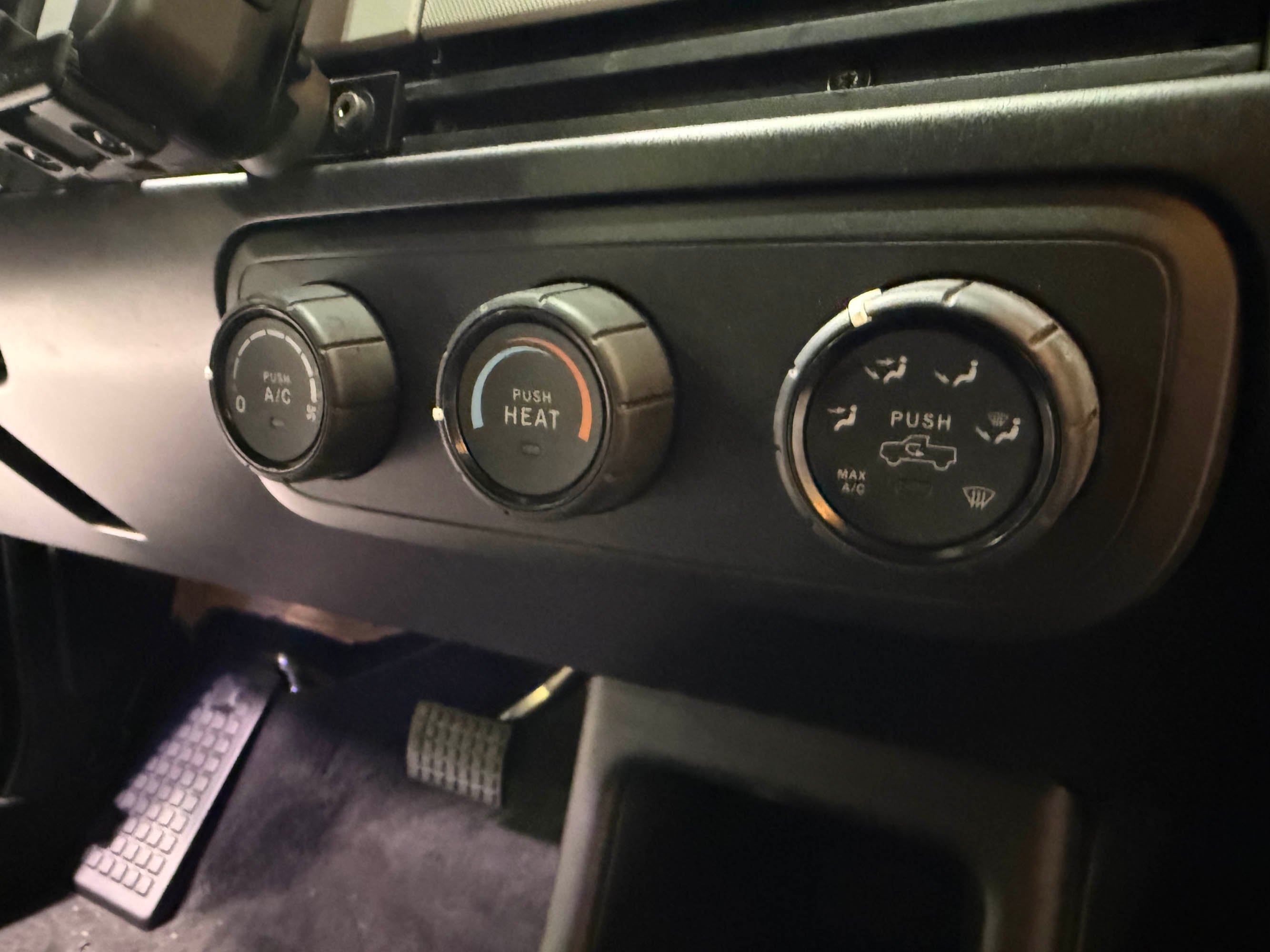
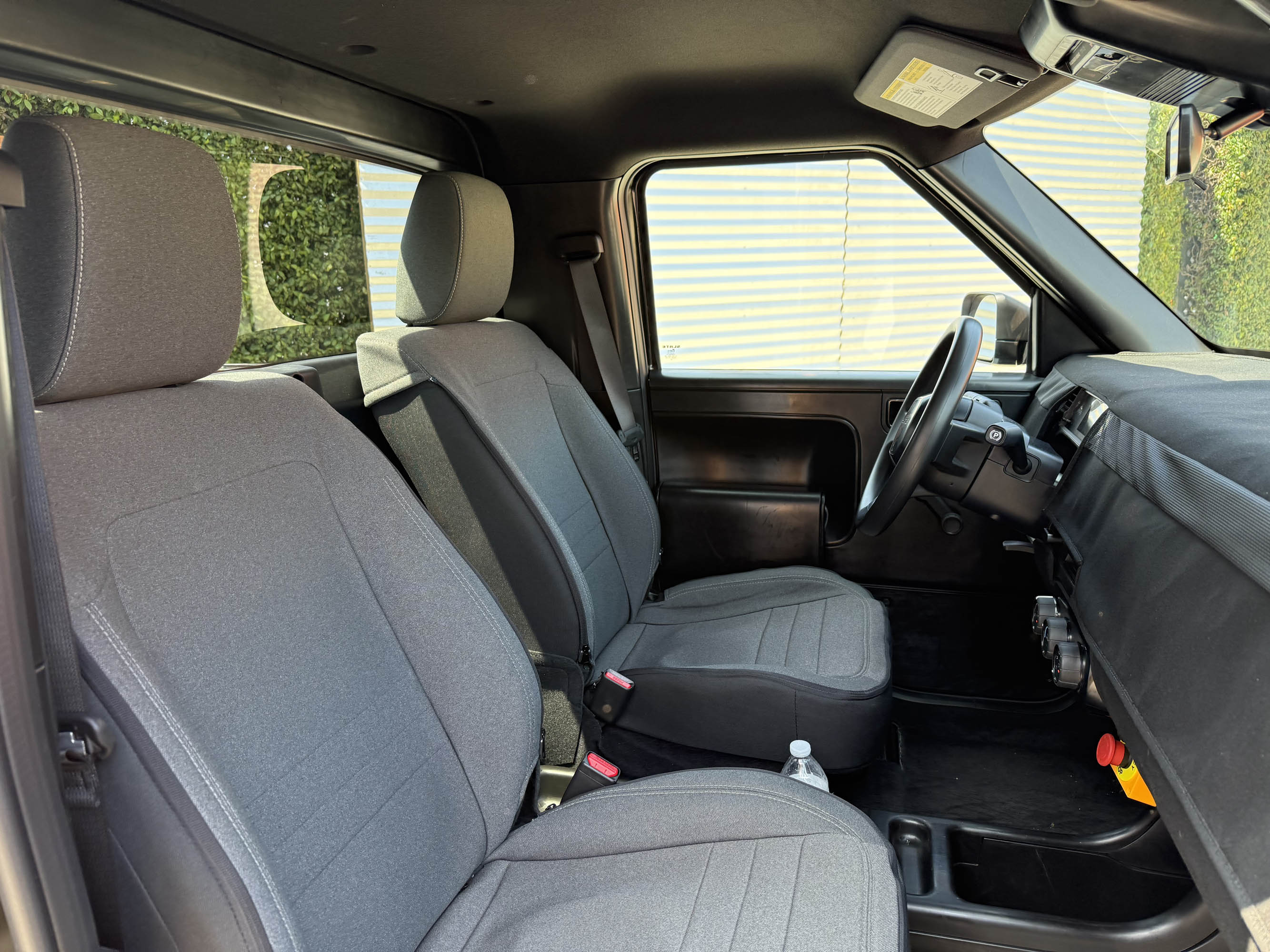
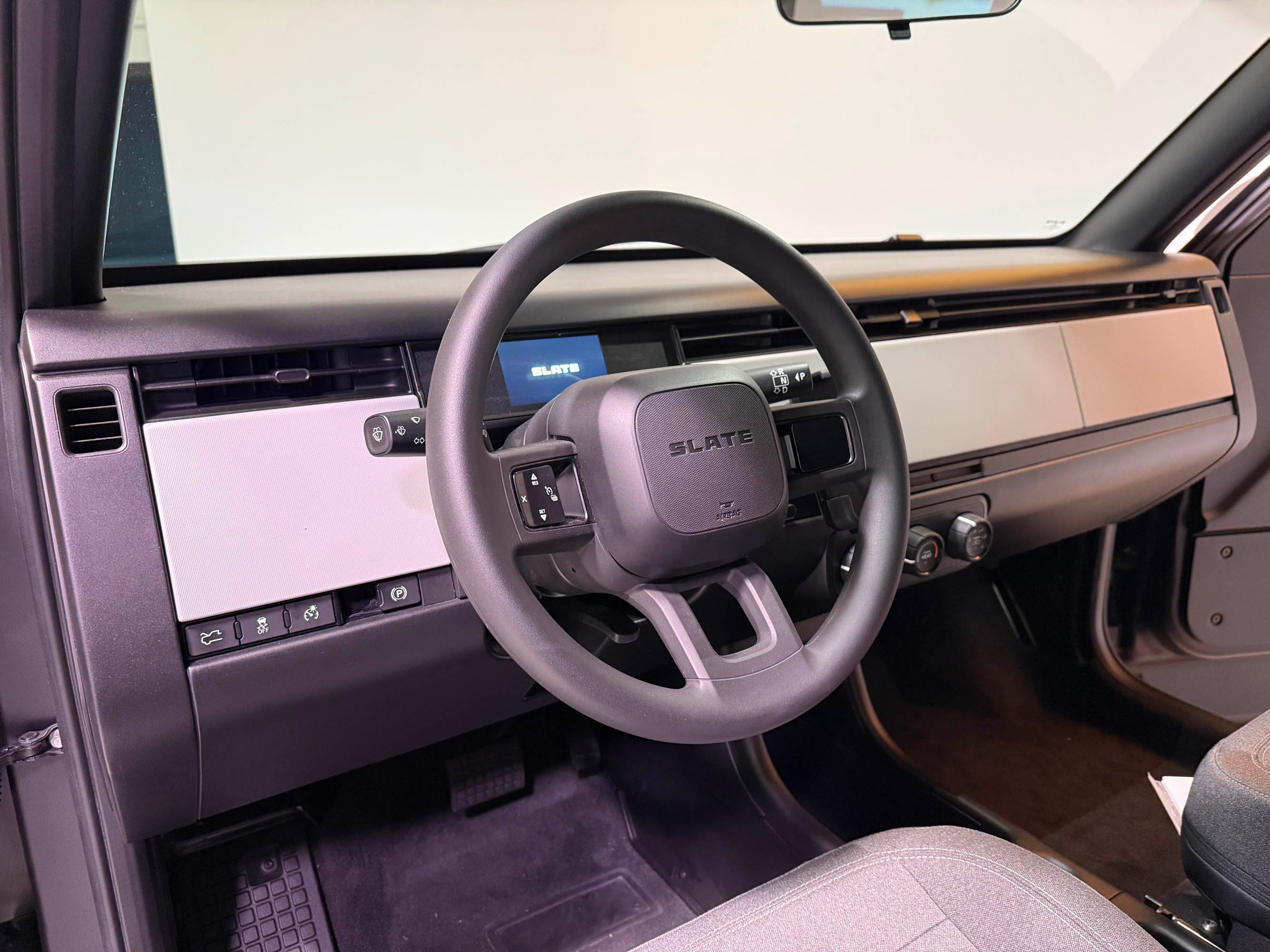
The dash has a shelf that extends across the entire Truck and is covered by doors that look like panels. The door panels are plastic and feel that way. But guess what? You can upgrade those. Climate controls are operated via knobs below the center of the dashboard. There is space for an iPad or Android/iPhone clip to install your device.
The Truck keeps the drive and ride simple. It operates as a one-pedal driver, no adjustable regenerative braking. Does it have the boost of speed characteristic of EVs? Yes. It’s comfortable to be in, absorbing bumps and seams in the road. The test truck was super quiet, enabling a conversation in a normal, inside-voice volume. In a nutshell, the environment did not feel cheap. It felt comfortable and economical, making me realize that having to edit every single thing and consider whether or not it should be included in the Truck from the very beginning may very well be its superpower.
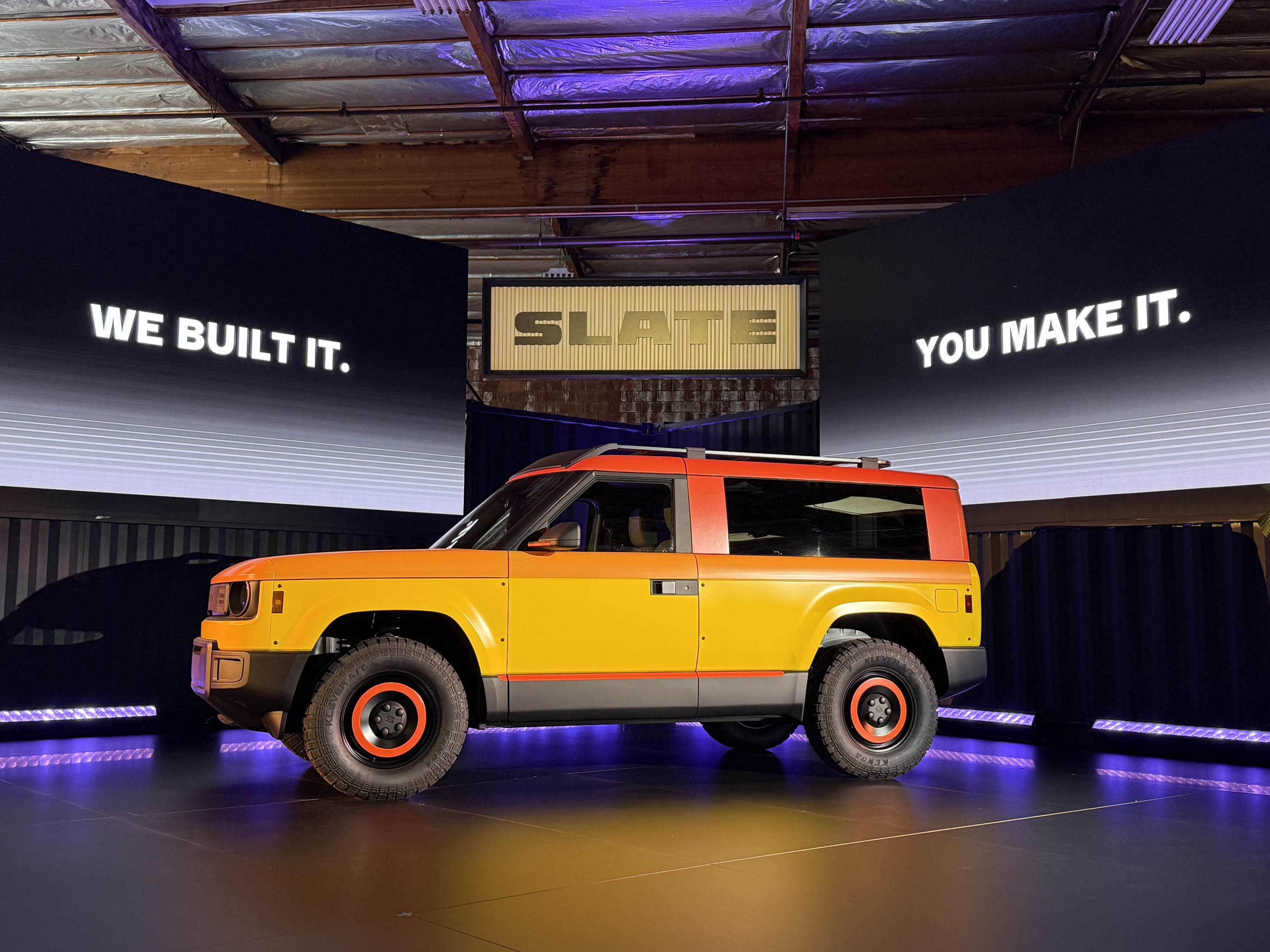
Fundamentally, what I really worried about with the Slate Truck was that one might buy the Blank Slate for just under $25k and wind up spending $75,000 in the blink of an eye. What was comforting was that Slate had a “Tricked Out” version of the truck on display that included the SUV kit and all the niceties including a lift kit, roof rack, and more and it totaled $35,000. So it’s affordable, but it retains its rational price with a ton of accessories.
A little nostalgic romanticism is nifty, and Slate is certainly banking on that emotional pull. But the ride and the low ceiling makes the Slate Truck worth a look.
Slate provided The Drive with travel, accommodations, and access to the vehicle for the purpose of writing this story.
Loading comments…
Comments couldn’t be loaded. Please refresh the page.