
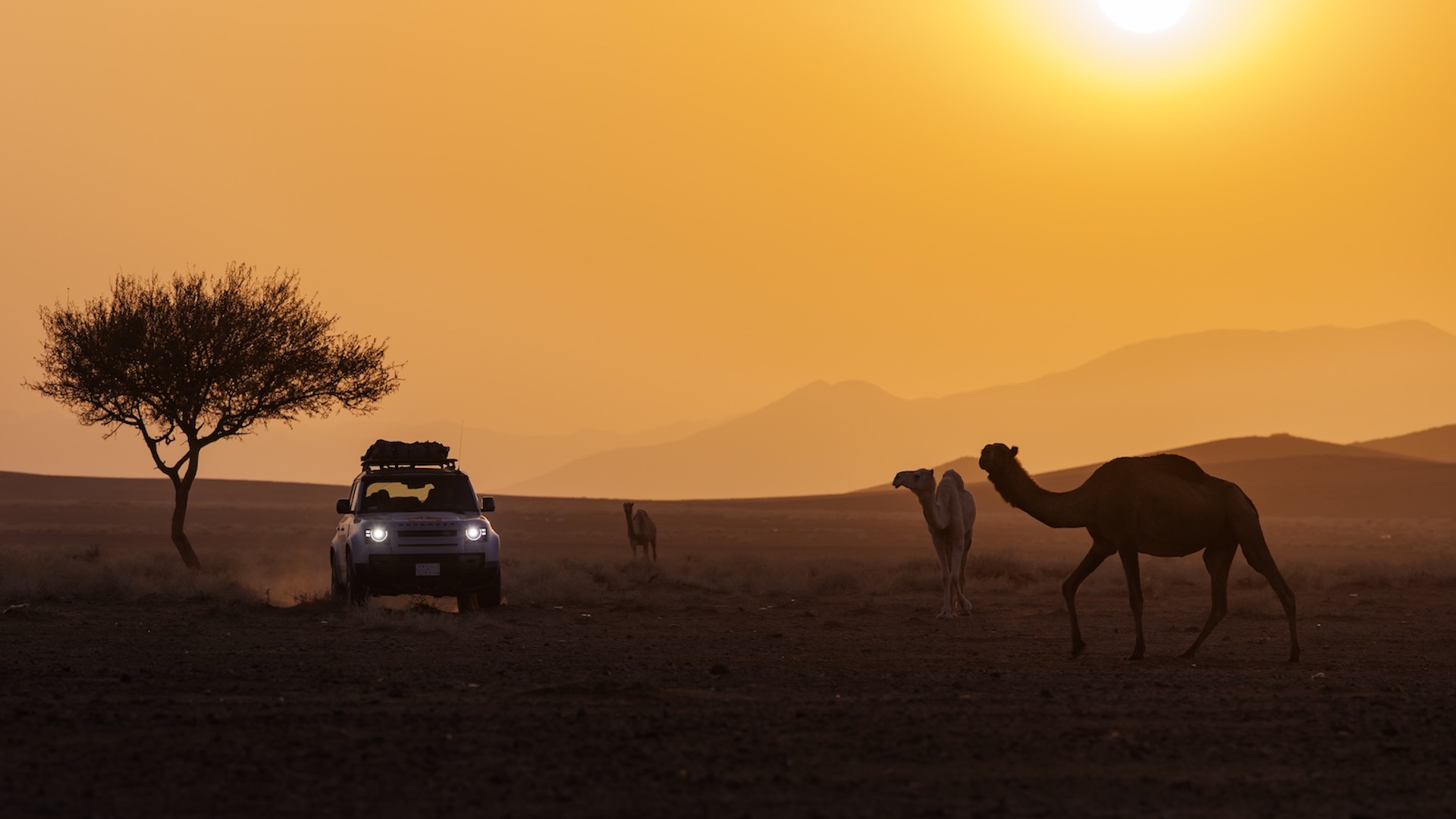
I spent five incredible days in Saudi Arabia at the turn of the year, witnessing the savagery of the Dakar Rally, which is hands-down one of the most demanding and crazy races still running in the world. When I think about the monumental task these car, truck, UTV, and motorcycle racers must face, I think of races like the Pikes Peak Hill Climb or the bygone Mille Miglia, but I don’t think those even come close in terms of complexity and danger.
For starters, the Dakar is two weeks long, and by the end of the race, these racers will have logged anywhere from 50 to 100 hours of competition. Now, this doesn’t include transfers or any other time between stages or in the bivouacs (paddock); it’s straight racing time. This year’s quickest rider completed the entire rally in 49 hours, while the last-place rider clocked in at 141 hours (though results may include time penalties).
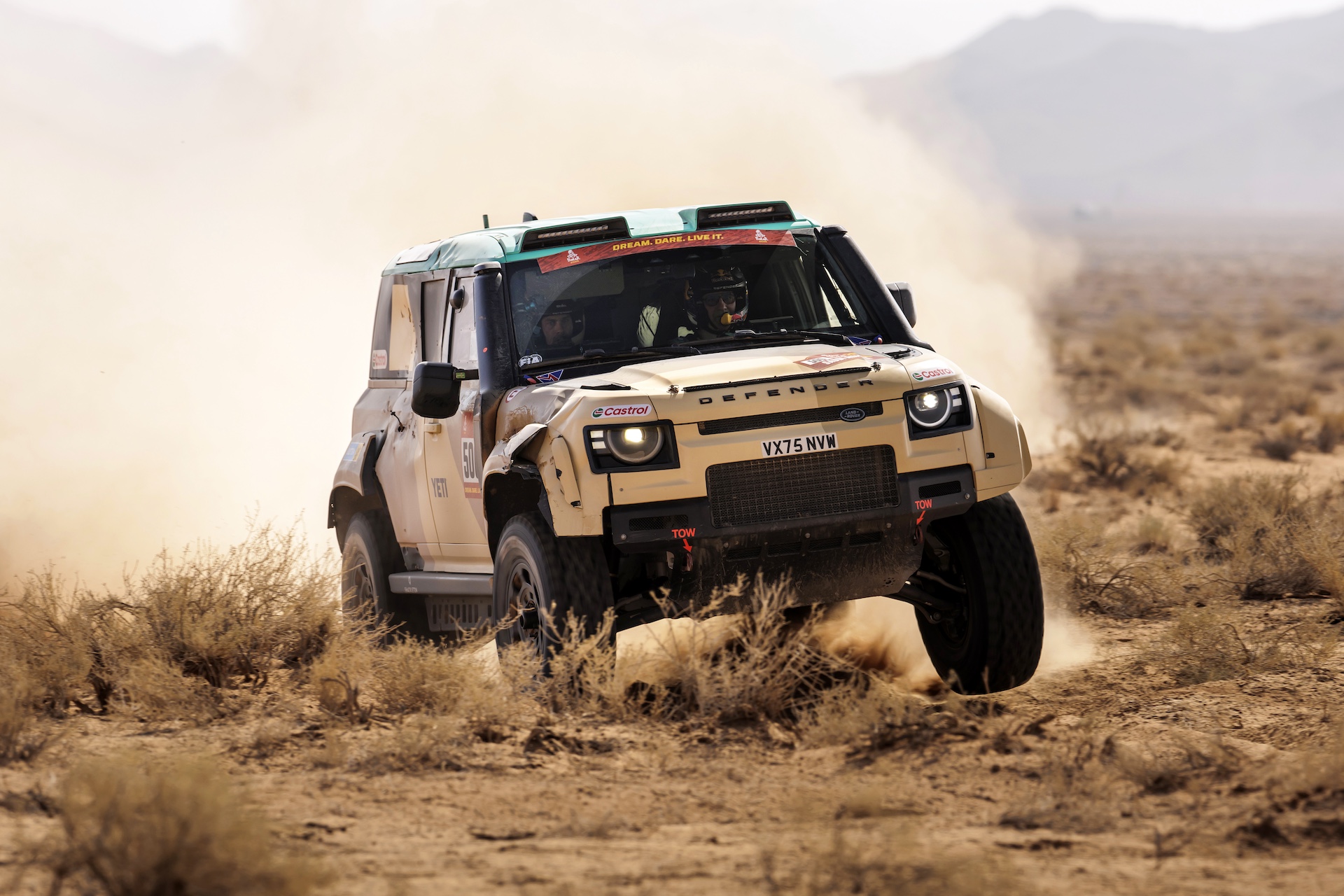
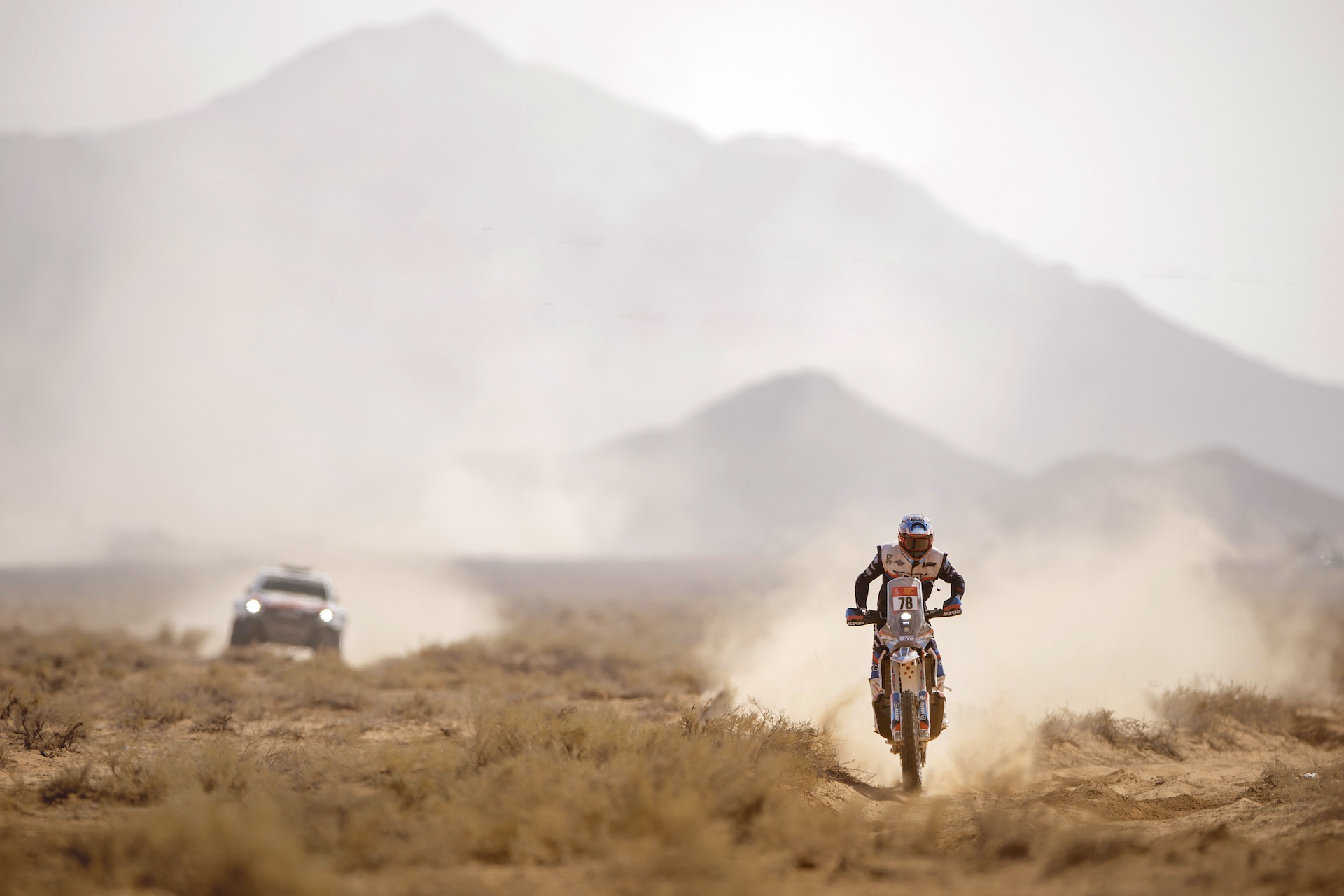
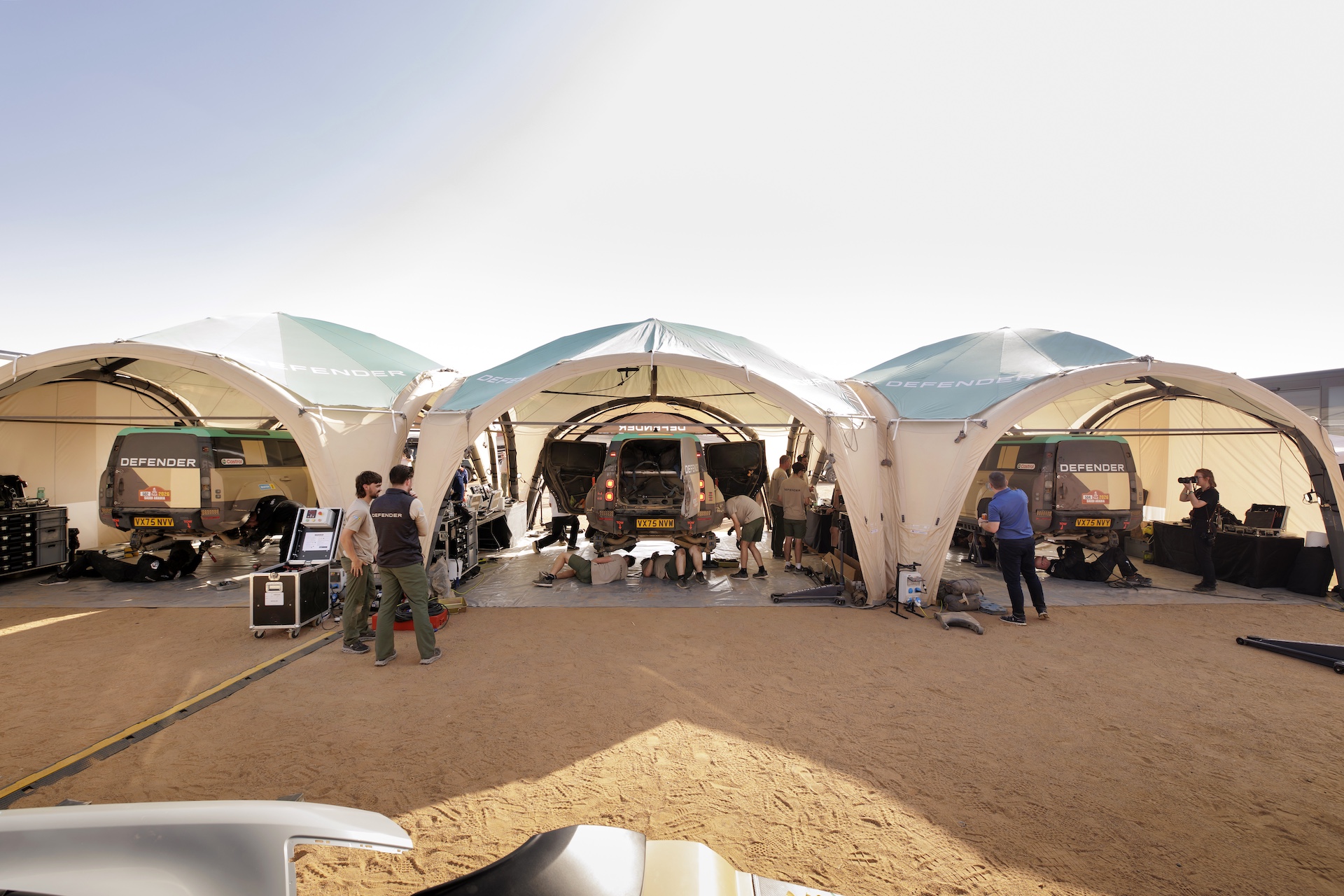
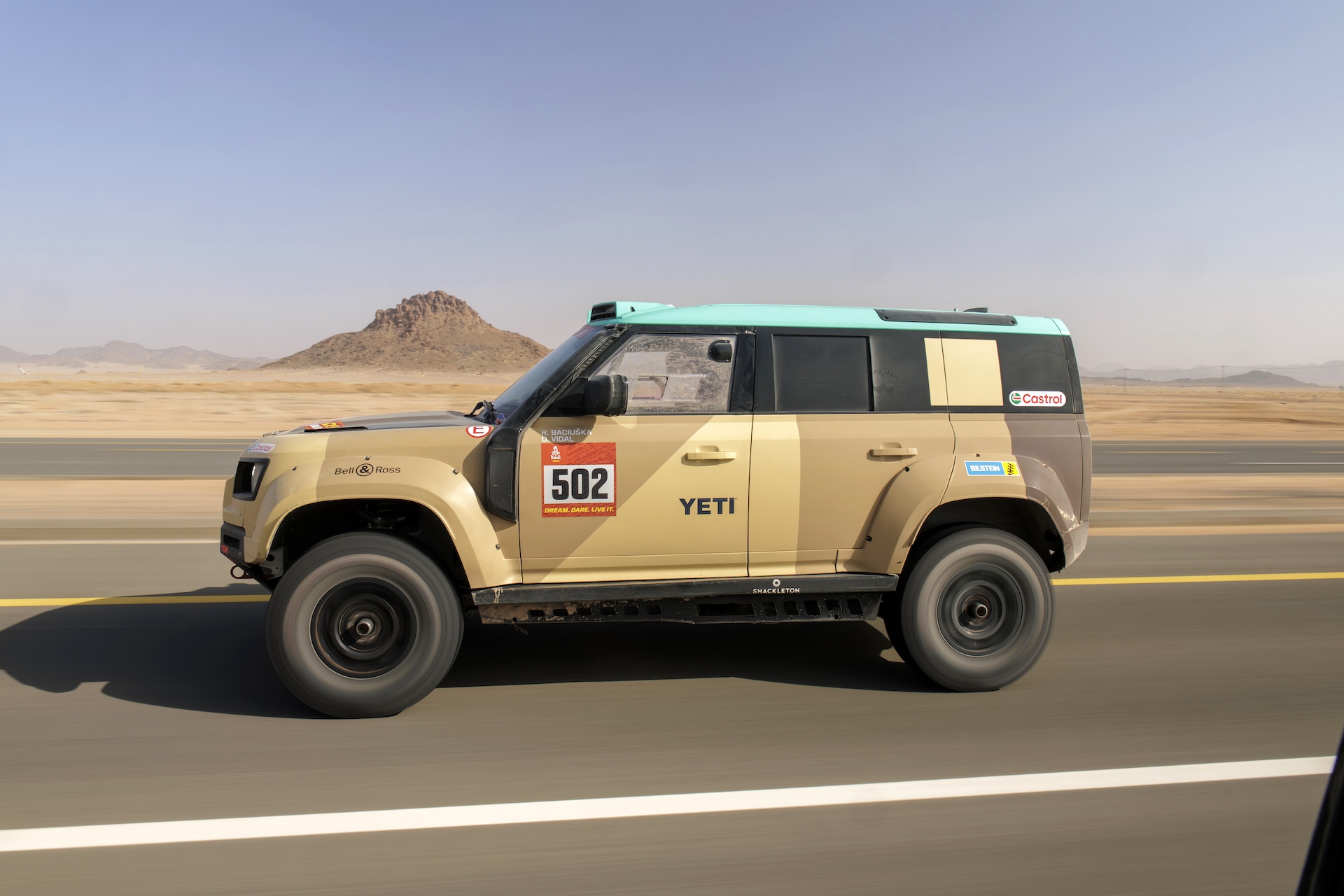
The reason why I went all the way out there was to witness history in the making for Land Rover. The British off-road brand took three new racing trucks out there, dubbed the Defender Dakar D7X‑R. These are based on one of my favorite SUVs, the 2025 Defender Octa. Now, despite racing in the Stock category, these are still highly modified for competition. But, like in any GT racing series, the core bits are stock, and just like in the trucks you and I could buy if we had the money.
One of the goals of this adventure was to chase the Dakar as it moved from one town to another across the peninsula, but due to logistical issues with the organizers and the race itself, we were only able to do so for one of the days I was there. Still, it was incredible to see the pace these machines could put down on such harsh terrain, whether they were bikes or huge trucks.
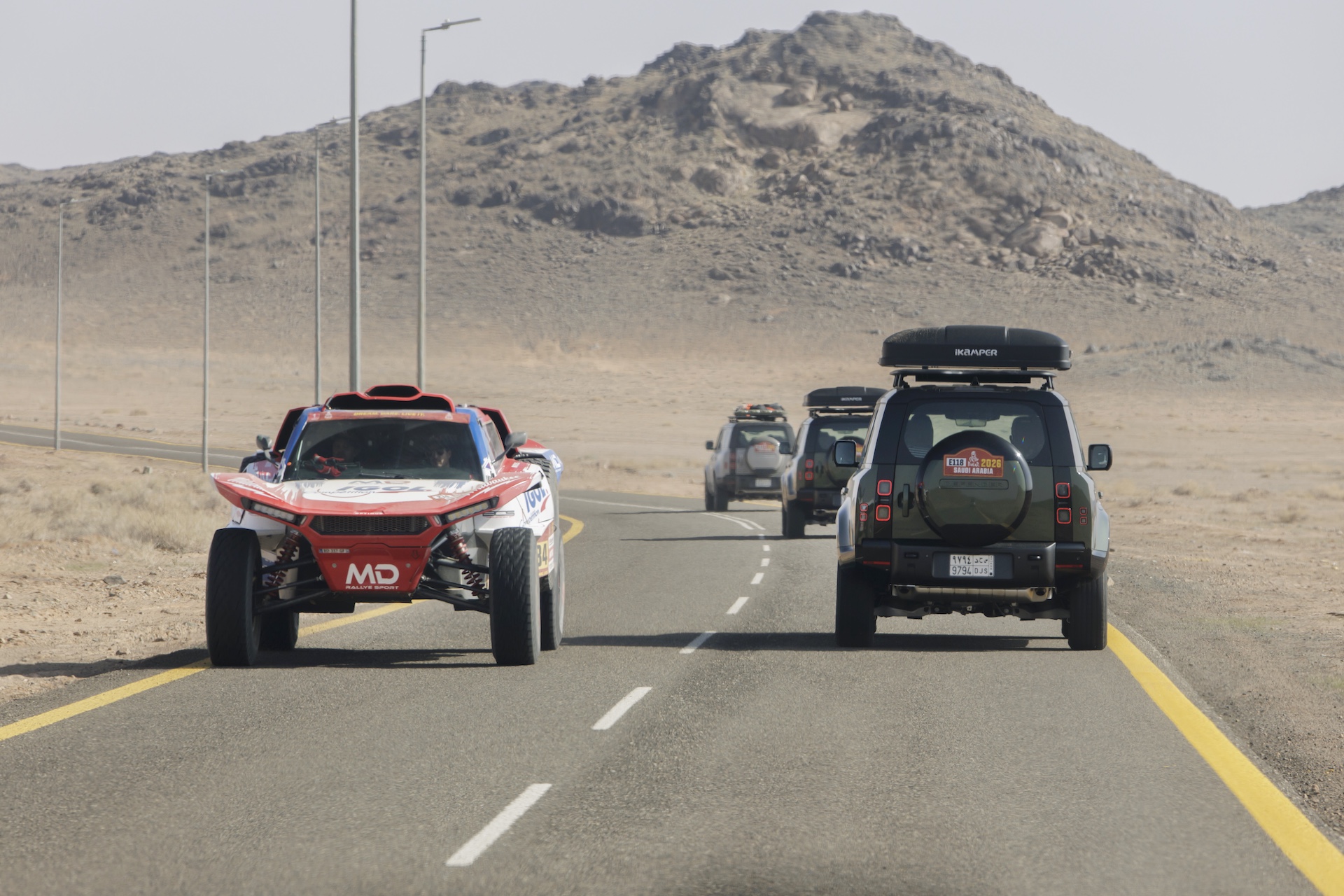
The upside of that is that the angle of the trip switched from more race-focused to becoming more of a point-to-point expedition. The trip technically started in the capital city of Riyadh, and our convoy of roughly 10 Defender 110s (stock but decked out with rooftop tents) made its way from Hail down to Al Ula, with my trip concluding in Jeddah. The trip took several days and involved camping in the desert overnight, which is quite a unique experience.
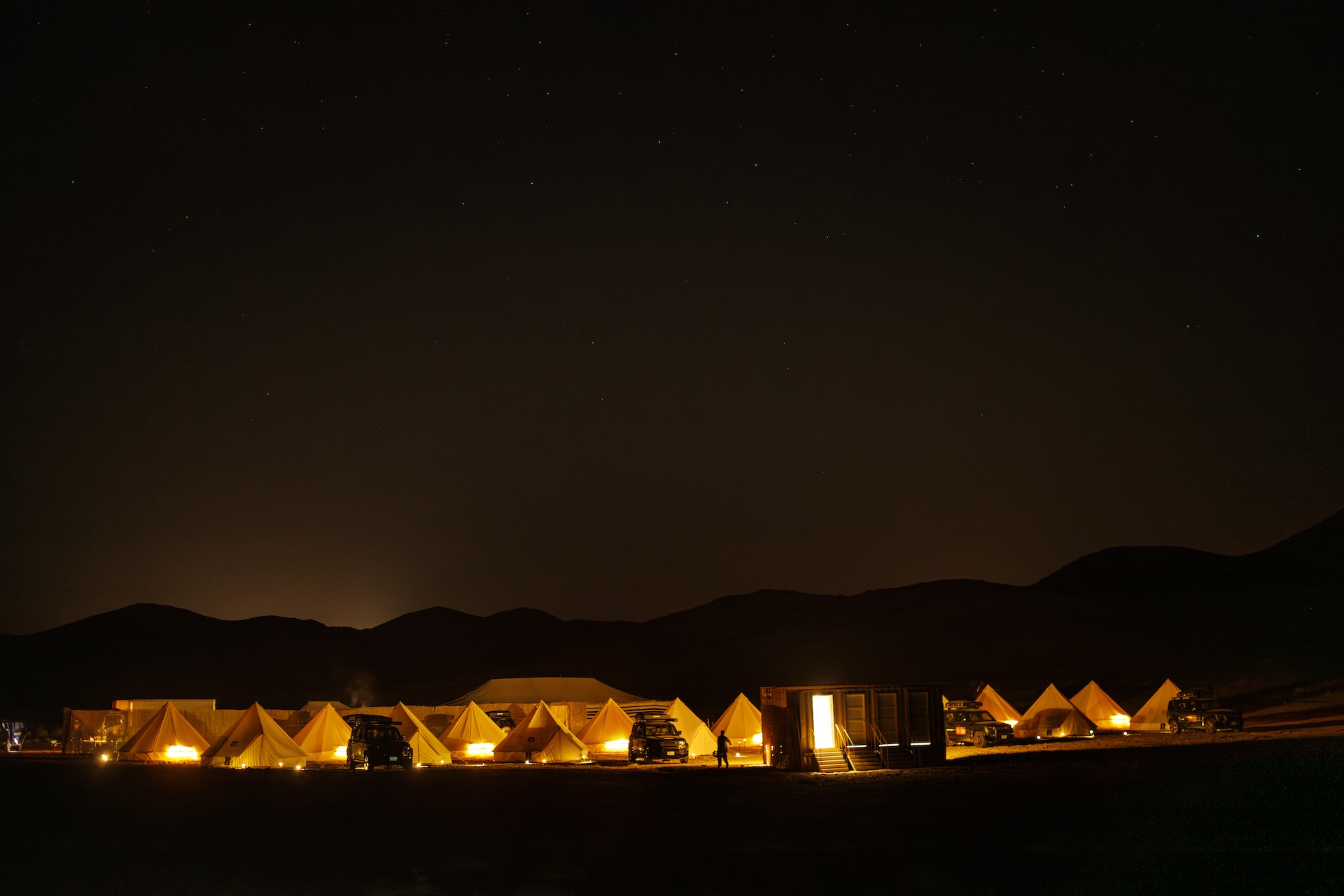
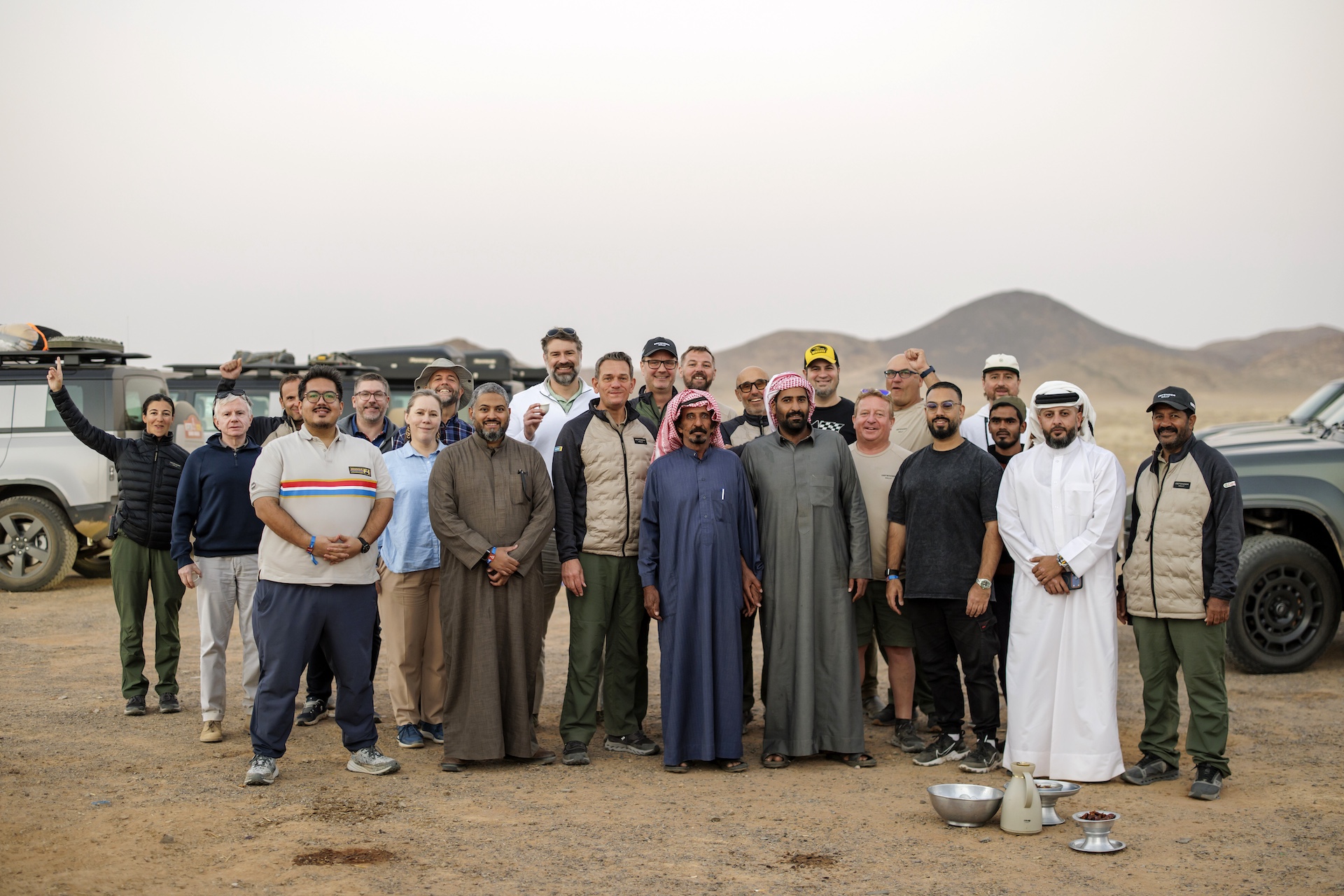
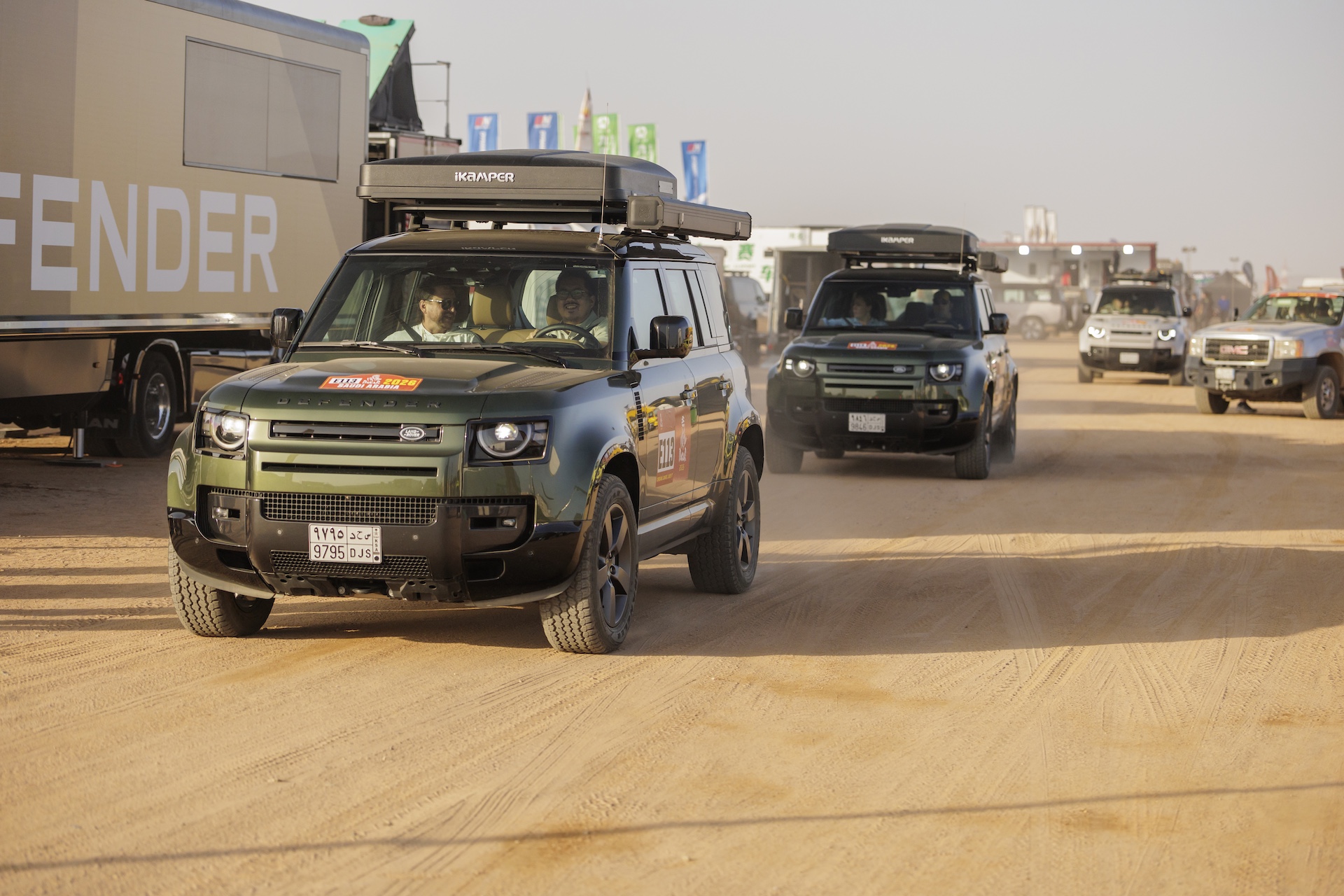
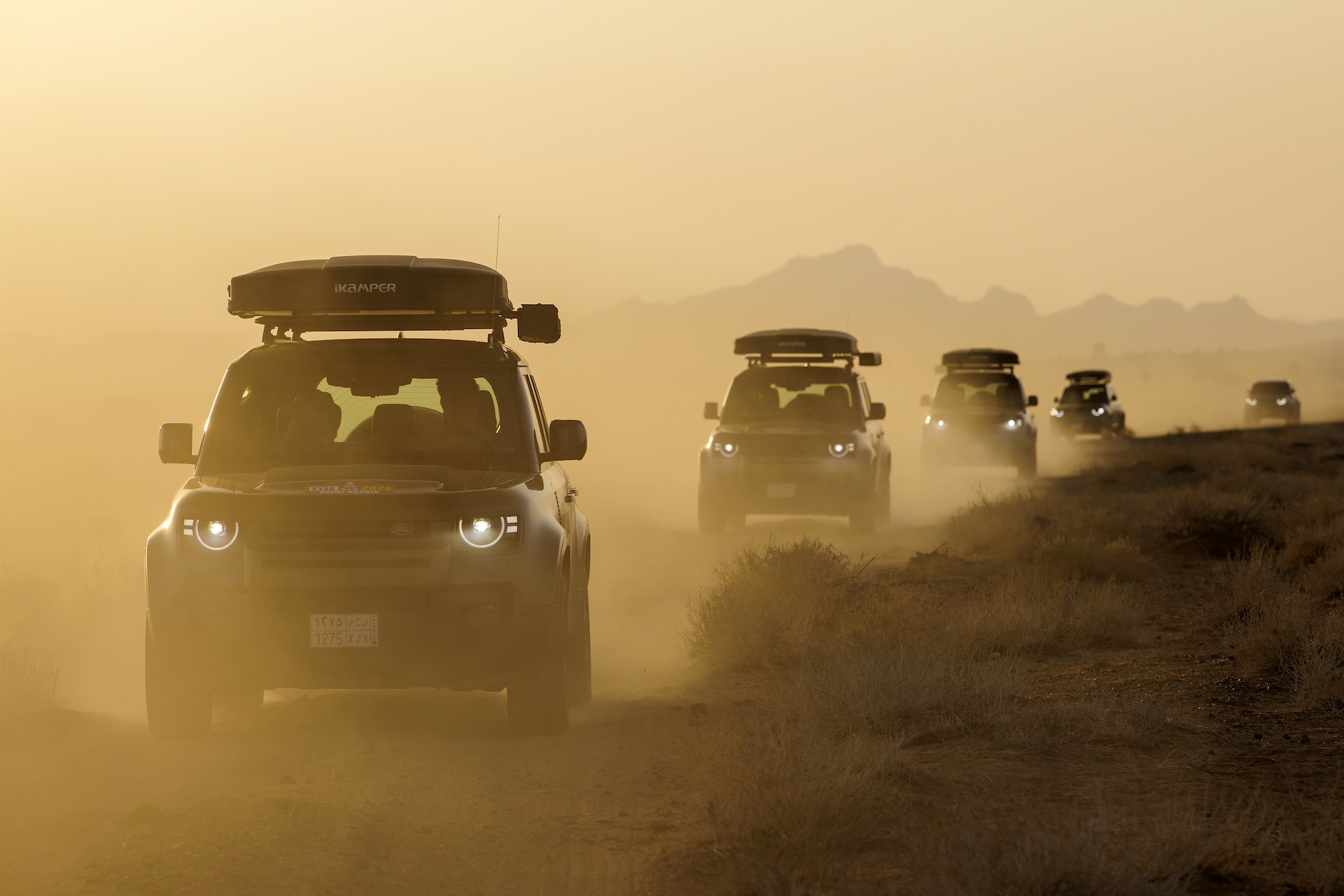
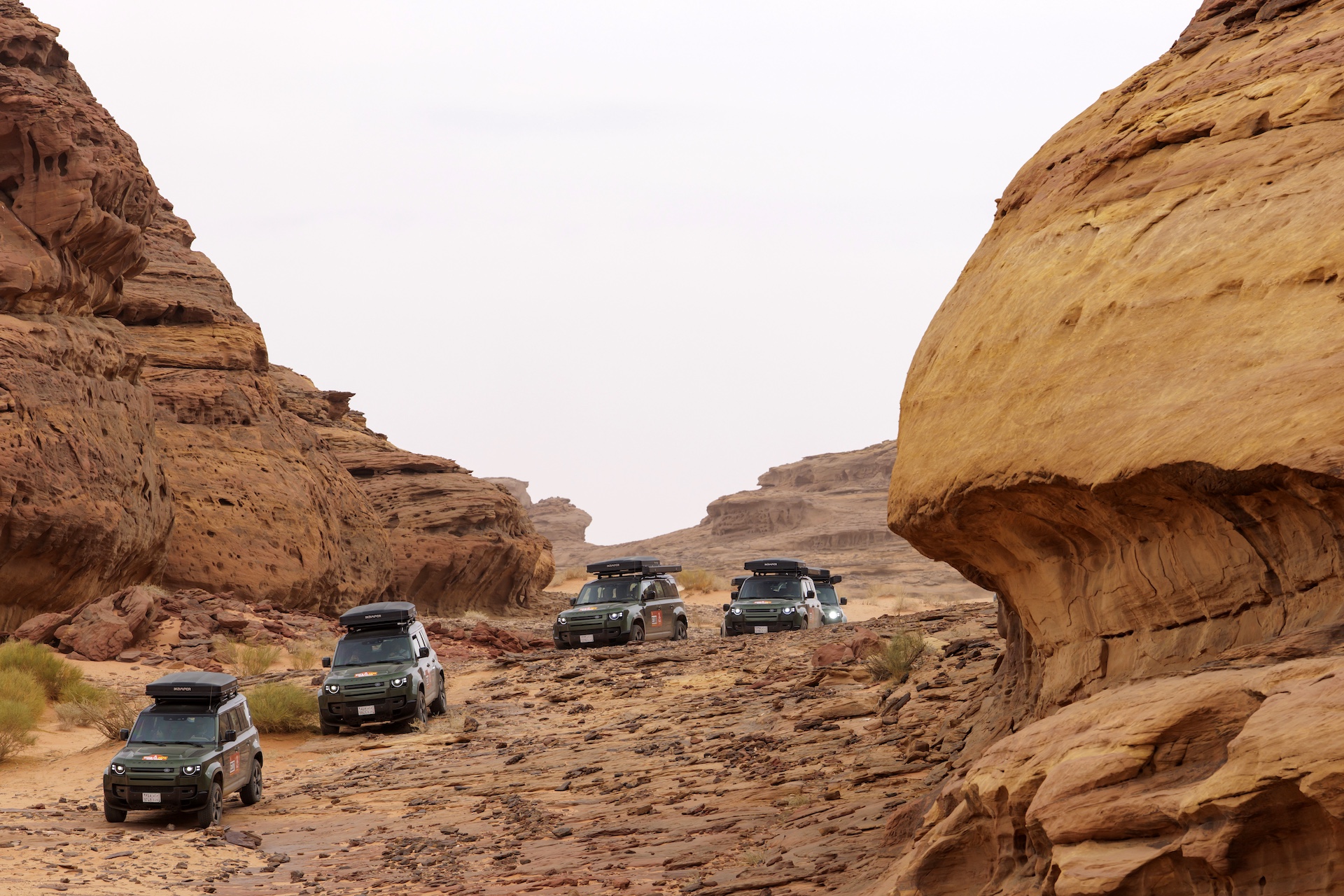
The stock Defenders we drove performed flawlessly despite all kinds of things being thrown their way, from hot to cold temperatures, getting sandblasted by the wind, traversing canyons and dunes, to running for over 10 hours a day non-stop. Not once did anything glitch, stutter, or break down. I’d dare say that we tortured those cars more in just a few days than the average Defender owner would in a lifetime, so hey, that speaks volumes about how well these cars are built. I’m not saying they’re immune to issues, or that they’re perfect, of course, but I’ve had way more issues back at home testing a mainstream German car in the suburbs.
In the end, Defender broke records and came in first and second in its class, which makes me happy for the entire Defender and Prodrive team. To embark on a race as grueling as the Dakar and place two of three trucks on the podium on the first try is an incredible feat. You can check out this video for a detailed walkaround of the D7X‑R’s cockpit courtesy of American rally racer and motocross veteran (and second-place finisher) Sara Price. Likewise, here’s a video tour of the team’s incredible rolling paddock.
Enjoy the video below with the trip’s highlights, and keep your eyes peeled for subsequent stories that will hopefully reveal the magic of the Dakar.
Email the author at jerry@thedrive.com
Loading comments…
Comments couldn’t be loaded. Please refresh the page.