
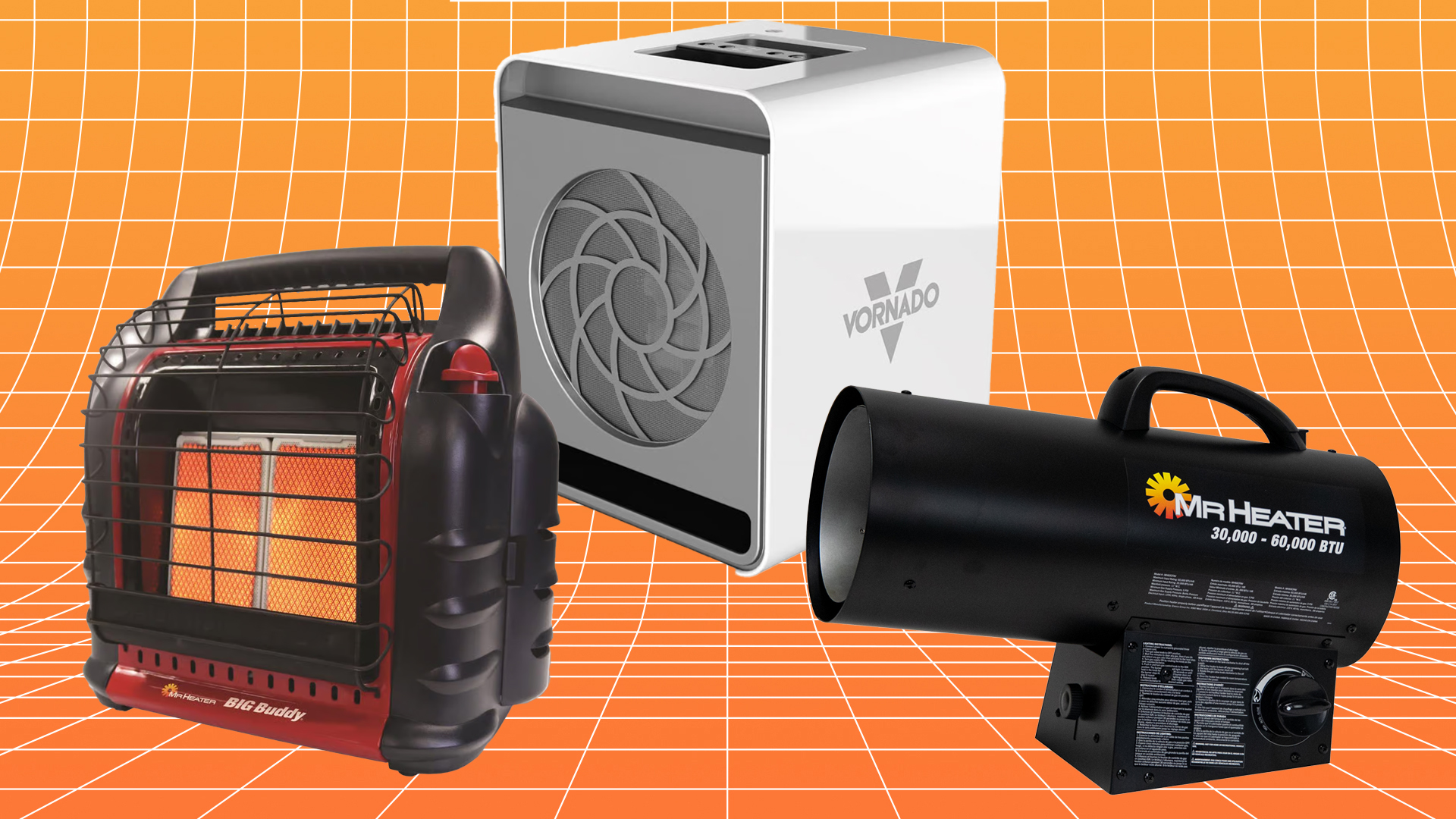
We may earn revenue from the products available on this page and participate in affiliate programs. Learn more ›
There are about 1,000 different portable garage heaters on Amazon and other retail sites at every price point. We’ll help you cut through the noise and find the right unit without making you slog through a whole-ass buyer’s guide. You don’t need industrial-grade gear for your home garage, but don’t run the cheapest available no-name nonsense … those can end up being a lot more expensive if they burn your house down.
Essential Info For Picking a Heater
Safety: Only buy heaters with an automatic shut-off and tip-over protection. If you pick a fuel-burning heater, I strongly recommend grabbing a carbon monoxide alarm from a reputable brand like this $35 First Alert unit from Ace Hardware. Plug that in near your heater. Honestly, it never hurts to have these in your garage, no matter the season.
Fuel: Portable heaters usually run on electricity, propane, kerosene, or diesel. I recommend an electric one for small spaces used for short periods of time, or propane if you have a bigger space and/or want to run the heater for longer. Kerosene tends to give me a headache, and every diesel heater I’ve used has been crazy-loud.
If you go electric: Be aware that anything generating heat uses a lot of electricity, so watch your power bill carefully. Also, check the shape of the plug—many heavy-duty electric heaters need a 250V, 30 Amp outlet, which you might not have in a residential garage.
Indoor rating: Make sure you buy one that says “indoor” somewhere on the spec sheet. Outdoor heaters might poison you if you run them inside.
Consider two smallish heaters instead of one big one: While it is somewhat annoying to fuel multiple heaters, that strategy can make a lot more practical sense than buying one large unit for a garage-type space. Garages are drafty, and no matter what the BTU rating is, you’ll be warmest when you’re near the heater. Plus, smaller units are easier to store in summer and less cumbersome year-round. Just a thought.
If You Have a One-Car Garage (240–380 Sq. Ft.)
Check out this Heat Storm infrared space heater (electric) for $129.99 on Amazon. Our man in Michigan, Byron Hurd, just grabbed one of these because it has a 1500-watt mode for serious heating and a 750-watt maintenance mode. It’s got all the safety features you need for home use, and can be used portably with included feet or wall-mounted for a classier setup. If this will be your only heater in the space and you live somewhere very cold, I recommend two.
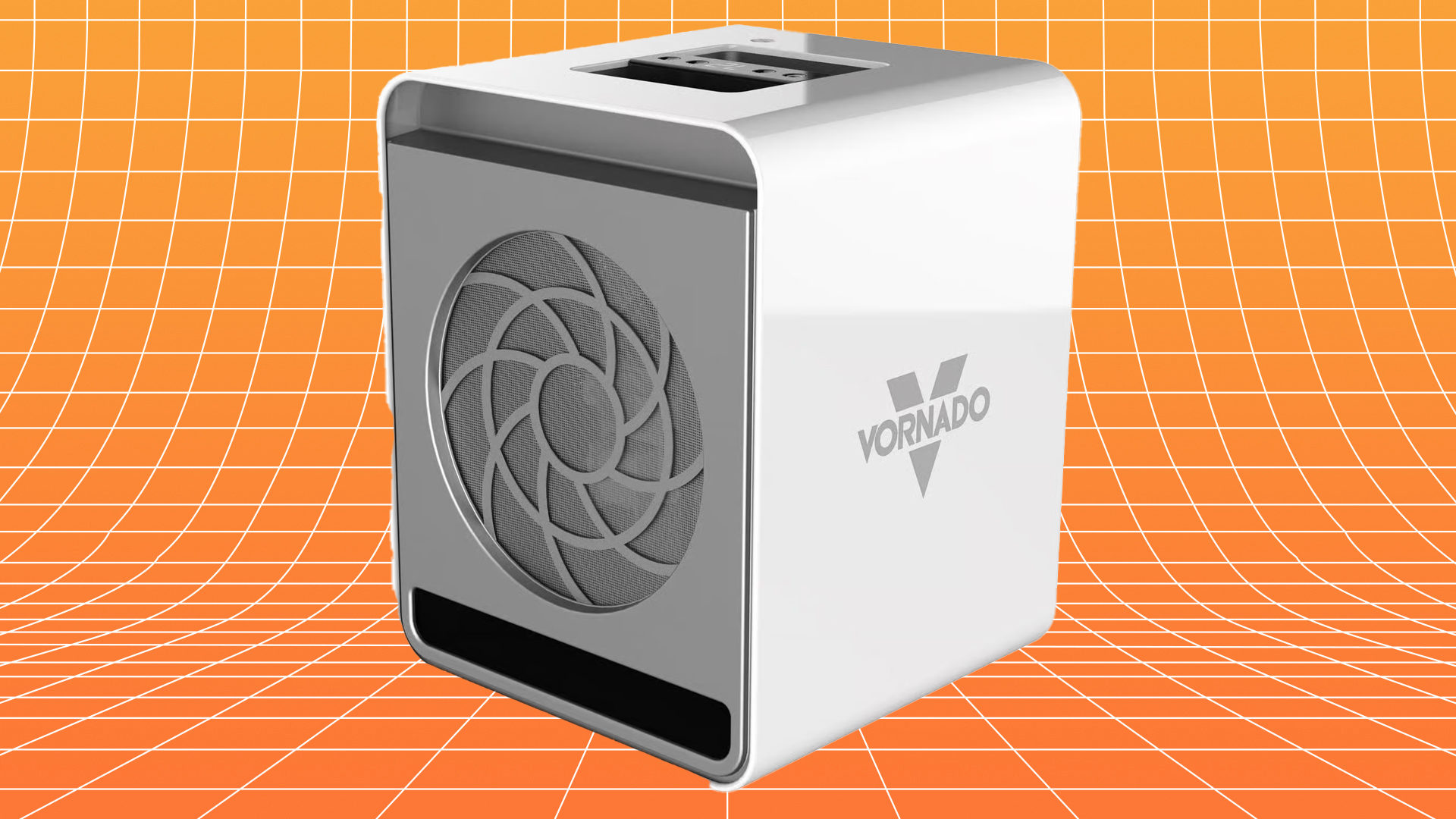
For something a little more heavy-duty, look at the Vornado VMHi500 (electric) for $149.99 from Ace Hardware. It’s actually pretty cool-looking, as far as heaters go.
If you’re interested in propane power, I like the Mr. Heater Buddy Flex for $159.99 from Ace Hardware. It’s got a 180-degree spread of heat radiance and, again, looks impressive. You can also find less expensive Mr. Heater propane options if your garage or shed is on the smaller side—here’s a 9000 BTU model, the Portable Buddy, for $109.99.
But if a compact profile is the true priority, consider this Perfect Aire Utility Heater. It’s only $59.99, and shaped like a portable spotlight so you can easily move it around the garage. Grab a couple of them if you need. I’ve had great luck with Perfect Aire products. We run its dehumidifers at my NY shop pretty much 24/7 in the summer.
If You Have a Two-Car Garage (400–580 Sq. Ft.)
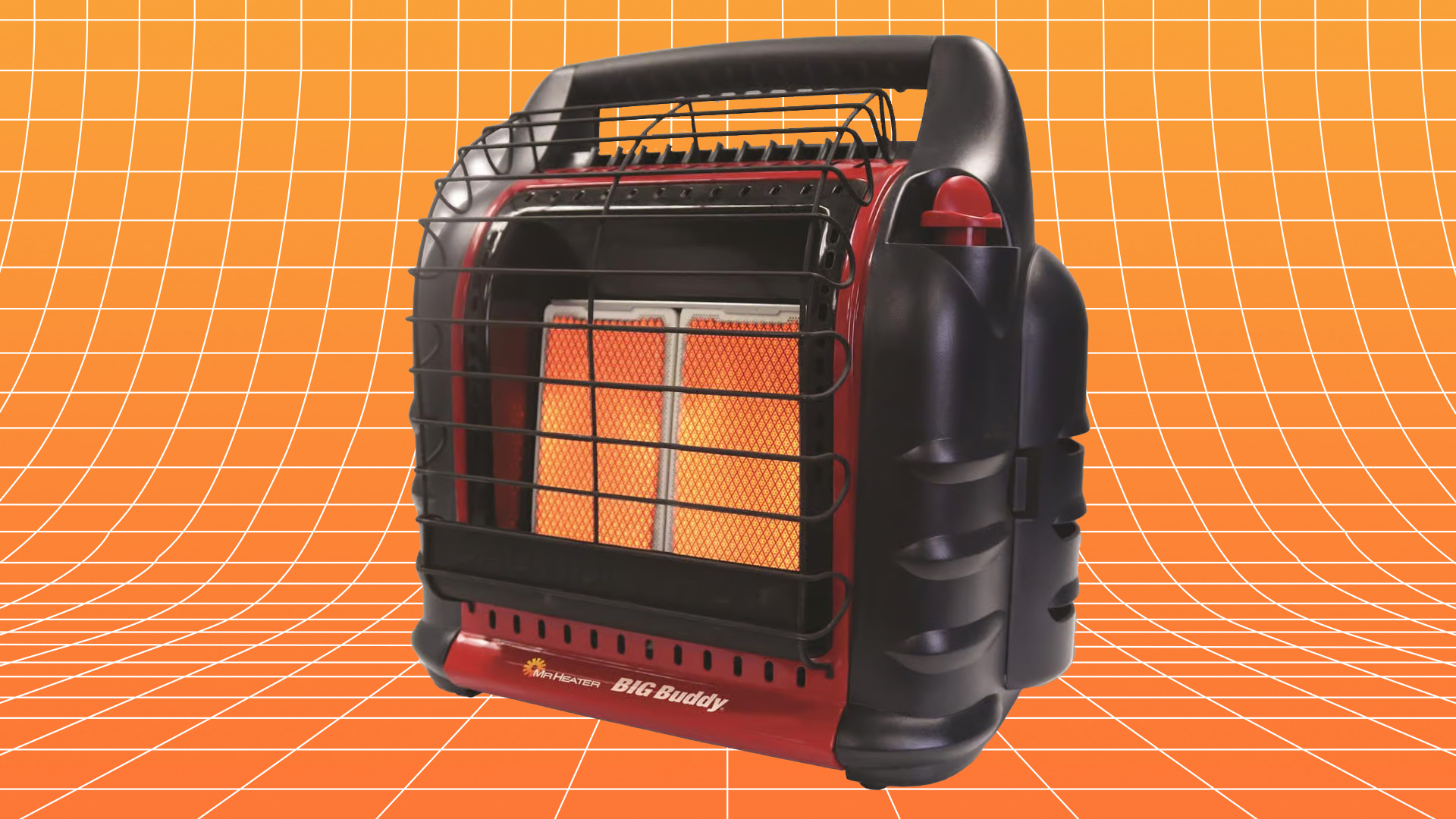
The Mr. Heater Big Buddy propane heater looks very promising. 18,000 BTU rating, good efficiency, and the safety features you want for $199.99 from Ace.
This tripod-mounted Heat Storm 1,500-watt infrared unit, $169.99 at Northern Tool, has a good combo of size and placement-flexibility. It’s also rated for both indoor and outdoor use, so if your project spills into the driveway, you can take the warmth with you (to a point, of course).
If you’re lucky enough to have a 250V outlet in your garage, this 5,600-watt W Dr. Infrared Heater Portable Industrial Forced Air Heater looks like a beast. That’s $149.99 from Northern Tool.
If You Have a Home Shop or Three-Car Garage (720–860 Sq. Ft.)
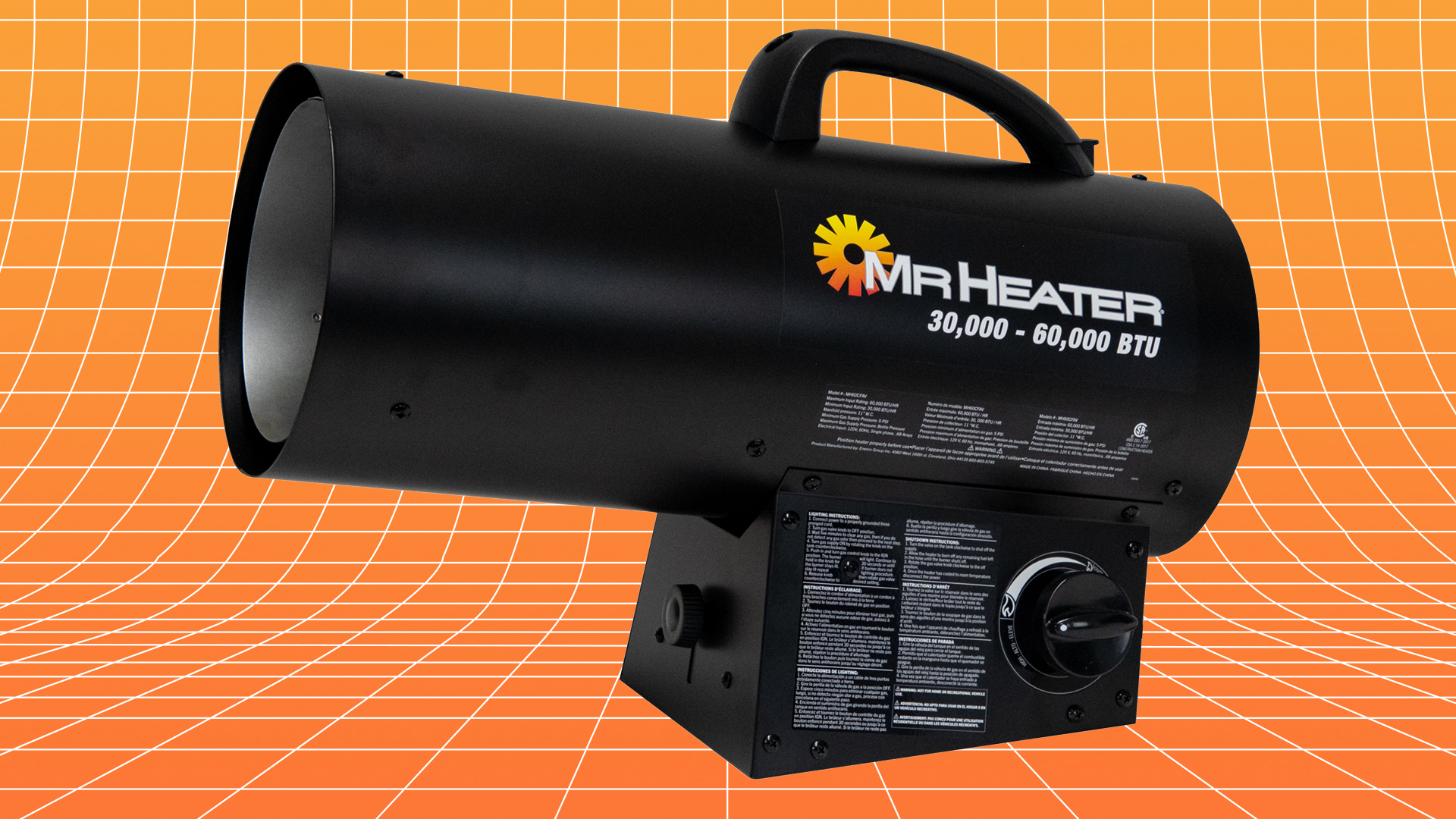
At this level, you need to start thinking about multiple smaller units or a more serious, permanently installed solution. However, I did notice Northern Tool has this great-looking Mr. Heater 60,000 BTU propane blaster on sale for just $99.99 (save $50 off list price).
If you have a lot of floor space, this 125,000 BTU Mr. Heater radiant unit will throw heaps of heat in every direction. As of this writing, it’s on sale for $234.99 from Walmart.
You’ll want to get a decent-sized propane cylinder with either of those—a 30-lb or 40-lb one, if you can, like the Flame King from Ace ($139.99). You’ll have to get it filled, but any local hardware store will take care of that for you.
Good luck and stay warm!
Notes On Portable Heater Safety
Here are the basics that the US Consumer Product Safety Commission (CPSC) wants you to know about space heater safety:
- Keep portable heaters at least three feet away from drapes, furniture, bedding, and other combustible materials to prevent fires.
- Plug electric space heaters directly into a wall outlet—never into an extension cord or power strip.
- Turn off heaters when sleeping.
- For fuel-burning portable heaters, never refuel when in use. Turn the heater off and let it cool before refueling.
It’s also worth taking a look at the Commission’s guide for Reducing Fire Hazards for Portable Electric Heaters, which includes the following safety tips:
- Never operate a heater you suspect is damaged. Before use, inspect the heater, cord, and plug for damage. Follow all
operation and maintenance instructions. - Visit cpsc.gov or SaferProducts.gov to see if your electric heater has been recalled.
- Never leave the heater operating while unattended, or while you are sleeping.
- Keep combustible material such as beds, sofas, curtains, papers, and clothes at least three feet (0.9 m) from the front, sides, and rear of the heater.
- Be sure the heater plug fits tightly into the wall outlet. If not, do not use the outlet to power the heater.
- During use, check frequently to determine if the heater plug or cord, wall outlet, or faceplate is HOT! If the plug, outlet, or faceplate is hot, discontinue use of the heater, and have a qualified electrician check and/or replace the plug or faulty wall outlet(s). If the cord is hot, disconnect the heater, and have it inspected/repaired by an authorized repair person.
- Never power the heater with an extension cord or power strip.
- Insure that the heater is placed on a stable, level surface and located where it will not be knocked over.
- Never run the heater’s cord under rugs or carpeting. This can damage the cord, causing it and nearby objects to burn.
- To prevent electrical shocks and electrocutions, always keep electric heaters away from water, and NEVER touch an electric heater if you are wet.
- If you want to go deeper, check out OSHA’s regulations and guidelines about temporary heating devices.