
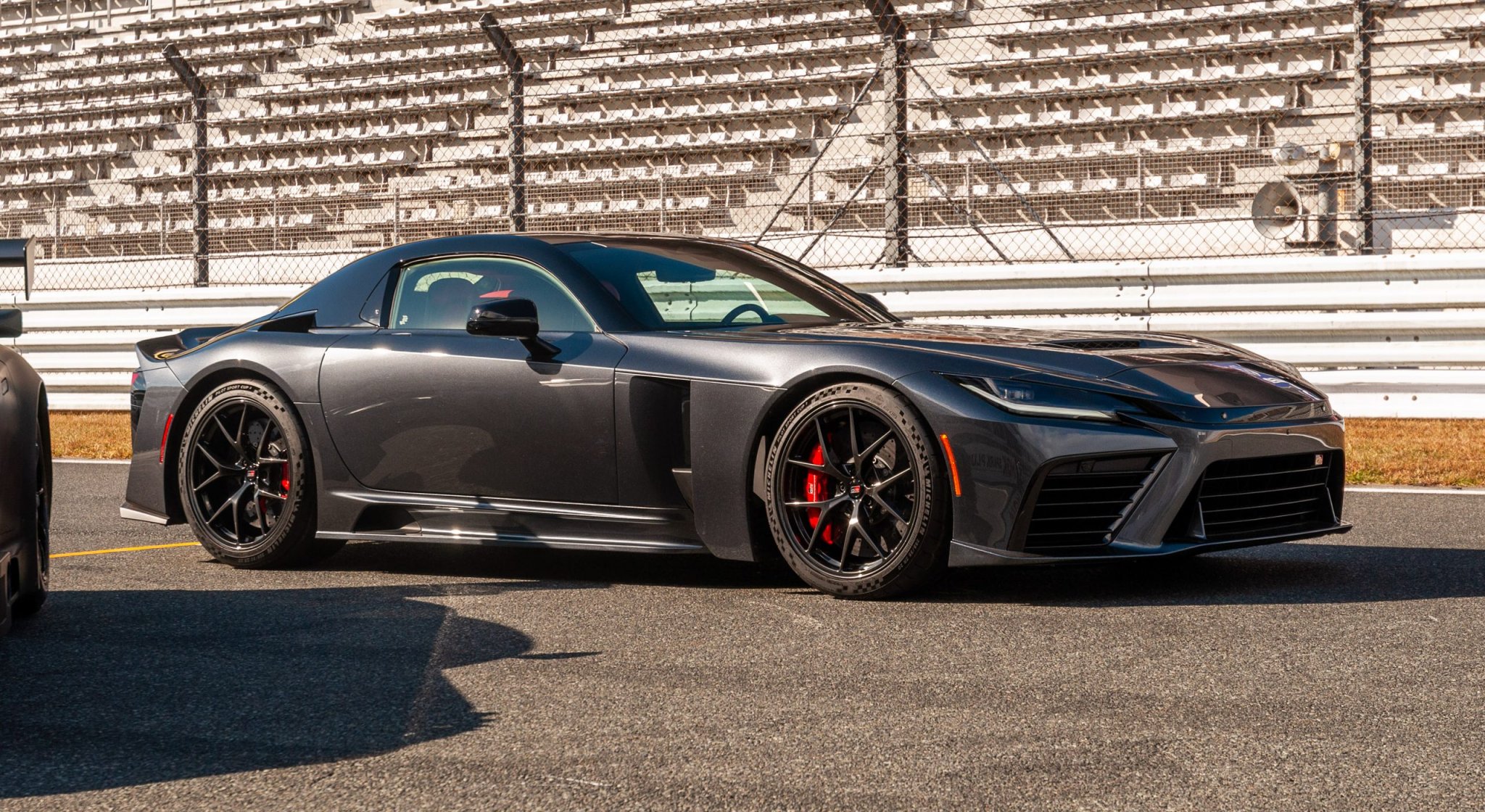
The Toyota GR GT is unlike most cars, even most sports cars. It was engineered in terms of aerodynamics before it was designed. And the GT3 race car, which Chairman Akio Toyoda is dead set needs to win on the track, is based on the street car.
Just outside Fuji, Japan at Toyota’s Woven City on Thursday at the debut of the Toyota GR GT, Koichi Sugg, head of Lexus design, told The Drive that the GR GT was designed with a “reverse engineered approach.”
Koichi explained through a translator that with a traditional car the team starts with a white piece of paper and begins sketching a design. Engineers typically provide the design team with specs and dimensions of segments pertaining to a vehicle. But not with the GR GT.


The aerodynamics engineers came to the design team with a 3D package and scale package for dimensions and said this is what you have to work around. The GR GT’s design was sketched after the aerodynamic requirements were already set. Koichi said this required a “reverse engineered approach” that saw the team design lines to flow the air correctly around the car. The proportions were also set by the design requirements due to the engine sitting behind the front axle and low in the chassis.
“When we started the engineers already had drag and downforce numbers, but didn’t share those with designers,” Koichi said. The aerodynamics engineers wanted the test drivers to drive the prototypes and provide feedback without knowledge of what the targets were.
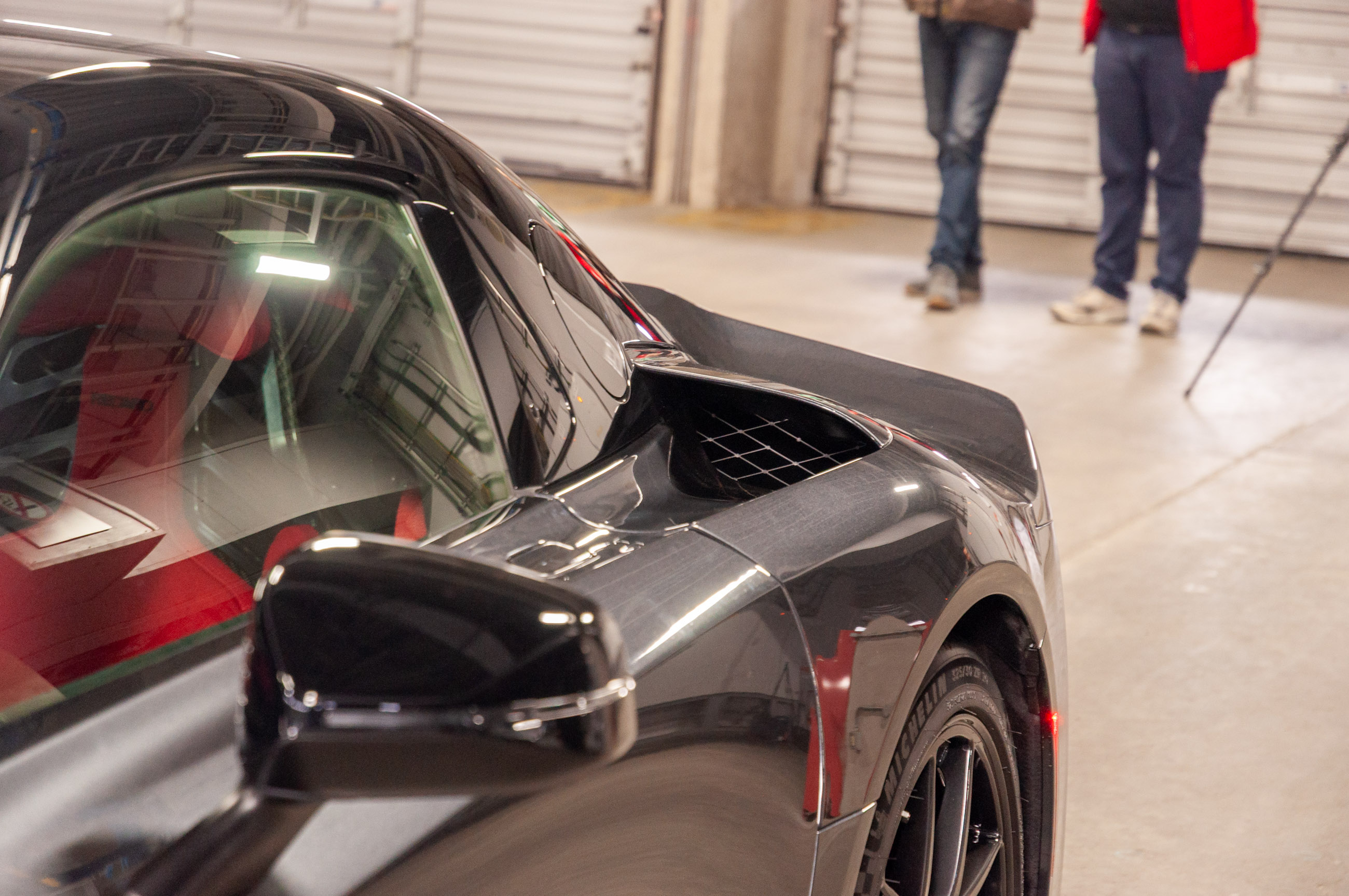
Koichi noted that “getting the airflow into the rear transaxle was extremely difficult to get right.” The design team would take the feedback from the engineers and then redesign the airflow to ensure it went in the right direction for proper cooling.
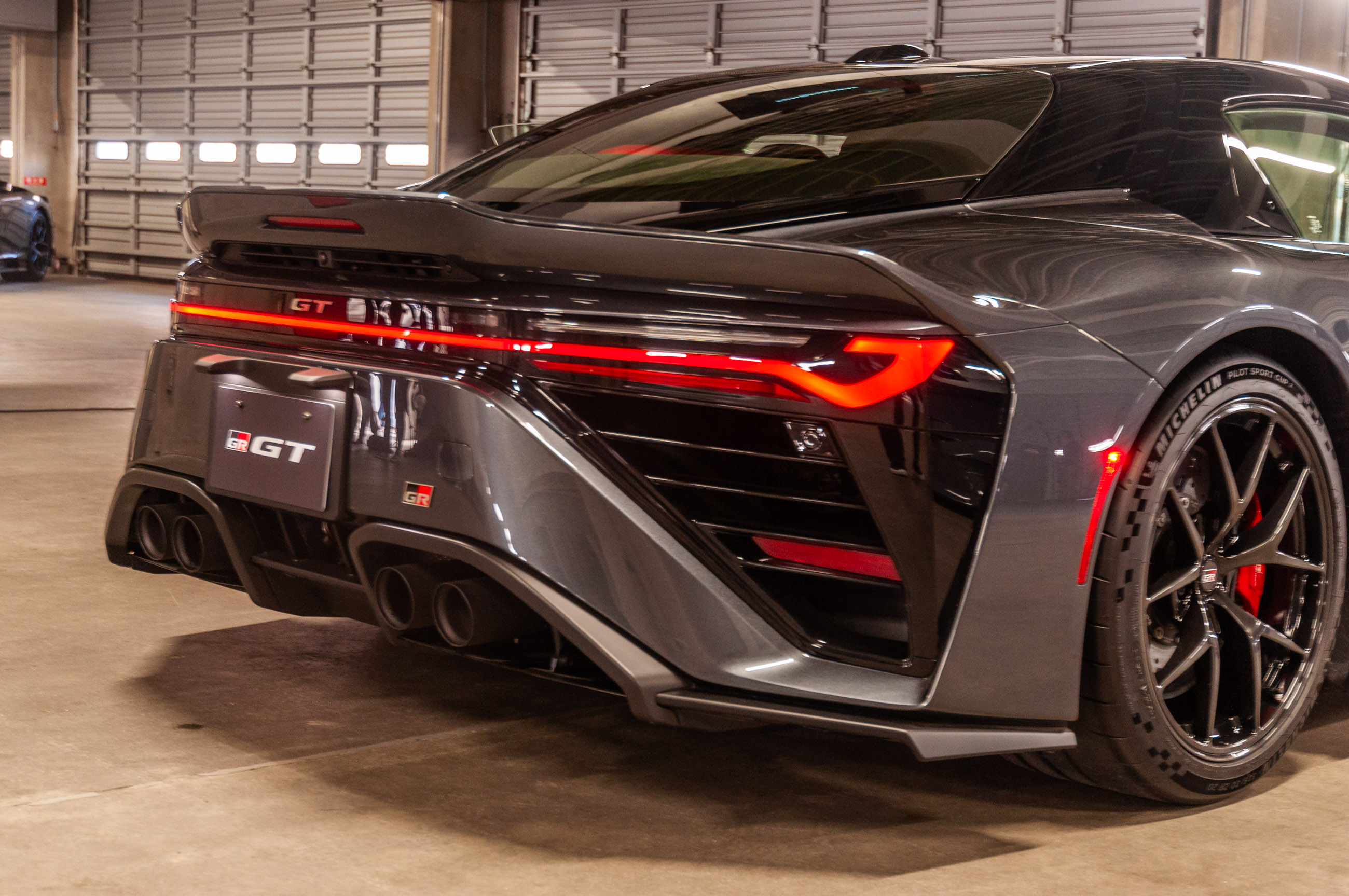
The Toyota GR GT3 concept from 2022 that previewed the GR GT had a massive rear wing. The team did away with this for the current street-legal GR GT with the aim of being as low as possible in profile, according to Kochi. Aerodynamics requirements still necessitated a spoiler and so a ducktail was added, but the team “squished the spoiler into the body” for a low, squat look, Koichi said.
That large spoiler very well could return or even look similar to the spoiler on the GR GT3 race car when another variant of the GR GT arrives in the future.
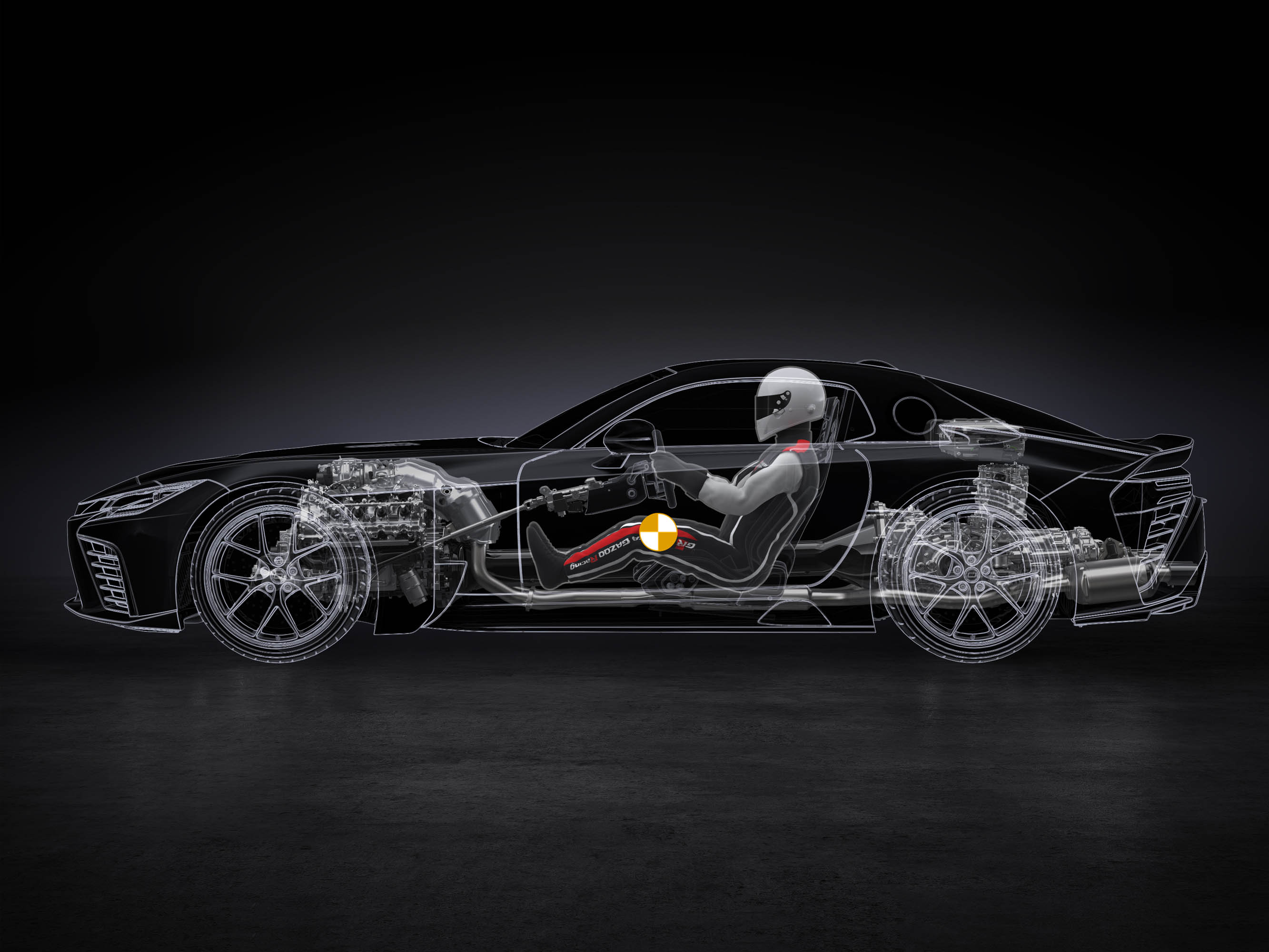
Beyond aerodynamics the team engineered the entire vehicle to ensure its low. Right down to how occupants sit. The H-point for occupants is low with a more race car like seating position than any production Toyota to date. Even the digital gauge cluster was designed around track use with brightness and layout honed on the track. Digital numerical readouts for the temp gauges are easy to see at a glance.
The team’s mantra for development? “Drive, break, and fix,” according to GR GT Project general Manager Takashi Doi.
Toyota provided travel, lodging, and raw fish which I definitely did not eat to bring you this first-hand report.
Got a tip about a car was engineered? Send us a line at tips@thedrive.com
Loading comments…
Comments couldn’t be loaded. Please refresh the page.