
Some automakers push the limits of performance or efficiency, but when your customers are the world’s ultra-rich, new and elaborate forms of customization are the measure of excellence. If money’s no object, wood trim and an off-the-rack paint color just won’t cut it.
Rolls-Royce knows this. In North America, bespoke features have pushed the average transaction price of a new Rolls from less than $300,000 to over $500,000 over the past decade. Commissions through the global network of five invitation-only Private Offices also doubled in 2025, according to the automaker. The Dubai Private Office oversaw a one-off Phantom with a unique feature.
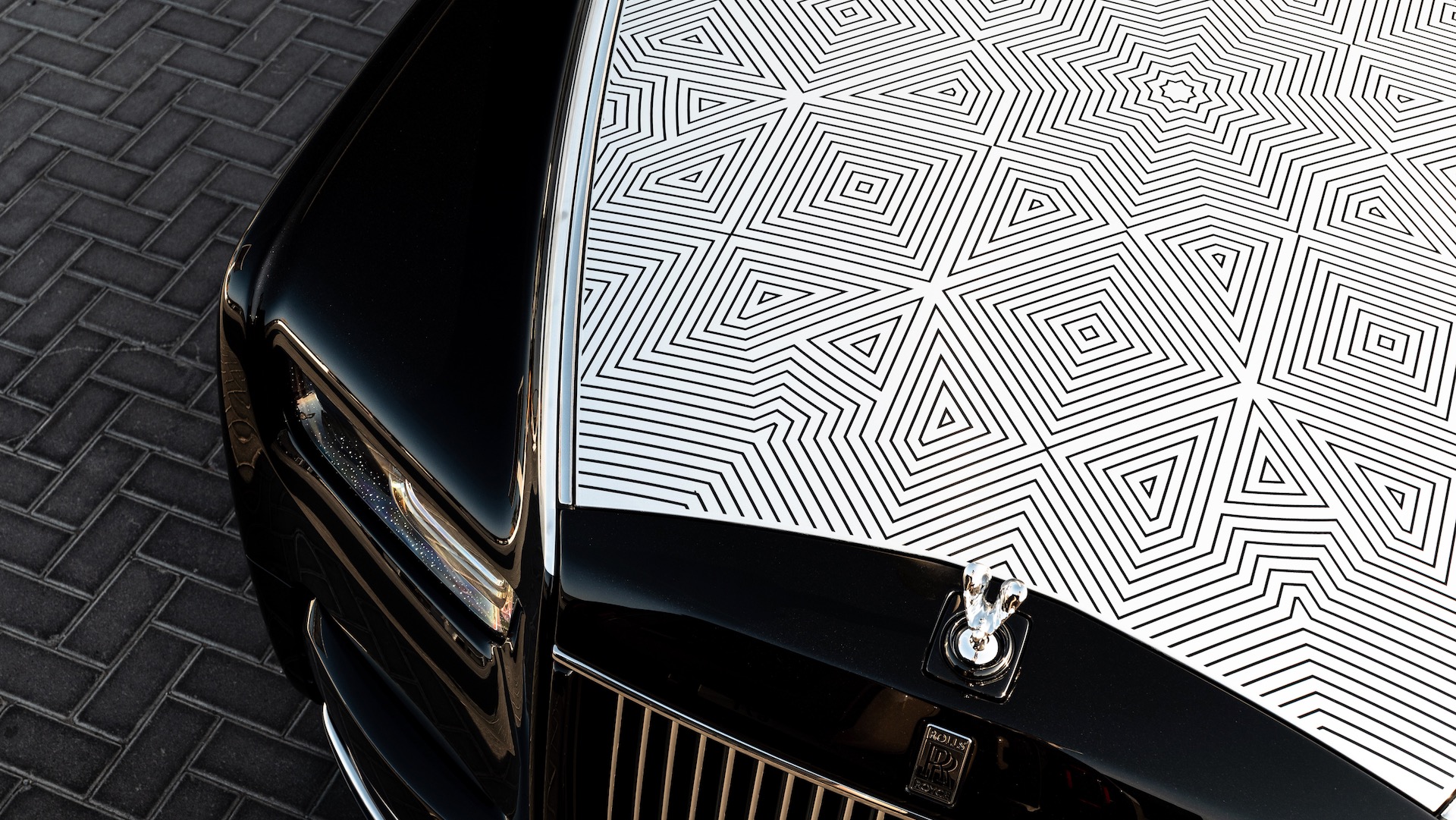
The Phantom Arabesque, pictured at the top of this story, is the first Rolls with a laser-engraved hood. Inspired by Middle Eastern mashrabiya wood screens, the pattern is engraved into one layer of paint at a depth of just 145-190 microns to reveal a darker color underneath. This provides a more intricate and durable finish than simply painting the pattern onto the hood. Variations in the laser’s velocity and intensity allow for “subtle visual shifts as light moves across the surface,” a press release reads.
The process took five years to develop, and the finished engraved surface also requires meticulous hand sanding, so one would hope it would produce a unique effect. And if laser engraving doesn’t dazzle enough, Mercedes-Benz has an alternative.
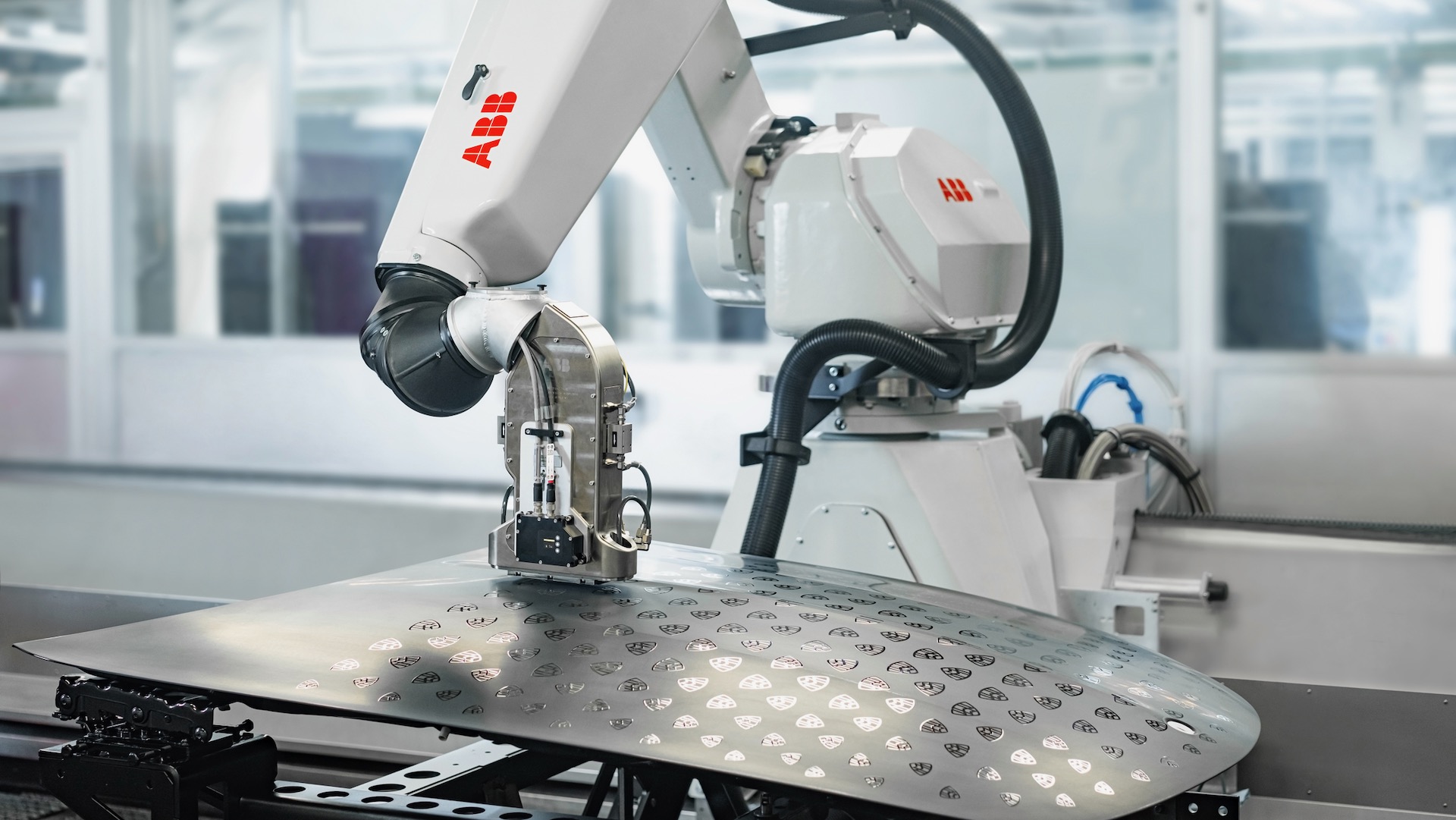
Unveiled in 2024, the PixelPaint system works a bit like an inkjet printer. Instead of spraying paint in a broad arc, a special robotic tool from supplier ABB deposits small amounts from very close to the surface being painted. It’s controlled by a 3D camera system and monitoring software, allowing for intricate designs that can also be repeated accurately.
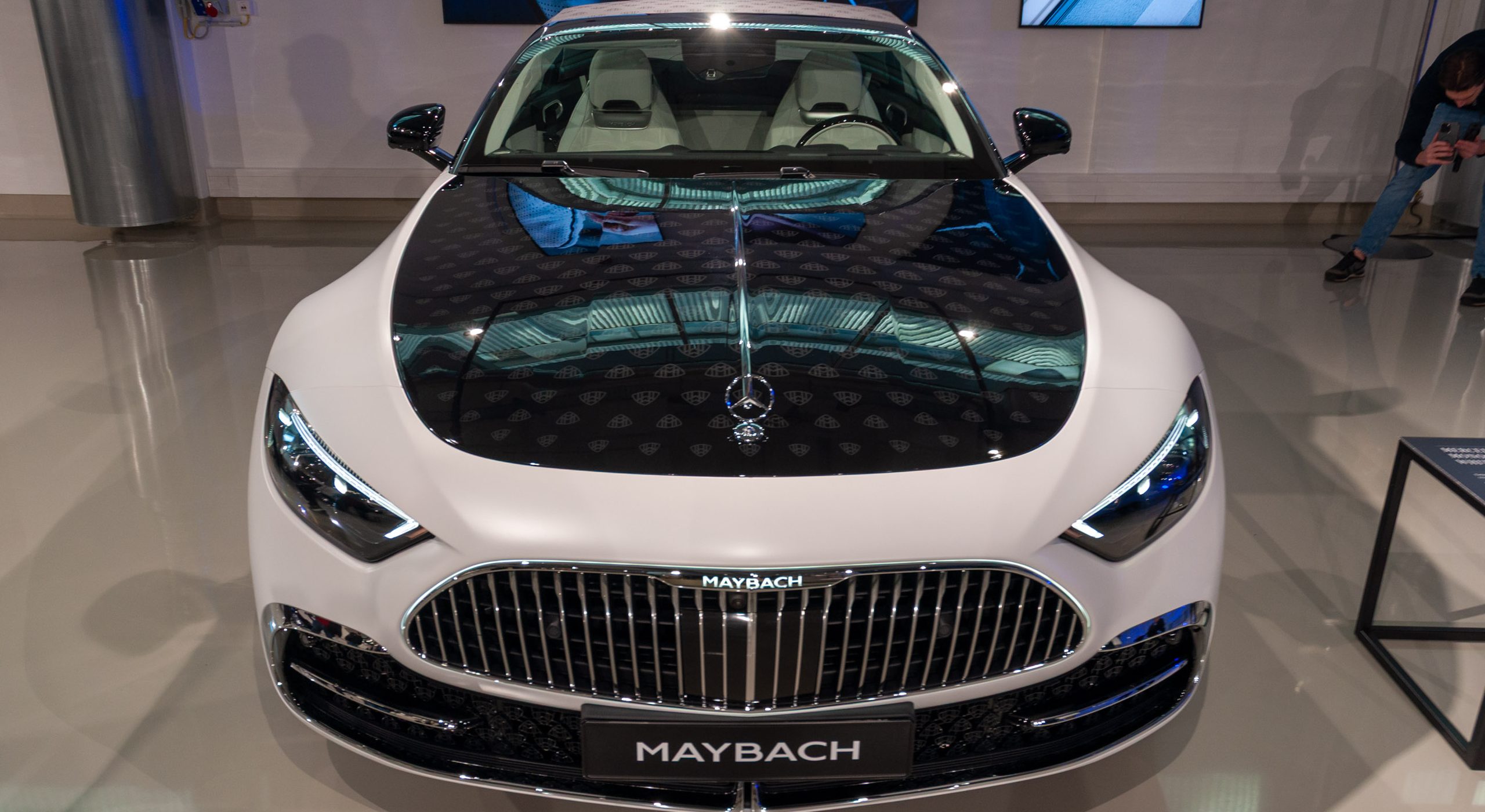
That’s why the first application of PixelPaint was the repeated Maybach logos on the hood of the 2026 Mercedes-Maybach SL 680 Monogram Series, which entered production in 2025. PixelPaint is also one of the many tools incorporated into Mercedes’ Manufaktur Studio customization center in Sindelfingen, Germany, which opened in late 2024 to handle the automaker’s expanding bespoke-build business.
It may be a luxury item now, but this process has potential benefits for everyone. The more precise application of paint reduces waste, cutting down on the emissions of volatile organic compounds (VOCs) and the need to treat runoff from paint booths. It also saves time by reducing the need for repeat paint applications and applying masking to robots. So this is one technique that hopefully won’t be limited to Maybachs for long.
Loading comments…
Comments couldn’t be loaded. Please refresh the page.