
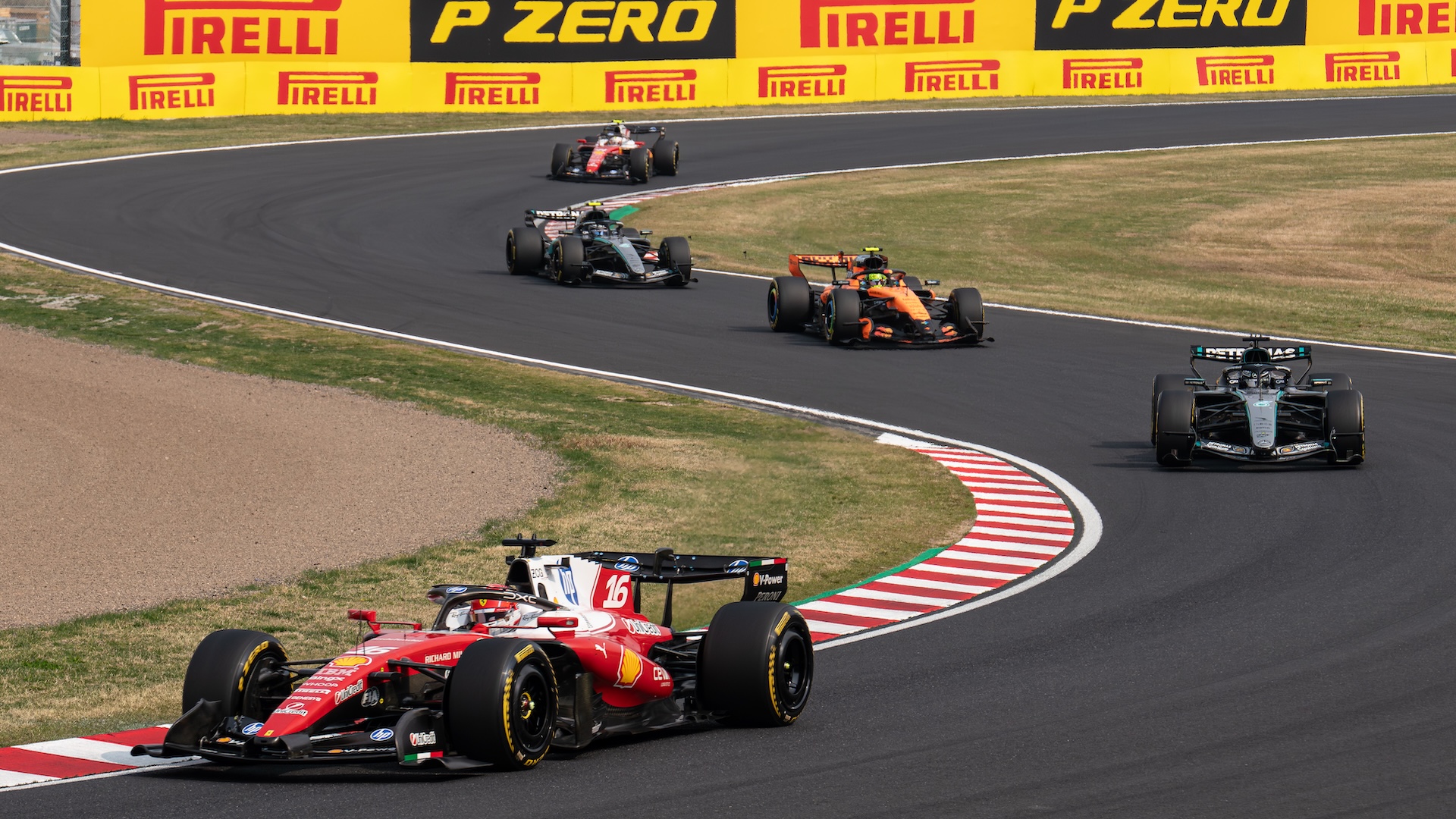
Yesterday, the FIA announced a round of tweaks to the somewhat controversial 2026 Formula 1 regulations. As is always the case in F1, some teams were for them, and others were against them. Likewise, some were more outspoken than others about whether changes were even needed, but the fact remains that they’ve tweaked them anyway.
The terms and explanations released by the FIA can be a little hard to understand, especially if you don’t speak Rulebook. And while the changes weren’t sweeping and mostly centered on the deployment of electric energy, there are a few things that would be easier to understand in lay terms.
Here’s what you should know about the revised regulations that’ll be in effect for the 2026 Miami Grand Prix.
Energy Management
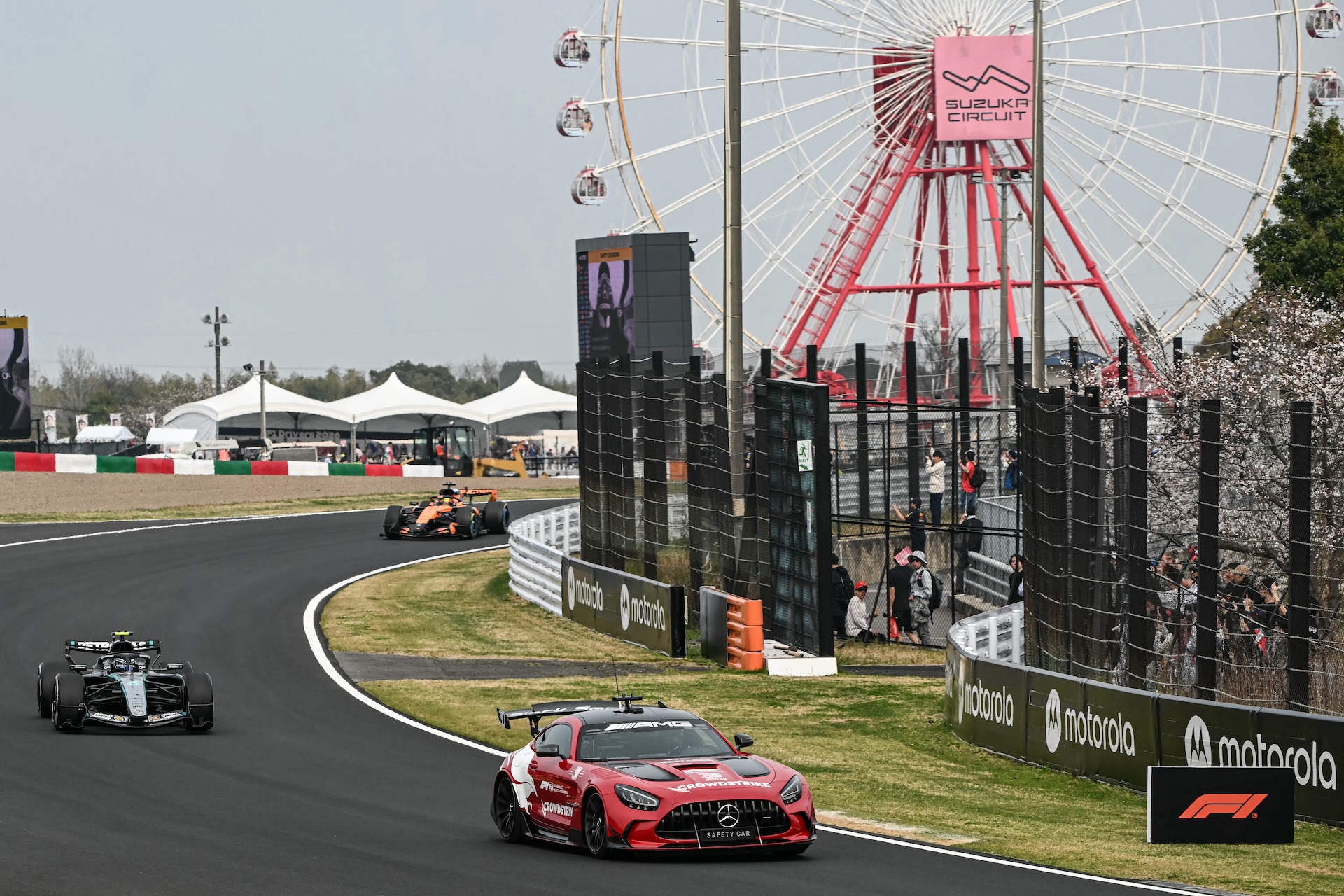
One of the key buzzwords nowadays is “super clipping.” It’s best to think of this term as the use of combustion power to generate electric power, just like those EV chargers that run on gasoline generators. But in this case, those generators are being towed behind an F1 car at all times.
Starting next week, battery energy management will be different when harvesting or deploying during a lap. Specifically, energy recovery during super clipping is being increased from 250 kilowatts to a maximum of 350 kilowatts. In a nutshell, this means that outright performance won’t be penalized as harshly when at top speed at the end of a straight. Drivers will be able to put more energy into their batteries while at full throttle than before. There are performance benefits to this, as well as safety benefits, as I’ll explain later.
Top speed will still be affected, just as before the tweaks, so it’s not like the entire issue around super clipping will disappear. And depending on the track layout, a car may run out of juice before reaching the end of the straightaway (think long straights like Baku or Mexico City). However, drivers will now harvest more energy at a lower cost, per se, which should allow harder, flat-out driving, especially during qualifying.
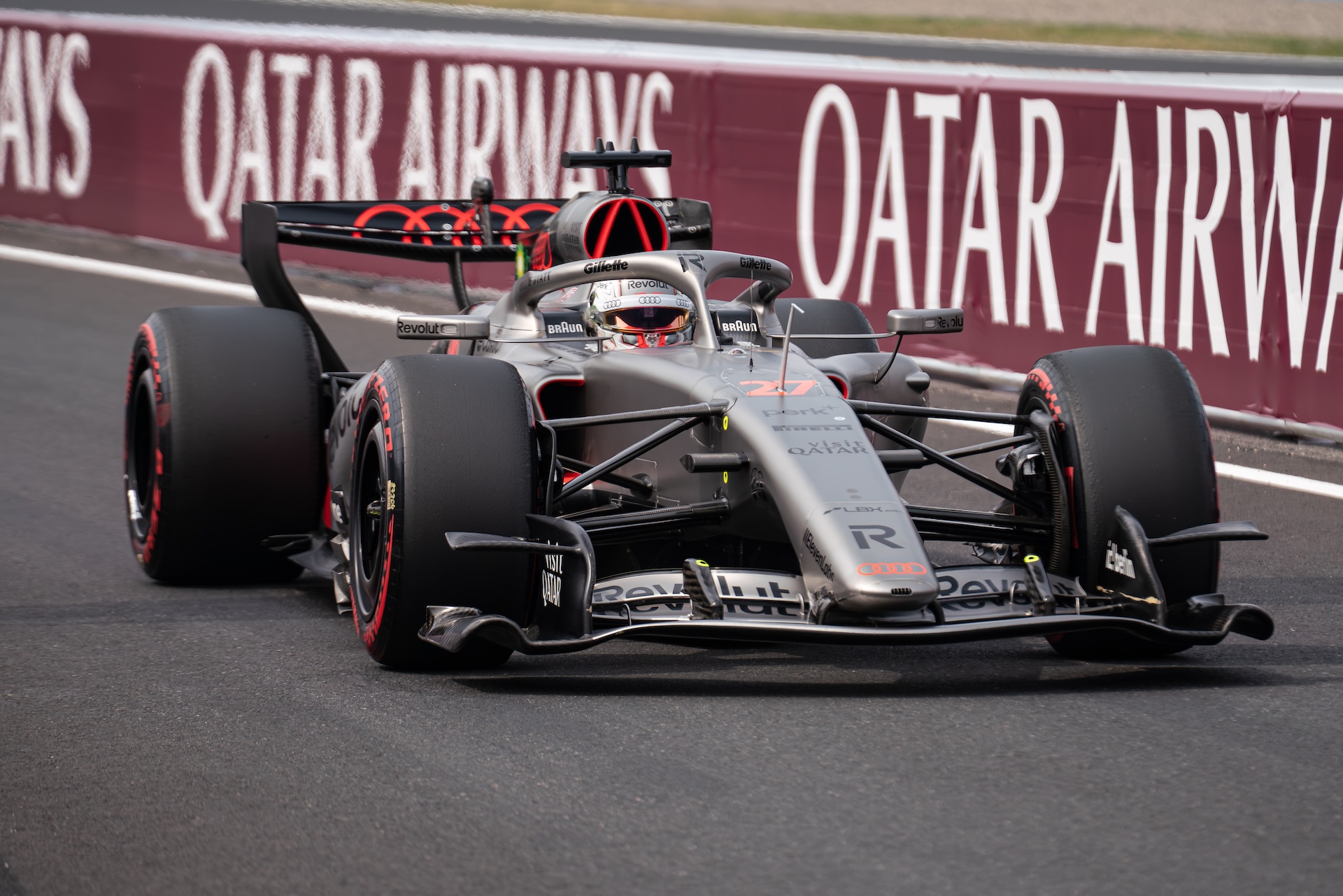
Several tweaks surrounding quali and starting procedures were also unanimously agreed to by all teams. Specifically, reducing the harvesting limit from eight megajoules to seven starting in Miami. The goal is to rely less on electrical power and more on the combustion engine throughout the lap, meaning less coasting and super clipping, but also lower speeds due to the lack of explosive battery power. While this will undoubtedly deliver higher lap times than before, it will force drivers to push the car to the limits of unassisted performance, and in theory, make things more exciting during all three rounds of qualifying. Slower is better now, it seems?
Safety
Overall, the FIA sought to improve scenarios involving speed differentials and lift-and-coast maneuvers. Lowering the harvesting limit during qualifying will reduce the time a car spends super-clipping throughout a lap. The FIA expects this to be reduced to just 2 to 4 seconds per lap. That said, the harvesting limit can be lowered even further for several other circuits on the calendar, depending on their layout.
This measure was trialed in Japan, and it seems to have delivered satisfactory enough results to be implemented as a standard procedure, though, as I mentioned above, the goal post will likely change throughout the season.
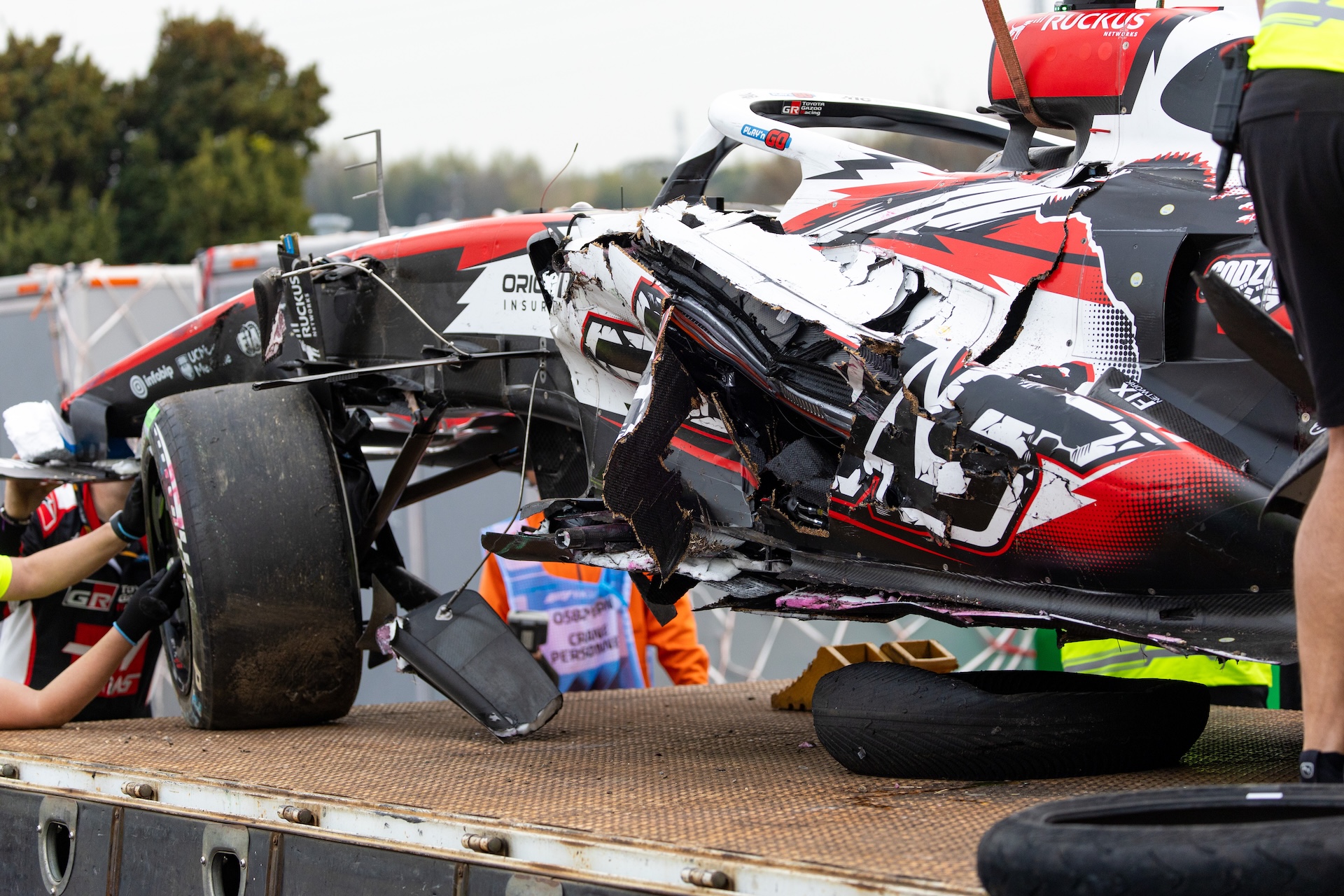
Further enhancing safety, MGU-K deployment in what the FIA refers to as “key acceleration zones” will remain at 350 kilowatts but be reduced to 250 kilowatts in other areas of the track. This should address the risk of speed differential, which could lead to situations like Oliver Bearman and Franco Colapinto’s crash at Suzuka—though I am of the opinion that this issue is not entirely to blame for that.
The FIA will also make adjustments on the deployment side. MGU-K deployment remains at 350 kilowatts for what the FIA calls “key acceleration zones”, but will be limited to 250 kilowatts for other parts of the lap. Additionally, the maximum power available through boost mode in race conditions is now capped at +150 kW.
Regarding wet conditions, this latest round of tweaks also increases tire blanket temperatures specifically for Intermediate tires, so drivers can enjoy better grip after leaving the pit lane. Likewise, energy deployment will be reduced under wet race conditions, and warning light sequences will be initiated.
A new “low power start detection” will be trialed in Miami, which will essentially trigger an automatic MGU-K deployment to help a car move off the line if the driver botches the start. This way, it reduces the risk of getting rear-ended (as hard) by another car accelerating at full speed.
Verdict
Despite Toto Wolff’s fear that the FIA is using a “bat” to address the 2026 regulations rather than a “scalpel,” these seem like minor tweaks that could deliver significant gains across the board. They won’t change the entire picture, but I believe they are accurately addressing some of the shortcomings we’ve seen so far. At the same time, I believe these are coming a bit early in the season, and perhaps the FIA should’ve waited more than three races to issue a round of reg updates. Perhaps if the two Middle Eastern races had happened, there would be more information to substantiate these and more changes.
Either way, this is official now, and we’ll have to wait and see how things turn out in Miami, which is around the corner.
Got a tip? Email us at tips@thedrive.com
Loading comments…
Comments couldn’t be loaded. Please refresh the page.