
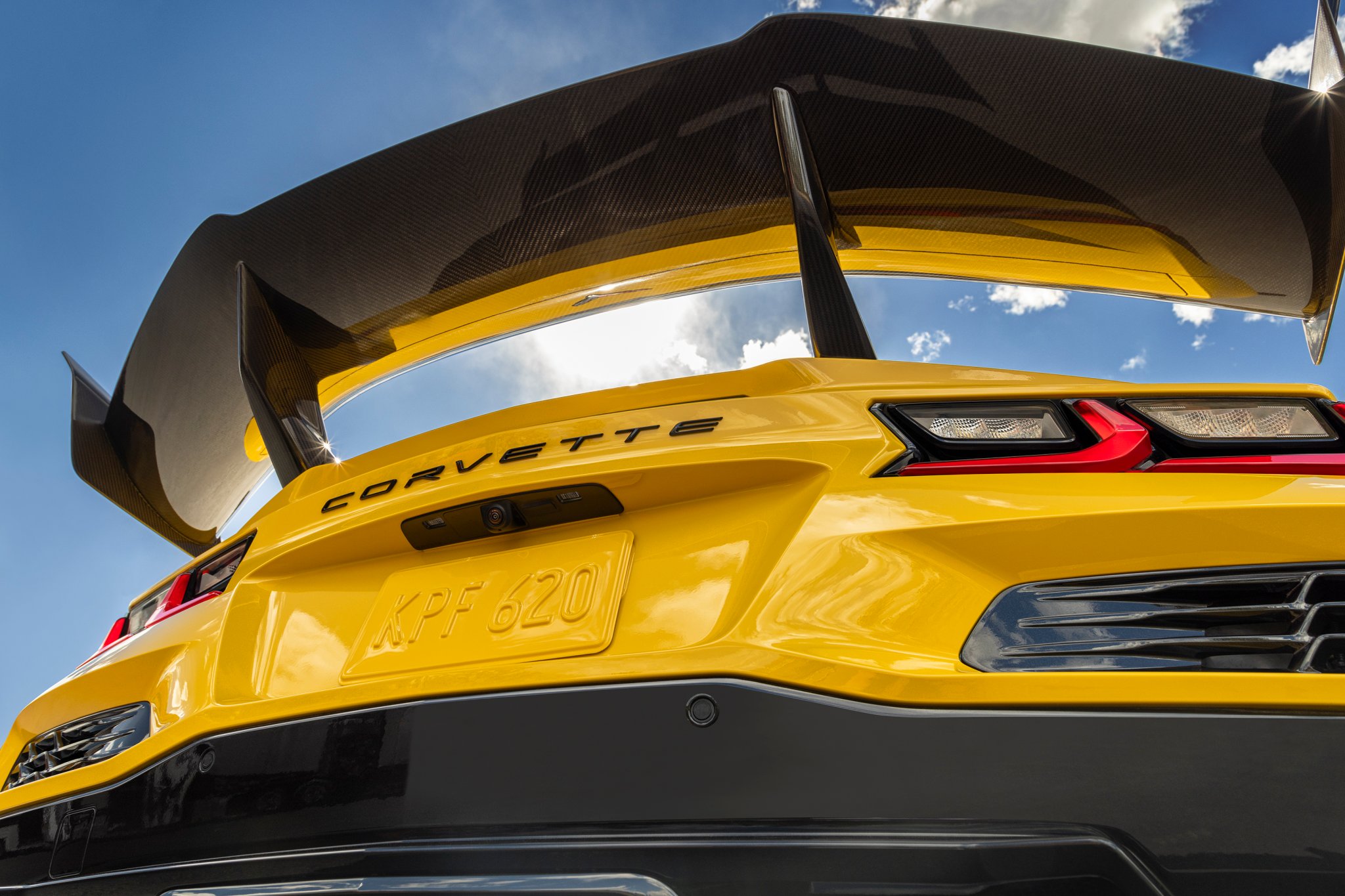
Active aero unlocks a lot of possibilities, allowing engineers to trim drag for higher top speeds or add downforce for more confidence-inspiring cornering. A new General Motors patent filing hints at another possible use, one that can’t be expressed purely with numbers.
The patent filing, which was published by the United States Patent and Trademark Office at the end of January (but originally filed by GM in 2024) is for “active downforce control for drifting maneuvers.” In other words, using a car’s active aero elements to make it easier to get sideways.
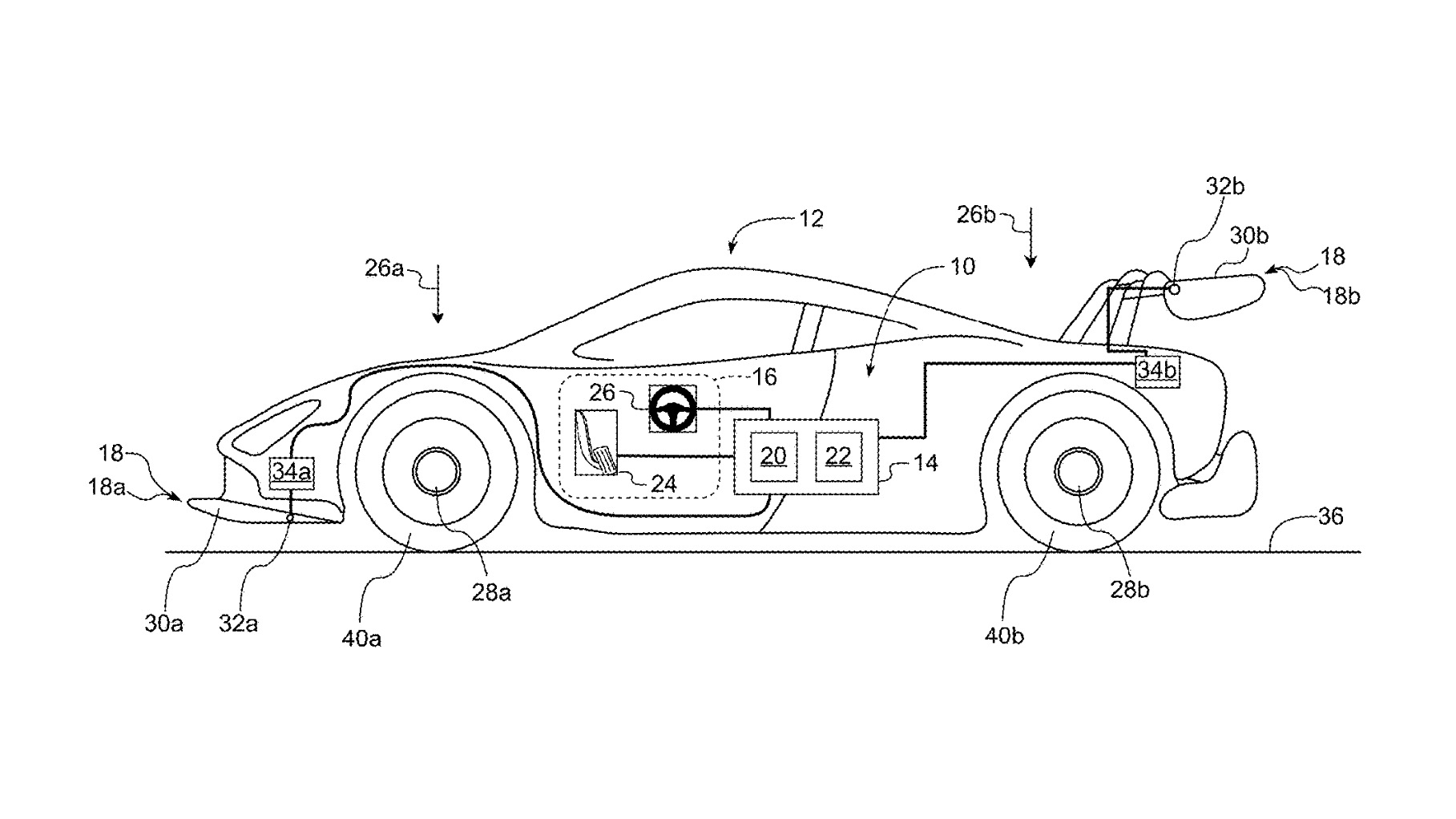
As described in the document, an onboard controller would determine when the driver is trying to drift (as opposed to merely losing traction and trying to recover) based on control inputs such as steering-wheel angle and accelerator-pedal position. It would then adjust the aerodynamic bias between the front and rear axles to a drift-optimal range, one that allows a controlled loss of traction that’s enough to keep a drift going.
The hardware would be similar to other active-aero systems, consisting of movable spoilers, wings, fins, or diffusers mounted on actuators that can adjust their angles or move them relative to the airflow around the car in order to generate more or less downforce. Bleeding off some downforce makes the car a little looser and thus easier to drift. A high-downforce setup is important for achieving the fastest lap times, but a car that won’t get unstuck won’t be much good at drifting. That’s the beauty of active aero: you can have both.
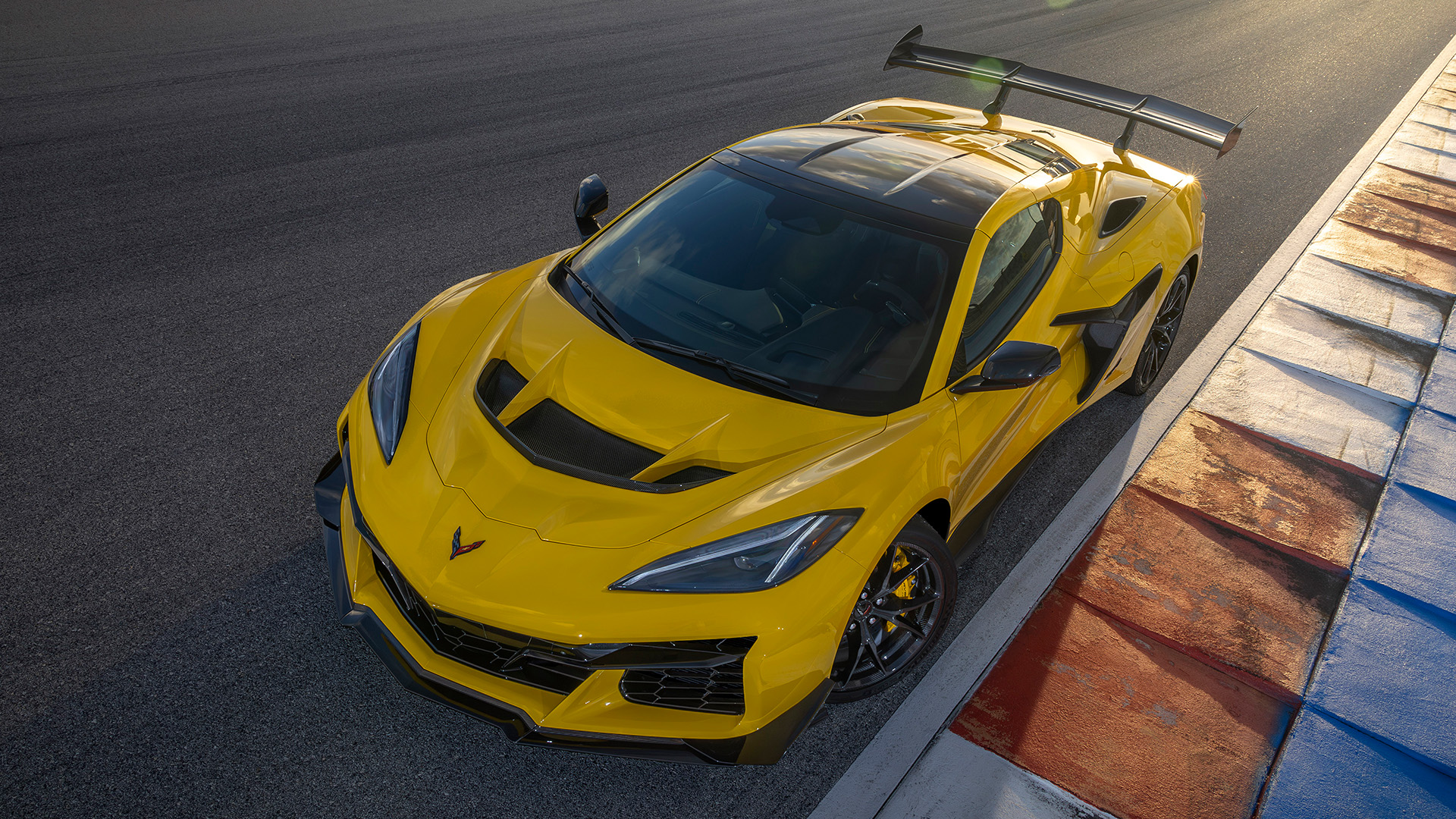
The downside is added cost and complexity from movable aerodynamic elements compared to fixed ones. But with GM driving the Corvette further into six-figure territory, it’s clear the automaker isn’t afraid to build pricey performance cars. Another patent filing that surfaced in 2024 hinted at an active-aero system for the ‘Vette, but in this case tied to an electronic limited slip differential. That use case seemed aimed more at handling stability, but it’s possible the same hardware could be repurposed for the drift mode described here.
Other automakers are already deploying active aero. One of the most notable recent examples is the Ford Mustang GTD, although the Corvette ZR1 and ZR1X still managed to (barely) beat the GTD around the Nürburgring without it. But while improving lap times is the typical use of active aero, using it to make drifting easier is something we haven’t seen before.
Got a tip? Send it in: tips@thedrive.com
Loading comments…
Comments couldn’t be loaded. Please refresh the page.