
Reform is coming to the United States’ fuel efficiency regulations, and I’ll just say this: They aren’t getting any stricter. Rather, the Trump administration is set to roll back the previously mandated fleetwide average of 50.4 miles per gallon by model-year 2031, and instead establish a far-lower 34.5 mpg goal. As you might imagine, automakers are stoked by this news, even if they have a few proposed tweaks.
The Alliance for Automotive Innovation—which represents more than a dozen automakers like Ford, General Motors, Hyundai, and Toyota—has vocally supported the president’s lowered fuel economy standards. Reuters quotes the group as saying, “Given the slowing growth of EV sales in the U.S. and reduced government policy support, the previously issued CAFE standards are simply unachievable.” Indeed, the old regs were an indirect way of promoting electrification, as car companies stood little chance of meeting them without battery power or drastic lineup reworkings.
According to the National Highway Traffic Safety Administration, this could drive down new vehicle prices, but only somewhat. The federal agency estimates consumers will save roughly $930 on average in upfront costs. Lower vehicle fuel economy means they’ll pay far more in the long run, though, with nationwide oil usage expected to increase by 100 billion gallons through 2050, meaning Americans will spend $185 billion more on fuel over the same period.
“I think this is a short-sighted move on the part of automakers,” explained Sam Abuelsamid, vice president of market research at Telemetry Agency, to The Drive. He also disagreed that new car shoppers will see any up-front savings: “I genuinely don’t expect any reduction in CAFE/emissions standards to have any impact at all on vehicle pricing. Most likely, it will only serve to boost automaker margins. Thus, consumers are going to end up spending a lot more on transportation as they end up spending a lot more on fuel over the life of the vehicle.”
The Alliance also wants environmental credit trading to stick around, though the proposal’s current form would eliminate it. Up to now, car companies with lower fleetwide fuel economy averages could purchase credits from other, greener automakers who had enough to spare. If the credit trading practice went away, manufacturers would possibly have even less incentive to develop and sell EVs.
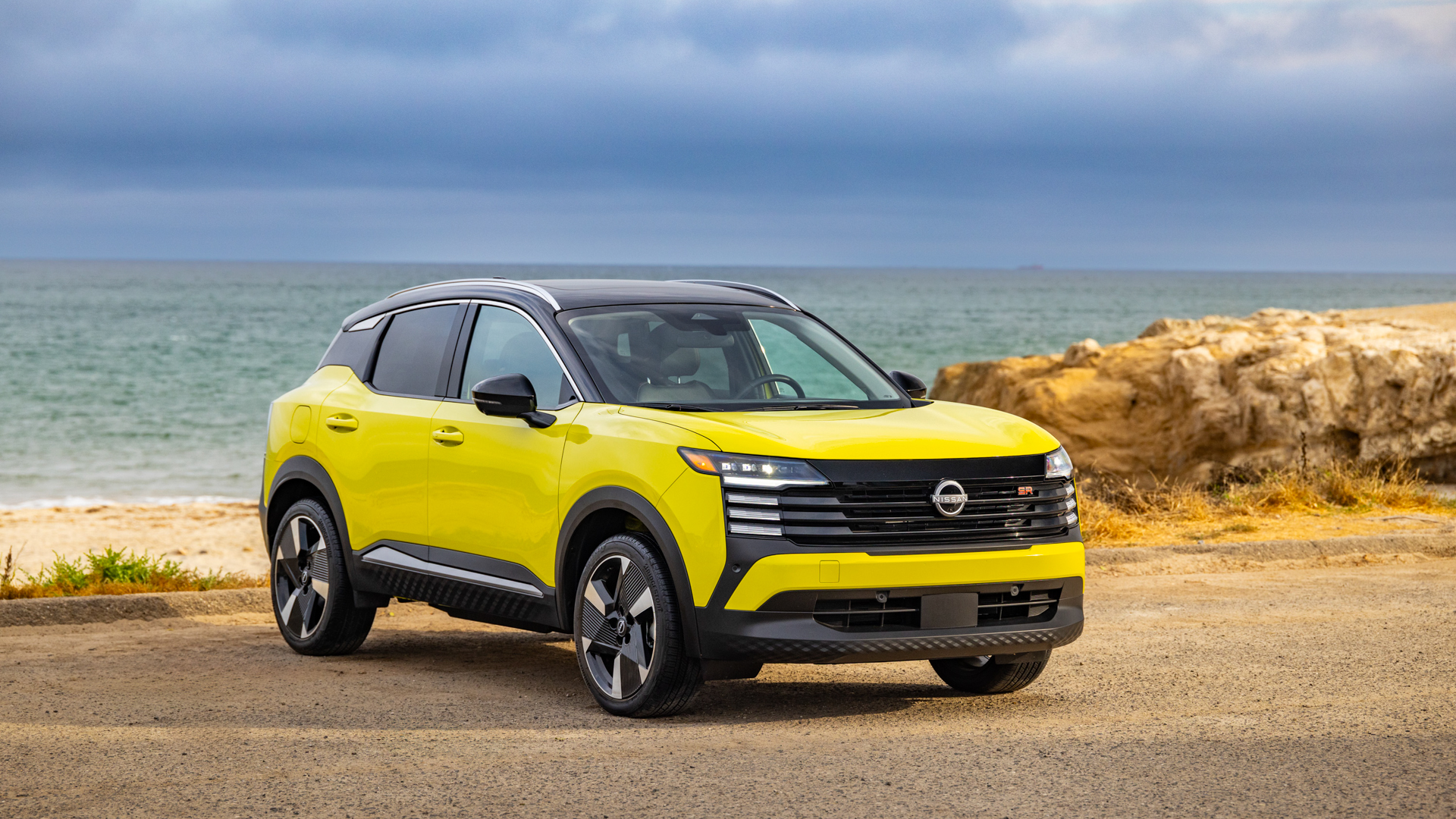
Last but not least, these major players in the auto industry urge the federal government not to reclassify more vehicles as cars rather than light trucks. That’s because anything categorized as a car immediately faces stricter standards than those that are a class above. Abuelsamid pointed out that these currently include models like the Nissan Kicks and Chevy Trax—vehicles that he describes as “at best a tall hatchback.”
We’ll see how much the administration bends to the will of the automakers. As it stands, they seem to have a much better shot than those in Congress who oppose the rollbacks altogether.
Got a tip or question for the author? Contact them directly: caleb@thedrive.com
Loading comments…
Comments couldn’t be loaded. Please refresh the page.