
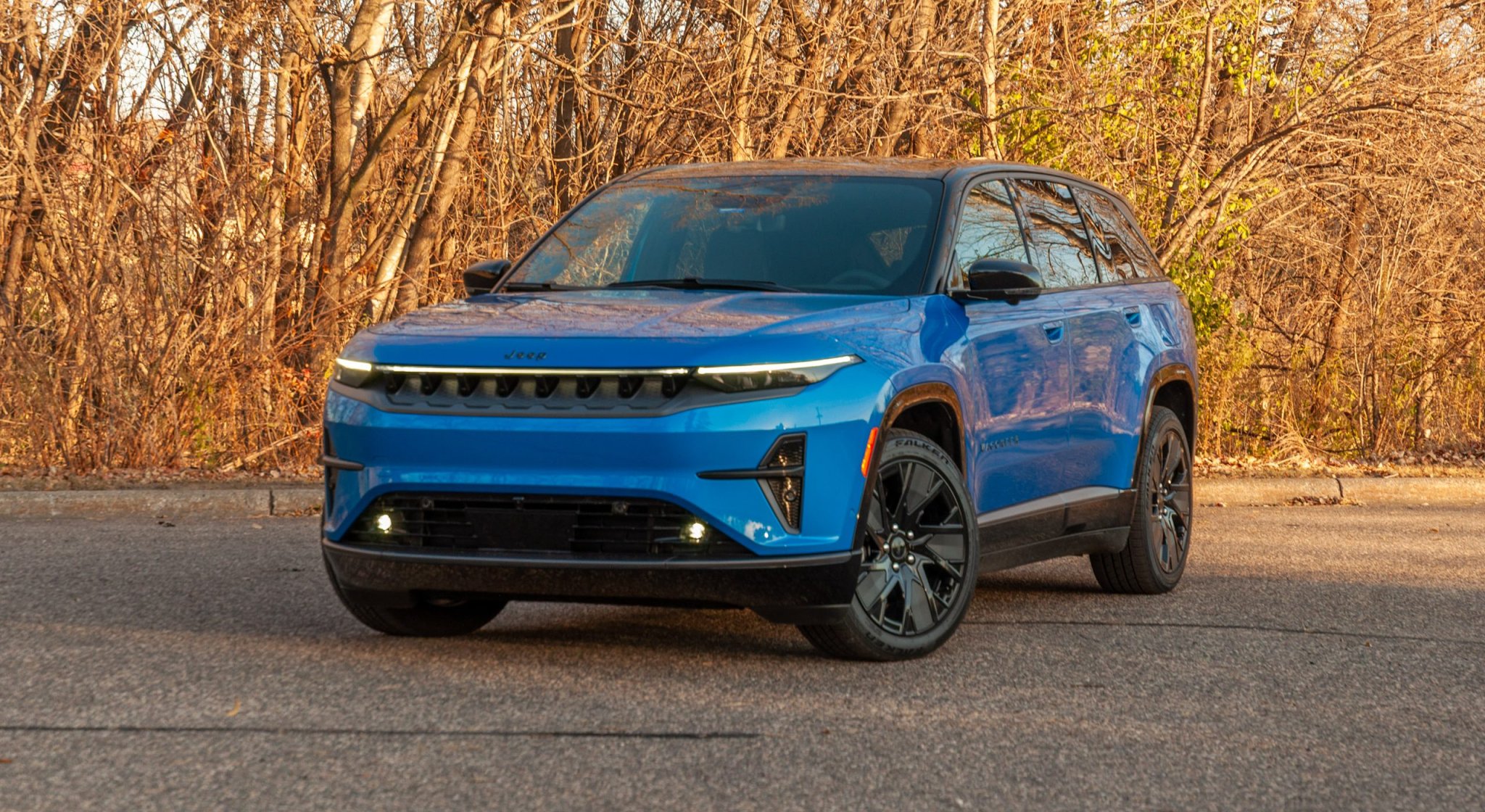
The disappointment with the Jeep Wagoneer S is real over here, and I’m especially qualified to tell you this. Why? Let’s go through my vehicle ownership history real quick.
My first car was an XJ 1997 Jeep Cherokee Sport, and it was a specific build featuring Selec-Trac four-wheel drive. Then I moved onto a WJ 1999 Grand Cherokee, but not before we as a family almost purchased a ZJ first-generation Grand Cherokee. My parents instead bought a 2000 WJ Grand Cherokee, and later replaced that with a 2013 WK2 Grand Cherokee. Once it was time, they switched to a 2018 Grand Cherokee (also a WK2). And last but not least, the car I own right this second—my wife’s daily driver that lives in my garage—is a WK2 2015 Grand Cherokee High Altitude with a Hemi V8.
With that history and background, I’m here to tell you that both my father and I were extremely excited about the 2025 Jeep Wagoneer S when it debuted. Roughly 300 miles of range, a ton of power, and what seemed like almost a reasonable price, while being about the size of a Grand Cherokee? That’s enough to hook us.
Sadly, spending a week with it left me feeling like this is unfinished and half-baked. The irony? Jeep swore it wouldn’t sell the Wagoneer S until it was “perfect.” It’s not. What a shame.
Here’s what it is, what it isn’t, and what needs to be corrected.

The Basics
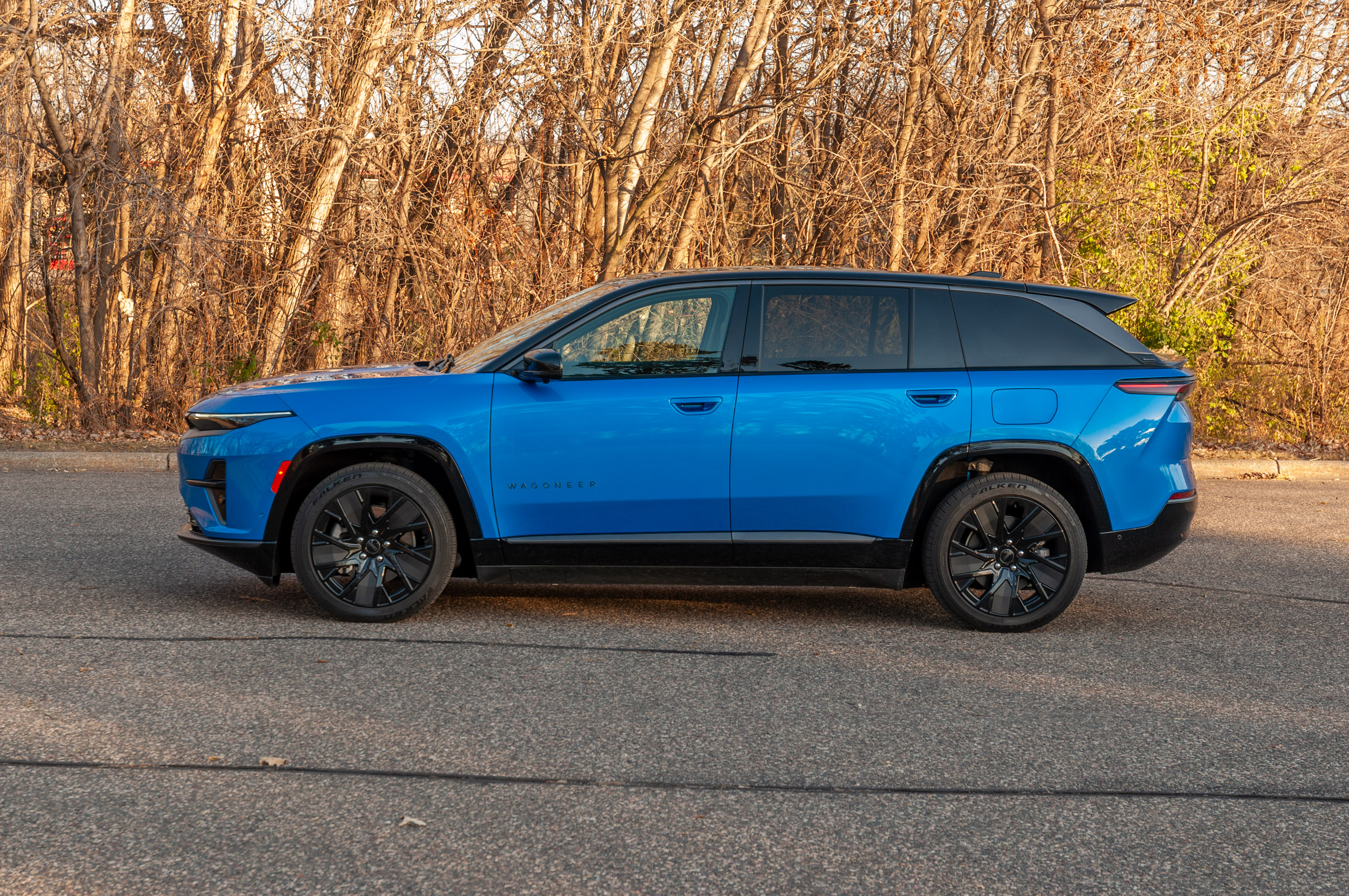
New for 2025, the Wagoneer S is Jeep’s first EV. It confusingly wears the Wagoneer name instead of something like Grand Cherokee EV because, at one point, Jeep wanted the Wagoneer to be a family of premium vehicles with a premium price. That’s somewhat hilarious, given what you’ll soon read about the Wagoneer S below. Also, the Wagoneer is already dead and has been rolled into the Grand Wagoneer lineup. Something about best laid plans.
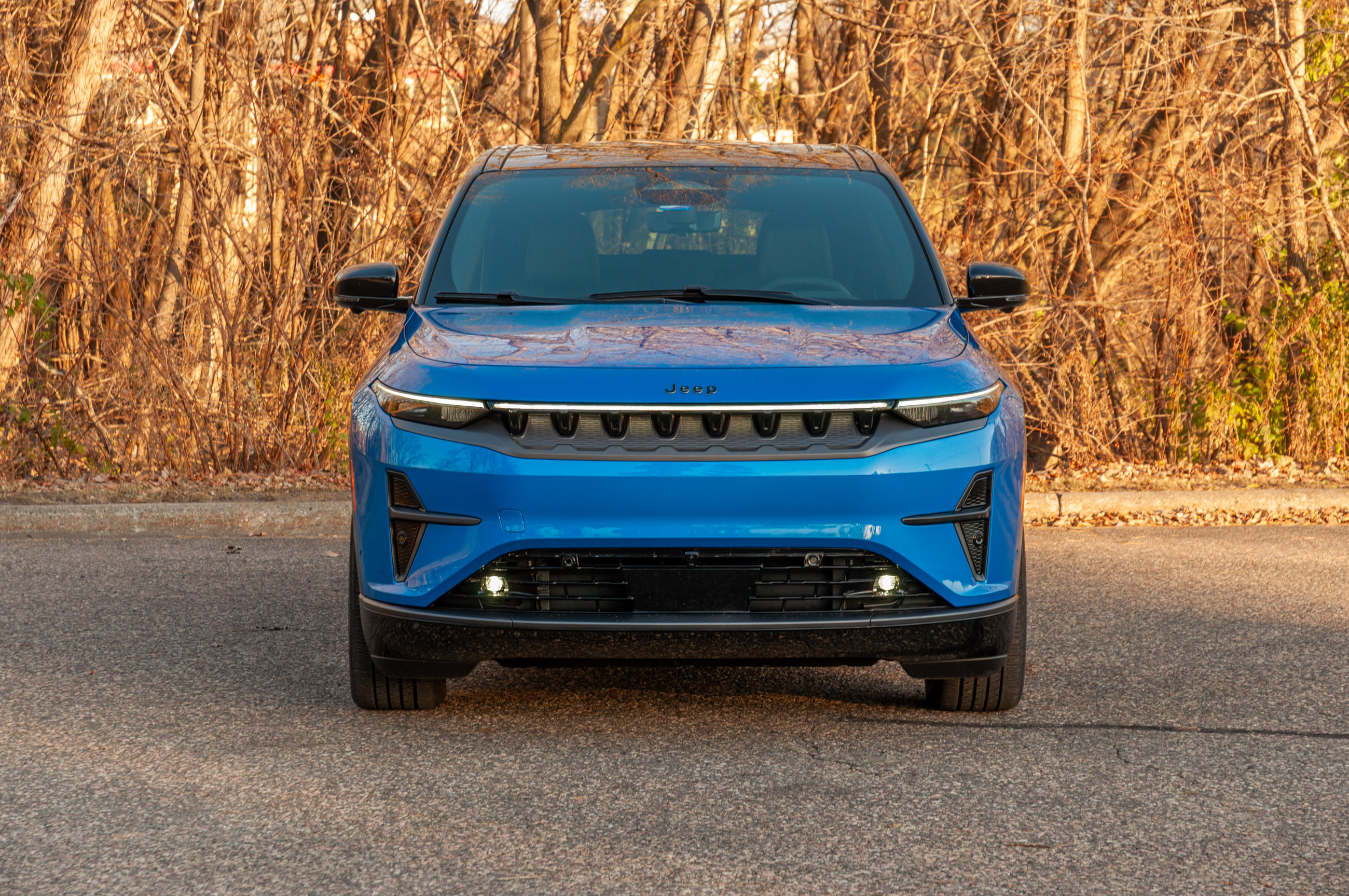
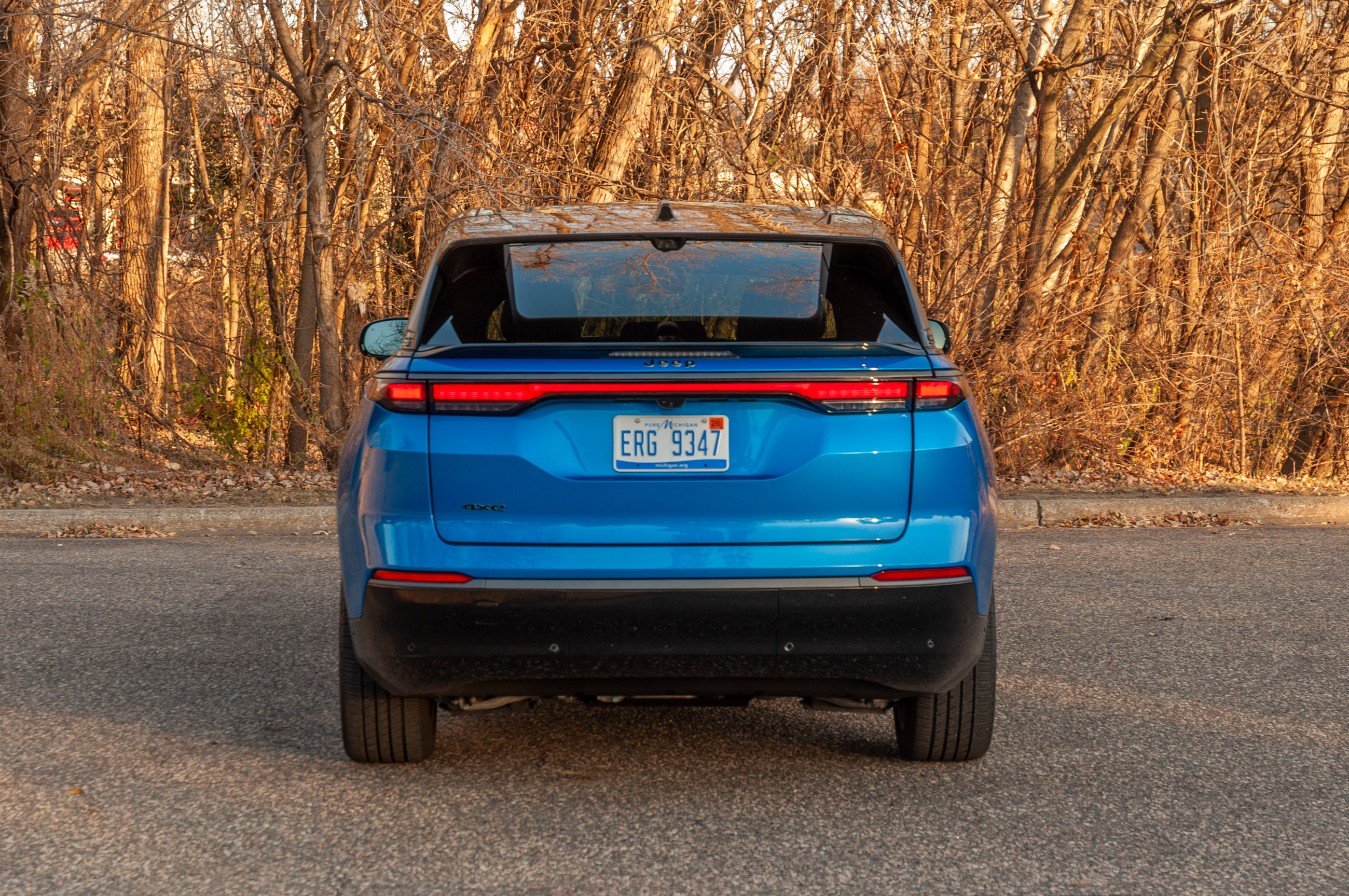
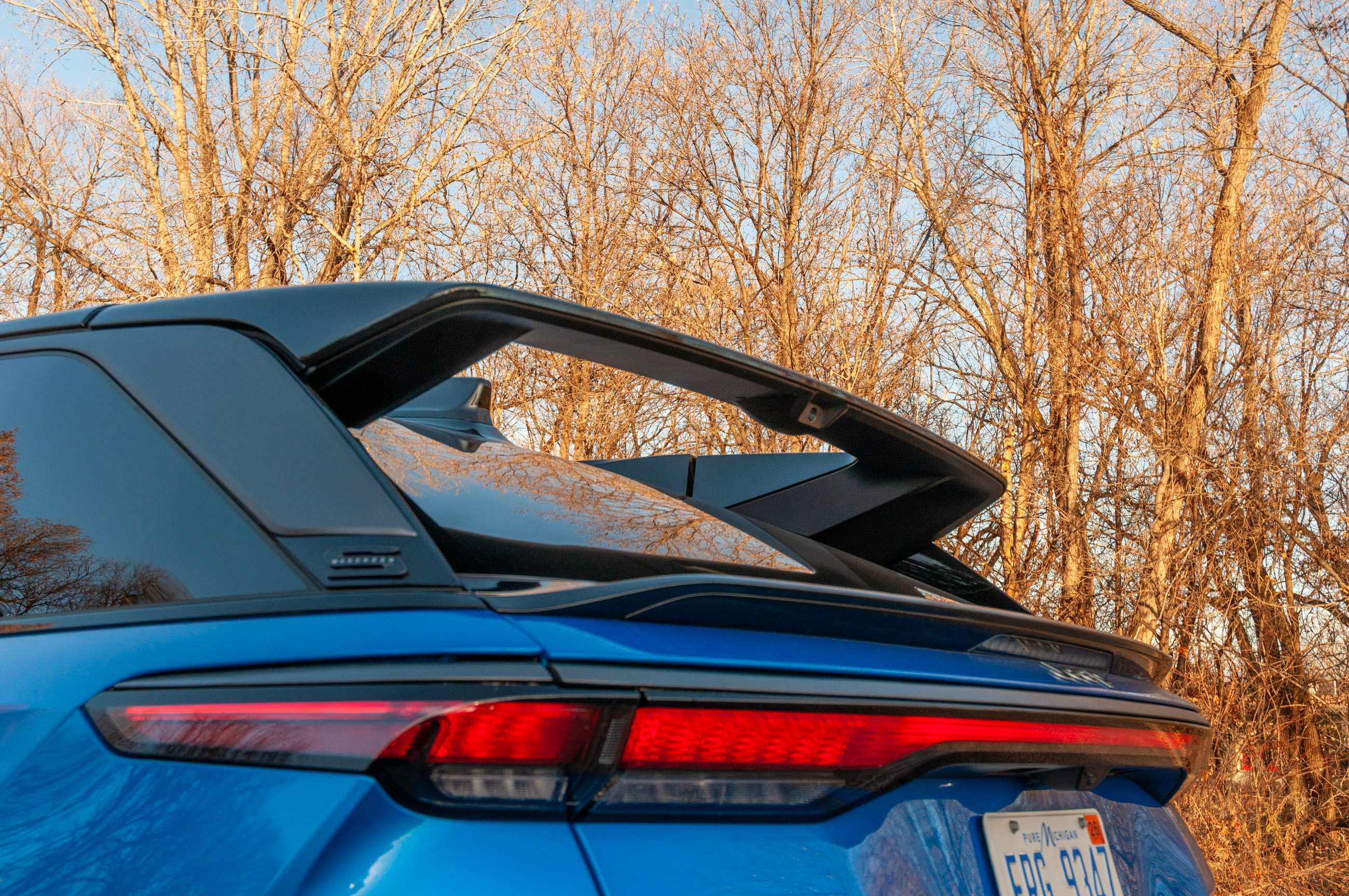
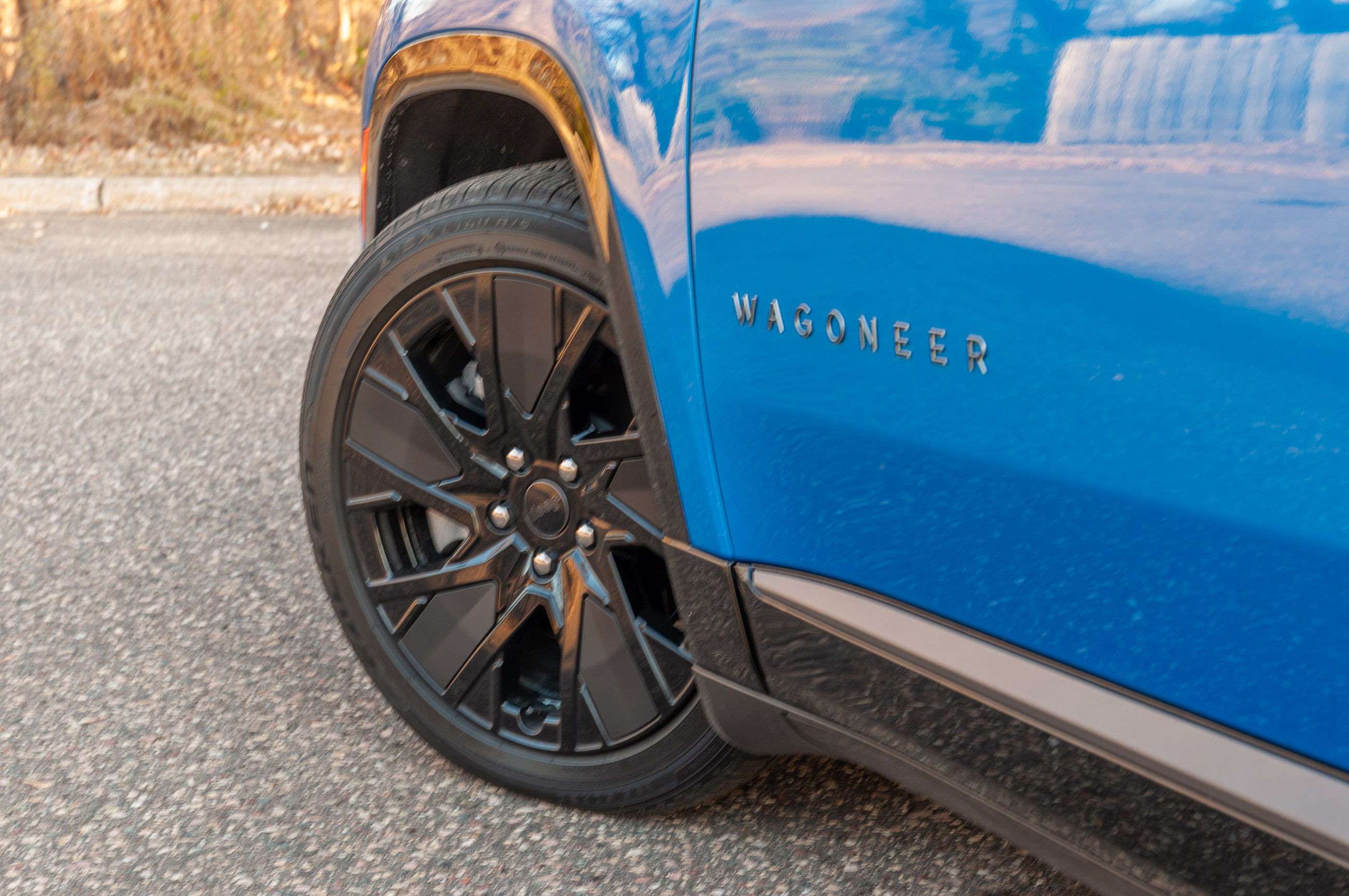
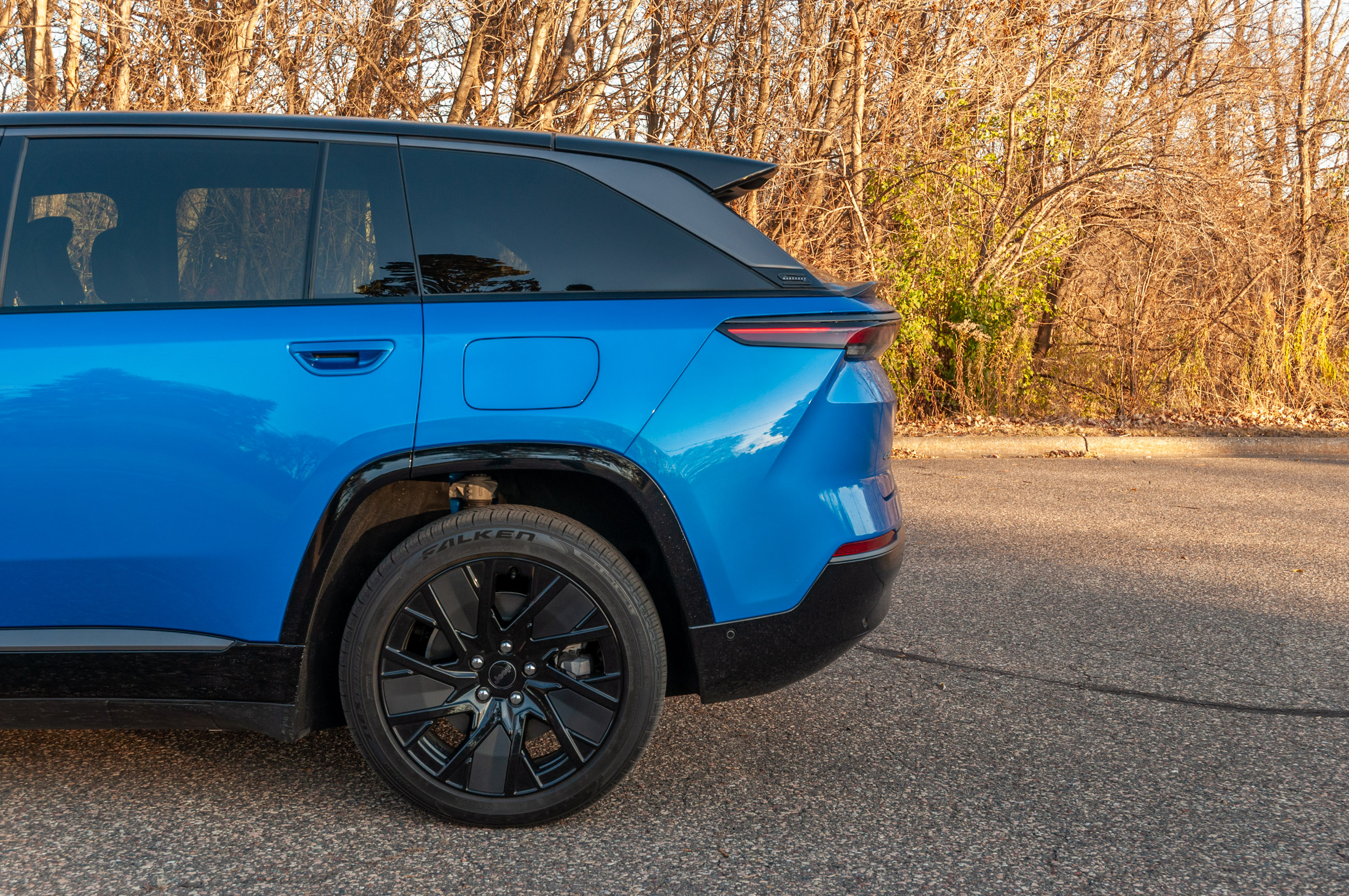
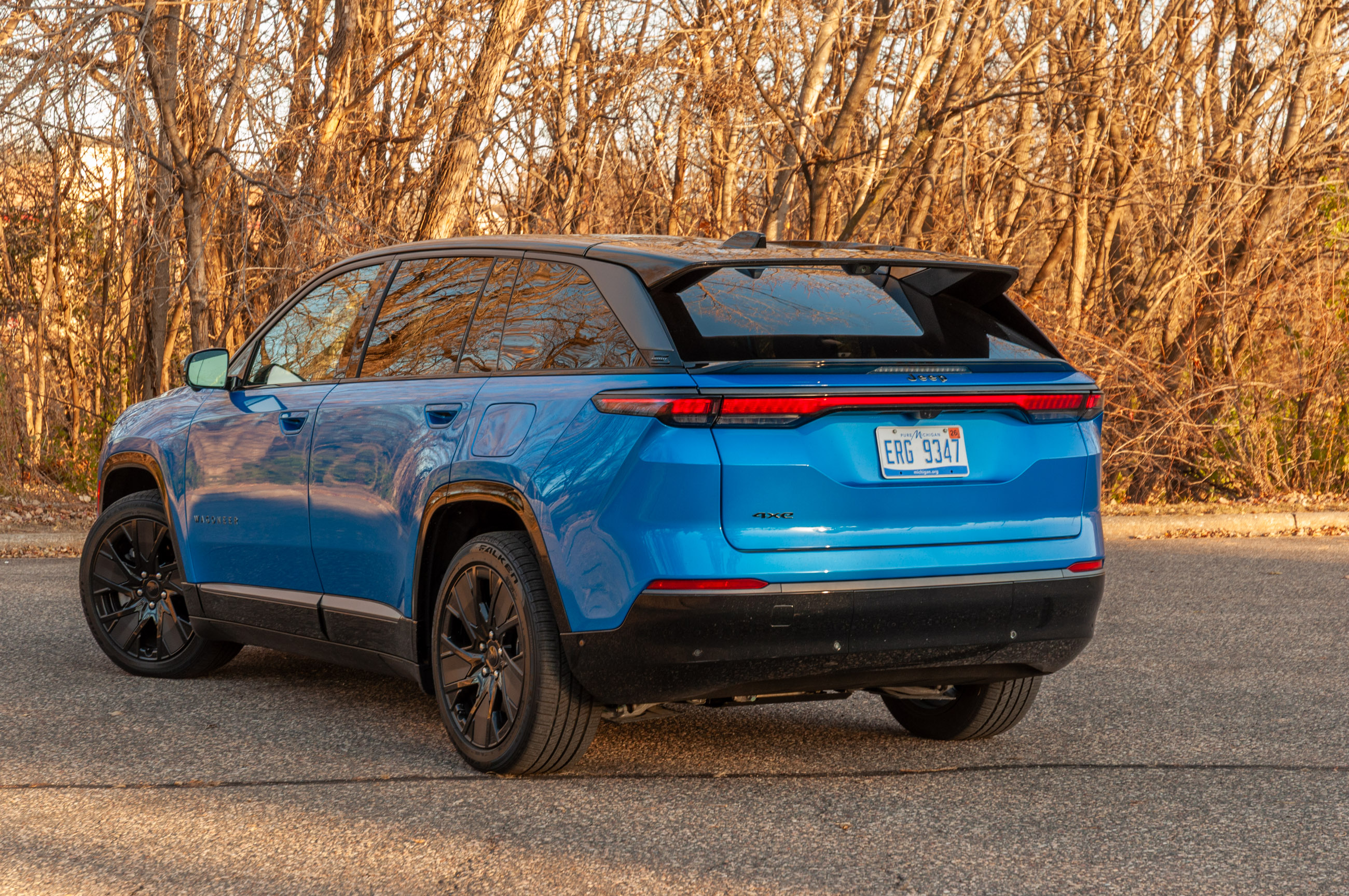
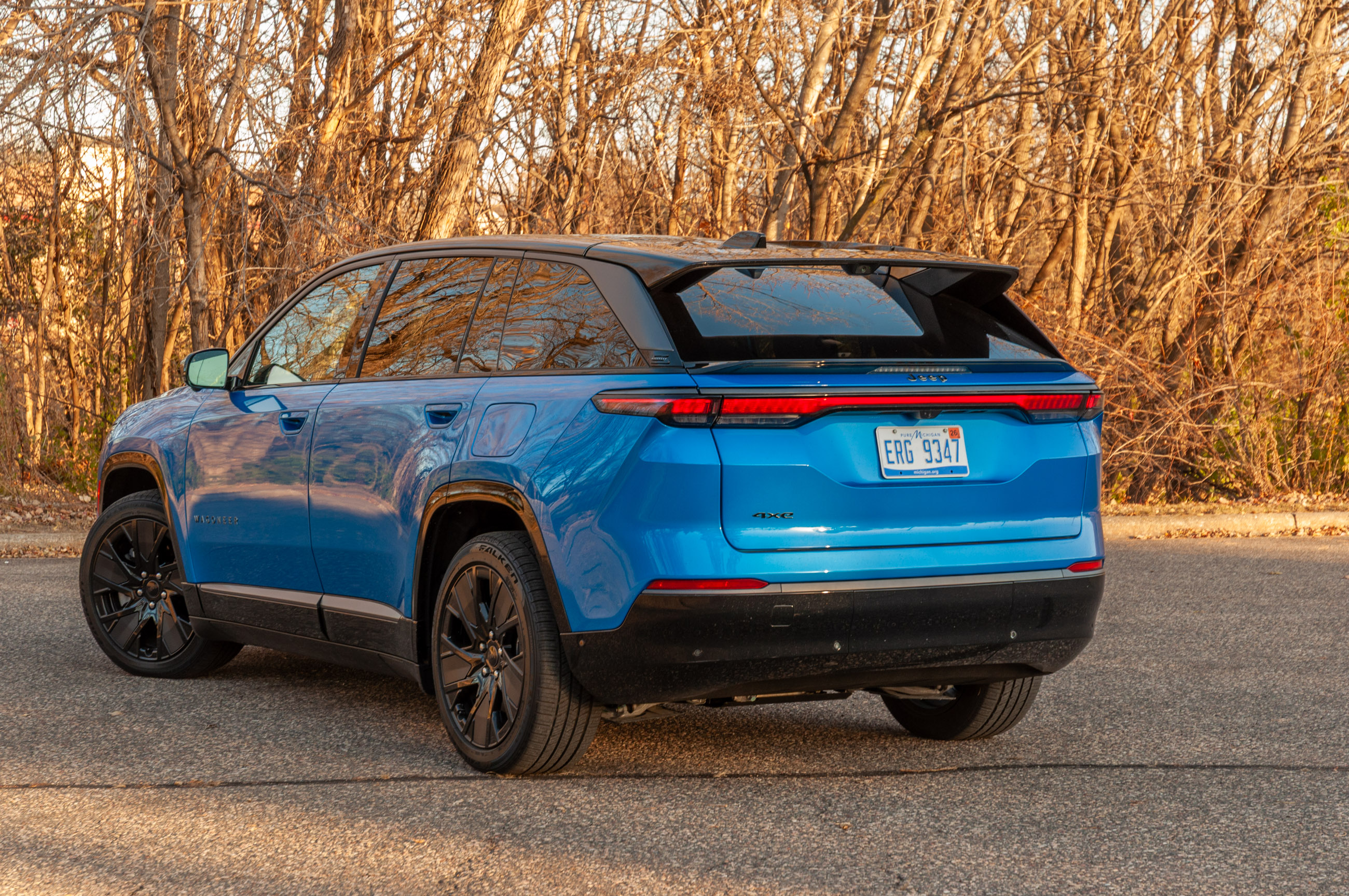
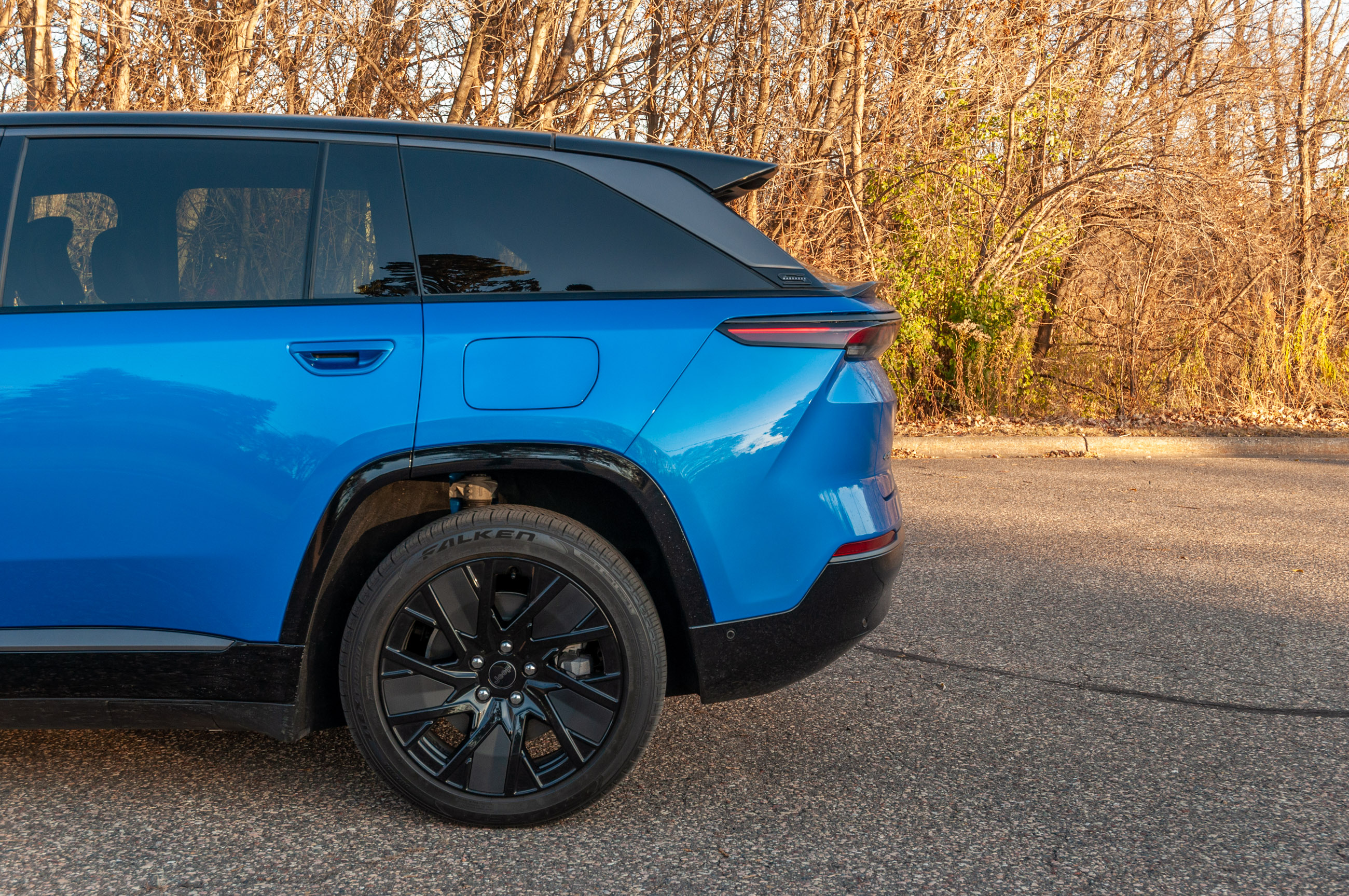
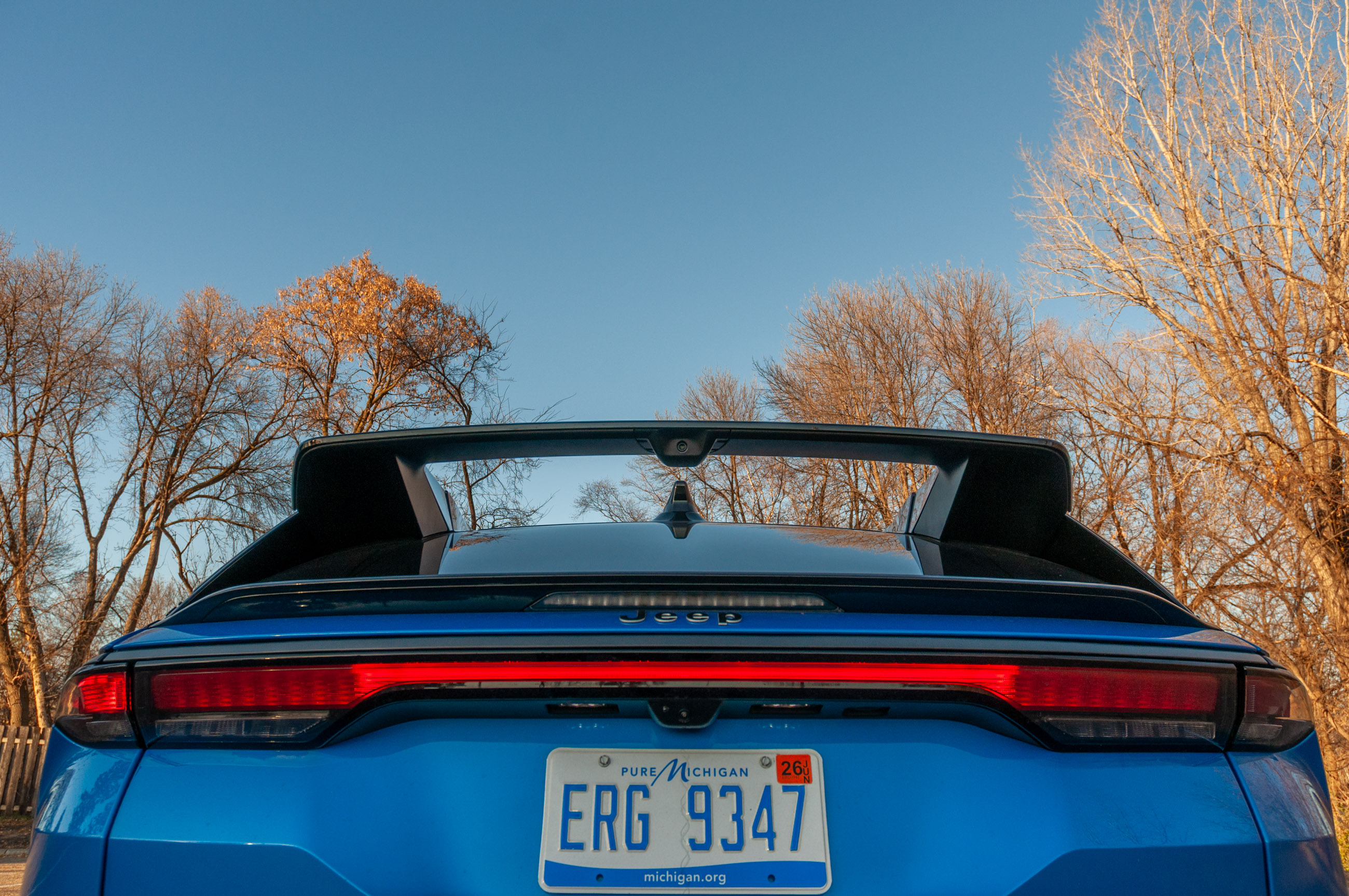
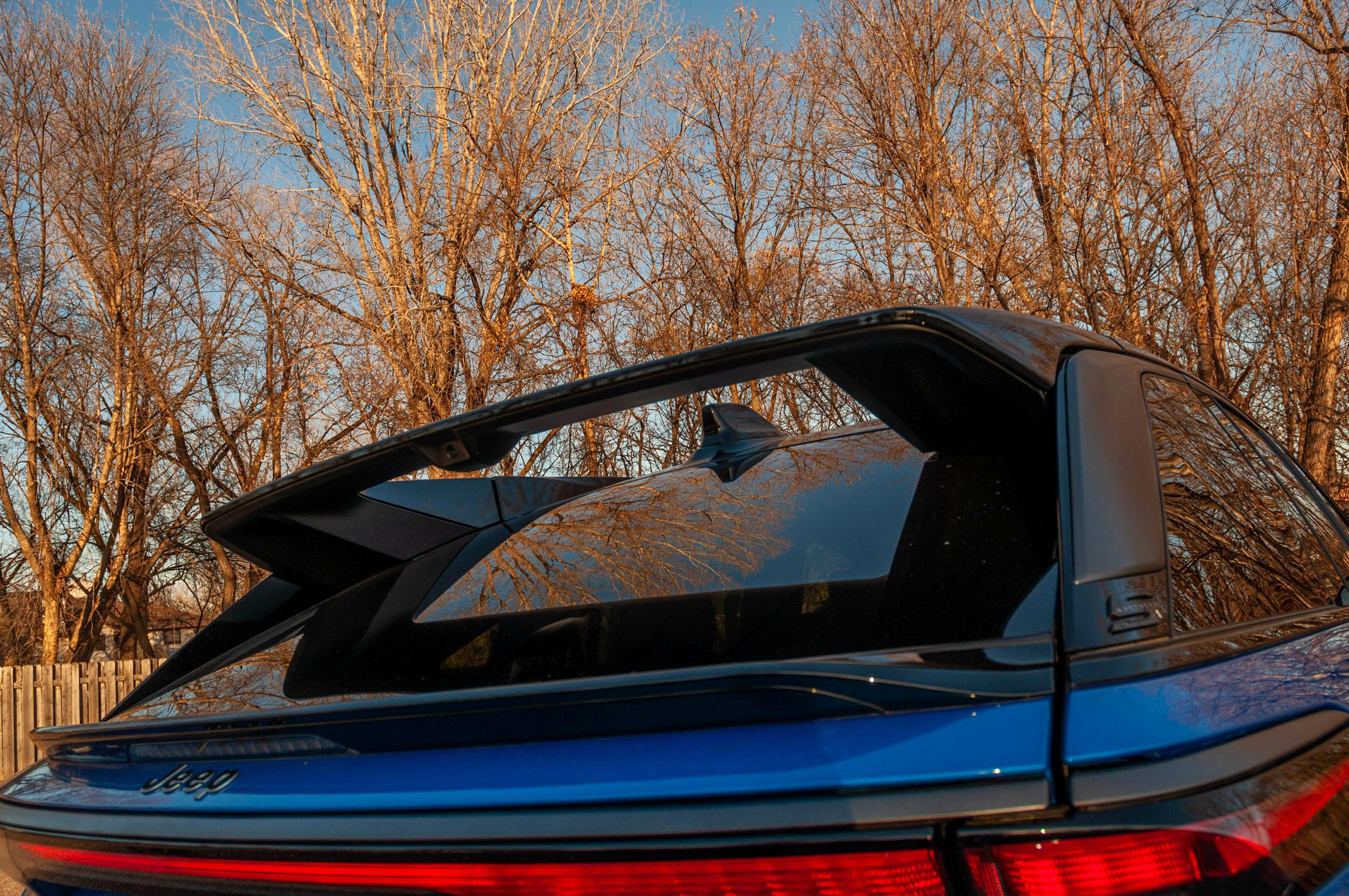
The exterior design evolves the Jeep Grand Cherokee design language in all the right ways for the electric era. The front is instantly recognizable with a seven-slot grille; slim, horizontal headlights; and, like the current Grand Cherokee, an overall emphasis on width. The profile is a bit slab-sided, but relatable to today’s Grand Cherokee with a defined shoulder line and punched-out fenders. The rear has a full-width, slim LED taillight bar, but it’s the rear wing that’s divisive. My wife thought it looked dumb. I loved it because it’s a functional aero element to help efficiency and cut through the wind. I’m big on functional aero. But that wing also plays tricks with the side profile by hiding the steeply raked rear glass, which we’ll revisit in a second. Overall, it’s attractive.
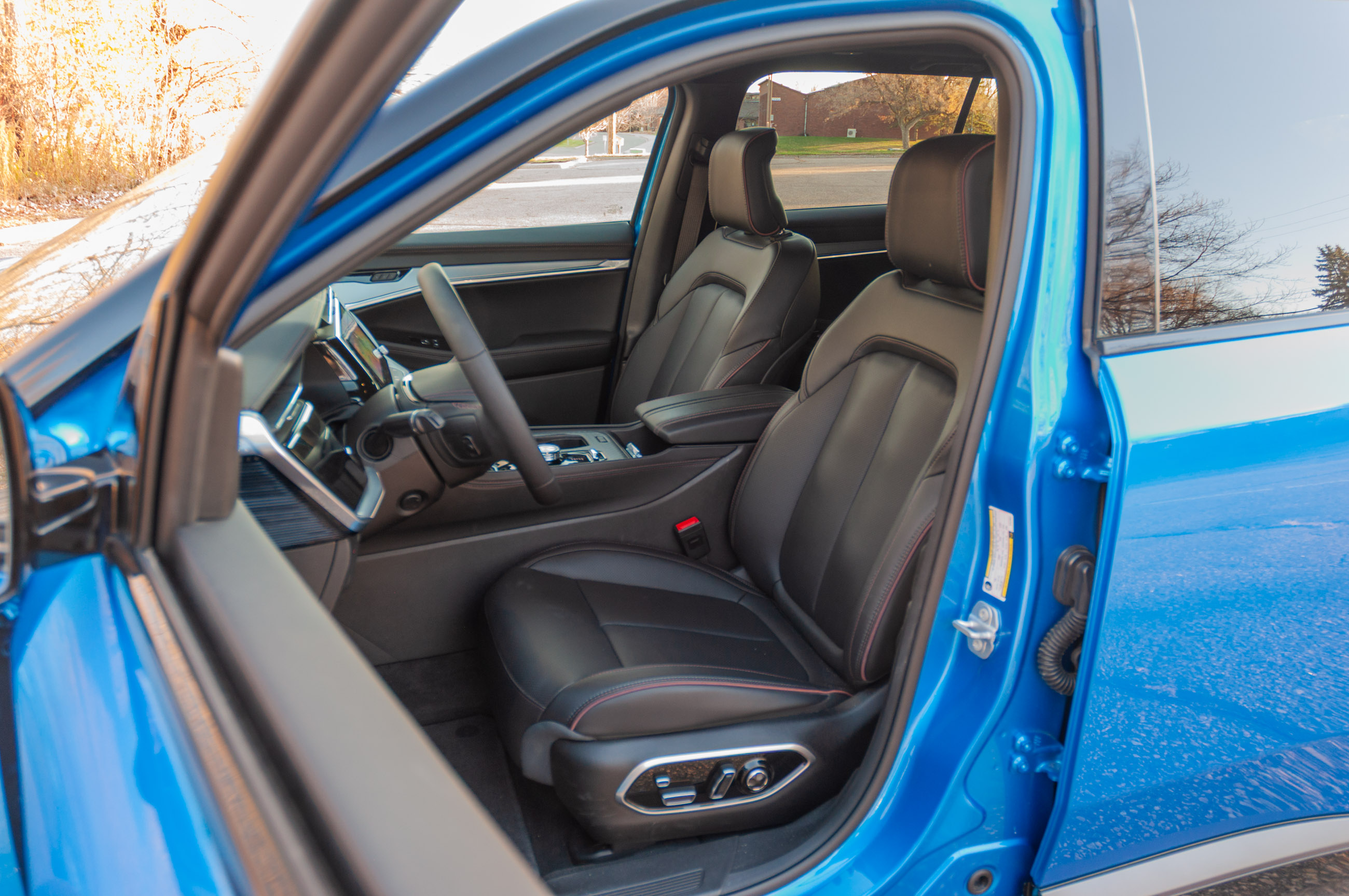


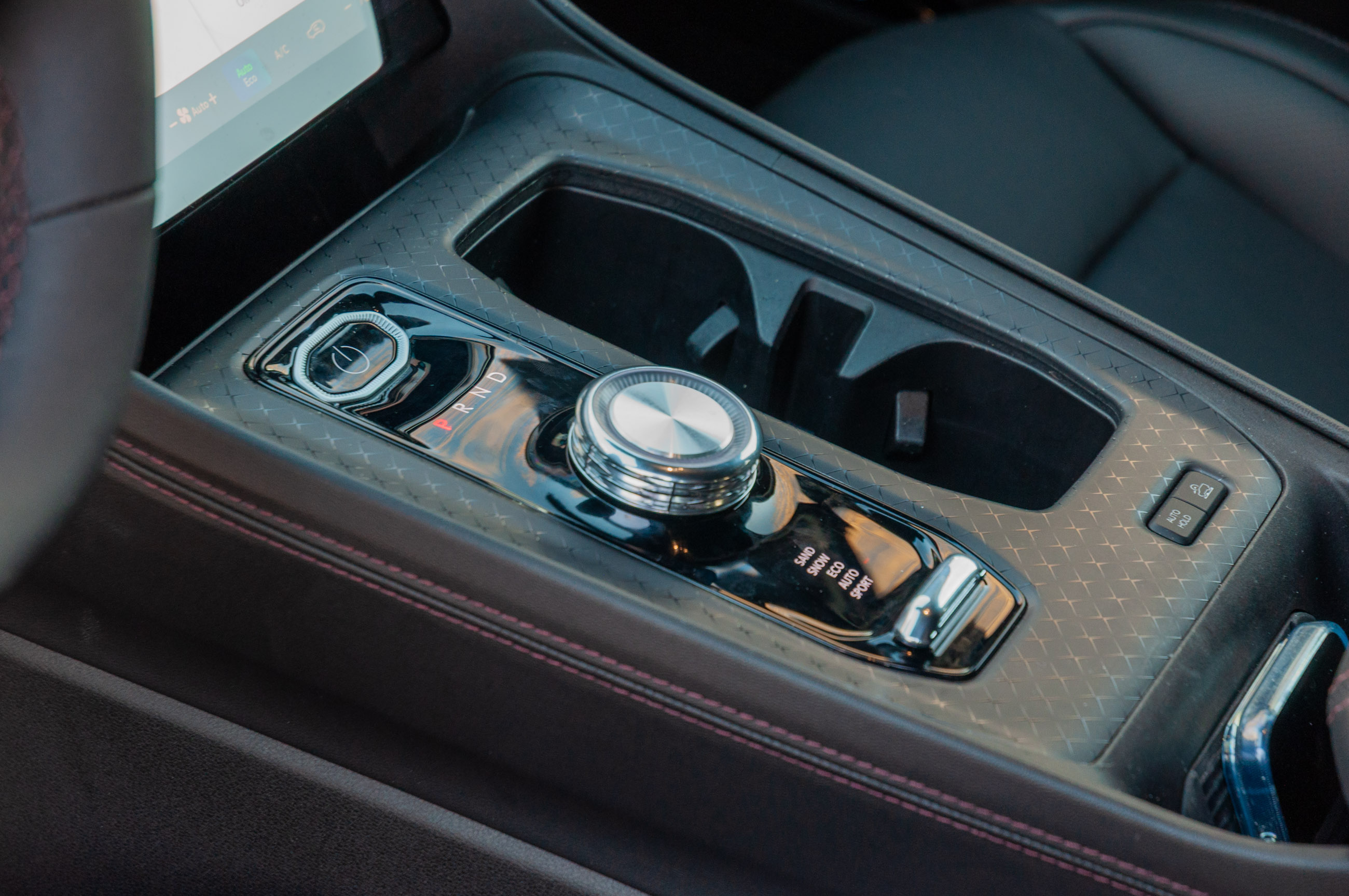
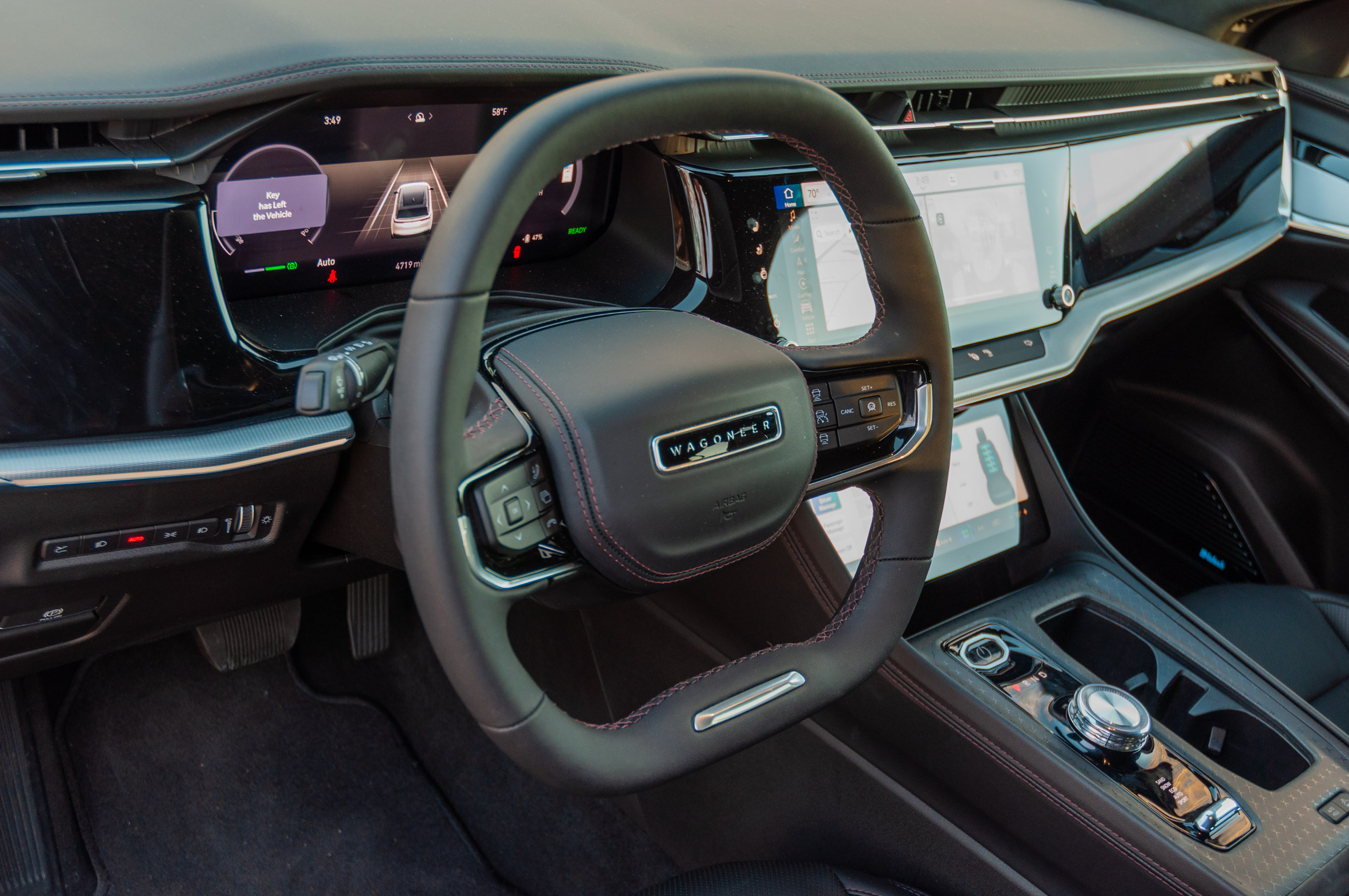
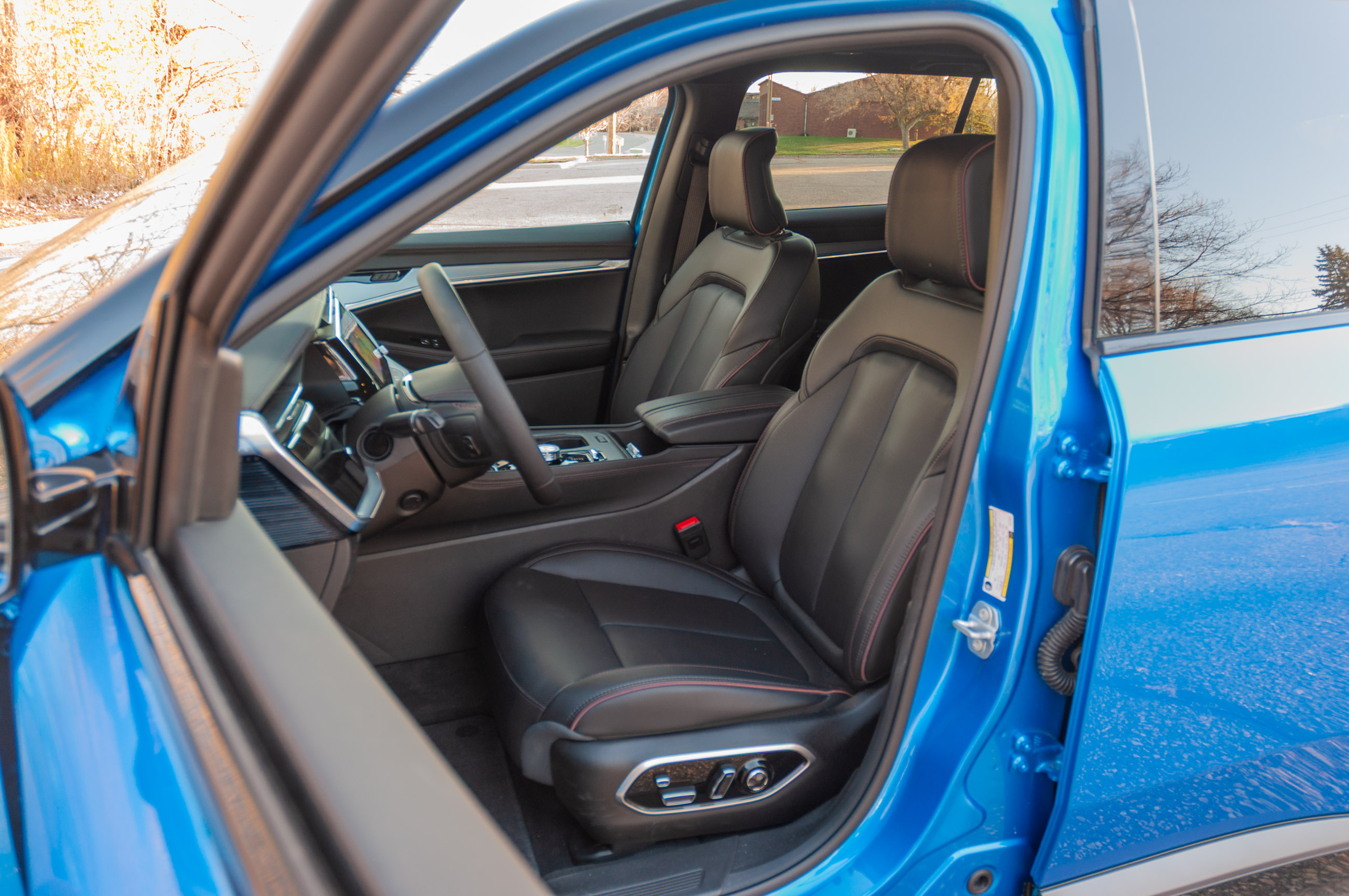
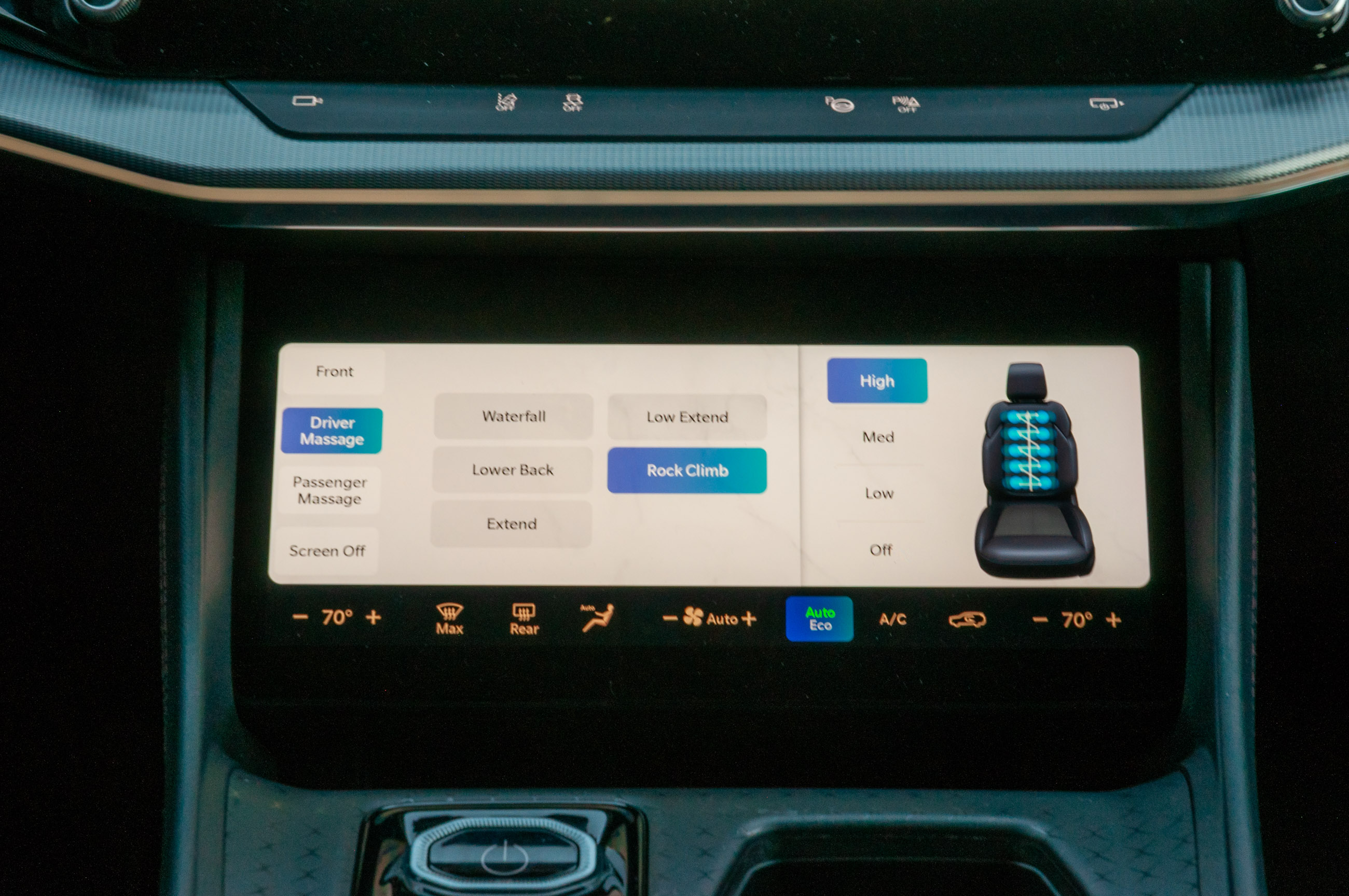
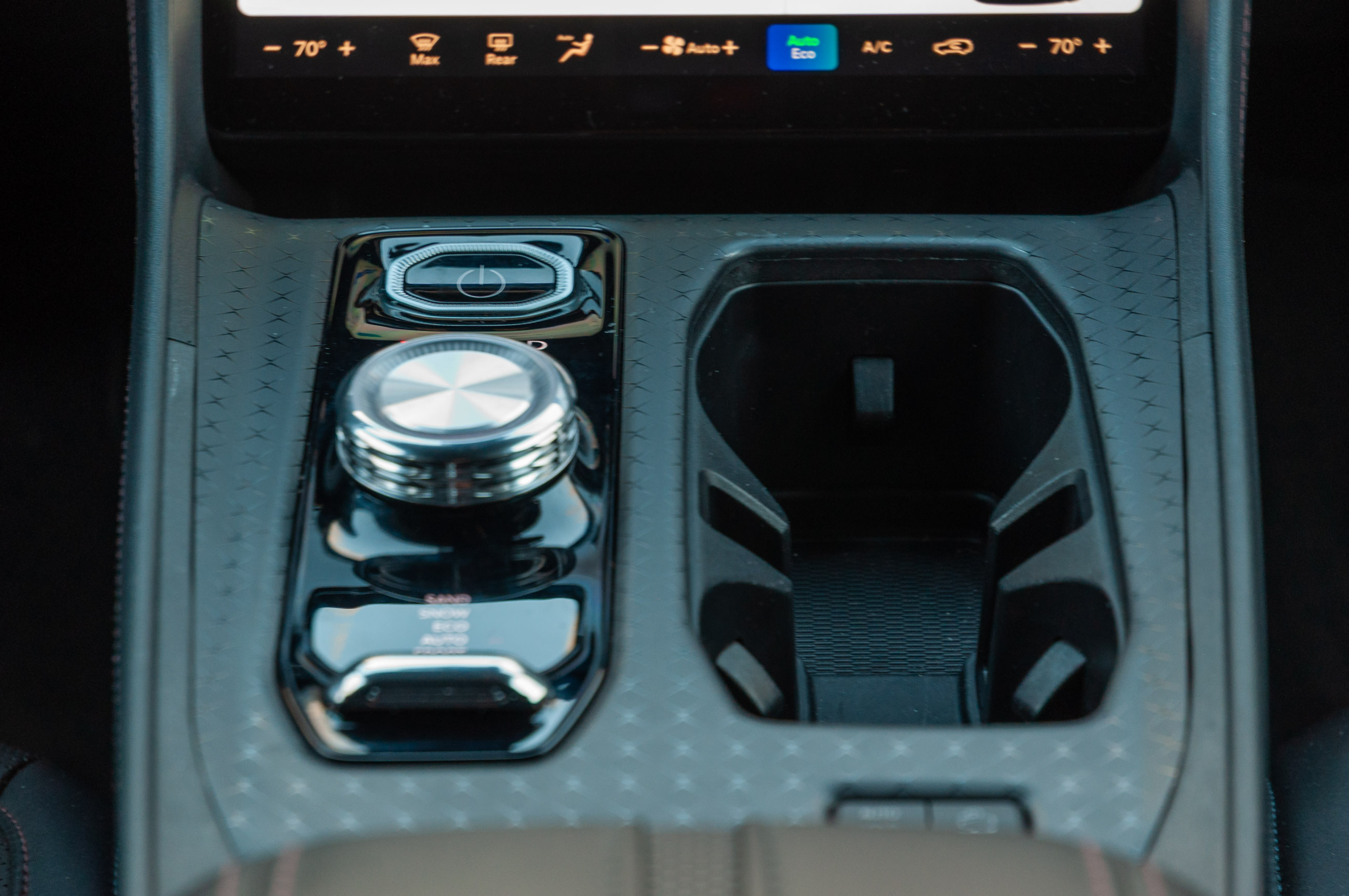
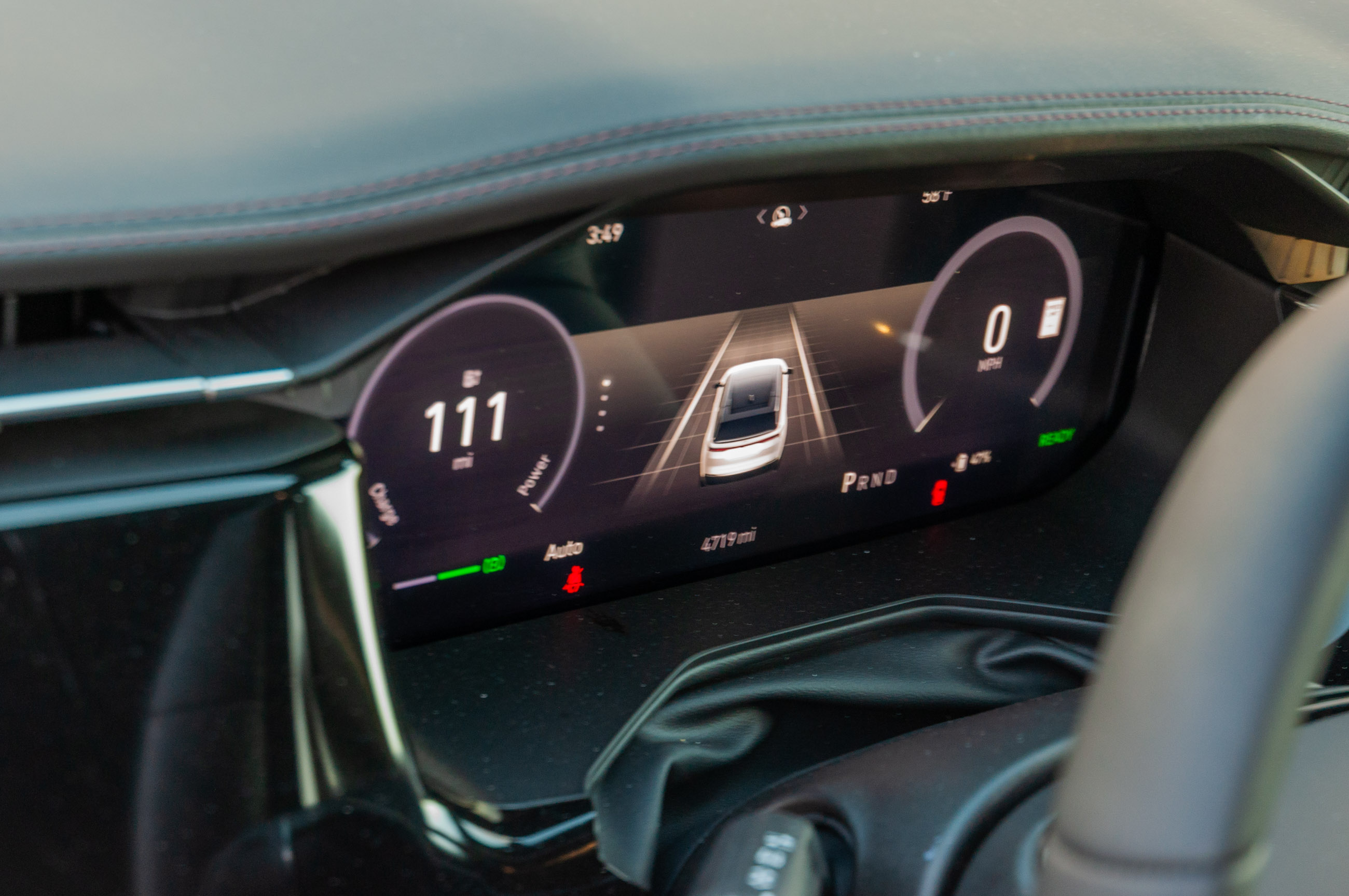
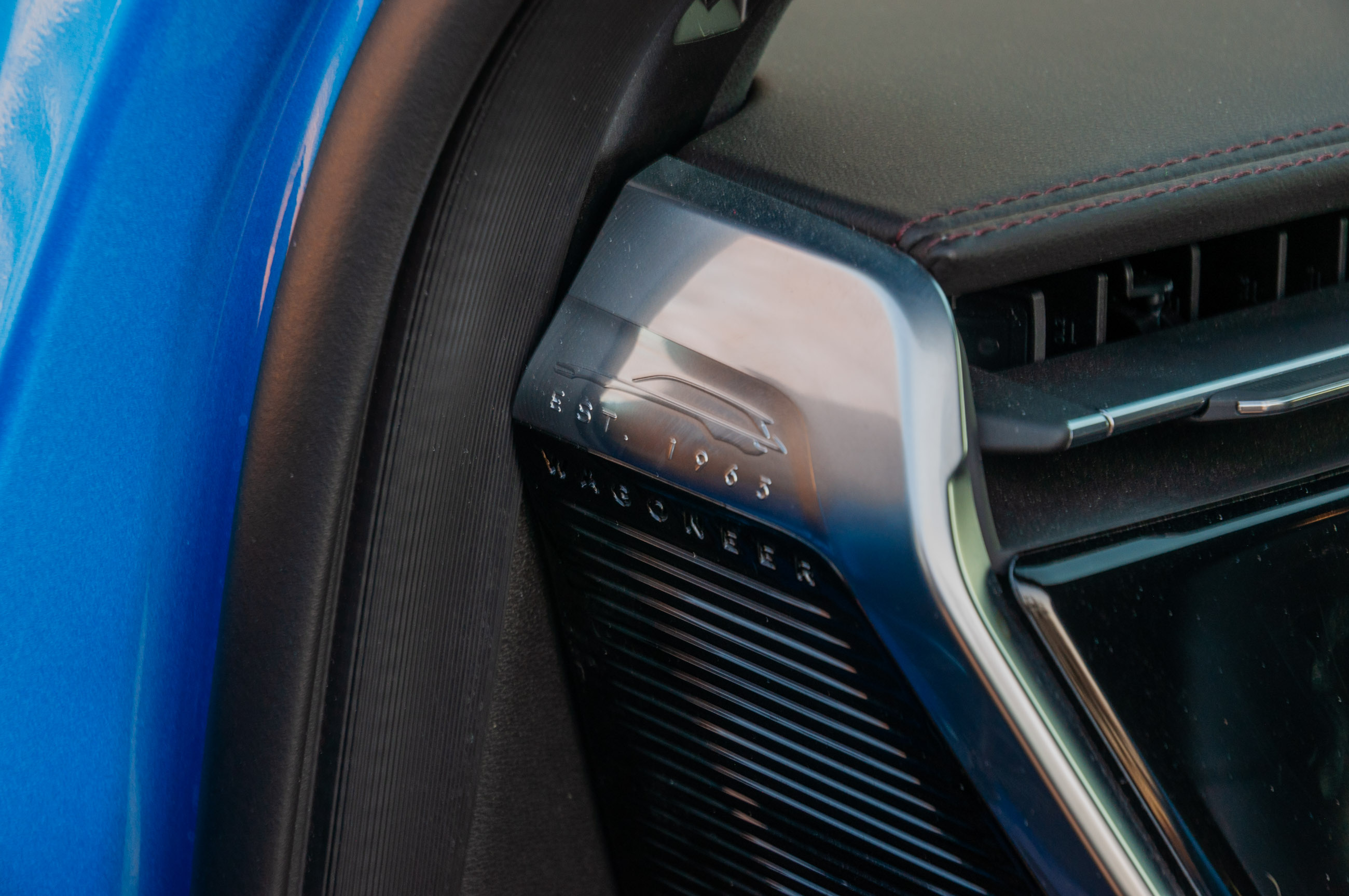
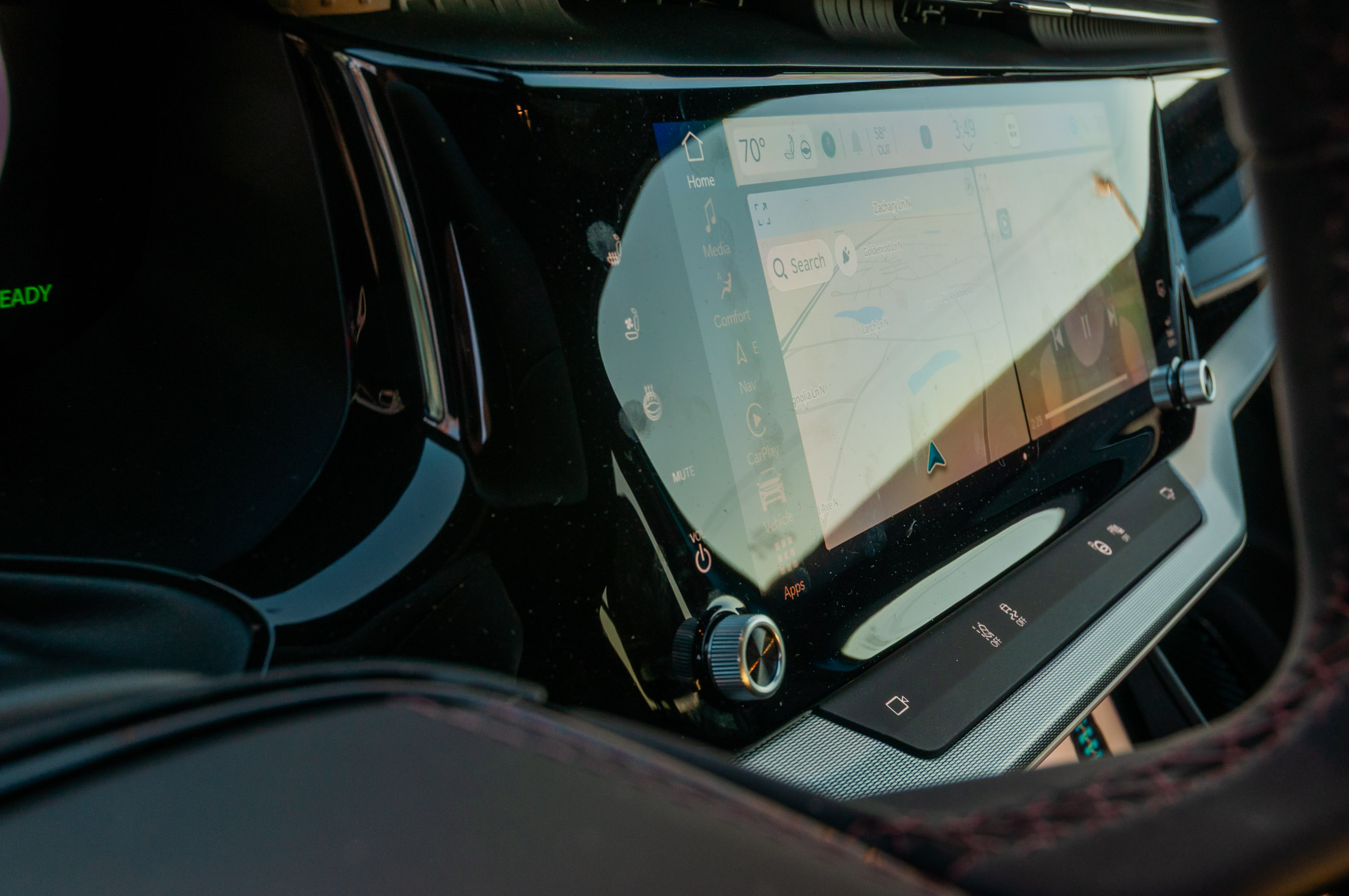
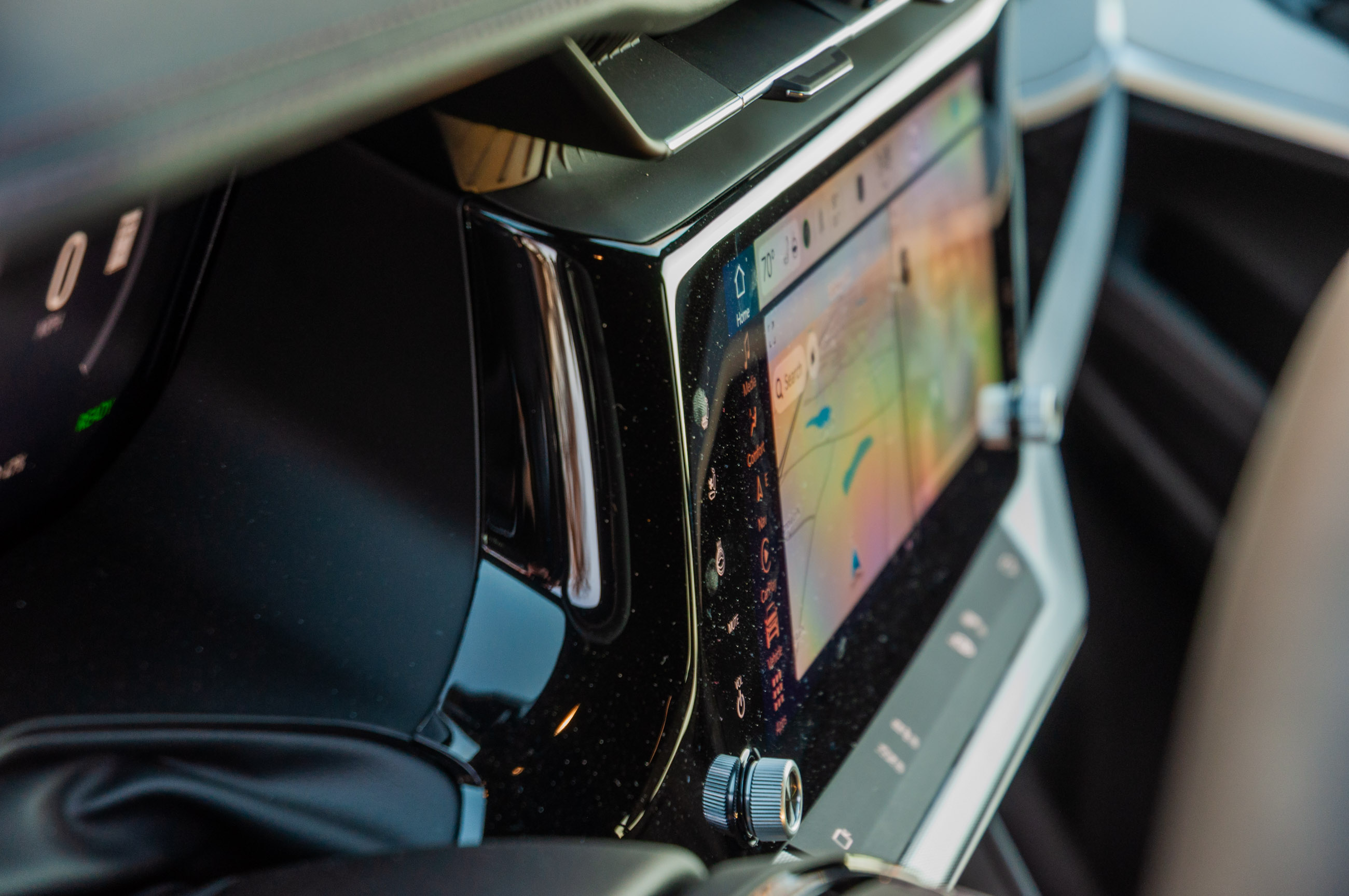
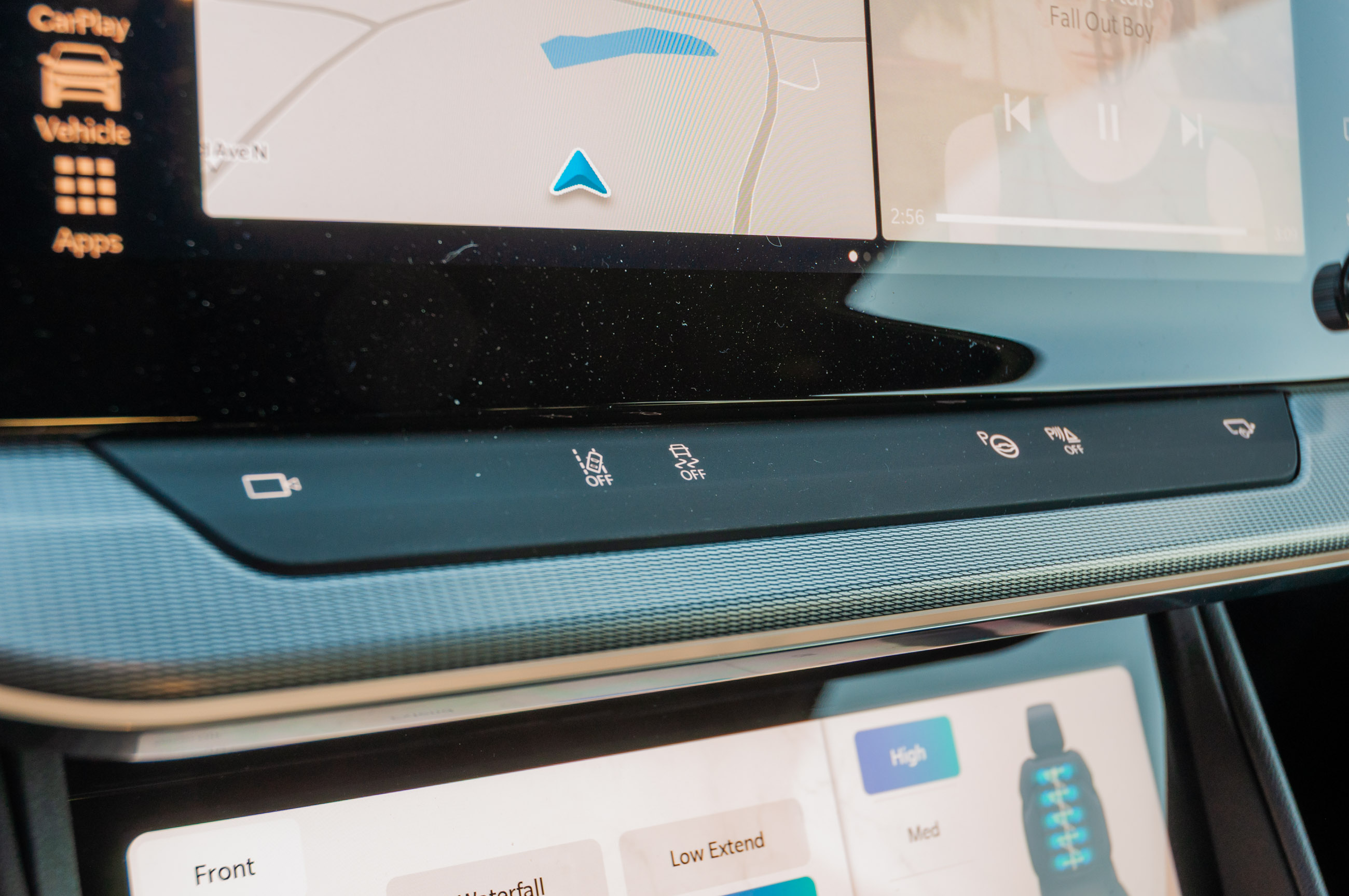
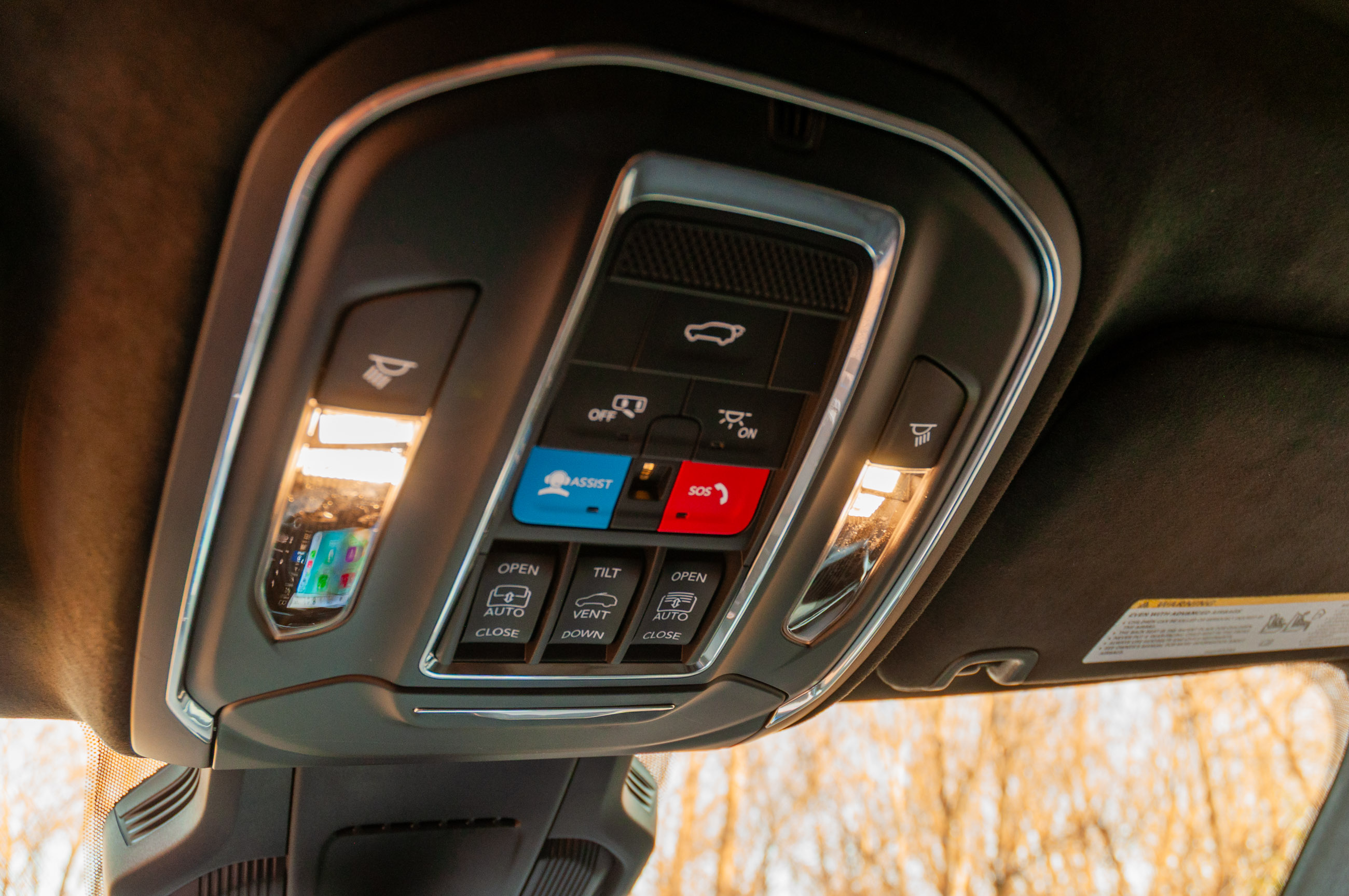
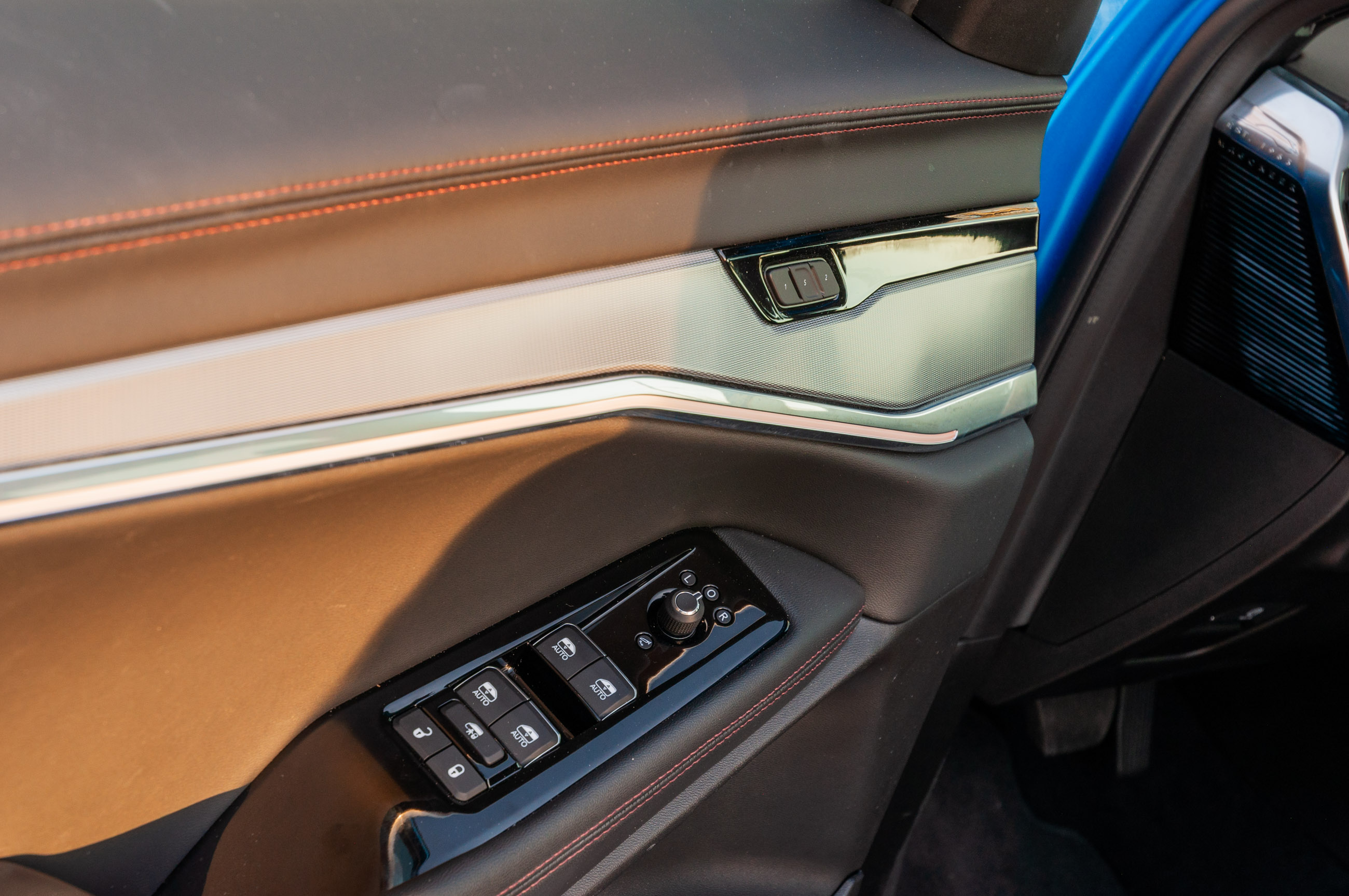
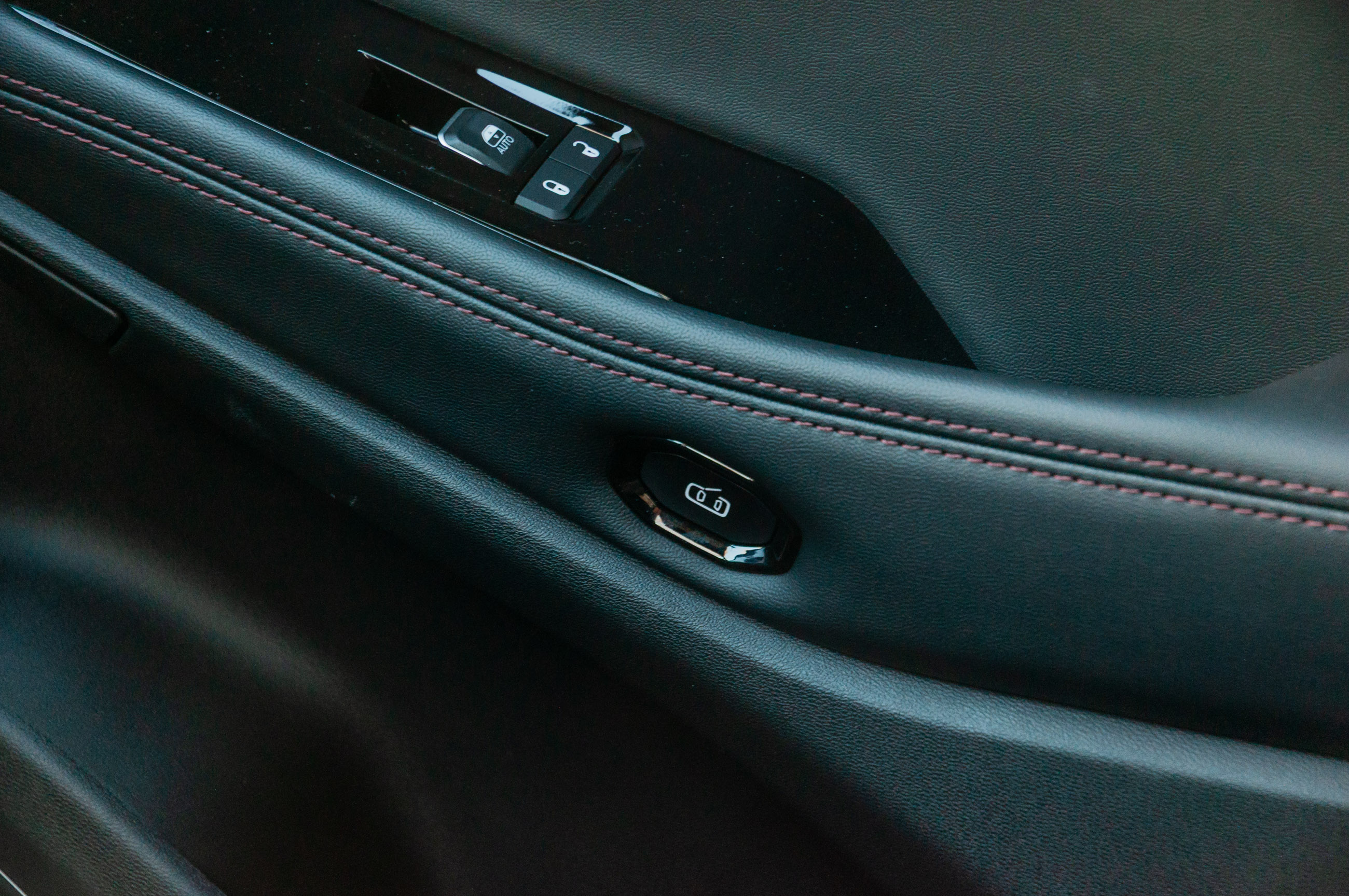
Open the door to the Wagoneer S and almost everything looks and feels familiar. The horizontal-themed dashboard features the same digital gauge cluster as the Grand Cherokee. The 12.3-inch touchscreen infotainment display is identical to what you’ll find in the current Grand Cherokee, right down to the Uconnect 5 interface, augmented by a familiar volume knob. The 10.25-inch lower touchscreen for climate controls and secondary functions like the massaging seats? Familiar, and right out of the Grand Wagoneer. The console-mounted metal rotary shift knob? Right out of the Grand Cherokee and Grand Wagoneer. It’s all the same.
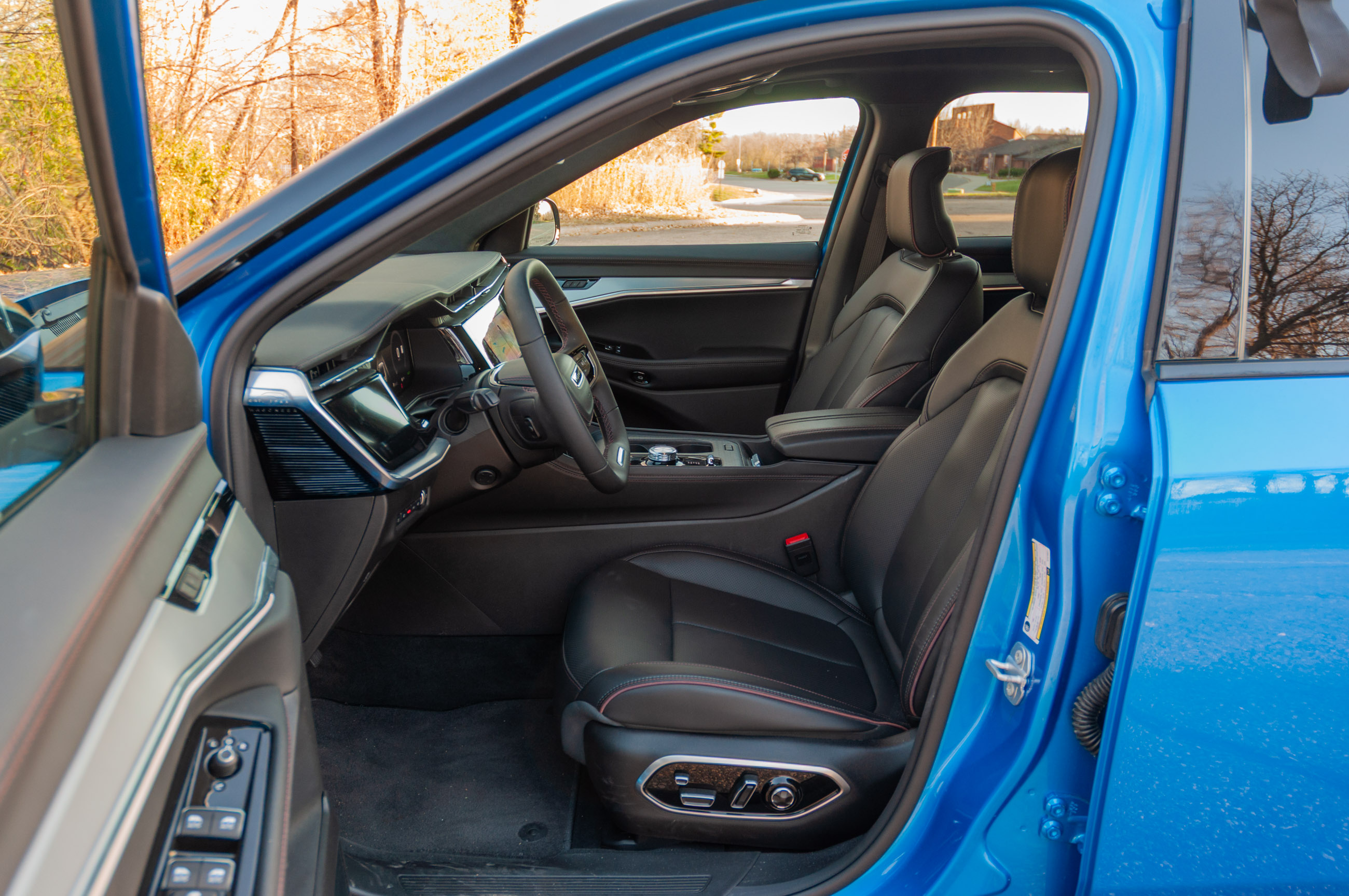
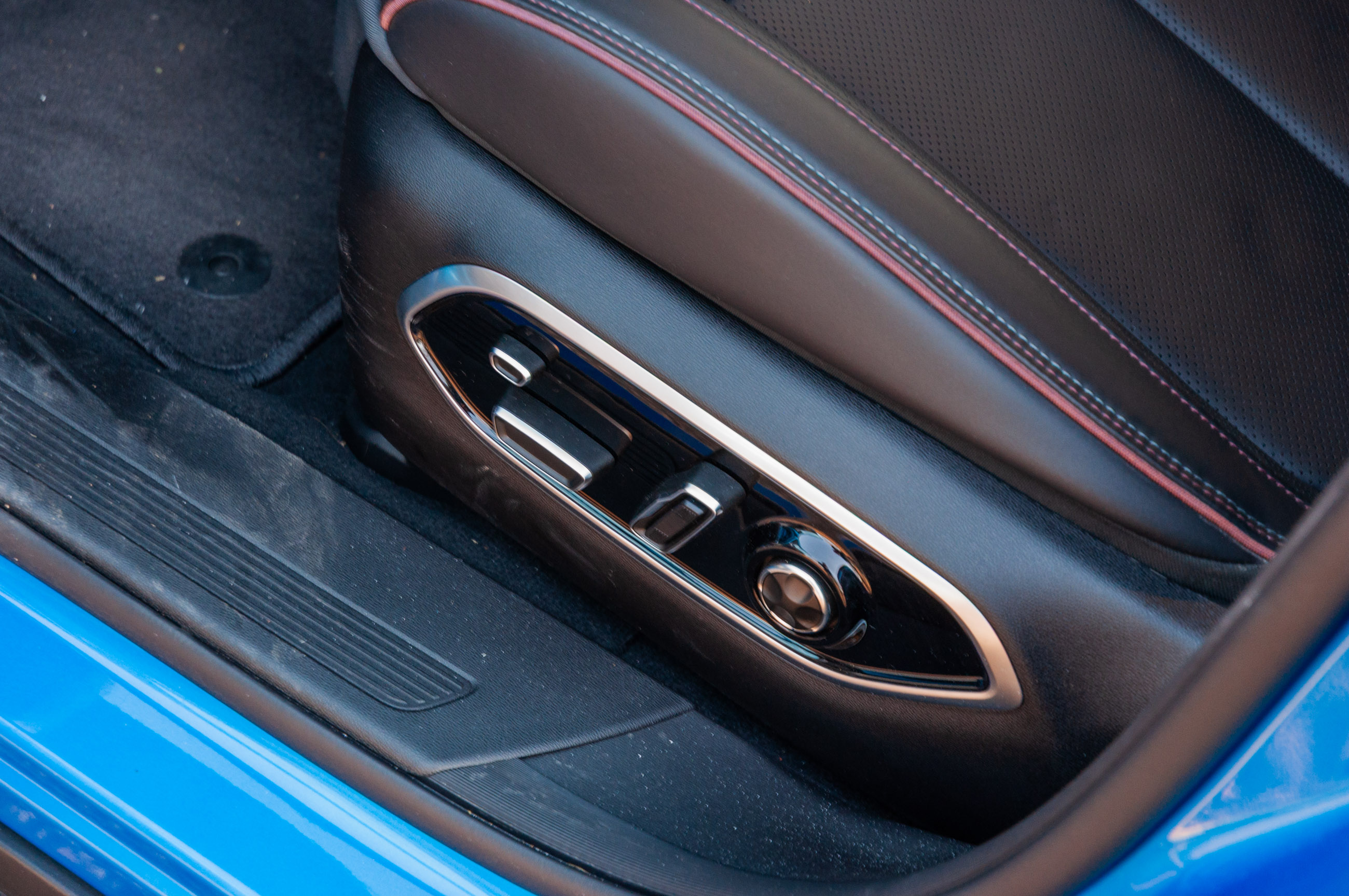
Consumers claim they just want a normal car without a futuristic or confusing interface, and this is it. It operates, looks like, and basically is a Grand Cherokee interior. But the front seats of the Launch Edition Wagoneer S I tested, with a window sticker of $72,790, looked and felt like they were out of a $45,000 Grand Cherokee Laredo. These were no quilted leather thrones like you’ll find in a Grand Cherokee Summit, which is notably less expensive at $60,000.
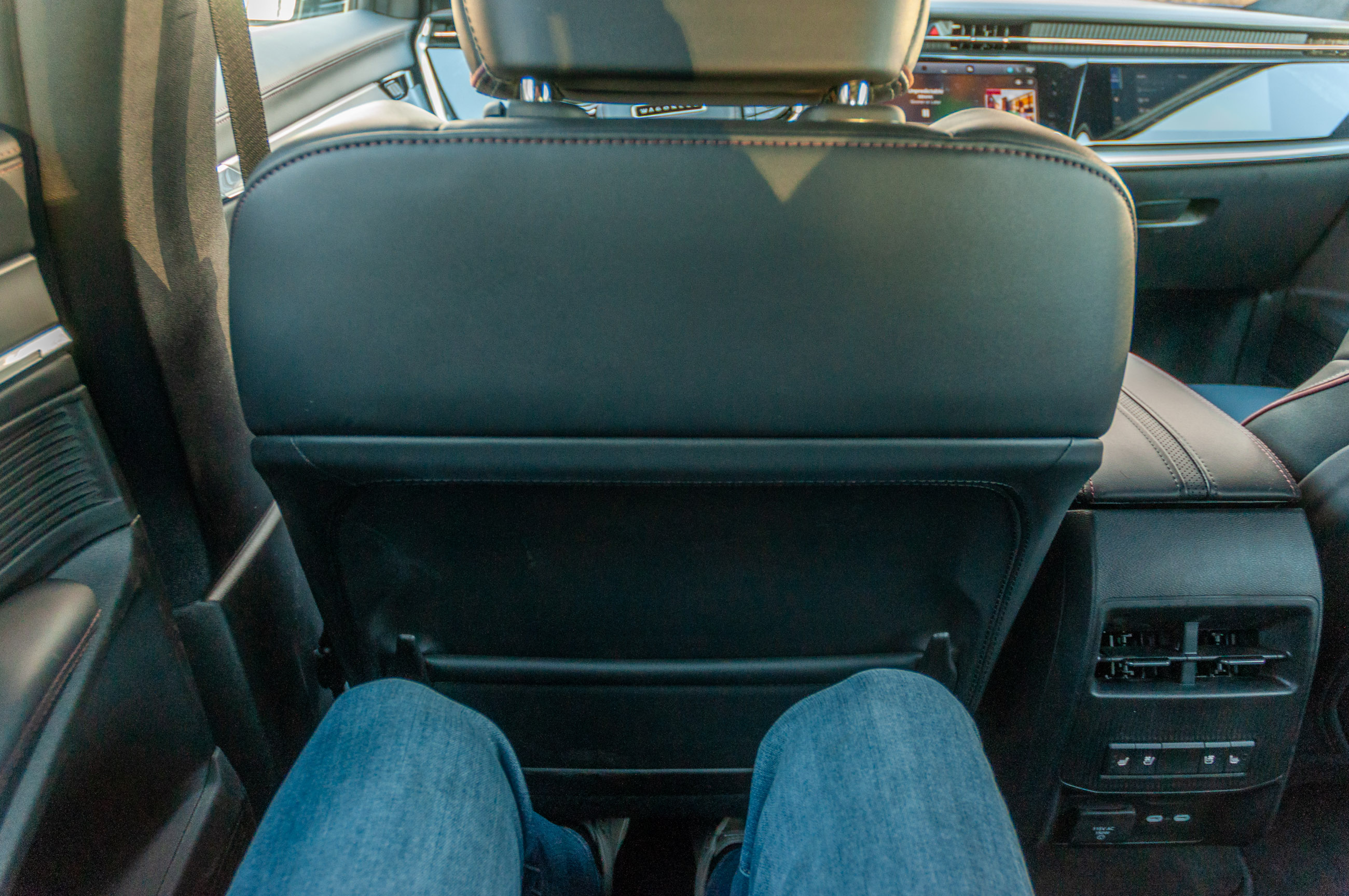

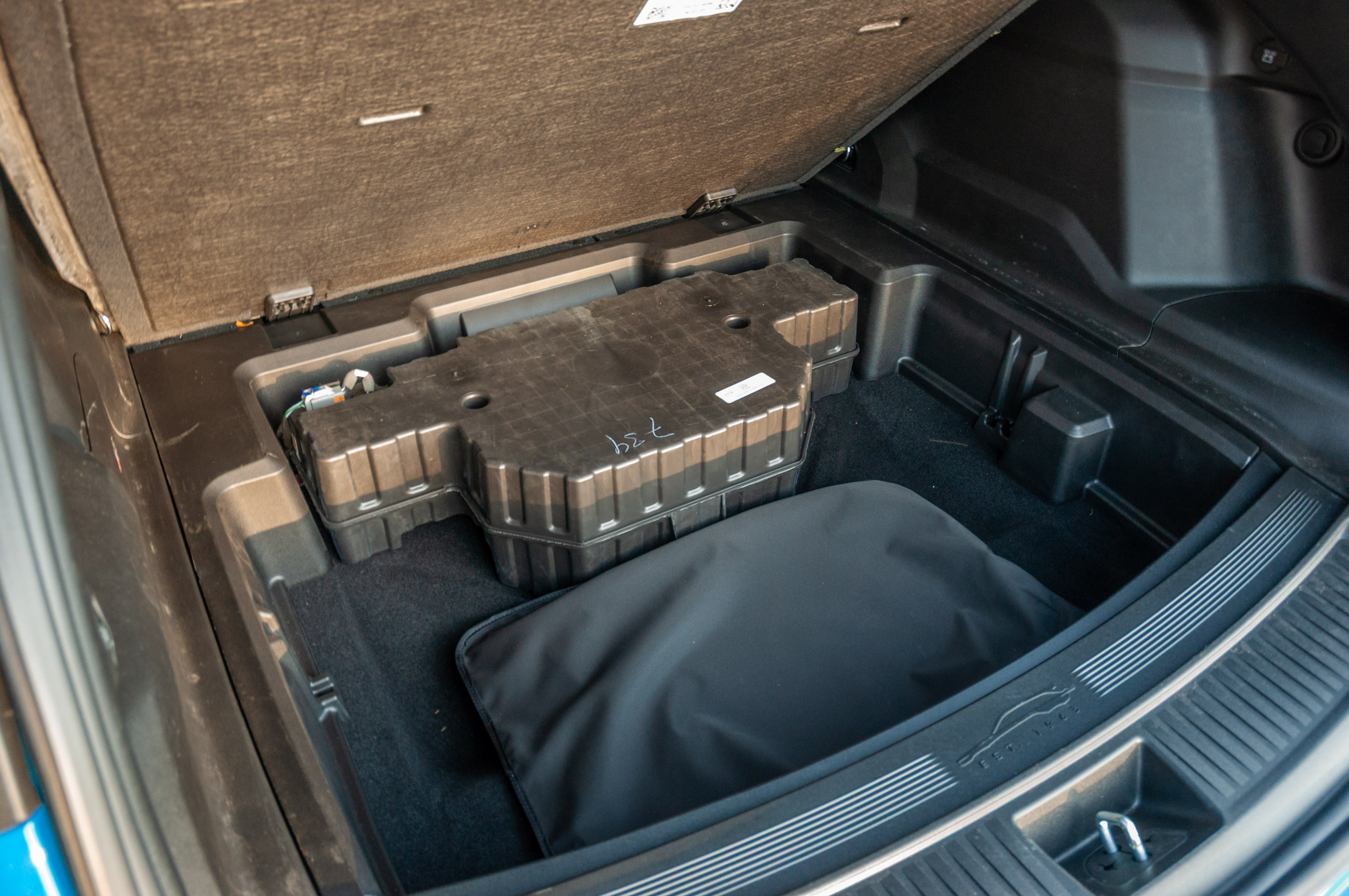

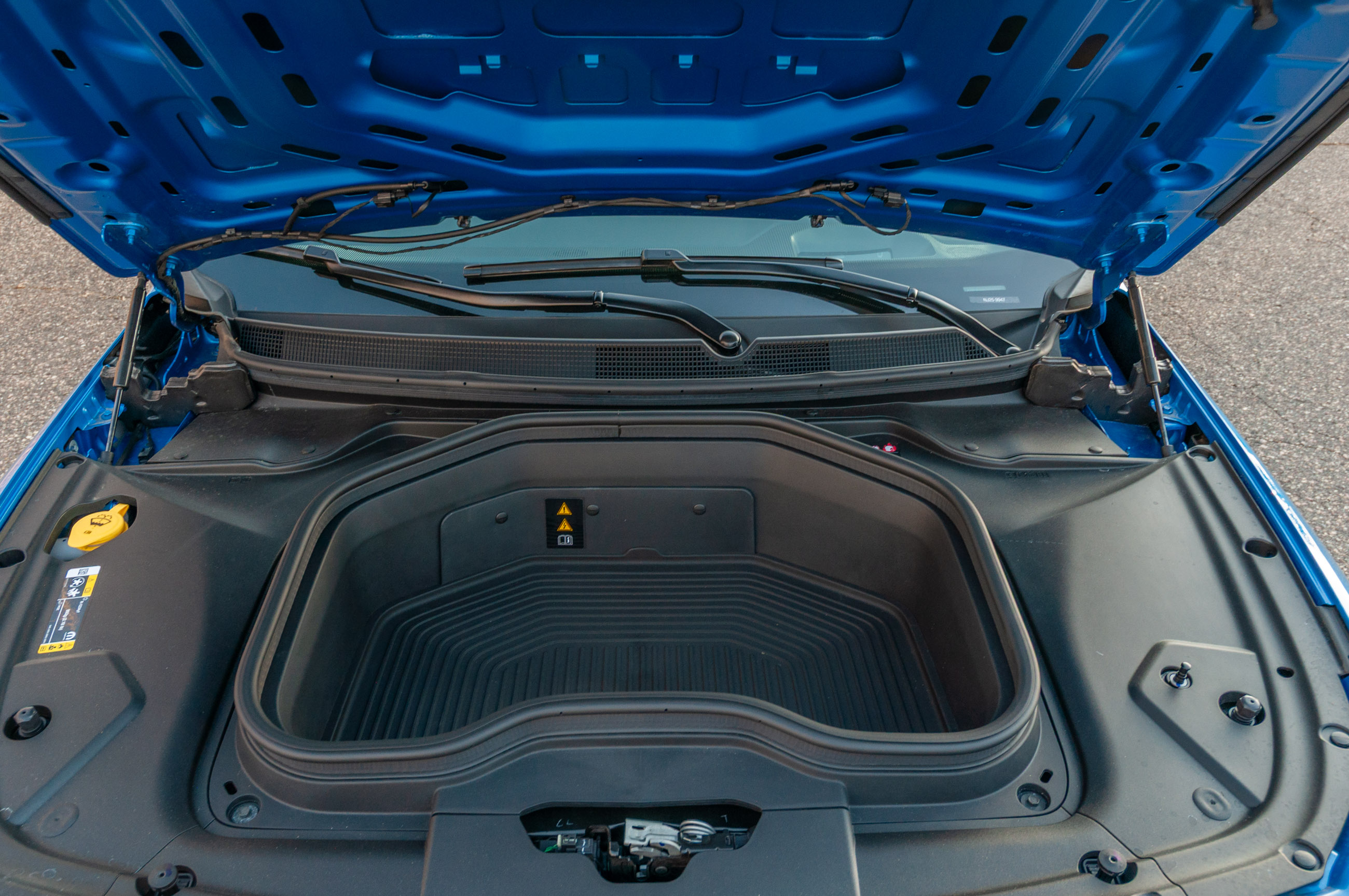
The front and rear seats were road-trip comfortable with plenty of room all around. My kids didn’t complain once. The front trunk, which is tiny compared to, say, a Rivian, holds about 3 cubic feet of stuff. The rear end holds a reasonable 30.6 cubic feet of stuff and has a false floor with extra room. But the packaging is notably compromised by that steep rear glass, which will make taller objects a challenge in the cargo area. Fold the second row down and space swells to 61 cubic feet.
Driving the 2025 Jeep Wagoneer S
On paper, the Wagoneer S seems pretty stellar. The Launch Edition’s dual-motor powertrain is rated at 600 horsepower and 617 lb-ft of torque and is fed from a 100.5-kWh lithium-ion battery pack running on a 400-volt electrical architecture. Why not an 800-volt electrical architecture, which Stellantis developed for this platform for a now not happening Hellcat–replacing Dodge Charger EV? Who knows, but it would’ve been better for fast charging on road trips. Power goes to all four wheels, and Jeep says this thing rips from zero to 60 mph in 3.4 seconds. Good stuff.
Slide behind the wheel, and it all kind of falls apart. It feels like a mess. Put the Wagoneer in Sport mode and the thing tries to rip off the line, but ends up doing a front-wheel burnout. I’m talking about spinning the front tires and burning rubber while the front end lifts and the rear end squats, trying to put the power down. In Normal Auto mode, there’s torque steer that twists the steering wheel in your hands if the throttle is put to the floor, even while in motion. This is all just poor powertrain tuning.
The suspension tuning isn’t any better. You’re always aware that this thing weighs a lot—5,667 pounds, to be exact. In fact, it feels even heavier than a Rivian R1S, which is more like 7,000 pounds. Go over a set of railroad tracks and the weight shifts up, only to result in the suspension having no clue what to do with the mass as it comes crashing back down. The four corners don’t act like they are connected. It wobbles. A Cadillac Lyriq shames the ride quality and overall body control of the Wagoneer S for less money.
The positives exist. There’s solid stuff here. It all just needs more time in the oven.
The steering is perfectly weighted with sharp turn in, though anyone seeking a semblance of feeling will be left searching. The Falken tires scream quickly while going around a cloverleaf. And while the front-wheel-drive burnout situation is dumb, poor tuning, and borderline hilarious, the Wagoneer S is legitimately quick. My butt dyno wouldn’t argue with Jeep’s 3.4-second 0-60 mph claim. It scoots.
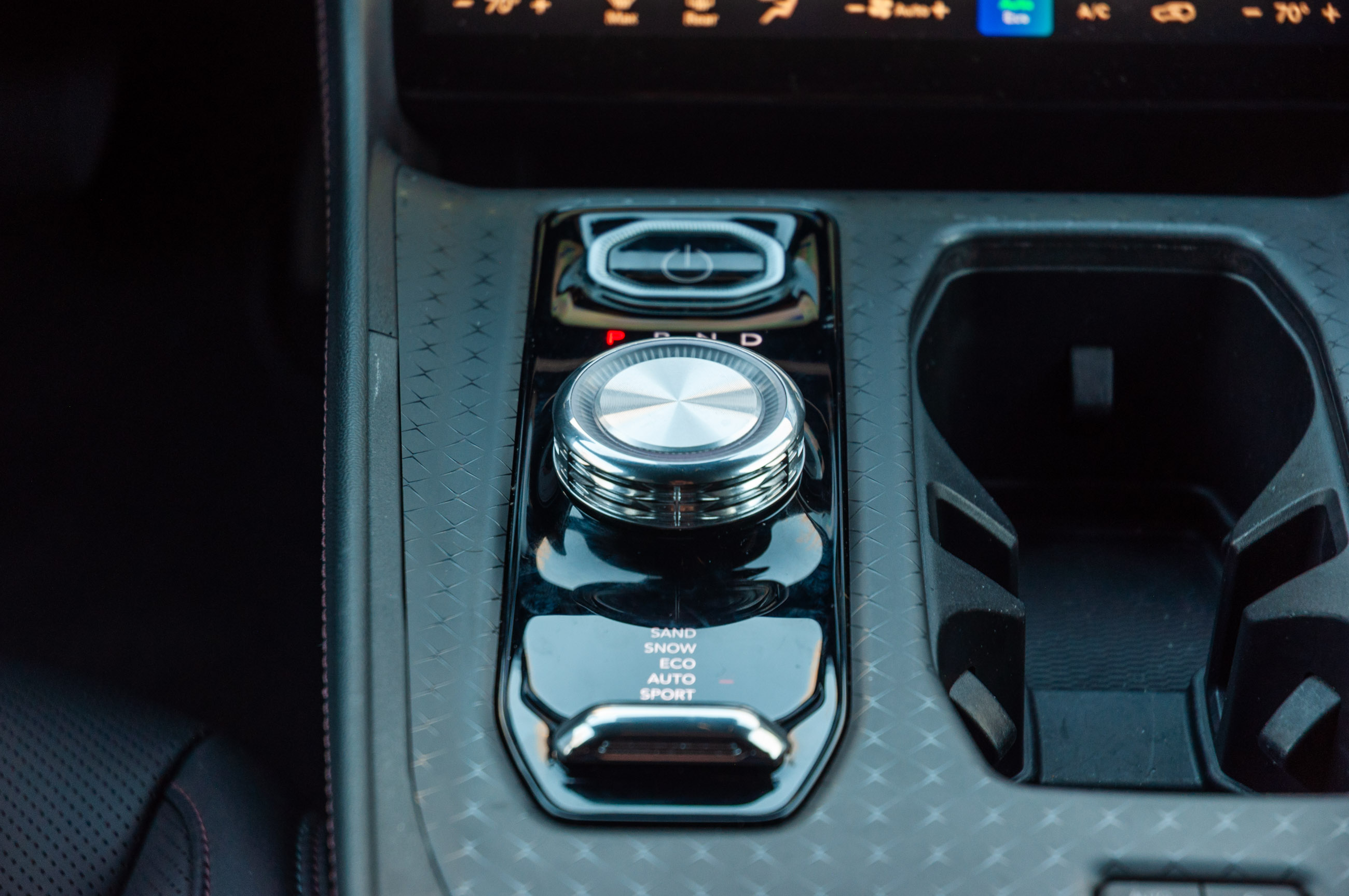
I also appreciated the drive modes in the Wagoneer S, which could be toggled easily with a rocker on the center console and not the touchscreen, including Auto, Snow, Sand, Sport, and Eco. Jeep does a great job differentiating the feel between these modes, and this seemed no different, with noticeable change in the throttle input instantly based on what mode the system was in.
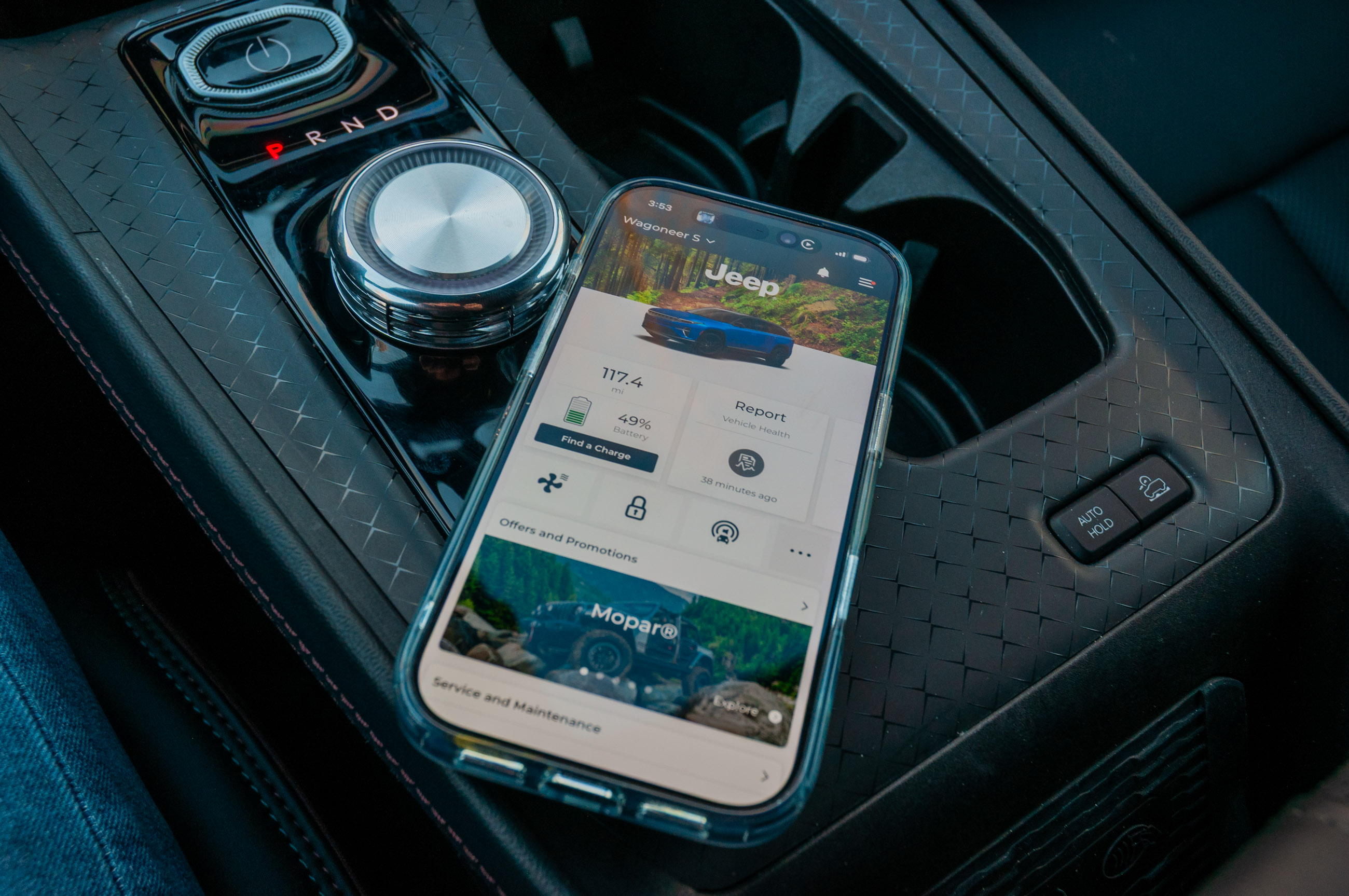
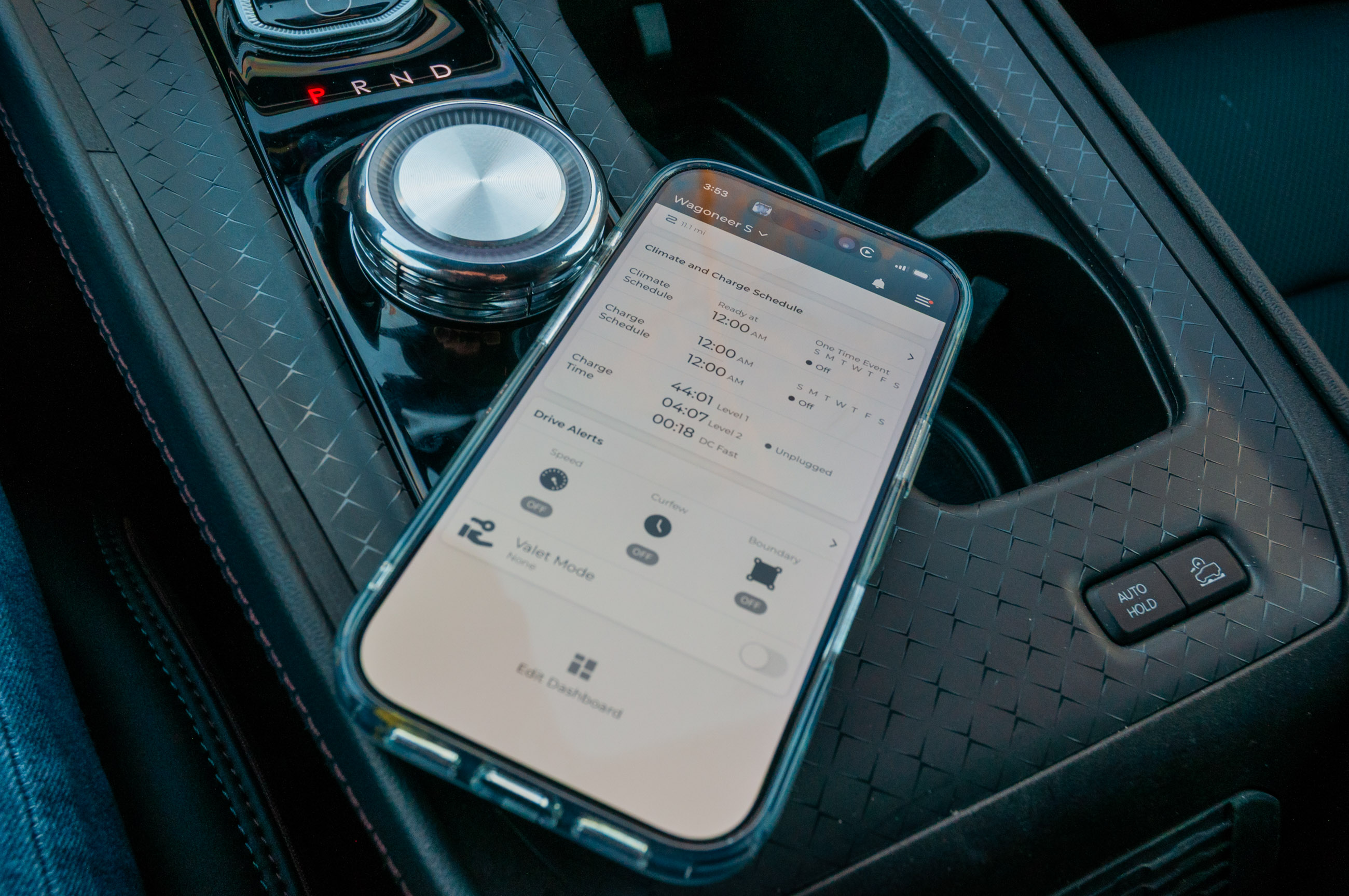
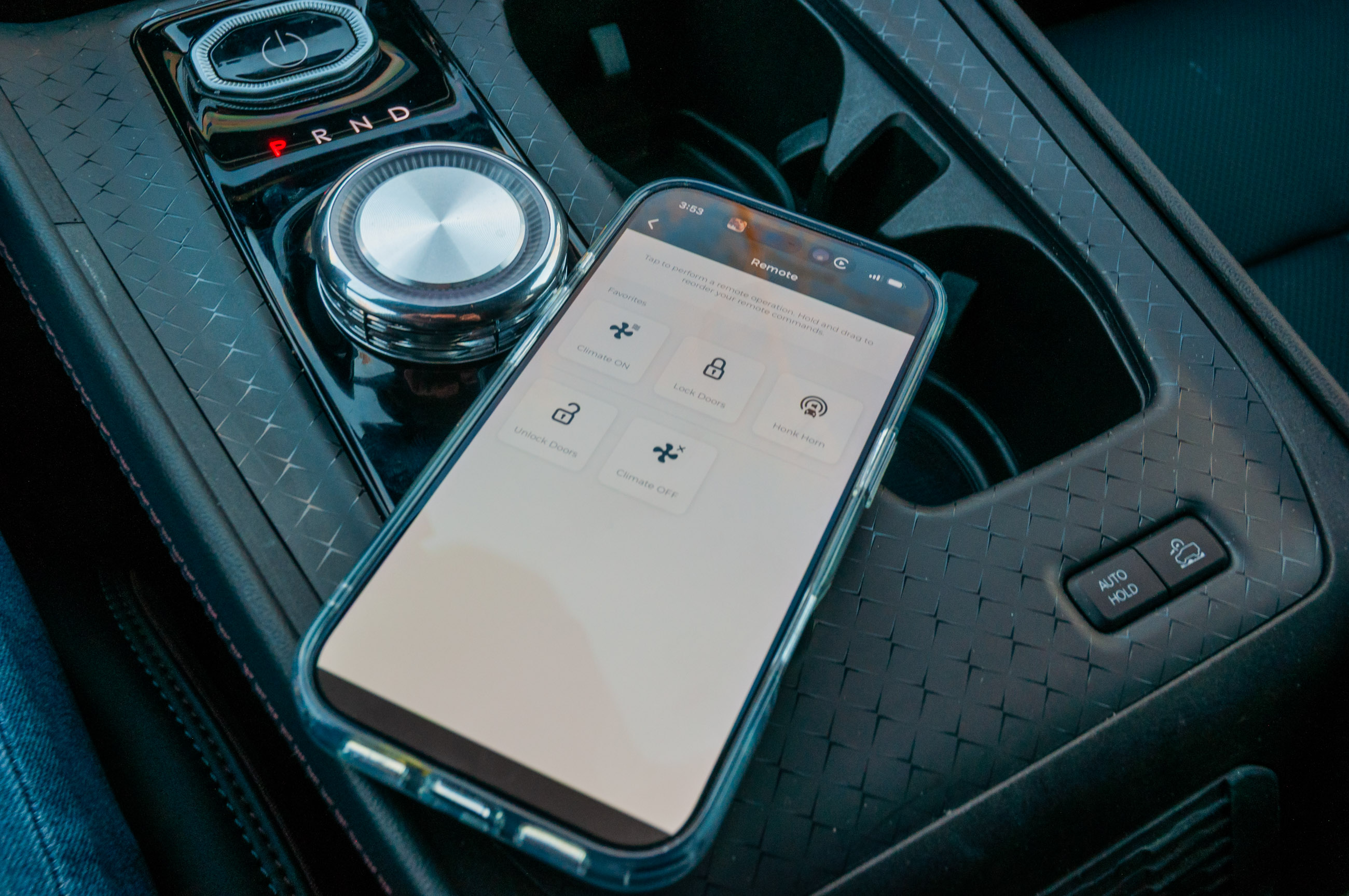
This is all before addressing the iOS app, which is one of an EV’s killer features. The app that Jeep created for the Wagoneer S is both great at times and hilariously bad at others. The interface is easy to use and navigate, while the status of the vehicle itself is updated upon loading much quicker, typically, than with GM’s app. But it failed to execute commands to the Jeep on a pretty regular basis, failed to load the vehicle status at times completely, and above all else, sometimes would execute a command but then say it failed. So I’d find the car did indeed turn on outside to warm up despite the app telling me it didn’t. However, unlike any single app I’ve used in recent memory, Jeep’s was able to display every detail of every trip the Wagoneer S took, regardless of length. As someone who nerds out on data, I loved that.
Range, Charging, and Efficiency
The Launch Edition Wagoneer S I tested had an EPA-rated range of 294 miles. Of all the faults with this car, I have to say range and efficiency aren’t among them. In fact, I was downright impressed with how efficient the Jeep was.
Over the course of 354 miles of mixed suburban driving, including highways around town, the Wagoneer S averaged an impressive 3.0 miles per kilowatt-hour. That would math to a real-world range of 301 miles given the 100.5-kWh battery pack. That’s better than absolutely any one of GM’s Ultium-based EVs I’ve experienced, including the Chevrolet Blazer EV and the Cadillac Lyriq. Even more shocking, this all took place in chilly weather with temperatures hovering in the low 30s.
However, the car tested refused to retain full one-pedal driving with full regenerative braking on between key cycles. Every restart of the vehicle took the regenerative braking to 50%, and it would act like the drag from a gas-powered car if you took your foot off the accelerator. If you want to one-pedal the Wagoneer S, at least today, be prepared to go into the menu and turn that feature on each and every time you get into the car.
Quick Verdict
The base Jeep Wagoneer S, which is a Limited trim for now, costs $67,195. That includes a $1,995 destination charge. The Launch Edition tested cost a bit more at $72,790, which unlocked 100 more horsepower, extra color options like the as-tested Hydro Blue, and extra features such as the passenger front screen and McIntosh audio system.
The bones—and I literally mean the bones, as in, the structure—of the Wagoneer S seem great. The design is sharp. The controls are familiar, easy-to-use, and still modern while retaining a real volume knob. It just drives like a bunch of people who really wanted to shove a Hemi V8 under the hood were forced to make it electric and push it out the door. We need more time in the oven and some enthusiasm to make this drive as great as it looks and can be.
Jeep provided The Drive with a seven-day loan of this vehicle for the purpose of writing this review.
| 2025 Jeep Wagoneer S Launch Edition Specs | |
|---|---|
| Base Price (Launch Edition) | $67,195 ($72,790) |
| Powertrain | dual-motor | single-speed automatic | all-wheel drive |
| Horsepower | 600 |
| Torque | 617 lb-ft |
| Seating Capacity | 5 |
| Curb Weight | 5,667 pounds |
| Towing Capacity | 3,500 pounds |
| Cargo Volume | 30.6 cubic feet behind second row | 61.0 cubic feet behind first row |
| Ground Clearance | 6.4 inches |
| 0-60 mph | 3.4 seconds |
| Top Speed | 124 mph |
| Off-Road Angles | 19.2° approach | 14° breakover | 23.4° departure |
| EPA-rated range | 294 miles |
| Score | 7.5/10 |

Quick Take
Jeep’s first EV could’ve been great, and on paper, it mostly is. But in reality, it’s unfinished.









Loading comments…
Comments couldn’t be loaded. Please refresh the page.