
Every eventually great idea starts as a pitch, maybe even a risky one. Gran Turismo was no different. You’d assume Sony immediately signed off on the concept for The Real Driving Simulator, given how immediately successful it would be. But it took years, and some convincing, for the project to get off the ground. And, believe it or not, in a way it owes its roots to Mario Kart.
Serious GT fans know this story, but as the years have passed, it’s tended to fade away from public consciousness. It starts in the early ’90s with Kazunori Yamauchi, an employee at what later became Sony Computer Entertainment, but was still, at this time, a small group within Sony Music Japan publishing video games. The PlayStation didn’t exist yet and, if you know your gaming history, was originally supposed to be something entirely different. Yamauchi’s first job at Sony was making end credits for the Super Nintendo titles it was publishing, and he described it to Game Informer many years later as “slightly boring.”
When the PlayStation project was all-systems-go, circa 1993, Yamauchi was recruited to develop games for it. He had “over 100” ideas across many genres, but the one he really wanted to make was a driving sim with licensed cars. He pitched the idea to Sony bigwigs, and it fell flat. “Back then it was a radical concept and it was hard to convince executives to give it a go,” Yamauchi recounted to PlayStation Blog.
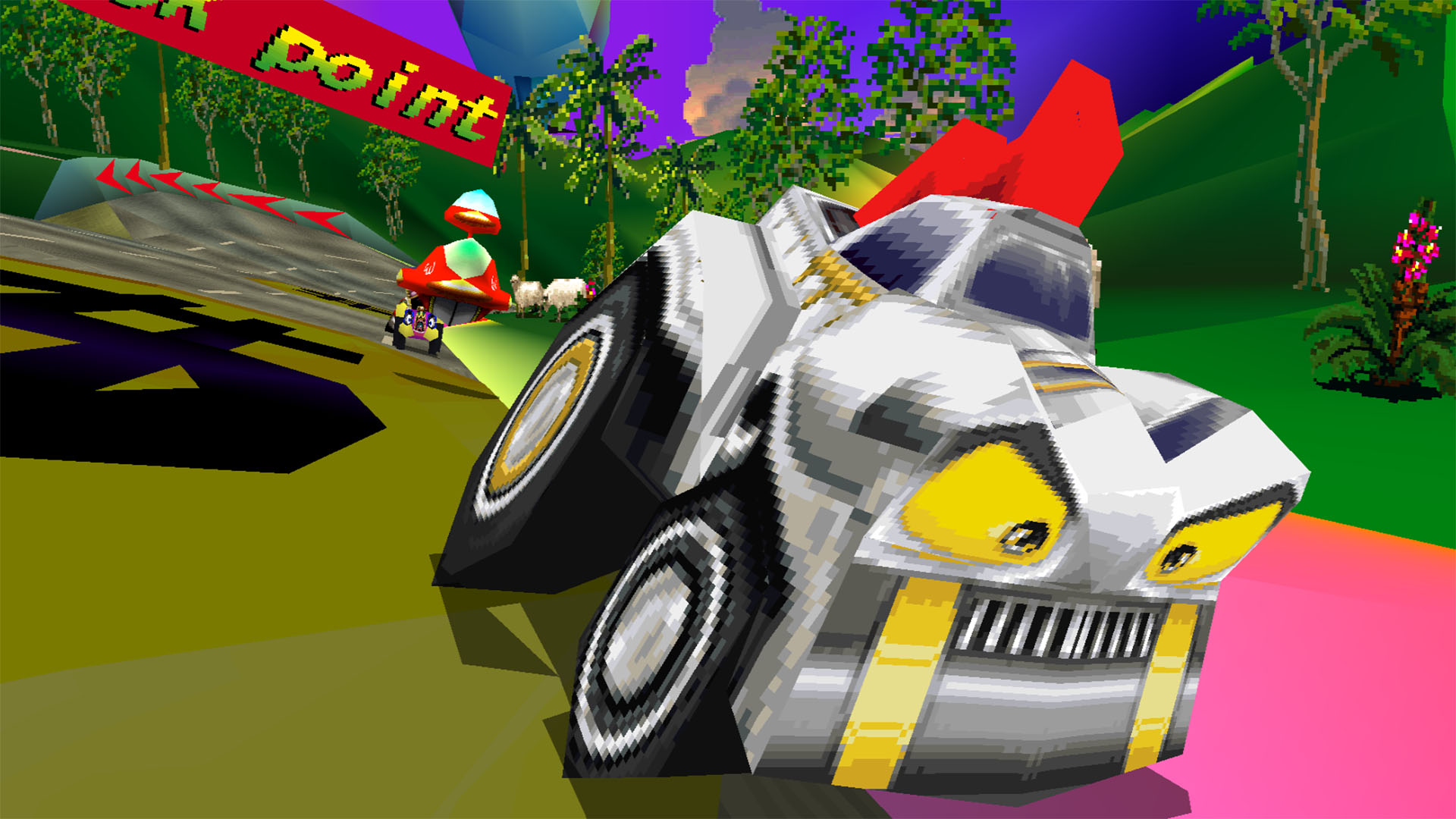
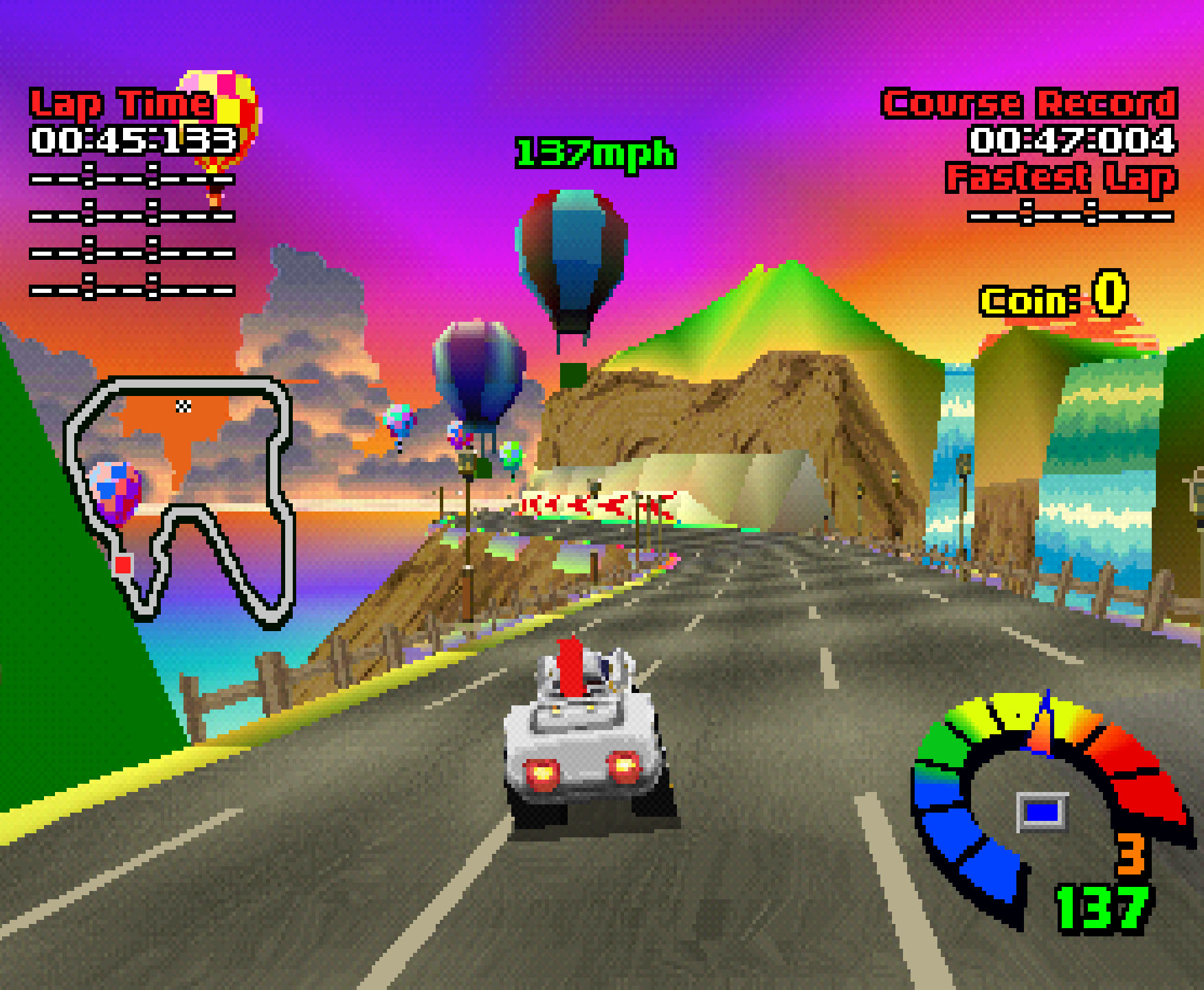
Fortunately, he wasn’t deterred. The project the execs greenlit instead was still a driving game—just a more broadly palatable, whimsical one. It was quite literally Sony’s answer to Mario Kart, with original, cartoony characters, a colorful art style, and jaunty music. Called Motor Toon Grand Prix and released about two weeks after the PlayStation itself in Japan in December 1994, it was the first game from Polys Entertainment—in the team’s own words, a “New Generation Game-Making Project.”

Motor Toon Grand Prix never released in the United States, but it doesn’t contain a prohibitive amount of Japanese for those who can’t read the language, and I recommend checking it out for the simple reason that it feels great to play. The handling model is simple but weighty and favors drifting but not in a jerky or awkward way, like the first few Ridge Racer games.
The simple act of steering these zany contraptions is predictable, natural, and most importantly, fun. And it feels more grounded, in that way, compared to Super Mario Kart, or its Nintendo 64 sequel which, as of 1994, was still two years away. It’s also really clever how the vehicle models themselves morph, stretch, and lean into corners. That was a particularly inventive use of Sony’s “new-generation” 3D hardware the Polys crew was getting to grips with, and, frankly, I’m surprised more kart racers never borrowed the idea.
There’s a very good reason why Motor Toon Grand Prix is so enjoyable to play. All the while, the physics system underpinning those Tex Avery-inspired oddities, in their topsy-turvy, cotton-candy colored worlds, was being crafted to power a much more sophisticated driving experience. It was being developed, in secret, for Gran Turismo.
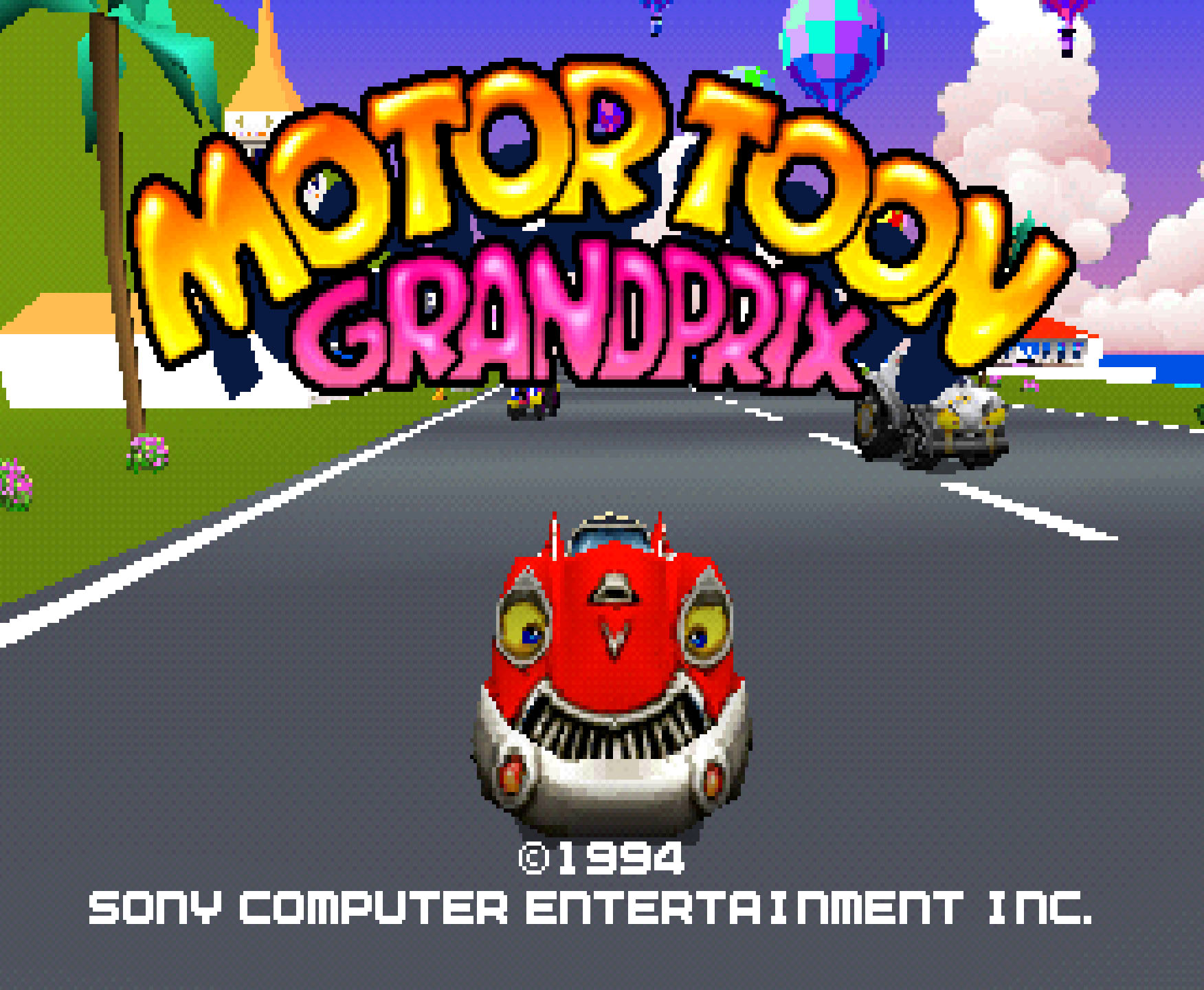
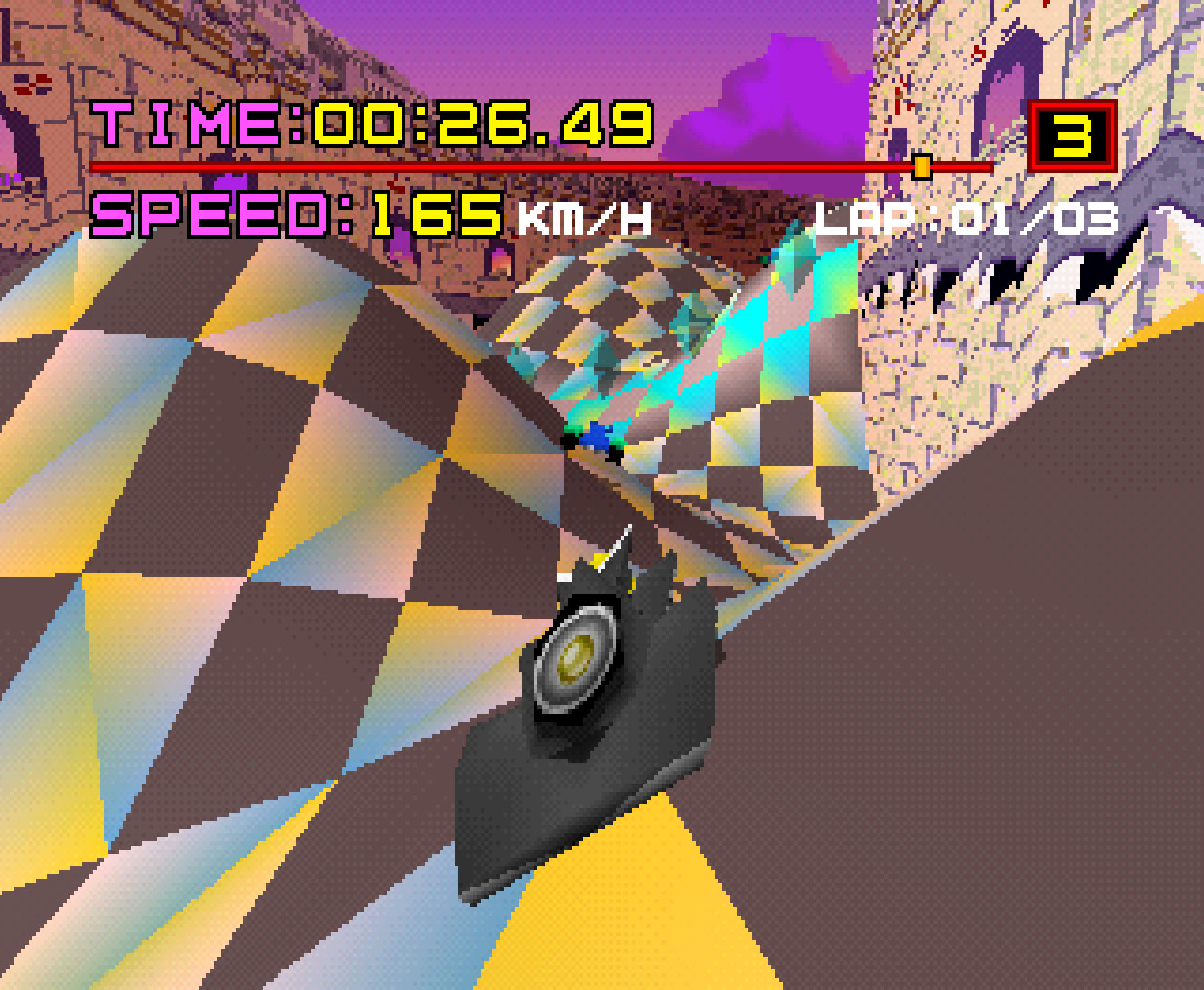
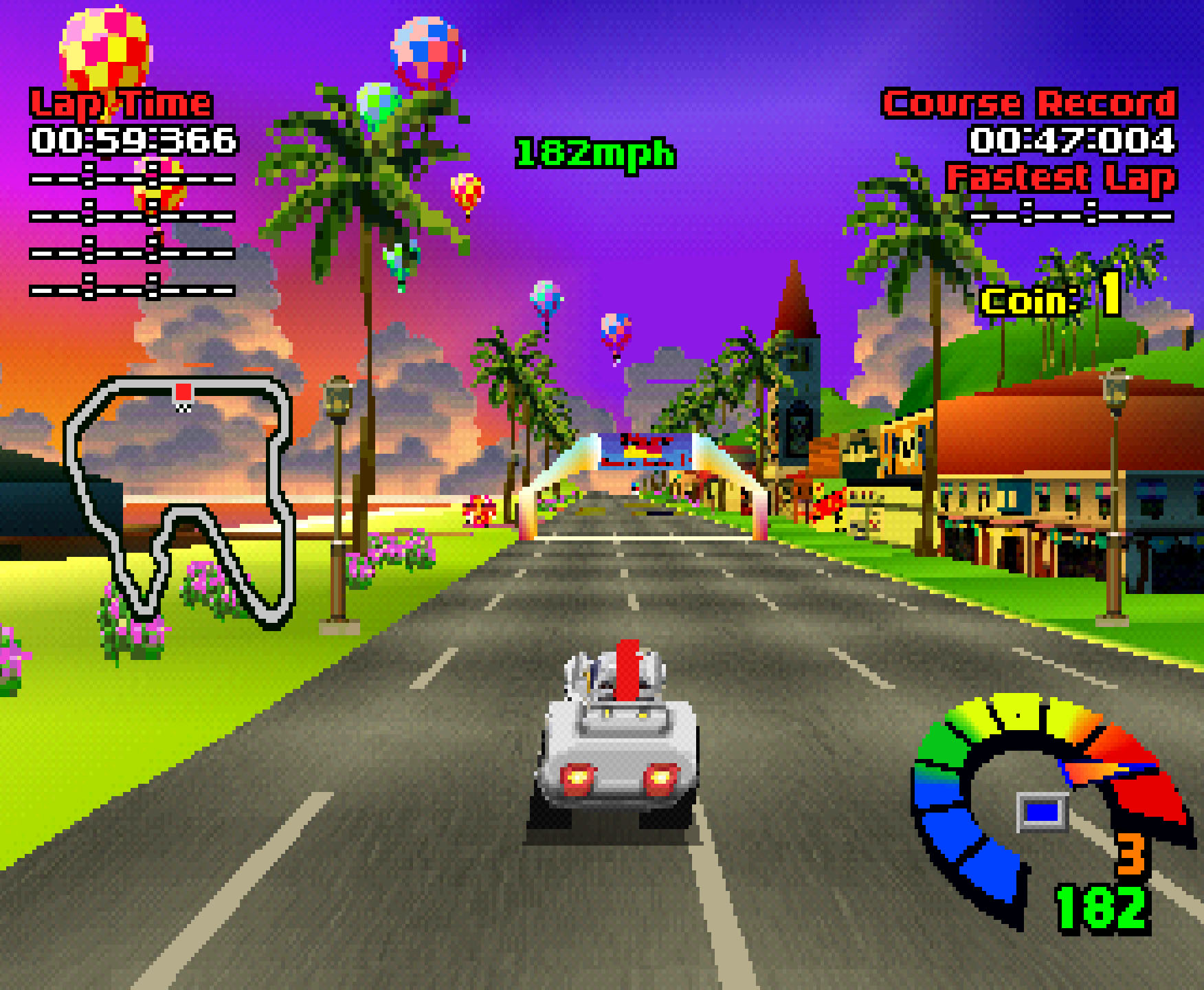
Those Sony execs didn’t know that Polys, Yamauchi, and specifically physics engineer Akihiko Tan (fun fact—he’s still programming Gran Turismo car behavior to this day) were laying the groundwork as far back as 1993 for the driving simulation they’d rejected. They probably had a clue by mid-1996, though, when Polys delivered a sequel, called Motor Toon Grand Prix 2. This one did make it to the West, and seeing as we never got its predecessor, it released here sans the “2.”
Motor Toon Grand Prix 2 is a very interesting game for several reasons. First, it’s immediately clear from the additional characters, more fleshed-out and detailed worlds, new graphical flourishes, deeper weapons system, and sheer quantity and quality of content that Polys learned a great deal about how to extract the most from the PlayStation hardware in the intervening year-and-a-half since its first attempt. And the game practically reminds you at every turn. The menus are visually overwhelming, with scrolling backgrounds and many spinning 3D assets, all at 60 frames per second. But it’s when you start winning some championships and earning unlockables that it becomes clear how deeply the team was experimenting with the silicon, and to what end.
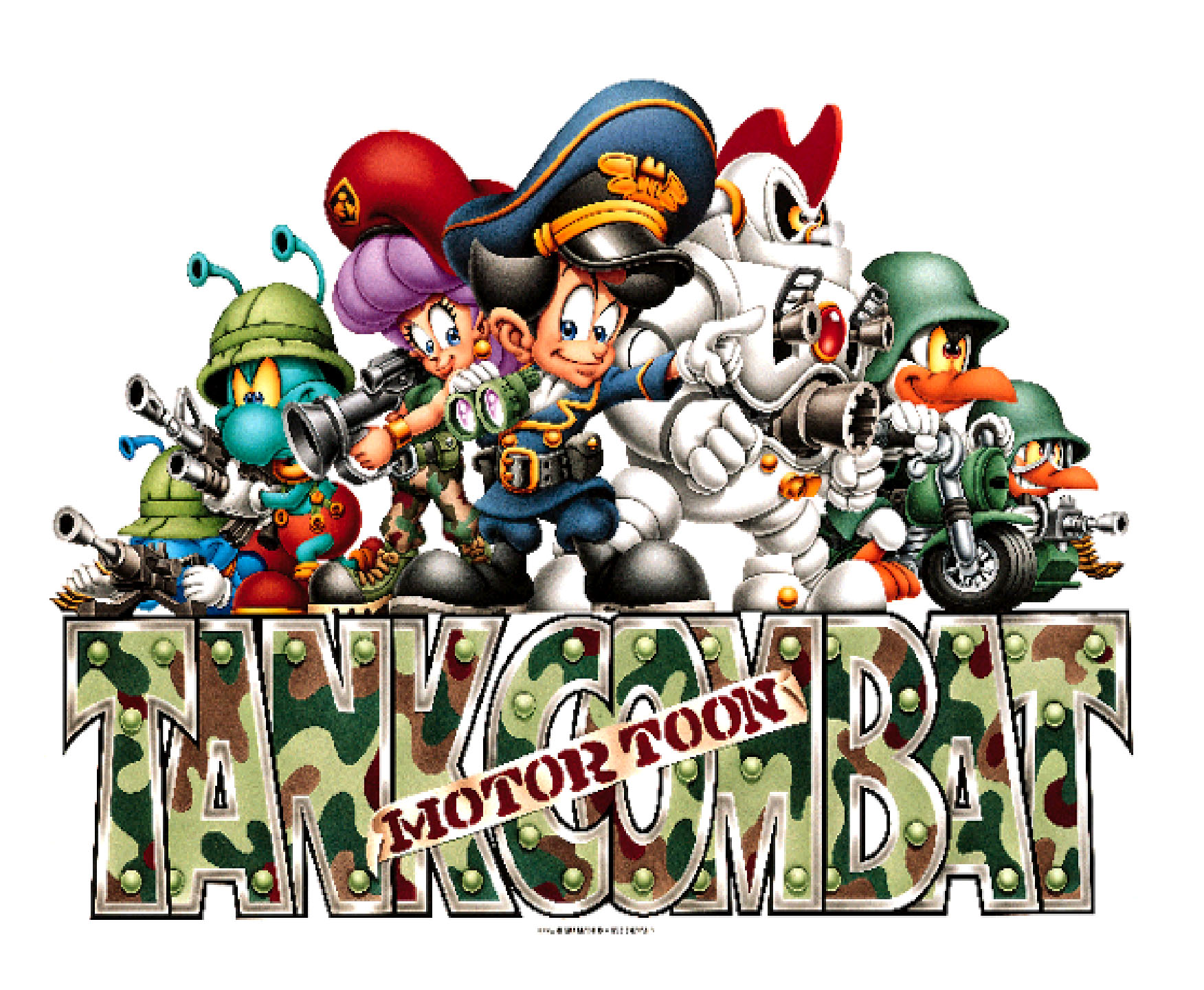
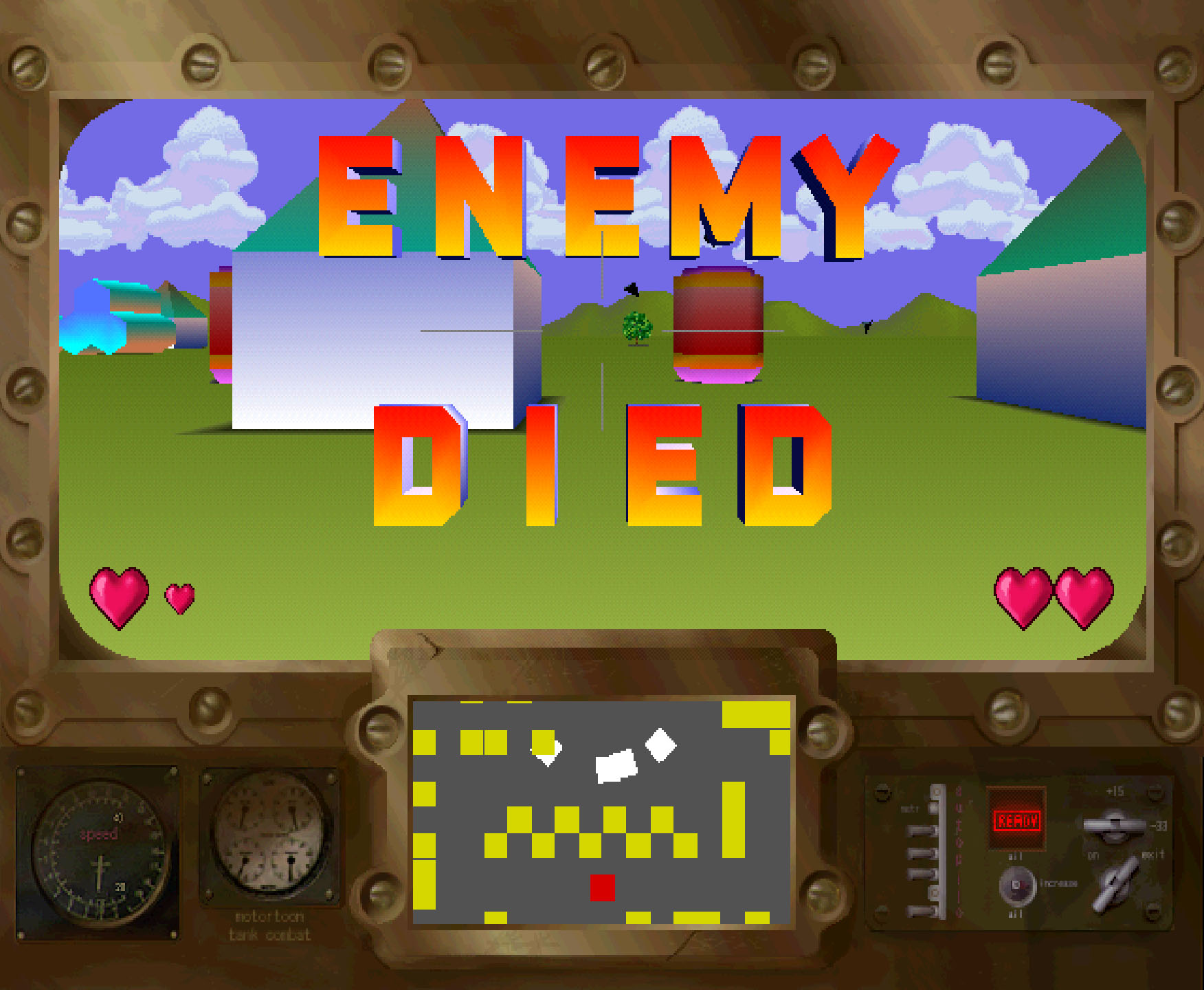
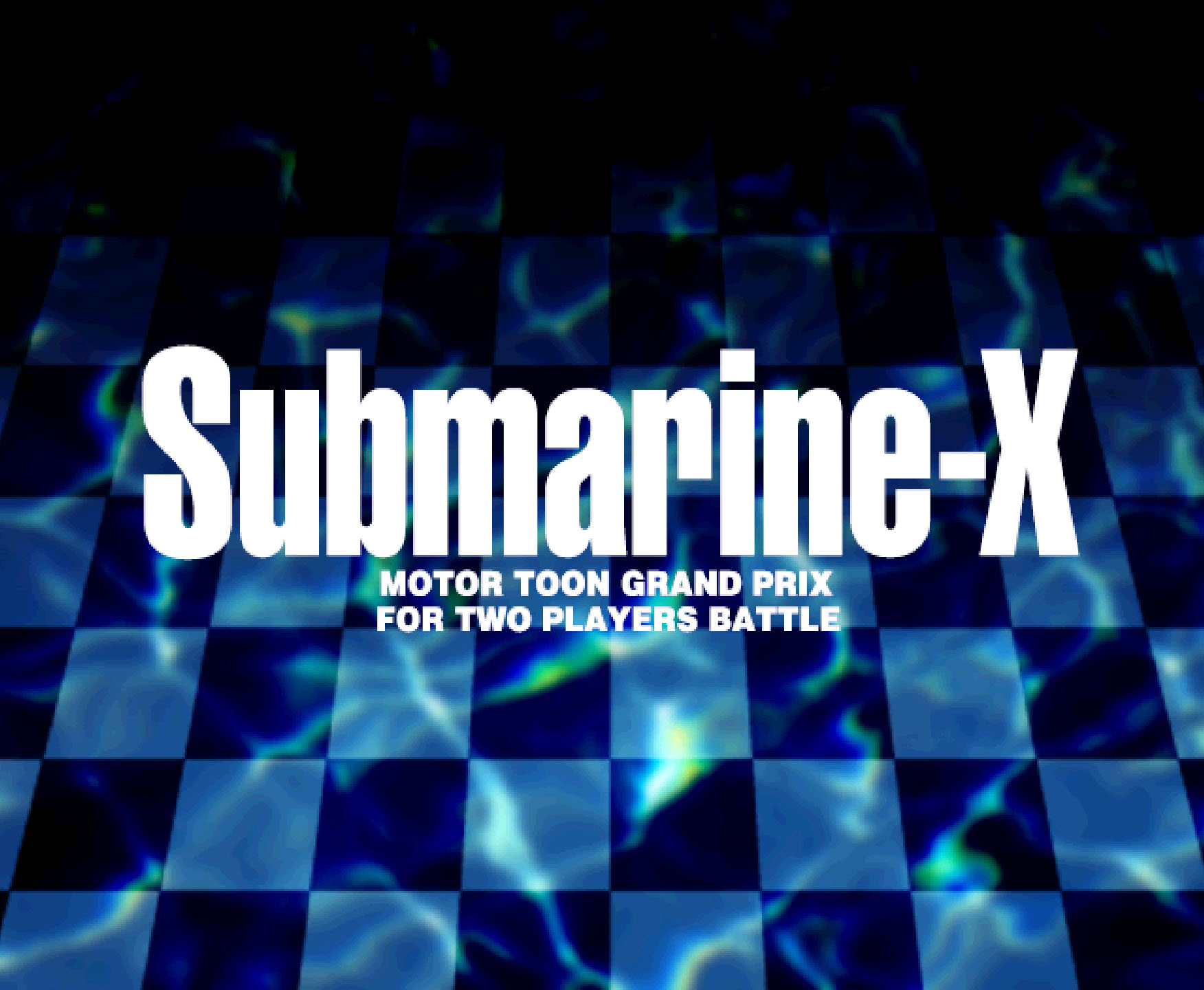
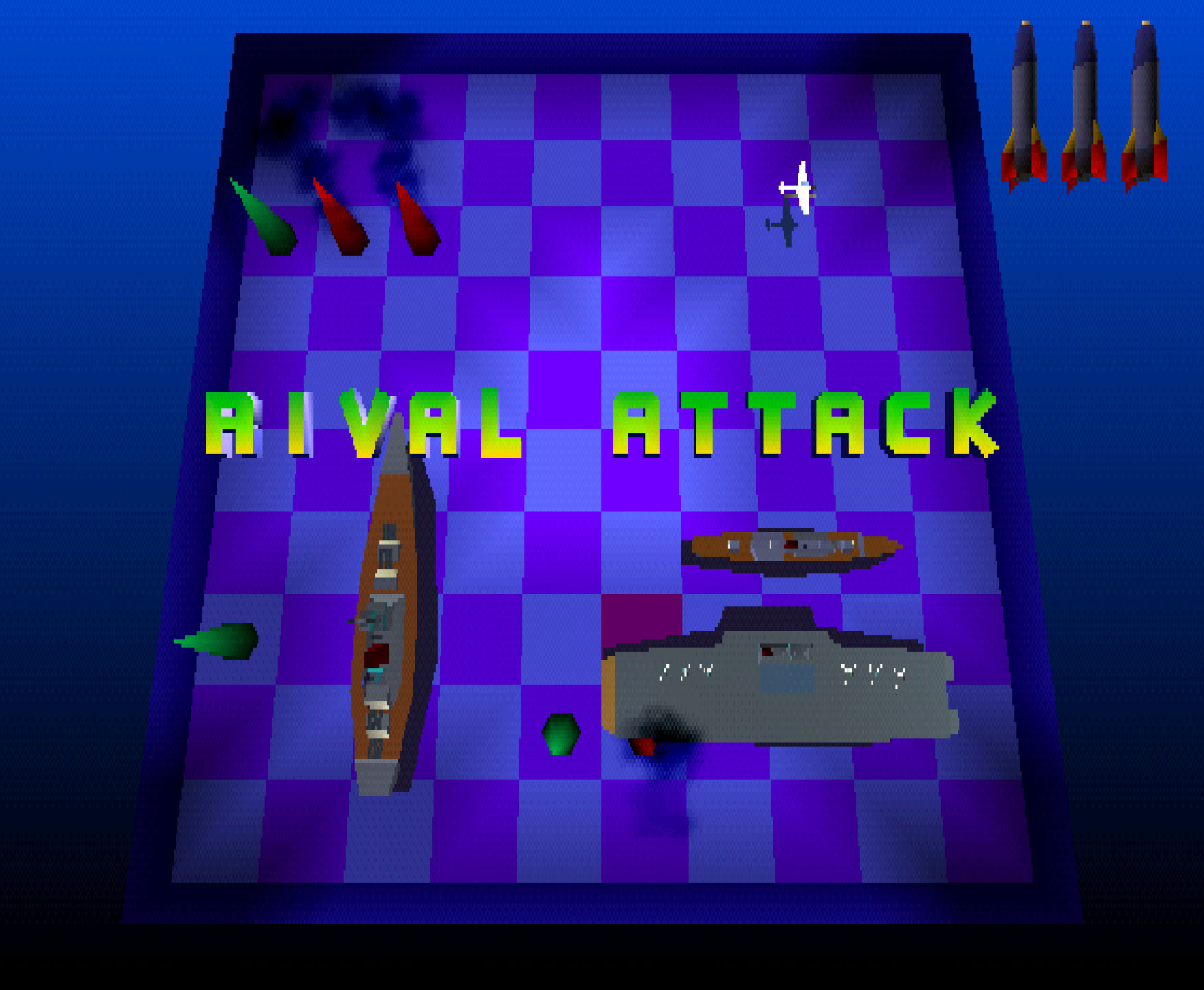
MTGP2 contains three secret minigames, and they’re each pretty endearing for tech demos. The first, “Tank Combat,” is a first-person tank-versus-tank game where your only objective is to blow up your enemy before they destroy you. It runs in a window, which allowed Polys to employ both the PlayStation’s higher-resolution 640×480 mode and achieve 60 fps, a rare combination for the console. Then there’s “Submarine X,” essentially a Battleship clone that uses some other odd PS1 display settings. But it’s the third, “Motor Toon Grand Prix R,” that truly laid bare what Polys had been working toward this entire time.
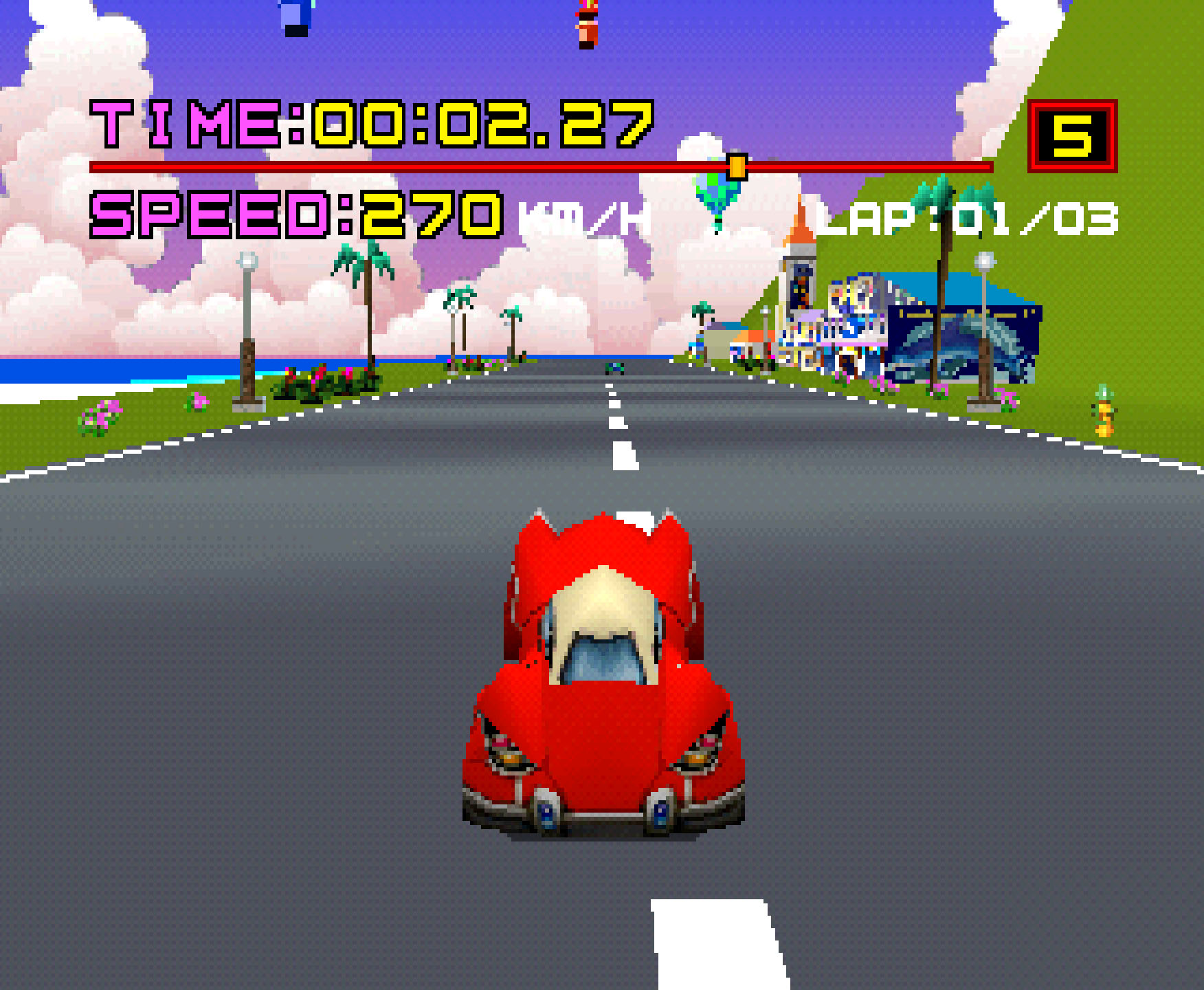
This last minigame swaps the typical Motor Toon cast with two much more realistic vehicles: an open-wheel racer and a stock car. There are no weapons and no competitors. The track is a version of Toon Island, the game’s first course, except its colors are far more muted and realistic, with the world’s more fanciful qualities stripped away. The sparser visual presentation also brings the benefit of a doubled framerate compared to the regular game. And it’s set to guitar rock that wouldn’t sound out of place in an ’80s Fuji TV F1 broadcast.
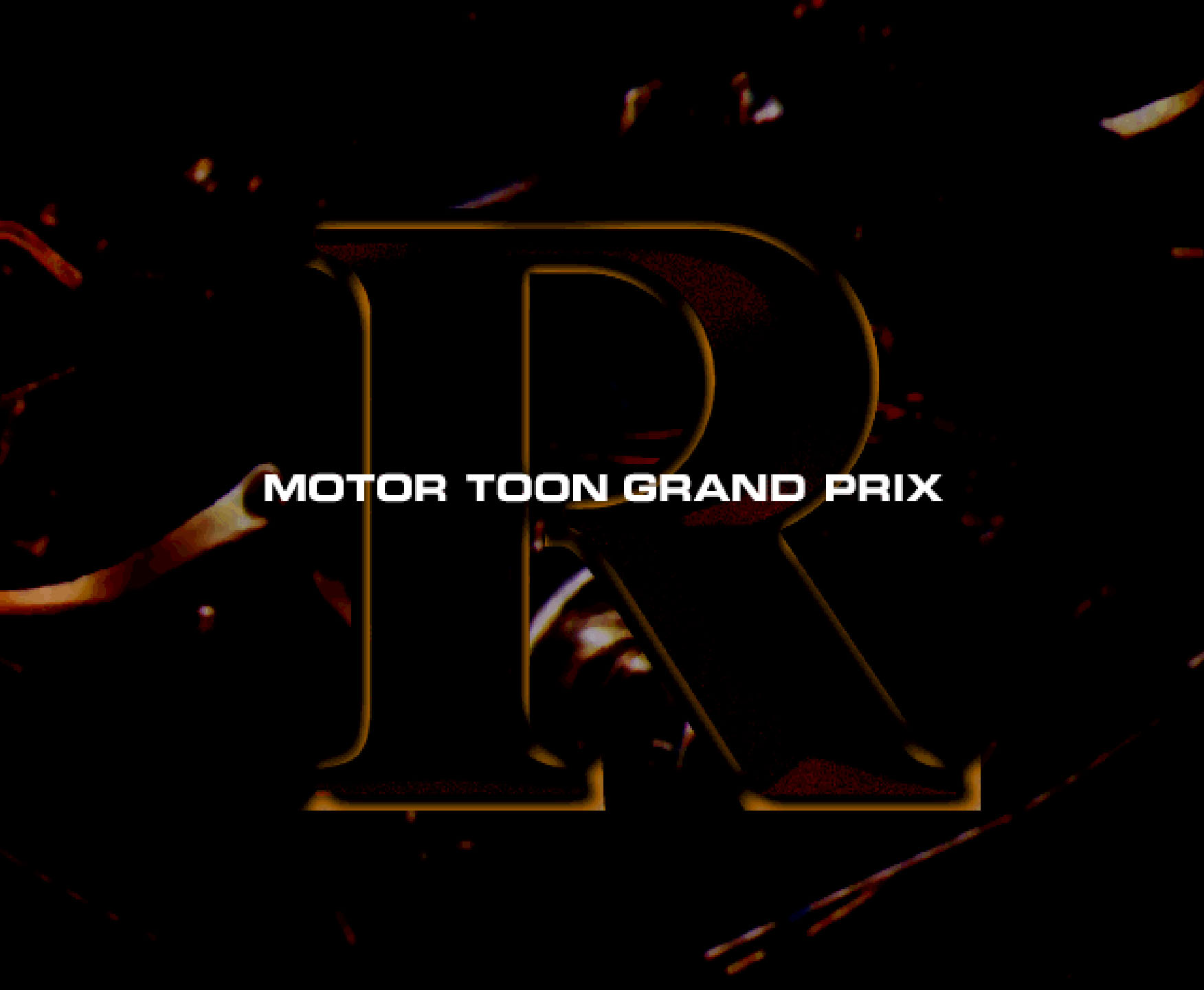
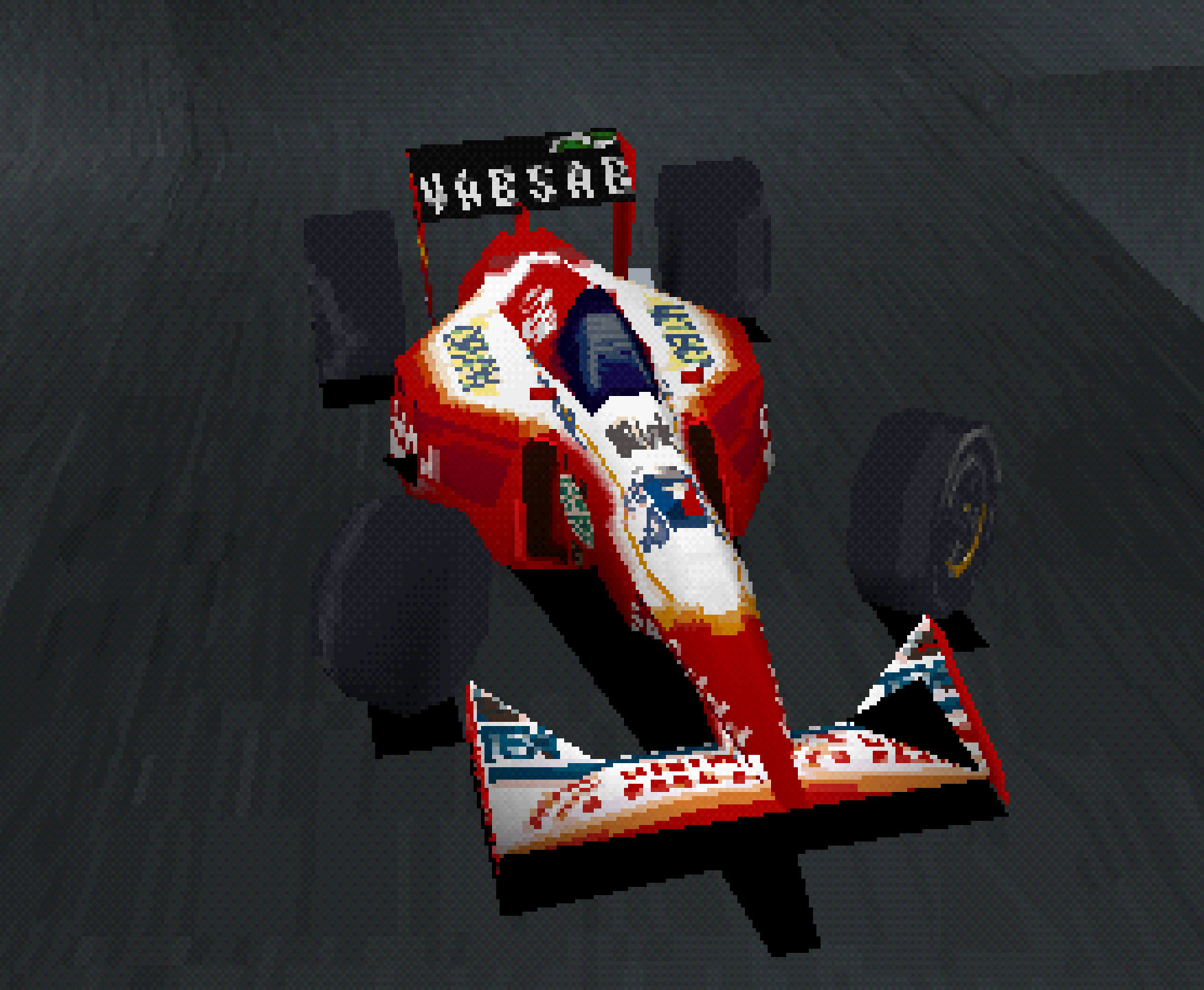
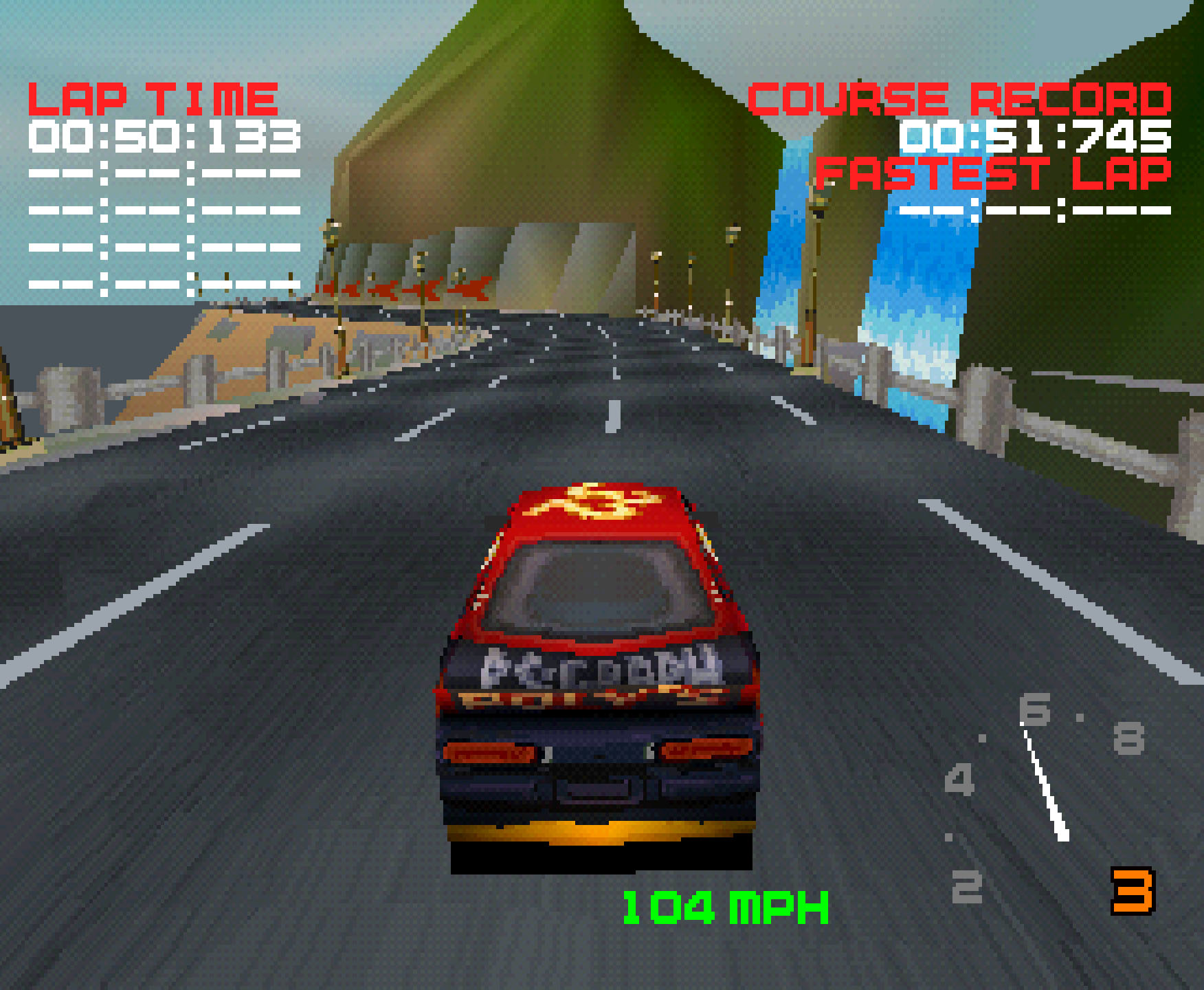
As you’d suspect, the real difference is in the handling. These vehicles behave totally differently from the cartoons. The stock car spins its rear wheels when the lights turn green, struggling to get away. Its tires are rendered separately from the rest of the body, which heaves and rolls in corners. And if you’re not careful with the throttle on corner exit, you’ll spin quite easily. The F1-like racer is an even more challenging drive, with too much grip, particularly for D-pad-only steering.
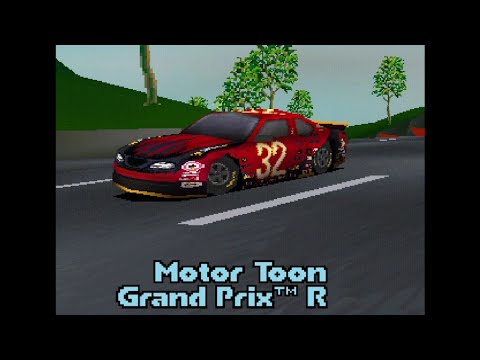
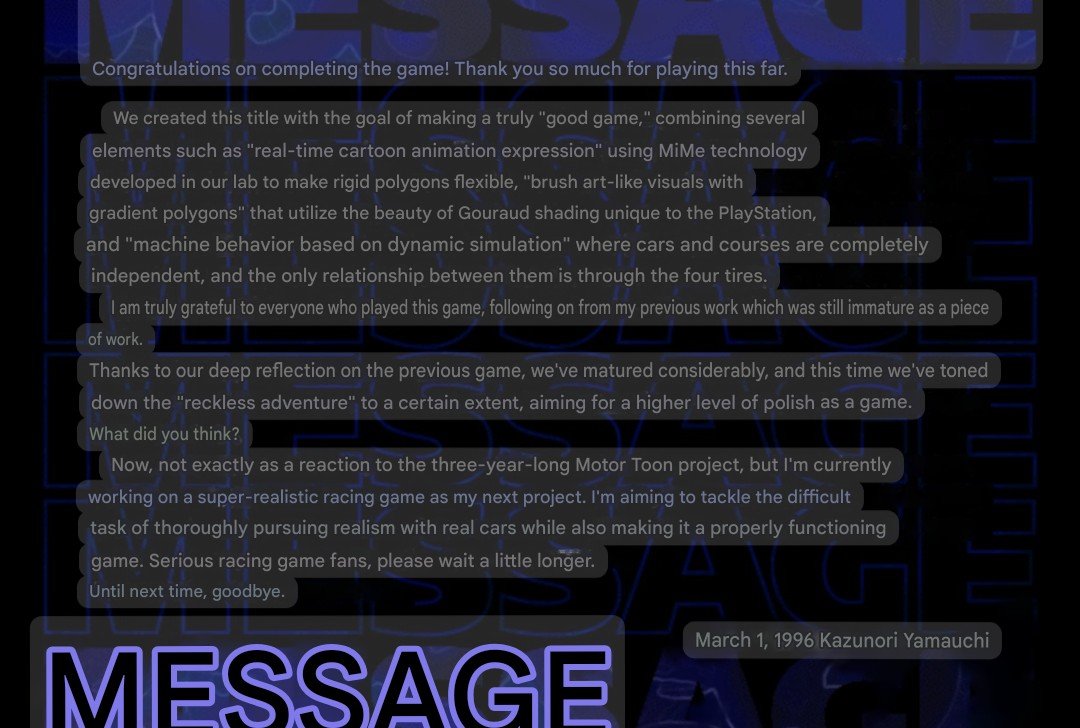
“Motor Toon Grand Prix R” is flatly harder to play than Gran Turismo and, frankly, not very enjoyable. But as an artifact and a show of what Polys’ physics system was capable of with all the guardrails removed, it’s fascinating. In the Japanese version, players can unlock messages from the dev team. One of them, written by Kazunori Yamauchi and dated March 1996 teases something big.
“Now, not exactly as a reaction to the three-year-long Motor Toon project, but I’m currently working on a super-realistic racing game as my next project,” Yamauchi wrote, translated via Google. “I’m aiming to tackle the difficult task of thoroughly pursuing realism with real cars while also making it a proper functioning game. Serious racing game fans, please wait a little longer.”
Motor Toon Grand Prix appears to have sold well enough in Japan, even if its sequel didn’t reach quite the same heights outside the country. Yamauchi had proven himself capable of delivering a product people wanted to play, so when he returned to the boardroom to pitch Gran Turismo a second time—with plenty of the necessary physics work already done under the guise of a kid-friendly kart racer—the decision makers were much more receptive to the idea.
After MTGP2 was finished, Polys’ total staff of fewer than 20 people became fully focused on Gran Turismo, and gave themselves a new name: Polyphony Digital. “The program is different from Motor Toon’s,” Yamauchi told Next Generation magazine in 1996, “but we used part of it. The physics model is the same, and the person who made the physics algorithms is the same person. In fact, the Gran Turismo team started before Motor Toon 2 was released, and after that was finished, the simulation programmer and other designers joined the team.”
Before becoming president of Sony’s worldwide development studios, Shuhei Yoshida was a producer of many early PlayStation classics, including Gran Turismo. “I remember how [Yamauchi] approached coders working on 3D graphics and car physics engines who had regularly written articles in a specialized magazine, and convinced them to join his team to build his dream project,” Yoshida recalled. “He had a charm and charisma to make people believe that he and the team can accomplish an impossible-looking task at that time.”
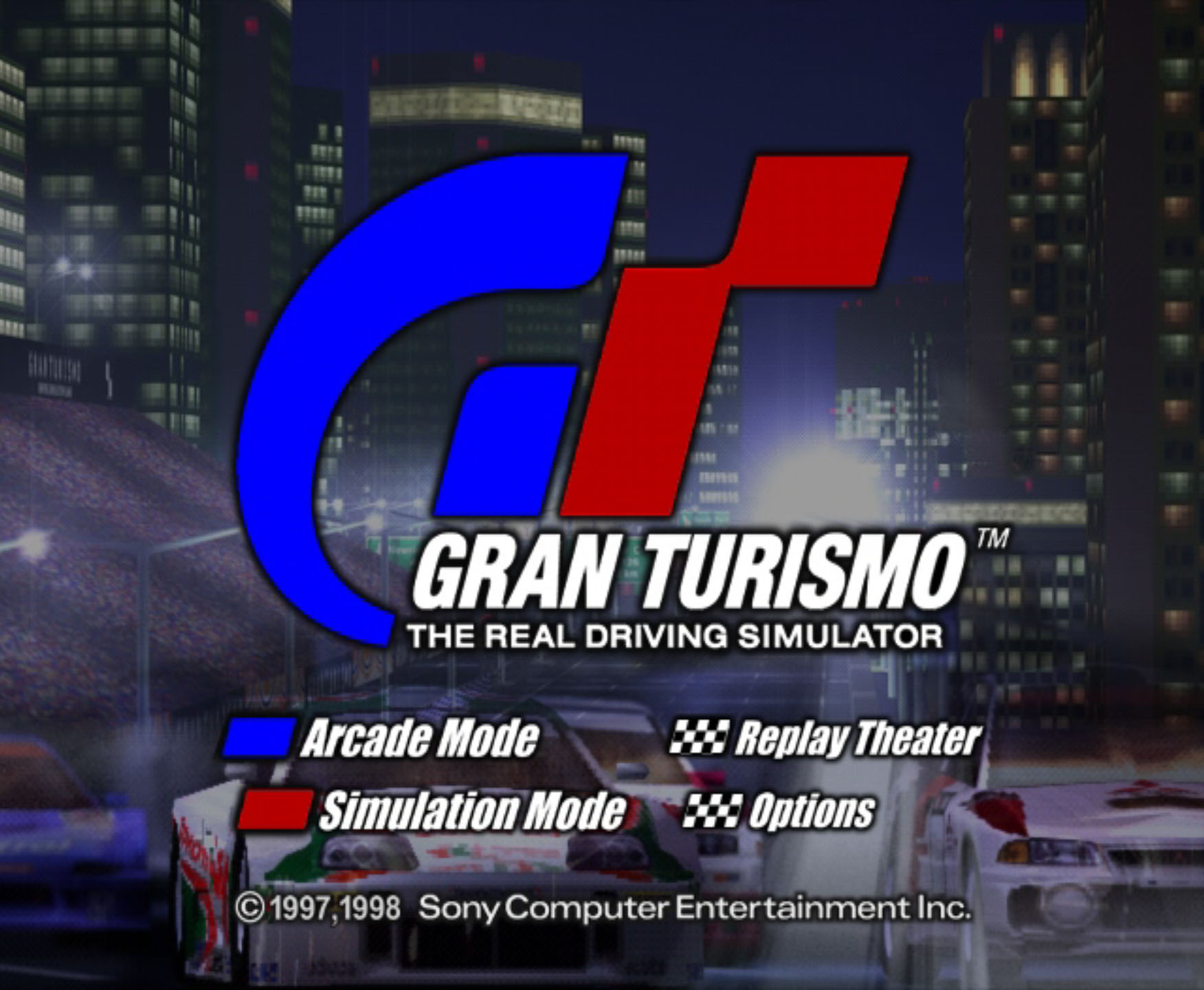
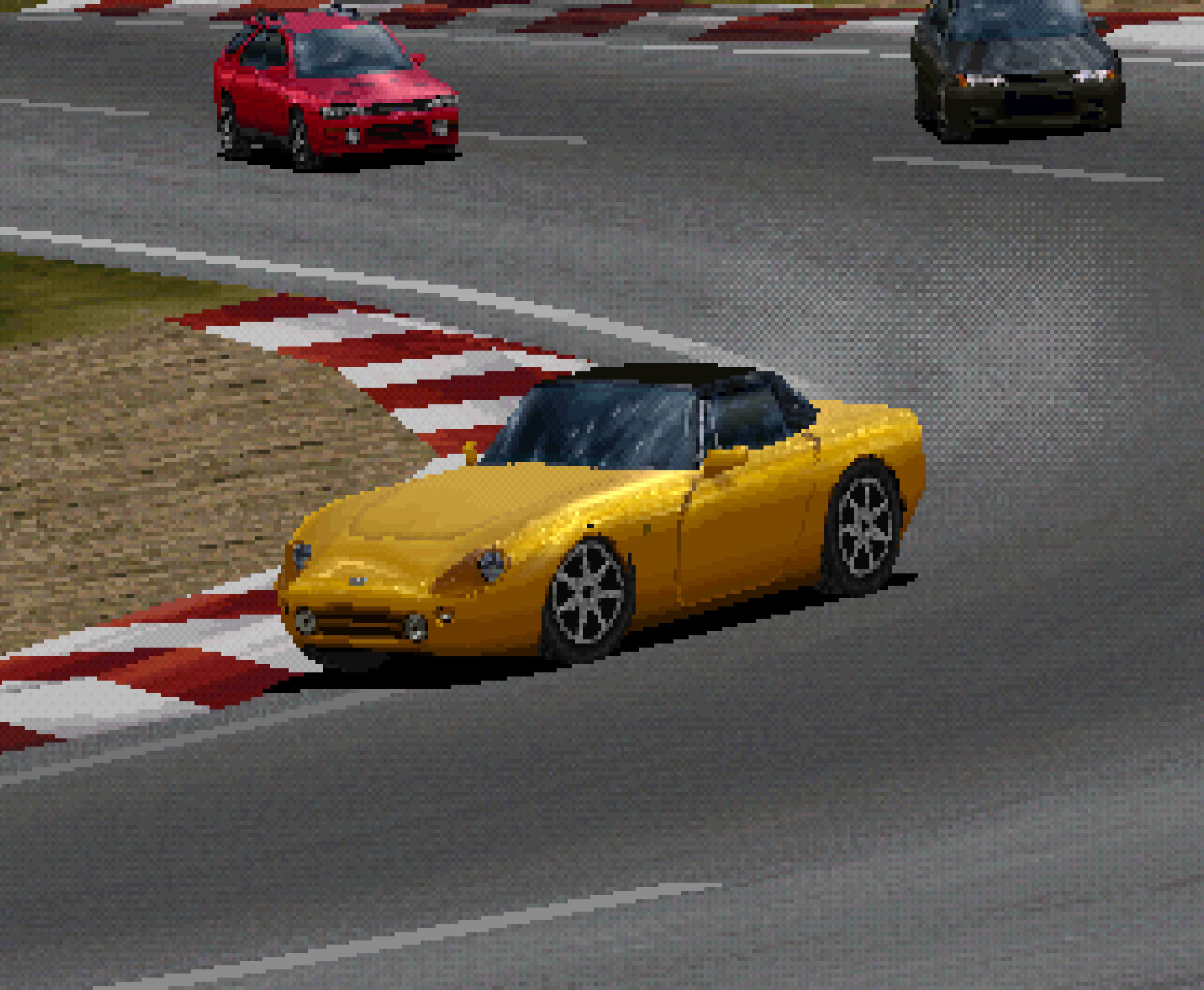
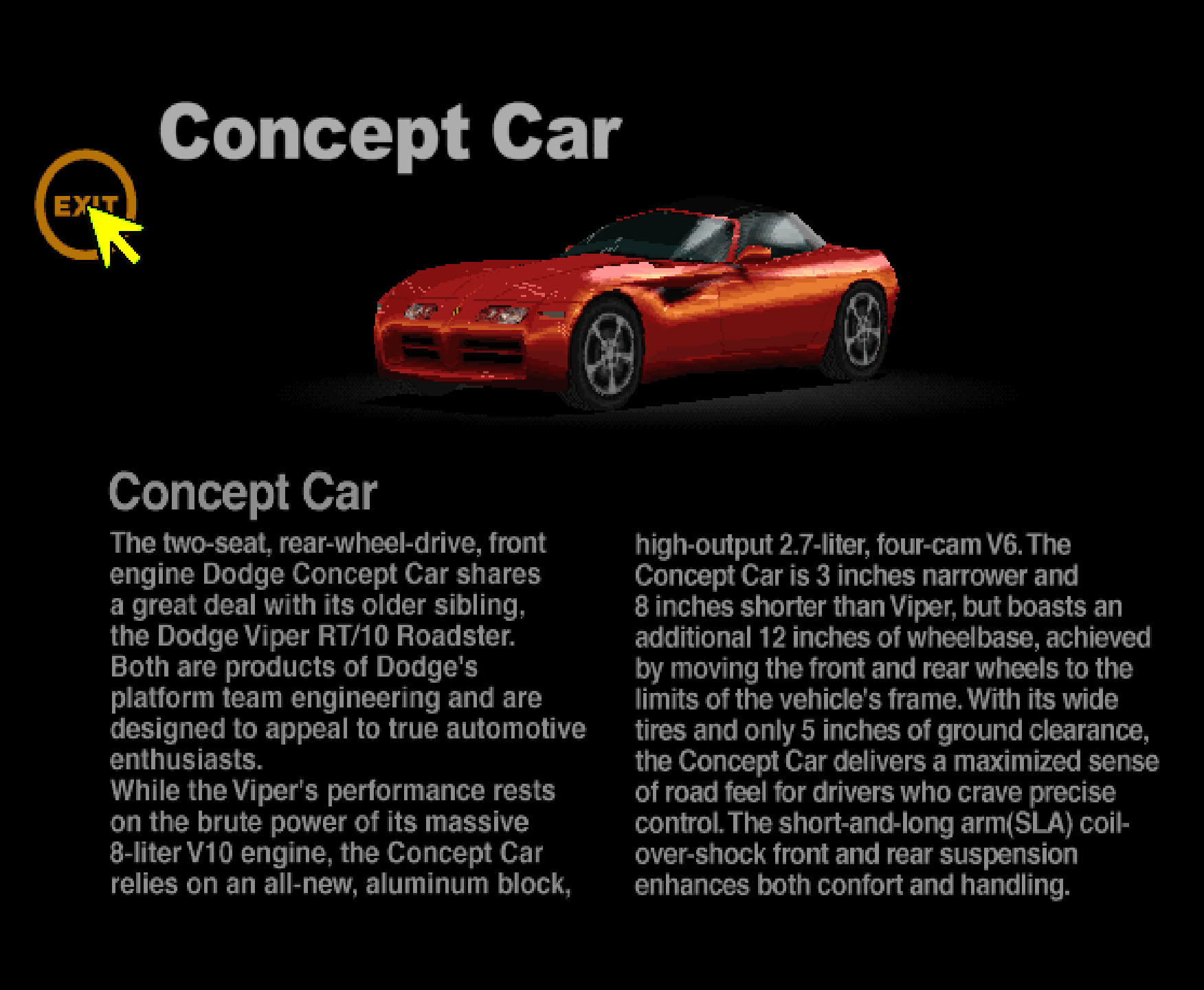
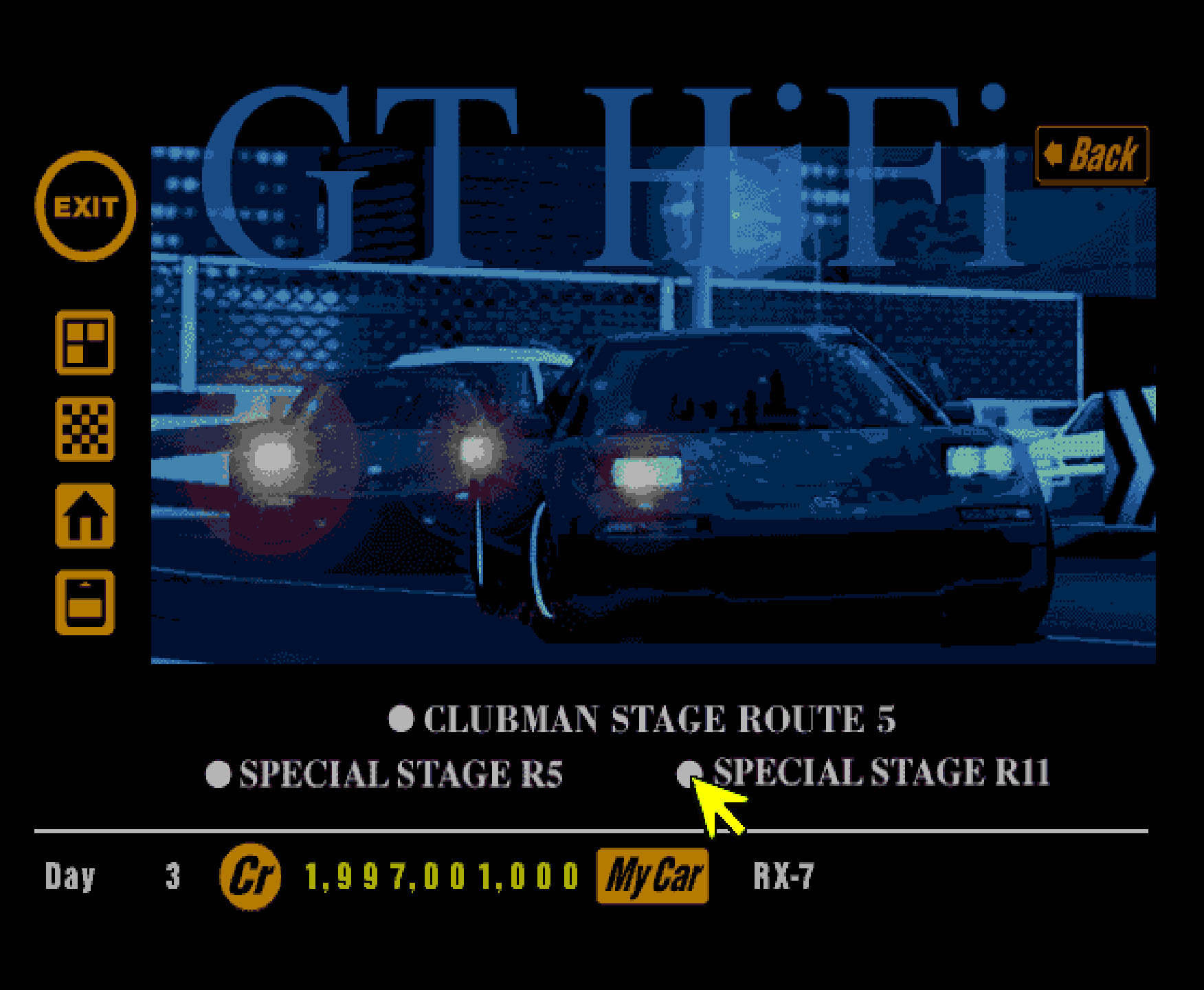
The rest, as they say, is history—at least, more well-known history. Gran Turismo was a break out hit upon its release two days before Christmas 1997 in Japan and in May 1998 in Europe and North America, becoming the platform’s best-selling game when all was said and done. It spawned a sequel less than two years later with around four times the cars and double the tracks—a frankly unheard of avalanche of content at a time when you could usually count the number of cars in racing games with two hands.
In that Next Gen preview, months before GT1’s international release, Yamauchi relayed an almost scarily prescient vision of the future of gaming that wouldn’t come to bear for another 10 to 15 years.
“I see Gran Turismo as a racing game operating system,” he said. “If you change some of the rules, design new courses, and if you tune everything, it becomes possible to make any kind of race. For instance, in this game, only road racing is possible, but it would be possible to change it and make it rally racing. Progressively, the game will improve. I want the game to become an OS for racing games like Windows 95 is for computers.”
Got a tip? Reach out to tips@thedrive.com
Loading comments…
Comments couldn’t be loaded. Please refresh the page.