
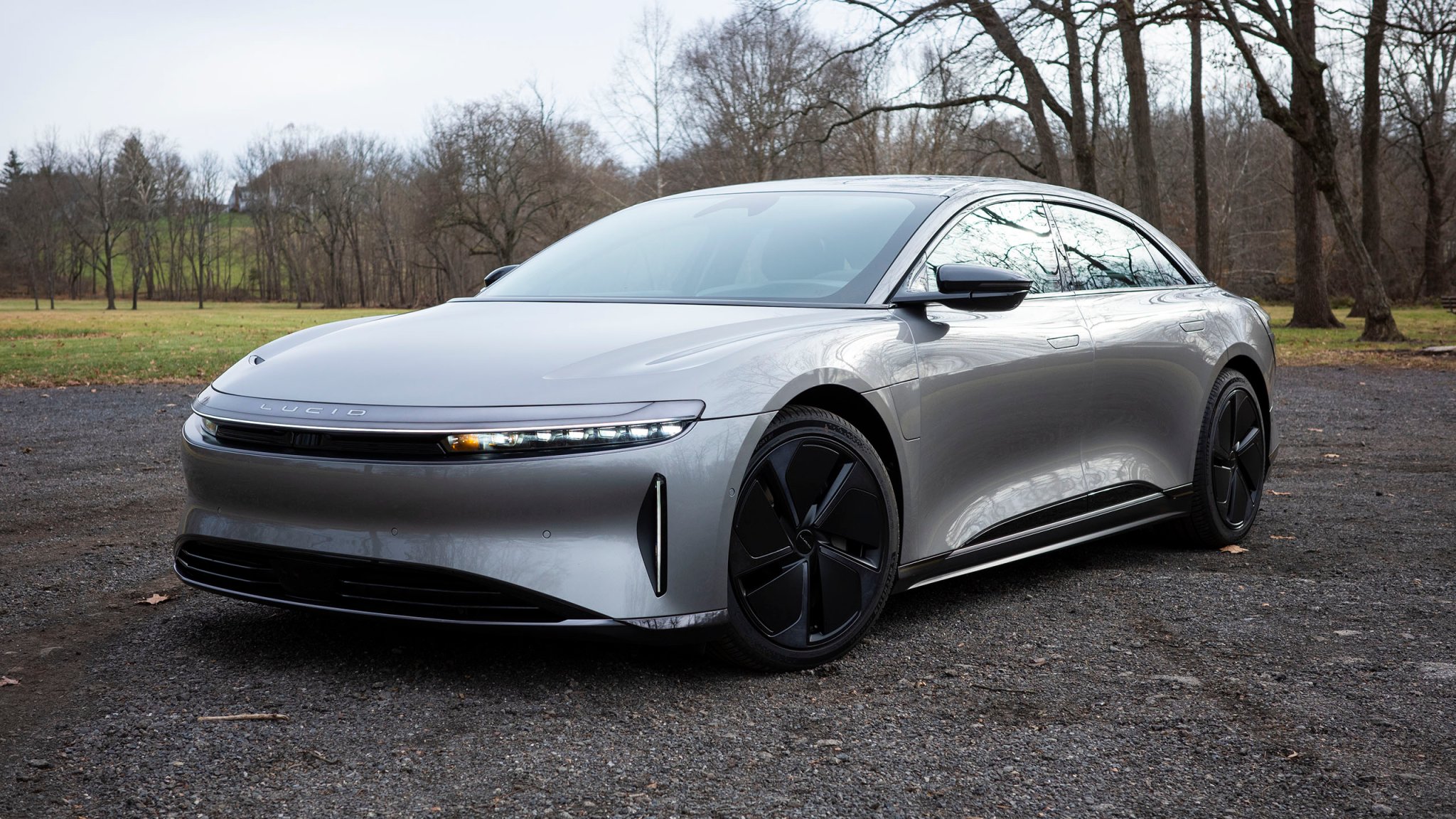
Whenever I drive an electric car, I have a little war with myself, and it always comes down to that right pedal. Do I want to fully embrace this experience and drive this car with one pedal, even though it completely goes against intuition developed over 16 years of driving, or give in to those habits, even if it makes the car a little less efficient, a little less “optimal?” Most of the time, giving in is exactly what I do. But the Lucid Air is a vehicle that makes me want to adapt.
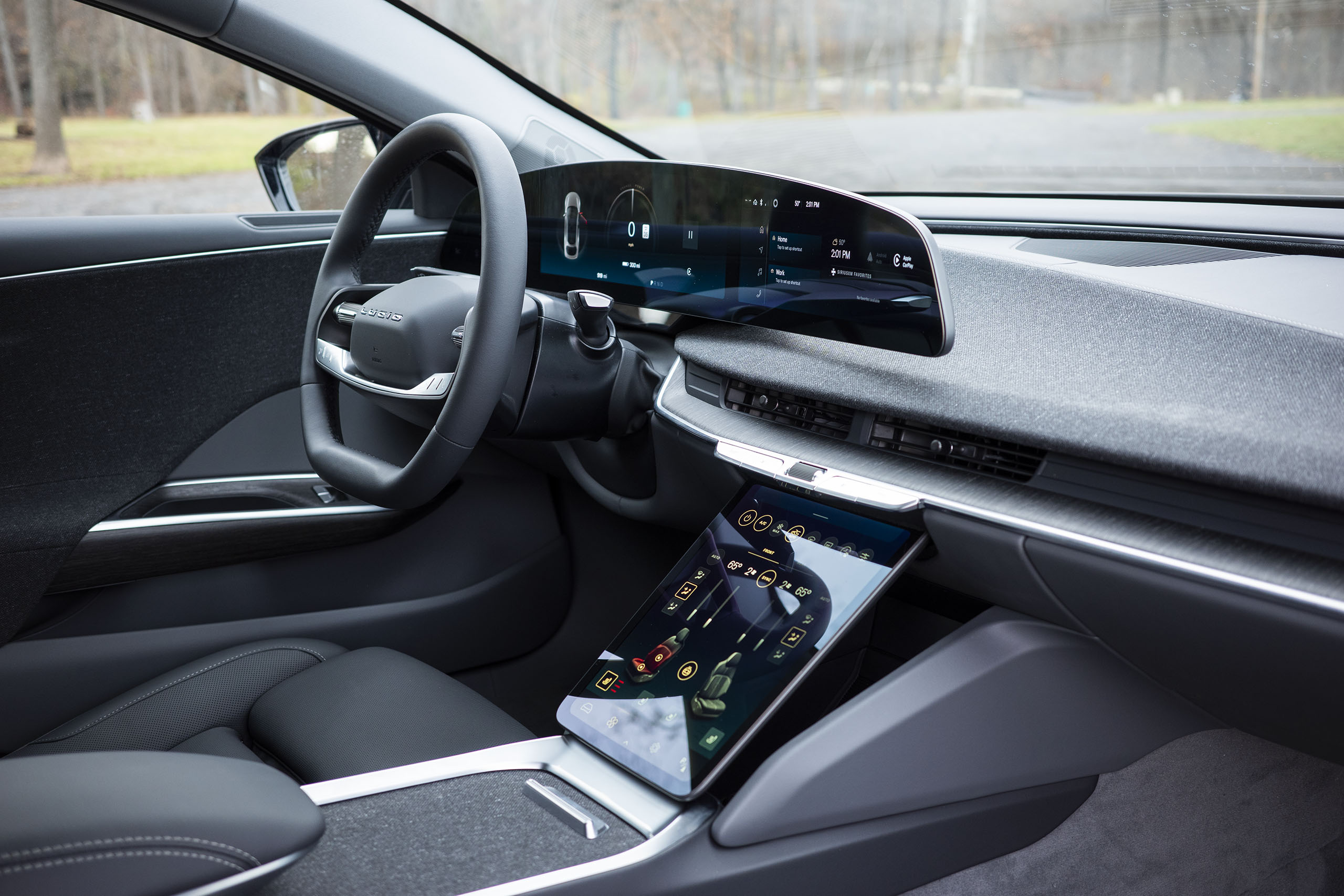
I think that’s because it has conviction, but also plenty of good ideas. It looks breathtaking. It has an astonishing amount of interior space and a cleverly designed trunk that makes loading cargo a breeze. It has my single favorite screen I’ve encountered in a car this year. You don’t get in this car and immediately resent it for the things it does differently; you give it a chance because it makes such a strong first impression. Fortunately, for the most part, it only gets better from there.
The Basics
What you see here is a Lucid Air Touring, and this is the second rung up the ladder in the model line that runs from the rear-wheel-drive $72,400 Pure to the, shall we say, over-the-top $250,500 Sapphire. Compared with the Pure, the Touring adds another motor for all-wheel drive, a total of 620 horsepower and 885 lb-ft of torque, a power frunk, and a 700-volt electrical architecture for faster charging.
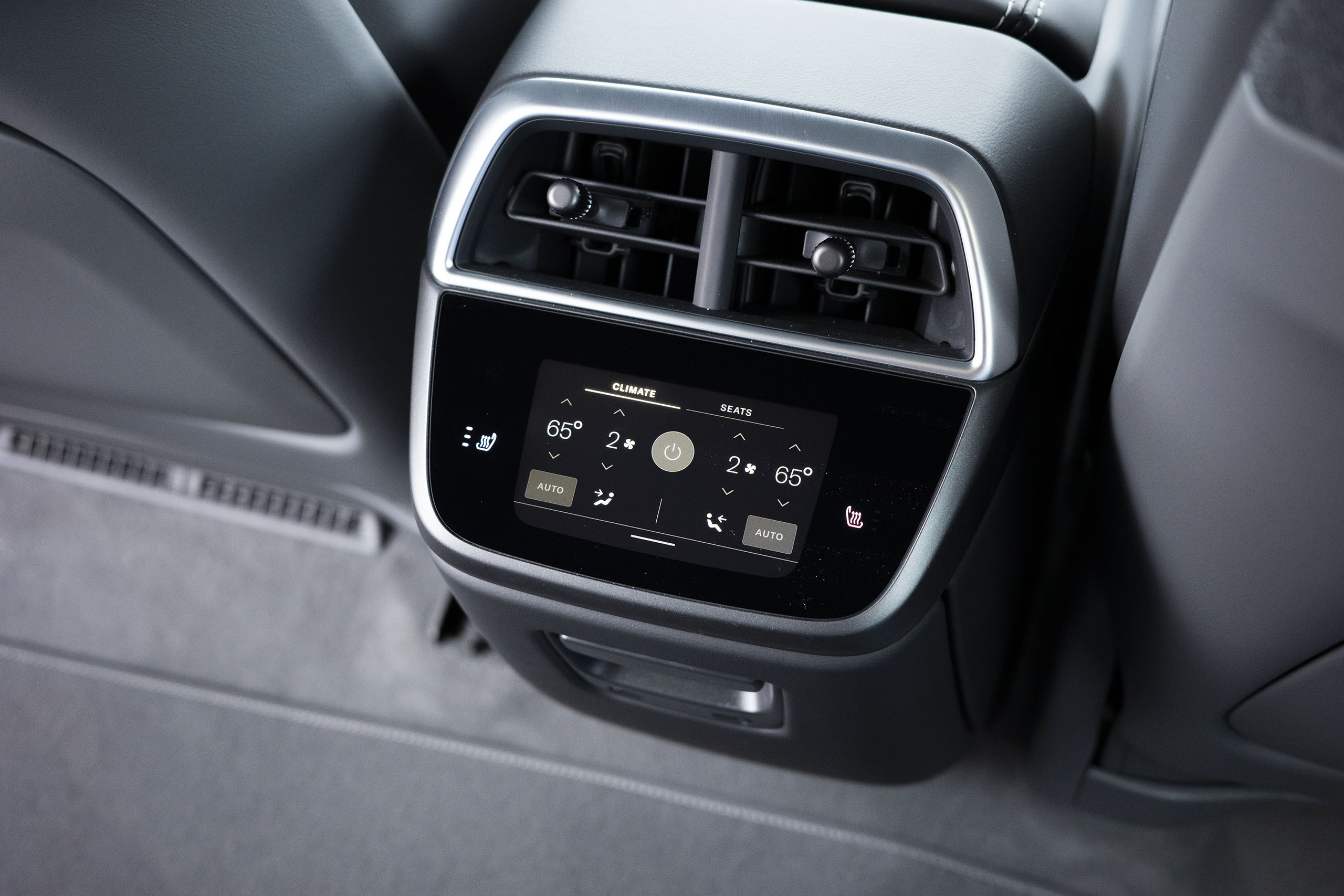
The Touring starts at $81,400, though this one had plenty of options. Its Mojave PurLuxe “leather alternative” interior is the same upholstery that every Pure gets, but it has 20-way adjustable front seats with heating, ventilation, and massage; Lucid’s 21-speaker Surreal Sound Pro system; a comfort and convenience package that includes a touchscreen for rear occupants as well as soft-close doors; and the supposedly future-proofed DreamDrive Pro ADAS hardware.
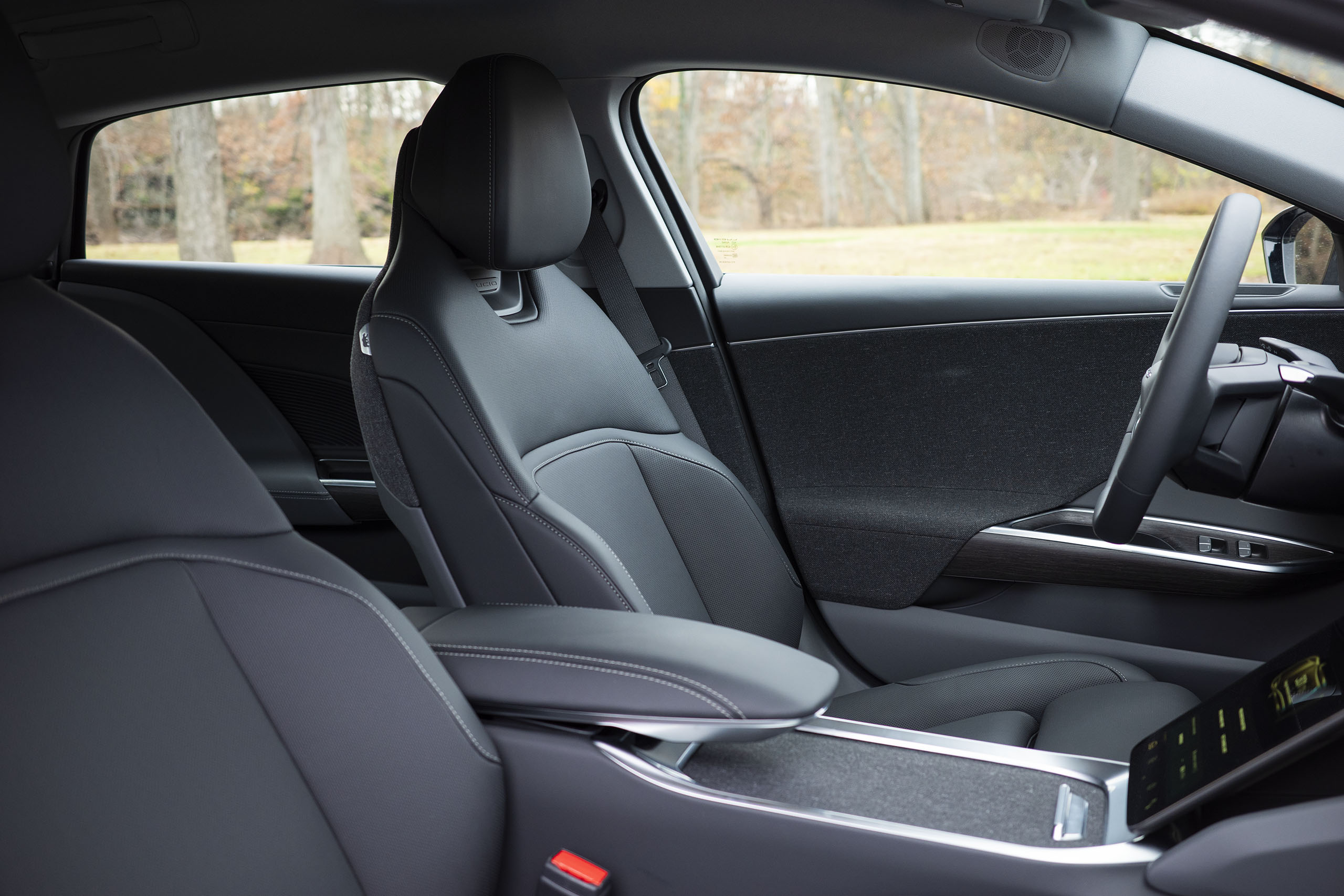
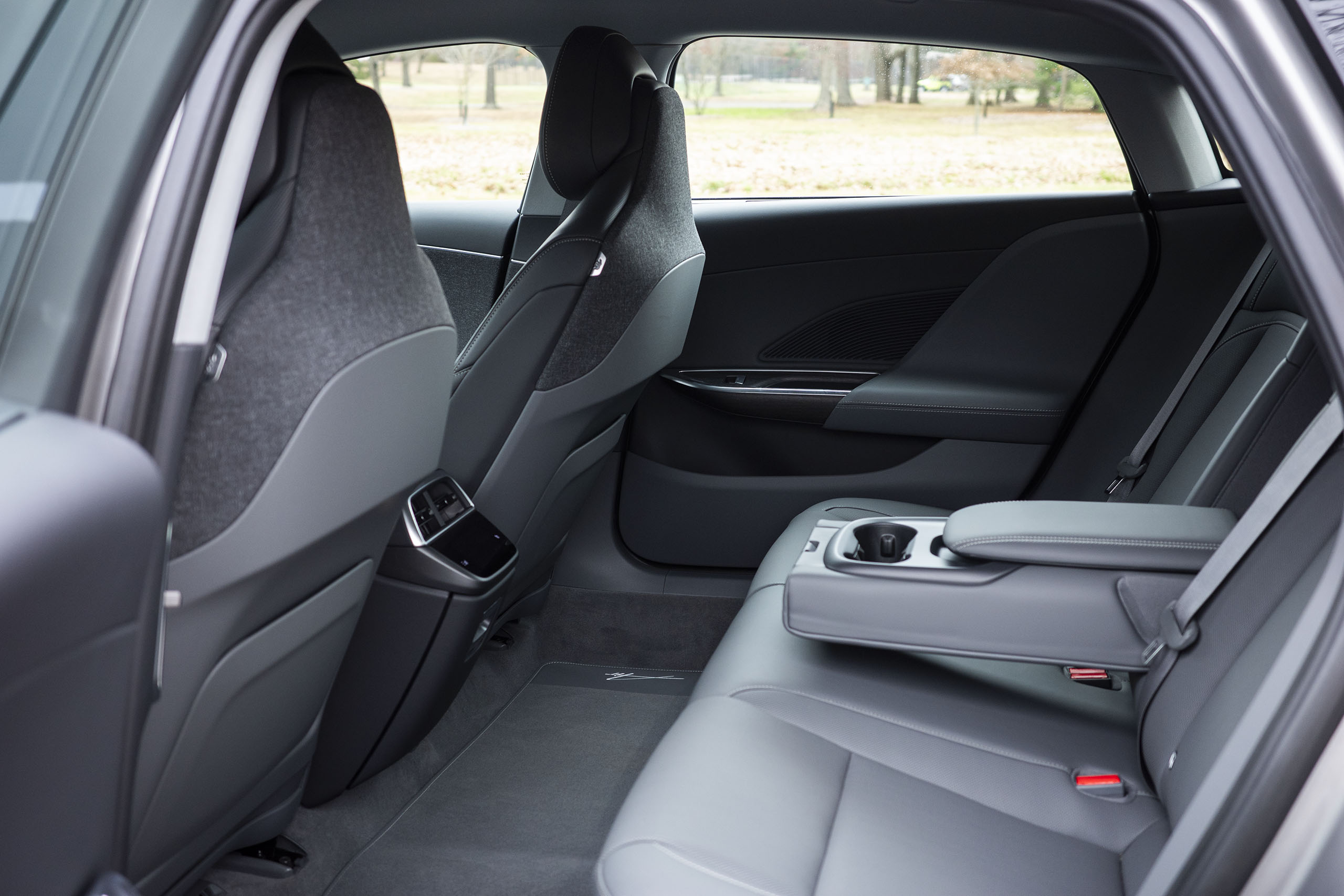
MSRP all told was $102,000, which is admittedly a lot of money. Personally, I’d skip out on DreamDrive (it costs $6,750) but keep the sound system and seats. I’d also go for another color interior, because while the quality and materials were top-tier in this Mojave-trimmed example, gray-on-gray is a boring way to live.
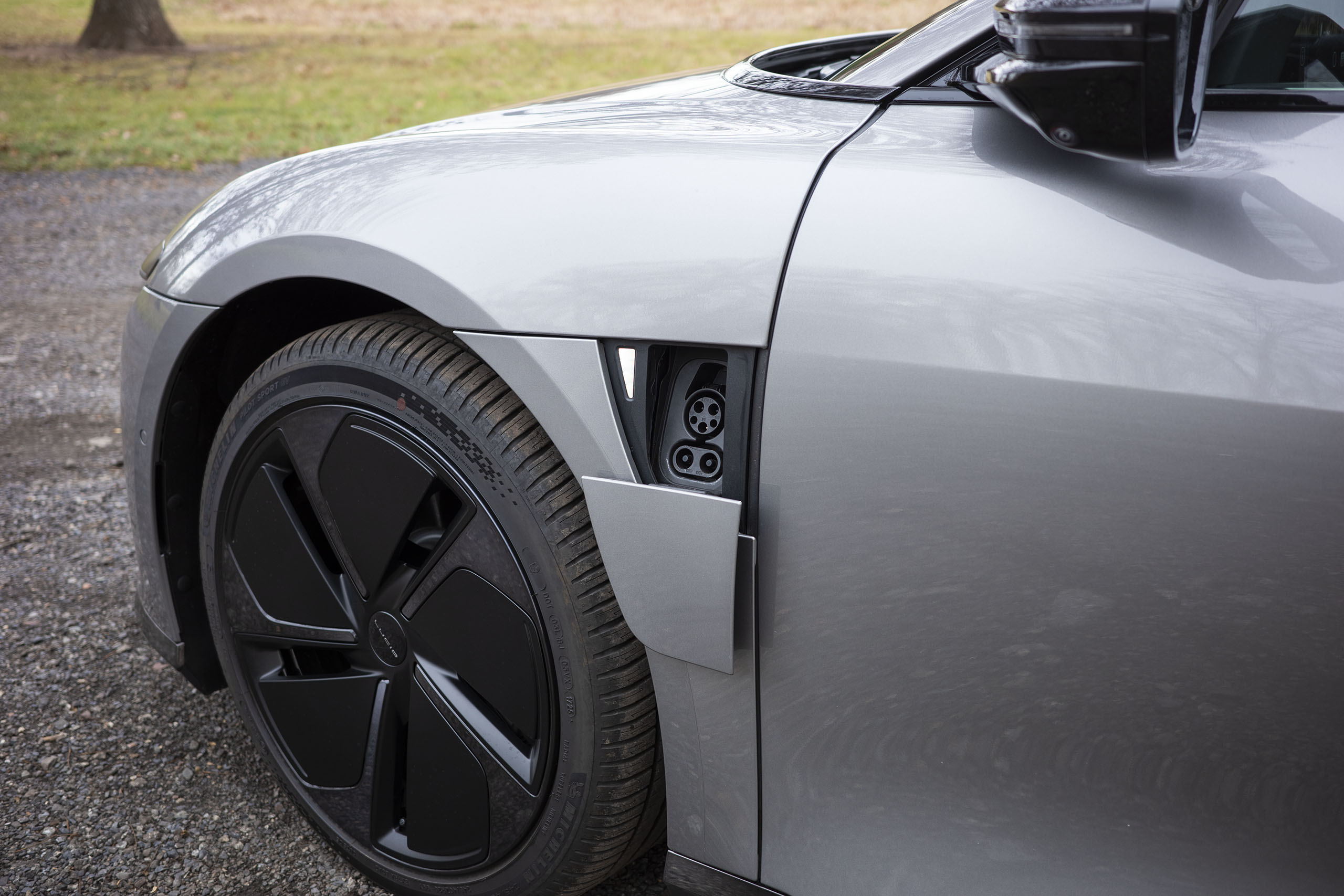
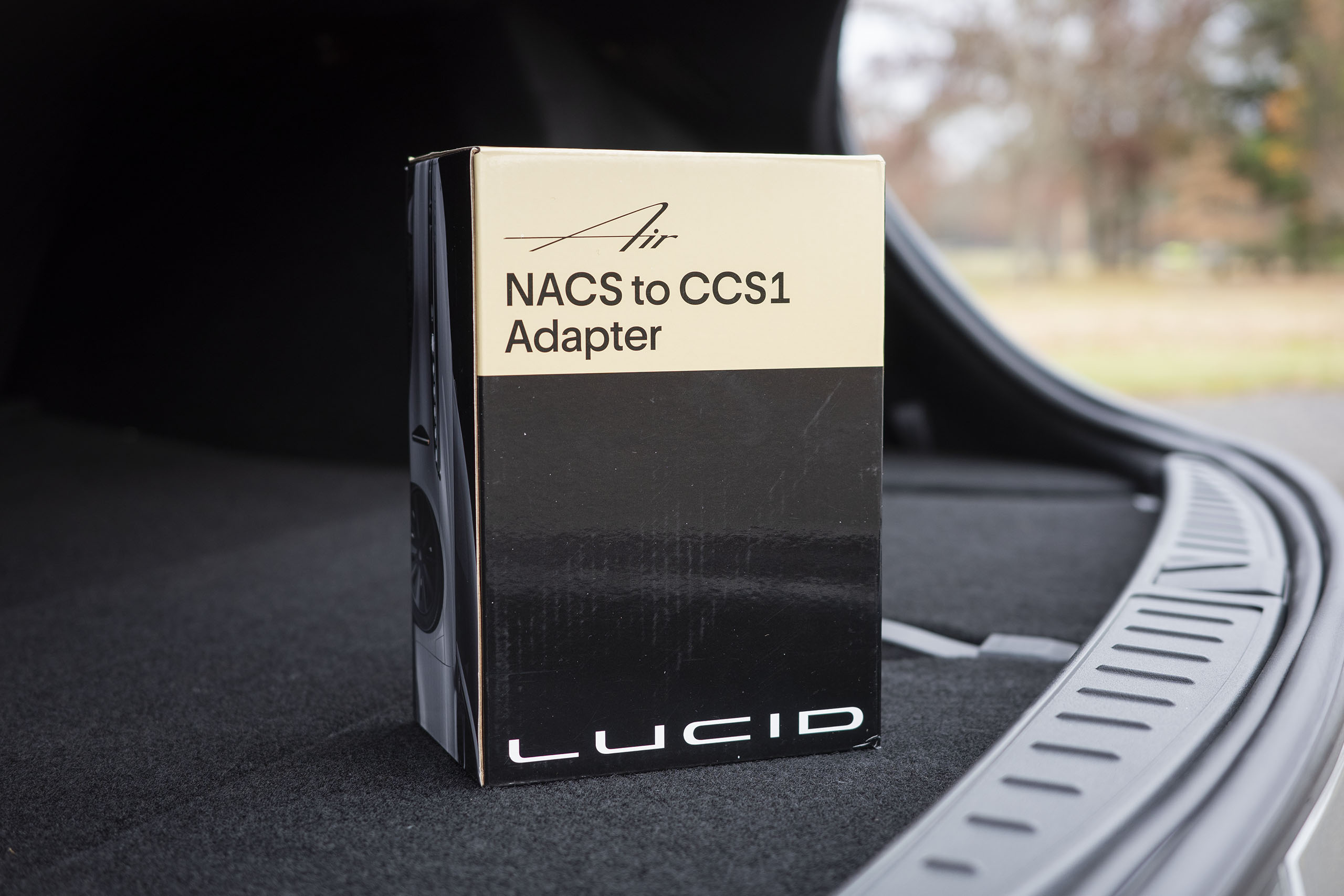
The Touring is EPA-rated to travel up to 431 miles on its 92-kWh battery pack, with 19-inch wheels, as my loaner had here. That’s an improvement of 25 miles over the 2025 model. It can also charge at speeds up to 250 kW, though I couldn’t test that thoroughly; the charger I used was theoretically capable of 240 kW peak throughput, but the best it managed was around half that, allowing me to replenish roughly 80 percent of the charge in an hour. Lucid also thoughtfully supplied me with a CCS-to-NACS adapter, but I didn’t use it for reasons I’ll get into later. While the Gravity SUV has gone on sale with NACS, the 2026 Air still has a CCS port.
The Highs and Lows
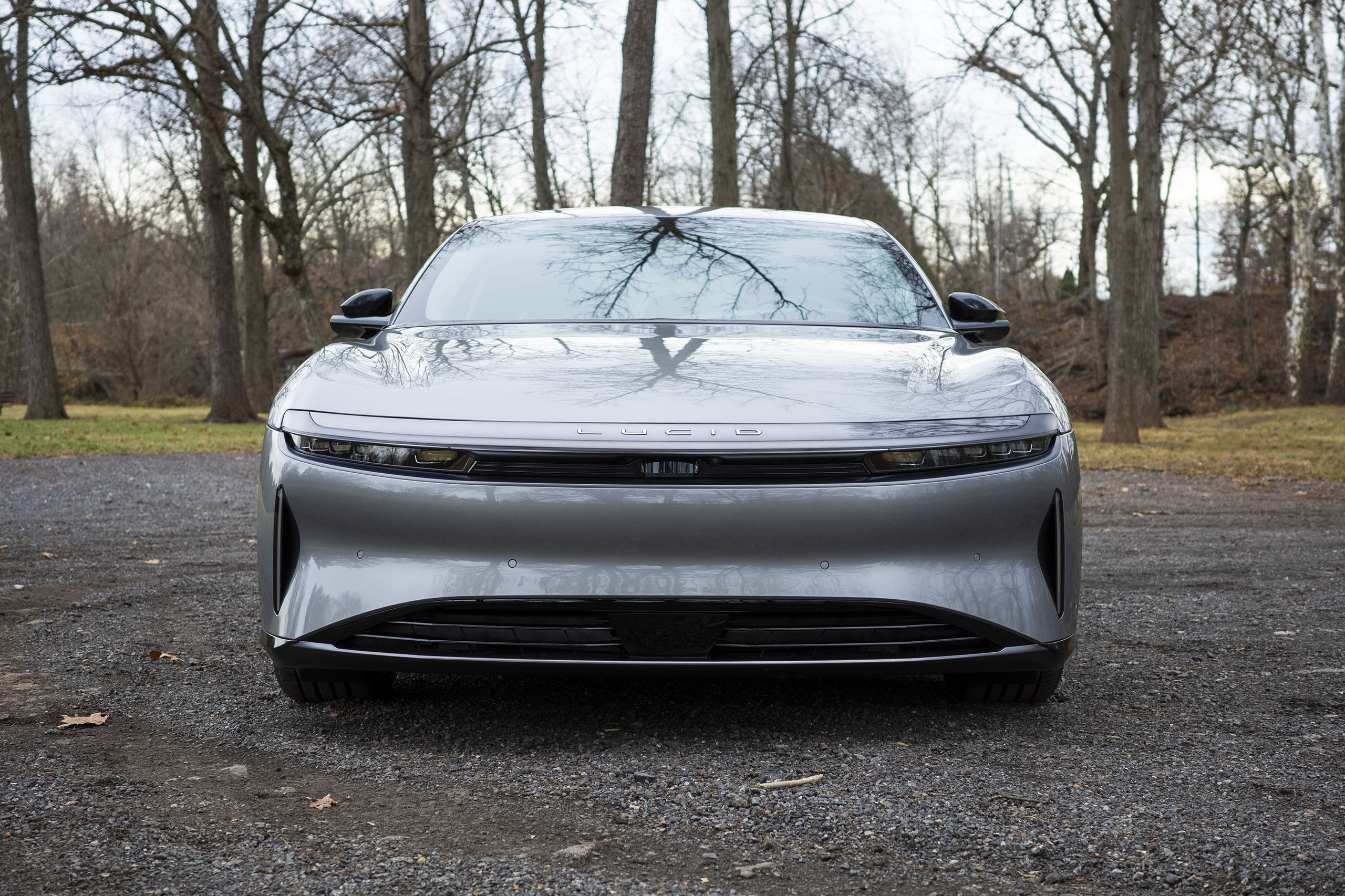
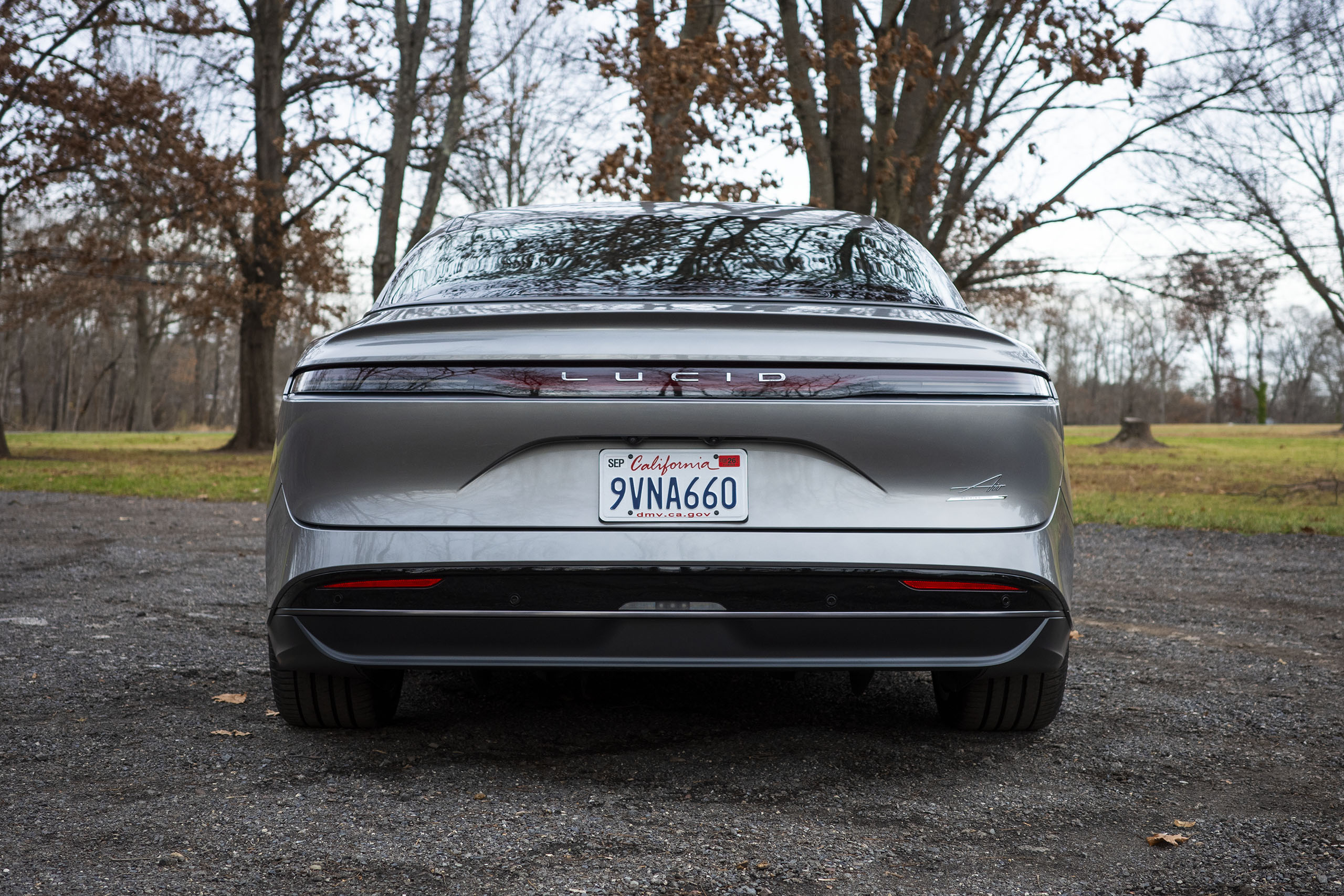
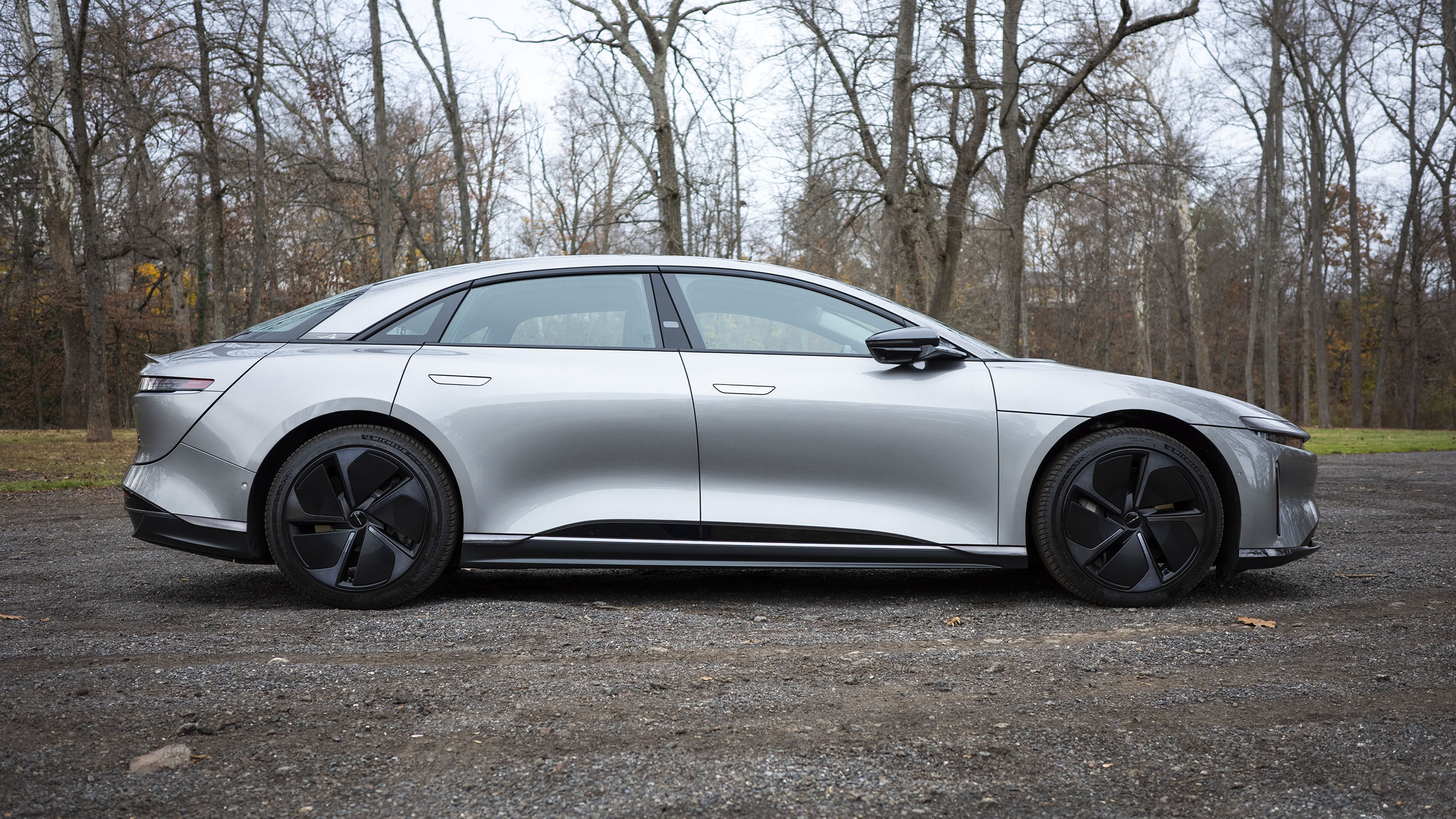
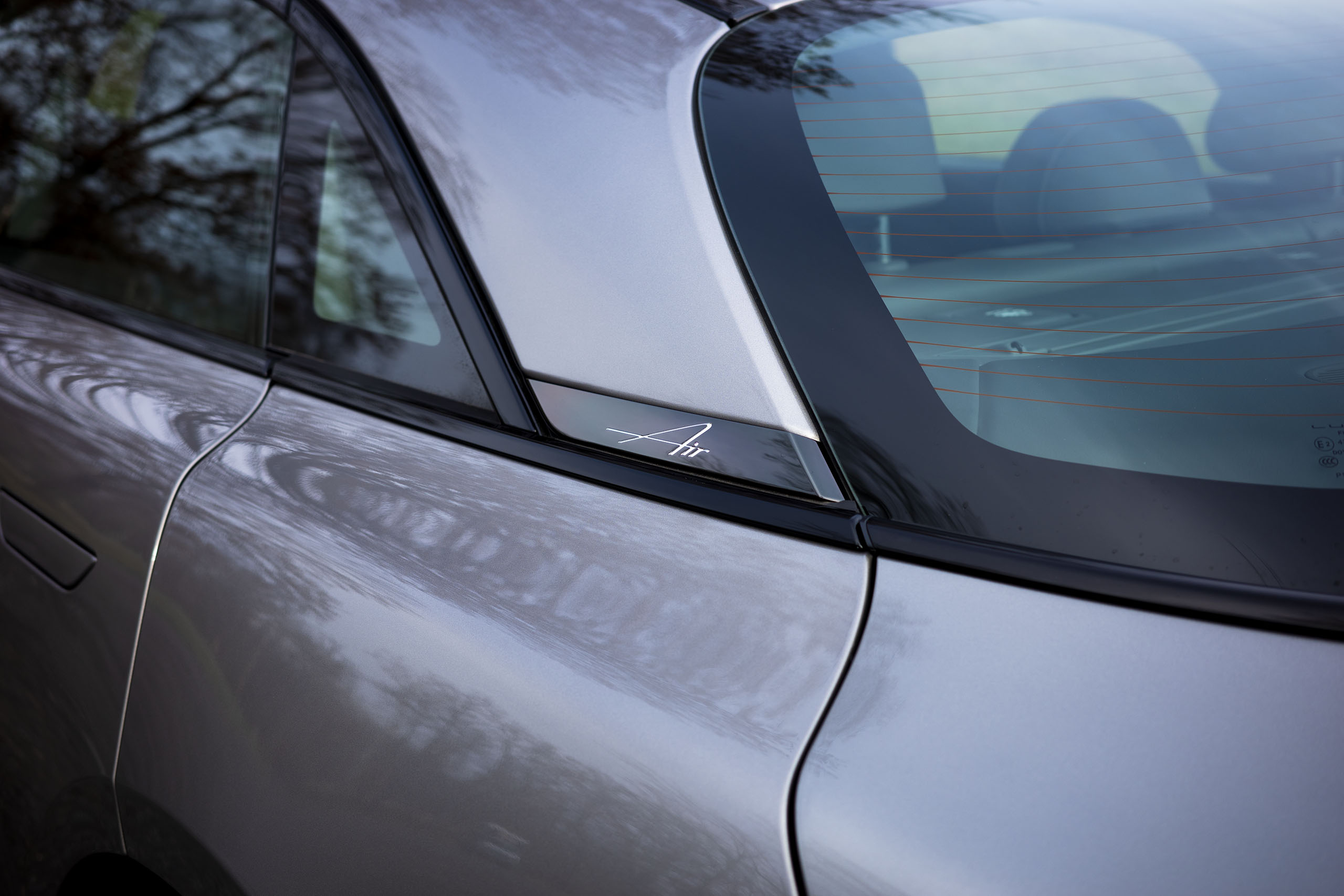
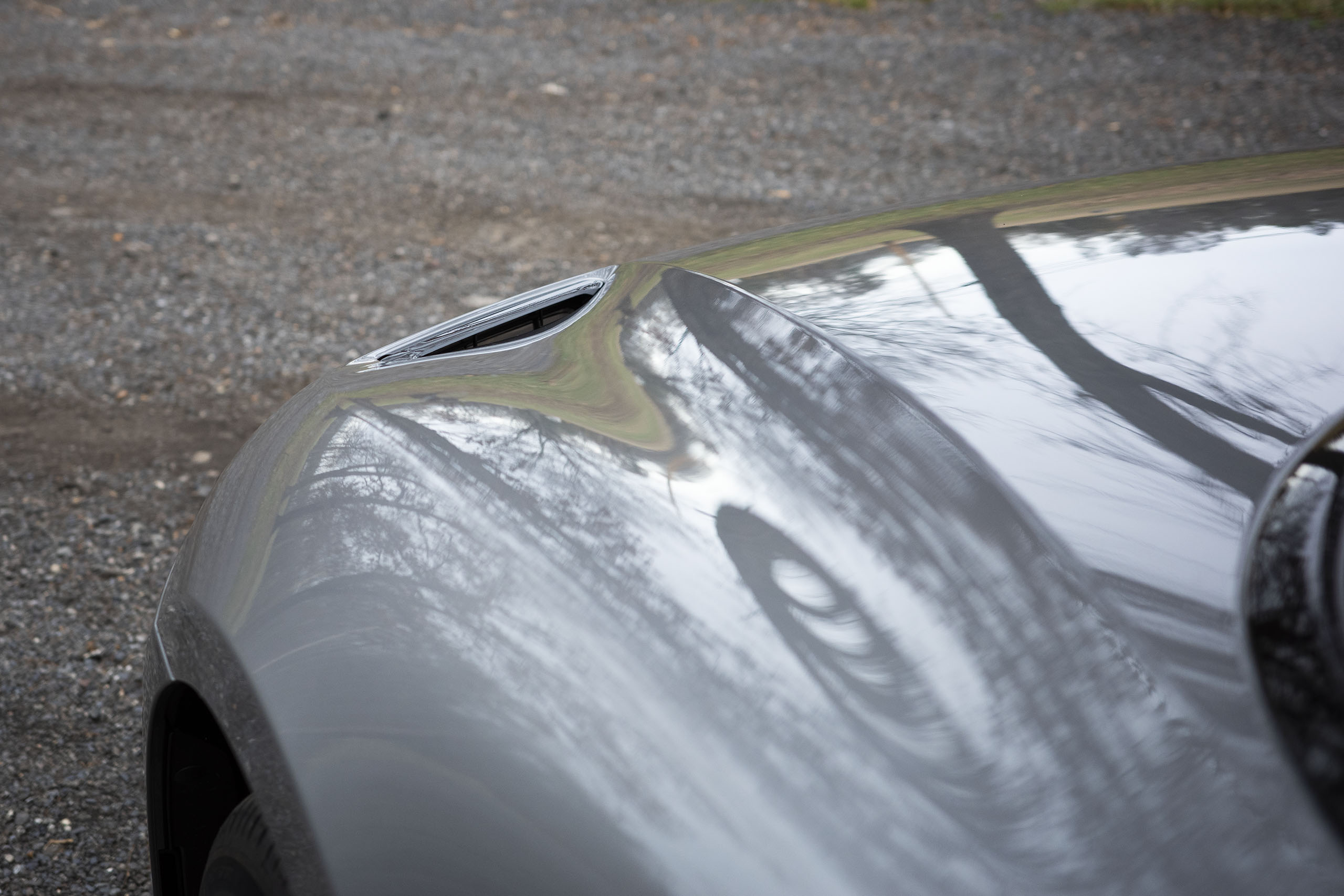
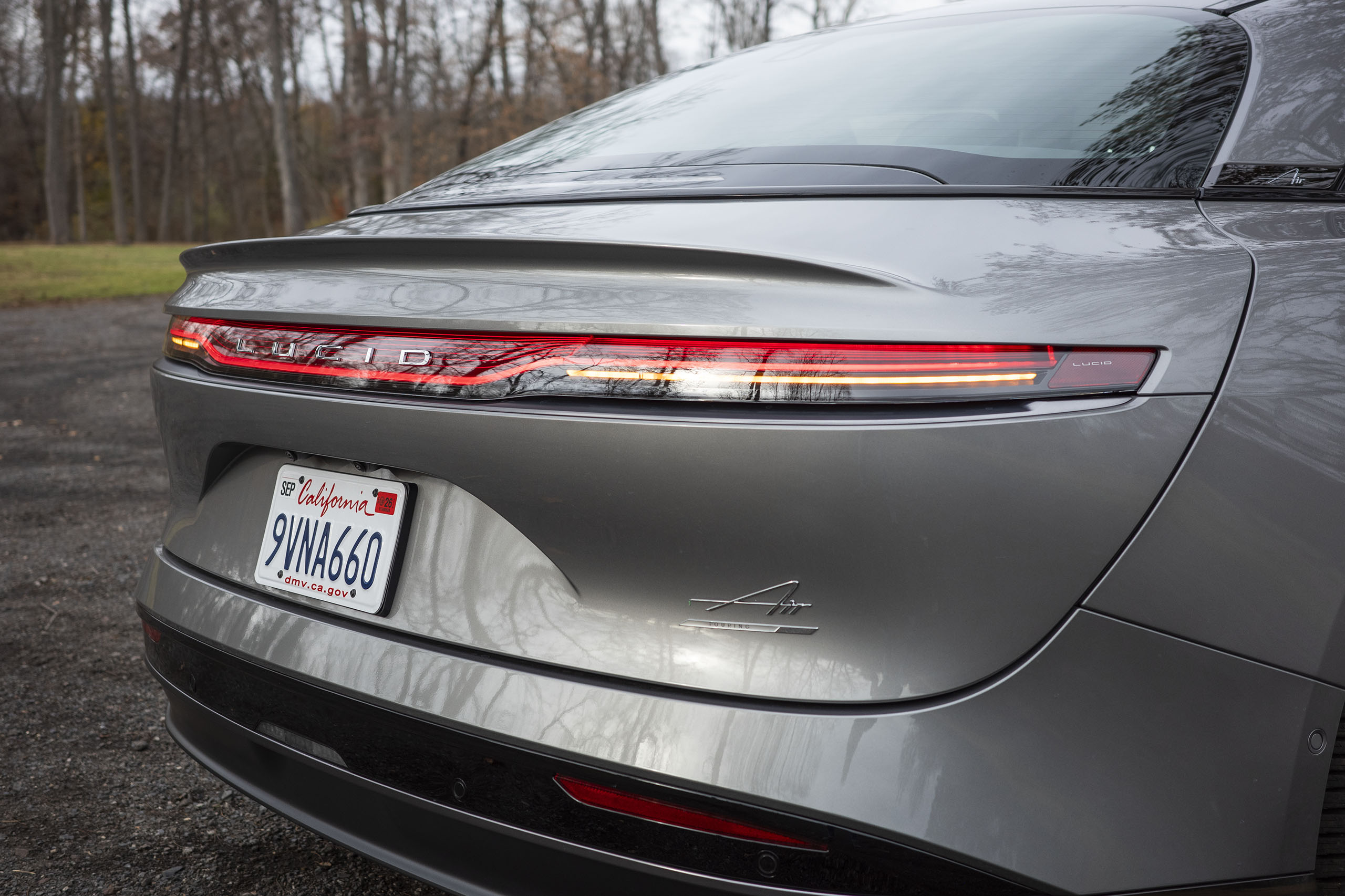
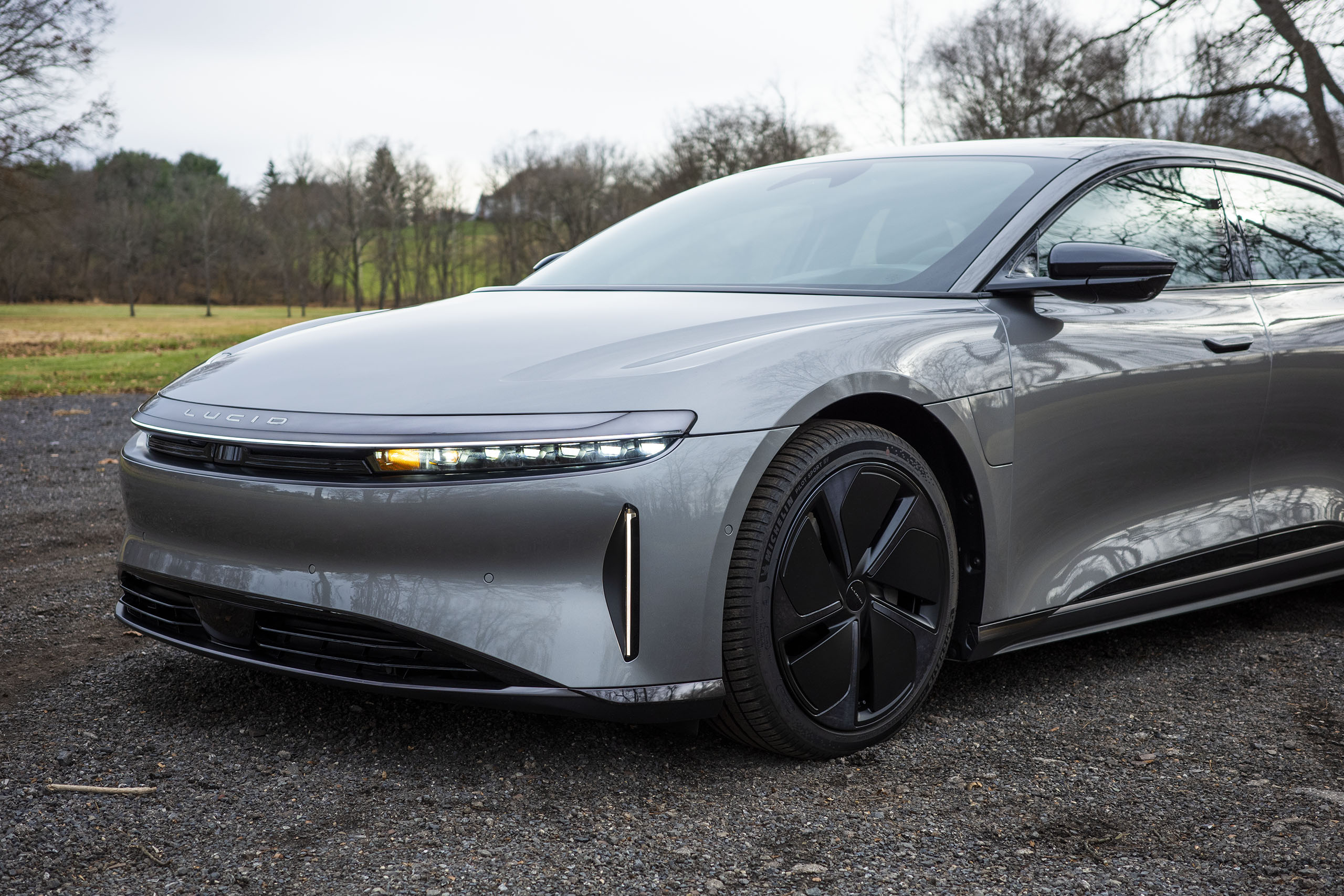
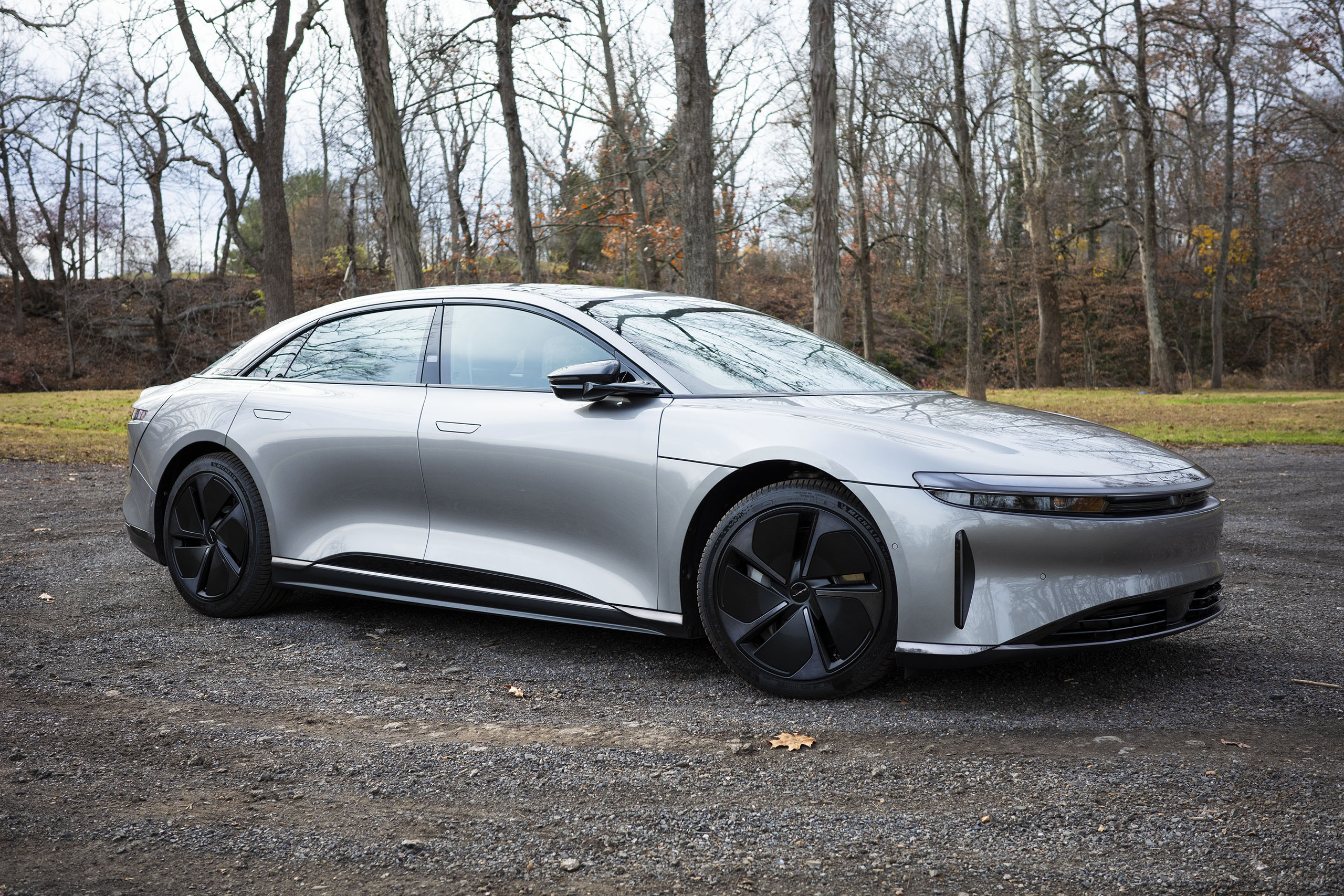
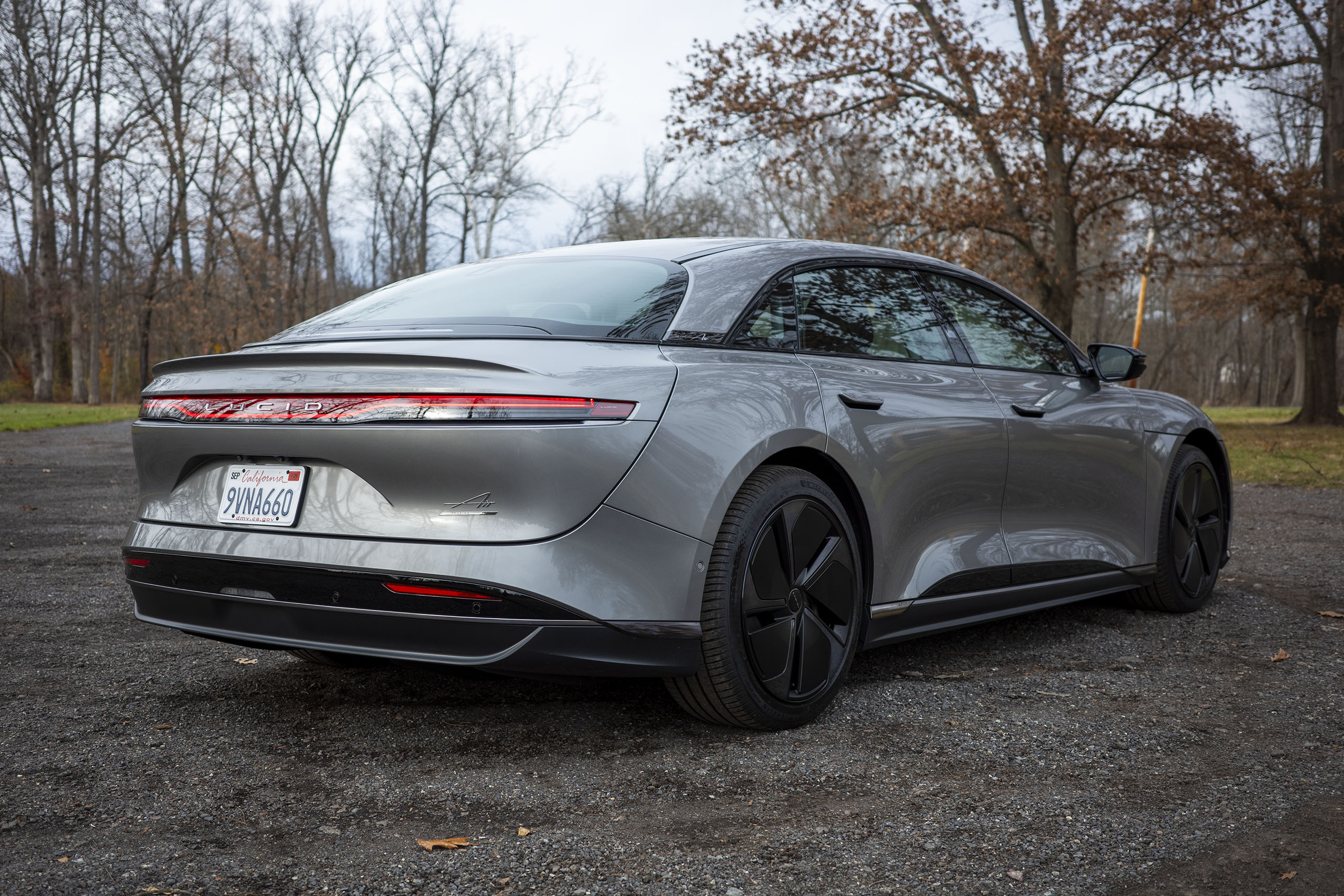
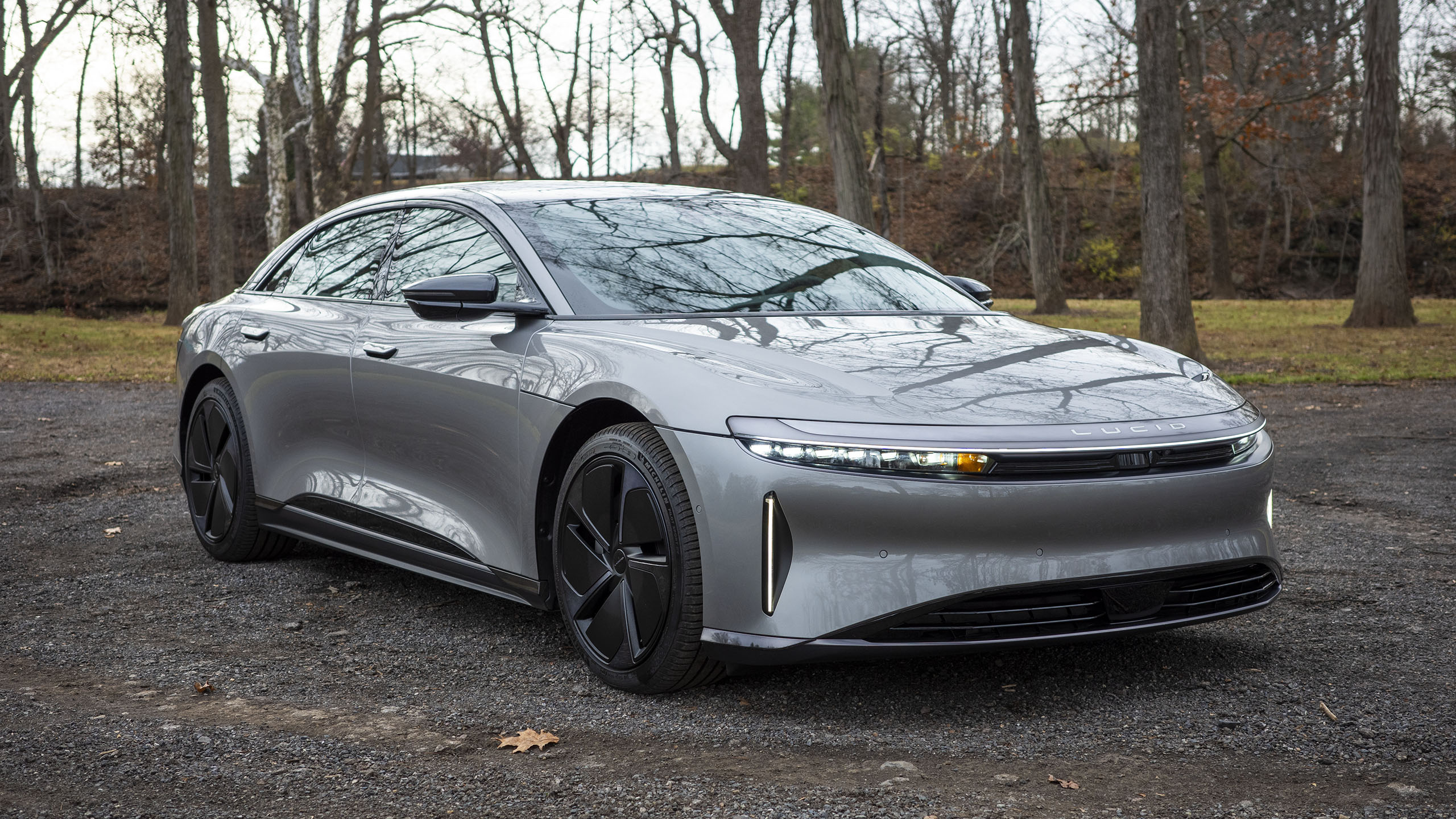
Nothing I’m about to say about the Lucid Air’s design is new, but I’ll say it all the same: This might be the best-looking car on the road. The sedan’s exterior hasn’t changed in any way for 2026, and I’m absolutely fine with that; it’s tough to improve on perfection.
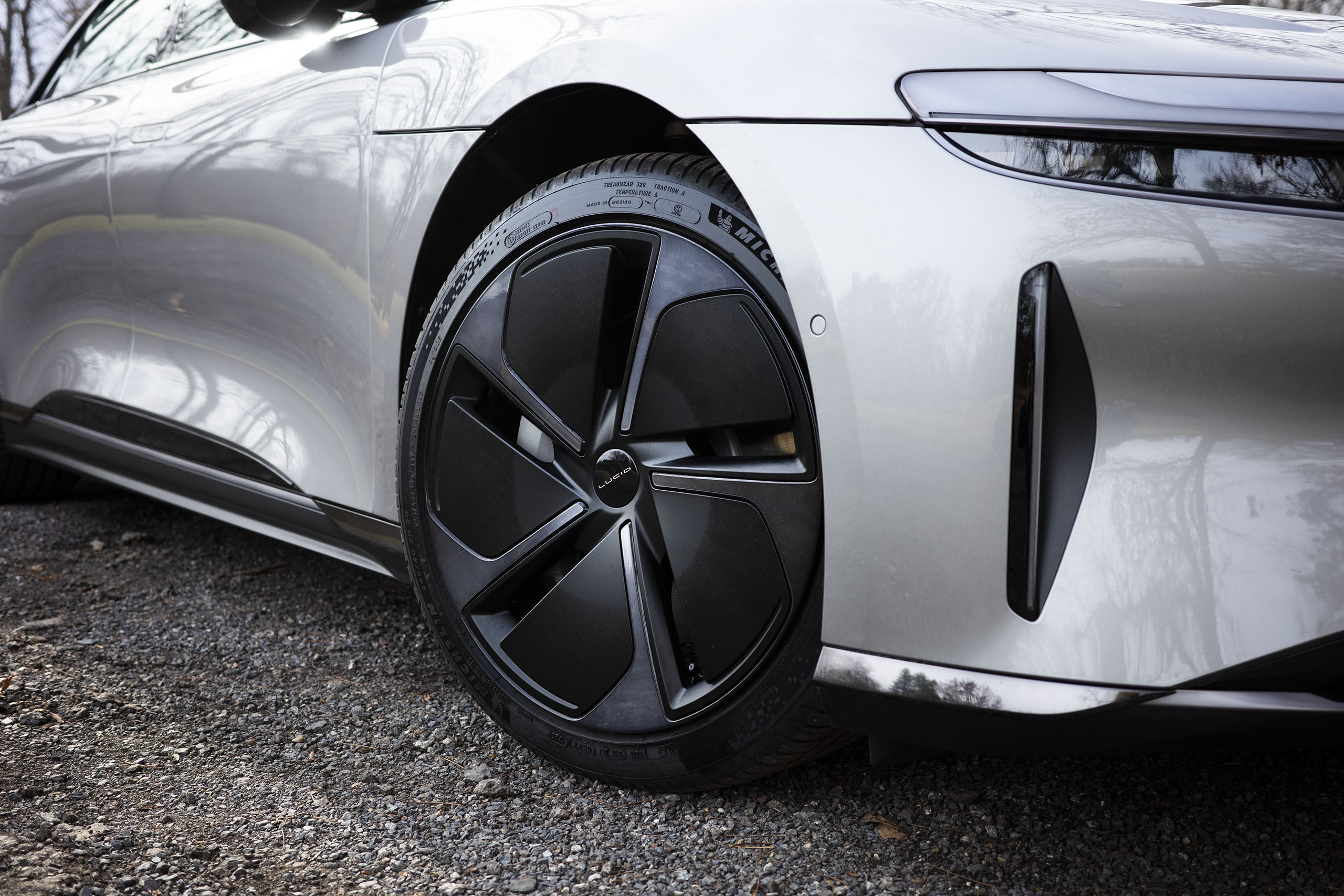
I always admire how the rear window cuts against the C pillar and connects with the trunk shut line. And I love how the sedan’s side and the front bumper softly bow inward, without any extraneous creases or vents. Everything about the Air’s design strikes as exquisite and measured. My only minor complaint about my particular tester was that it had the Stealth package, which replaces the Air’s usual tasteful bits of chrome and aluminum with boring black.
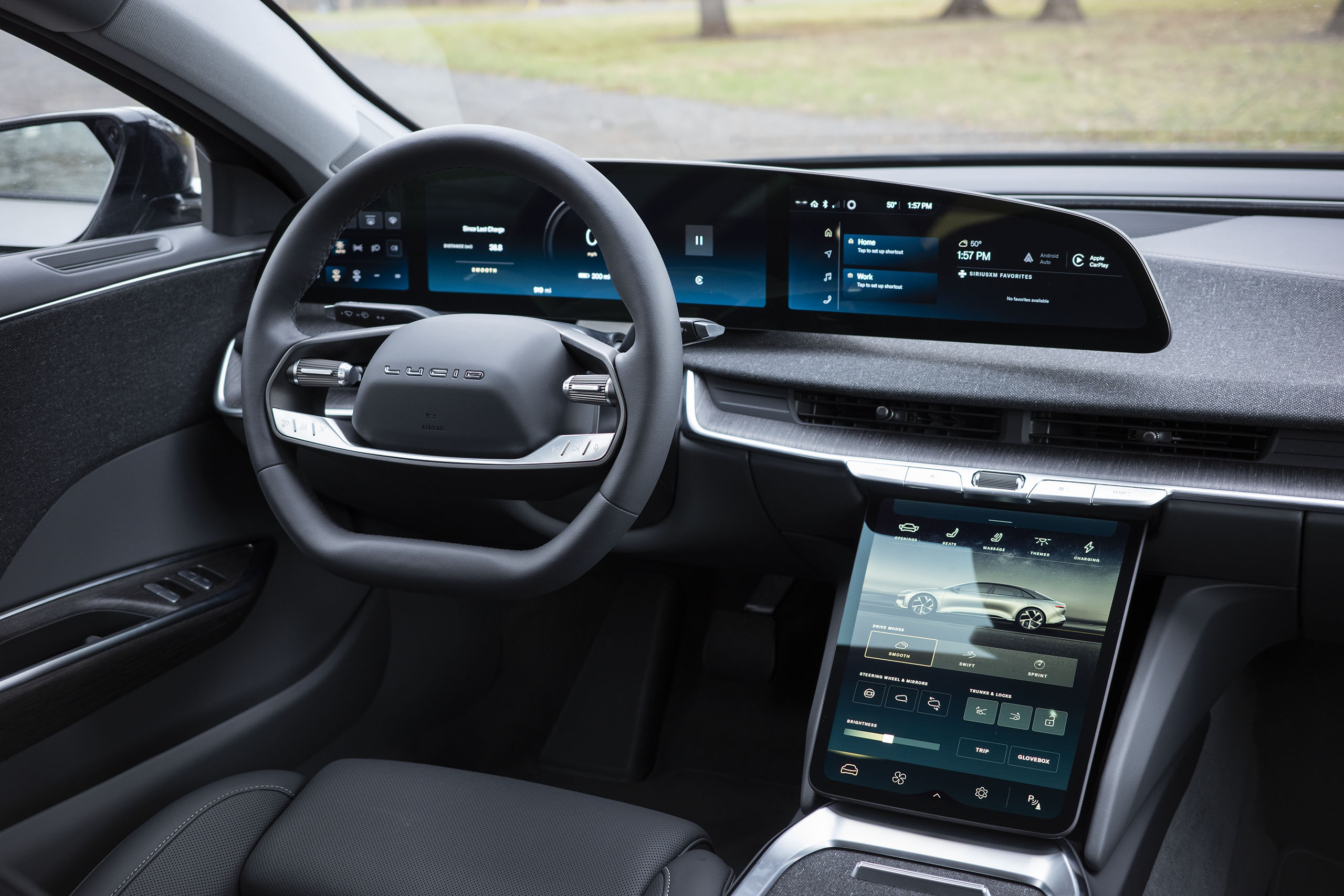
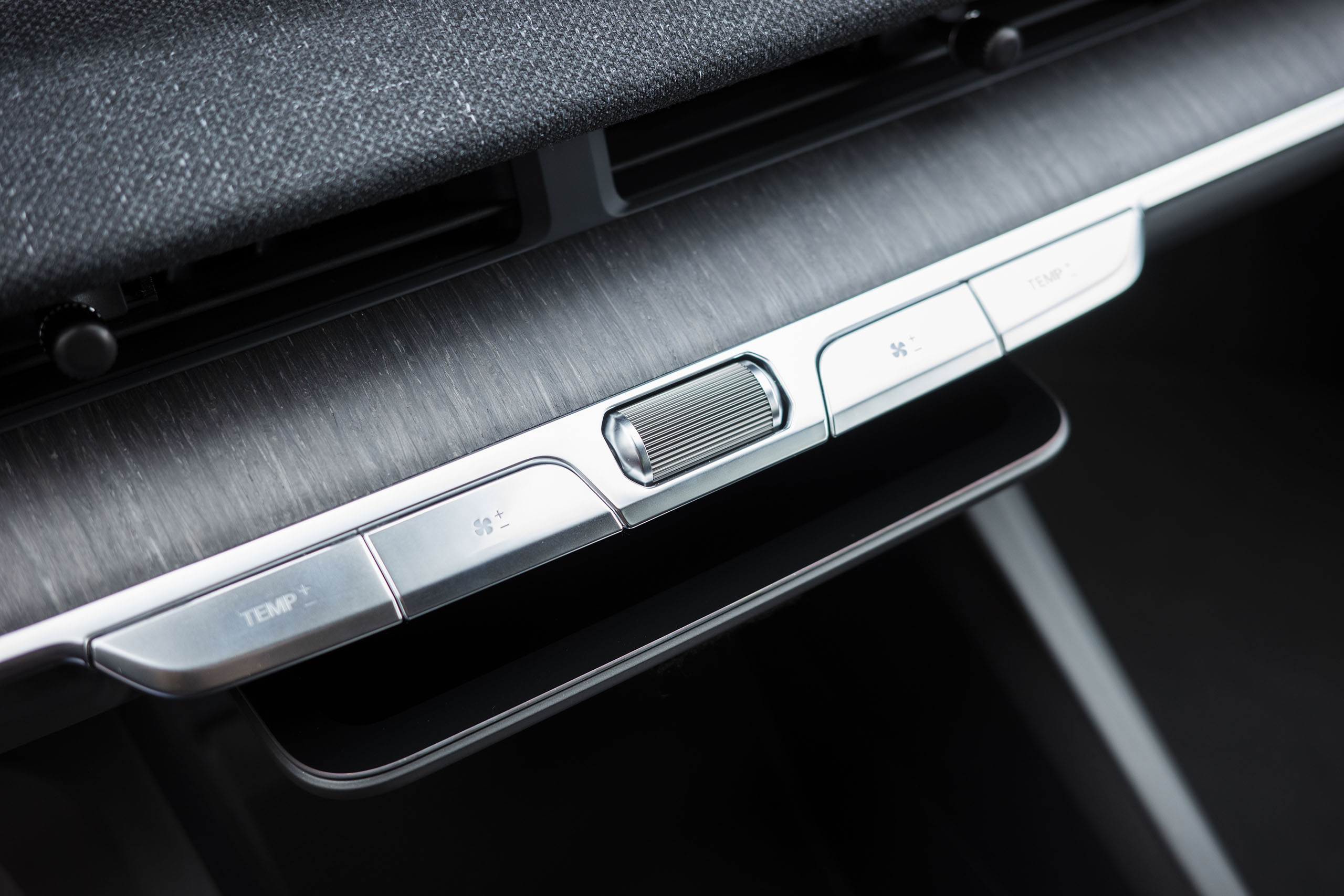
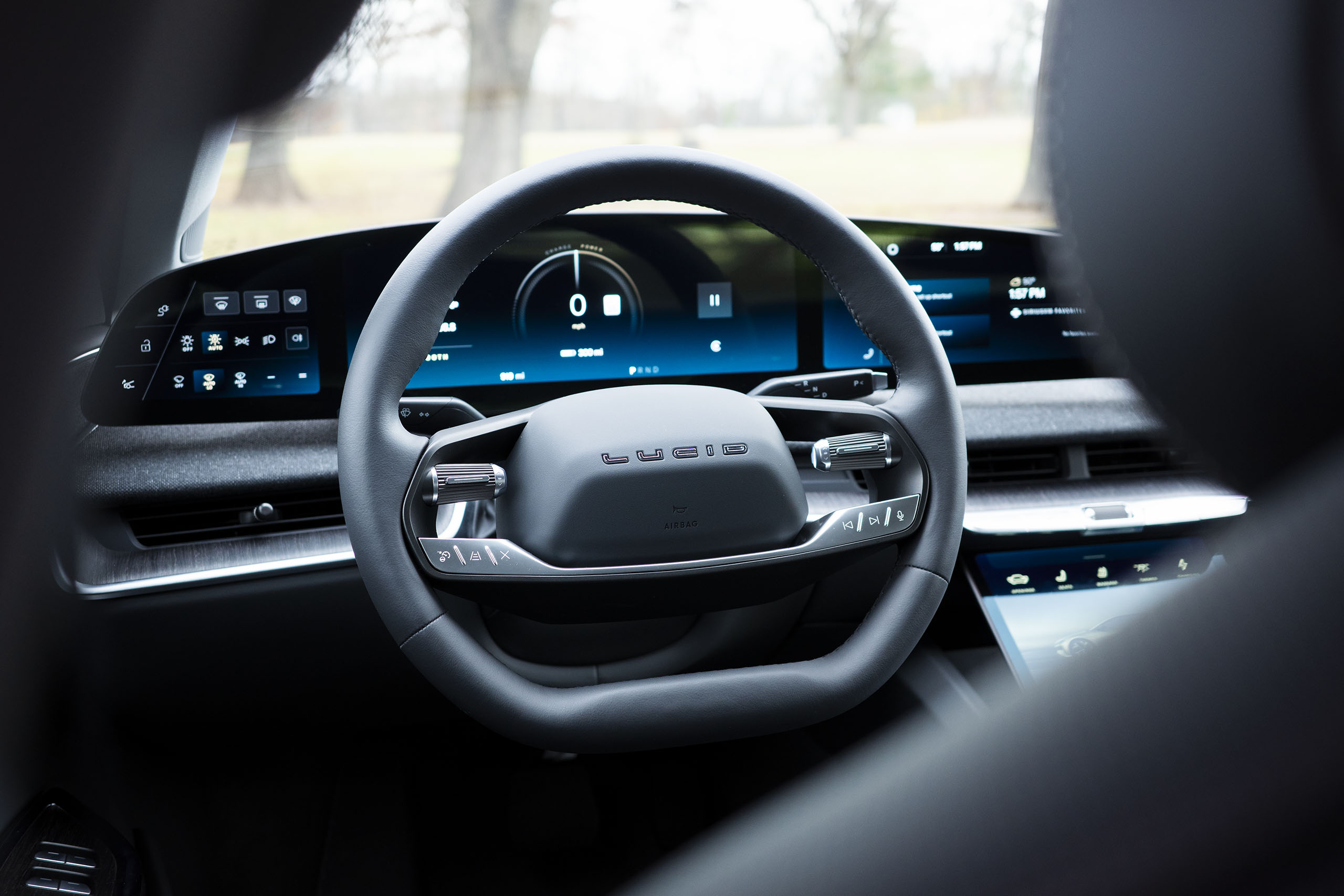
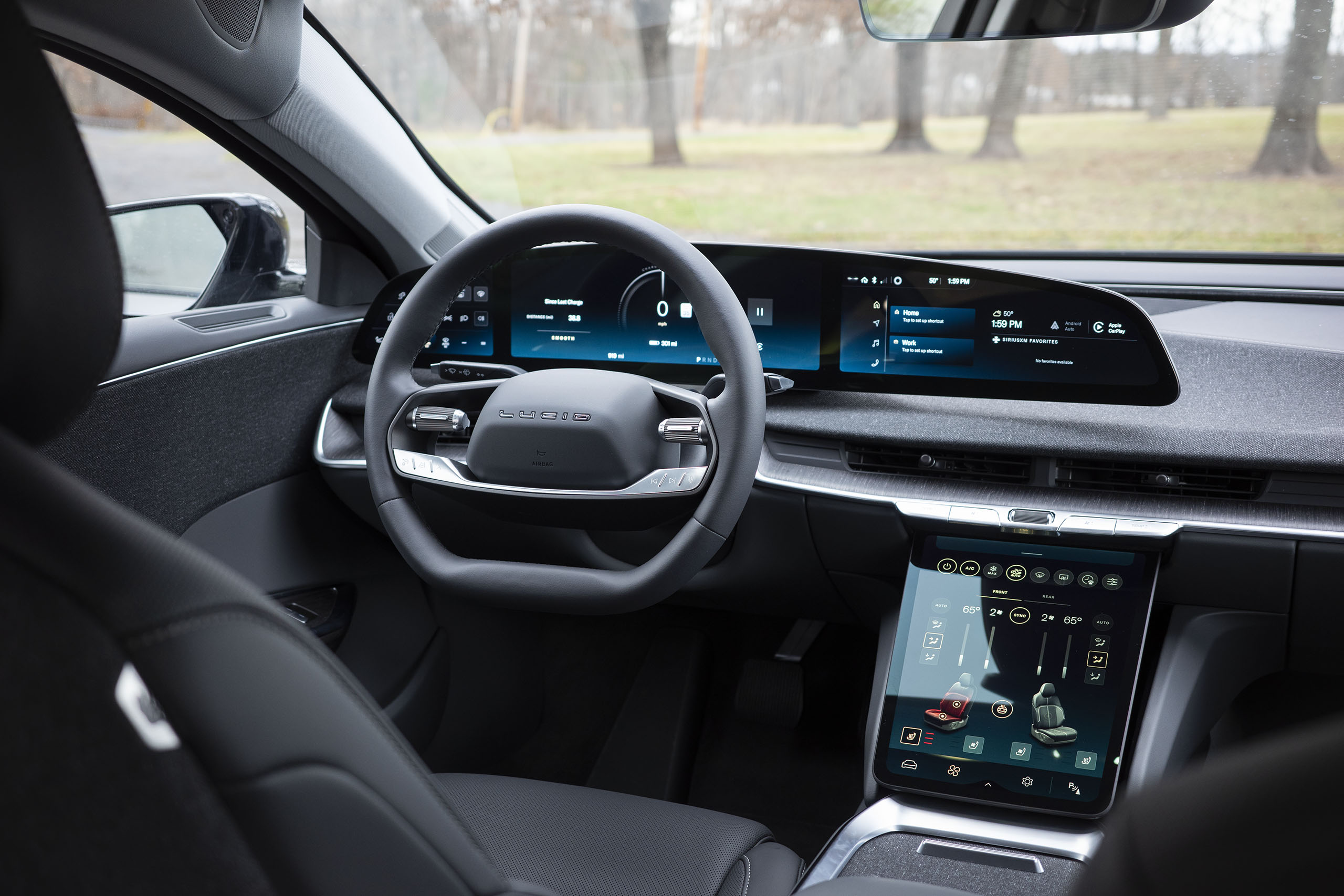
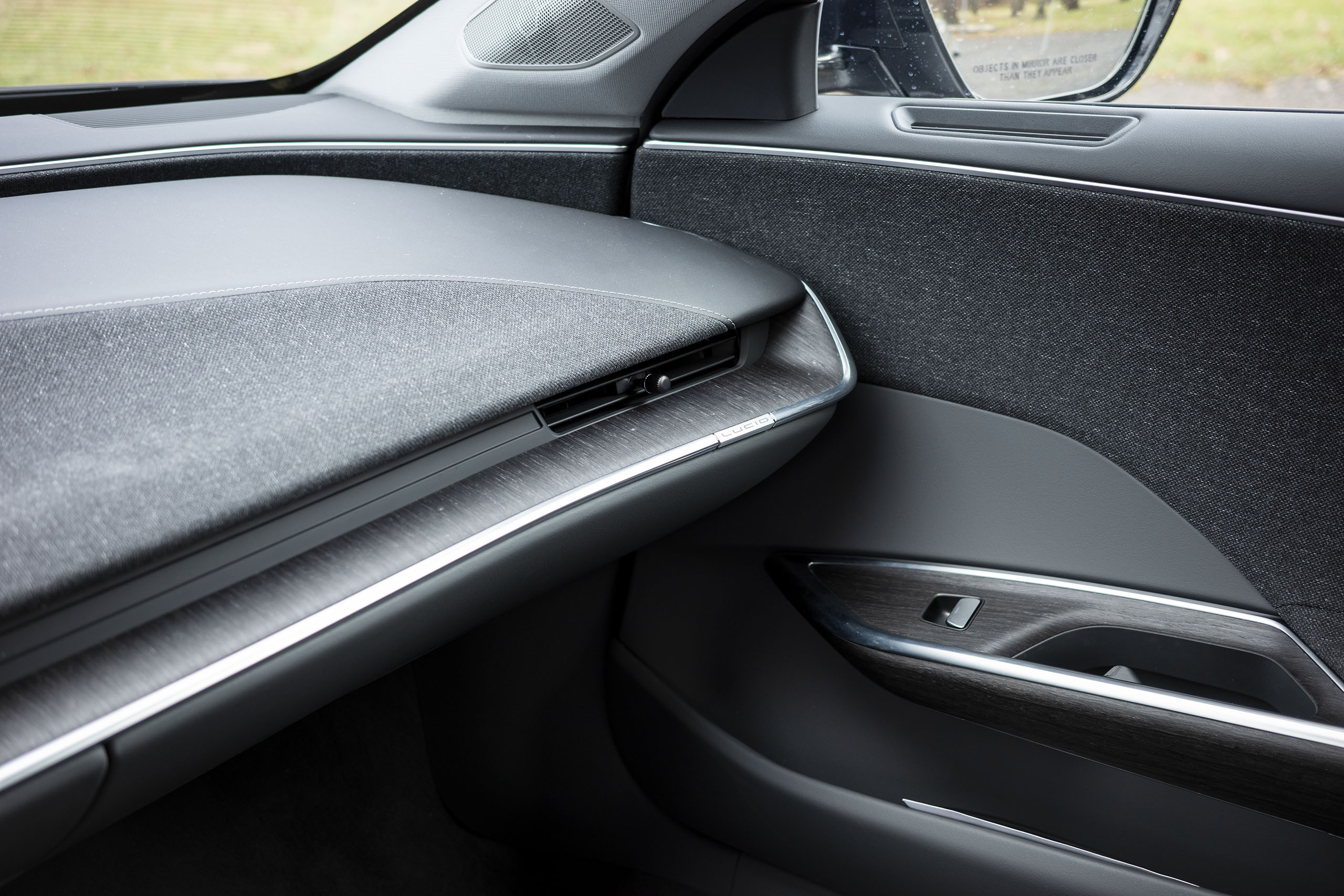
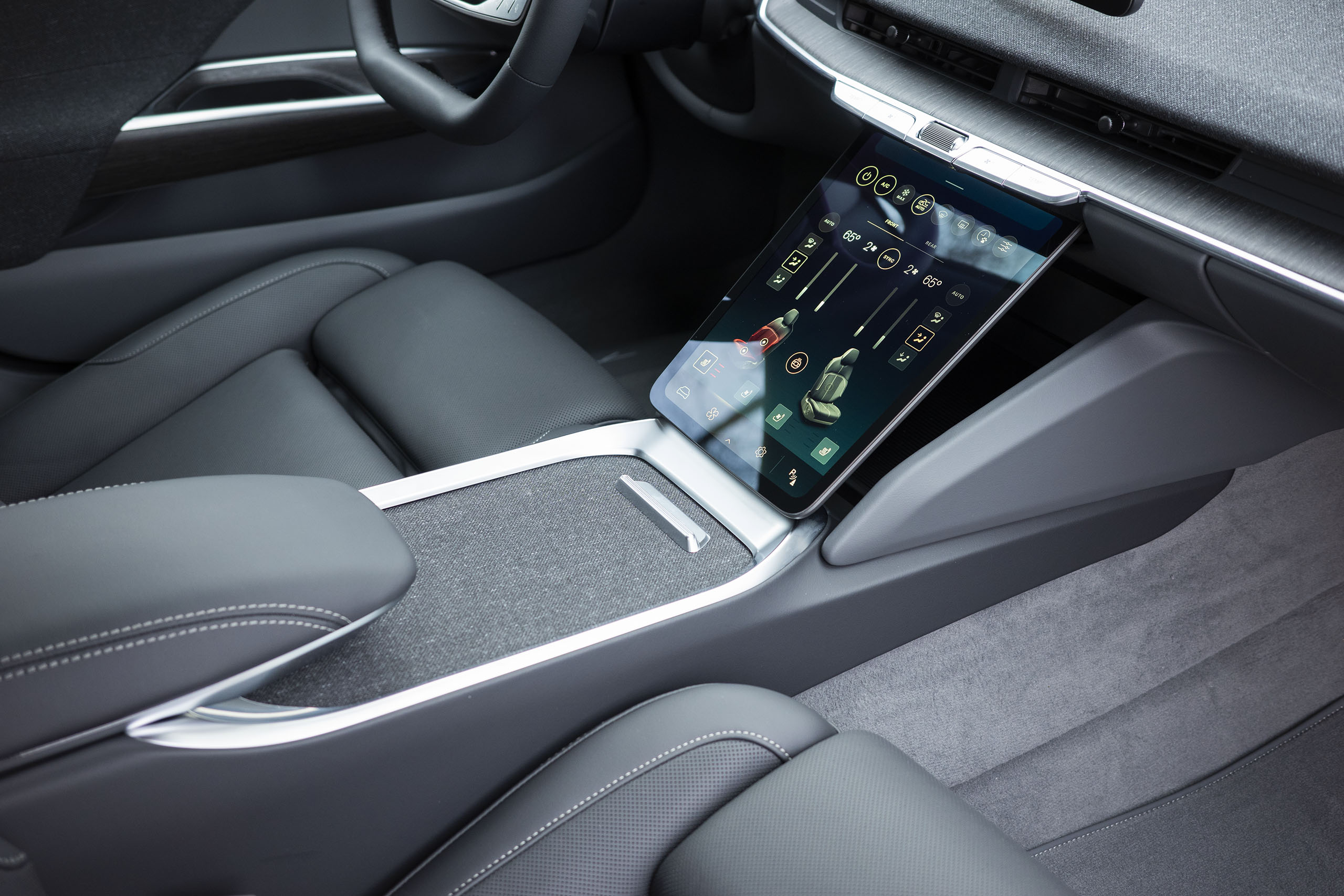
This feeling carried into the interior, which, again, despite its somewhat underwhelming tones, was a lovely place to be. I’m a massive fan of the fabric on the dash’s leading edge and how the heather gray plays against the wood grain of the lower shelf. You obviously don’t get a lot of physical controls in here. Still, Lucid appreciates the value of a chunky knurled scroll wheel, considering the Air has two on its steering wheel and one below the upper infotainment screen, for volume. Temperature and fan-speed controls also remain toggles, so neither you nor your passenger has to fiddle with the lower tablet if you don’t want to.
About that lower tablet: I don’t love it, but it could be much worse. I do find it a little annoying how rather essential functions, like the drive mode selector, are accessible only through that screen. If I have to look at a display for extended periods, I’d rather it be higher up and closer to my view of the road. But Lucid’s UI is at least reasonably laid out, so once you start to memorize where things are, the friction begins to dissipate. When you’d rather not have a tablet shining in your face from below, you can simply swipe up to retract it into the dash, which is always a neat party trick.
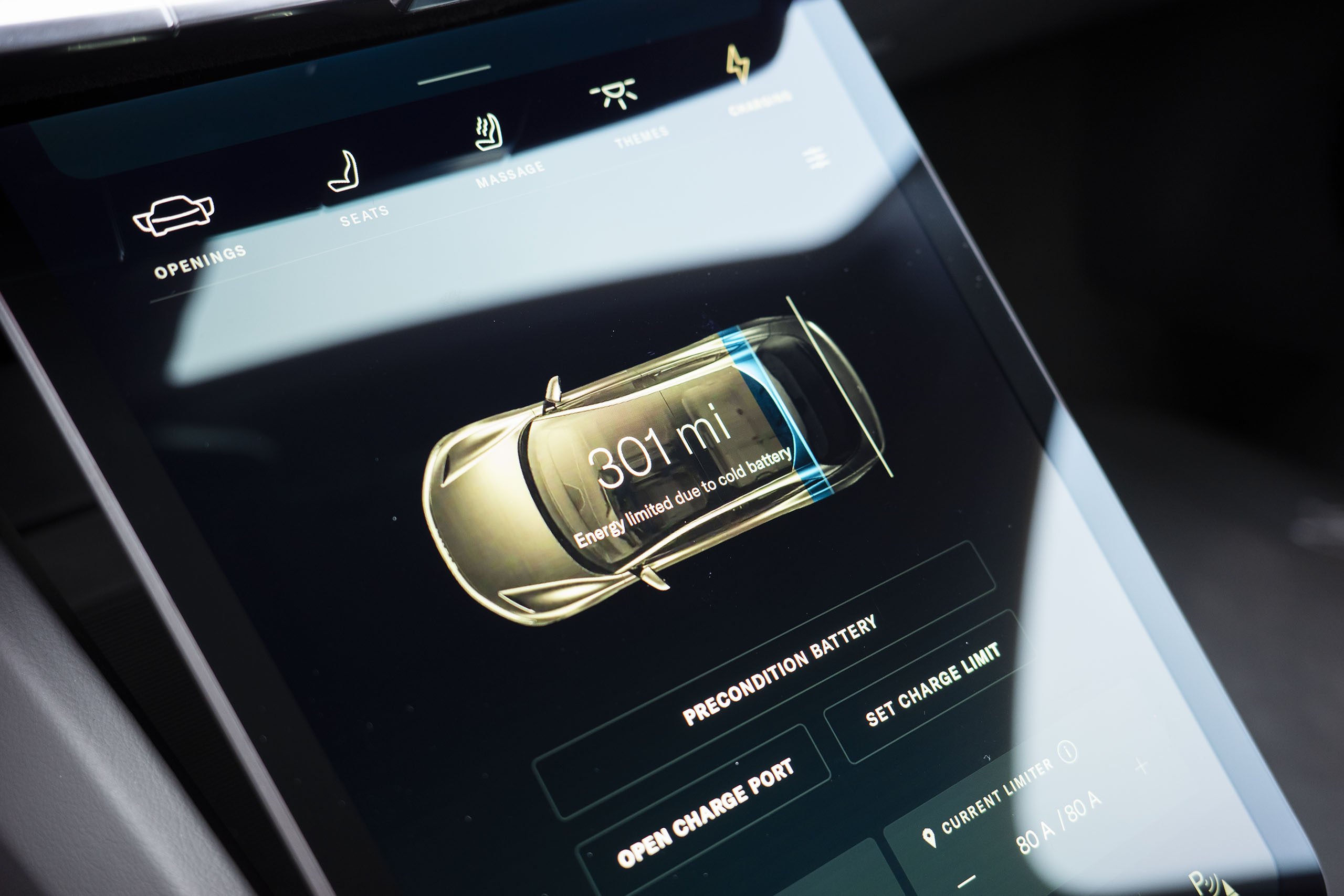
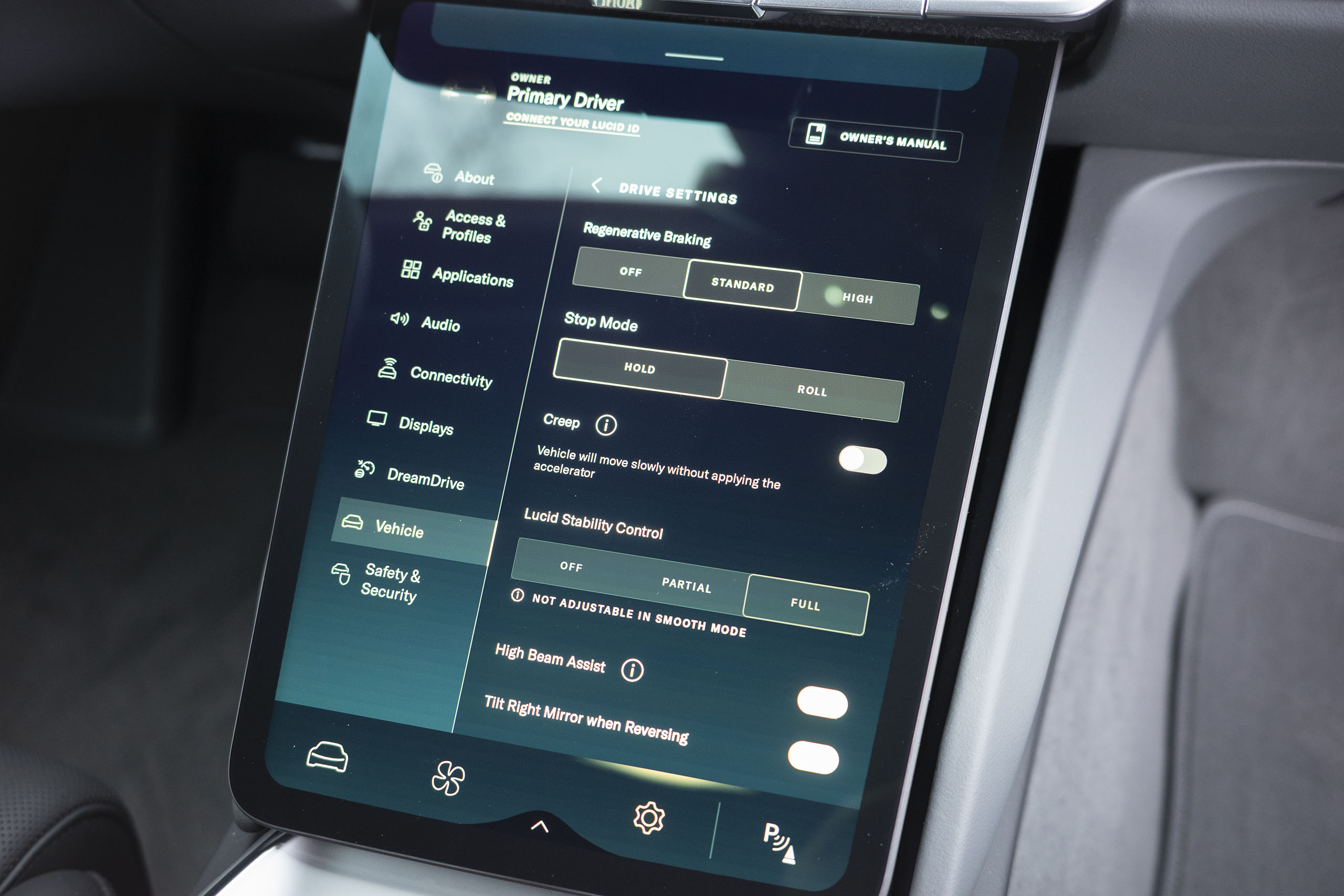
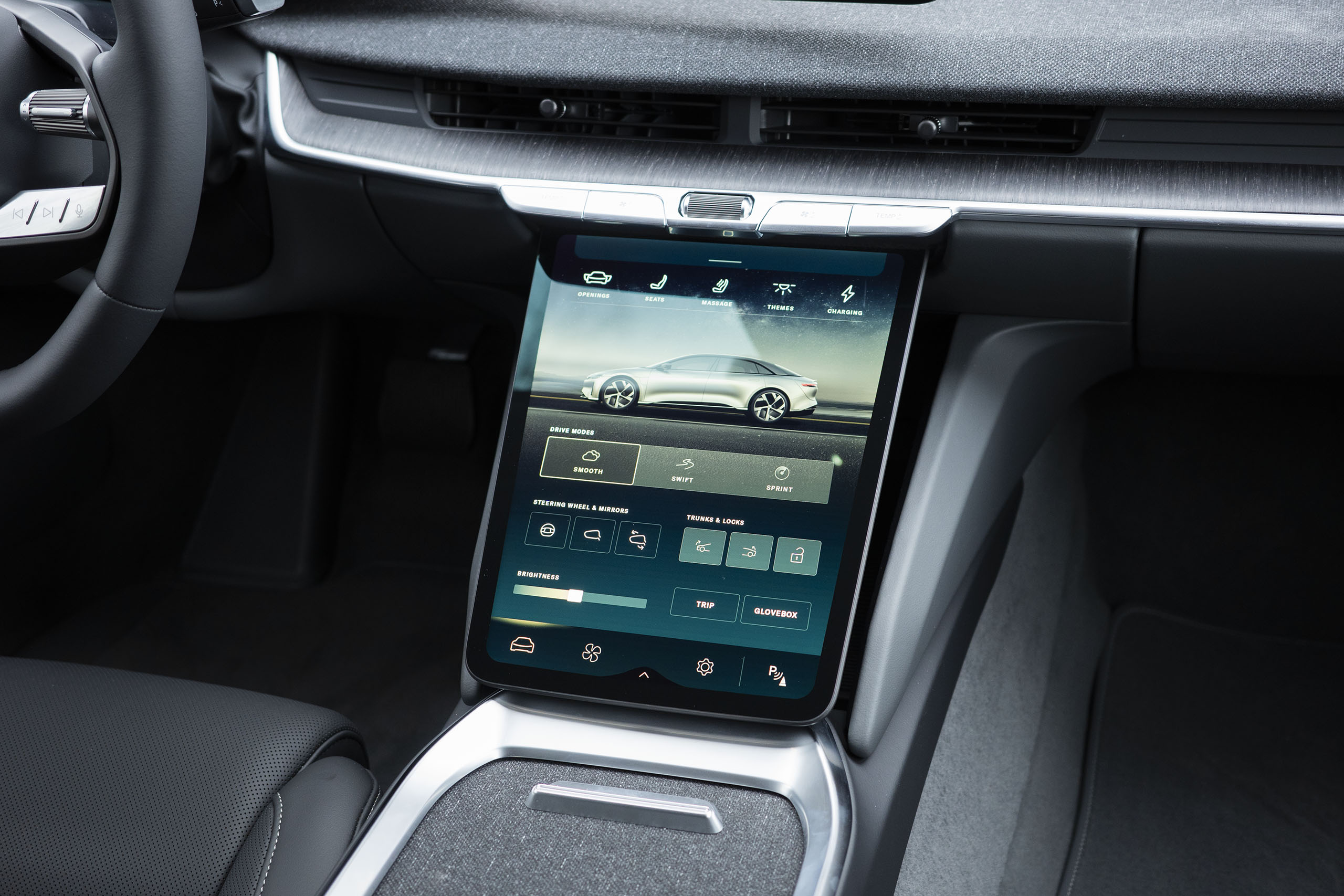
The airy interior makes it easy to focus on driving, which I’m happy to say I enjoyed quite a bit. Per Lucid, this is a 5,000-pound vehicle, but it doesn’t feel as hefty as it sounds. The tight, precise steering and the expansive greenhouse, combined with the short nose, probably are to thank for that—not to mention all that silent torque at your disposal. I’ve had the privilege of riding shotgun during a pull in a Sapphire, and the Touring obviously can’t be on its level with half the power. But it still hits 60 mph in under 3.5 seconds, and once you’re in that territory, the returns start to diminish real quick.
The Air Touring feels planted and confident on a twisty road, striking a solid balance between comfort, on its default Smooth setting, and a flatter, slightly bumpier ride on the Swift mode. The coil suspension doesn’t brush off potholes like Porsche Active Ride can, but it’s sound.
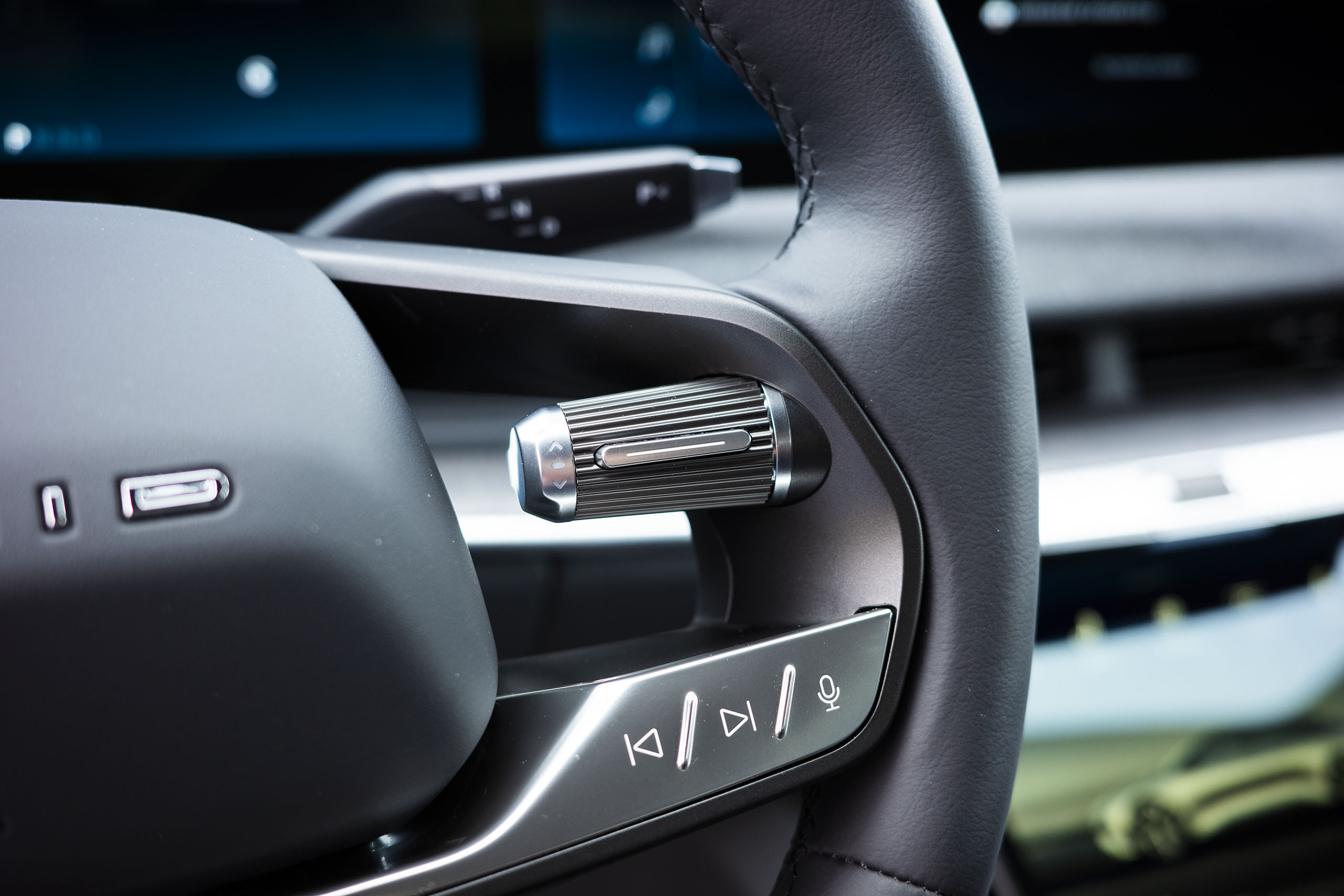
What I especially liked was how the drive modes impact regenerative braking. Even if you leave regen on its normal behavior, as I did most of the time, the effect is automatically reduced off-throttle if you’re driving in Swift versus Smooth, which is ideal if you want to have fun. (Of course, you’re also free to turn it off completely.) That’s common sense.
And it also gets to the heart of this car. Honestly, if it were up to me, I’d give people old-fashioned door mirror controls and a dang handle for the glovebox. It’d be nice to tap something other than glass more often in here. Also, the Lucid Air must have the worst key fob in the entire industry; if the vehicle is off, it pretty much only works when you’re standing next to it, plus it feels cheap to boot. But that’s about all I’d change.
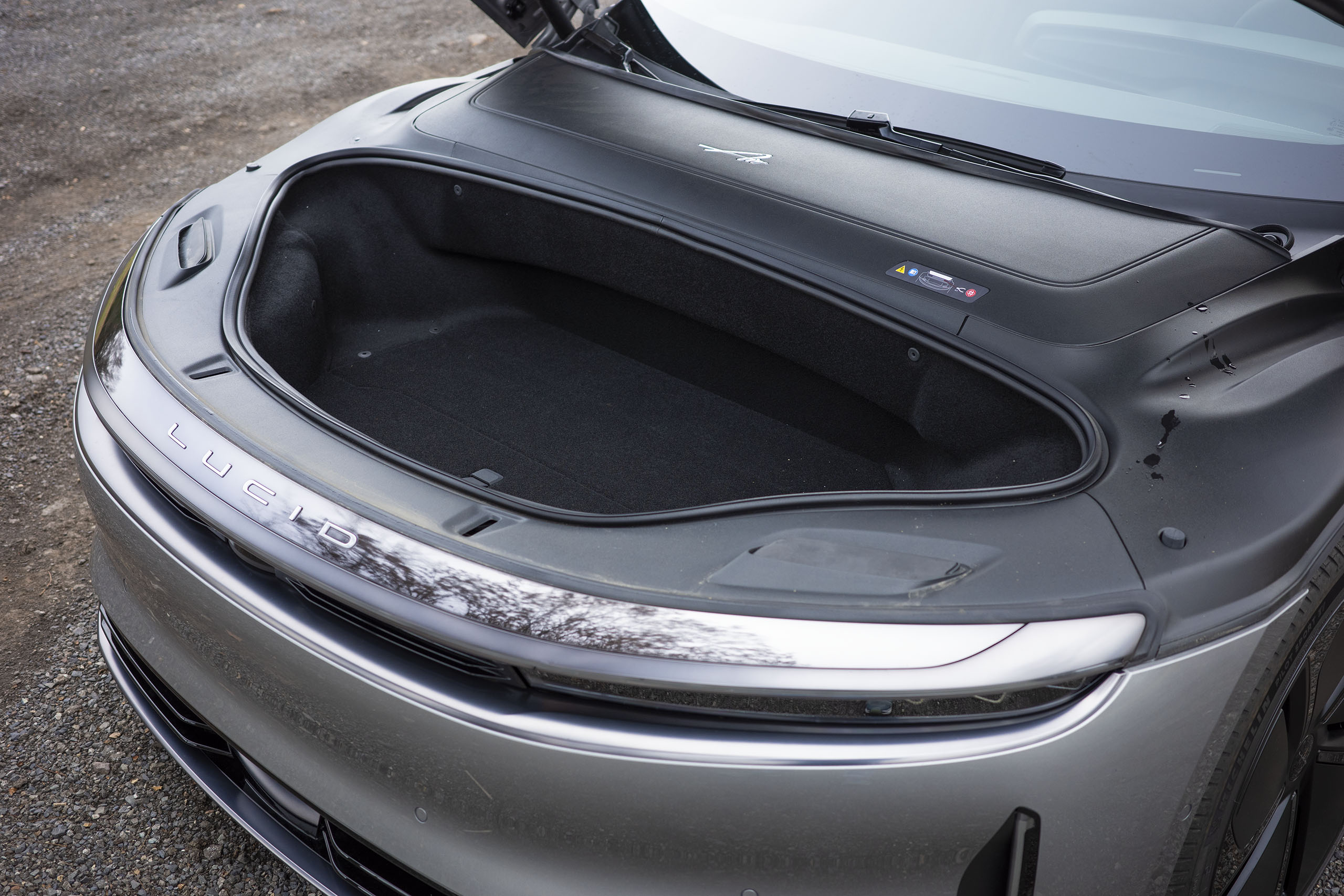
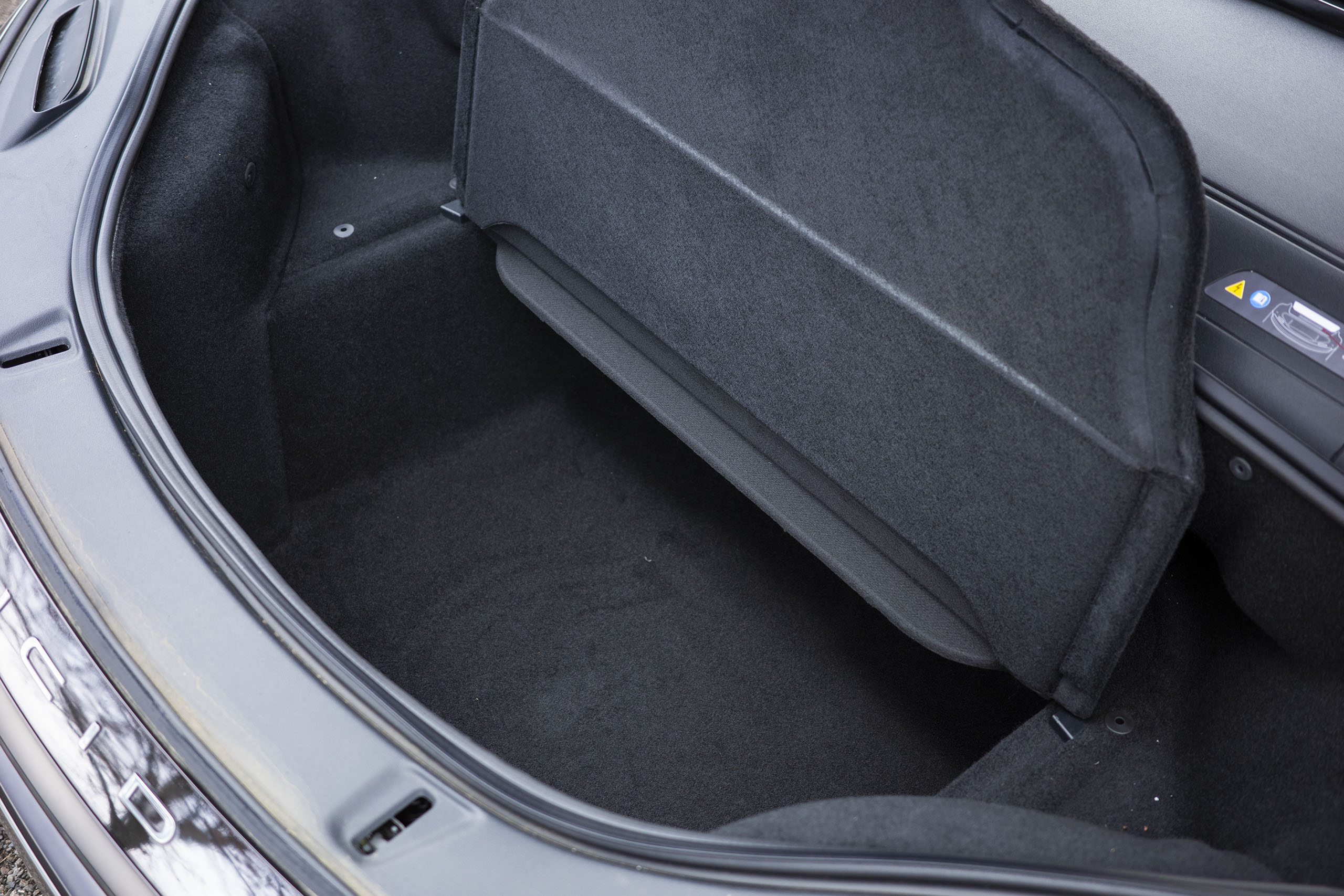
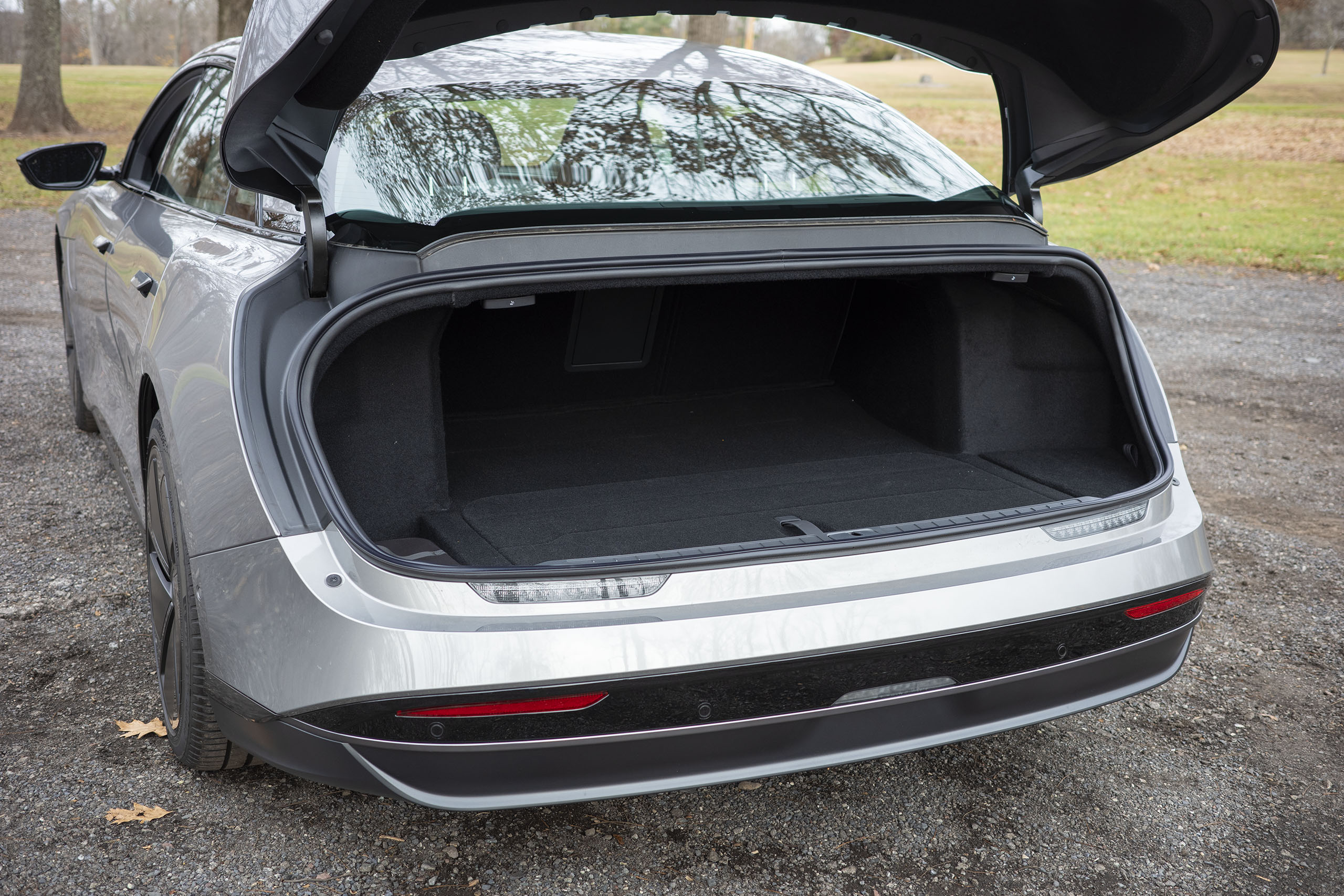
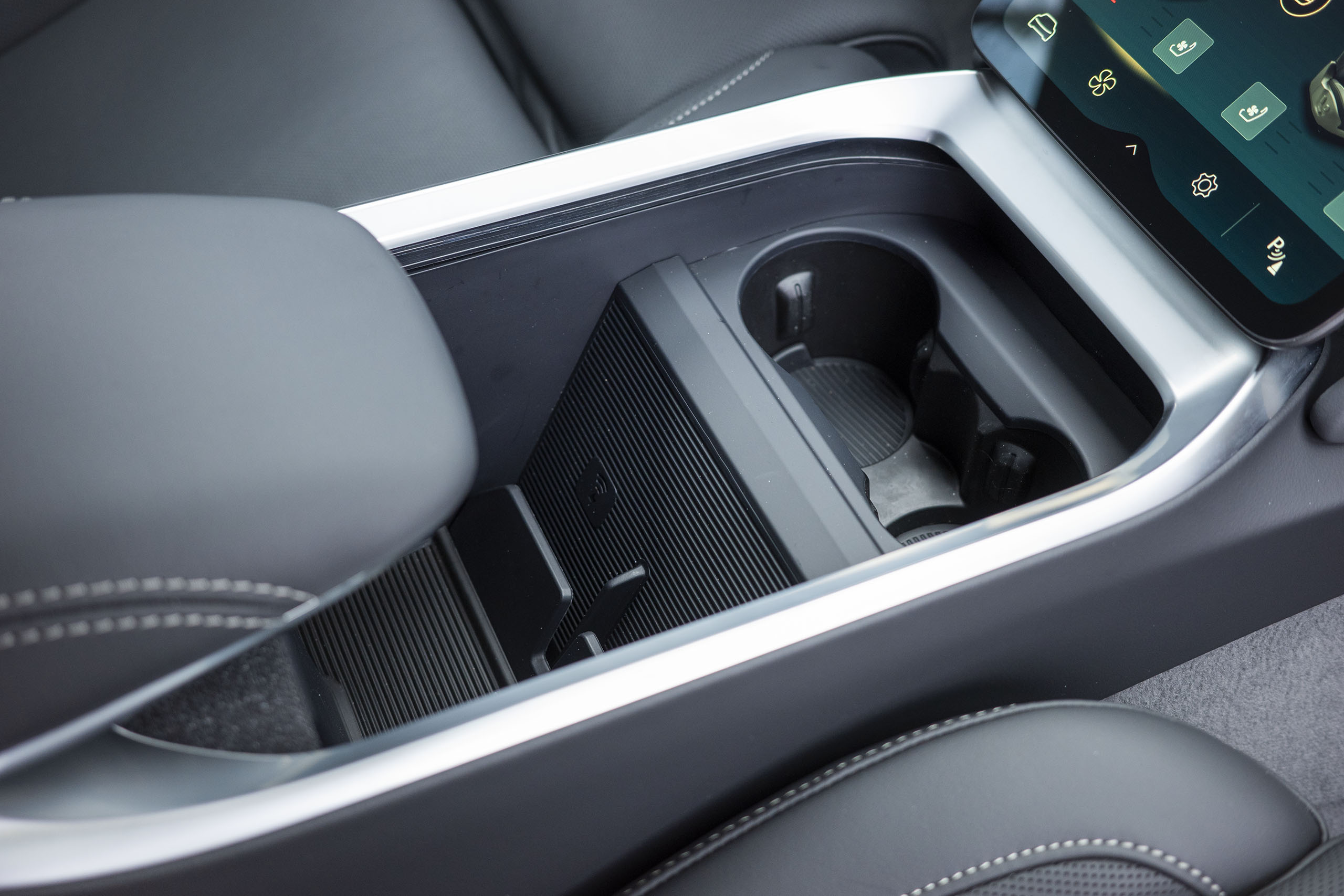
The space in the second row is absurd; both the trunk and frunk are smartly designed with partitions to reveal deeper cargo cubbies, and it genuinely feels like every detail of this vehicle was considered. Maybe Lucid didn’t always go with the best solution: the phone holder/wireless charger is either snug or unusable, depending on the device you have, for example. But there’s no question they weighed the options and attempted to tackle these problems in a novel way, and that’s what makes the Air so refreshing.
Competition and Verdict
We’ve gotten this far without recognizing the Air’s phenomenal efficiency, which is what really stuck with me over the eight days I spent with this car. It was simply too cold here in Pennsylvania in late November to sniff at that 430-mile estimation, and even if the conditions were better, I didn’t exactly drive in a manner advisable to achieve such results. Nevertheless, this is one of those EVs that ought to put any and all range nightmares to bed.
The only thing that gets in its way is its charging situation. See, Lucid offers a $220 CCS-to-NACS adapter for compatibility with Tesla’s network, but there’s a big caveat: While the Air can charge at up to 250 kW via a compatible charger, it maxes out at just 50 kW at Superchargers, because Superchargers aren’t built for 700-volt cars like the Air is. So, you’ll still be hunting for CCS-equipped DC fast chargers, and those tend not to be the kind that work most consistently.
But, in raw numbers, the Air is a range king. The Porsche Taycan is perhaps a better overall package, but it starts at a higher price and doesn’t come close to the Air’s longevity. In fact, no electric sedan really does, save for the Tesla Model S, but that sedan’s just too old and out of step to compete with the bevy of competitors that have entered the market since its debut.
There’s just so much to like about the Lucid Air, from its design ethos to practical considerations like space and range to its driving performance, that it’s hard not to recommend it, so long as you can afford the entry price. It really makes me curious what Lucid could accomplish with a $50K EV; as luck would have it, that’s precisely what we’re due to get a glimpse of before the end of 2026. Unfortunately, it’ll be an SUV, but that’s what Lucid needs to sell to survive. All I can say is, walking around the Air, I lose all rational understanding for why people don’t buy sedans, especially when they look this good.
Lucid provided The Drive with an eight-day loan of this vehicle for the purpose of writing this review.
| 2026 Lucid Air Touring Specs | |
|---|---|
| Base Price (as tested) | $81,400 ($102,100) |
| Powertrain | 92-kWh battery | dual permanent-magnet electric motors | all-wheel drive |
| Horsepower | 620 |
| Torque | 885 lb-ft |
| Curb Weight | 5,009 pounds |
| 0-60 mph | 3.4 seconds |
| Top Speed | 140 mph |
| Seating Capacity | 5 |
| Cargo Volume | 22.1 cubic feet (trunk) | 10 cubic feet (frunk) |
| EPA Range | 431 miles |
| Score | 9/10 |

Quick Take
The Lucid Air Pure’s incomparable efficiency and design, coupled with strong driving dynamics, make it the standard for sub-$100K luxury electric sedans.
Loading comments…
Comments couldn’t be loaded. Please refresh the page.