
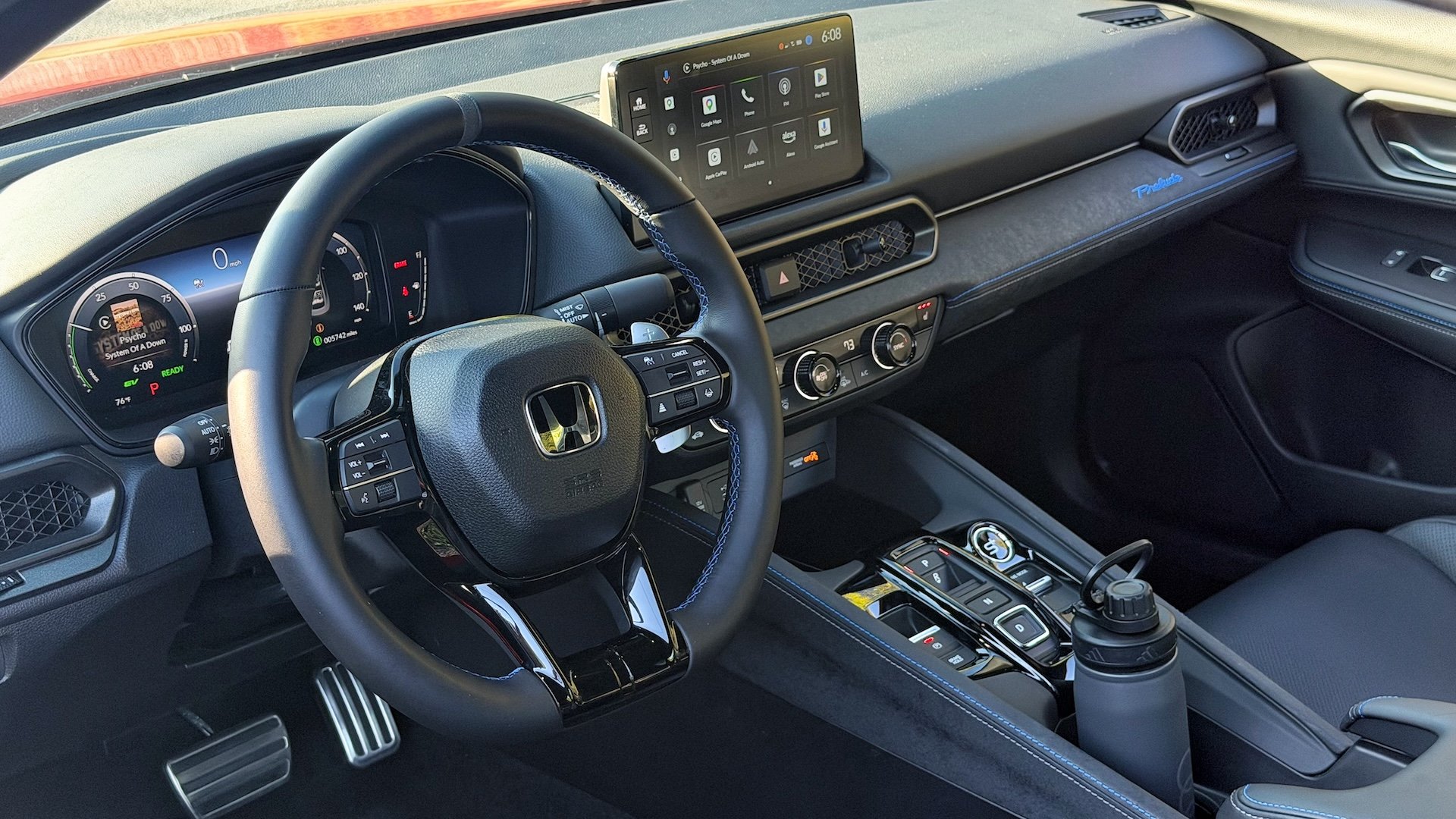
I’ve already logged almost 4,000 miles in The Drive’s 2026 Honda Prelude long-term test car, and I’ll put in many more before the project wraps up next year. That’s already enough seat time to get to know a car pretty darn well, but most importantly, to explore its tech, safety, comfort, and entertainment features.
Like most cars from any manufacturer today, the Prelude shares a standard suite of equipment found across the Honda lineup. It also runs on the same hardware and software as our previous long-termer, so you’ll definitely see some stuff that isn’t super unique to the sporty coupe. That said, I’ll also touch on features that impact its driveability; specifically, its driving modes and multi-purpose paddle shifters.
I’m jumping straight to the nitty-gritty and classifying these into three categories: Like, Dislike, and On the Fence. Each item will include a brief explanation of why it’s in that category, plus any relevant details or rambling thoughts.

Previous Installments
Dislike
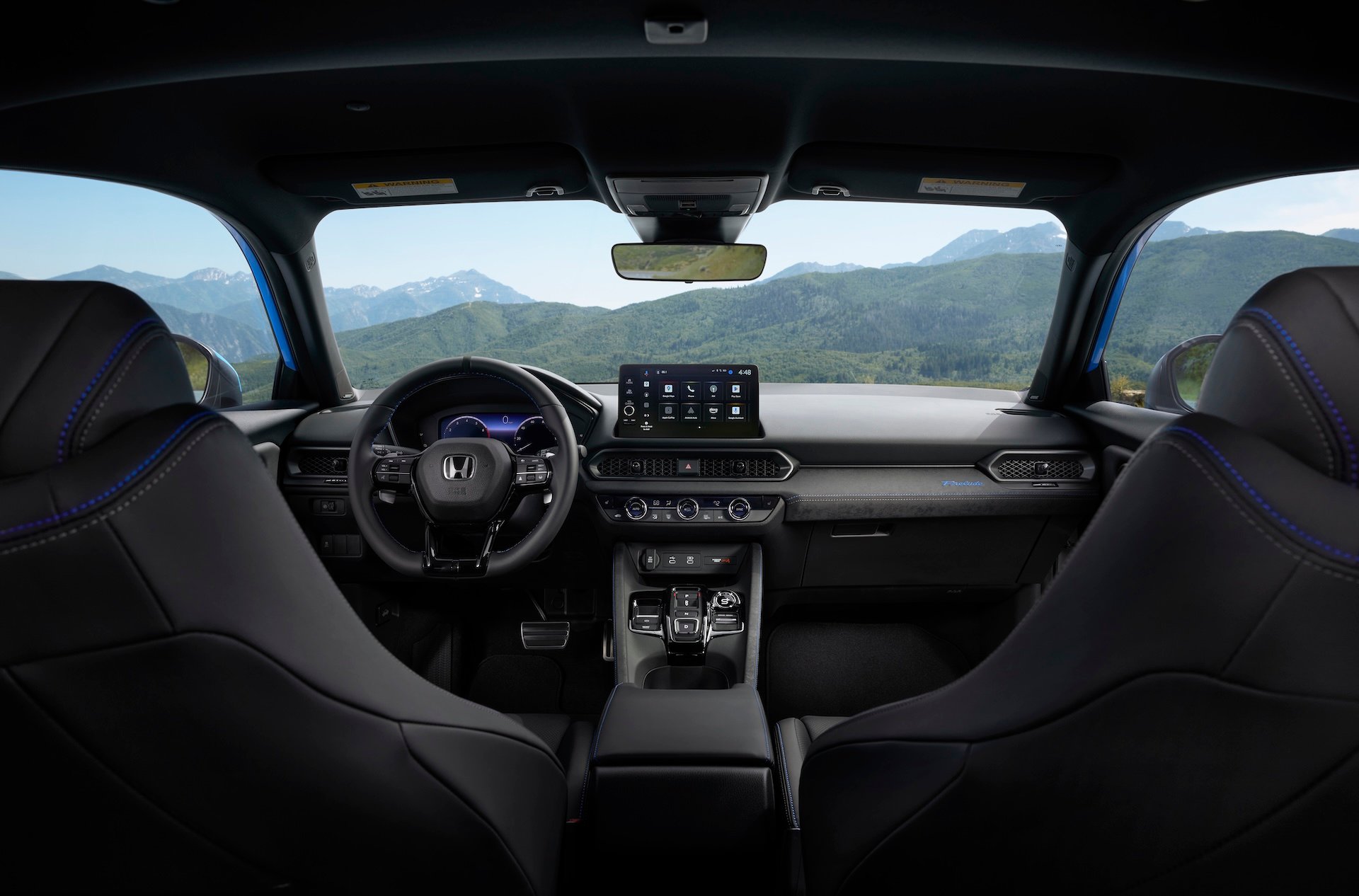
- Seats: Not sure how Honda overlooked this, but neither the driver’s seat nor the passenger seat has adjustable lumbar support.
- Steering Wheel: Love the shape and feel, but hate that in a $45,000 car it isn’t heated.
- Adaptive Cruise: A major improvement in calibration and lane stability compared to other Honda models, but the Prelude brakes a bit too abruptly at the slightest sign of a car in front, or one alongside that’s driving too close to the lane markers.
- Shut-Off Sequence: This issue appears across the lineup, and I will keep mentioning it until Honda addresses it. When you shut off the engine, everything shuts off. If you’re listening to music, that shuts down immediately. If you’re on a phone call via the car’s Bluetooth, that will also shut off. If you park on a city street, your blind spot monitors will not alert you to a car or cyclist approaching, so you don’t open your door. Most other cars keep auxiliary power on for 60 seconds after you press the Engine Start button, or let you customize this setting.
- Electronic Parking Brake: I am not being super harsh on this one because I get that there is a safety aspect to it, but an automatically disengaging parking brake would be ideal. Nothing is more annoying than starting the car, putting it in gear, and hitting the gas, only to be held back by the parking brake. Ideally, the parking brake should disengage if the doors are closed, the driver’s seatbelt is buckled, and moderate throttle is applied.
Like
- Suspension: I covered this in my First Impressions blog, but the electronic adaptive dampers are straight out of a European sports car at least twice the price of the Prelude. Yes, these are borrowed from the Civic Type R, but they have their own tuning, and they’re amazing whether you’re taking a chill drive or carving up some country roads.
- Lighting: Again, the Prelude punches above its weight with projector-style LED headlights. The color of the beam is just right, not too yellow or too white or blue. The intensity is great, and so is the depth. They perform like something you’d check a $6,000 option box for on a Mercedes or BMW.
- Visibility: Perfect forward, side, and rear visibility despite the Prelude riding fairly low to the ground and having a pretty sloping roof.
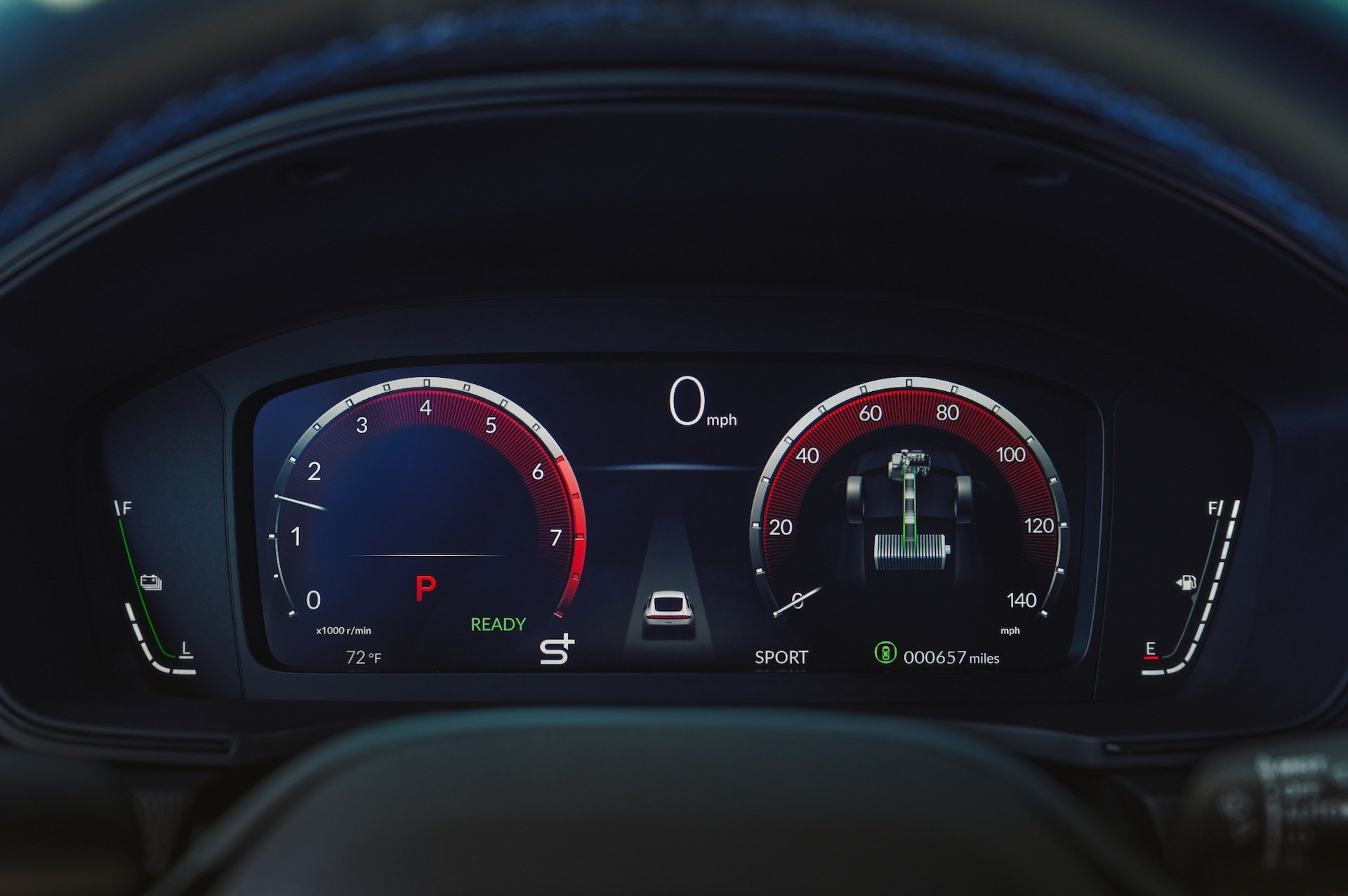
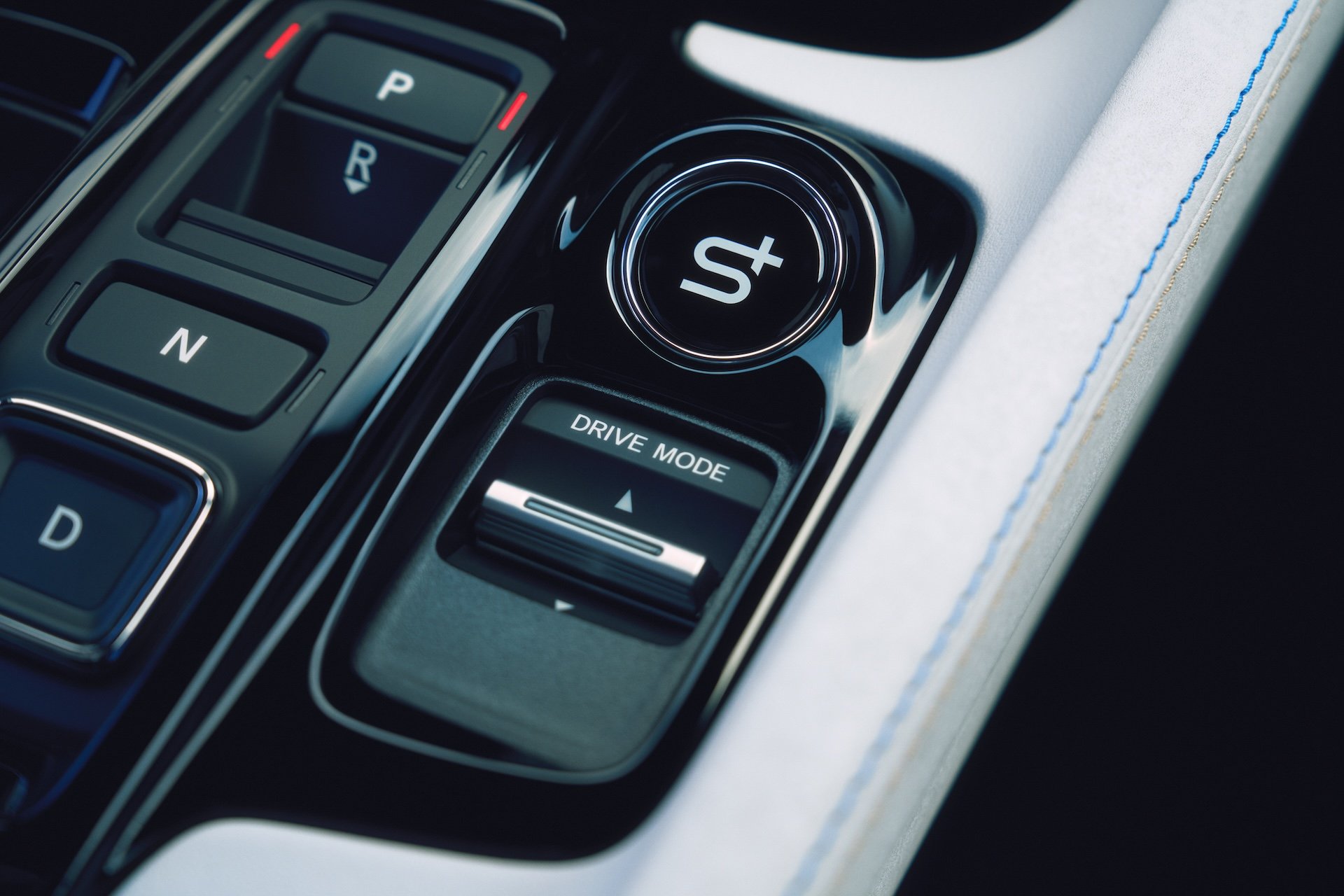
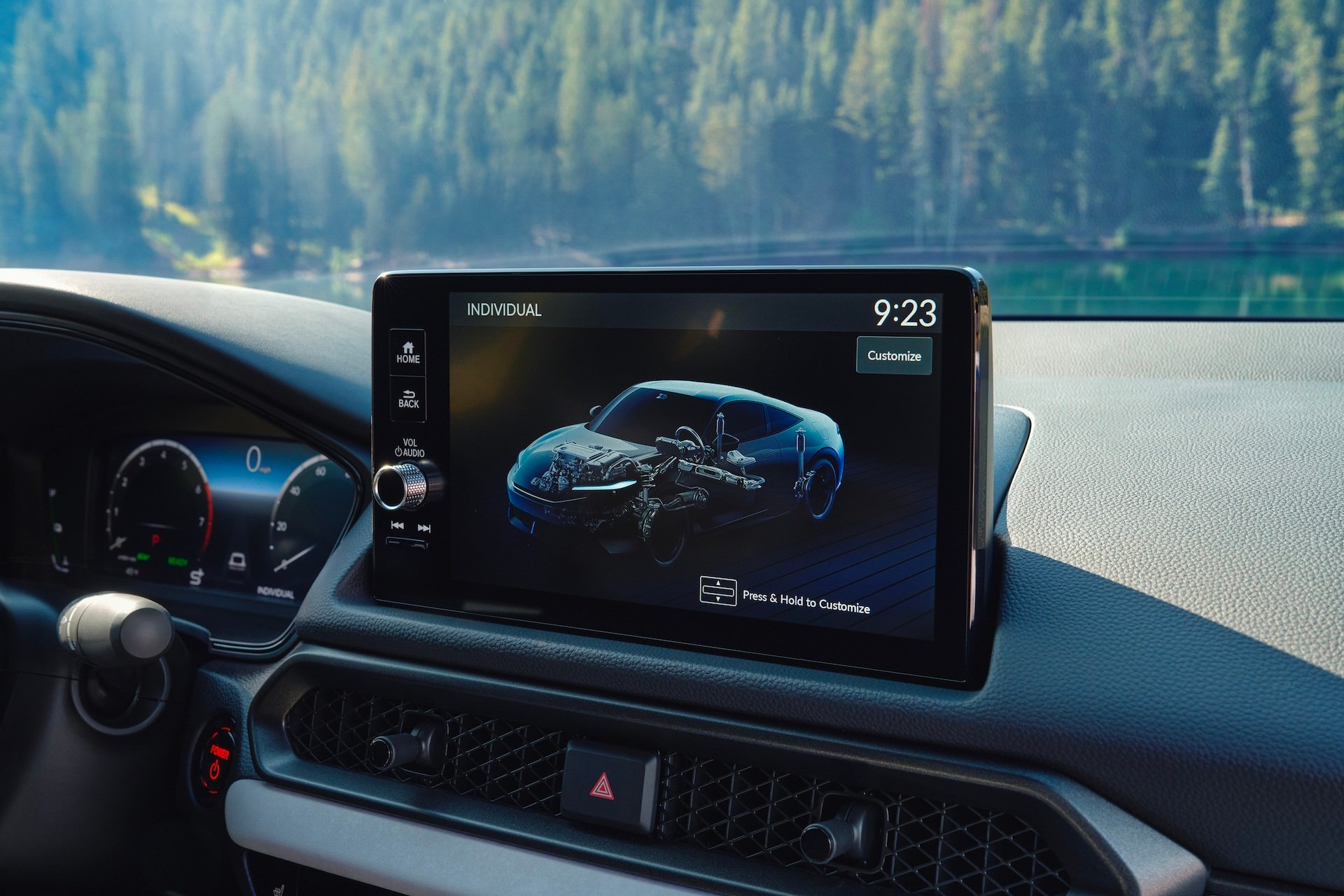
- Driving Modes: Comfort, GT, and Sport. Comfort is super soft and a bit lethargic, but you can easily maximize fuel savings due to the throttle and hybrid system’s configuration in this setting. My go-to is GT, and that’s what I drive on every day. The suspension is less bouncy, and the drivetrain is reactive enough without the hybrid jolt being too punchy.
- Google Built-In: Honda’s new Google-based infotainment system is quite lovely. I enjoy that once I log into my Google account, it knows everything about me. (Scary, I know.) All I have to do is press the Google Assistant button on the screen and tell it to take me somewhere, call someone, or find any necessary information on the internet without taking my eyes off the road. Ah, the sweet convenience I trade for my privacy.
- Sound System: I’m not what you’d call an audiophile, but like most people who enjoy music, I appreciate a decent sound system. The standard Bose system in the Prelude features seven speakers plus a subwoofer, and it delivers good volume and clarity; when cruising on a smooth road with the windows down, I can pick up a song’s more intricate bits like I do with over-the-ear headphones.
- Honda Sensing: Another thing that the Prelude shares with the rest of the Honda lineup, though a very important one. These features come as standard: Collision Mitigation Braking System, Forward Collision Warning, Lane Departure Warning, Road Departure Mitigation System, Adaptive Cruise Control, Low Speed Follow, Lane Keeping Assist System, Blind Spot Information System, Cross Traffic Monitor, Low-Speed Braking Control, Traffic Sign Recognition, Traffic Jam Assist, Auto High-Beam Headlights, and Driver Attention Monitor.
On the Fence
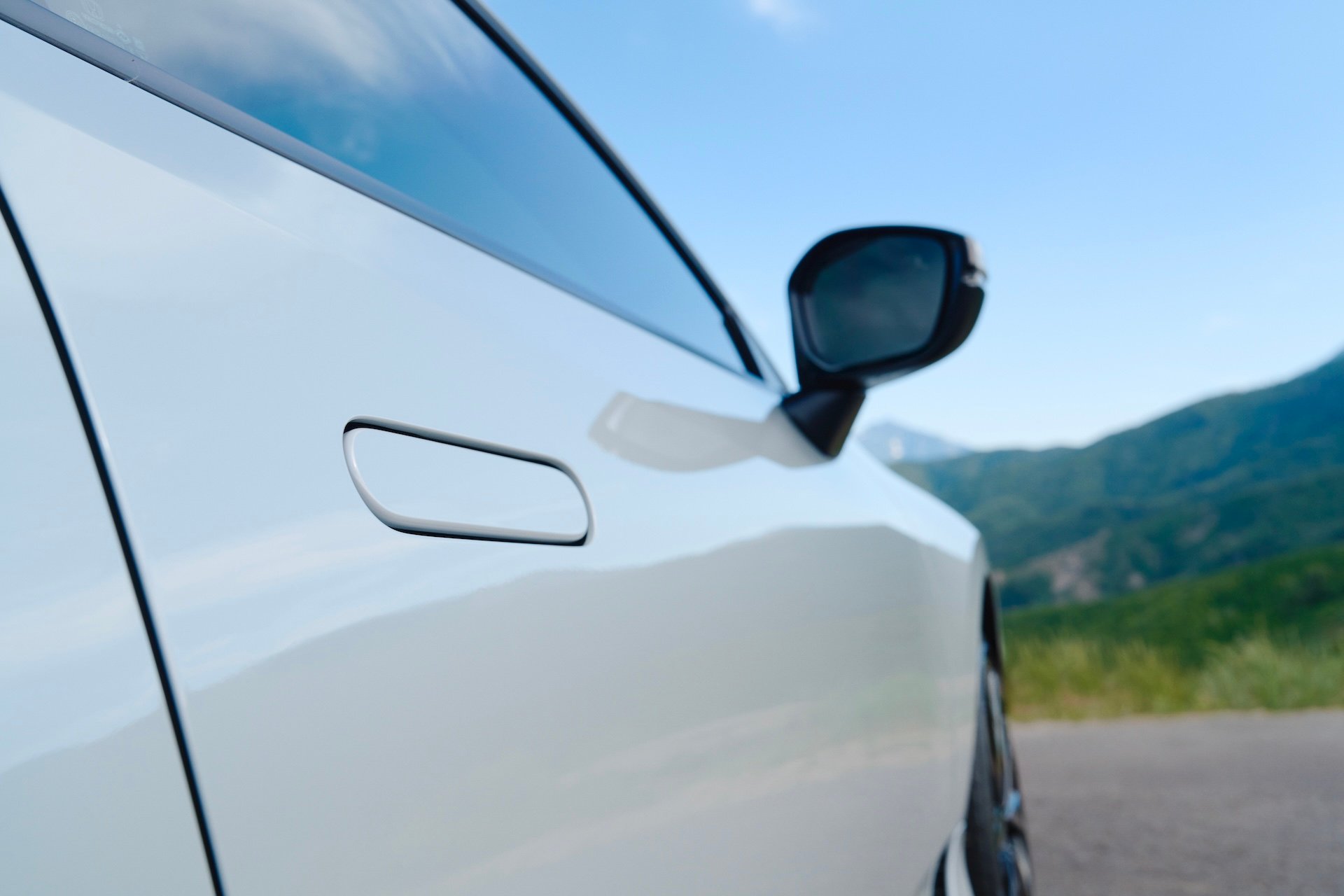
- Door Handles: Yes, the pop-up handles that sit flush with the door look very cool. When you approach the car with the key fob on you and they pop out automatically, they’re great. When the keys are already in the car, and you’re trying to open the door, you have to push one end of the handle to make the other pop out so you can pull it to open the door. If you have both hands available, this is no biggie—though still annoying. If you only have one hand available, it’s challenging.
- Paddle Shifters: The metal paddles in the Prelude can do two things depending on what driving mode you’re in. When S+ Shift is deactivated, the left paddle (normally used to downshift) increases brake regeneration—but there’s a catch. This regen, activated by clicking the paddle once or multiple times, isn’t permanent. It resets once the car comes to a standstill. It’s really just a way to slow down more strongly as you’re cruising to a stop (you can also use it when driving spiritedly) while taking advantage of or recharging the battery. The right paddle (normally used to upshift) cuts out drag and lets the car glide down the road without recapturing any energy. It’s a very neat—and, if you’re not used to it, a slightly unnerving feeling I’ve only felt in the bonkers Mercedes-Benz Vision EQXX. When S+ Shift is activated (and it can be active in any driving mode), you can simulate gear shifting like you would in most semi-automatic cars. The reason why I’m “on the fence” about it is that it takes some brain power and understanding to figure out how this all works and when and how. It’s not all very straightforward.
Email the author at jerry@thedrive.com
Loading comments…
Comments couldn’t be loaded. Please refresh the page.