
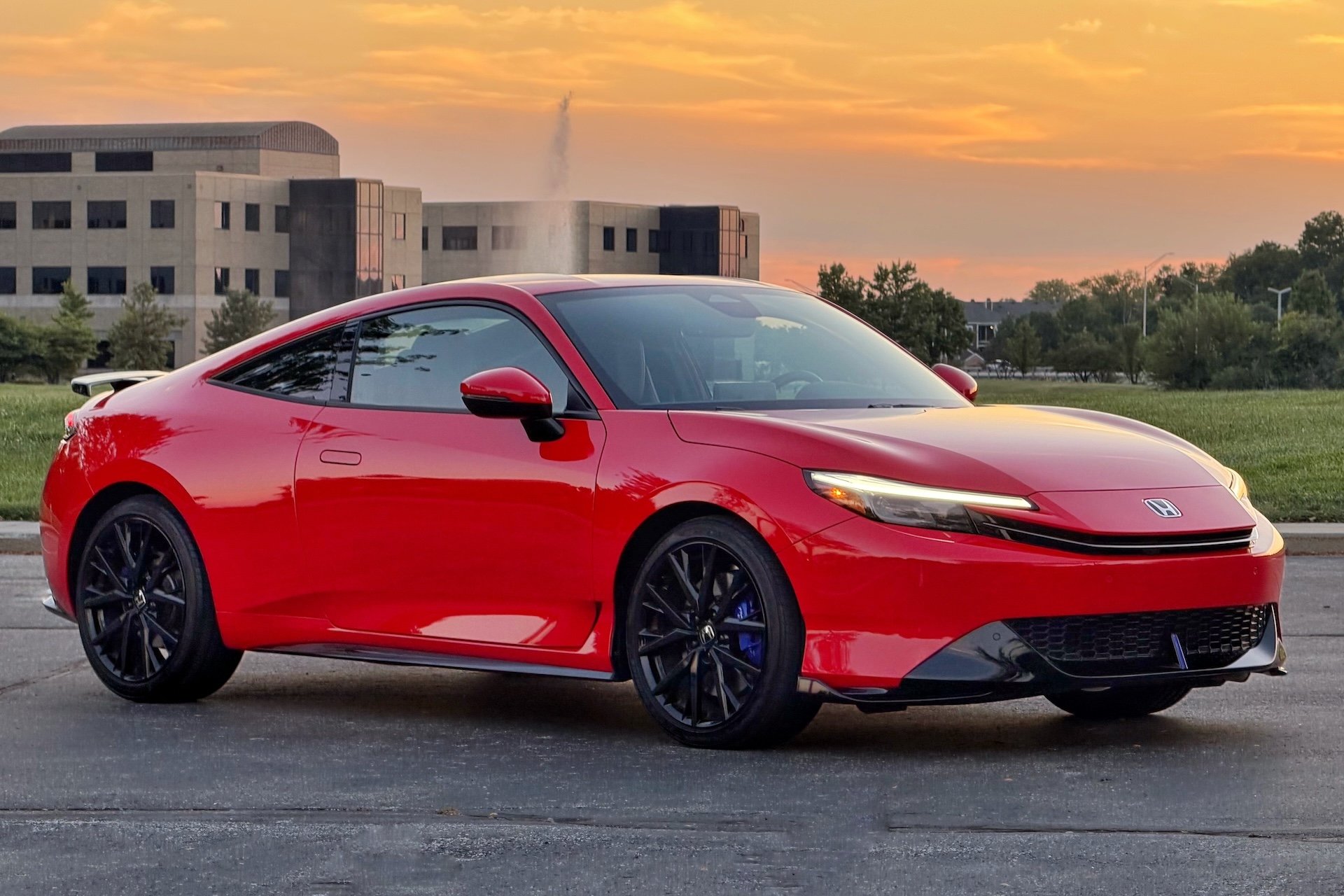
Say hello to The Drive’s new long-term test car, the 2026 Honda Prelude. I’ll be driving this Rallye Red model until next summer, and like our last long-term vehicle, it’ll be my main mode of transportation every day, whether for a fun Sunday drive or an awful grocery run. From the incessant summer heat, to the chilly and rainy fall, to the unavoidable snow of the Midwest, it’ll be my mission to find out what it’s like to live with what’s arguably Honda’s most controversial car in recent times.
Why is it so controversial, you may ask? Well, it all comes down to enthusiasts’ perceived connection between the old Prelude and this new one. As I wrote a couple of months ago, normal people absolutely love this thing. I literally get stopped almost every day by folks wanting to tell me how awesome it looks, or tell me a story from the OG Prelude, while modern-day enthusiasts dog on it for its drivetrain, performance specs, and most of all, price.
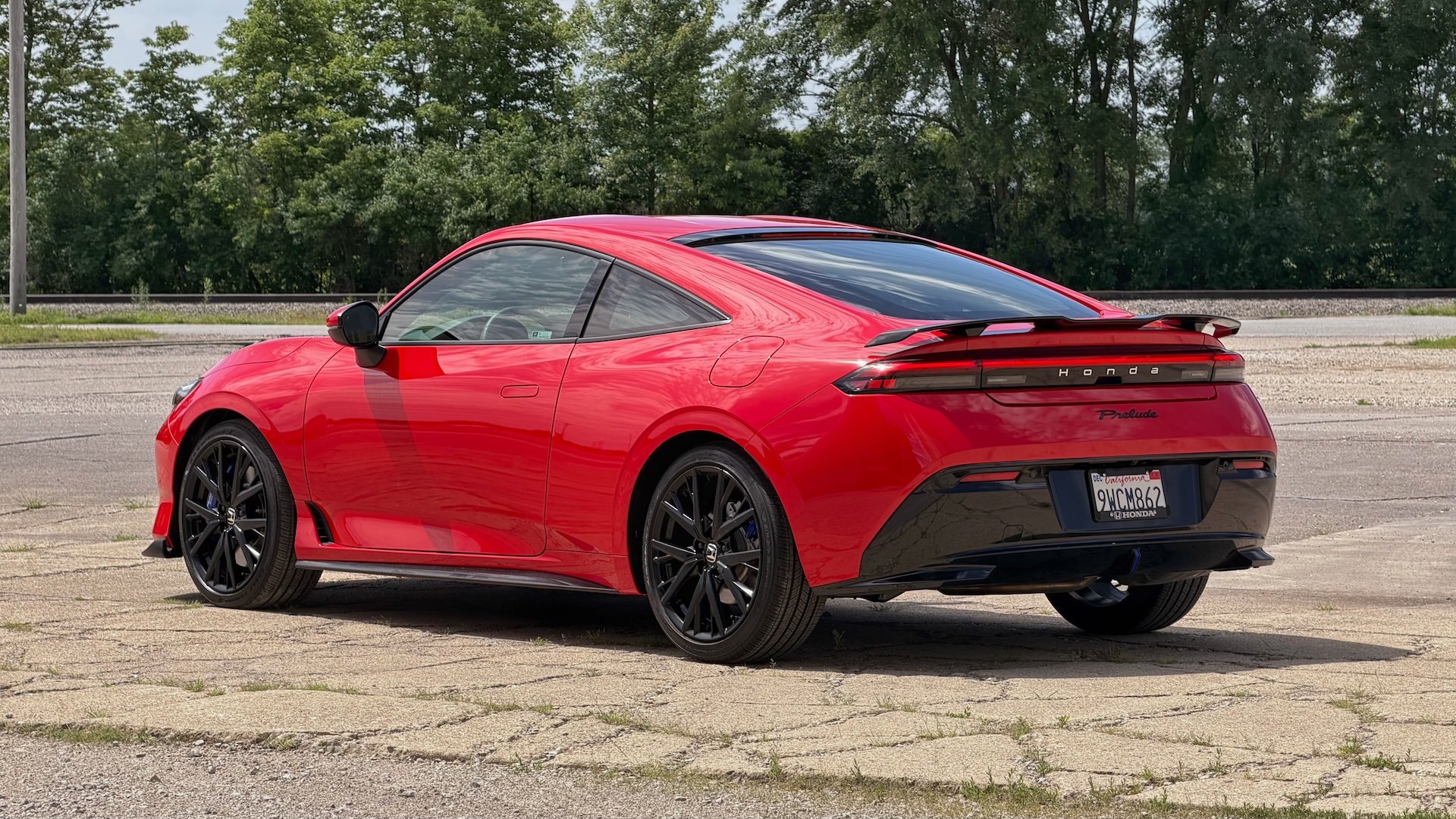
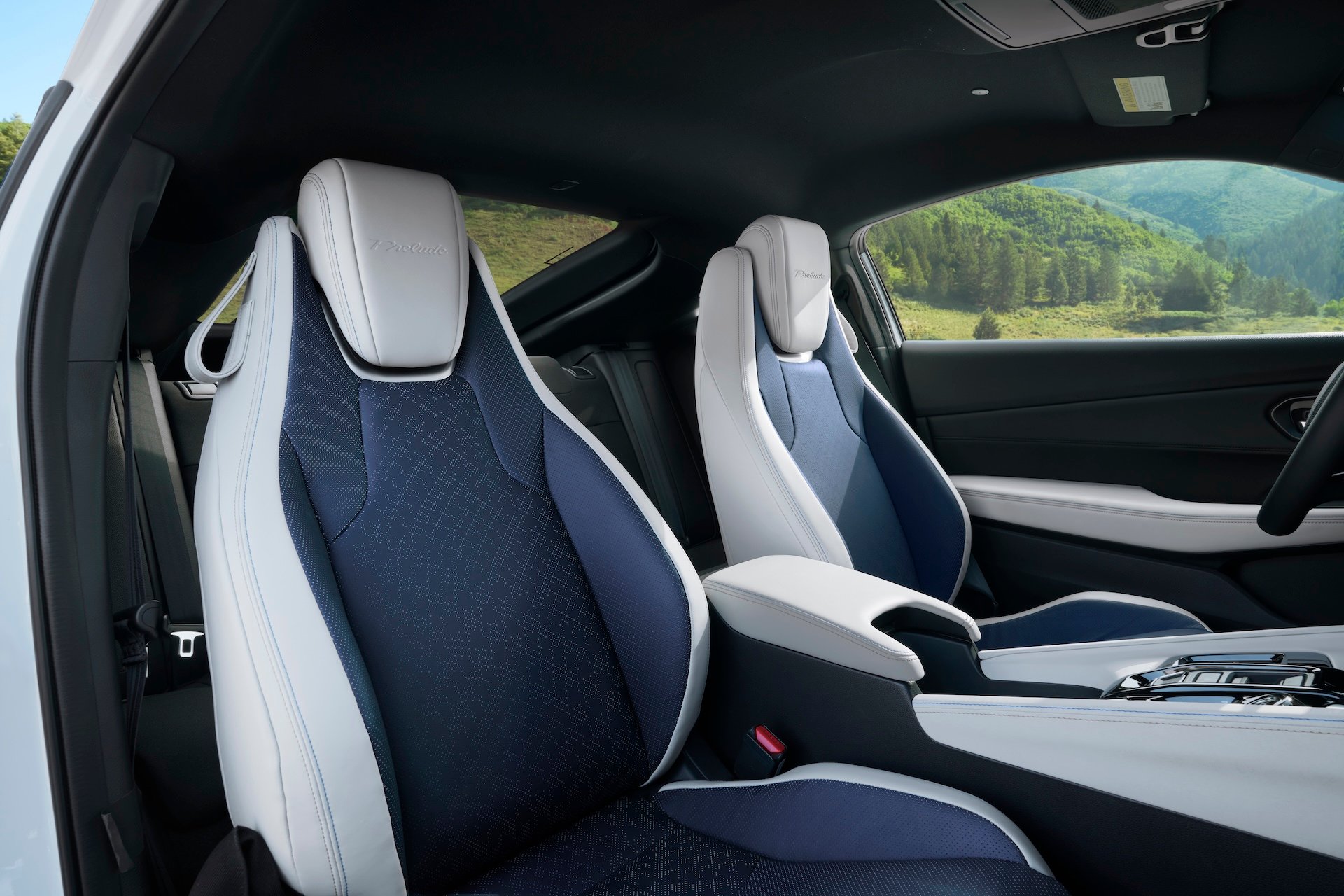
Like the old one, the new Prelude is a two-door coupe with seating capacity for four people. Now, that’s the technical capacity because it has four seats and four belts, but realistically it fits two grown adults or one adult and two kids, or some odd combination of really short adults or tall kids that I can’t really compute right now. Either way, I’m just glad Honda didn’t turn this thing into a crossover, or even worse, an electric crossover like it was going to do with the Acura RSX. Remember that?
Under the hood of the new Prelude is a two-motor hybrid system that uses a 2.0-liter Atkinson inline four-cylinder engine and an AC synchronous permanent-magnet electric motor and battery, which together produce 200 horsepower and 232 lb-ft of torque. Like all of Honda’s two-motor hybrid systems, it has no transmission; instead, the propulsion motor drives the front wheels through a single-speed reduction gearset until the gas engine takes over via a lockup clutch. It’s complex, and it’s quite a choice for a sporty coupe like the Prelude, and that’s something I’ll definitely be digging into in future write-ups.
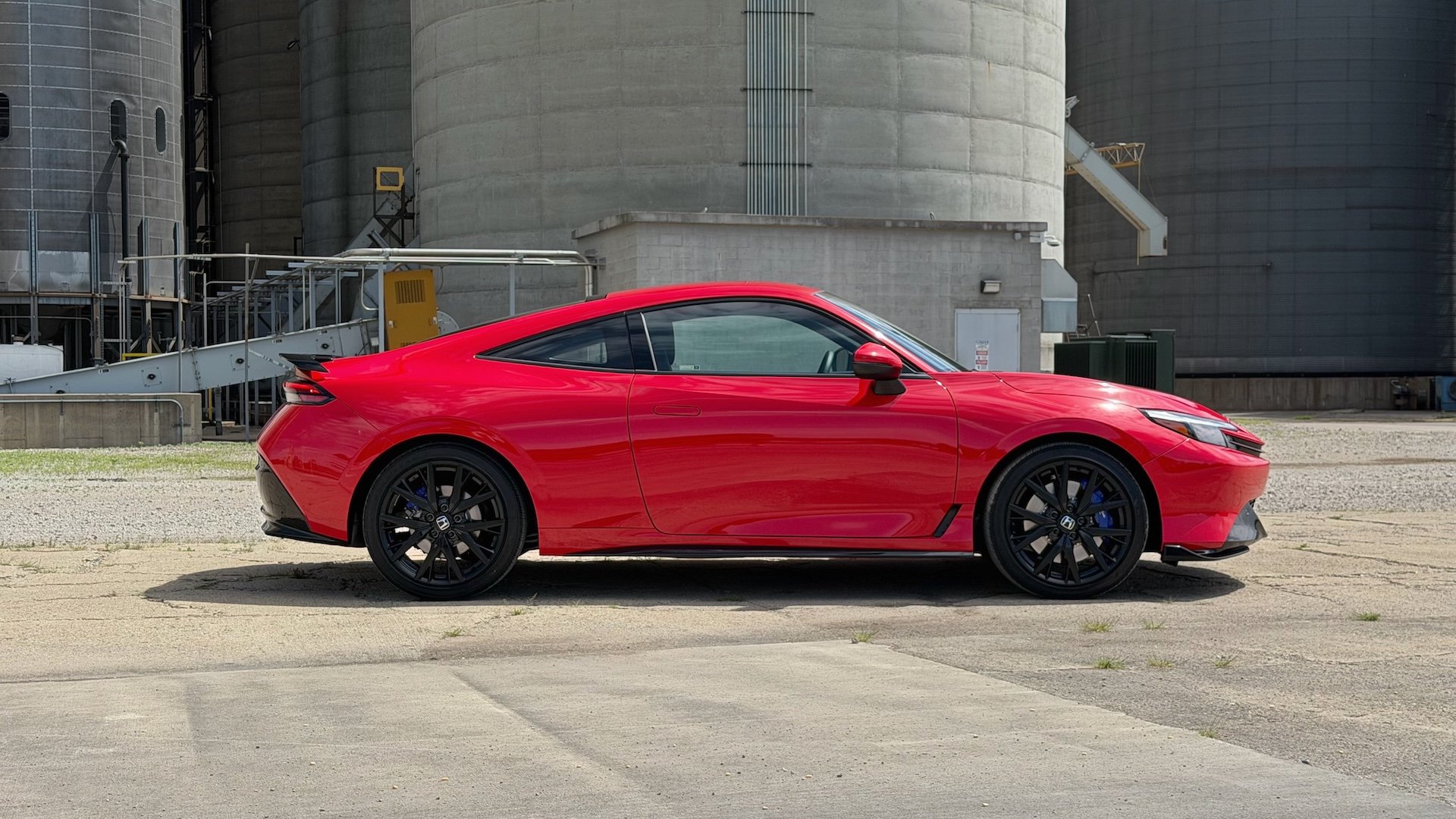
The net result of the Prelude’s complex drivetrain is the same power as the Civic Si but more torque. Still, it weighs 3,261 pounds, making it just as powerful as the last Prelude 25 years ago, but 300 pounds heavier. However, as I outlined before, the Prelude boasts lots of goodies from the Civic Type R, and not just the front suspension as Honda originally disclosed. It actually shares the same chassis (with different tuning) and, to some extent, the rear suspension, rigid-mounted subframe, control arm configuration, and hub carrier. You can read more about that here.
And lastly, there’s the price. Bringing one of these home will set you back $43,695, which is quite a bit of change even by today’s standards. This is especially true because, even with a more upscale interior than a fully loaded Civic Hybrid, the Prelude still lacks things most other cars in this price range have, like ventilated seats, a heated steering wheel, and power seats.
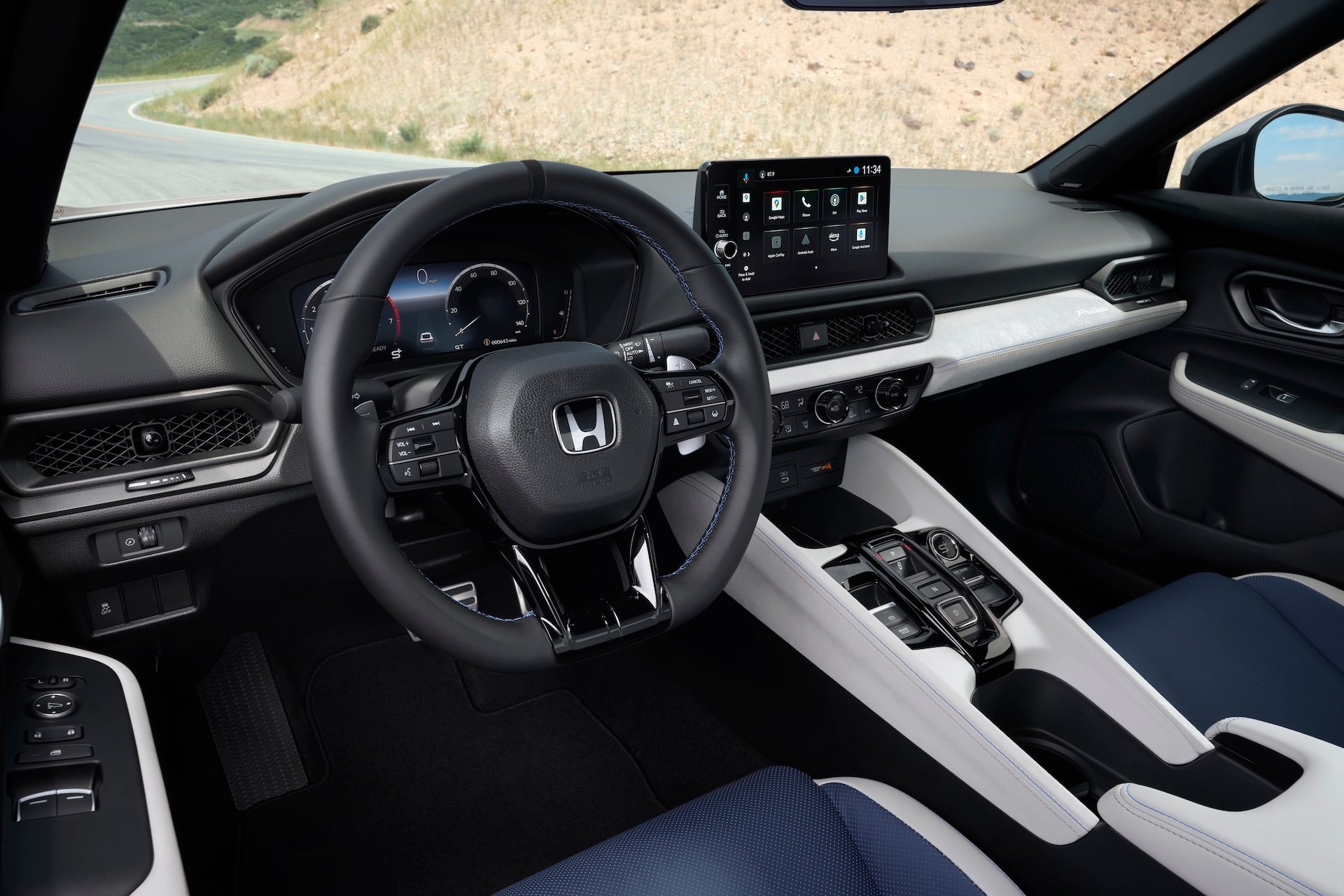
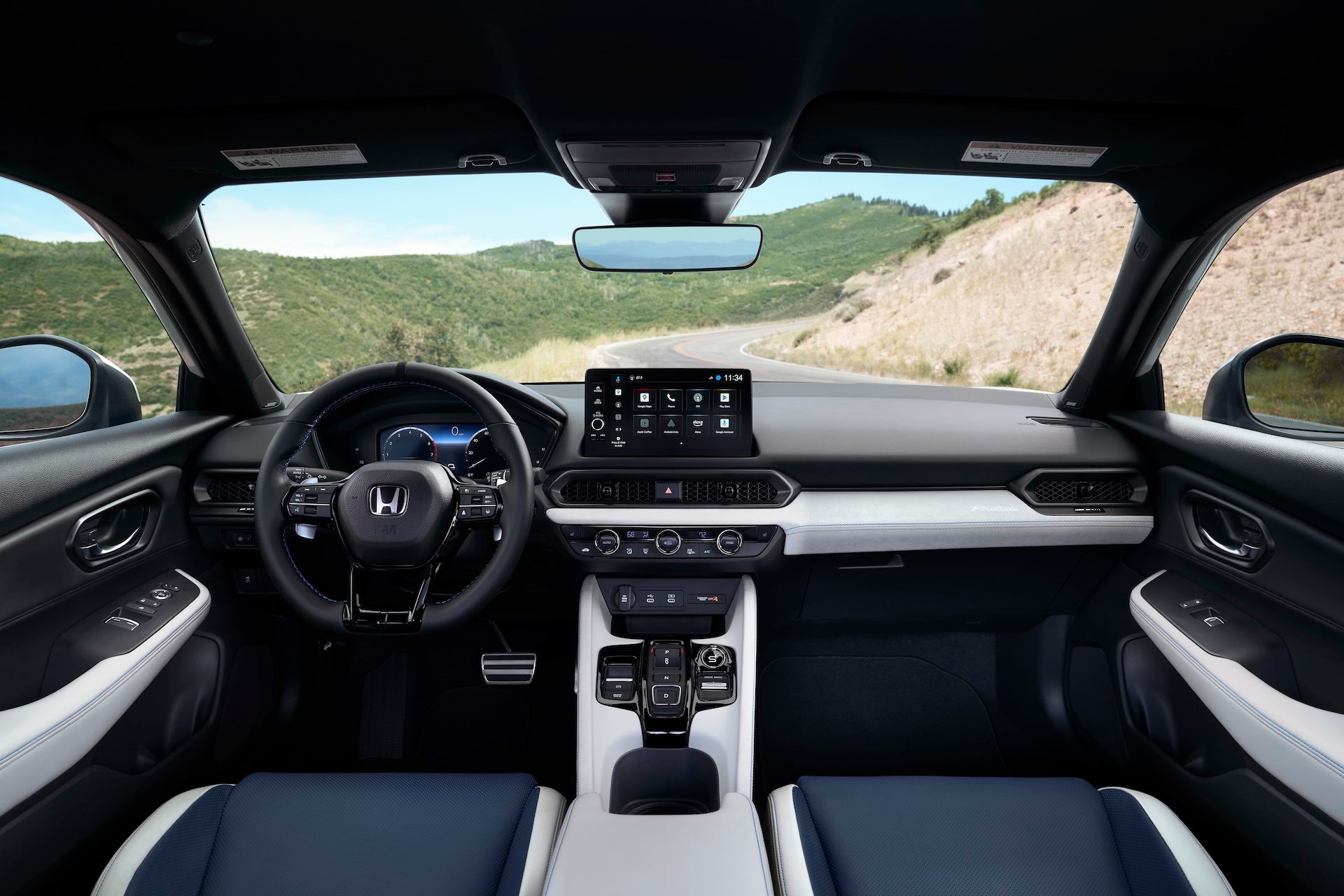
With most media drives putting journalists behind the wheel for a couple of hours, and most at-home tests lasting a week or so, having the opportunity to live with a car that’s new to the market for several months and many thousands of miles should reveal lots of interesting information—just like it did with the Passport TrailSport last year.
Stay tuned!
Honda is providing The Drive with the use of a vehicle for the purpose of writing this review.
2026 Honda Prelude Specs
| Price as-tested | $44,545 |
| Powertrain | 2.0-liter four-cylinder | two-motor hybrid system | front-wheel drive |
| Horsepower | 200 |
| Torque | 232 lb-ft |
| Seating Capacity | 4 |
| Curb Weight | 3,261 pounds |
| Cargo Volume | 15.1 cubic feet |
| EPA Fuel Economy | 46 mpg city | 41 highway | 44 combined |
Email the author at jerry@thedrive.com
Loading comments…
Comments couldn’t be loaded. Please refresh the page.