
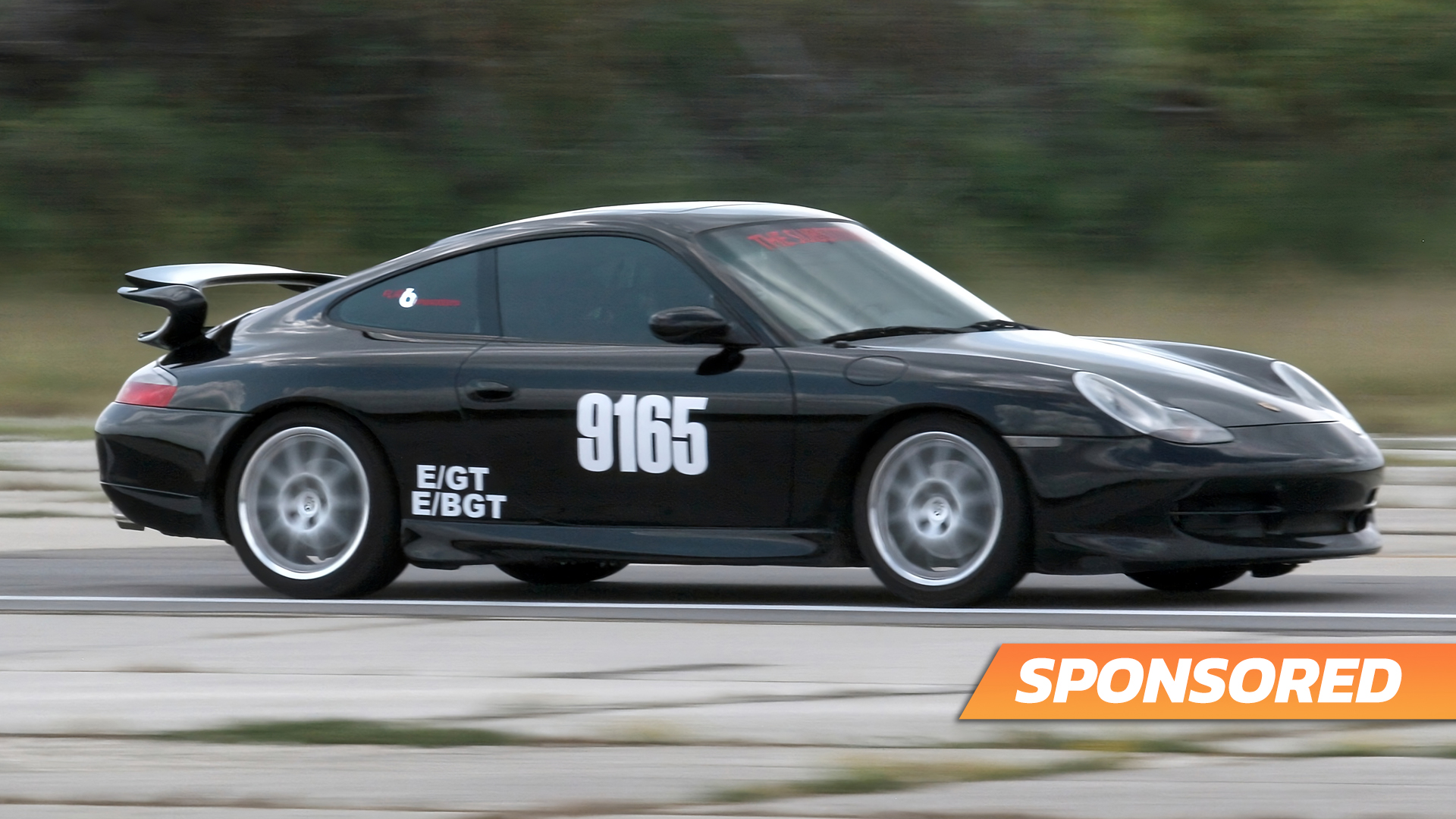
Considering a pre-owned modern Porsche? Please do your due diligence—and this isn’t limited to simply sourcing a car you believe to be mechanically sound. As enumerated in the prior deep dive into the history and facts of LN Engineering’s multi-pronged remedy for the critical intermediate shaft bearing problems plaguing the M96 and M97 engine family, understanding the “what” and the “why” of mechanical failures is your best guard against a massive financial mistake.
And in the case of Porsche’s equally infamous bore scoring issue, the fix is always a full engine rebuild—the cost of which sometimes eclipses the purchase price of the vehicle itself. It’s also nearly endemic; compared to the IMS issue’s relative niche in the Porsche 911 and Cayman/Boxster models, bore scoring is a critical issue affecting not just those with the M96/M97 engine, but iterations of the Panamera, Cayenne, and Macan vehicles as well as other European makes, using similar hypereutectic aluminum engine technology.
There’s a lot of ground to cover with bore scoring—we’ll start with the “what.”
What is Bore Scoring?
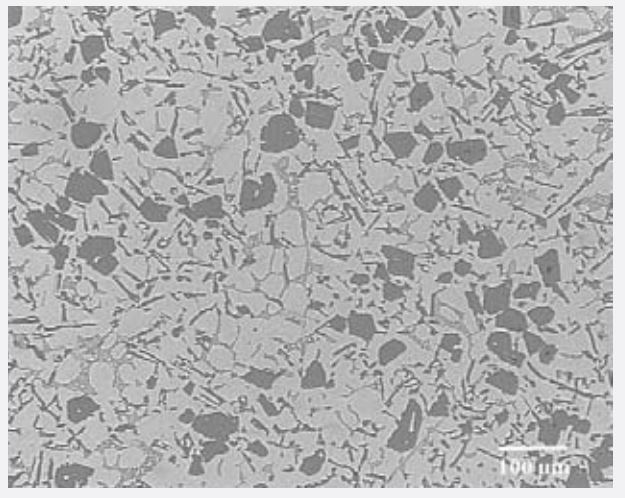
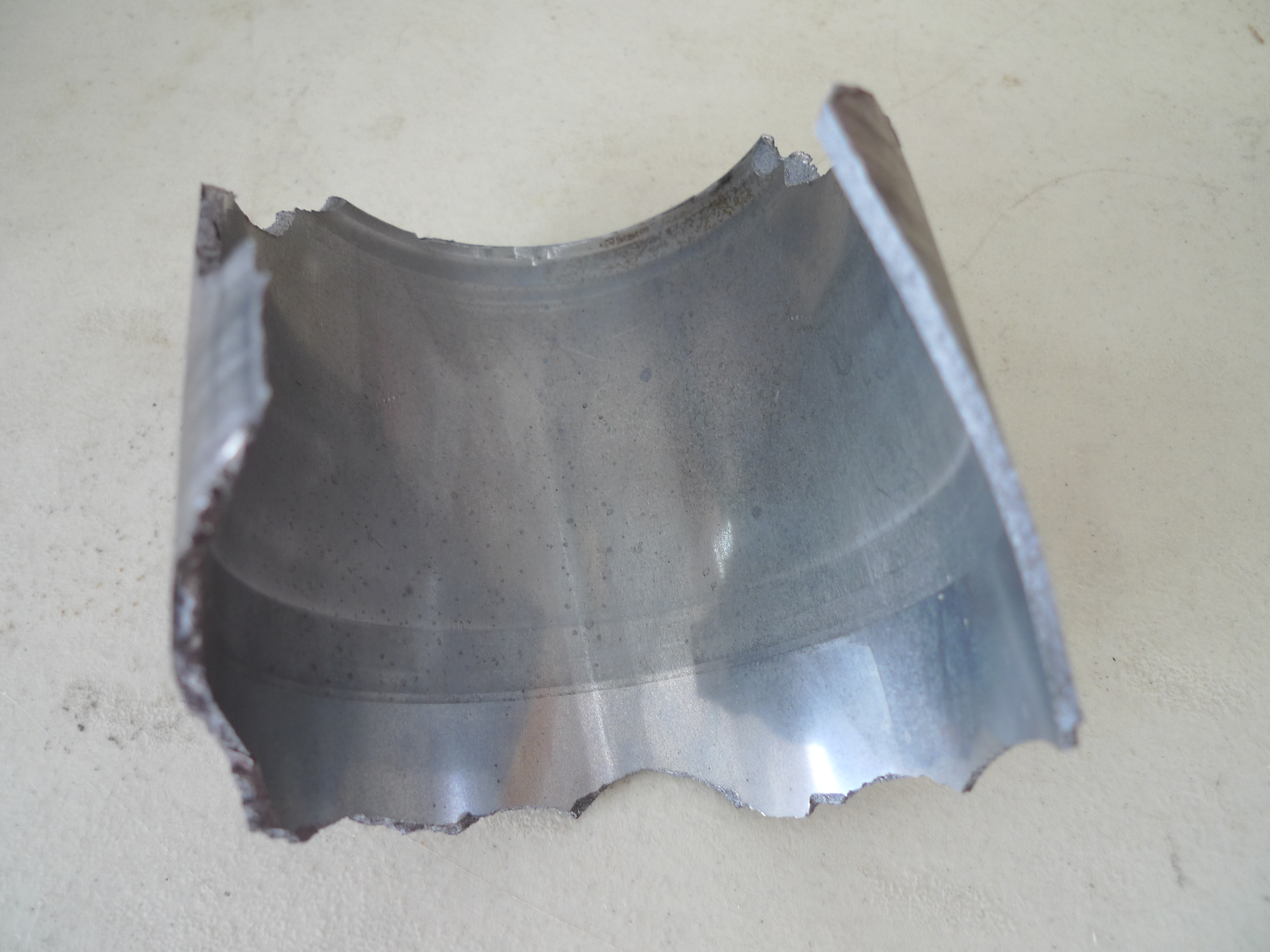
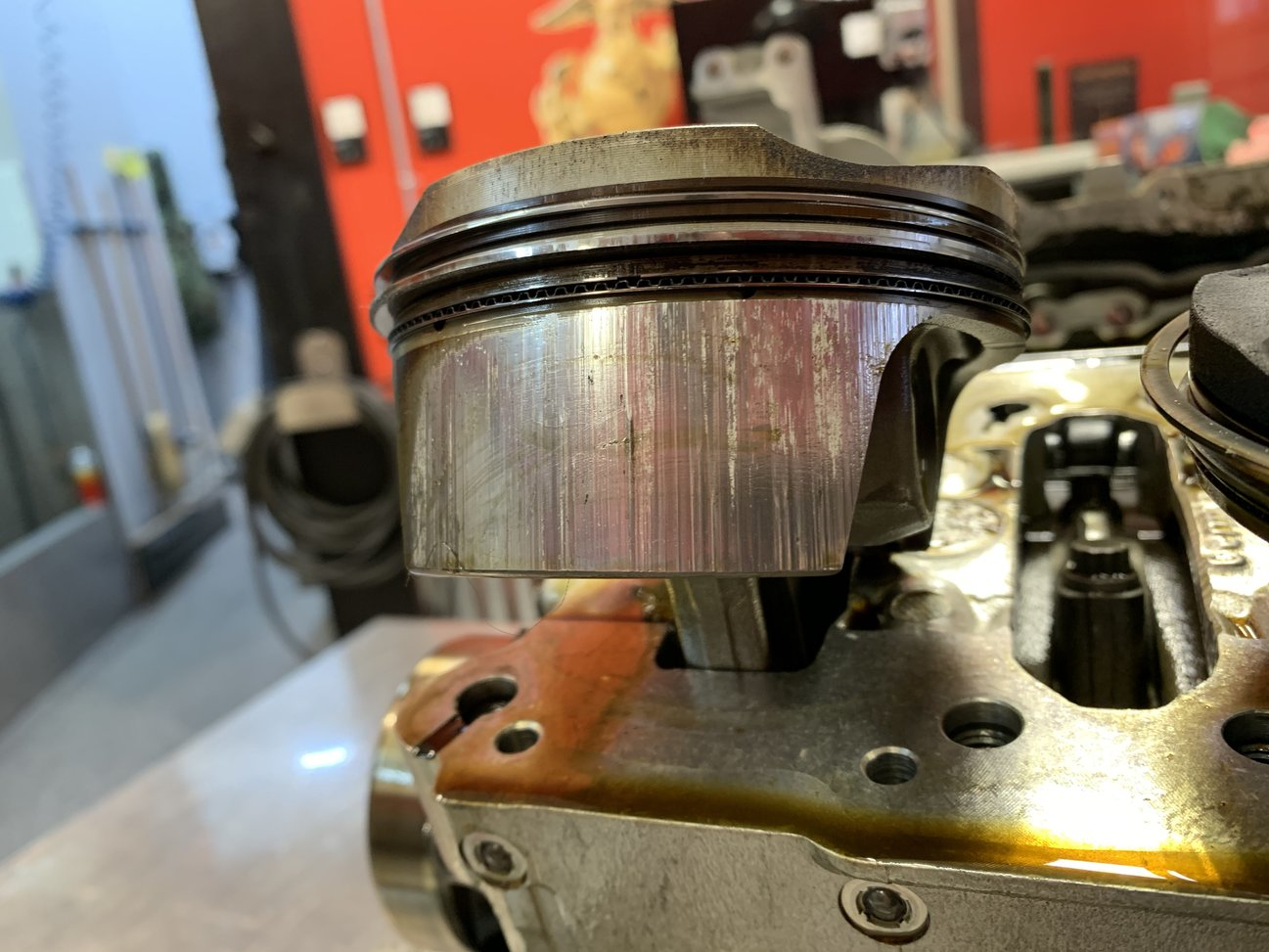
Fundamentally, bore scoring is the wearing down of an engine’s cylinder walls via abrasion from the piston that will eventually and inevitably lead to total engine failure if left unchecked. This most commonly occurs in engines using hypereutectic aluminum blocks/cylinders, where a specific ratio of silicon to aluminum is meant to aid in lubrication via exposure of silicon particles to the engine oil.
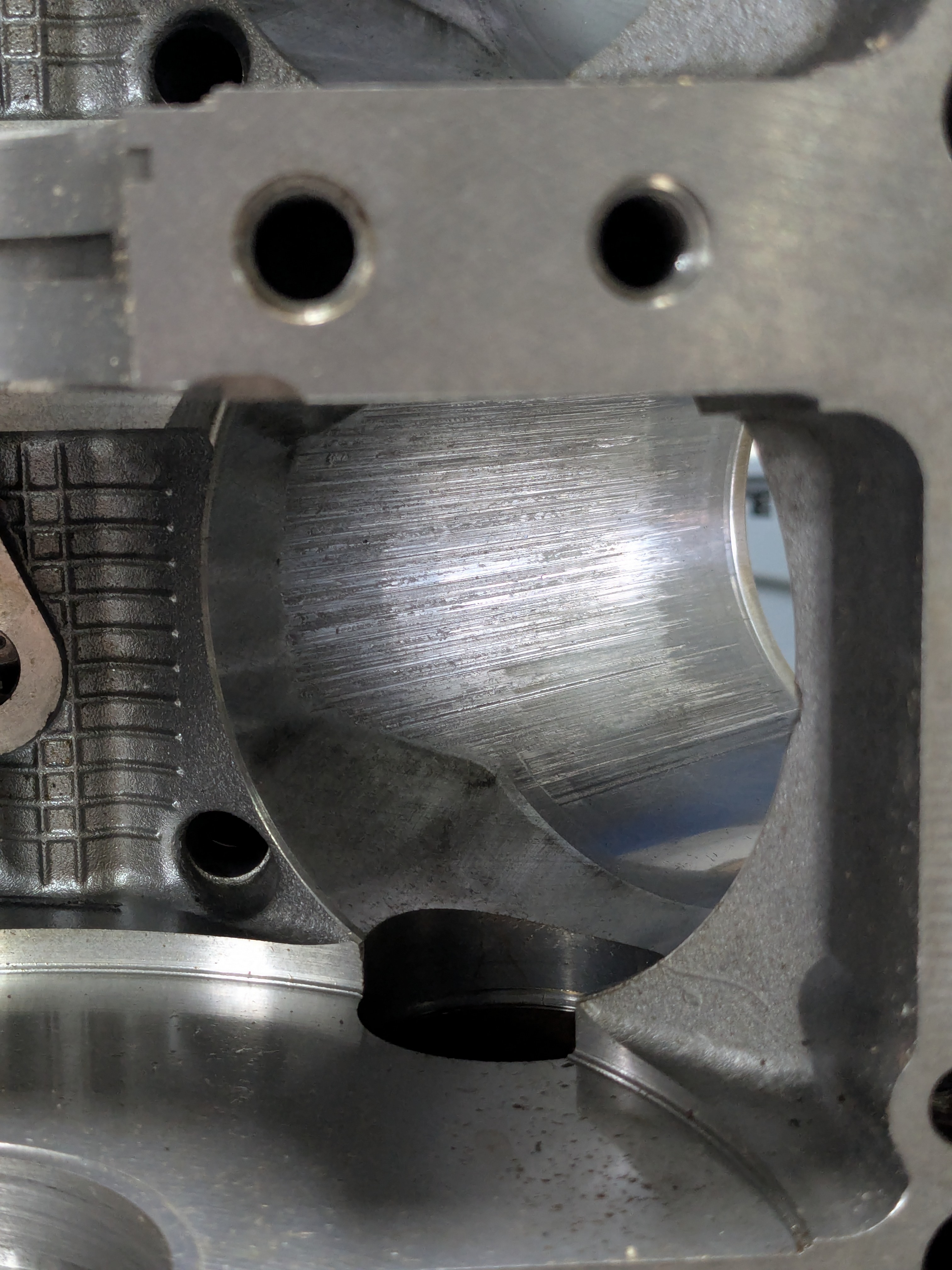
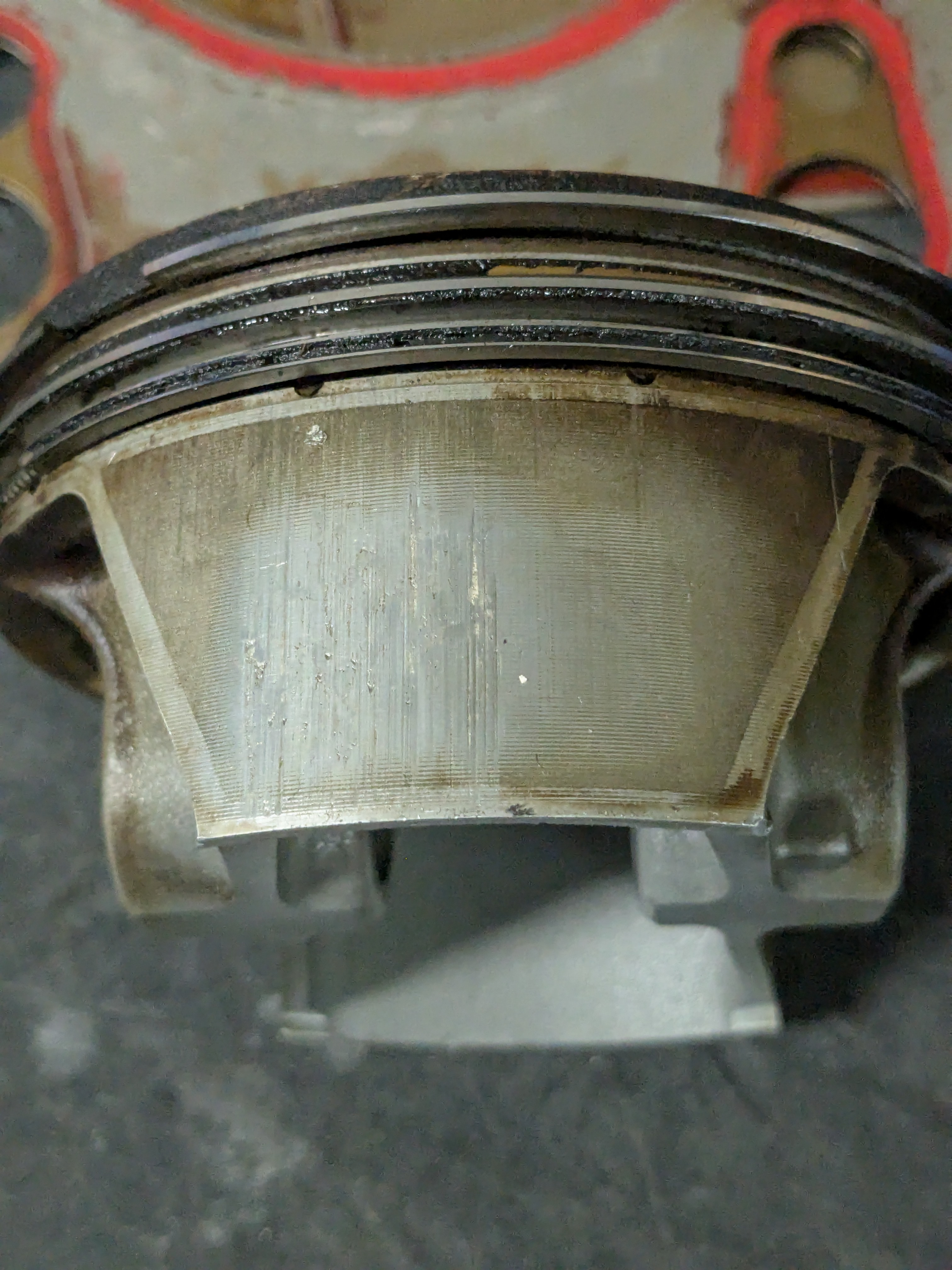
Though our focus is on a group of vehicles considered to be both advanced and high-performance, the use of this tech dates back to 1927 when Lancia introduced the hypereutectic material for its pioneering Lambda model line. However, linerless aluminum blocks first hit mainstream production cars in the early 1970s with the introduction of the Chevrolet Vega. General Motors worked with the Reynolds Metal Company to develop the proprietary Reynolds A390 material that later evolved into the trademarked Alusil.
Porsche and other European automakers quickly adopted Alusil with mostly problem-free results. (This is not to be mistaken with Nikasil, a cylinder plating comprised of nickel, silicon, and carbide, which was used by Porsche for decades.) Porsche utilized Alusil in some air-cooled 2.7 and all 3.0 SC models, as well as in the 944 and subsequent transaxle Porsche 928 and 968 cars. Rather than wearing a cylinder plating, Alusil cylinders have uncoated aluminum bores requiring the exposure of silicon particles in the aluminum matrix by means of chemical etching or mechanical exposure, thus allowing for oil film formation on the cylinder walls, which is required to support the operation of the piston and piston rings. This is coupled with pistons that are iron-plated or coated to prevent the inevitable galling that would occur if an uncoated aluminum piston ran in an uncoated aluminum bore.
A Pivotal Switch
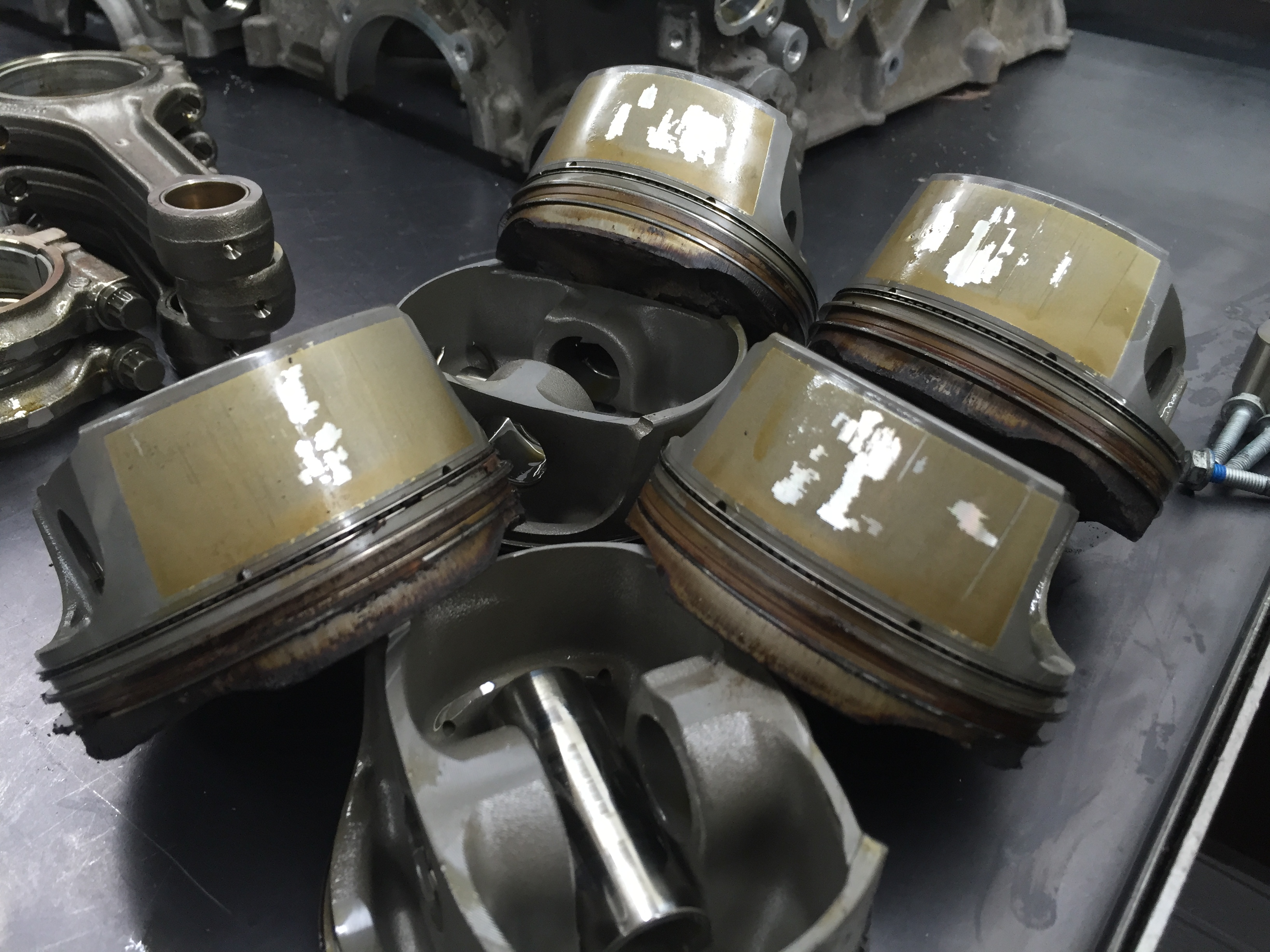
LN Engineering’s Charles Navarro theorizes it was the switch to mechanical exposure that potentially predisposed the M96/M97 block to bore scoring, having potentially damaged the silicon particles rather than simply expose them. This is further exacerbated by the switch from iron-plated cast aluminum pistons to forged aluminum pistons, where the iron coating on the forged pistons has proven far less durable and prone to flaking, which, in turn, acts as a serious abrasive that leads to galling and scoring when there is aluminum-on-aluminum contact. Meanwhile, earlier Porsches—including the 911 SC, 944, and 928—have significantly less incidence of bore scoring, likely due to the combination of chemical exposure and iron-plated pistons.
The kill shot, however, arrived when Porsche switched from Alusil to Lokasil in 1997, a decision sustained through 2008. In contrast to Alusil’s uniform hypereutectic makeup, Lokasil localizes the silicon content to the cylinder bores and allows the rest of the block to be cast from regular (and cheaper) aluminum.
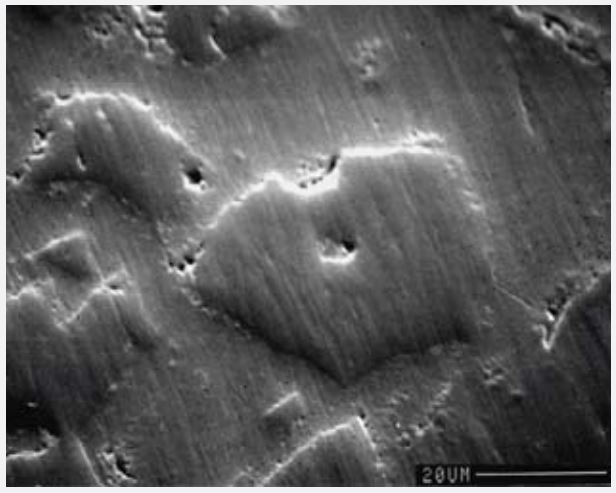
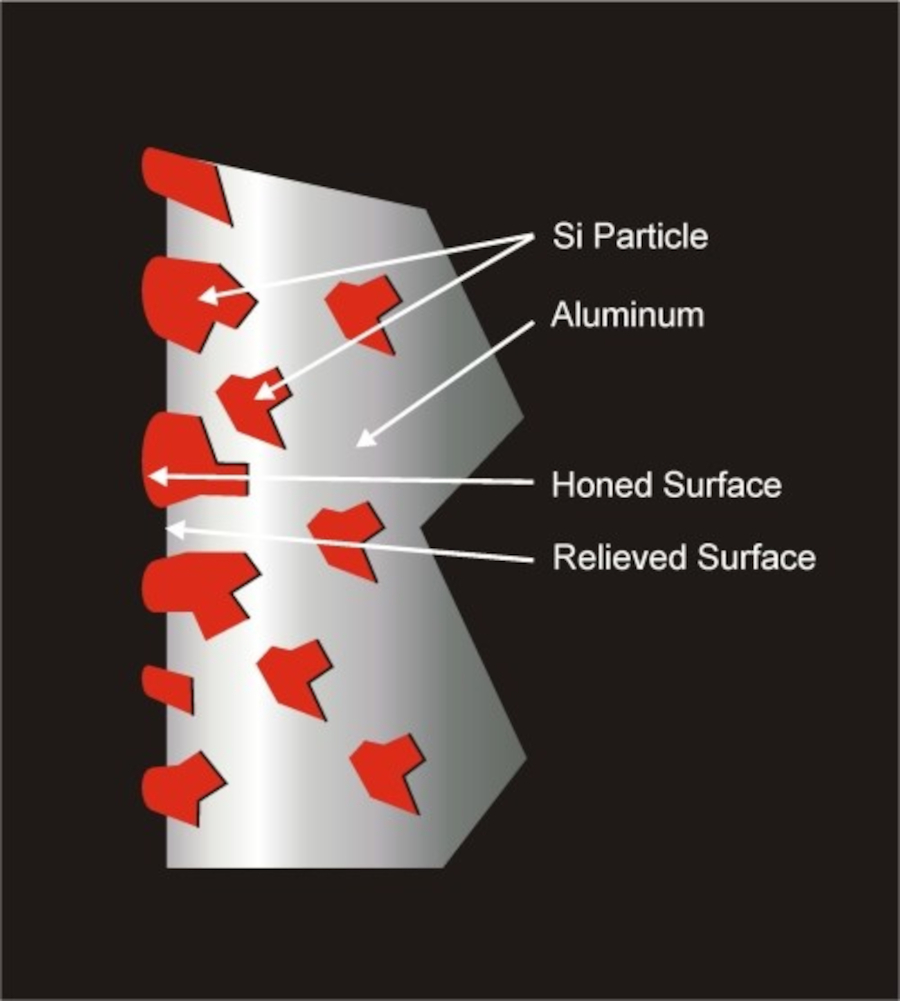
Really, bore scoring is the result of a compounded “soup” of casualties, even beyond the initial mechanical/chemical process and piston composition. Cold weather starts and subsequent prolonged idling cause fuel wash that strips lubrication from cylinder walls—made even worse with the advent of higher ethanol content—further accelerated by poor atomization and leakage from dirty or aged and worn-out fuel injectors. Hence, LN Engineering’s recommendation to use Top Tier Premium Fuels (Read AAA’s Fuel Quality Report).
Counterintuitively, the advances in modern engine oil technology are detrimental to bore scoring prevention, with most formulations optimized for emissions system preservation and supporting fuel efficiency. Case in point—General Motors’ current suggested “fix” for the problematic 6.2-liter L87 V8 is to use 0W-40 rather than the prior 0W-20.
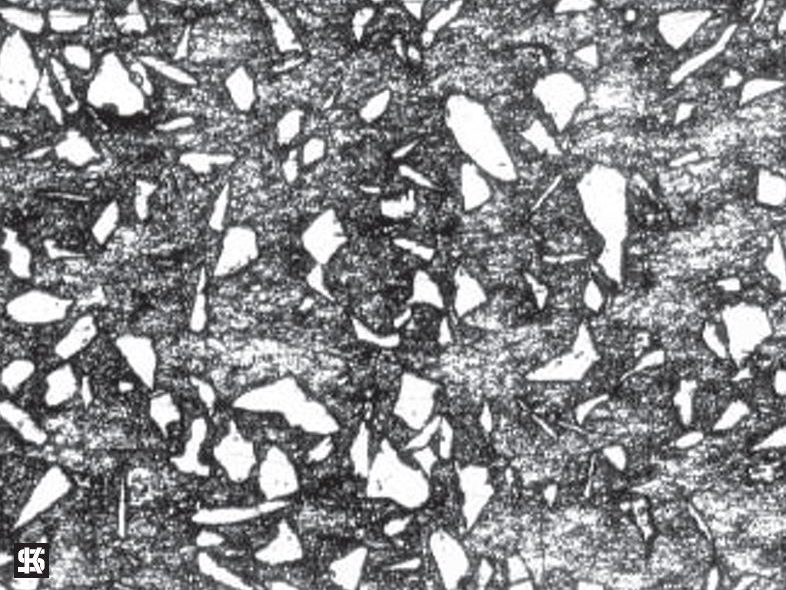
Even accessories can be an enemy. Brittle plastic components like air-oil separator vent tubes and oil-fill tubes frequently cause vacuum leaks that, in turn, trick the ECU into over-fueling, thus causing or adding to chronic fuel wash. Throw in poor (and/or lack of) preventative maintenance, and this becomes a self-sustaining feedback loop.
How Does Bore Scoring Lead to Engine Failure?
Remember, unlike the M96/M97’s IMS problems, bore scoring is a chronic, protracted failure that gives plenty of forewarning that something isn’t “right.” As the degradation of the cylinder wall worsens, oil consumption skyrockets and leads to significant carbon buildup. When this buildup reaches a critical point, compression also increases due to carbon buildup on the piston that subsequently leads to a brief period where the engine seemingly runs stronger; it’s always temporary, as the ECU eventually cannot account for these compression changes and leads to detrimental engine behavior that starts with ignition detonation and ends in disaster. Common end-stage bore scoring failures are rod bearing loss, crankshaft and piston damage, and/or cracked cylinders. Excessive oil consumption will also cause damage to the oxygen sensors and catalytic converters, and trigger misfires due to fouled spark plugs. It bears repeating: the only solution and assuagement for existing bore scoring is a complete teardown. No amount of intervention or “secret sauce” will stabilize ongoing scoring or reverse it. Bore scoring will always get worse; the earlier you detect or catch it, and take corrective action, the longer you’ll be able to put off that eventual engine rebuild.
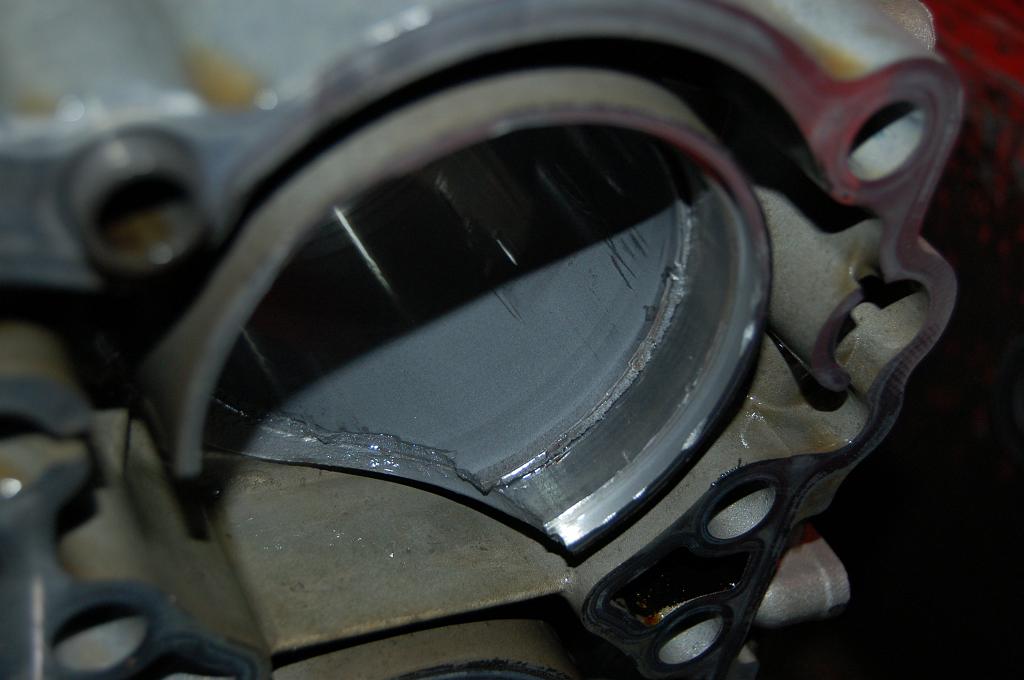
Which Porsches Are Most Commonly Affected by Bore Scoring?
As you might have guessed by now, bore scoring is most often associated with the M96 and M97 engines found in early water-cooled Porsche 911, Boxster, and Cayman models, though the issue is far broader than most folks realize. The affected vehicles are:
1999-2008 911 Carrera (996 to 997.1 generations)
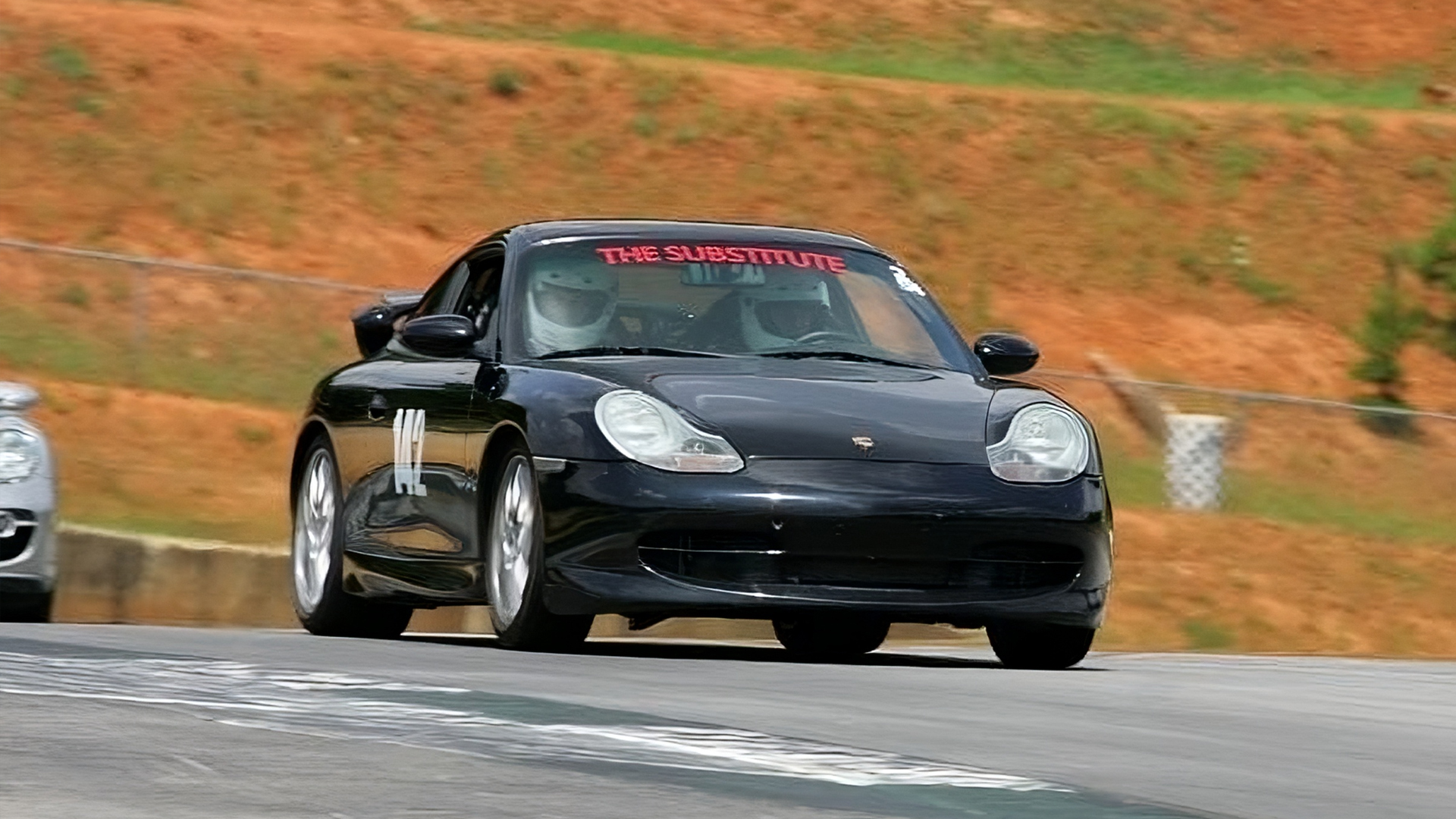
The 3.6-liter and 3.8-liter engines are particularly susceptible, and though the earlier 3.4-liter found in the 996.1 is less commonly affected, it’s not immune.
2000-2008 Boxster & Cayman (986 to 987 generations)
This affects primarily the late 3.4-liter “S” variants, whereas the base 2.5-, 2.7-, and 3.2-liter engines are rarely affected.
Panamera, Cayenne, and Macan, various model years
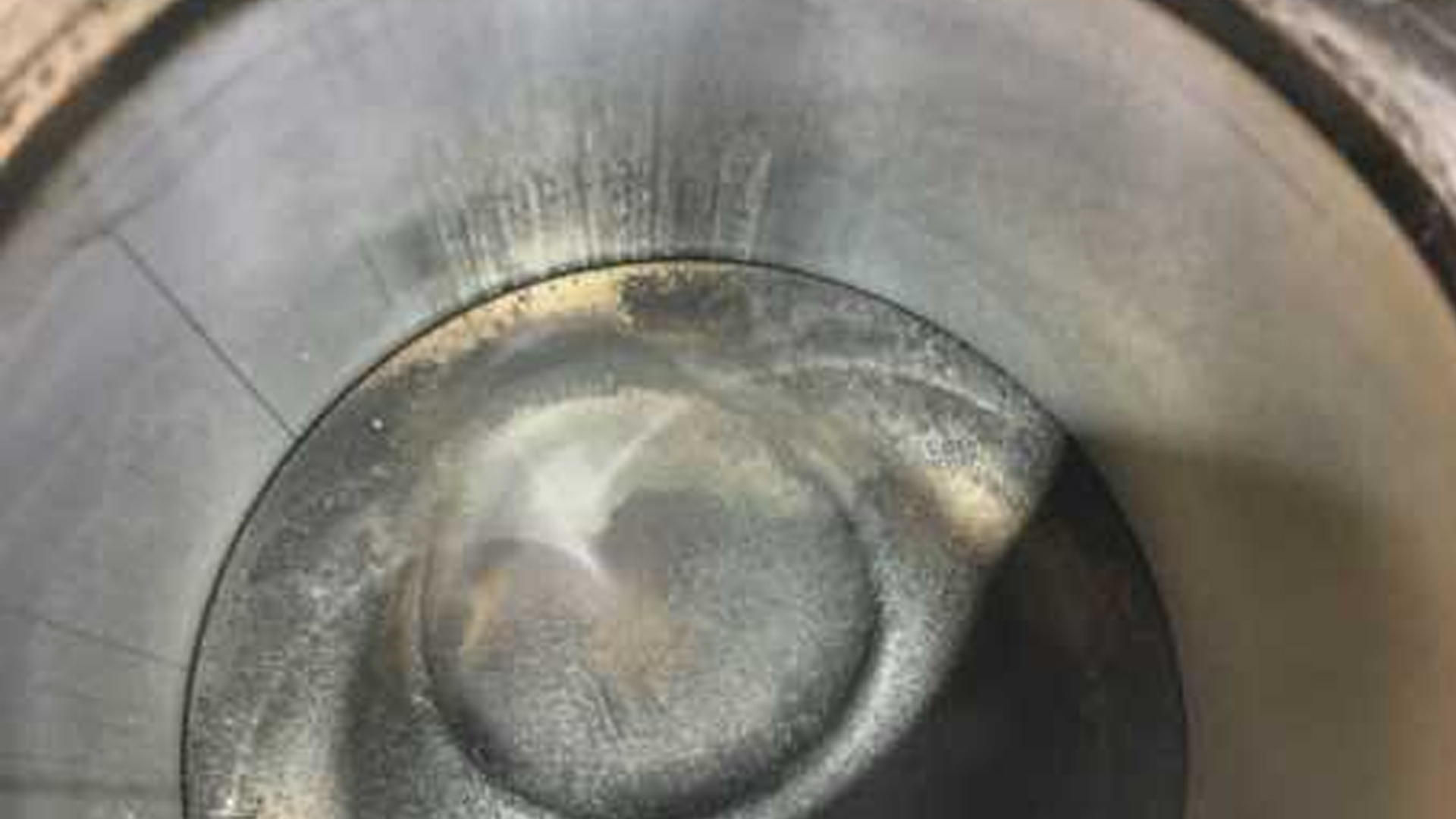
Bore scoring has been reported in all these vehicles that use V-6 and V-8 engines derived from the same family of high-silicon aluminum block technologies (Alusil). The earlier first-generation V8 models of the Cayenne and Panamera are particularly problematic.
Other European Makes
Crucially, bore scoring isn’t exclusive to Porsche. Any engine using hypereutectic aluminum blocks can be susceptible, a list that includes engines from BMW, Audi, and Mercedes-Benz with similar silicon-alloy cylinder bore technologies.
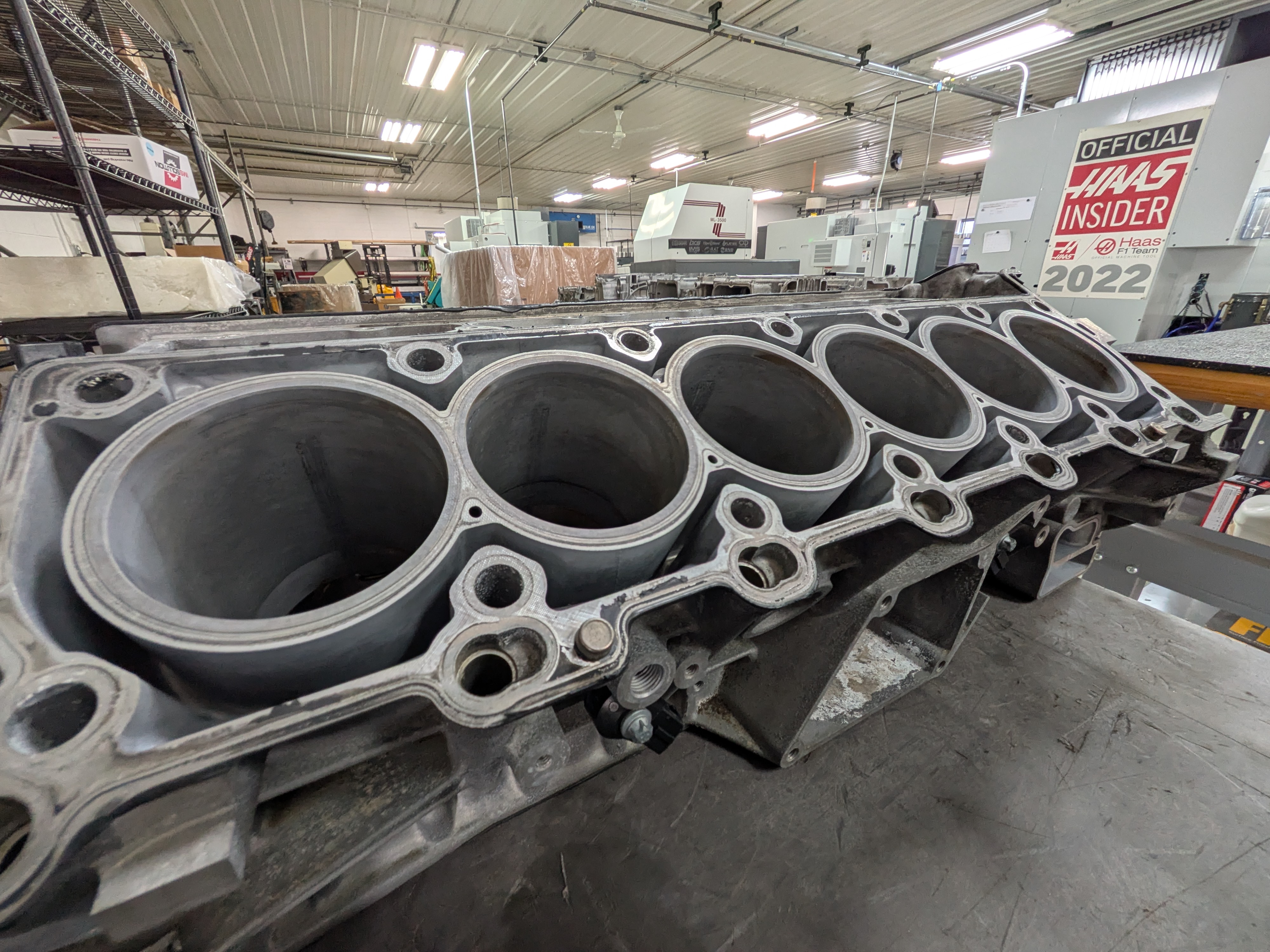
Ultimately, the risk is highest in cars that see a combination of infrequent oil changes, short trips, cold starts, excessive idling, aged plastic components, and deterioration of the fuel system accelerated by ethanol-enriched fuels—all of which promote fuel wash and scoring. Careful pre-purchase inspection and following a severe service maintenance program, including used oil analysis, remain the best defenses, no matter the car.

Porsche models withOUT Bore scoring
The Mezger Remains Supreme
As is the case with the Mezger engine family’s complete immunity from any IMS issue, those cars fitted with this legendarily robust engine lineage is also free from bore scoring thanks to a more comprehensive oiling system with true dry sump scavenging and Nikasil-plated cylinders. These cars include:
- 2001-2013 Porsche 911 Turbo and Turbo S (996 to 997 generations)
- 2001-2011 Porsche 911 GT2 and GT2 RS (996 to 997 generations)
- 1999-2011 Porsche 911 GT3 (996 to 997 generations)
How Do You Detect and Prevent Bore Scoring?
If it’s a car you’re interested in purchasing, a comprehensive and thorough pre-purchase inspection is crucial. For checking cylinder health, correct deployment of bore scoping is a must, though be wary of the chosen shop’s methodology. According to LN Engineering and Flat 6 Innovations, the correct method is to remove the sump plate, bring the piston to top-dead-center, and scope from the bottom, starting with Bank 2. Check from both top and bottom—if scoring is present at the top of the cylinder, the engine is already terminal.
Curious as to why it always starts in Bank 2? Opinions are mixed, but LN’s presiding theory is the M96/M97’s piston offset flaw from Porsche’s use of non-bank-specific pistons that leads to “suboptimal” offset on Bank 2. Others assert it’s temperature-related, hence why a low-temperature thermostat is a must for a properly sorted M96/M97. Furthermore, intake airflow/tumble differences noted by Jake Raby in cylinder 4 or 6 on Bank 2 might cause fuel enrichment, thus worsening fuel wash. A proper PPI for one of these Porsche engines includes bore scoping from both the sump and the spark plug side, as this gives an opportunity to inspect all spark plugs for clear signs of oil or fuel fouling.
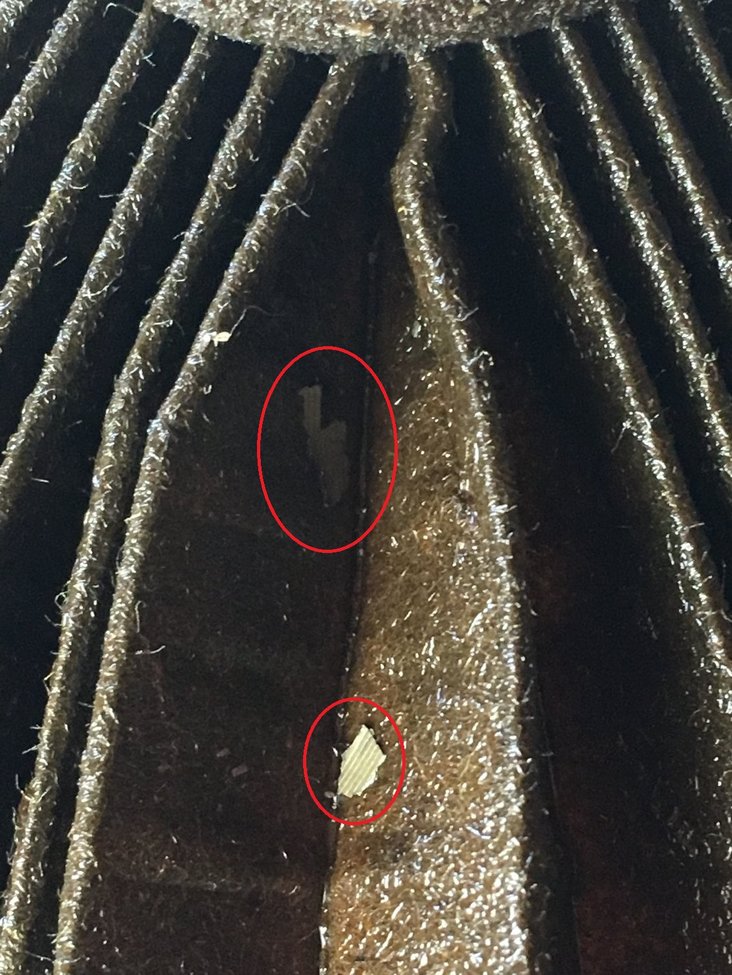
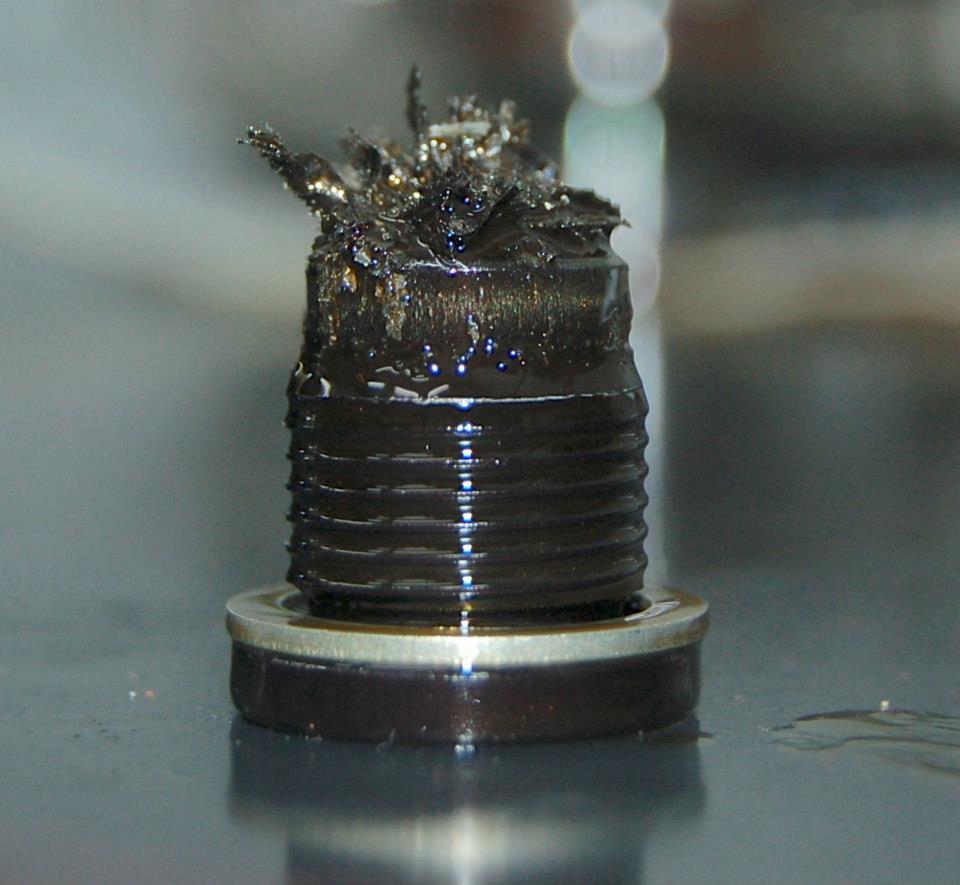
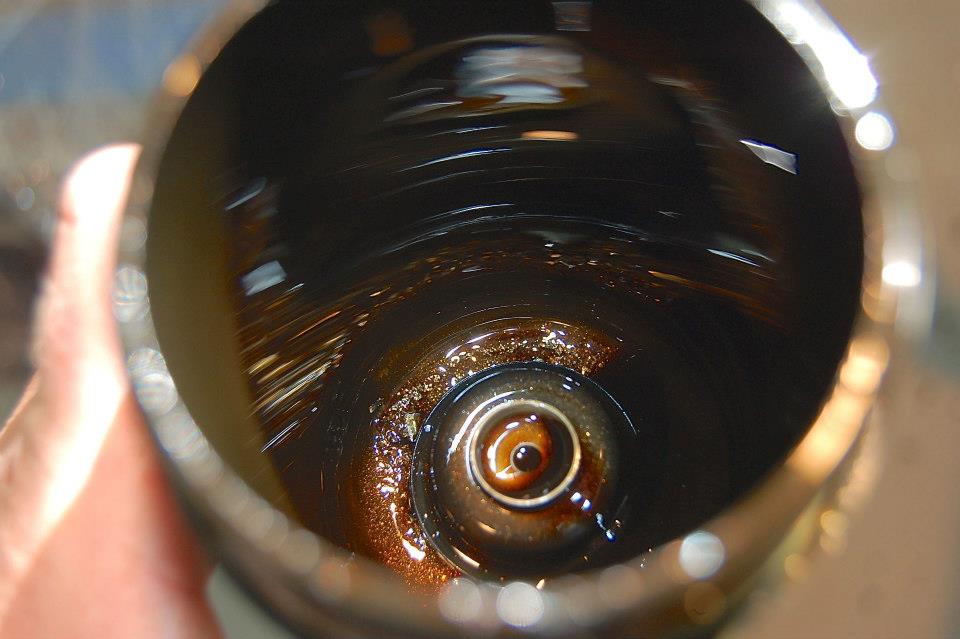
Regular oil analysis is also a great tool for monitoring your engine health and detecting cylinder bore scoring. Typically, elevated levels of aluminum, silicon, iron, and fuel dilution all point towards cylinder bore scoring.
A Durametric can check fuel trim values and give you access to Porsche-specific diagnostics unavailable to a standard OBD2 tool—but make sure you (and/or your mechanic) know what you’re looking at and do not misinterpret the tool’s data. Additionally, using a manometer to perform vacuum tests on the crankcase provides a good measure of ring seal, with recommended spec on M96/M97 engines reading between 4-6 inches of water column. Any lower than that, and you either have a poor ring seal or a rather large vacuum leak. Conversely, higher readings indicate a faulty air-oil separator—look for oil in the intake, smoke, and whistling from the rear main seal.
If all this has you glancing nervously at the car already in your garage, don’t fret—there are clear steps to recognizing symptoms and ensuring it doesn’t happen to your healthy engine. Oil analysis is key, with markers set for metal and impurity content, with LN Engineering suggesting the use of high-quality oil formulated with high levels of molybdenum. ZDDP alone is not effective at protecting aluminum surfaces, and oil additives are merely a band-aid for suboptimal oils and won’t provide the same protection as a fully formulated oil that is specifically optimized for engines with Alusil and Lokasil cylinders.
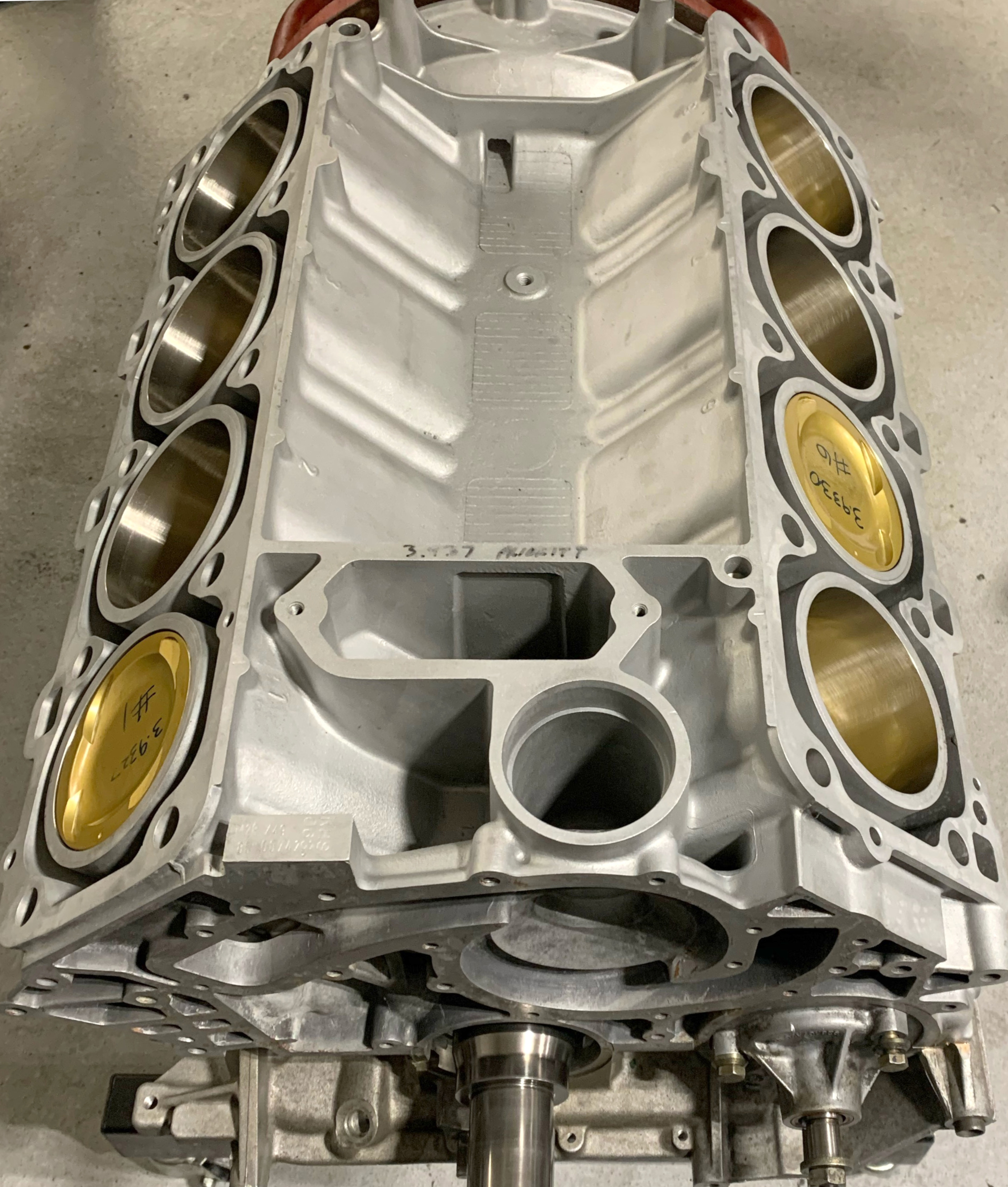
Finally, the smartest thing you can do is to start with a solid car that is known to be free of issues. Don’t chase problems in a basket case—establish a baseline with a healthy M96/M97, and address the potential issues before they even arise. Other than properly scoping the bores and carrying out regular used oil analysis, LN has done a good job outlining steps that can be taken to prevent bore scoring, starting first with the regular use of Driven DT or DI engine oils and Driven Injector Defender.
How Did We Get Here?
Now you know that “what,” let’s pivot to the “how.” Or, how Charles Navarro of LN Engineering and Jake Raby of Flat 6 Innovations were some of the first to diagnose bore scoring causalities and subsequently offer comprehensive and direct solutions.
Similar to Navarro and Raby’s efforts on the IMS problem, Porsche guru and legend Bruce Anderson keyed them into the M96’s struggles in the early 2000s. As enumerated in the previous deep dive into LN Engineering’s IMS Solution, neither engineer expected to be one of the leading figures in Porsche’s water-cooled engine tech. Raby and Navarro are avowed air-cooled fanatics, both having already established themselves in the air-cooled community prior to even contemplating ever touching a water-cooled Porsche; Navarro launched his career with popular and impressively durable nickel silicon carbide-plated aluminum cylinders right out of college. These“Nickies” cylinders, originally offered within the Volkswagen community, quickly spread in popularity to the greater air-cooled Porsche community. Nickies were a particular revelation for the Volkswagen Type 4 engine—also used in Porsche 914 and 912E models—that allowed for reliable power comparable to a Porsche 911 engine. From an innovation perspective, the Type 4 is an engine platform for which Raby is considered the preeminent expert and builder, having worked closely with Navarro from day one on the development of LN’s Nickies. The rest is history.
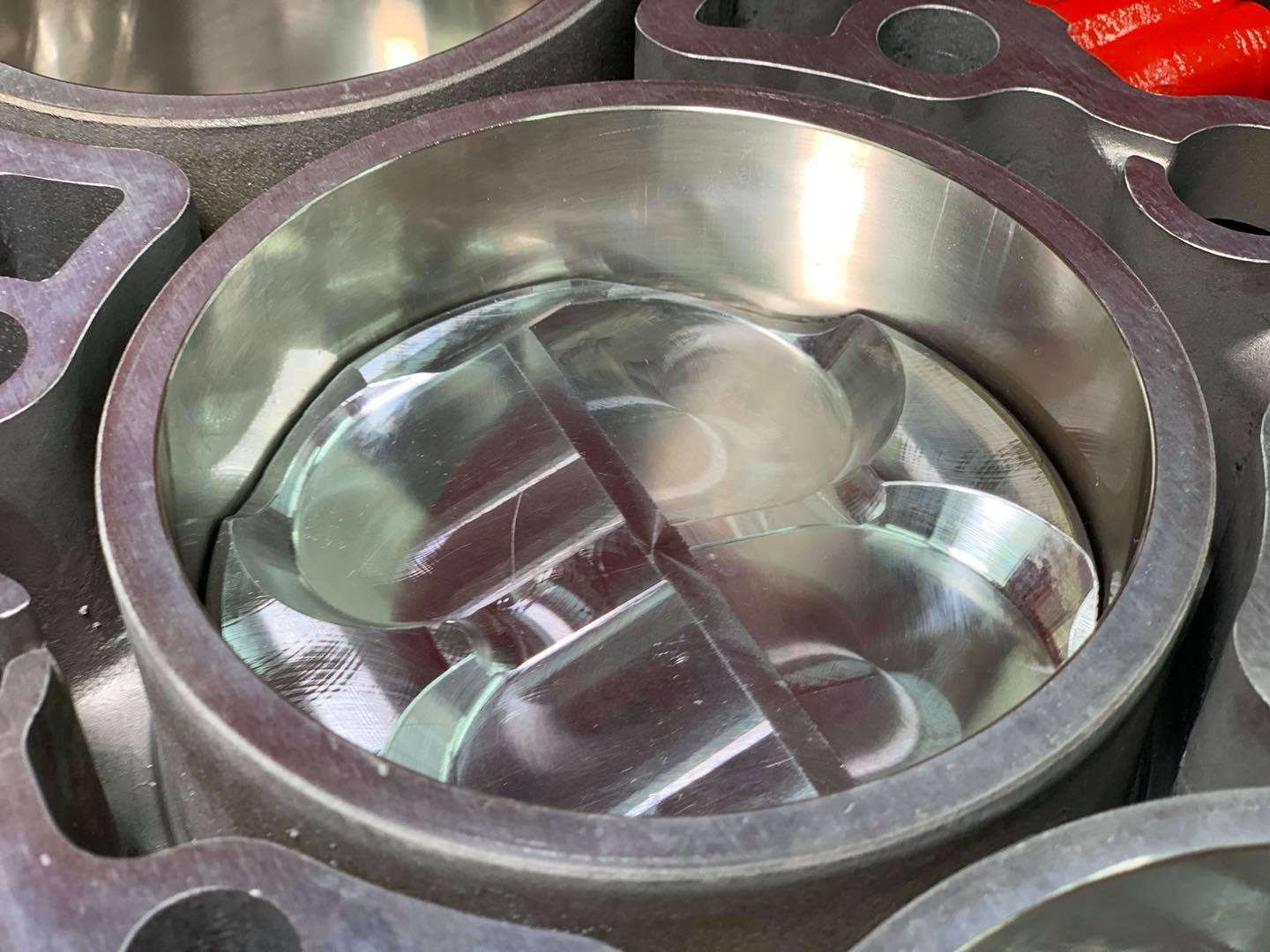
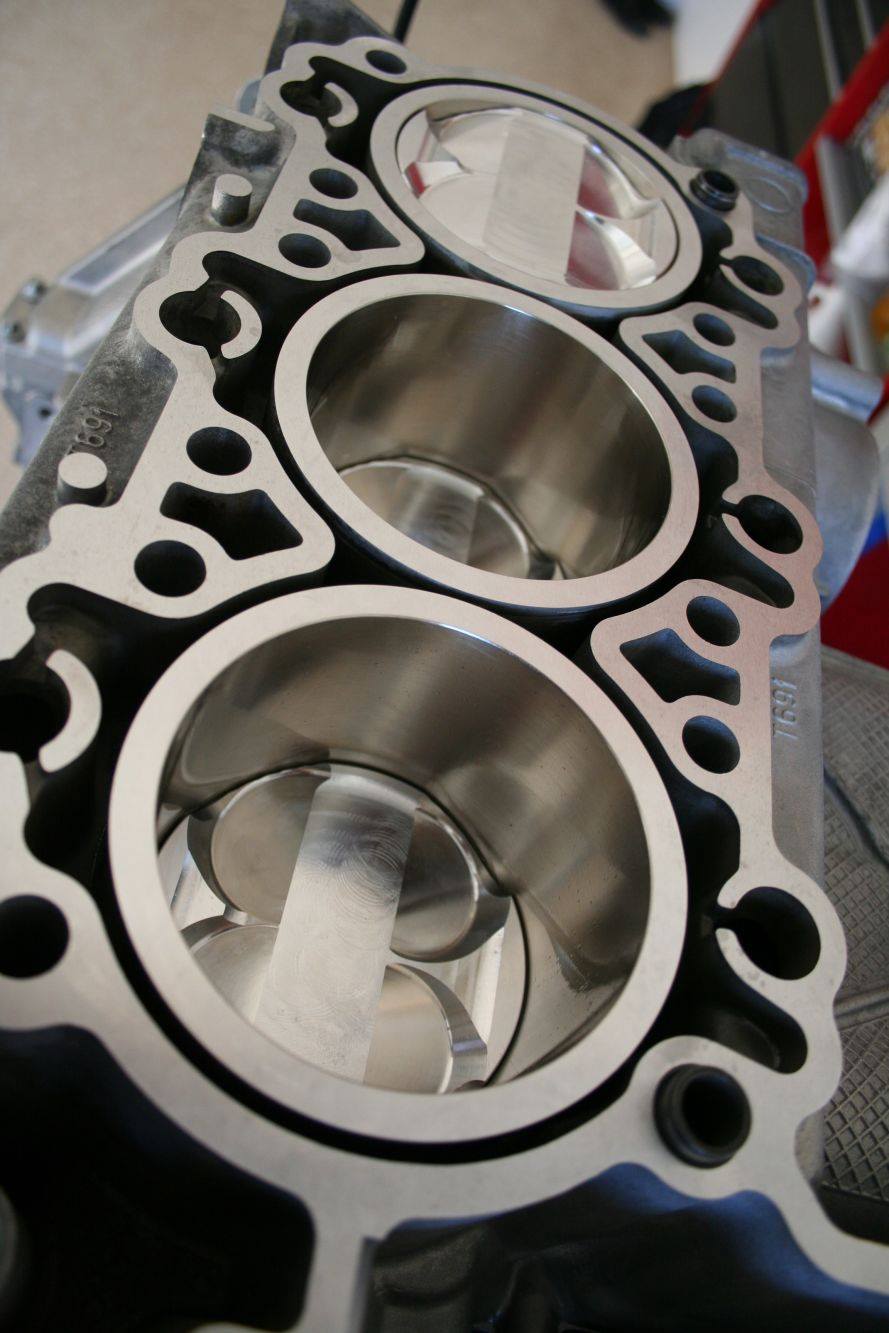
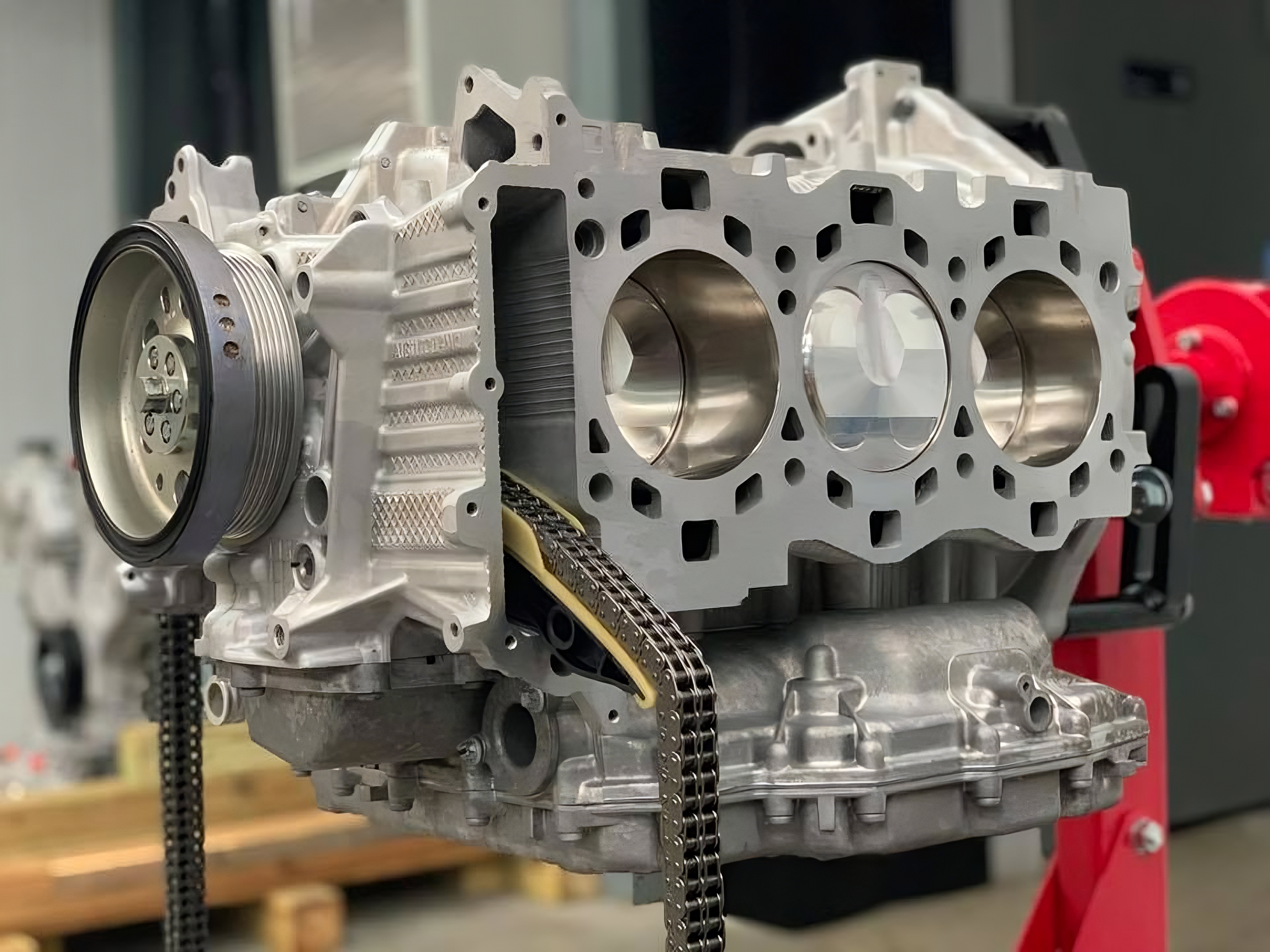
It was Navarro’s experience with cylinder liners that had Porsche dealerships clamoring for his help with early M96 bore scoring issues. To set a baseline, Navarro purchased a cluster of broken M96 engines for autopsy, looping in Raby for development work for both cylinder issues and IMS failures. As a result, bore scoring was one of the first failure modes the duo investigated. This quickly expanded to encompass their work on IMS failures, with IMS and bore scoring R&D proceeding in tandem. However, this is not to be mistaken with the IMS Retrofit, as this didn’t launch until years later, since the duo never planned on upgrading the IMS outside of complete engine overhauls.
Now, they could go on the attack. The adaptation of Nickies cylinders to a water-cooled application was the natural first step, with the use of bespoke piston specs, custom head gaskets, and other proprietary components the next. In these early days, much of this work was reverse-engineered due to a lack of official Porsche documentation, and thus, nearly all developmental engines were built to performance specs rather than stock.
At the time, the weaknesses of the M96 engine were still not widely understood. Furthermore, most of the successful engineering around upgrades, durability, and performance occurred in the United States; most European efforts focused on simple repairs and stock rebuilds. It was Navarro and Raby’s maverick approach to this platform that led them to identify 31 distinct modes of failure in the M96 family, 24 of which were discovered in the first five years—most of which the result of the duo’s deployment of performance testing and experimentation that accelerated failure discovery including torture-testing cars on track, pushing the limits of displacement and compression, and even developing and campaigning a record-holding M96-powered land speed 996.
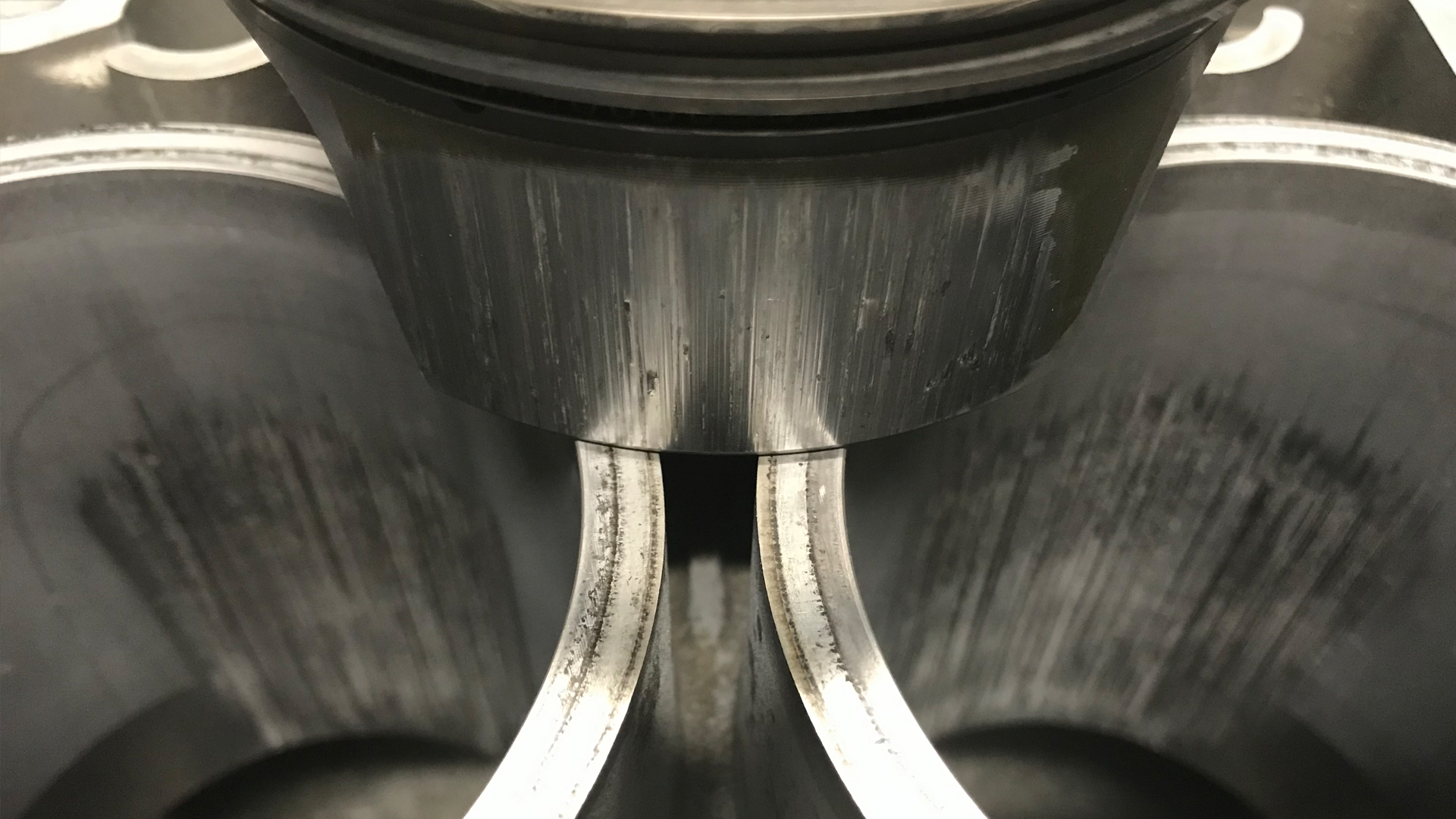
Critical to this development work was documenting failures, only making the list if a particular issue was identified more than four times. Fuel wash-down caused by bad injectors is certainly one of the worst culprits; a significant “Aha!” moment occurred when the duo noticed repeated bore scoring on newly rebuilt engines using factory replacement shortblocks. When these engines were fitted with the original used fuel injectors, a pattern of recurring scoring on the same cylinders would manifest in only a few thousand miles. Subsequent testing found injectors in offending cylinders with scoring that had poor fuel atomization and leakage, resulting in a loss of critical lubrication.
It’s important to note that LN Engineering and Flat 6 Innovations pioneered all failure research and fixes independently, with zero factory support. Even today, there are no published factory specs for key tolerances, necessitating Navarro and Raby to create their own playbook. Even when Porsche released basic information like torque specs, much of the critical clearance and dimensional data remained inaccessible. Proposed federal “Right to Repair” legislation—currently stalled—would grant consumers and independent repair shops the right to access parts, tools, and information needed to repair these vehicles. The factory service manuals were of little help, too—Navarro and Raby both say they discovered a handful of errors and omissions, including incorrect camshaft timing procedures, leading to assembly errors.
The Bore Scoring Solution
The result of all this effort? A comprehensive, made-in-America solution for any Porsche engine affected by bore scoring. As the only true solution is an engine rebuild, most clients opt for a comprehensive performance build under the guise of “Well, since you’re already in there…” but scoring assuagement begins with the removal of damaged Lokasil liners for fresh aluminum cylinder sleeves plated with nickel silicon carbide to provide a hard and durable, low-friction surface for the cylinders.
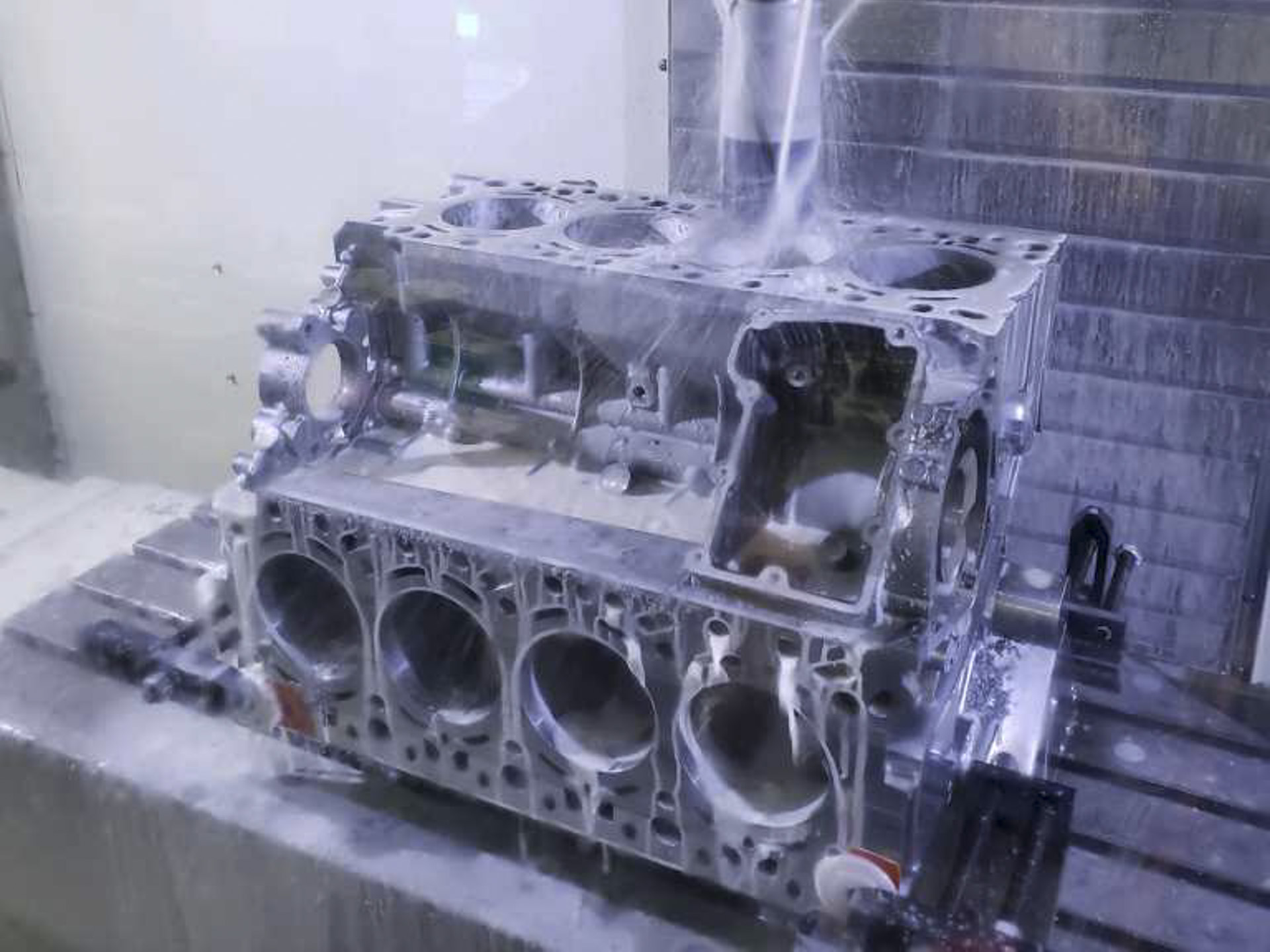
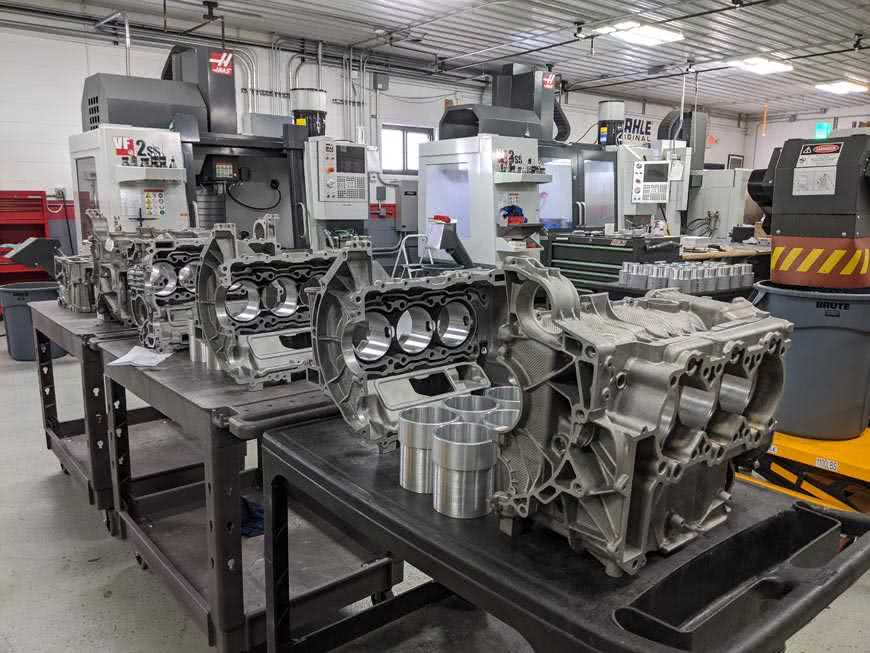
If your block is hewn from Alusil, most are salvageable via over-boring and direct plating, though LN Engineering doesn’t plate in-house due to EPA regulations. Instead, a network of trusted and well-vetted platers out of Wisconsin and Pennsylvania are tapped for said plating, which is done to their specifications.
If you’d rather take your bore scoring problem elsewhere, ensure you extensively research and screen potential engine builders. Reuse of old, tired componentry is a significant red flag, so ensure there’s reliable documentation on reused versus new parts, this going hand-in-hand with keeping an eye out for suspiciously low-cost quotes and unrealistically short turnaround times. Even if the builder sources fresh blocks and/or liners from LN Engineering, Navarro says many customers don’t read the included instructions and directives developed by Flat 6 Innovations, leading many builders to skip crucial steps that can lead to repeat failures.
Your engine—the very heart of your car—is not the place to cut corners. Builders must replace injectors, mass-airflow sensors, oxygen sensors, and, if a definitive engine failure has occurred, any component damaged by or exposed to engine oil contaminated by foreign object debris. Really, considering the age of these cars, you’d do well to replace many of the ancillaries often forgotten when estimating the price of an engine rebuild. Parts like dual-mass flywheels and coolant expansion tanks should always be included, even if these external parts add up to significant additional costs.
The Future of Bore Scoring
Though LN Engineering’s line of water-cooled Nickies cylinders has nearly two decades of proven durability in stock rebuilds and extreme-performance hot-rod hearts alike, development hasn’t stopped. Raby and Navarro have extensive experience with APS (Atmospheric Plasma Spray) and PTWA (Plasma Transferred Wire Arc) cylinder coatings, future-proofing these and older Porsche engines with more environmentally friendly cylinder bore technologies not unlike what Porsche currently uses in their newest engines.
PTWA is tech used in Porsche’s latest family of flat-six engines, kicking off with the 2016 -2019 991.2-generation 911 and extending through the 718 Boxster/Cayman models. For Porsche’s larger vehicles, the Audi-derived 4.0-liter twin-turbo EA825 V8 wears APS (SUMEbore) coatings first introduced with the 2017 Panamera Turbo (971-generation). This 4.0-liter would go on to power the 2019+ Cayenne Turbo, Panamera GTS, the Lamborghini Urus, Bentley Continental GT and Bentayga, and various Audi S and RS models. The smaller, turbocharged EA839 V6 engines found in 2019+ Macans, Panamera 4, and Cayenne Base models also moved away from Alusil by incorporating pressed-in cast thin-wall iron liners, further enhancing bore durability.
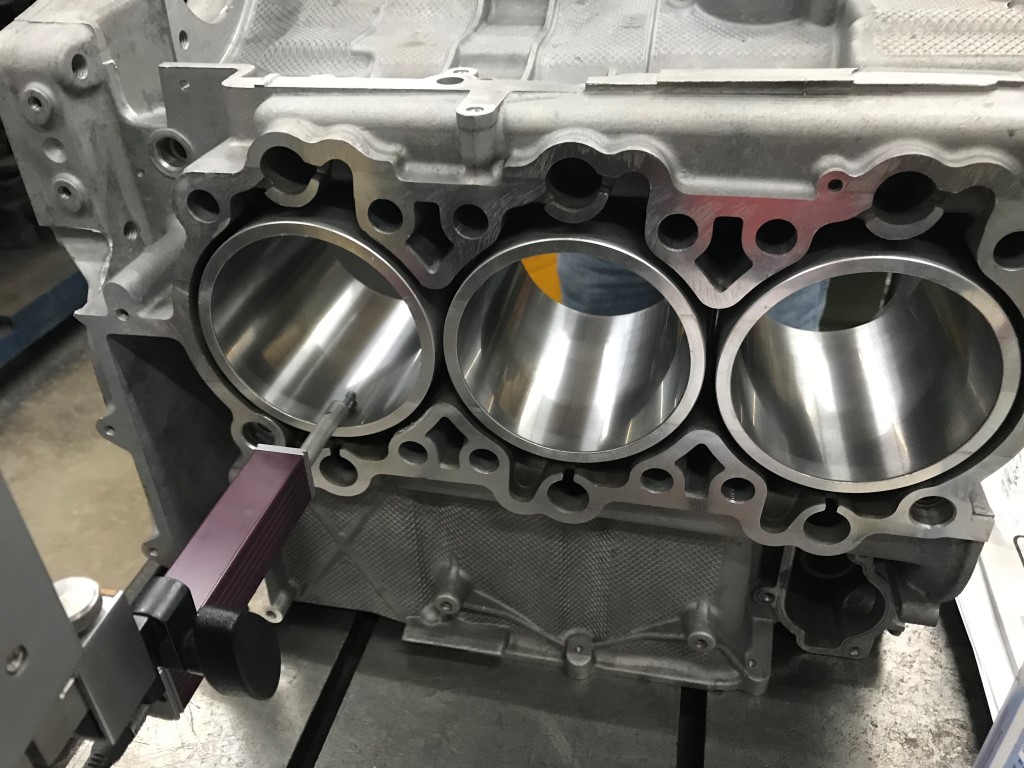
These thin-wall coatings and liners—typically around 0.15 mm in thickness—offer excellent thermal conductivity, high wear resistance, and better oil control. Porsche has publicly cited up to a 90% reduction in cylinder wear at top and bottom dead center, and 50% lower oil consumption compared to older Alusil-based V8 engines.
Don’t Be Afraid to DIY
If you’re interested in getting your hands oily and rebuilding your M96/M97 yourself, take advantage of Raby and Navarro’s collective knowledge via the appropriately named Knowledge Gruppe, ranging from hands-on classes to self-paced guided rebuild DVDs. Hundreds of hours of technical video content and articles are also available free of charge, in addition to their Tech Tuesday newsletters, Facebook pages, and YouTube channels, providing access to enthusiasts and professionals alike to critical knowledge needed to work on and maintain their cars. The duo has also trained an extensive network of Certified Installers and Assemblers, giving Porsche owners lots of choices when it comes to repair and service.
With Raby’s and Navarro’s support, the future of the 996 and 997 is secure.