Every engine cylinder arrangement has its own special history. BMW is well-regarded for its long-time use of the inline-six, GM knows a thing or two about V8s, and Porsche is so synonymous with the flat-six that, well, we can’t imagine one without the other. But what about the often unsung hero of durability, practicality, and high-performance, the V6?
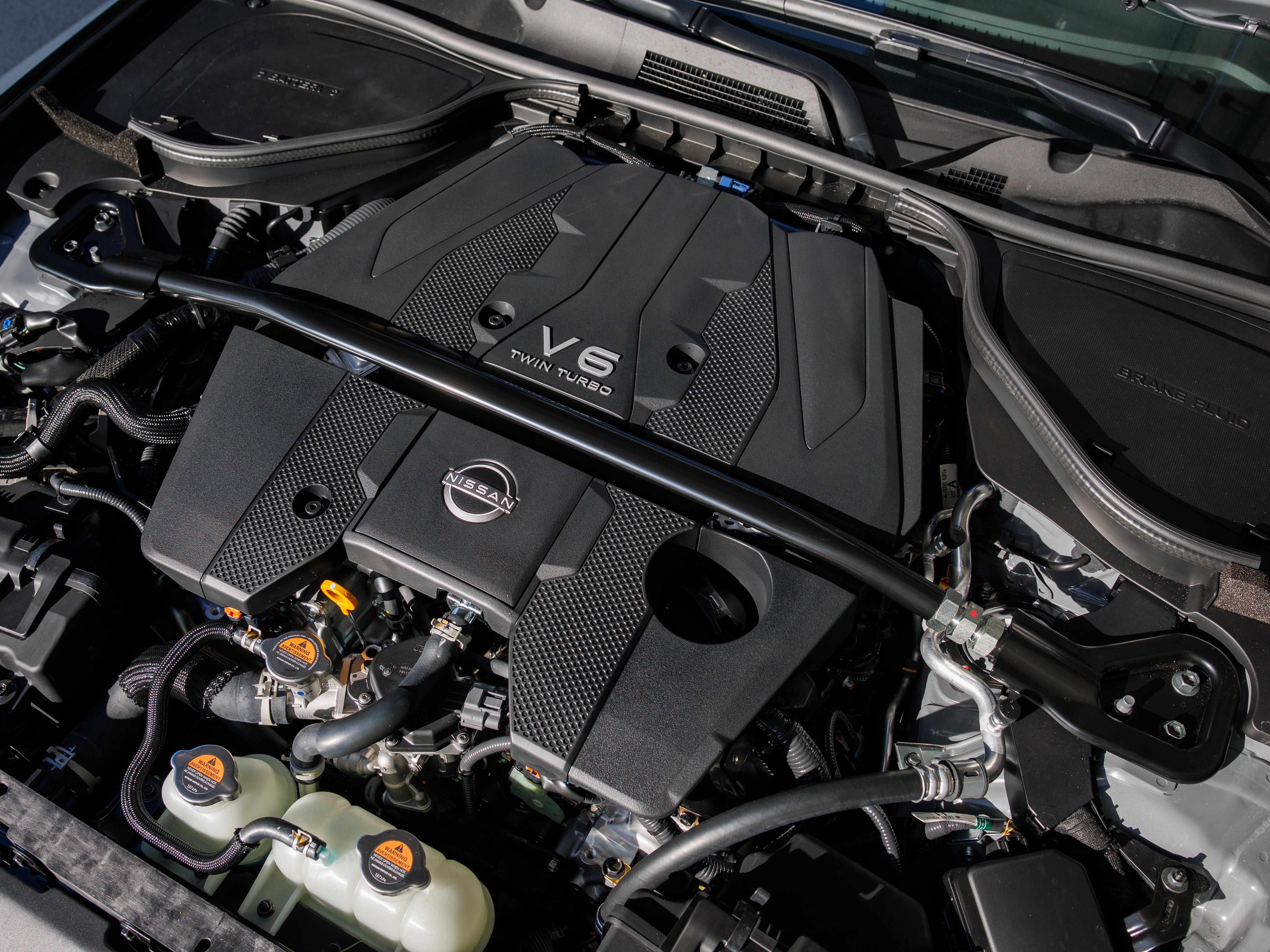
VW/Audi heads surrender their sanity to it in twin-turbo 2.7 form, as well as put on massive meets that celebrate the delicious roar of the brand’s naturally aspirated 3.2. But some folks might not realize that Nissan has championed the V6 more than most—and continues to do so in 2026. Remember that twin-turbo monster under the hood of the Z32-generation 300ZX? The sixes powering today’s Frontier, Armada, Pathfinder, and Z are an ode to the refinement and progress that the brand has heavily invested in since. Their killer combo of durability and practicality benefits everything from trucks to sports cars. This year, a new holiday celebrates two banks of three cylinders sitting across from each other, taking a bow at everyone they pass by. Nissan has coined “V6 Day,” and it’s happening this May. ¡Viva la combustión!

V6 History Lesson
The Art of Packaging: Why Six is the Magic Number
While some automakers have bounced around between platforms and pivoted to buzzy turbo four-cylinders, the V6 has, and still continues to, prove its worth. One can’t deny its compact, power-rich, and smooth formula over an inline-four.
Firstly, V6s adorn an engine compartment well. Their more compact design allows for easier packaging, yet more capacity—and thus, more naturally aspirated horsepower and torque—over an inline-four. Throw in turbo- or supercharging, and six cylinders’ increased displacement gives them the upper hand in power potential.
Take a look at the OG Nissan 300ZX; having just three cylinders to account for from firewall-to-radiator means it can be pushed further back, more behind the shock towers, and therefore giving the chassis better weight distribution to bolster overall handling. Then, there’s the GM LFX under the hood of Cadillac’s CT4-V Blackwing; no matter the chassis, there’s ample room for air-to-air or air-to-water intercoolers when boost hits the intake valves.
Additionally, there are more than a few V6s out there that are well-regarded for their durability. Honda J35, Ford Duratec, Nissan VE and VQ, VW EA837, Toyota 2GR-FE—this is but a small sampling, the list is long. We also can’t forget about the GM LC2, the engine that taught the muscle car crowd that a little or a lot of boost can rip harder than naturally aspirated V8s. Pass after pass, all night long. It helps that each of these has their own special sauce when it comes to materials and construction, and, when you start digging into the details, it’s frankly impressive how many great engines are in this arrangement. Heck, even the McLaren Artura is proudly powered by a hybridized twin-turbo V6, which, thanks to its short crankshaft, freely revs to 8,500 RPM. It’s wild how many inline-fours need complex balance shafts to match what a V6 inherently has; BMW B48 turbo-four, we’re looking at you.
Nissan’s Hall of Fame: From VG to VR
Zeroing in on some of Nissan’s V6s of yore, the VG and VQ proved their tremendous worth in a variety of vehicles. The VG30E’s 60-degree angle, iron block, and three liters of displacement made it a prime candidate for the ‘89 Maxima—that Four-Door Sports Car—and powered the early ‘90s’ Hardbody to sturdy legend-status. Put a “D” before the “E” and tack on “TT” and the Z32-generation 300ZX’s twin-turbo, twin-intercooler version ensured its place in enthusiasts’ hearts. It was even a main character in the Japanese manufacturers’ Gentlemen’s Agreement back in the early ‘90s—while manufacturers officially capped their cars at 276 horsepower to satisfy safety concerns at home, it was an open secret that some Japanese performance engines like the VG V6 were often far more powerful than the paperwork suggested. And with special tuning, those engines could (and still) absolutely fly around a race track.
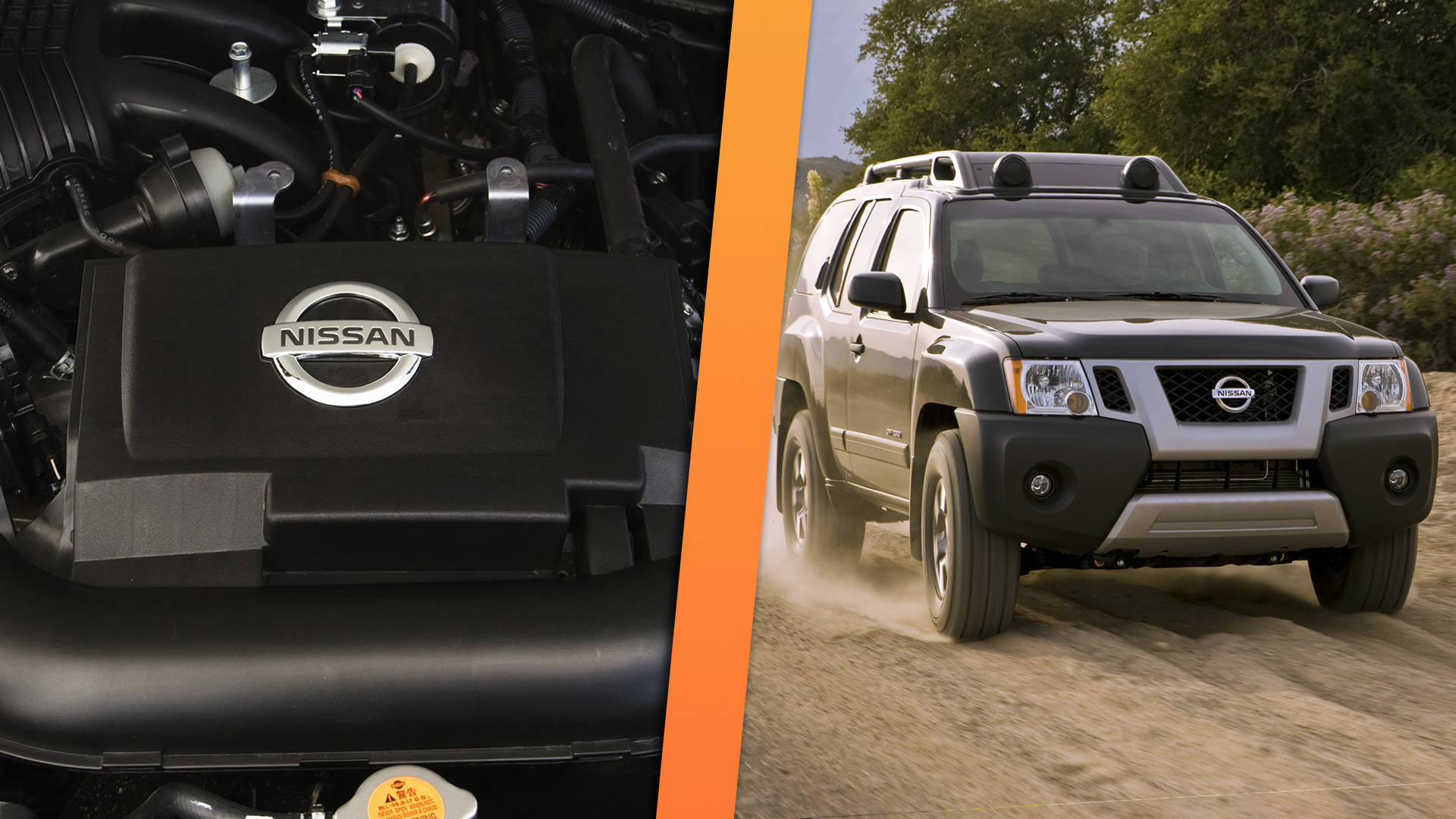
When the original Xterra debuted in 2000, its brawny styling caught the gaze of enthusiasts; this thing was primed for off-road fun. What lived under the hood was special for its time: the 3.3-liter VG33E made 170 hp and 202 lb-ft, with either a four-speed auto or five-speed manual to send its power to all four wheels.
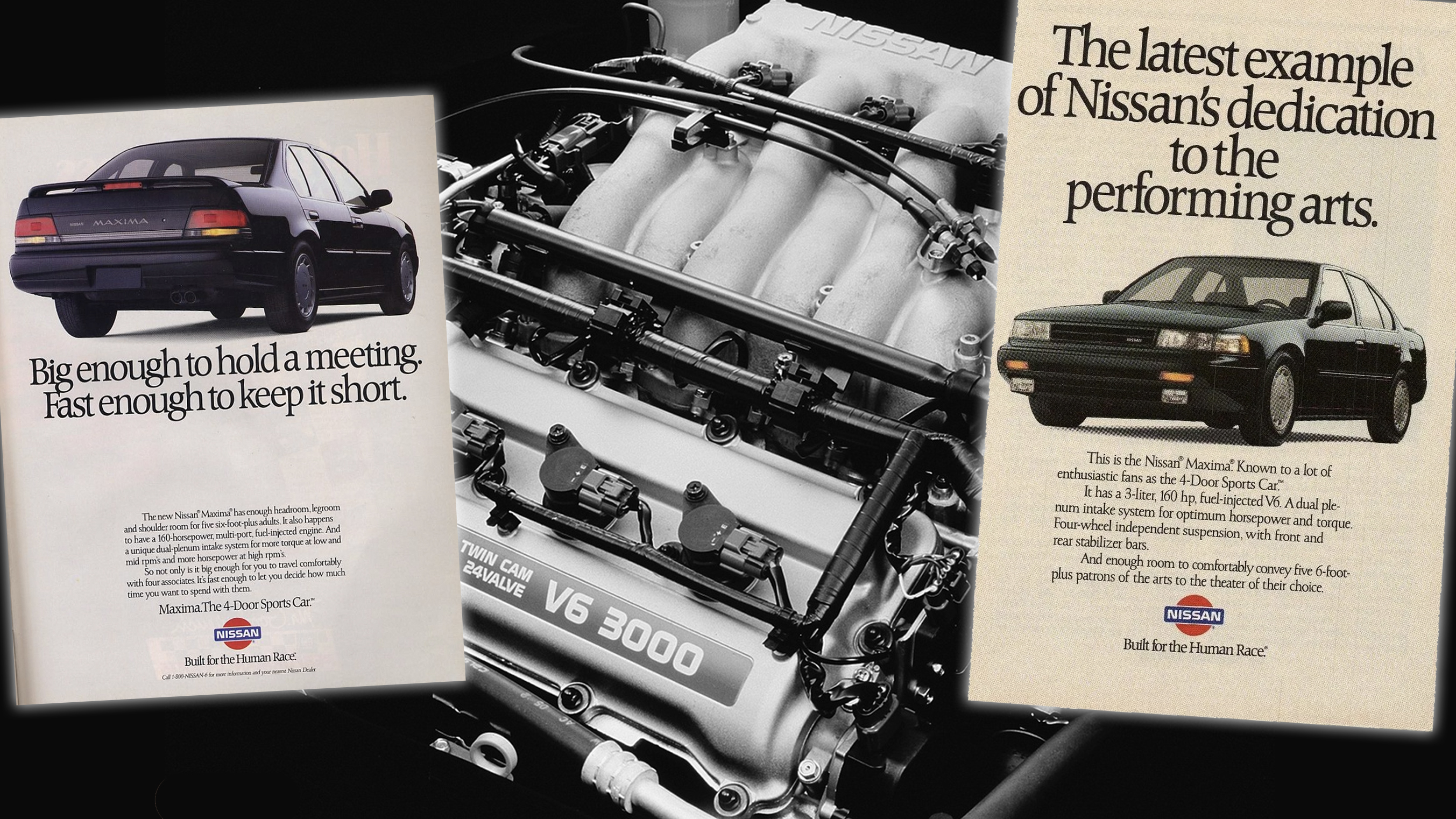
The VQ family of engines is known for solid reliability, great power, smooth revs, and a spirited soundtrack. When the VQ debuted in North America as the VQ30DE—under the hood of the ‘95 Maxima—it lived on Ward’s 10 Best Engines for six consecutive years, and is still its Most Awarded Engine over the last 30 Years. It was then bumped up to 3.5 liters and thrown in the Frontier for 2001. Finally, the VQ35DE was given a higher redline and a bit more output to power the 350Z, which was then re-tweaked into the VQ35HR for even higher revs. Between the two, power ranged from 287 to 311 hp.
No matter the application, including when those code numbers changed to “37” or “40,” with either VHR or DE following, the VQ was capable of producing solid power, reliability, and endless smiles. Corner after corner, rocky climb after rocky climb.
The Modern Vanguard: 400 HP and Beyond
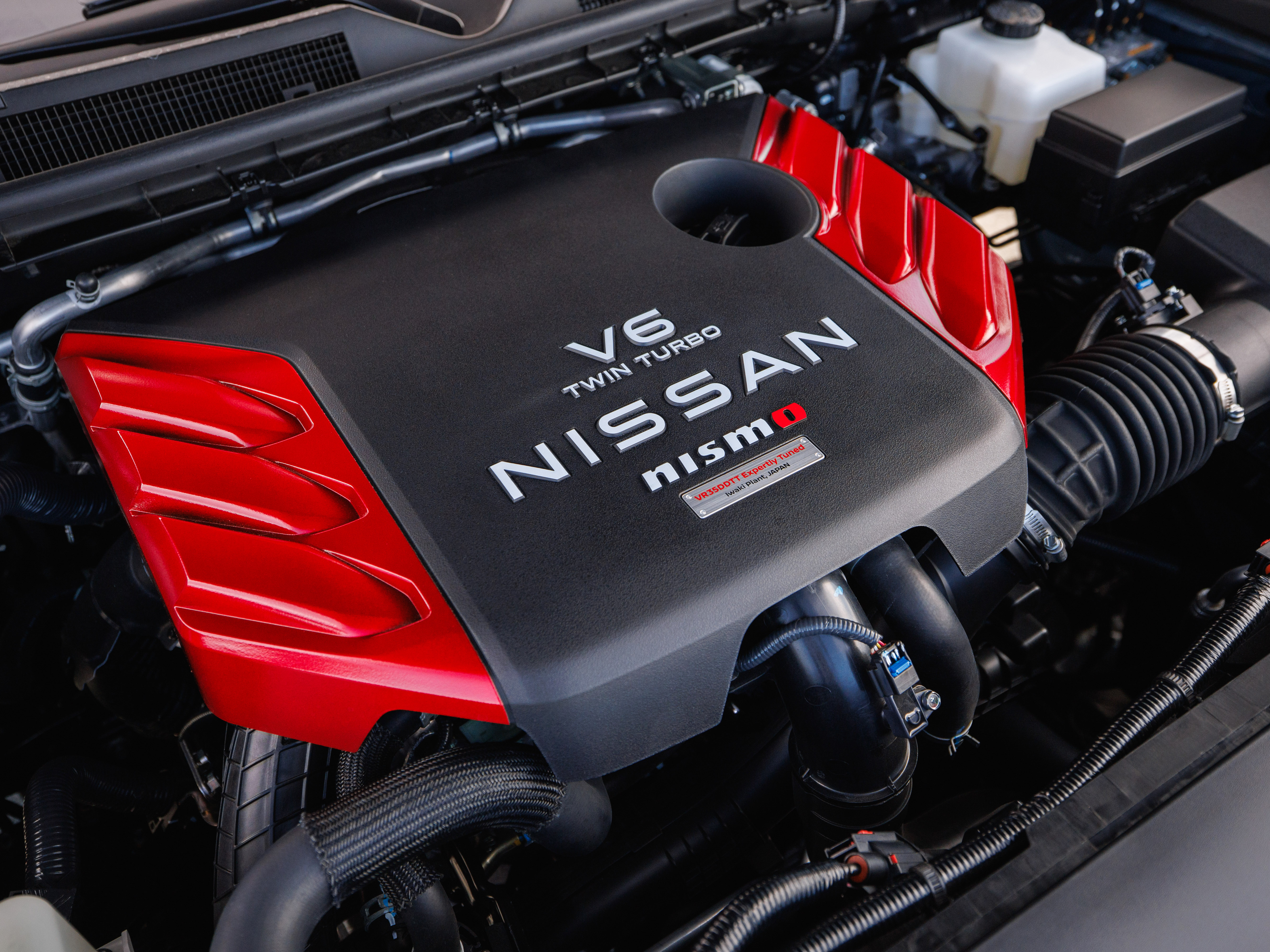
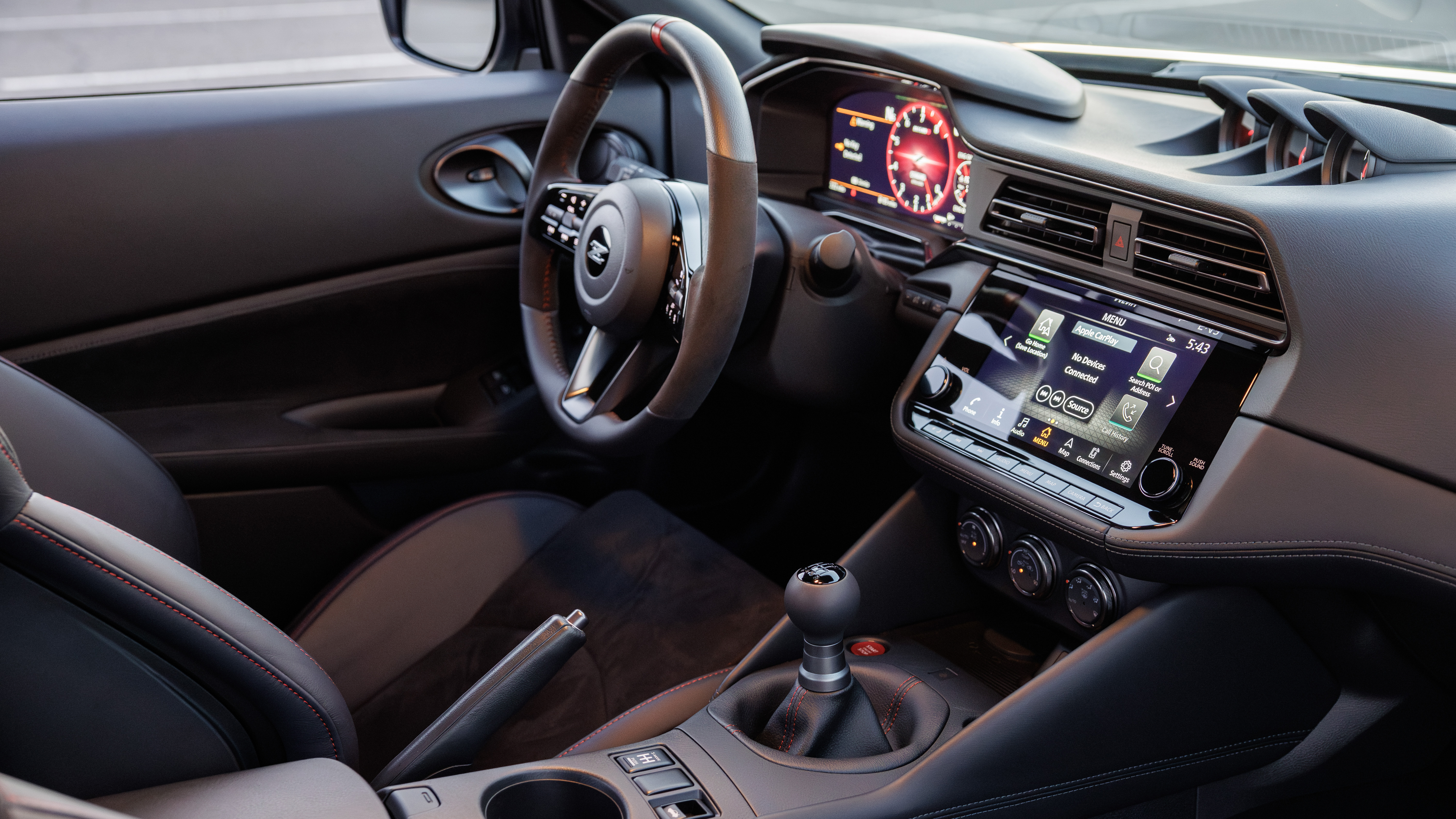
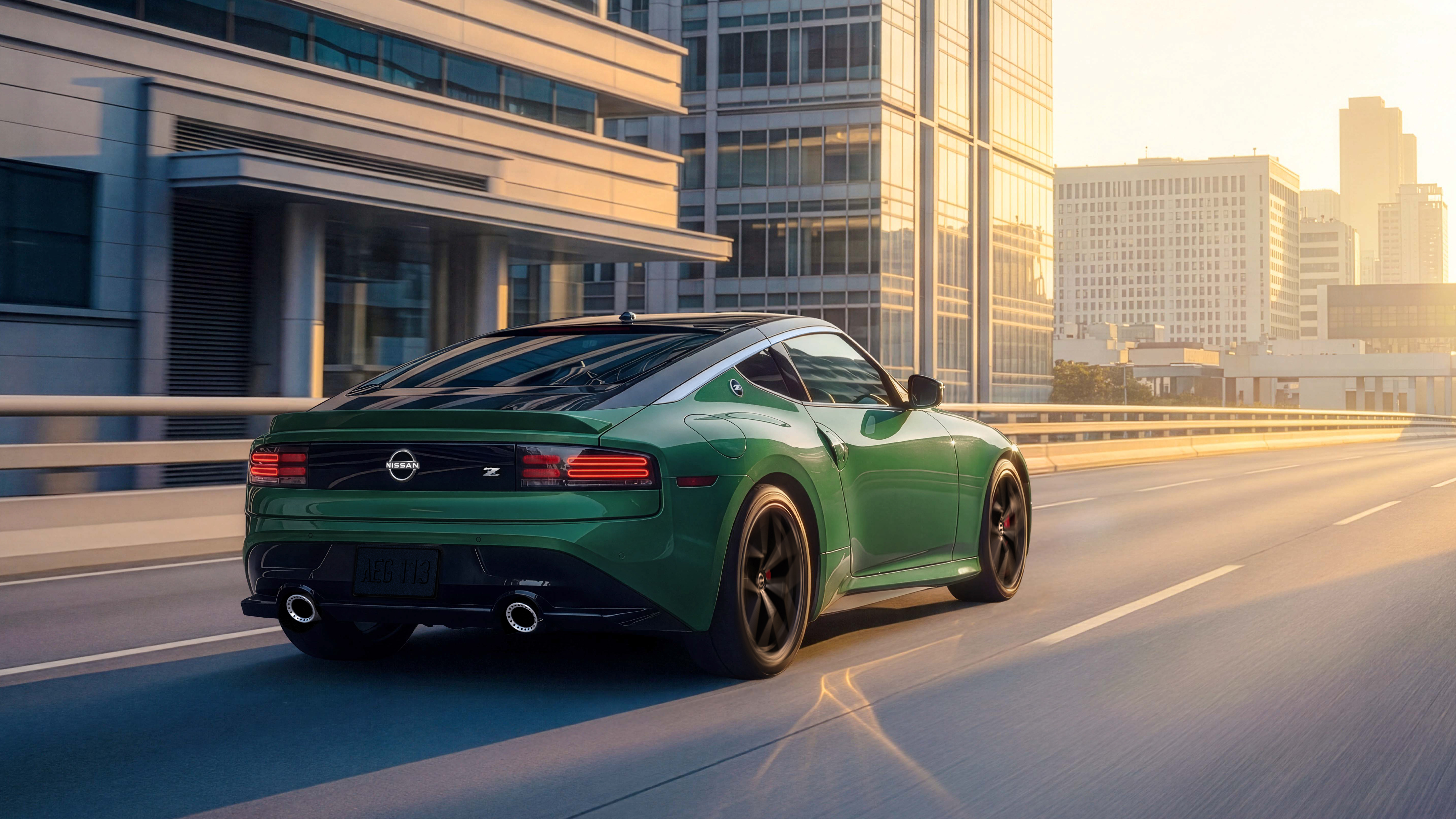
The canon behind having six cylinders in a Z car continues today with the aptly named Z. The VR30DDTT makes 400 hp and 350 lb-ft at the minimum and maxes out at 420 and 384, respectively, in the most enthusiast-geared Nismo trim. It’s downright tenacious in the latter; lightning-fast revs, an angry soundtrack, and one brutal torque curve make it quite addicting. You can tell that this lump is in the same family as the R35-generation GTR’s VR38DETT, which deserves a whole story on its own.
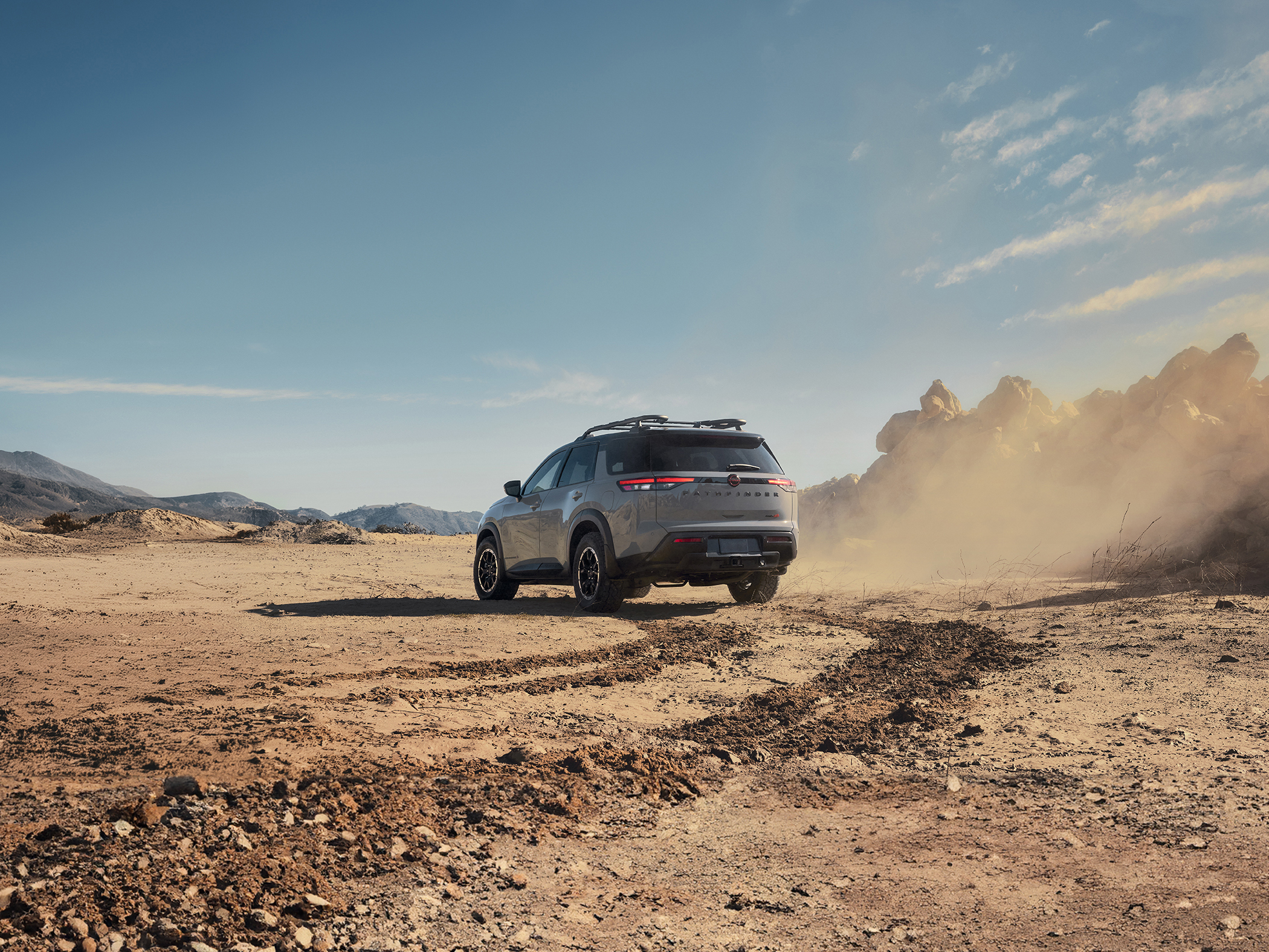
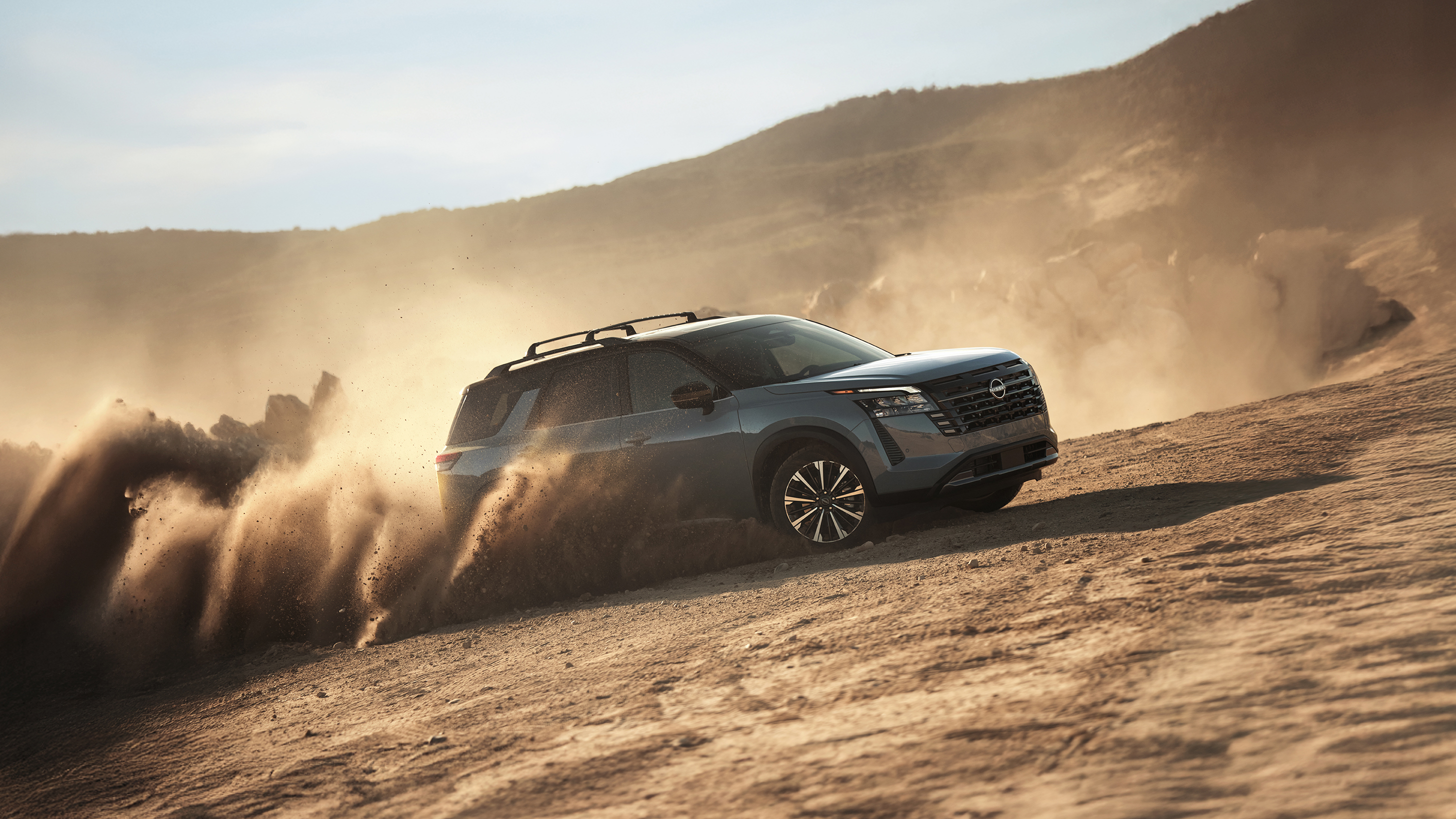
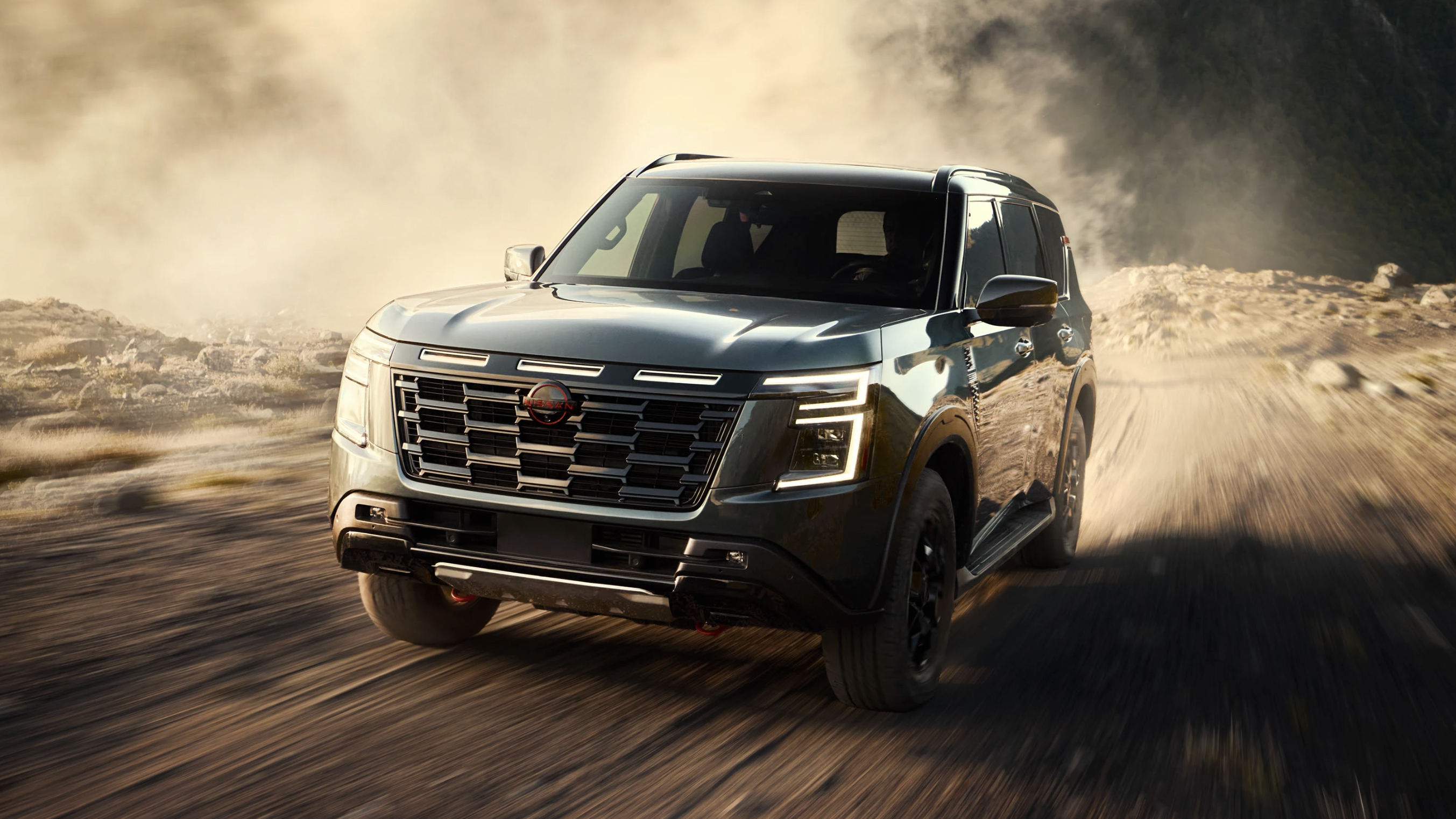
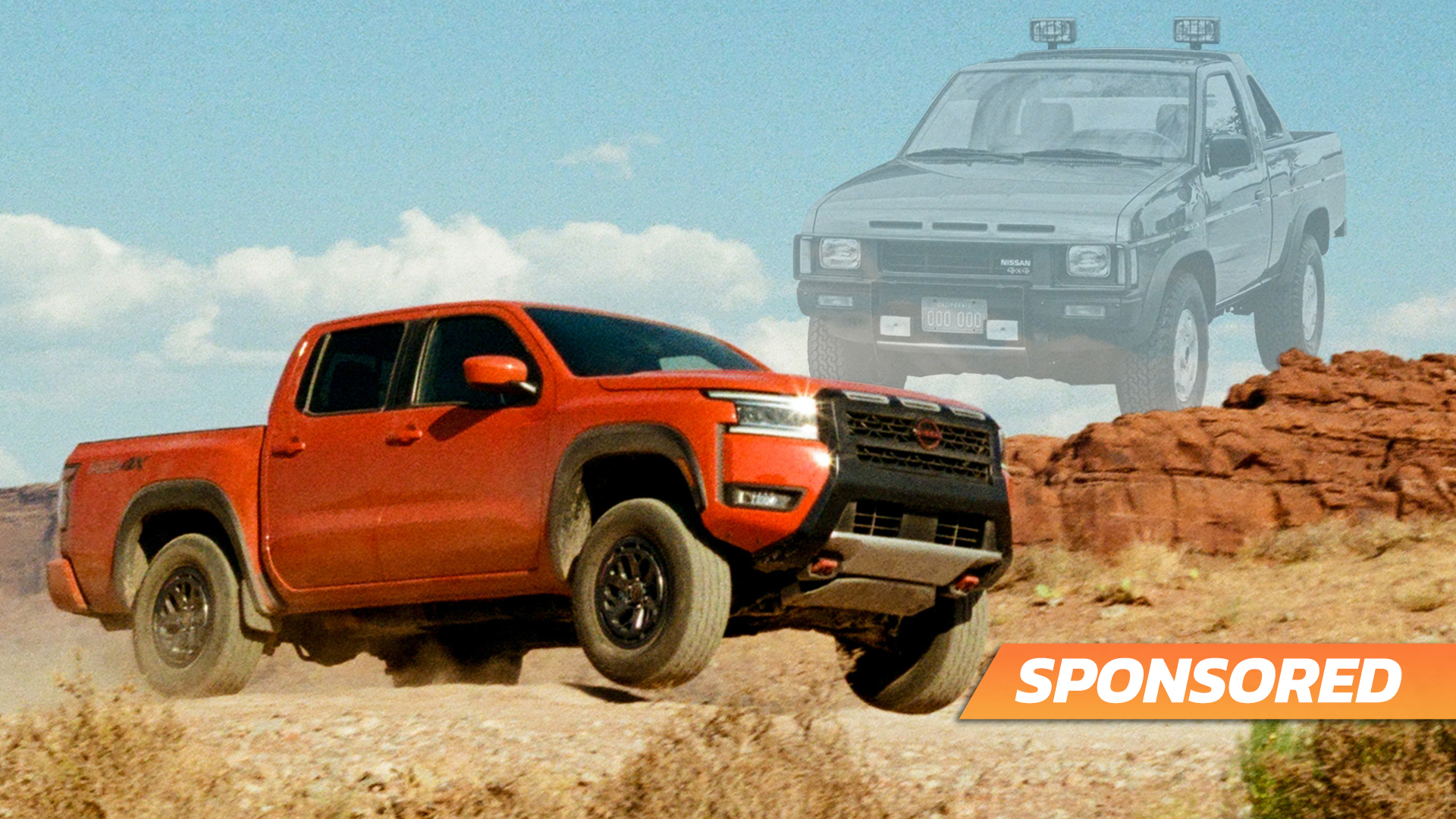
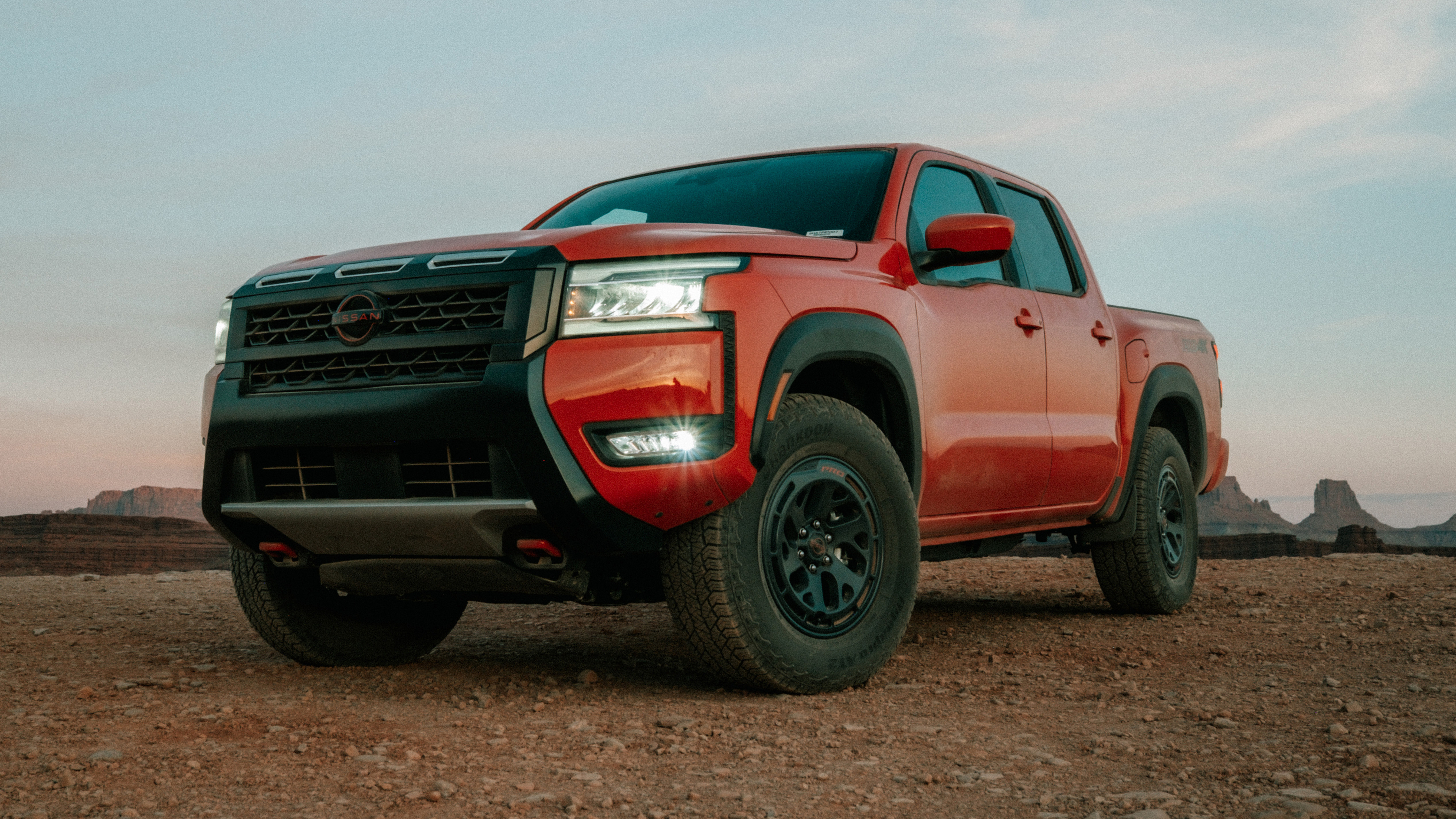
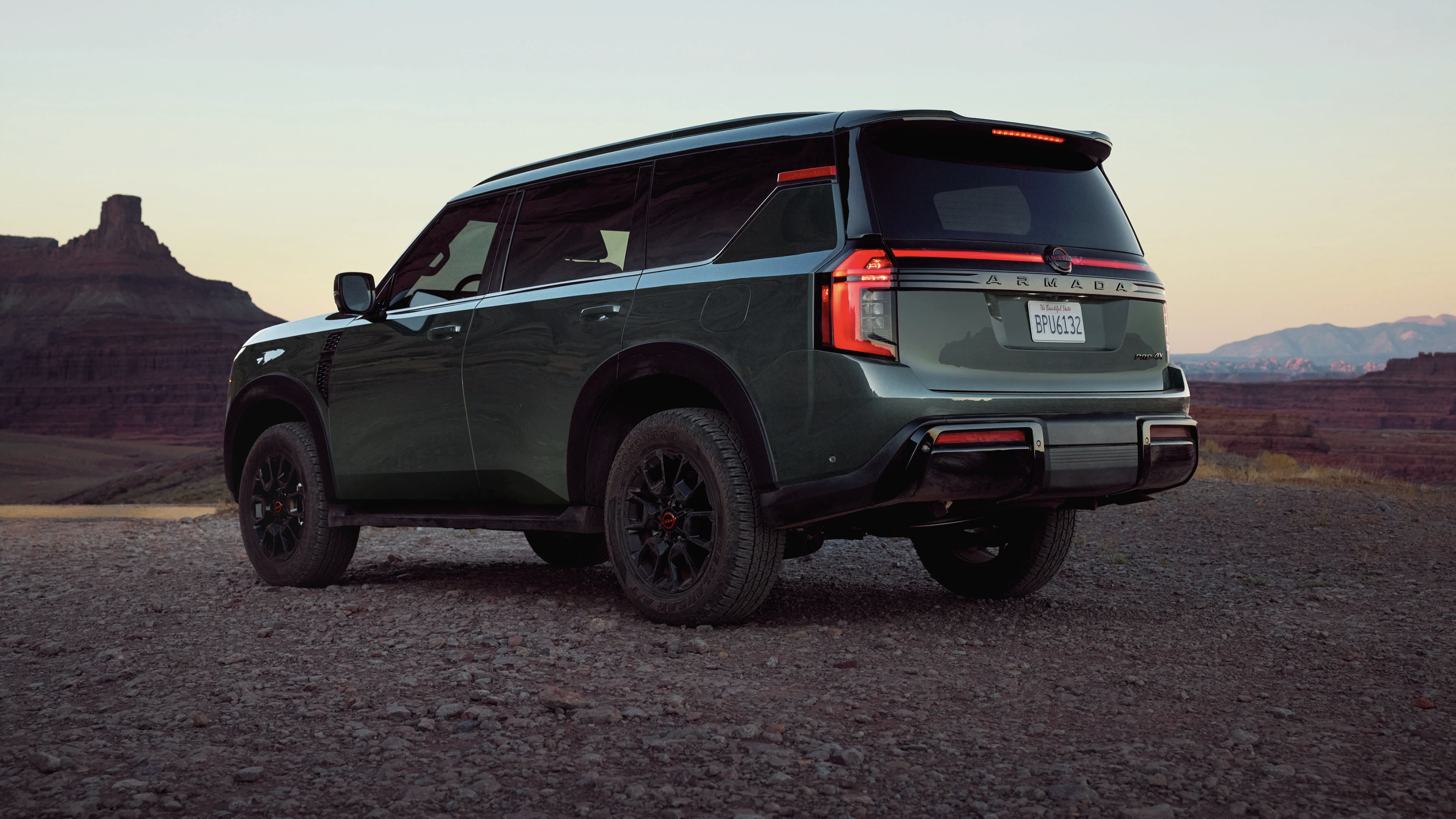
Then, the current Frontier, Armada, and Pathfinder all have sixes under their hoods. The VQ38DD is a hearty lump that undergoes some intense durability testing, including running at redline for 100 hours straight. The brand still takes engineering seriously, even if it’s been casting V6 blocks since the early ‘80s. The 38 also produces a respectable 310 naturally aspirated horsepower, which enables the Frontier to tow up to 7,150 lbs and even achieve 21 mpg combined in the S trim. The VQ35DD lives in the Pathfinder, makes 26-or-so less horsepower, achieves a hair better economy, yet still can haul up to 6,000 lbs behind its unibody construction.
And, of course, we can’t forget the teasings of the new Xterra that have been coming to light: pricing starting under $40,000, a new-generation body-on-frame chassis, and, according to Nissan, paying attention to what people want: no sign of a turbocharged four-cylinder. As Nissan North America Senior Vice President and Chief Planning Officer, Ponz Pandikuthira told us at the New York Auto Show, the brand can build a V6 that’ll satisfy emissions requirements just as well as any turbo-four. And if hybridization comes into play, that can be integrated without losing the six’s sturdy character.
Celebrating the Six, V-Style
Every beloved V6 has a story; there’s a reason why so many still have a healthy aftermarket, like those rocking VW/Audi part numbers, or even track day nuts swearing by the GM LFX/LGX as a potent and compact crate motor. On Nissan’s end, the automaker continues to carry the torch of the V6 engine. And the future looks bright. It’s come this far and has really gotten the formula down—we’re eager to see how the brand updates it and gives new car buyers those smooth revs and sturdy torque for years to come. Happy V6 Day, fellow car fans.