
We may earn revenue from the products available on this page and participate in affiliate programs. Learn more ›
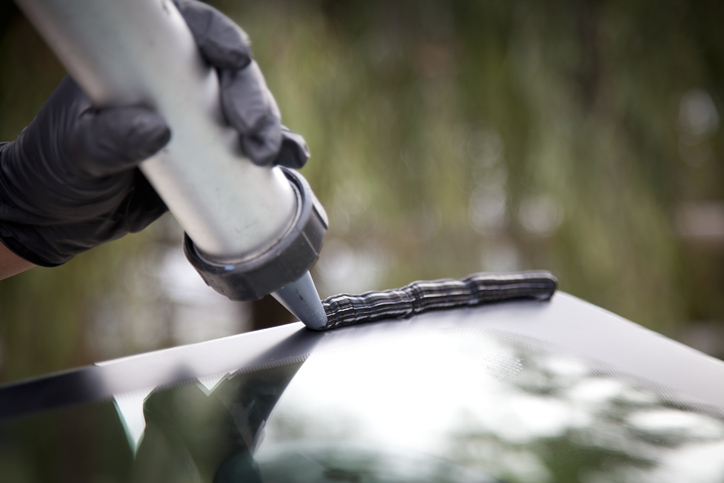
If your car’s siding or spoiler starts to crack, break loose, and almost slide away, you want to use the best adhesive to hold the pieces in place. Although most vehicle parts are held together with bolts, clips, and screws, not all are made this way—some automotive parts are made of plastic, held together with car glue. To avoid spending hefty dollar amounts—which can come when replacing these items—vehicle owner’s often prefer to use double-sided tape or car glue. Yet, in many cases, neither adhesive options end up working nor work for long. When this occurs, it causes the vehicle’s exterior plastic parts to fall apart once again.
To securely fix most plastic automotive pieces requires a type of glue that can handle extreme conditions that your vehicle encounters. When deciding on the best glue for automotive plastic parts, you need to select the one that saves you from wasting time and money.
Our Methodology
Types of Glue for Automotive Plastic
Two-Part Adhesives
Two-part adhesives are typically used in automotive repairs because of their strength and durability. You’ll usually see these as epoxies, and the product is essentially two separate parts that are mixed together in order to create an adhesive. The components used separately do not have adhesive properties, but the chemical reaction between the two creates a high-strength bond. This is the same process for Bondo or body filler, but epoxy is made to be a permanent seal between two parts.
One-Part Adhesives
Single-part adhesives are probably what first comes to mind when you think of glue; these products are made to be applied by themselves and cure by evaporation. While these products are typically easier to use, they may not provide the strongest holds. They should hold well with porous materials, such as rubber and interior pieces, but epoxy tends to do better when gluing together two items of different materials.
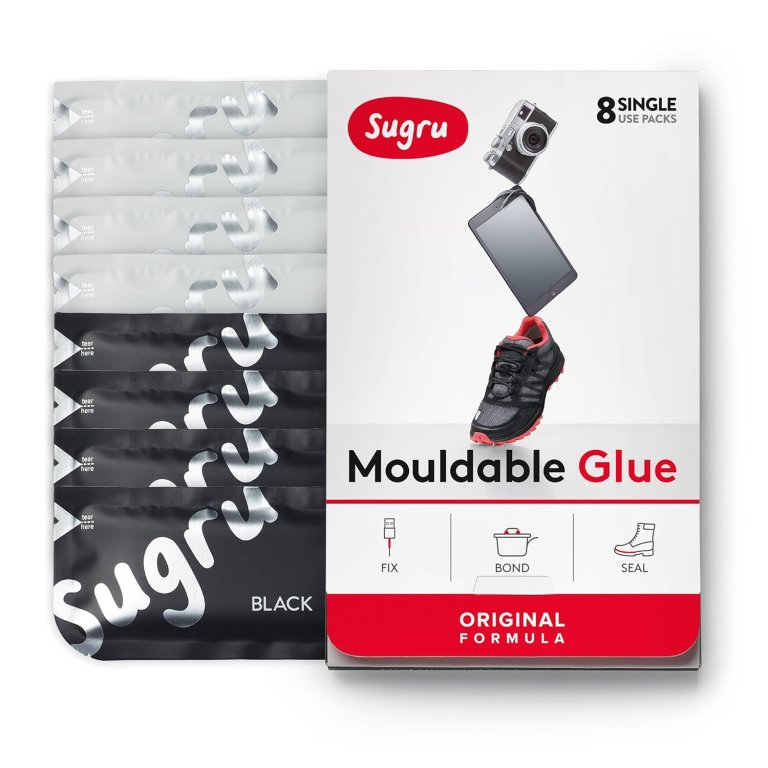
Moldable Glue
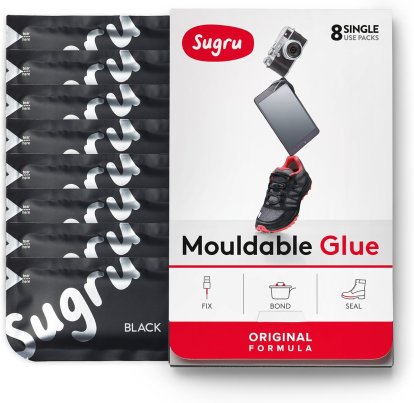
While the two types mentioned above focus on liquid glue, another option is moldable glue (or sticky putty). Like single-part adhesives, moldable glue dries by itself via evaporation. The advantage, especially for automotive use, is the easy application process in the hardest to reach spots. Once dried, putty is also elastic and shock-resistant, which matches the flexible properties of the plastics used in your vehicle.
Top Brands
J-B Weld
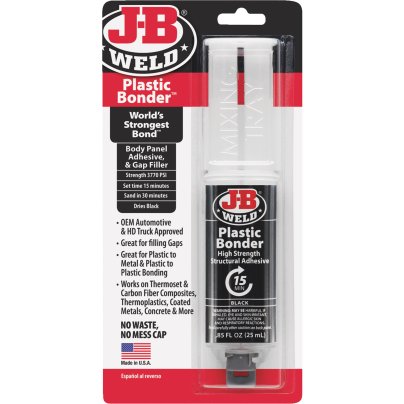
In 1969, Sam and Mary Bonham created the J-B Weld Company. Sam needed a cold weld product to replace torch welding, so a Texas A&M chemist helped him formulate a two-part epoxy called J-B Weld. The product helped it grow from a local mom-and-pop-shop to an international retailer, making innovative strides with products like duct tape and WD-40. The company still produces high-quality adhesives like the popular products J-B Weld Plastic Bonder Adhesive and Gap Filler.
Loctite
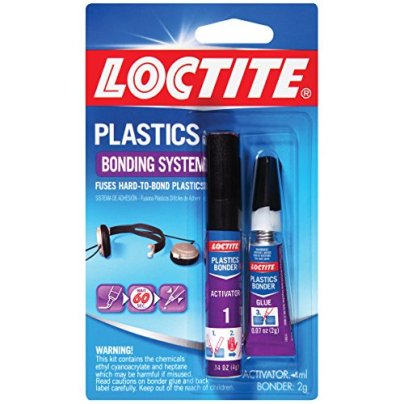
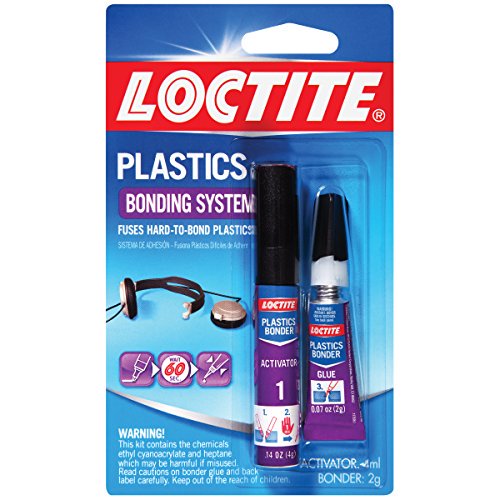
Professor Vernon Krieble created a “liquid locknut” in 1956. After interest in the product grew, he started the Loctite Corporation in Hartford, Conn. The Henkel company, which had been producing laundry detergent and home goods since 1876, invested in Loctite in the 1980s before acquiring the company in 1997. Today, Loctite is the biggest adhesive brand in the world with popular products like its Loctite Plastics Bonding System.
Gorilla Glue
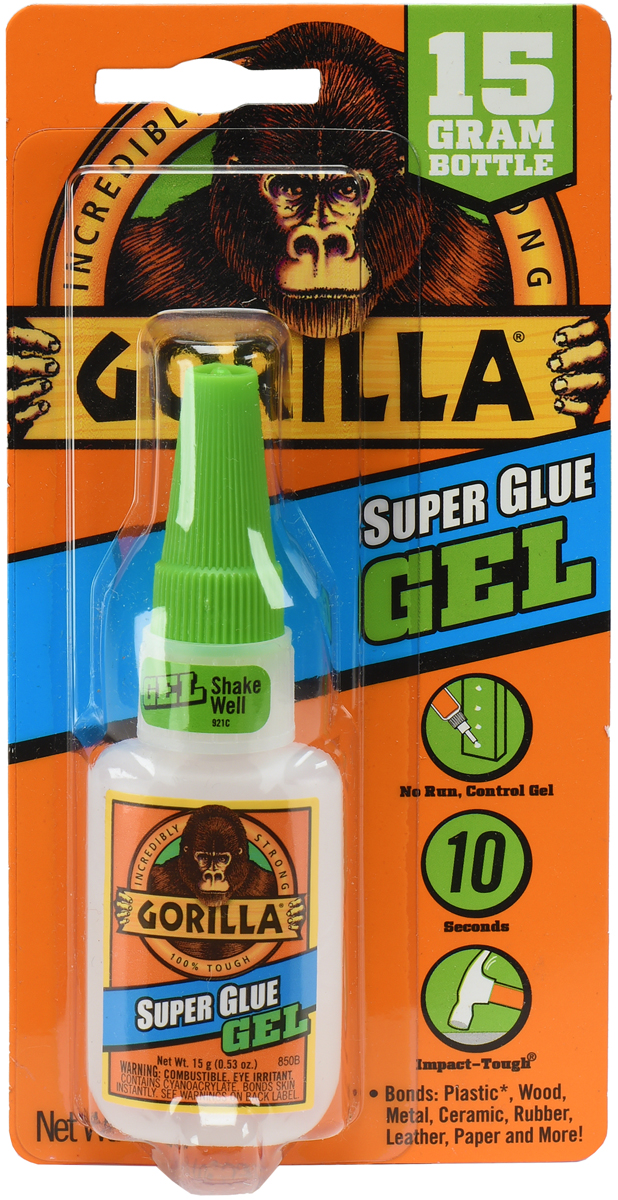
The Gorilla Glue Company is based in Cincinnati, Ohio. The company has been producing Gorilla Super Glue Gel for over two decades, a product that was initially used in Indonesia for Teak furniture but became a high-demand product due to its versatility. While a popular house product, people may ask, “Can Gorilla Glue be used on cars? any of their products are great automotive glues. Today, the company is still family-owned and operated.
Glue for Automotive Plastic Pricing
- Under $15: You can find plenty of small autoplastic glue products for under $15. These are typically single-part adhesives that are made for quick fixes and are ideal for interior pieces and minor repairs. Despite the low price, these are still some of the best plastic adhesives for automotive purposes.
- $15 and up: Depending on the brand name, size, and type of automotive glue you’re looking for, a lot of the products will cost over $15. Some of the best adhesives for hard plastic will cost around $25-$30, and of course, buying in bulk can cost more.
Key Features
Applicator
The most important part of using adhesive is how to apply the product. Glue can be messy, and these industrial-strength products are challenging to clean up. Most liquid glues have a nozzle or top that makes it easy to apply the substance. Other glues come with a brush, which is ideal for small parts and precision application.
Flexibility
The plastic parts on your car are relatively flexible, and the material holding them together should be too. A stiff or rigid connection will break easily if the plastic pieces bend or shake. The best automotive plastic glues are made to move with the vehicle’s parts naturally and can withstand the vibrations that come from driving. Trim pieces on your doors and interior parts of the car need to handle the shock of closing the door or driving over potholes.
Weatherproof
The metals and plastics on your car are made to handle any weather scenario, so the adhesives holding it together should be too. Car glue for exterior parts needs to be waterproof because of the water that it will be exposed to in the rain, snow, or when you wash your car. For interior pieces, water resistance isn’t as important, but protection from the heat and sun is crucial. When your car sits in the sunlight, the UV rays heat up the cabin and can potentially dry out certain materials.
Other Considerations
- Container Size. The amount of automotive glue you need depends on what you’re trying to accomplish and how often you plan to use it. If you only have a small area to fix, then a small-sized container should handle the job. Mechanics will most likely want a larger portion or multiple containers to handle a more significant workload.
- Price. Some adhesives are much more expensive than others, and there are a lot of different reasons why. One is overall strength, and while you may want the strongest glue possible, it might not be necessary to spend the extra money if you don’t need industrial-strength glue. Some qualities can cost more and might not apply to your situation, like semi-permanent glues.
- Electric Insulation. You can find plenty of plastic automotive glue that works as an electric insulator. If you’re looking to secure exterior pieces or seal a seam, this may not be necessary. However, don’t forget how much wiring there is in your vehicle. The amount of electrical parts means there are plenty of interior locations and spots in the engine that need extra electricity protection.
Best Glues for Automotive Plastic Reviews & Recommendations 2021
Best Overall
J-B Weld Plastic Adhesive and Gap Filler

Best Value
Loctite Plastics Bonding System
Premium Pick
Sugru Moldable Glue
Most Versatile
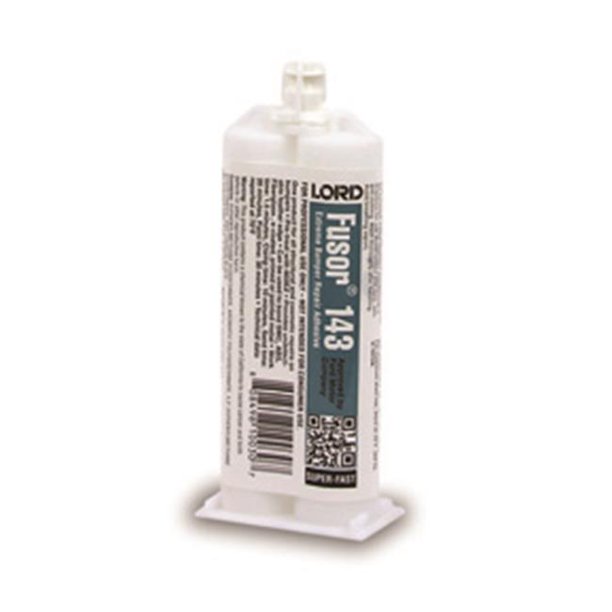
Lord Fusor Extreme Plastic Repair
Thickest Option
Gorilla Super Glue Gel
Honorable Mention
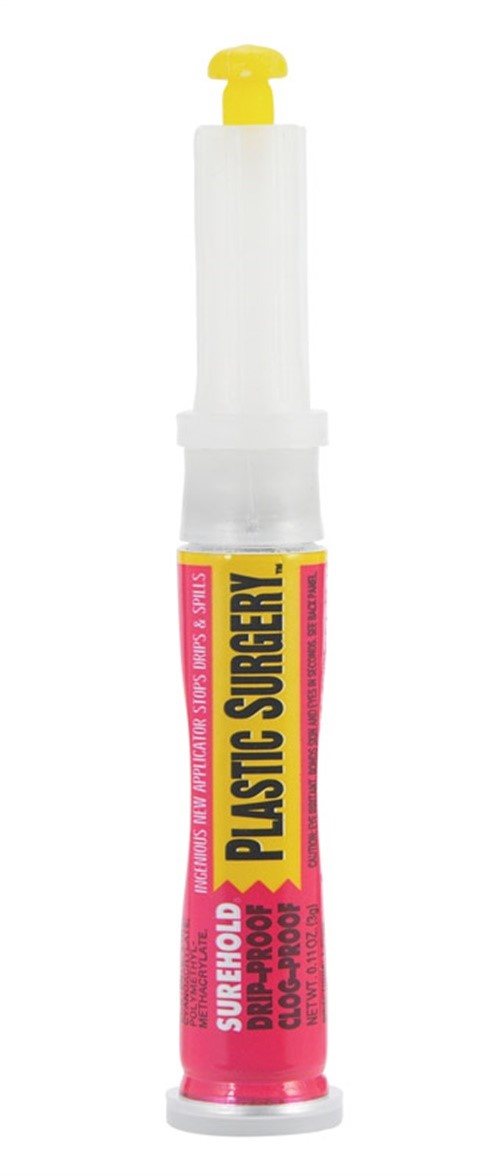
Surehold Plastic Surgery Adhesive
Honorable Mention
Permatex Permapoxy Plastic Weld

Honorable Mention
Oatey Hercules Plastic Poxy

Tips
- Be aware of whether you need to sand or drill the glue after application. Some types of adhesive can be sanded and painted, while others will not respond to either.
- Use the correct amount of glue that is necessary for the job. Too much can lead to a spill or cause running, and if you don’t use enough glue, it might not correctly hold the pieces together.
- Always follow the manufacturer’s instructions when applying automotive plastic glue. Different temperatures can affect the glue as well as the types of substrates you’re connecting.
- You will want to clean and dry the surface in order to get a strong bond. This includes cleaning off any old adhesive, dirt, dust, and oils from your hands.
- You should use gloves when handling automotive glue. While most are not toxic, it’s best to be safe and avoid getting the adhesive stuck on your skin.
FAQs
It varies. Typically, what you need to know is how long it lasts after opening, which might be indicated on the label. If you don’t plan on using all or most of the container, then buying a glue with a cap or one that lasts longer when refrigerated is best.
Different types of glue dry at different rates. Single-part liquid glue is made to dry as fast as possible so that it won’t run, which means you have less time to apply it. Adhesive putty and gel will take longer overall—sometimes overnight—to dry completely.
Almost every plastic glue can also be used on different materials. This is great if you don’t need the full container because you can use the leftover glue on something else. It’s also essential that the glue can stick to two different types of material because some jobs require gluing plastic to metal or two different types of plastics.
Final Thoughts
If you want the best overall glue for plastic automotive parts, you should consider the J-B Weld Plastic Bonder Adhesive and Gap Filler. Another excellent auto body glue for plastic car pieces that is also budget-friendly is the Loctite Plastics Bonding System.