
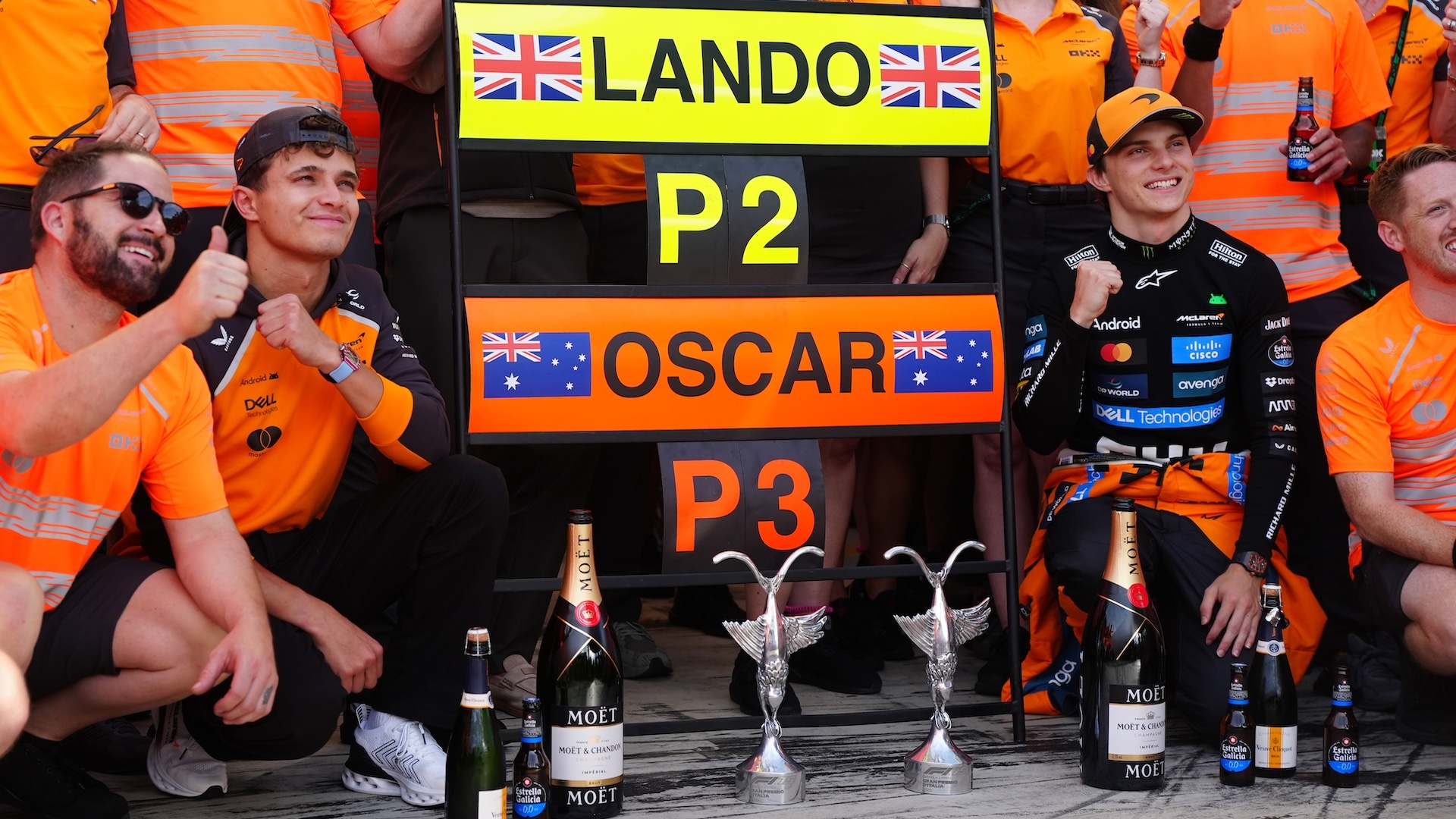
When it comes to sports, Formula 1 may be the least predictable. For all its equations, decimals, and data points, there are more unknown variables at play than known ones. A mid-race downpour, a suspension failure, or—in Lando Norris’ case on Sunday—a malfunctioning wheel gun results in too many “solve for x” situations to account for properly.
So how does one create “fair” racing conditions between two teammates fighting for their first Drivers’ World Championship? In McLaren’s opinion, a radio message invoking team orders levels the playing field.
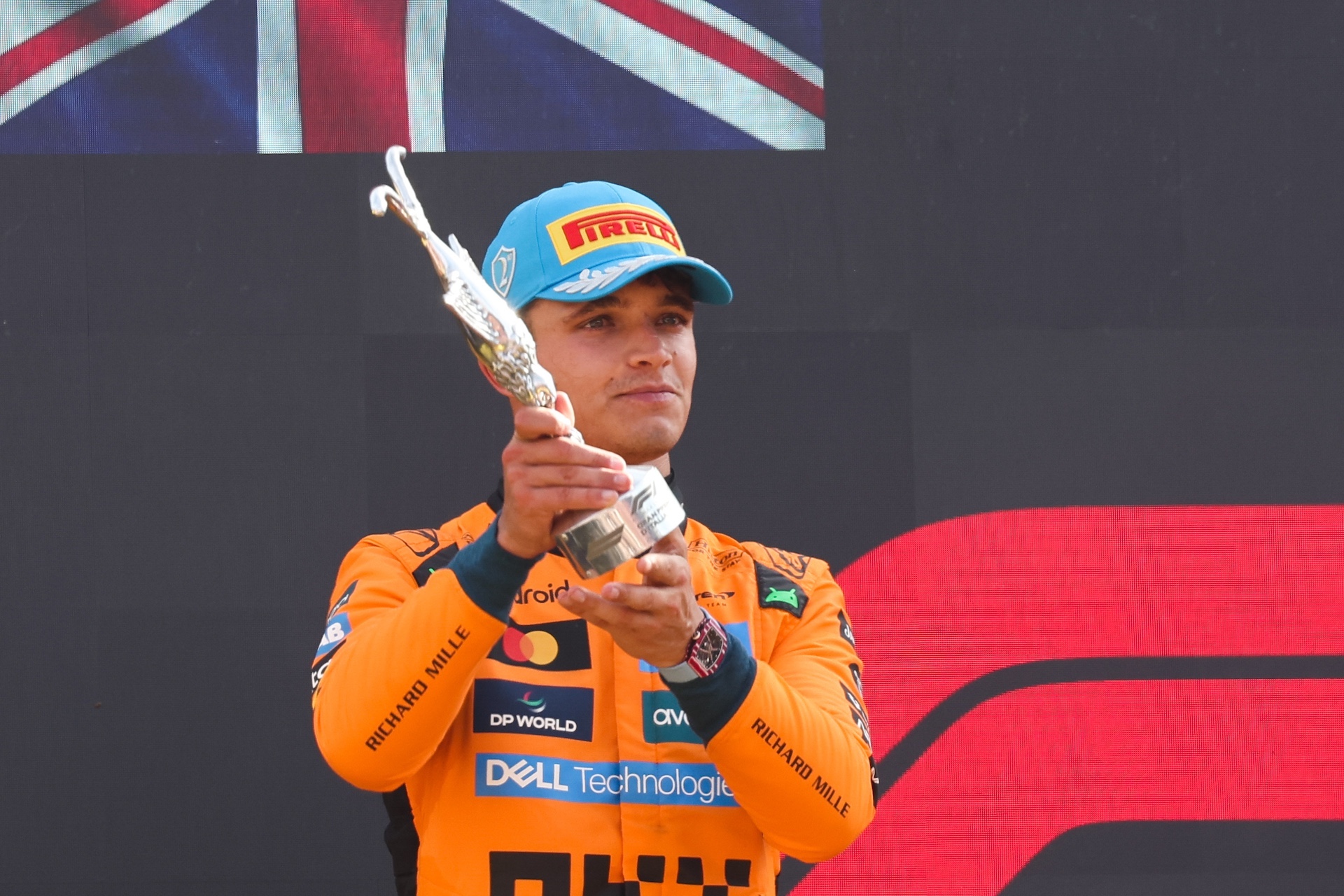
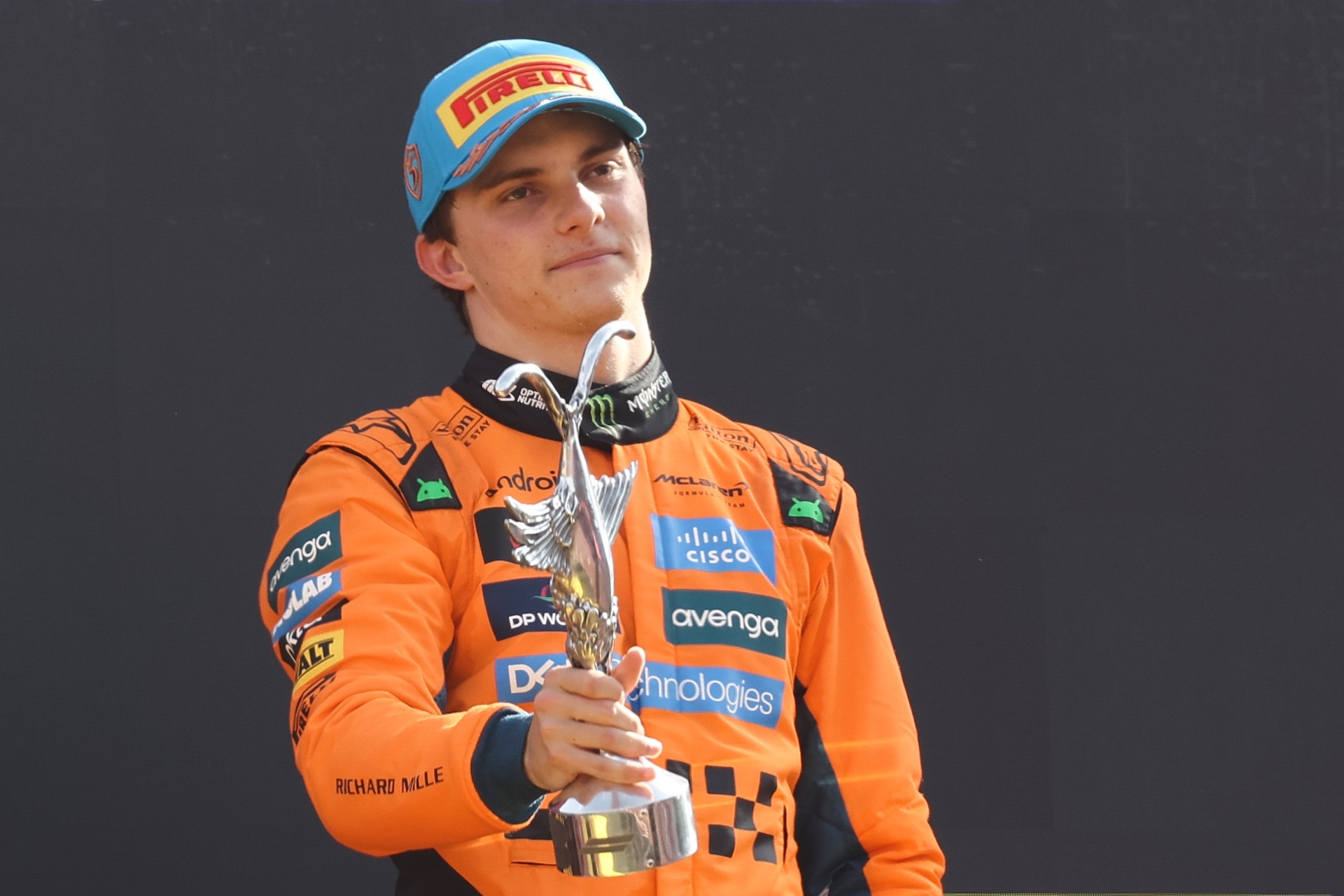
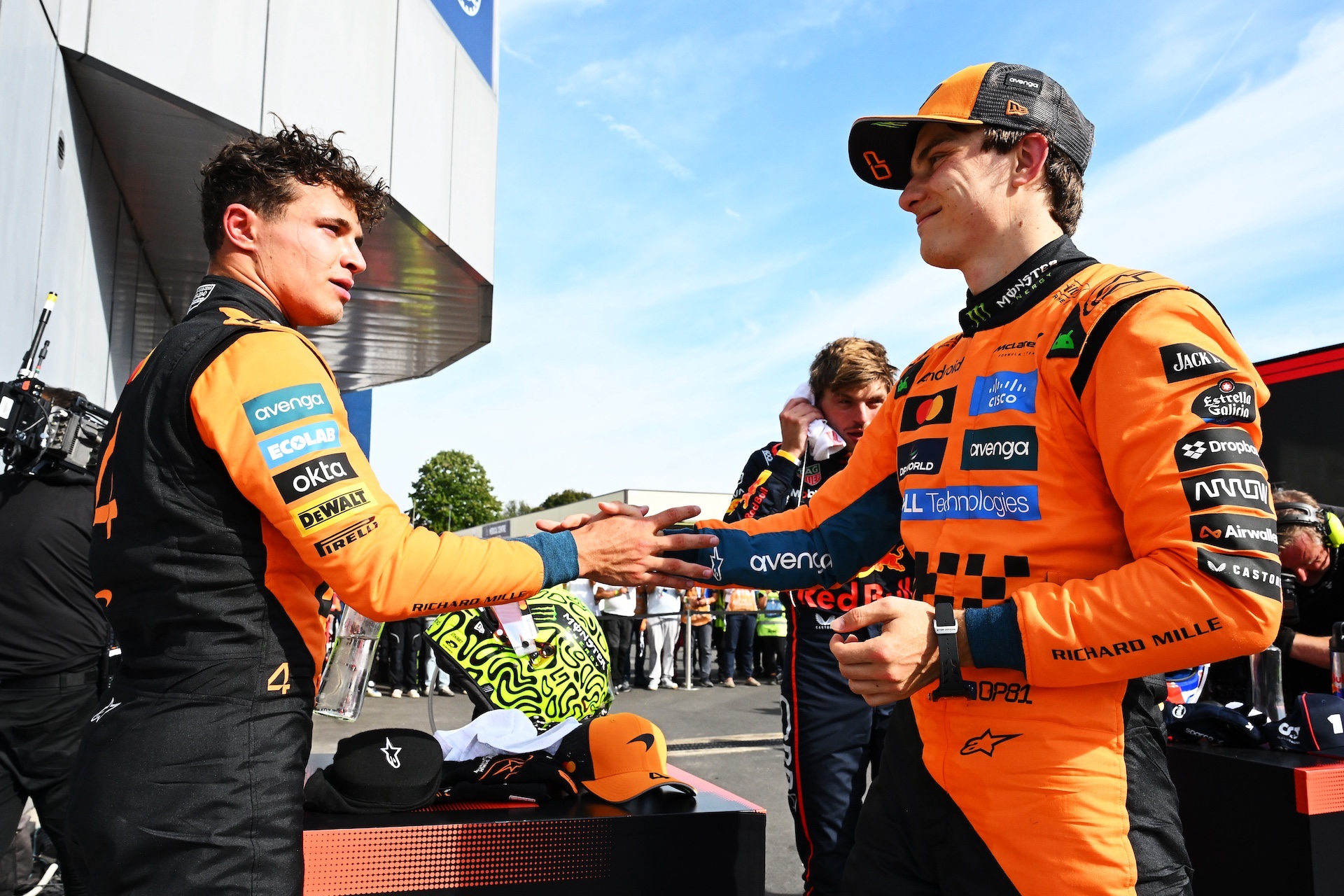
In the final laps of yesterday’s Italian Grand Prix, both papaya orange machines pitted for new tires and to cover off Charles Leclerc’s approaching Ferrari. Norris chose to wait his turn and pull into the pit lane second, after his teammate and the current championship leader, Oscar Piastri, had a 1.9-second stop. But a left wheel gun fumble caused a 5.9-second pit stop and left Norris trailing behind Piastri. As the Australian driver took second place in the grand prix, his radio hummed to life with clear instructions: “Oscar, this is a bit like Hungary last year. We pitted in this order for team reasons. Please let Lando pass, and you’re free to race.”
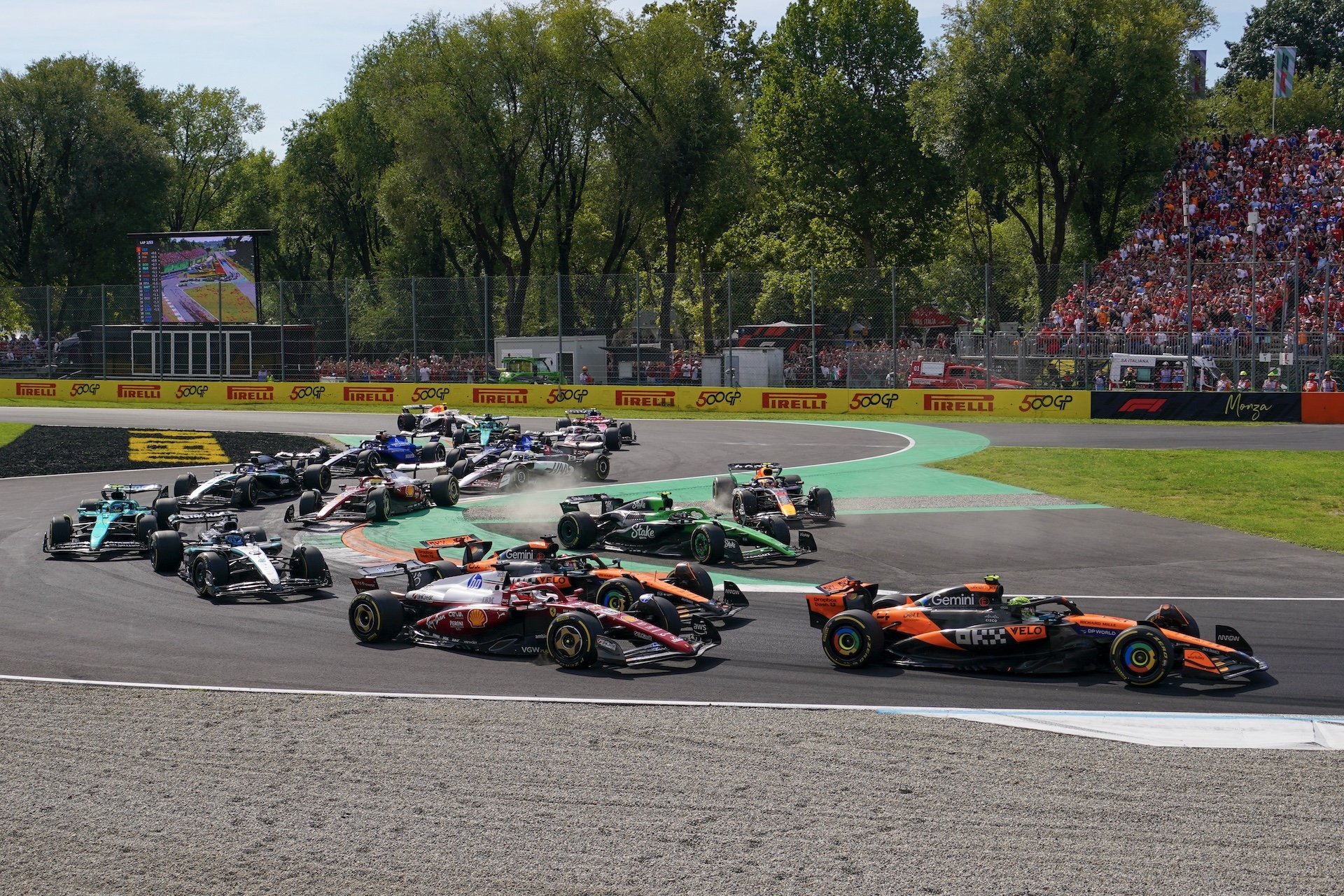
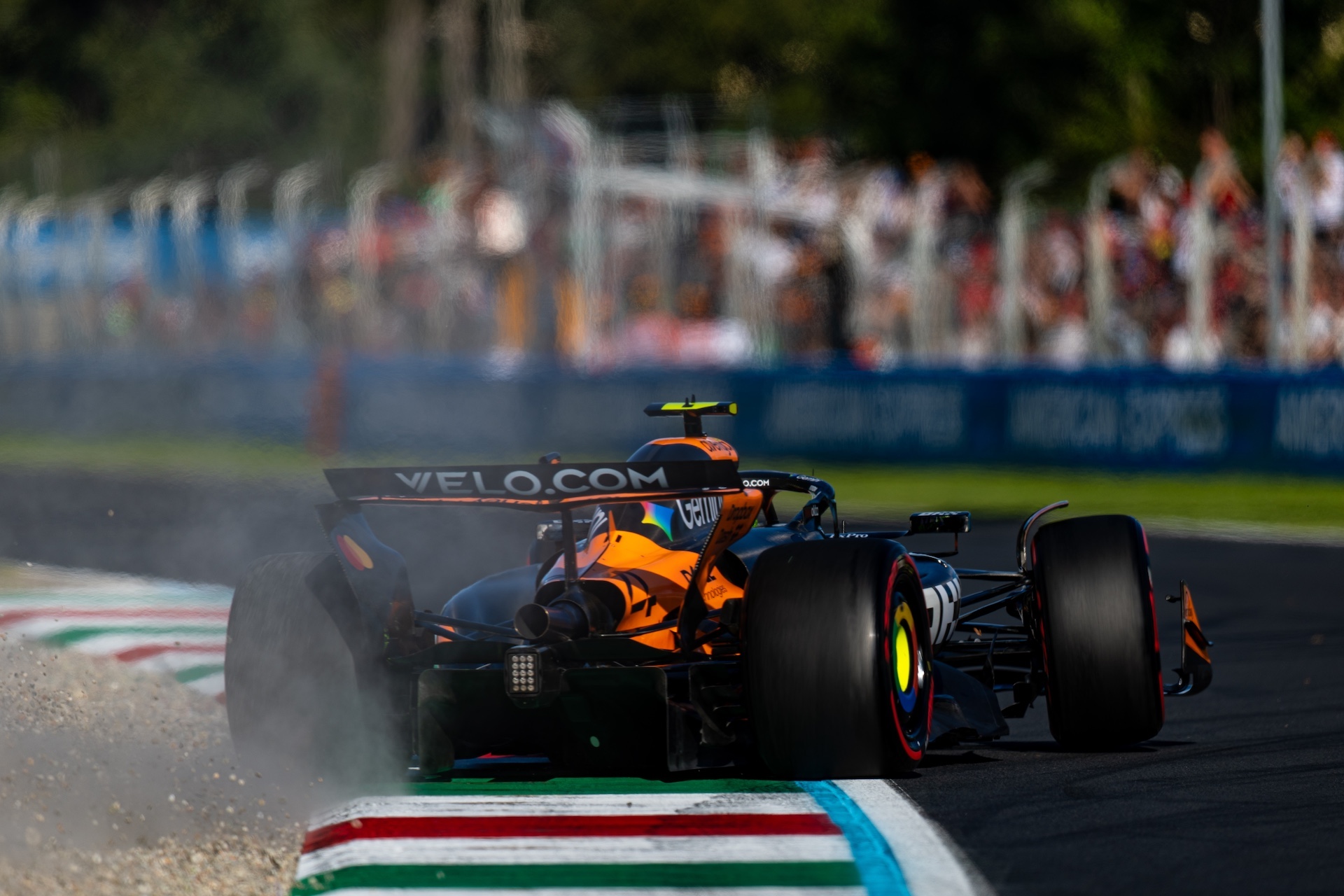
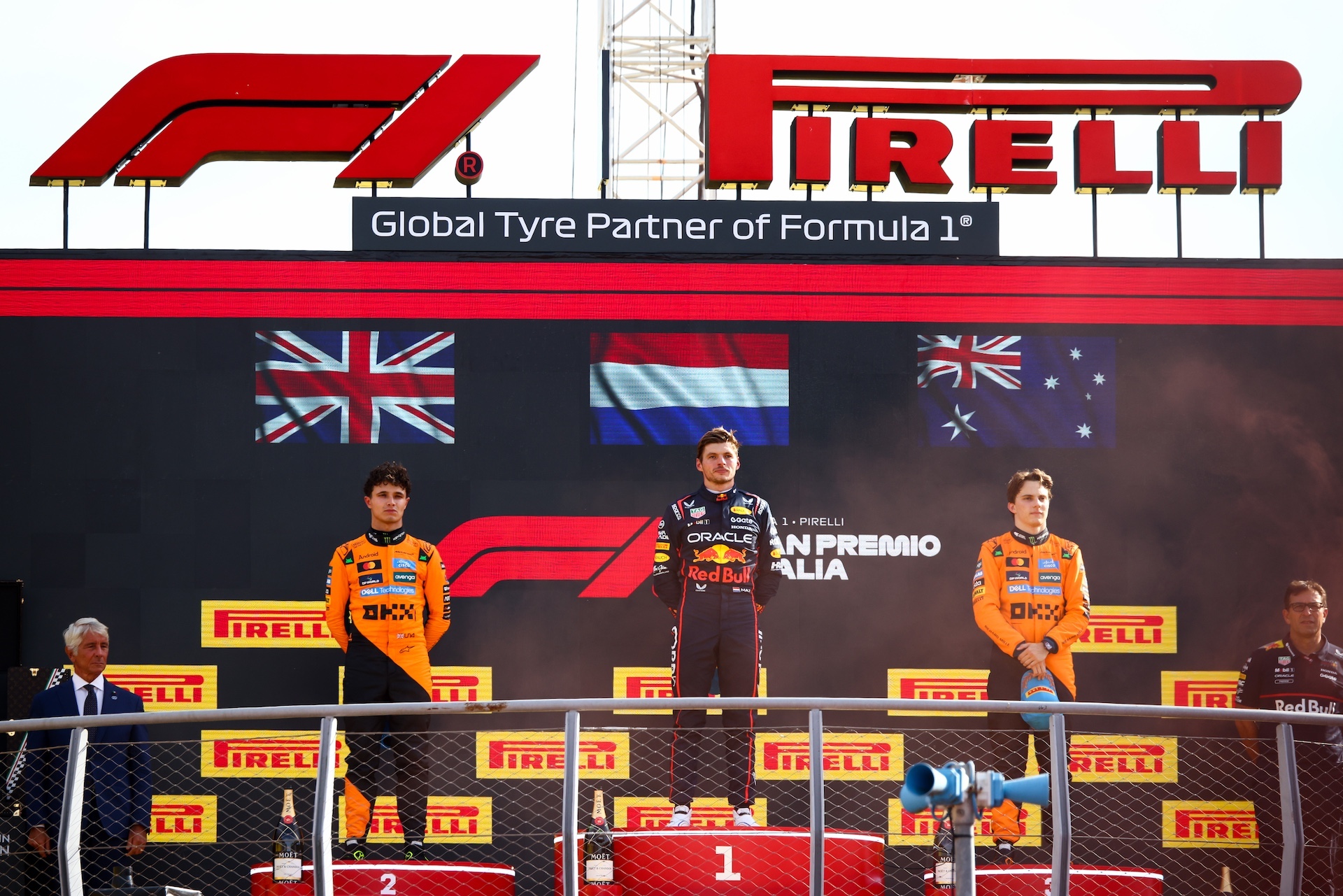
Piastri fell back to third immediately as Norris took second place.
McLaren has struggled with when, when not to, and how to use team orders as it juggles two star drivers fighting for one trophy. In Hungary last year, the team pitted Norris first, allowing him to undercut Piastri. When the pit wall asked Norris to swap positions, he refused until two laps remained in the Grand Prix.
Without clear No. 1 and No. 2 driver roles, the 2024 F1 season was marked by “papaya rules,” which often favored Norris’ championship hopes against Max Verstappen’s, but both drivers made significant sacrifices. McLaren promised that the 2025 season would be different and that the team touched down in Australia with clear expectations for the 24-race calendar ahead. However, the sport’s demand for swift decision-making in the heat of the moment allowed for last year’s driver debates to seep into this year: the opening race included team orders for Piastri to hold his position. In Silverstone this year, Piastri asked for a driver swap after receiving a penalty. The team denied the request, and Piastri accepted that the swap “wouldn’t have been fair.”
As the championship fight narrows, team directions have become even more contentious. Going into Sunday’s race, Piastri led the title battle by 34 points after Norris retired due to a mechanical failure during the Dutch GP.
Norris assured that the team had discussed team orders ahead of the race weekend and that it was “the most fair thing.” But in response to the call for a swap, Piastri said over the radio: “We said that a slow pit stop was part of racing, so I don’t really get what changed here. But I’ll do it.” Verstappen, who went on to win the race and set an F1 fastest lap record over the weekend, chimed in with his own thoughts on McLaren’s orders: “Ha! Just because he had a slow stop?” Later, Piastri acknowledged that there were clear “valid reasons” and that Norris both qualified ahead and had a better performance throughout the 53-lap race.
While the dual-driver dilemma might first appear like a surface-level racing ethics issue that can be solved as simply as determining who had a more dominant drive on Sunday, it goes a bit deeper than that. Not only did the team’s talk of fairness open its own can of “what if” future situations—former F1 champ Jacques Villeneuve warned of a dangerous cycle of rebalancing the scales—but it also threatens to transform the spectator experience.
Commentator and former F1 driver David Coulthard summed it up nicely as the team orders played out before his eyes: “I just think that, as fans, we don’t want to feel there’s a sort of manipulation beyond the normal racing gods.”
When fans turn on the TV, line the stands, or prop up their cell phone to catch a glimpse of the on-track action, yes, they want strategy. But they also want organic, hard-fought, and hard-earned racing. Handing over a position never feels good, no matter if it’s in Hungary last year or on Sunday in Monza.
Perhaps the answer to McLaren’s mess lies in consistency, something it has done better than anyone this year on track in results, but has failed to accomplish over the radio in split-second decision-making. Or maybe the takeaway from Sunday is to allow for less manufactured racing.
Whether the team will press the radio button to request a swap or remain quiet and allow both drivers to race in the future, McLaren sets a precedent for what fairness looks like on Sunday: All is fair in love, war, and the F1 constructors’ championship fight.
Got a tip? Email us at tips@thedrive.com
Loading comments…
Comments couldn’t be loaded. Please refresh the page.