
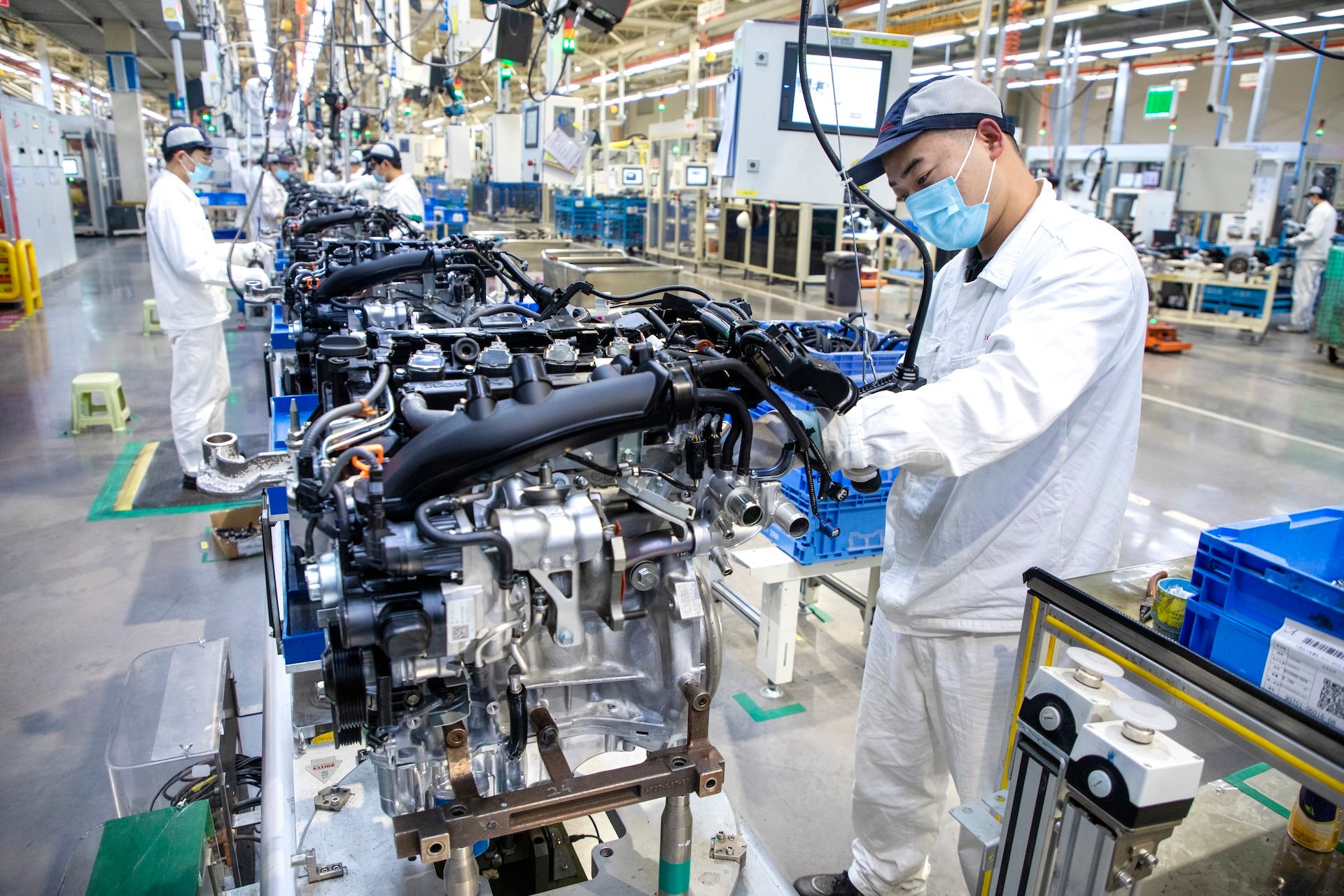
Cars are getting more advanced, complex, and therefore more expensive every day. Software, sensors, and processors rule the road in modern cars, making them smarter, more comfortable, and safer. However, that also often makes them more prone to failures caused by quality control issues. Automakers like Honda and Toyota strive to maintain their reputation for reliability year after year, model after model, but as we’ve seen recently with the latter’s faulty V6 truck engines, problems still arise.
Honda isn’t exempt from issues, either. The Japanese automaker has dealt with its fair share of recalls in recent years, ranging from major mechanical problems to minor ones like faulty wiring for rearview cameras. But as I recently learned from two of the company’s top bosses—Executive Vice President of Honda Motor Noriya Kaihara and American Honda President and CEO Eiji Fujimura—its quality control systems are evolving to keep up with new challenges; though at the core, the company retains the mentality instilled by Soichiro Honda: the quality of the product and the customer’s satisfaction remain priority number one.
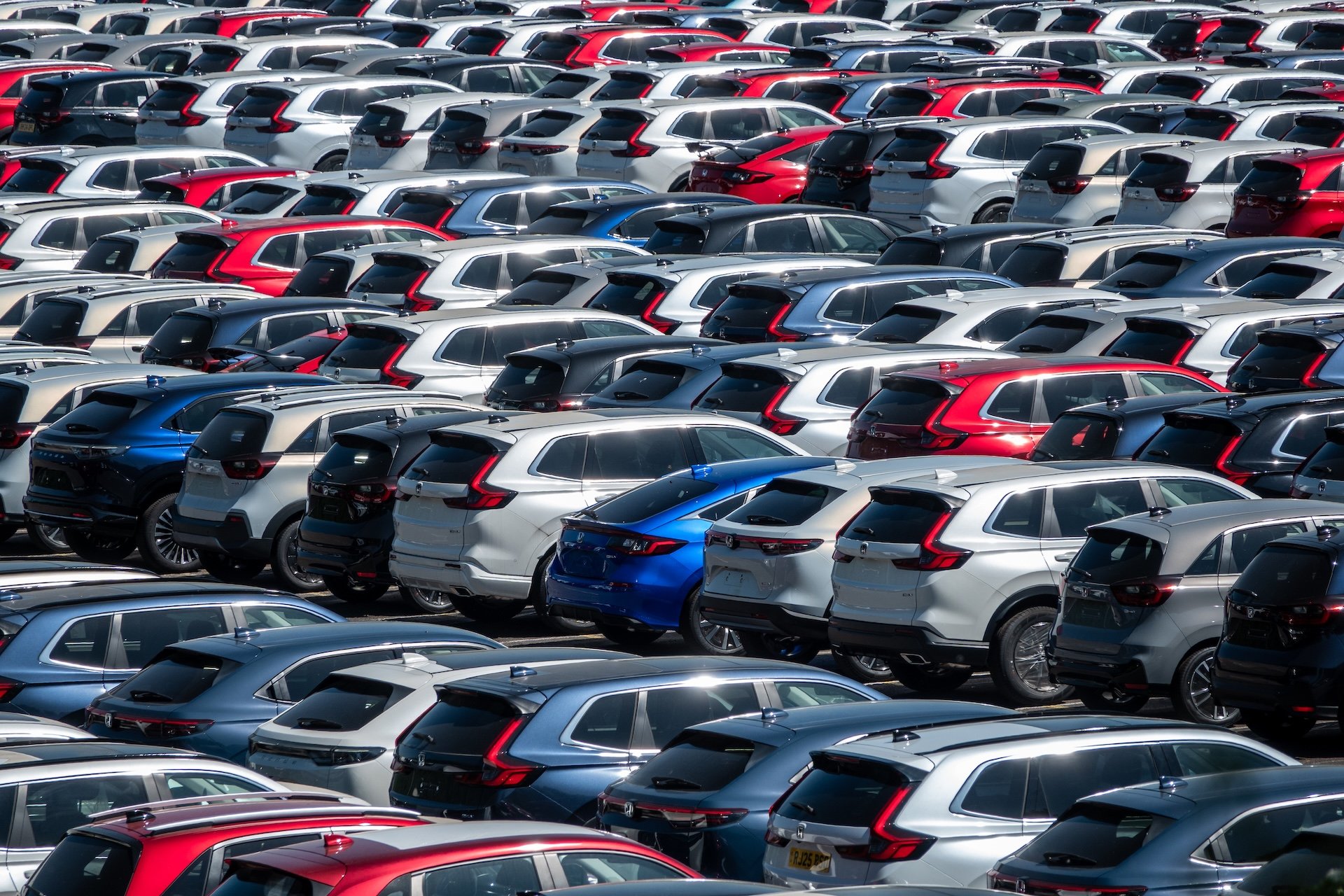
After bluntly putting the question “What is Honda doing to maintain its reputation of reliability as cars become more complex?” to both executives, the words “China,” “manufacturing,” and “software” kept coming up, and for good reason. Fujimura explained that “China is leading the industry in terms of technology,” and went so far as to say that Honda has teams in China currently learning the latest technologies and manufacturing techniques—something he emphasized was the other way around not many years ago.
“Technological changes, especially in terms of software, are happening very quickly today,” Fujimura, who oversees all of Honda’s North American operations, told The Drive. “Of course, we need to compete with [our rivals] and China and India in terms of software, ADAS, etc. But in order to compete with them, we first need to think, ‘Who is Honda?’
“We have very good trust from our clients and very good customer loyalty, and we can’t sacrifice that trust for [production] speed. We will not compete with them just on speed—we need to use our traditions and our thinking.”
Speed to market is crucial in today’s fast-paced, globalized economy, but even more crucial is not letting your customers down. That’s where Kaihara, who once supervised Honda’s quality controls globally before rising to become the company’s number two, chimed in with clear examples of what the company has in place to avoid major catastrophes while maintaining production speed and developing new technologies.
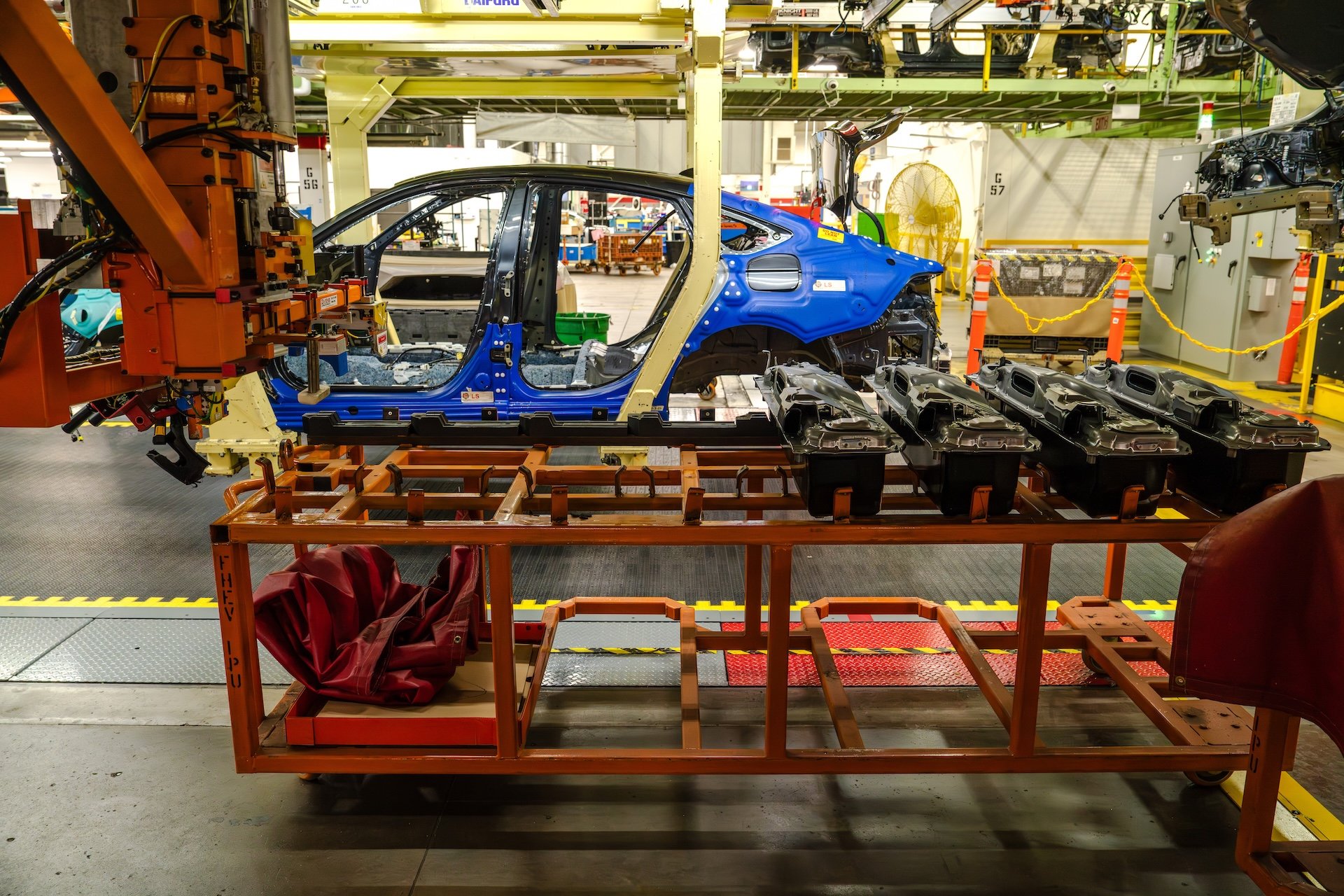
“You need good imagination to develop something new, but when that new system or model goes into the market, there will be risks—so we have to ask: what are the potential issues for those new systems in their environment”? Kaihara told The Drive. “That is key. Right now, we look at the whole process, including development. We have to make sure each process ensures that the cars or components are okay from a quality point of view. This means nothing should move to the next step without confirming the previous step’s quality. That’s our quality control system.”
“Our quality department is completely separate from other departments. That means quality is always Honda’s number one concern. This means every single new technology always goes by this separate department. Quality control is always looking at potential issues, or at what happens if something does happen. We are always looking and asking from outside of the development side about potential issues. They follow a system, and then they do so independently, so they can point out if something is broken and why it happened—or if this component is going into a very hot area or a cold area, so then what will happen? So they always raise concerns from the customer point of view, or the user point of view, or maybe the environmental point of view,” said Kaihara.
Even with all of those systems in place, things happen, and no one is exempt from making mistakes. Toyota, which has long rivaled Honda in reliability and resale value, has seen its reputation damaged in one of its most profitable segments as of late: trucks. We’ve covered the issue in-depth, from the first signs of trouble with the Tundra’s twin-turbo V6 to the most recent update, which involves official repair communication to dealers to “hit it with a hammer.” The automotive giant’s response has left a lot to be desired, according to affected truck owners.
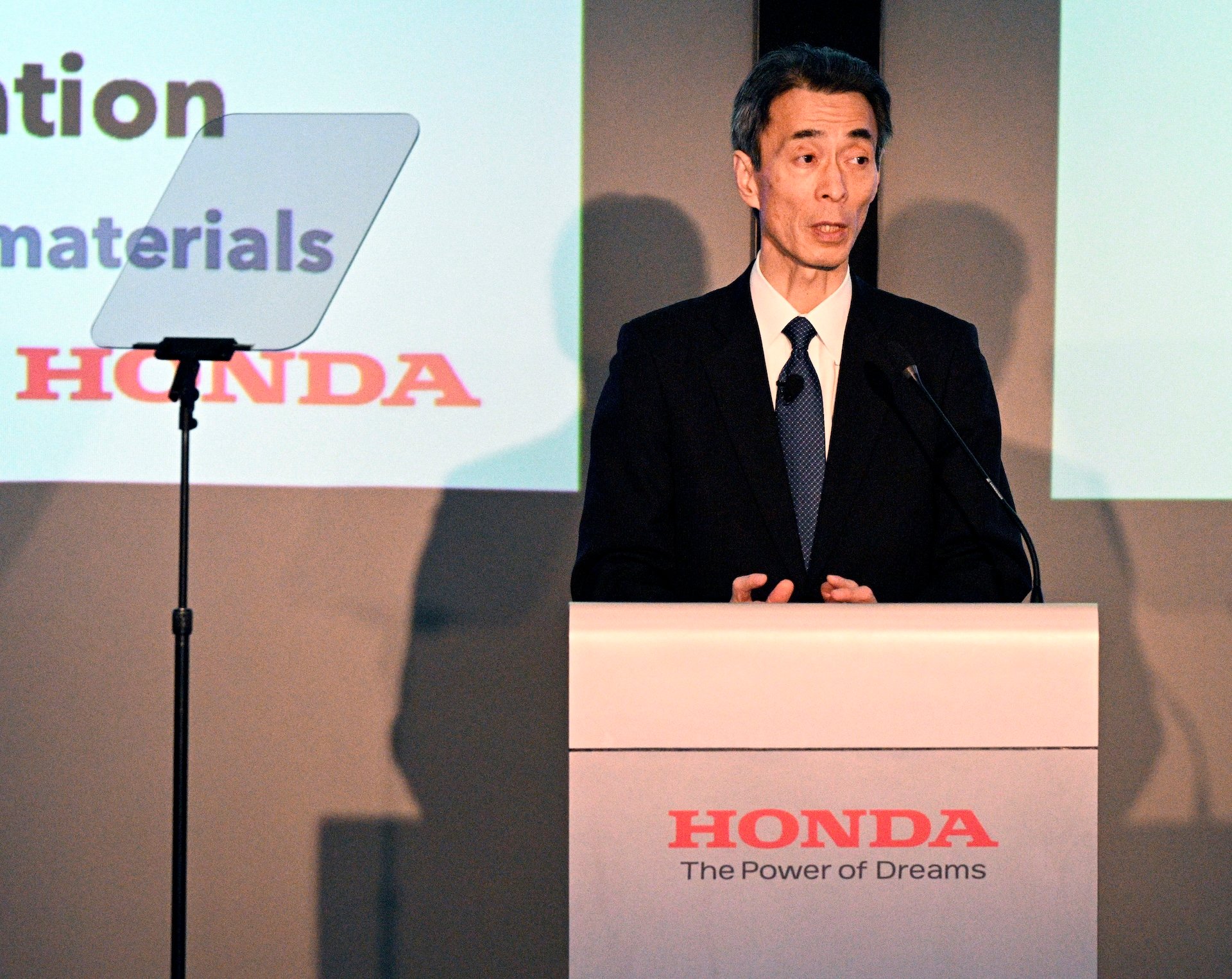

When I asked if Honda has learned any lessons from Toyota through its latest issue, this is what Kaihara had to say:
“Of course. You have to prevent quality issues from happening, but once they happen, how quickly can you recover? That’s the very important thing,” said Kaihara.
“If you leave a customer with a bad-quality vehicle and, on top of that, also a delay with the countermeasure, that will cause really bad damage. Sometimes you just have to take quick action. Even when you make sure nothing is wrong and everything is okay, something can still happen, and a problem arises once it hits the market. Quick action!”
“We believe every problem is important; this means that we have to understand what happened and how to get all that information back and quickly take a countermeasure. Then we implement that countermeasure into the market—and when this happens, we must work much faster than before.”
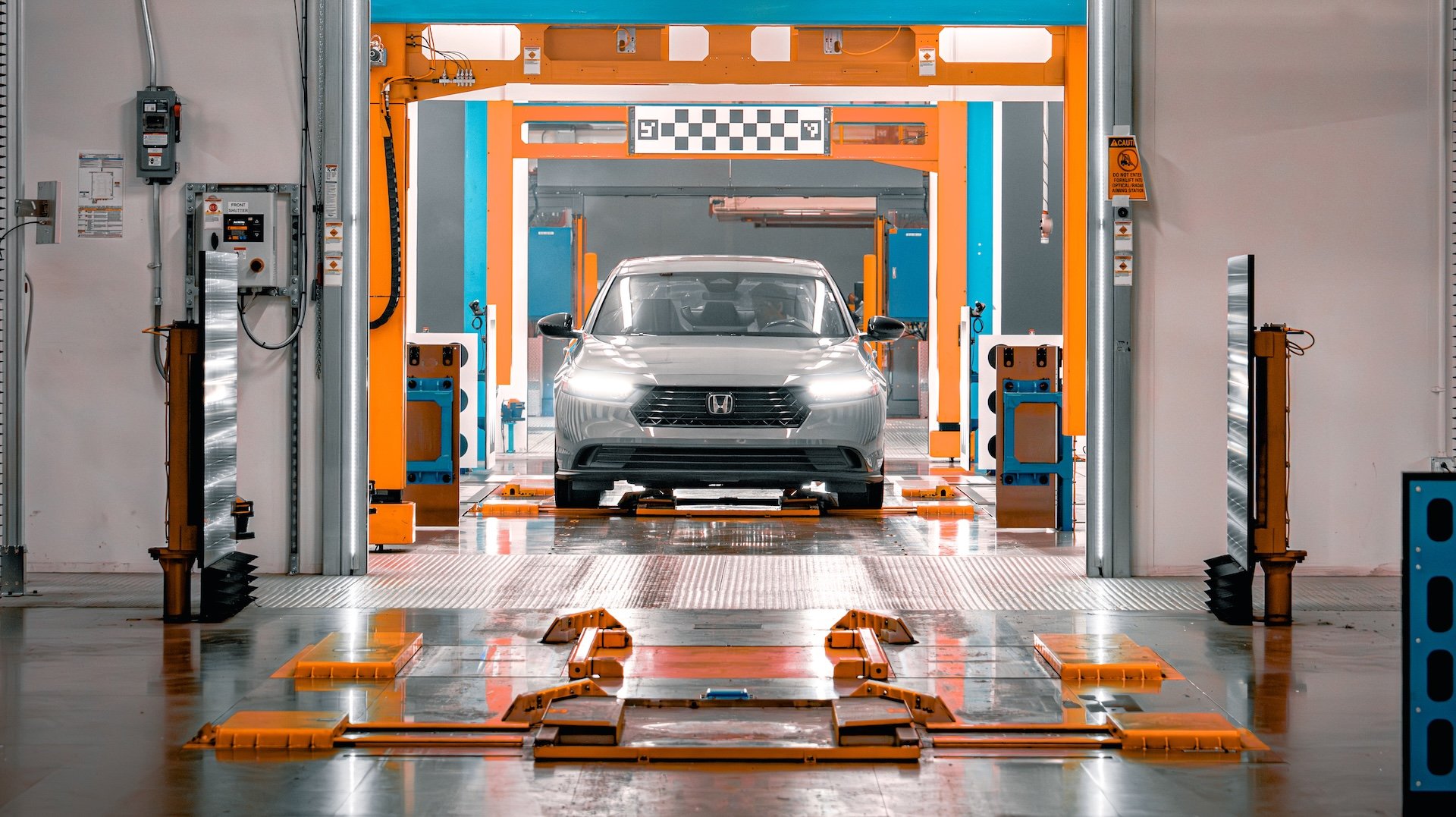
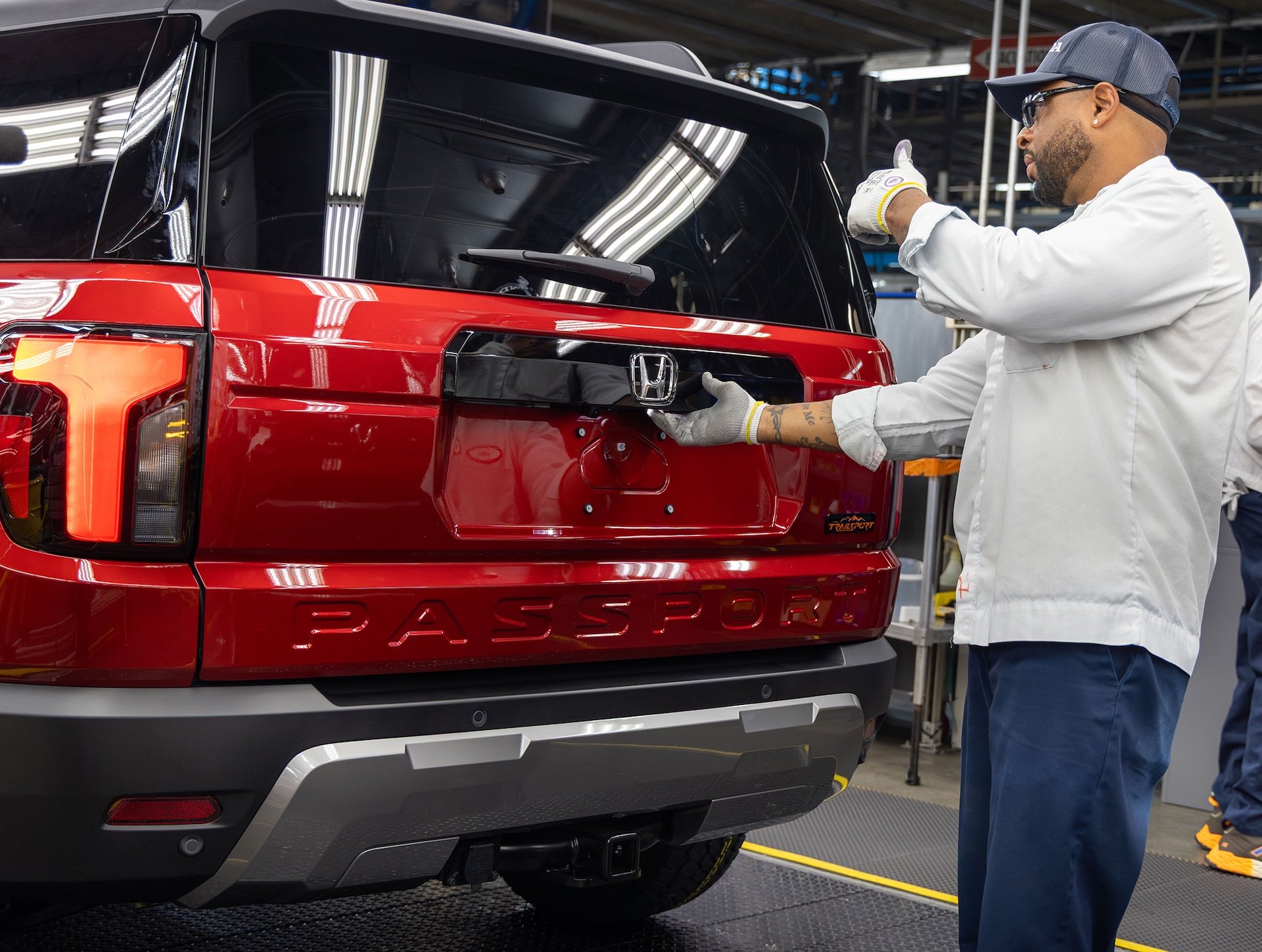
With Honda pulling the plug on its 0 Series EVs and swallowing a multi-billion loss—the first since the company went public in 1957—it is back to the drawing board on its product strategy. New concept cars, new hybrid engines, new high-riding vehicles for an SUV-hungry world, and if we get lucky, a new sports car or two, are all on the table for the future.
However, navigating the world’s governments, tariffs, and labor economies—while trying to keep up with, again, China and India—will put all quality control systems to the test, and not just Honda’s; this applies to literally every automaker. And that’s just on the side of reliability, but there’s also the whole “how to make a reliable car that’s affordable” aspect of being a, y’know, mainstream car company.
“The most important thing, however, is that quality is in our people’s minds,” said Kaihara. “Every day, when we are working on the product, we should have in our minds that quality is number one. This means every single associate should have a quality mind—we should always be concerned about the customer.”
Got a tip? Email us at tips@thedrive.com
Loading comments…
Comments couldn’t be loaded. Please refresh the page.