

The United States Environmental Protection Agency has changed its tune on diesel emissions regulation. Whereas it once ruled with a heavy hand, fining engine manufacturers and aftermarket companies at every turn, the agency is now on a deregulation spree with Administrator Lee Zeldin at the helm. The EPA has already called on manufacturers to eliminate immediate power derating when diesel exhaust fluid runs low, and now, the federal organization is strongly encouraging companies to ditch one of modern emissions systems’ most problematic components.
In a letter dated March 26, the EPA wrote that urea quality sensors have “among the highest failure rates of any SCR (selective catalyst reduction) components.” That information comes from the Engine Manufacturers Association, which suggests exploring other methods to detect contaminated or diluted DEF. For its part, the EPA echoed the recommendation while reiterating that such methods—like NOx sensors—are totally legal.
I’ll break this down as simply as I know how to. Urea quality sensors detect the concentration of—what else—urea in DEF. That’s the active ingredient responsible for lowering NOx emissions in diesel engine exhaust. DEF mixtures typically contain 32.5% urea and 67.5% deionized water, though lower-quality products can be far more diluted. Users can also throw off the mixture by adding water or other fluids to the DEF tank. When this happens, and a urea quality sensor notices it, the emissions system can severely limit engine performance.
The problem is that urea quality sensors fail—often. Manufacturers reported many such problems to the EPA as part of customer warranty claims. And when these sensors fail, they throw everything into turmoil, whether that be causing poor running conditions or complete engine stoppage.
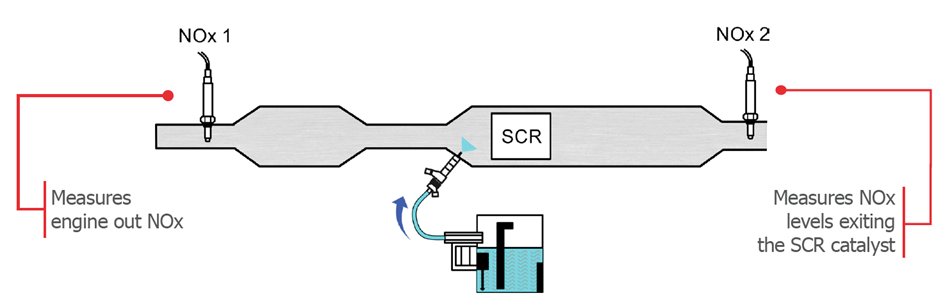
What the EPA is saying with this letter is that manufacturers can use other methods to detect proper urea concentration without getting in trouble. Not only that, but third parties are able to remove existing urea quality sensors without being guilty of tampering under the Clean Air Act, so long as they’re replaced by an effective solution. If you’re a diesel truck driver or a shop owner, make sure to read that bolded line carefully. By no means are emissions deletes legal now; instead, the EPA is saying that solutions besides urea quality sensors can be implemented. There just has to be another solution in place.
You can tell that the EPA is still working to figure all of this out. The agency’s Assistant Administrator Aaron Szabo notes in the letter that neither urea quality sensors nor NOx sensors are the perfect solutions in all circumstances, like when DEF freezes below 16 degrees Fahrenheit. (That’s a big reason why U.S. senators from Alaska and Wyoming are pushing to eliminate certain DEF requirements in cold climates.) But it’s important to note that, as of right now, there’s no indication that the EPA will deregulate DEF altogether.
Got a tip or question for the author? Contact them directly: caleb@thedrive.com
Loading comments…
Comments couldn’t be loaded. Please refresh the page.