
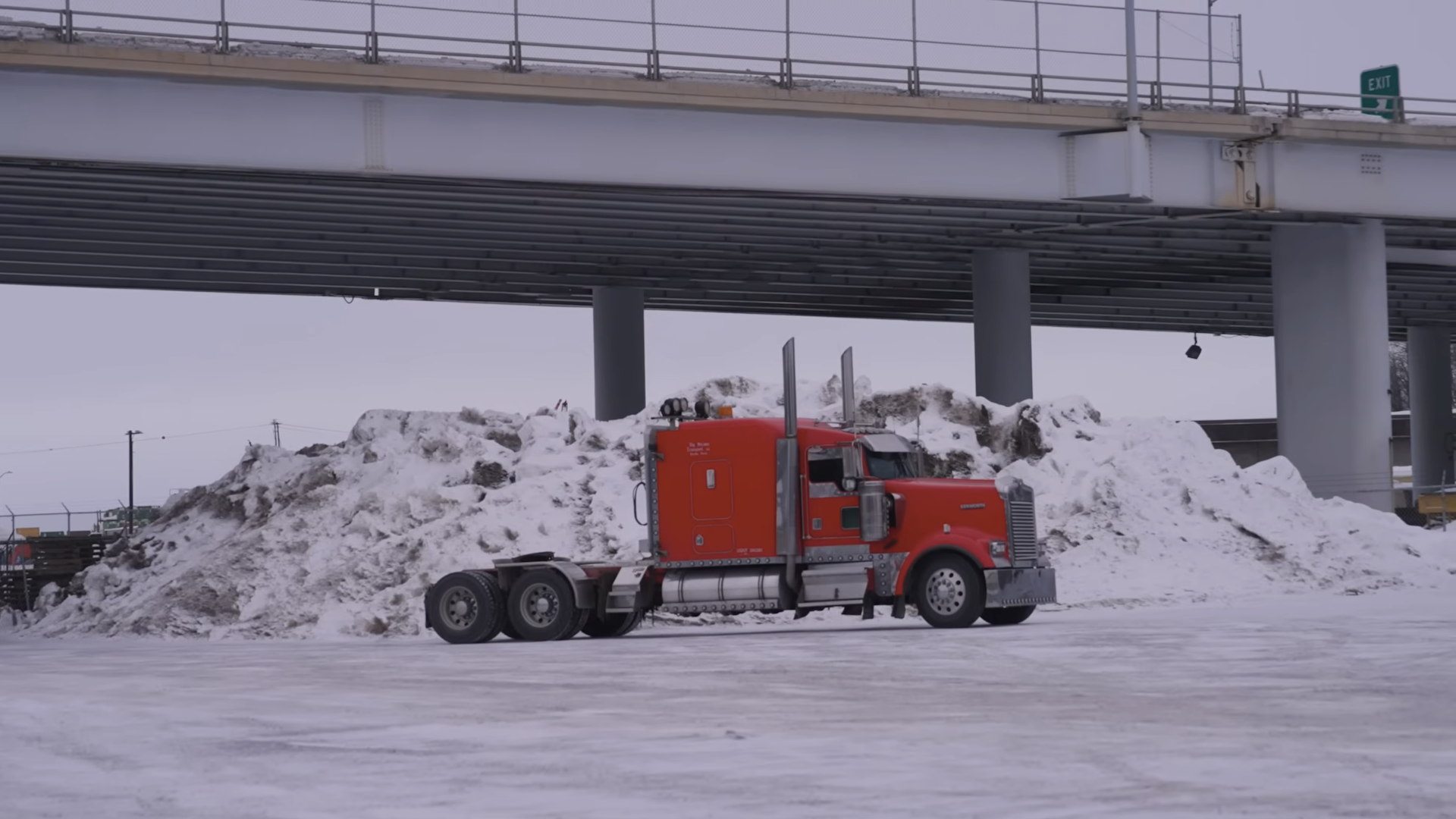
Depending on who you ask, “DEF” might as well be a four-letter word. The acronym stands for diesel exhaust fluid, a solution that breaks down nitrogen oxides and significantly reduces emissions from diesel engines. It’s the source of ire for anyone who has ever encountered limp mode due to low DEF levels when trying to get a job done, and it’s even been the subject of recent deregulation efforts from the United States Environmental Protection Agency. Now, there’s a growing legislative push to eliminate it in cold weather conditions.
U.S. Senators Dan Sullivan (R-Alaska) and Cynthia Lummis (R-Wyo.) introduced the Cold Weather Diesel Reliability Act in November of 2025. To sum it up quickly, if passed, it would allow manufacturers to suspend engine power deratings or shutdowns due to emissions control system faults—like frozen or low DEF—when operating in ambient temperatures below 32 degrees. Additionally, the bill in its current form would provide year-round DEF exemptions for vehicles that operate north of 59 degrees north latitude.
Supporters of the proposed legislation argue that this is not only fair but essential and possibly even life-saving. Because DEF freezes at 12 degrees Fahrenheit, it’s a frequent troublemaker for both individuals and large trucking fleets that run in colder climates. If you’re hauling 40 tons on a remote Alaskan road and your engine power derates due to insufficient DEF, or your speed is limited, then they make the point that it can turn dangerous in a hurry.

Sen. Dan Sullivan (R-Alaska) remarks at EPW Committee hearing on his legislation – March 11, 2026
“In extreme cold, diesel engines can shut down because EPA-mandated emissions systems weren’t designed for the harsh conditions we face in Alaska and across the northern United States,” said Sen. Sullivan. “That’s not just an inconvenience, it’s a compliance trap for the men and women who keep Alaska moving. The Cold Weather Diesel Reliability Act makes sure trucks and heavy equipment can keep operating safely in freezing weather by preventing automatic shutdowns caused by cold-related emissions faults. Our legislation brings common sense to EPA rules, aligning federal policy with real-world conditions in the nation’s coldest regions.”
The Alaska Department of Transportation and Public Facilities posted a YouTube video corroborating Senator Sullivan’s points just last week. Brad Bylsma, the department’s state equipment fleet manager, said, “A significant portion of our maintenance issues and costs are focused on repairing and maintaining the DEF systems… It’s a significant cost just in maintenance and repair, but it’s also a significant cost in downtime. System failures mean the truck won’t run.” Frederic Sifuentes, president of Alaska-based Big Dreams Transport, added that 85% of their fleet’s maintenance and repair needs are related to the DEF system.
Why Alaska's Trucks are Stopping in the Cold: DEF (Diesel Exhaust Fuel)
Alaska DOT&PF Commissioner Ryan Andersen testified in Washington D.C. on March 11 regarding the Cold Weather Diesel Reliability Act. It’s still early in the process, as it has yet to be voted on by the Senate. The Committee on Environment and Public Works is actively discussing it before the bill goes any further.
If recent legislative developments are any sign, this stands a fair chance of being passed into law. EPA Administrator Lee Zeldin led federal efforts to eliminate forced engine deratings and shutdowns due to low DEF (not to mention auto start/stop). This bill must go through a different process as it requires the support of Congress, but at this point, we’ve come to expect the unexpected.
Got a tip or question for the author? Contact them directly: caleb@thedrive.com
Loading comments…
Comments couldn’t be loaded. Please refresh the page.