
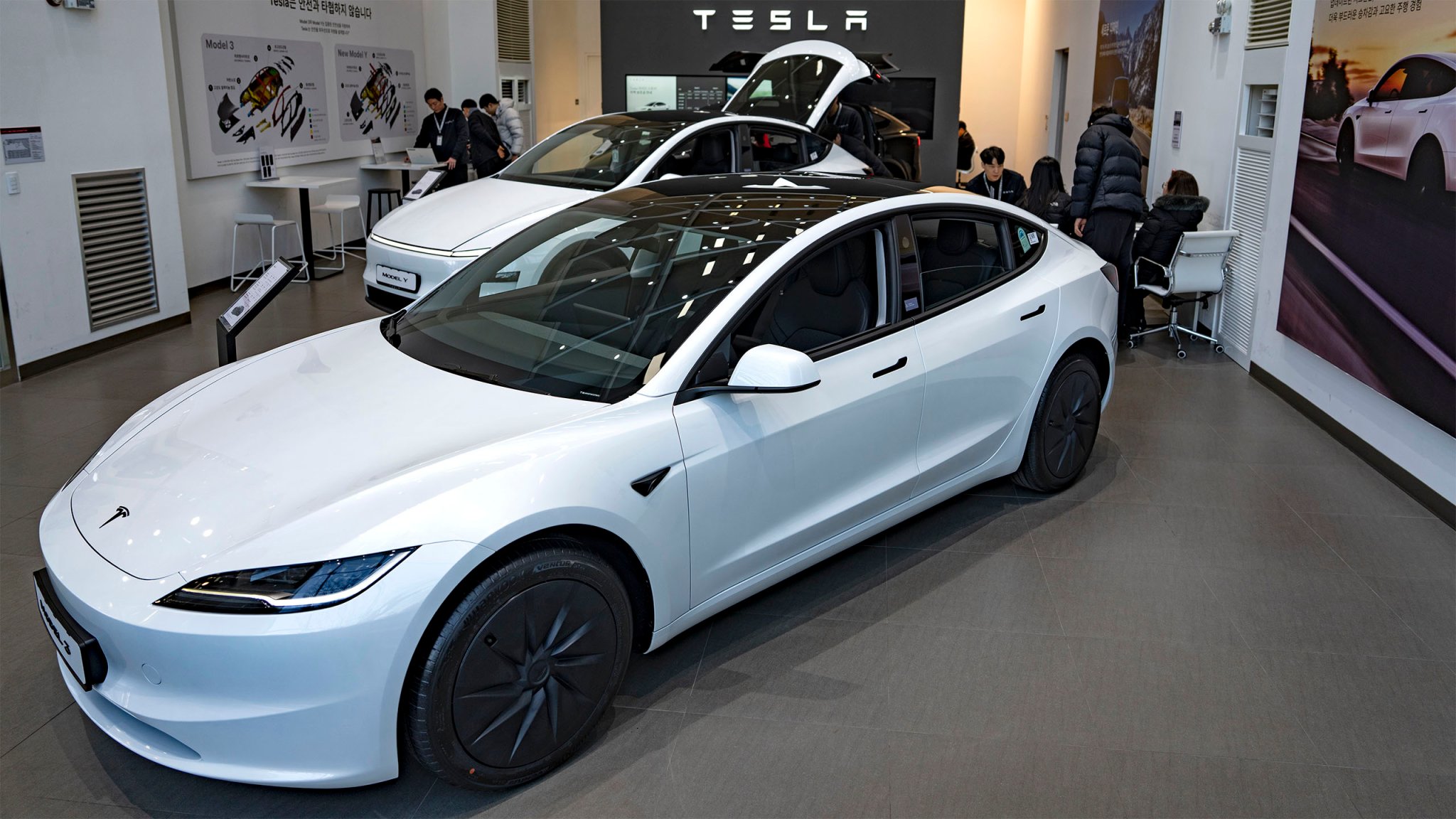
Earlier this week, the Chinese government moved to ban retractable door handles in new cars following multiple deaths where occupants were trapped inside burning vehicles. Of course, China isn’t the only country where such incidents have happened. On Wednesday, a new lawsuit was brought to the U.S. District Court of Massachusetts regarding the death of another Tesla driver who was unable to escape a vehicle on fire.
Lawmakers and automakers alike know there’s a problem. So when are they going to step in and address it?
This latest case involved 20-year-old Samuel Tremblett, who called 911 after a collision in October that resulted in his Model Y catching fire. The driver told emergency responders that the SUV was burning and he couldn’t get out, and pleaded for help. Tremblett died as a result of “thermal injuries and smoke inhalation,” per the legal complaint, and his remains were found in the vehicle’s back seat.
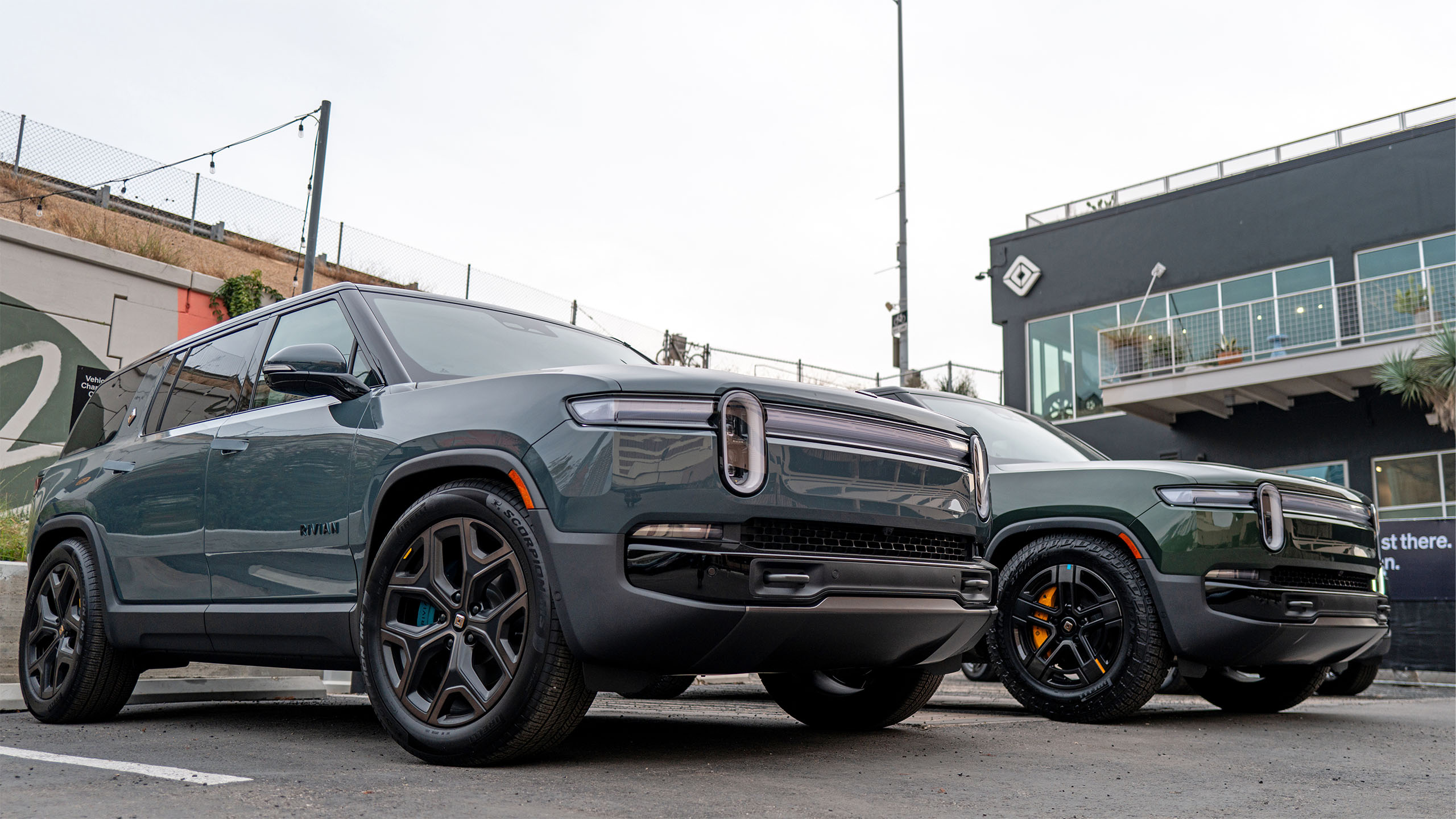
Since reports of similar cases have emerged over the last year, Tesla has stated that it is redesigning its door system to automatically unlock after detecting collisions. Rivian says it’s also reconsidering its approach for the upcoming R2 model, after the revised R1 introduced electronic handles that made the physical failsafes particularly difficult to find for rear passengers. One U.S. representative from Illinois introduced a bill last month requiring manual interior handles in new cars, but it’s too early to say if the measure has legs.
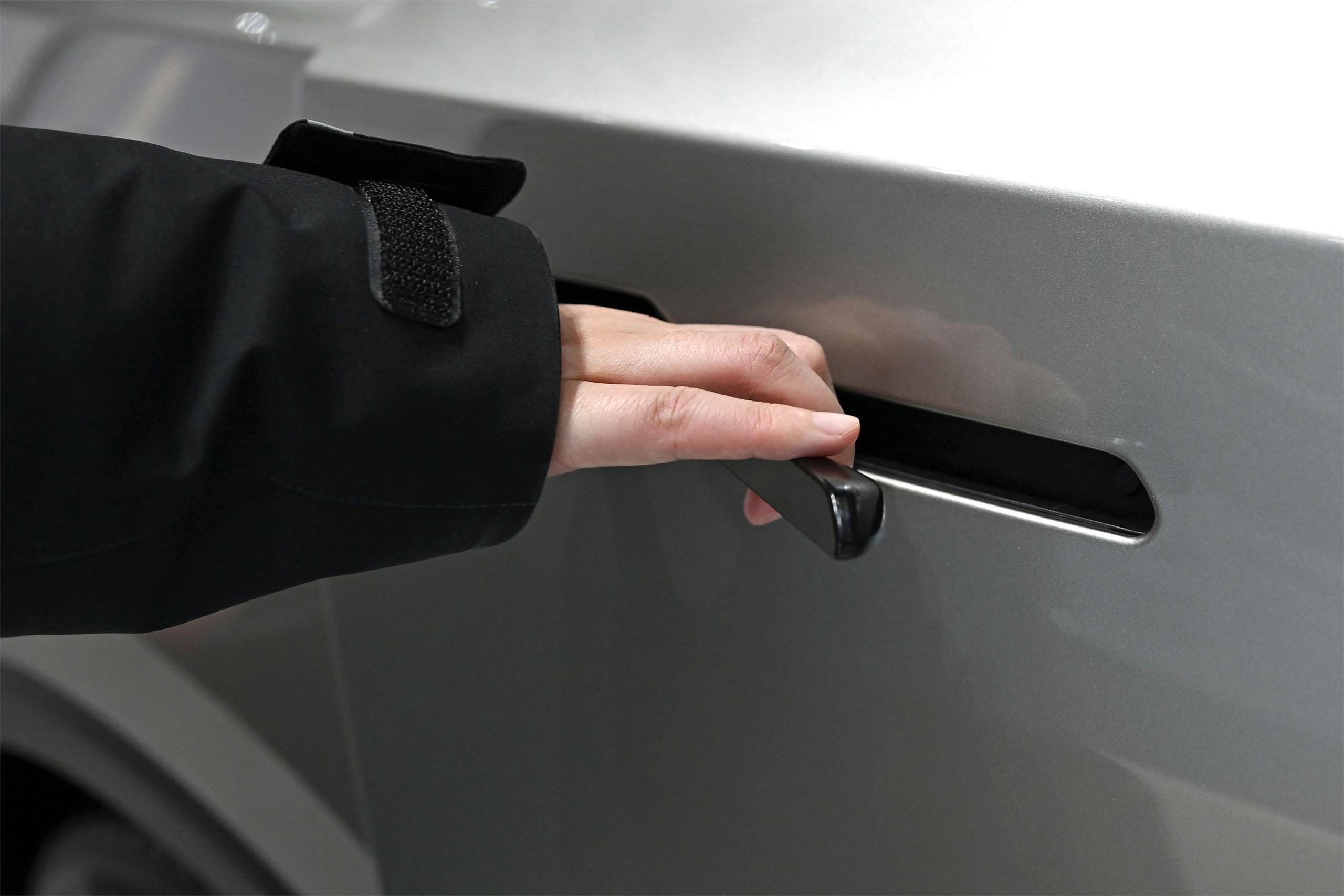
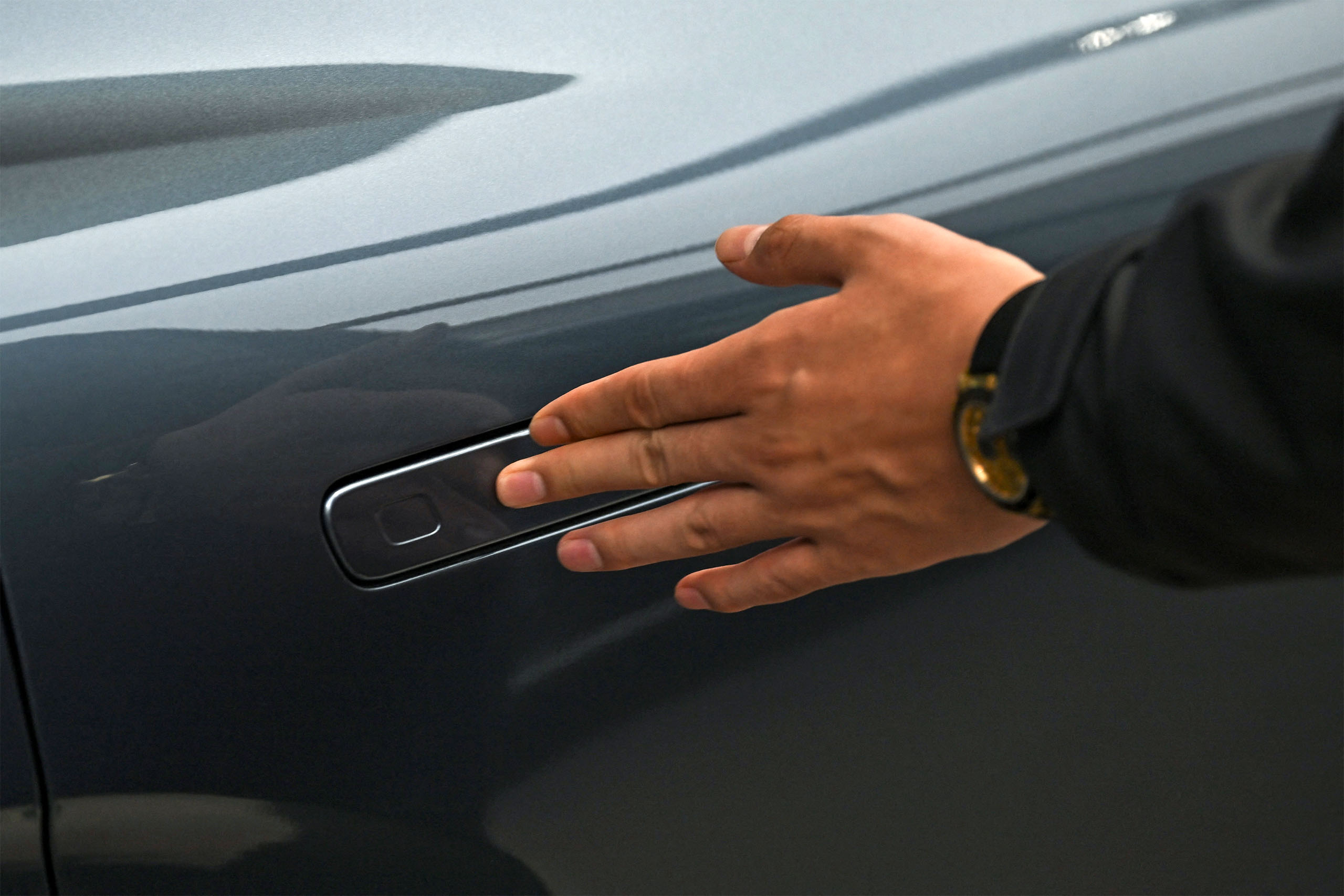
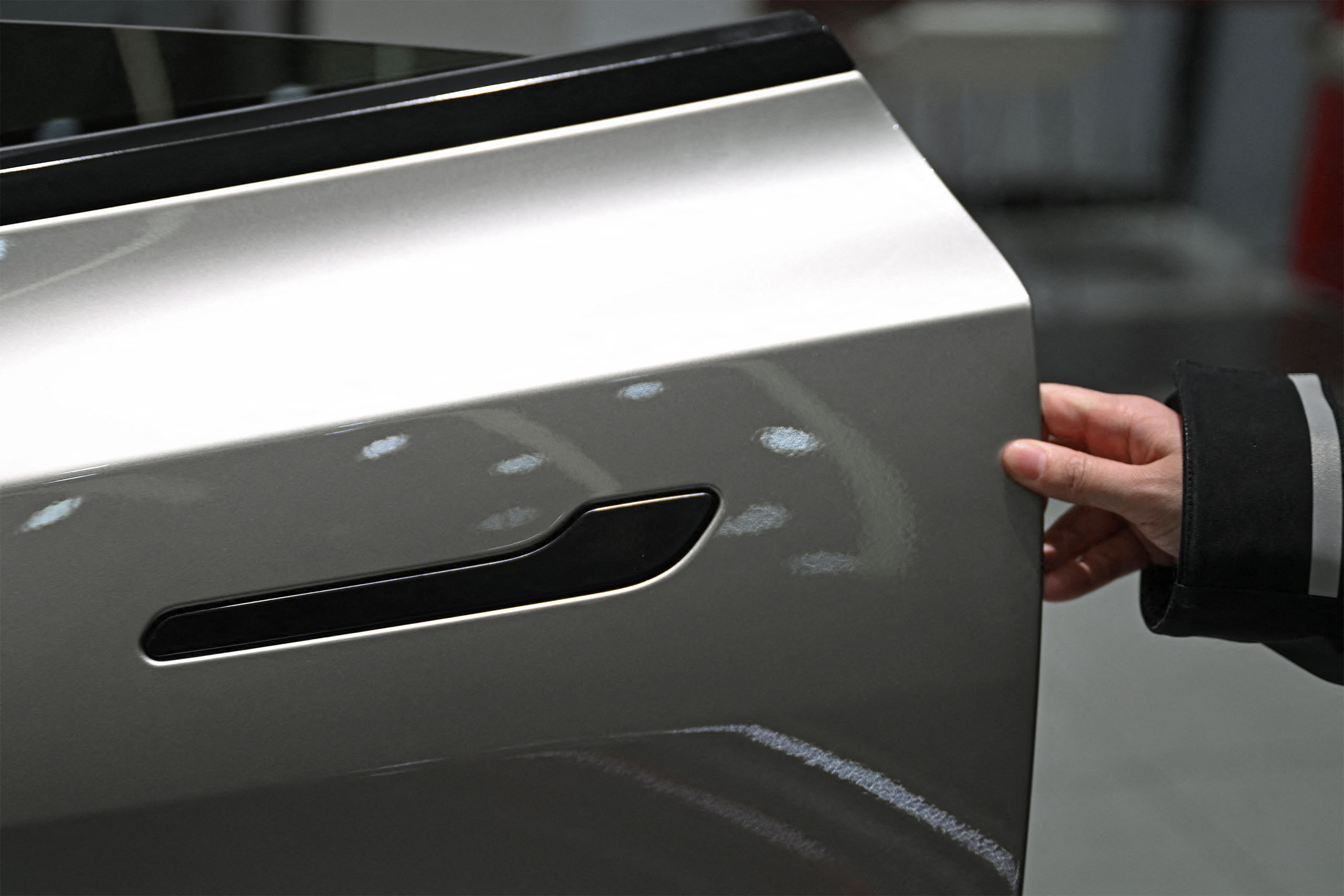
Car manufacturers have favored pop-out, electronic door handles because of the aerodynamic benefits they provide, especially for EVs, which are particularly sensitive to range losses due to drag. But that’s about the only advantage they offer, according to Sam Abuelsamid, vice president at automotive analytics agency Telemetry.
“Even apart from safety concerns, electrically actuated handles are frequently prone to failing when you try to open the door,” Abuelsamid explained. “They require some sort of wireless connection to detect the presence of a key (fob, card, phone), and that is often finicky and ends up requiring extracting a key from a pocket anyway. They can also be problematic when iced over following freezing rain.”
When a vehicle loses power, however, electronic doors go from an inconvenience to a potentially lethal design fault.
“Some manufacturers, like Ford on the Mustang Mach-E, install a super capacitor in each door to power the latch when power is lost, but that adds cost and complexity,” Abuelsamid said. “In the event of a crash, we’ve seen that it’s not uncommon for these systems to stop working.”
The style of handle, beyond whether or not it’s powered, matters too. Flush handles that require the user to push on one side so the other pivots out and can be pulled open can be “more finicky to use than a traditional handle,” in his words, even if they still function with a dead battery. Those are different from the fully retractable style that we’ve seen causing problems on Tesla vehicles, or those of Chinese automakers like Xiaomi and Nio. Abuelsamid also called out the aforementioned new Rivians, which place mechanical pulls next to electronic ones inside for front seat passengers.
“All I can say is, why bother with the button at all?” Abuelsamid said. “This just adds cost and complexity and another thing to break, none of which Rivian can afford when they continue to lose money on every vehicle sold.”
Consumer Reports has a very helpful guide to locating the mechanical backup handles across a number of models from different manufacturers.
Abuelsamid does not expect the National Highway Traffic Safety Administration to implement new regulations around this problem, saying that it’s more likely that automakers engineer new door systems for the Chinese market and incorporate those here. Robby DeGraff, product and consumer insights manager at AutoPacific, is more hopeful that something could change after the recent legal activity.
“I don’t think in all the years I’ve been evaluating new vehicles, I’ve used an electronic door latch/handle that has correctly worked upon first grab,” DeGraff said. “This is one of those instances where automakers reinvented something that didn’t need to get reinvented, plus, I’m very skeptical that by making a vehicle store handles flush and electronic, that the aerodynamic benefits are good enough to outweigh the safety risks.”
China’s recent ban requires manufacturers to implement mechanical handles on both sides of the door. That’s a critical point, because this is as much about emergency responders being able to reach trapped occupants as it is occupants being able to escape themselves. At the moment, all we can hope is that the conversation around this flawed technology doesn’t peter out, putting pressure on government and industry to react.
Got a tip? Reach out to tips@thedrive.com
Loading comments…
Comments couldn’t be loaded. Please refresh the page.