
Like many of us, Carvana is trying to put the madness of COVID behind it. The online retailer grew massively during the pandemic, came crashing down as the used-car market rapidly cooled, and underwent a brief and bizarre rebound that one investment group called “a grift for the ages.” Now the company is getting more serious about adapting some of the traits of the traditional dealerships it competes with, while maintaining the perks of a car shark-free experience for customers.
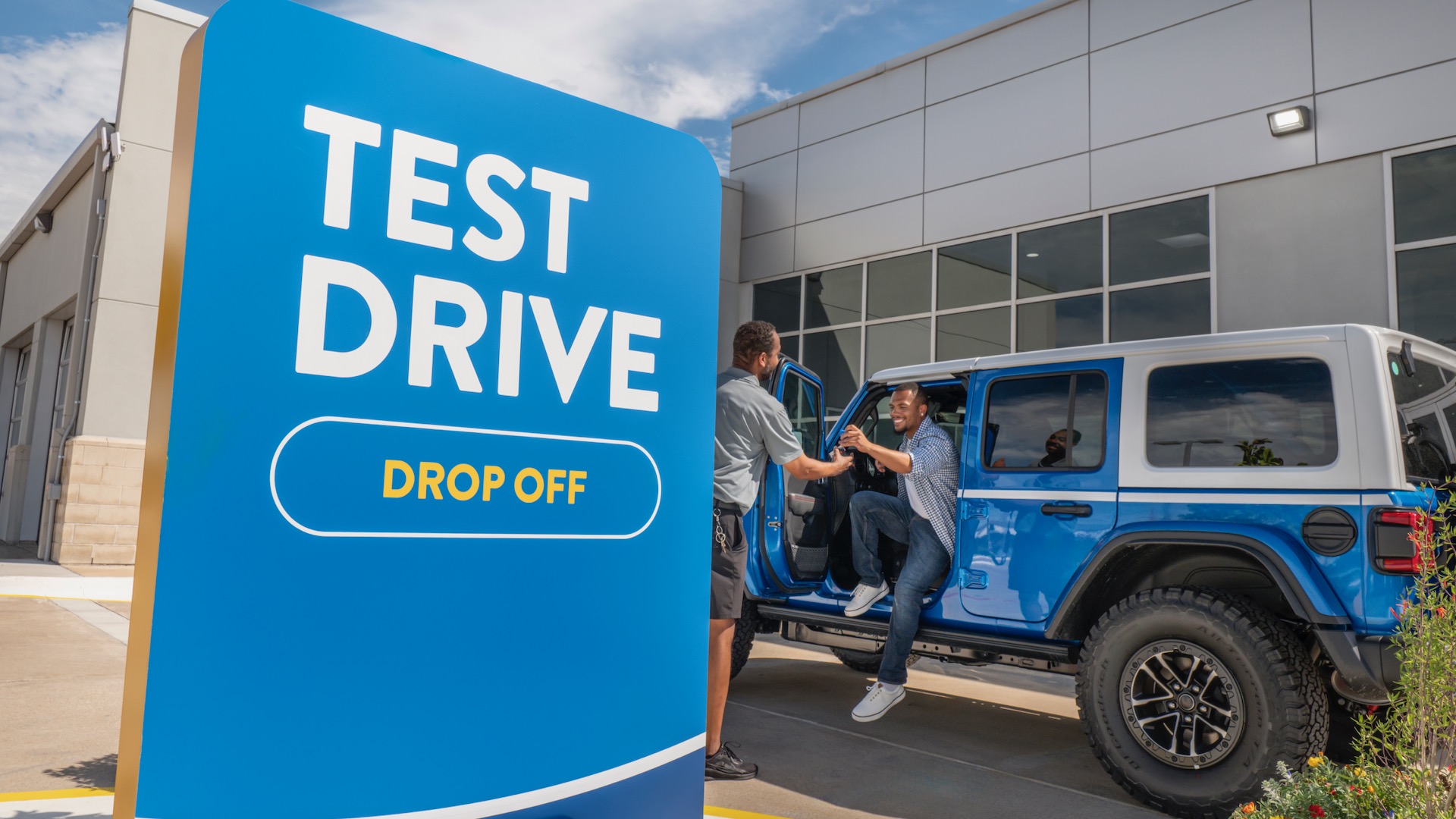
Carvana just rolled out test drives of new cars at its Chrysler-Dodge-Jeep-Ram store in Texas, one of two Stellantis dealerships it purchased in 2025 (the other one is in Arizona). The new Test Drive Center offers hands-on experience with potential purchases without any interference from salespeople or pressure to negotiate a deal on the spot, according to Carvana. Staff are onsite to answer questions and shuffle cars only.
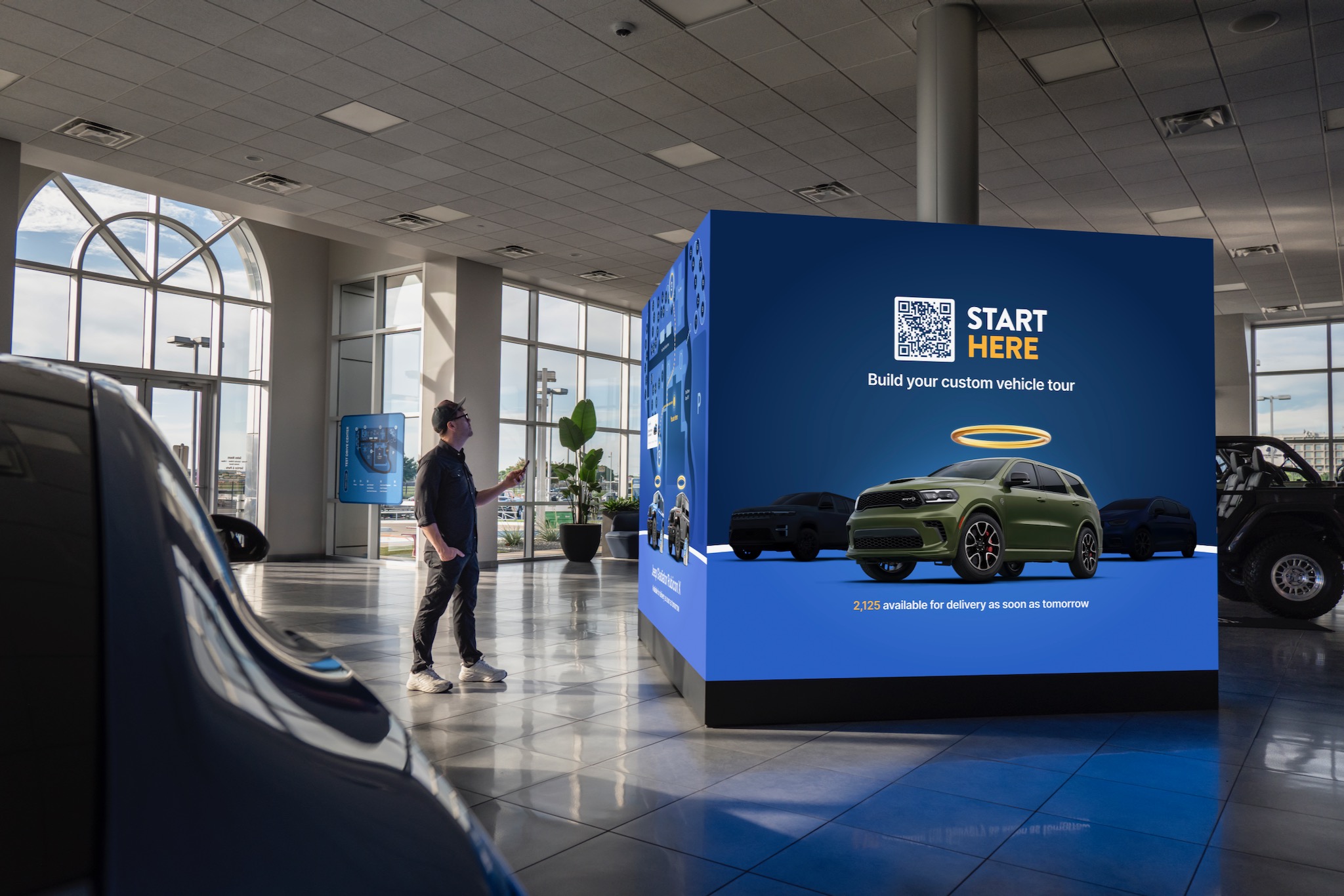
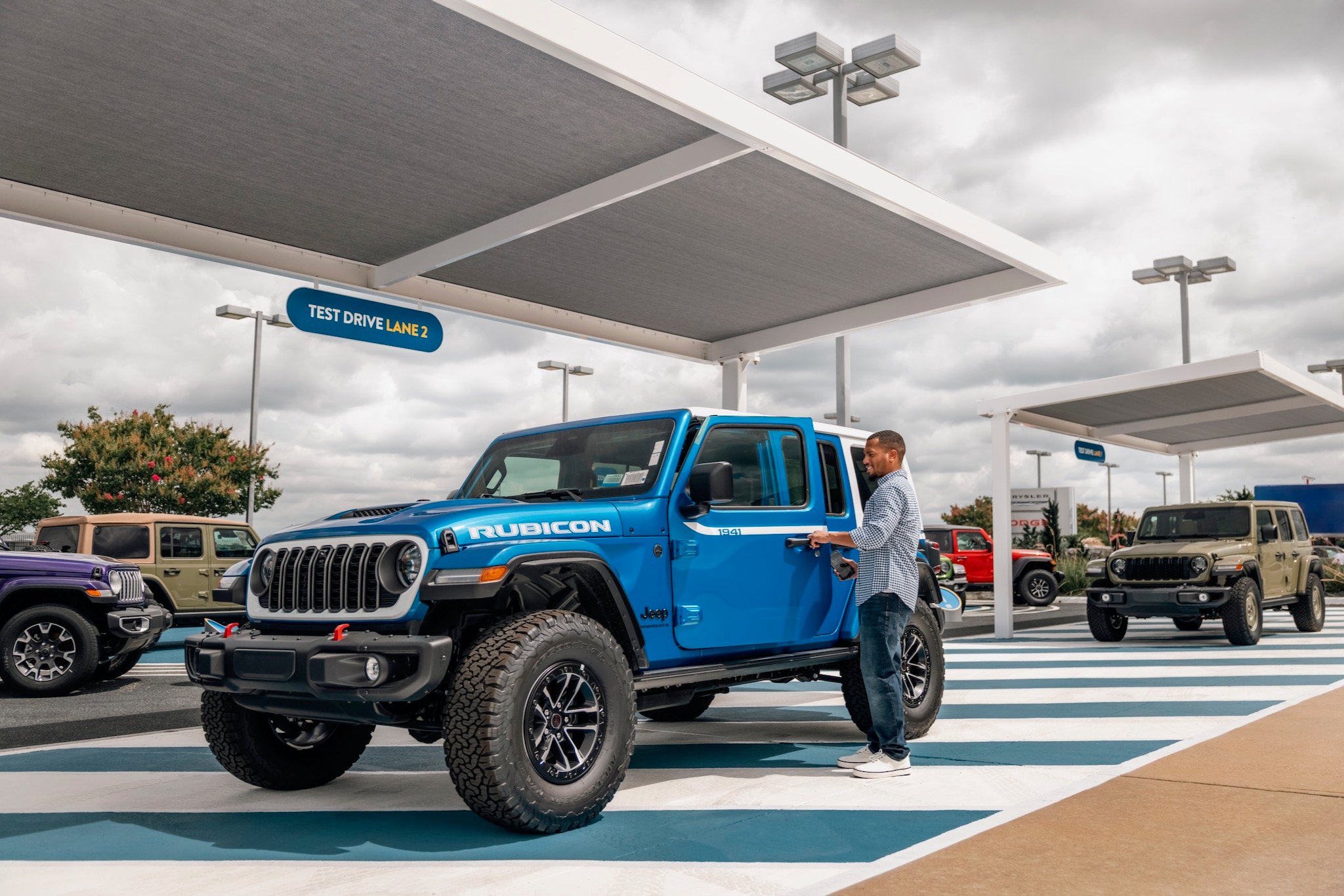
Customers are greeted by a four-sided screen from which they can browse available vehicles (presumably anything from each brand’s current lineup), compare trim levels, and configure a vehicle. Display models are also available, each with a QR code that pulls up a virtual tour showing specs and available configurations. Either way, the system finds the closest on-site match to a shopper’s ideal spec from a fleet of test vehicles, and staff bring it around to a valet lane for a test drive.
The buying process is still done through Carvana’s website, and customers can log on to complete a purchase either from the dealership or from home. As before, the company promises no-haggle pricing on vehicles in its inventory.
Carvana rode a wave of rising used-car prices during COVID, but that growth came too fast. Paperwork bottlenecks got the company in trouble in multiple U.S. jurisdictions after customer registrations began to lapse before their title paperwork had been processed. Carvana lost its dealer license in Michigan as a result, and had to settle a lawsuit in Connecticut over delayed registrations and payments to sellers. Car vending machines and sponsoring Jimmie Johnson’s IndyCar dream couldn’t cover that up.
The unpredictability of the used-car market clearly hasn’t been good for Carvana, which might explain its decision to buy brick-and-mortar dealer franchises selling new cars. So does the constant pushback from franchised-dealer lobbies in some states against online sales. And whether the inventory is new or used, offering test drives is a logical step to growing that business.
Loading comments…
Comments couldn’t be loaded. Please refresh the page.