
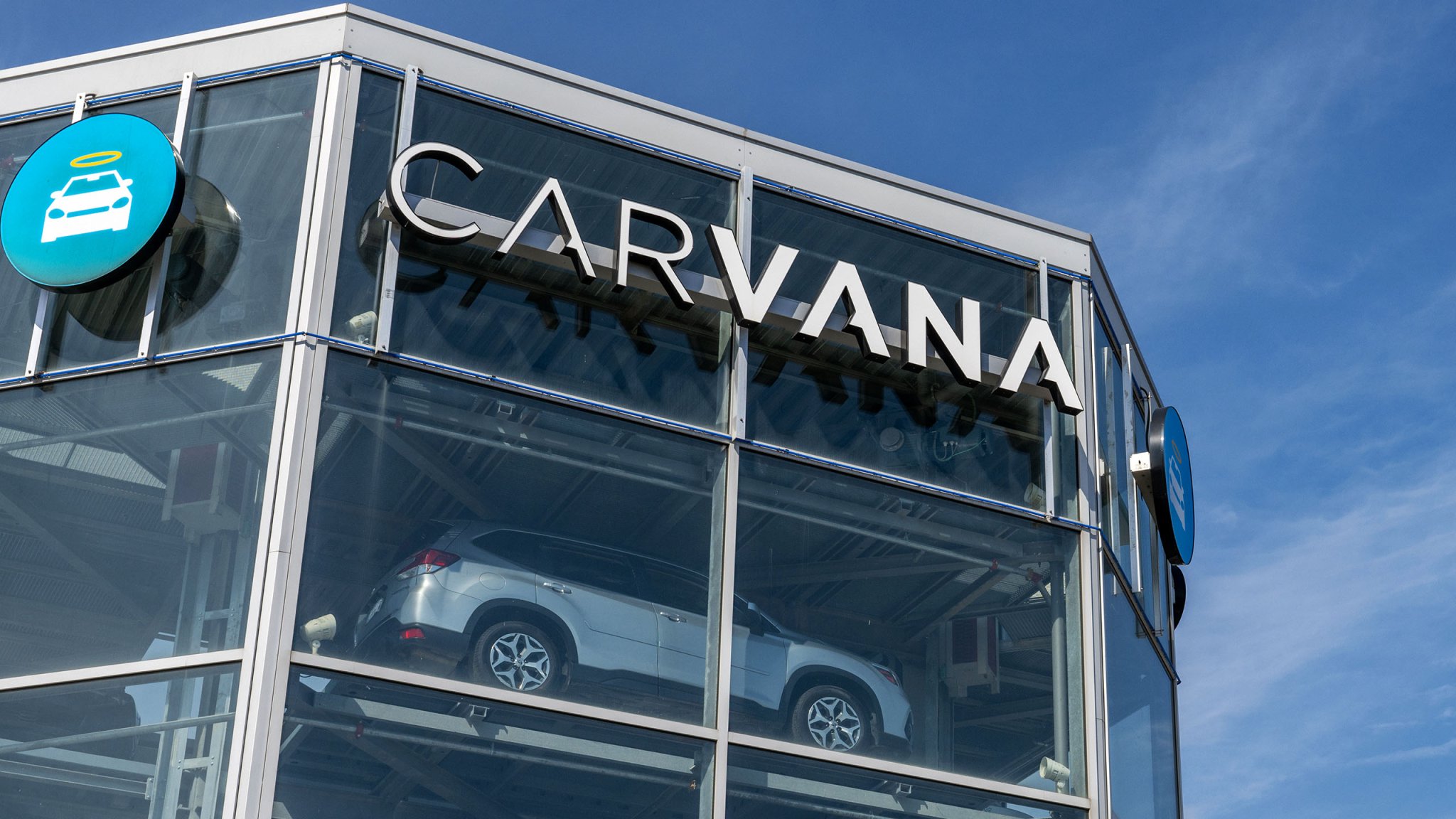
Remember Carvana? I mean, how could you forget the online used-car “dealership” that grew explosively during COVID while helping fuel an equally explosive rise in used-car prices, only to immediately start collapsing under the weight of its own paperwork and bloated inventory? Or maybe you remember it for the corresponding free-fall of its valuation, its legal troubles, or the subsequent head-scratcher of a rebound that one investment group called “a grift for the ages.” You know, that Carvana.
If you’ve been paying attention to the saga of this rather ambitious upstart, you may already know that Carvana dipped its toe in the new-car-sales waters earlier this year with the purchase of a Chrysler-Dodge-Jeep-Ram dealership in Arizona. Just this week, Automotive News noted that the company has now added a second CDJR(+F, because Fiat still exists here) franchise, this time in Texas.
Both of these were purchased from existing chains; the fact that they’re both Stellantis dealers appears to be a reflection of the current state of the retail business. Put simply, they’re available.
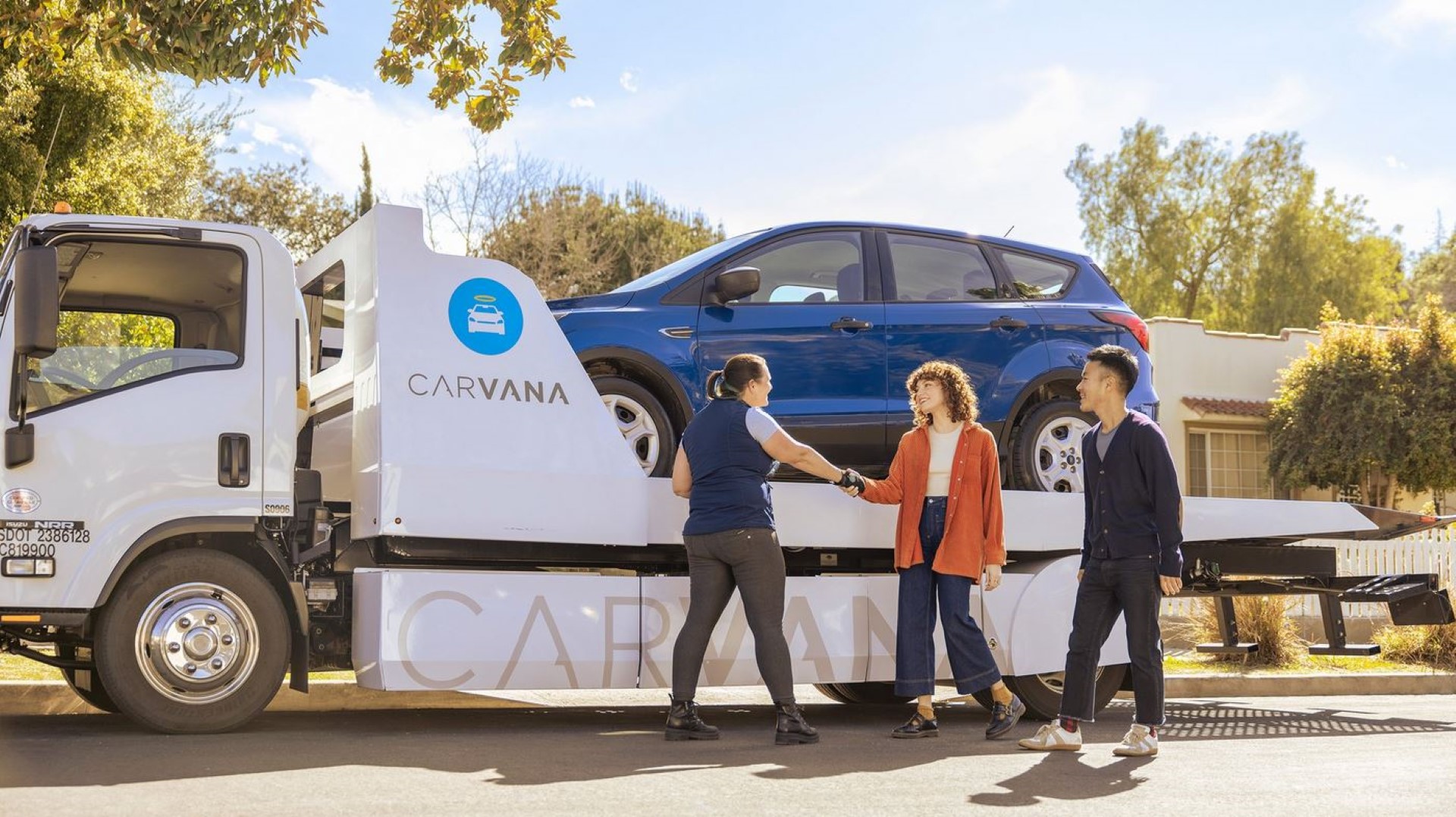
After the Arizona dealership purchase, we reached out to Carvana for some background on the transaction. A company spokesperson characterized it as “a small test in a single market.” The company doubled down on that theme in comments to Automotive News about the Texas purchase, saying “We are in the very early days of testing as a franchise dealer—first at a CDJR dealership outside of Phoenix and now at one in Dallas—and we look forward to continuing to learn as we focus on delivering exceptional customer experiences.”
Curiously, Carvana is getting into the new-car game after its biggest analog rival, CarMax, has gotten out. CarMax once operated several new-vehicle franchises but has since bailed on that front entirely.
Carvana struggled with paperwork bottlenecks during its COVID highs, getting the company in trouble in multiple U.S. jurisdictions after customer registrations began to lapse before their title paperwork had been processed. Carvana lost its dealer license in Michigan over the fiasco, and had to settle a lawsuit in Connecticut over delayed registrations and payments to sellers.
Given all that, perhaps a little brick-and-mortar experience would indeed do the company some good, but we suspect Carvana has additional, as-yet-unrevealed motivations for establishing a physical, new-car sales infrastructure in multiple markets. Given the legal roadblocks to online-only sales, a physical footprint is likely an advantage Carvana can fall back on should it face further headwinds.
Do you know why Carvana may have sought franchises in Arizona and Texas, in particular? We’d appreciate your insight! Reach out to tips@thedrive.com or contact the author directly at byron@thedrive.com.
Loading comments…
Comments couldn’t be loaded. Please refresh the page.