
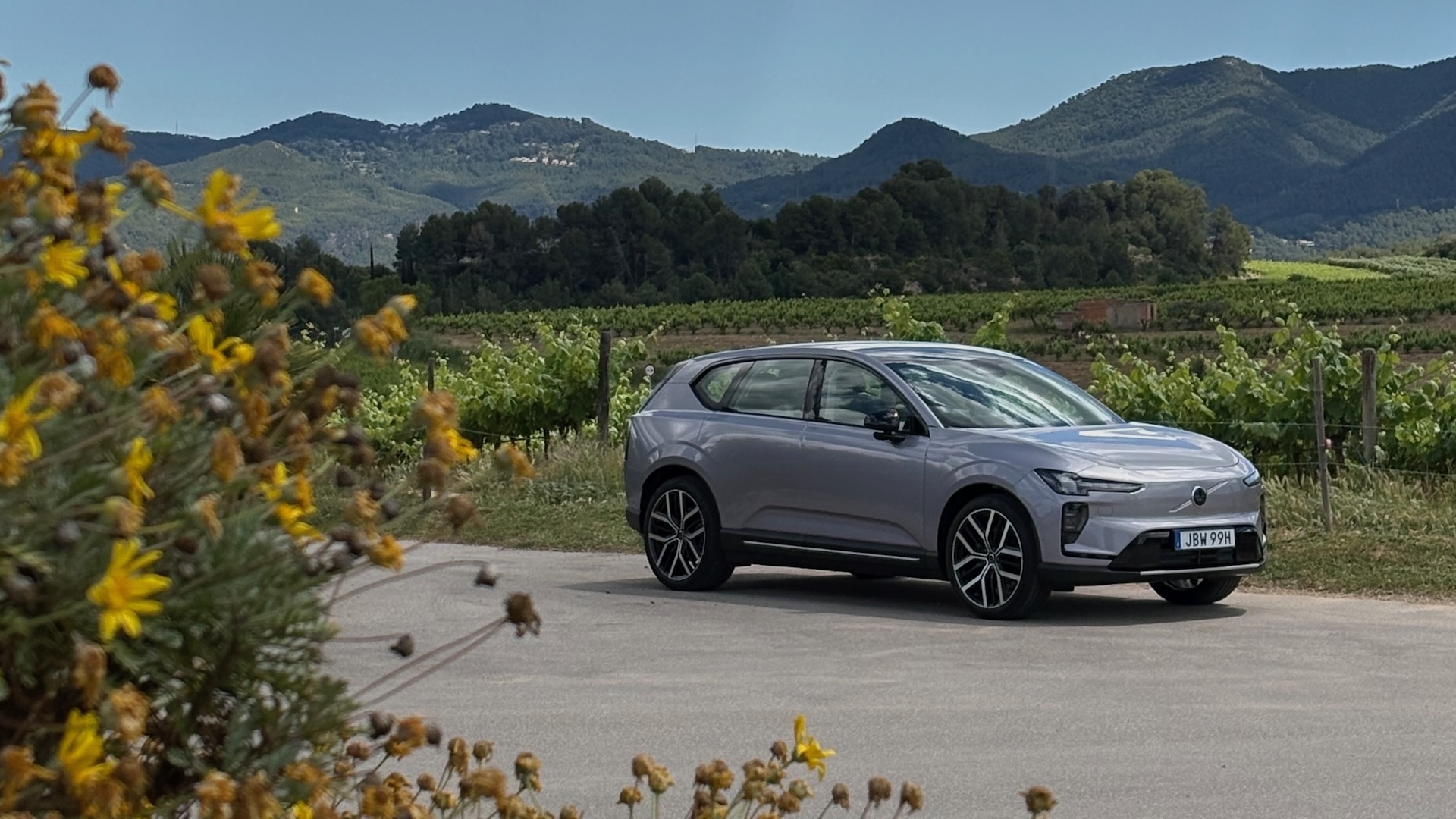
Some car companies have frozen in their tracks and suspended EV programs, but Volvo isn’t one of them—its radical plan to go electric remains on target. There will be more hybrids to smooth the transition, but excellent new electric vehicles like the 2027 Volvo X60 remain the core of its plan.
The new electric crossover skips some of the nonsensical spiffs of some electric competition. It’s simply a tasteful, assured, zero-emission companion to the carbon-ated XC60. On sale as a rear-drive P6 or an all-wheel-drive P10, the EX60 offers a smartly sized interior, about 300 miles of range, and a price starting around $60,000. My daylong drive in both models confirms it’s an instant rival for the BMW iX3, an EV SUV I like very much.
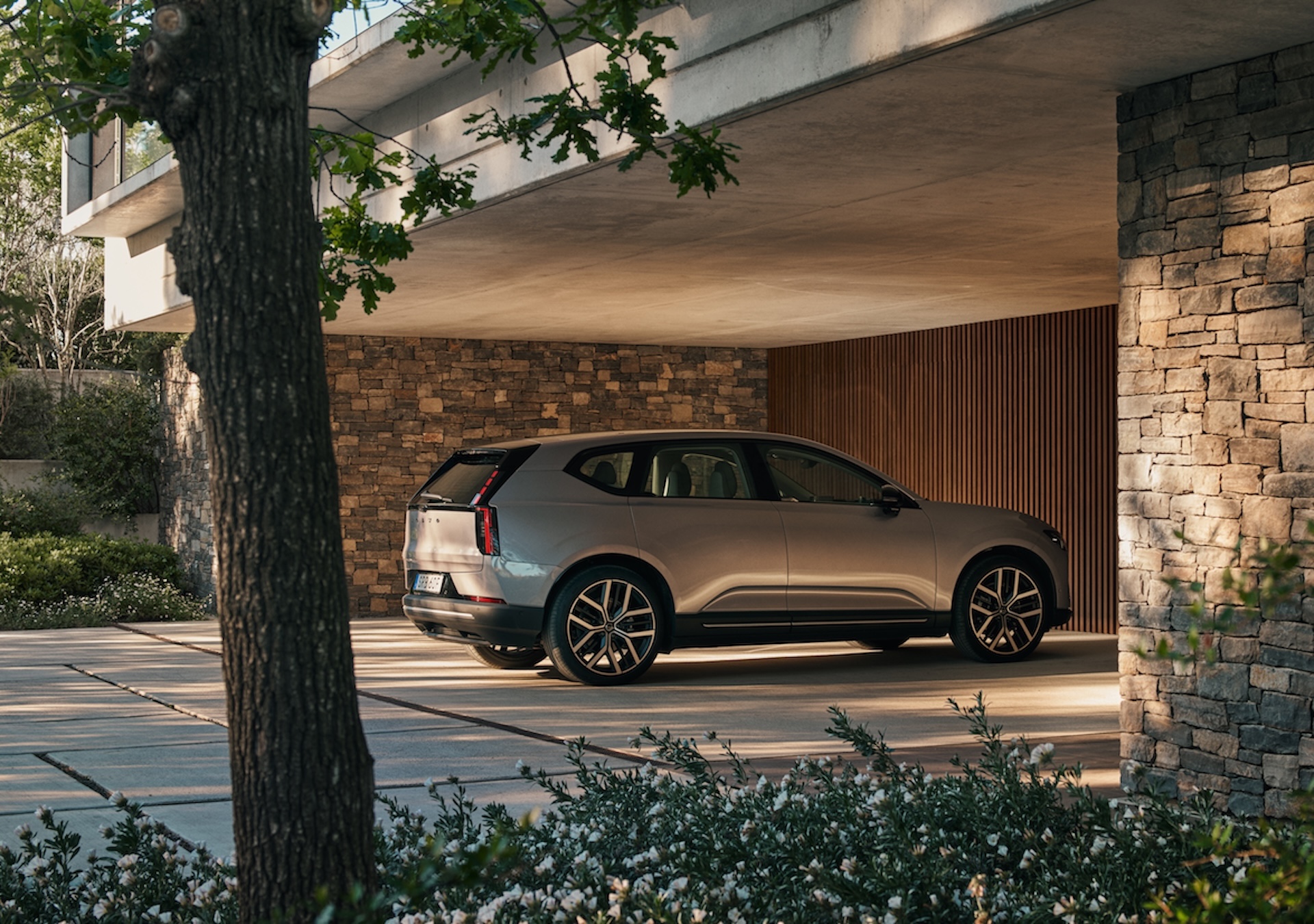
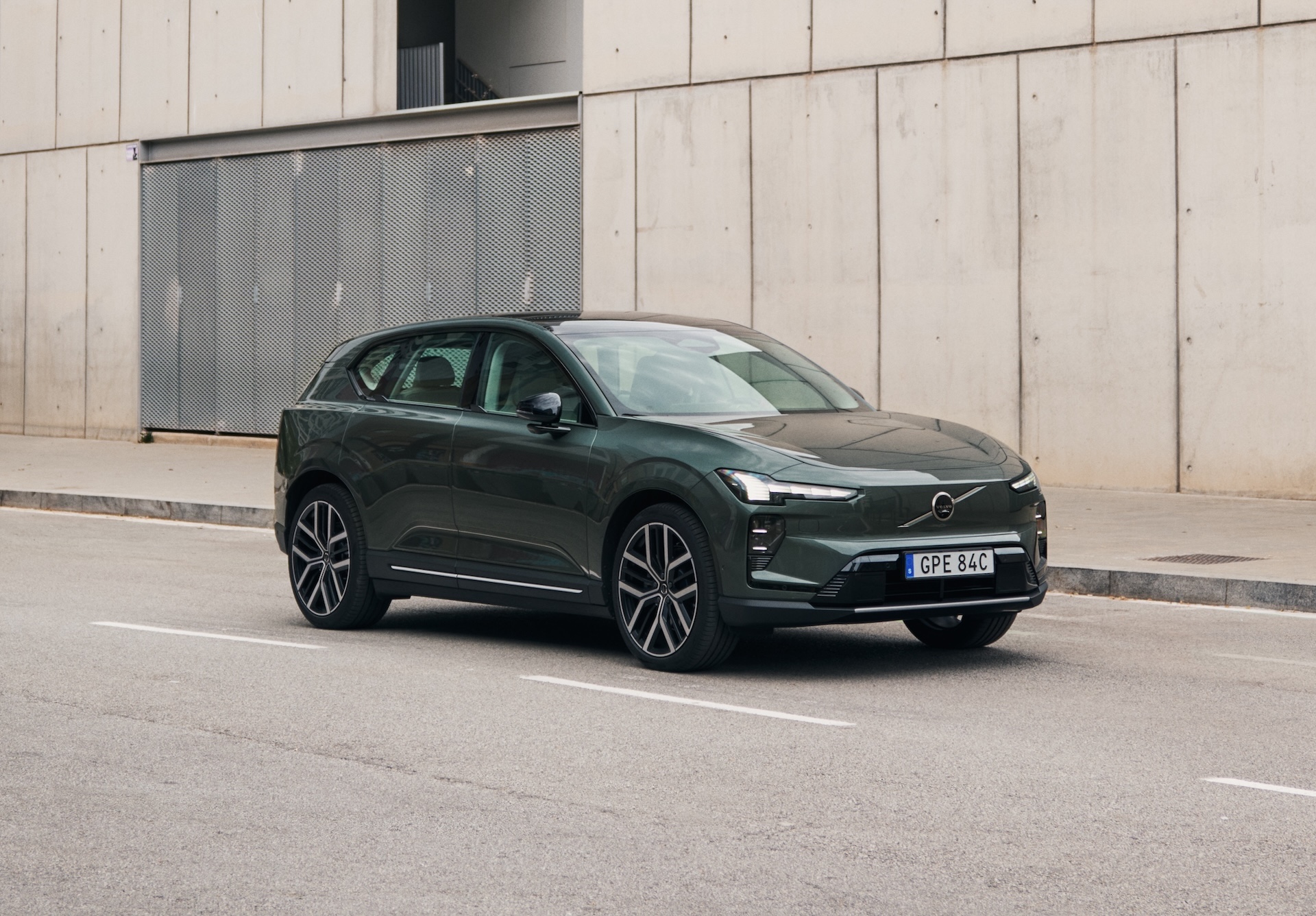
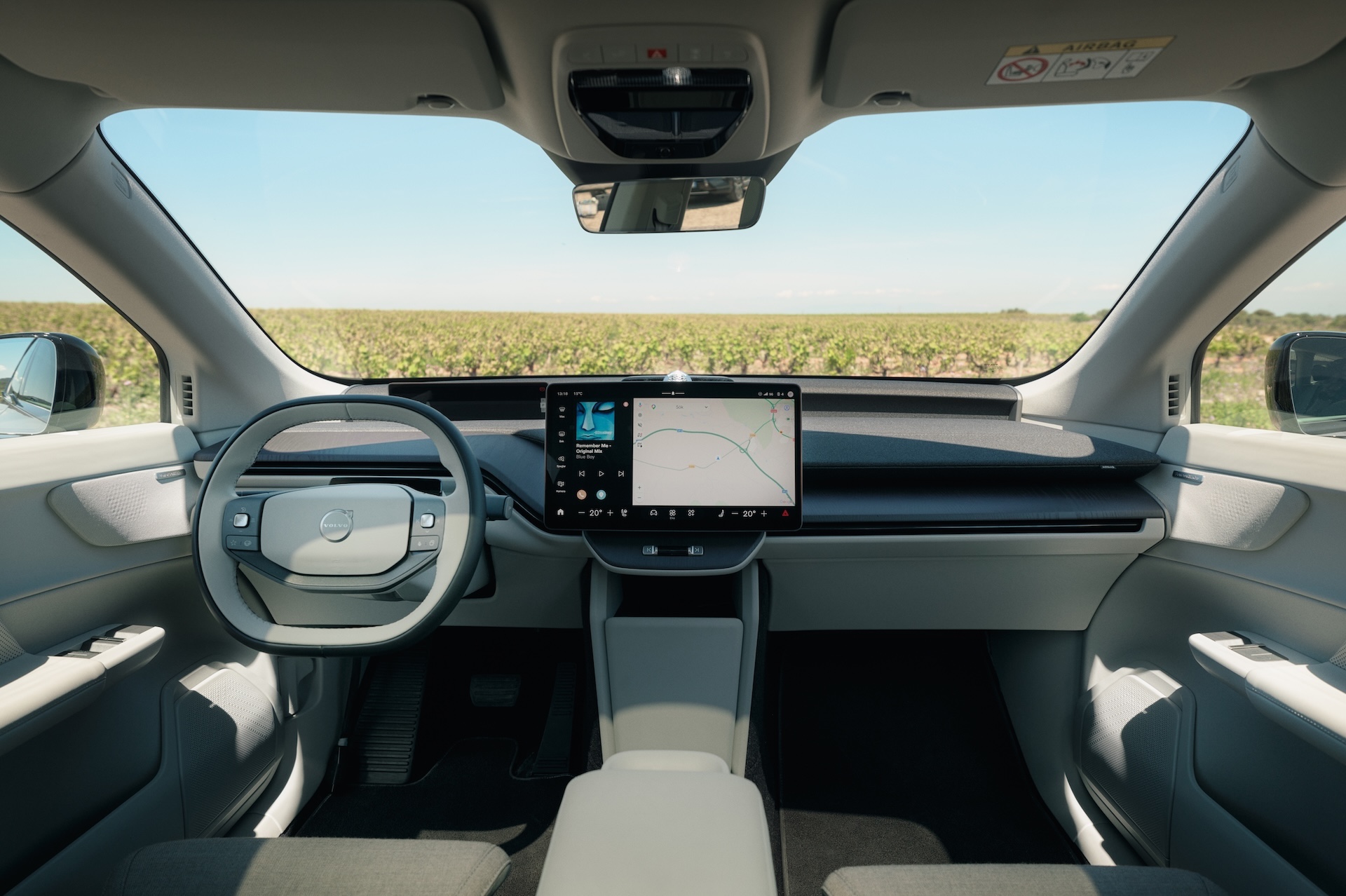
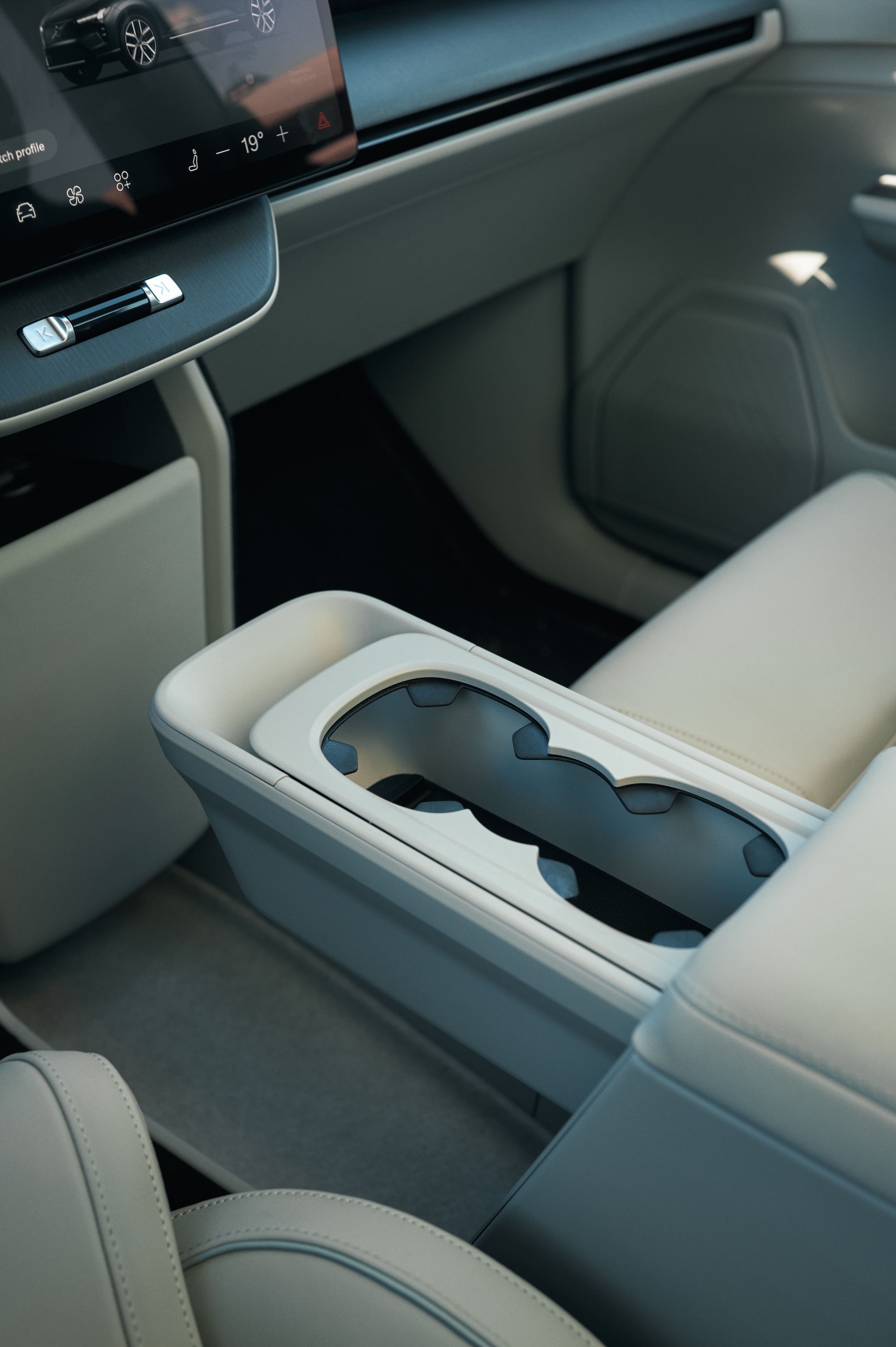
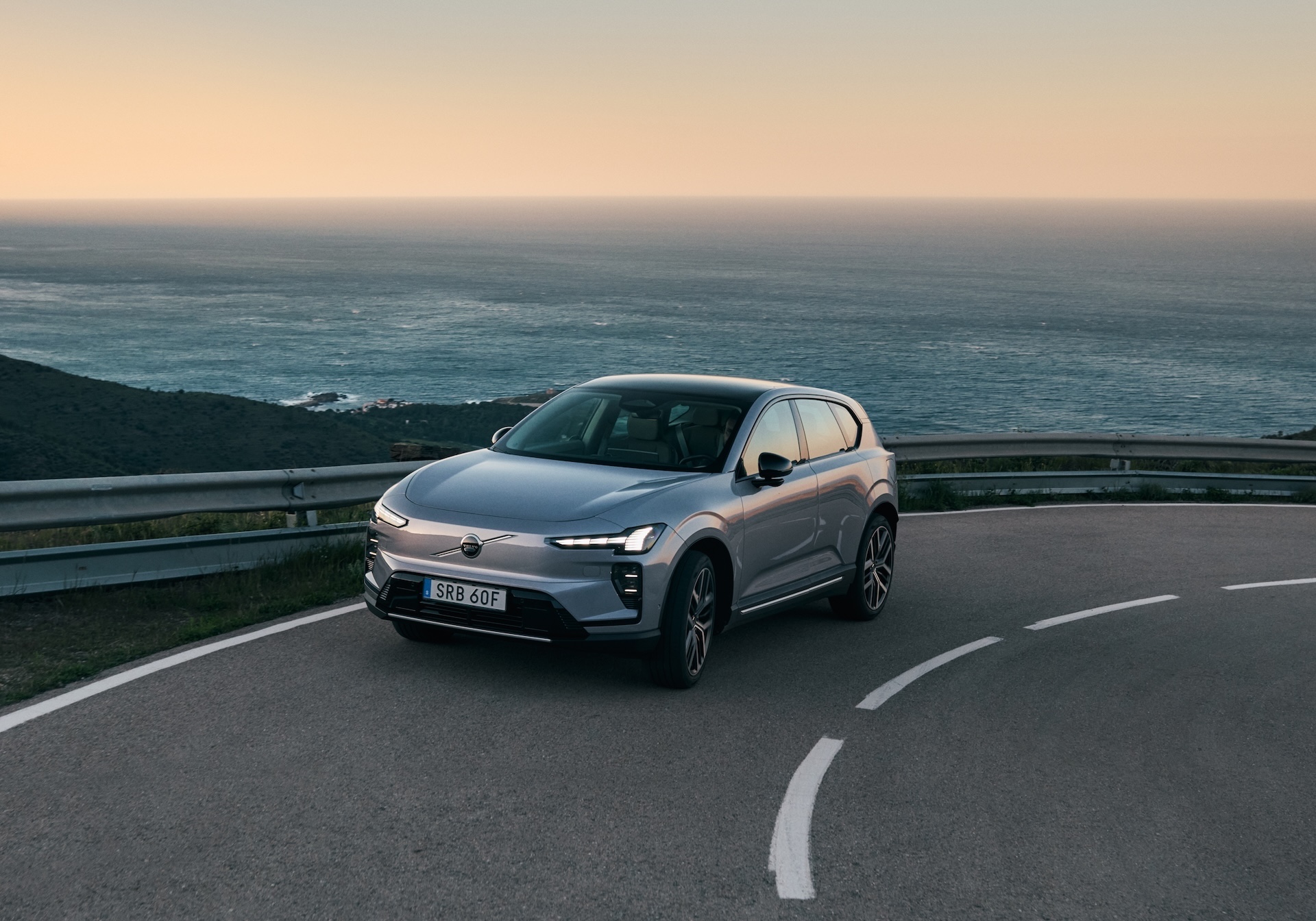
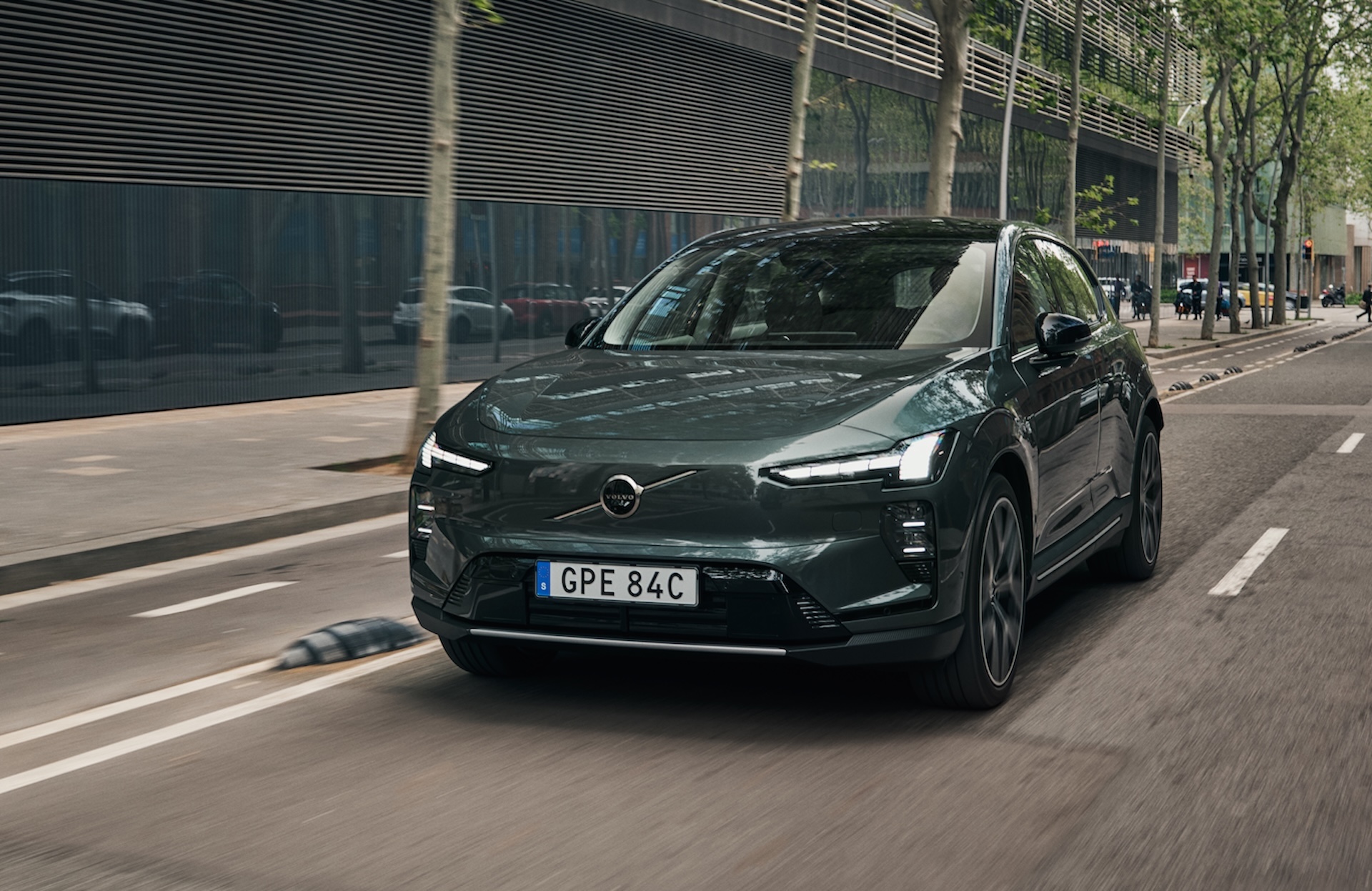
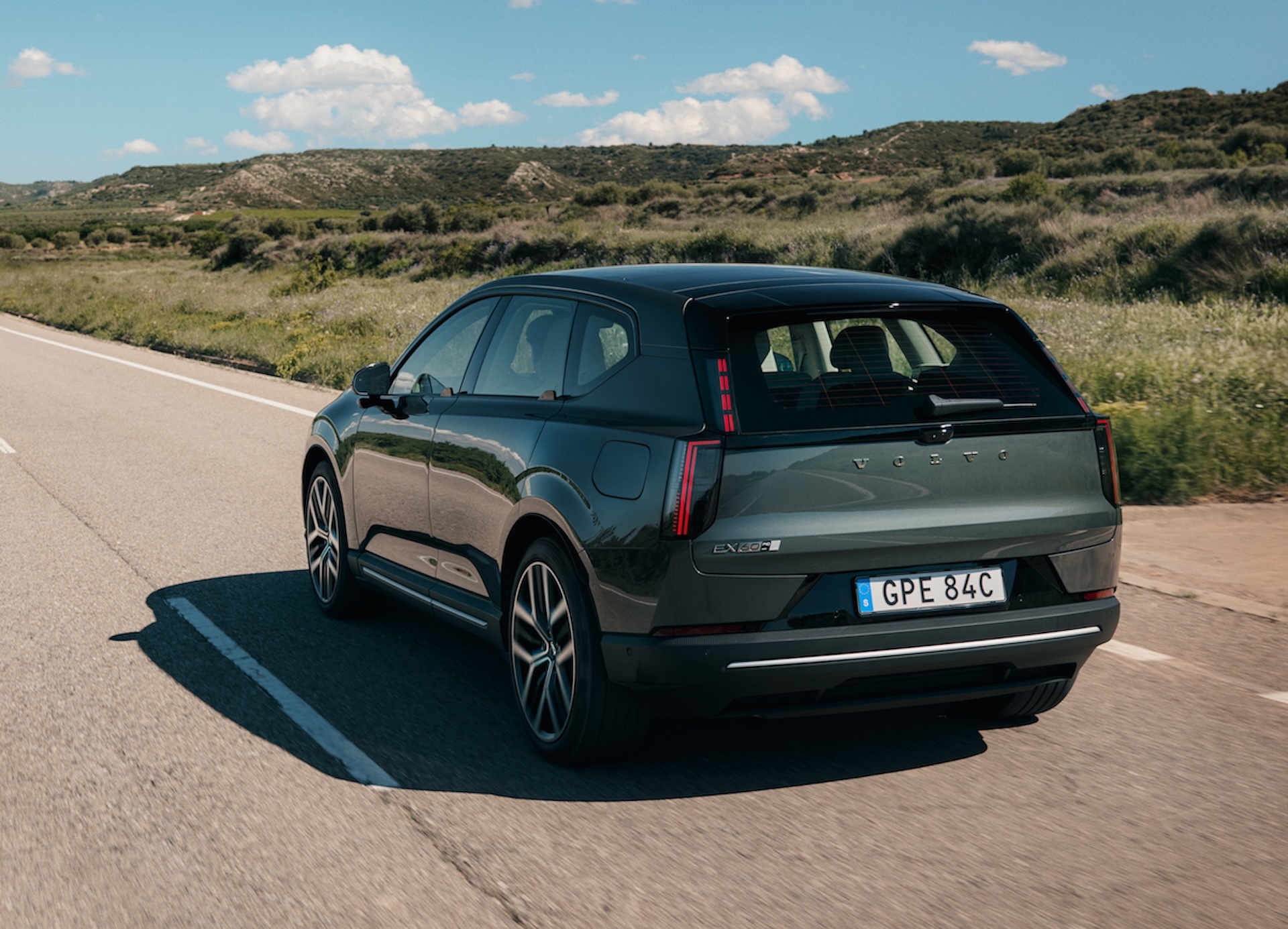
From Gaudí’s architecture to the sail-shaped W Hotel, Barcelona loves good design. Dress sharply if you want to get lots of looks, in other words. The EX60 does that. It doesn’t have the more formal, elegant roof pillars of the XC SUVs, and swaps them for the tapered roofline and banded rear pillar of other global EVs. Its blunt front end pins Volvo’s ironmark to a diagonal tie bar, the side view rises above some sculpted-in abs, and the upturned shoulder line leads into lightning-bolt LED taillights. Inside, the tablet-on-tabletop ethos dominates, with a ribbon of ash trim running behind a square-circle steering wheel. Buttons and switches largely give way to touchscreen-based functions, but a Lucite roller lozenge for volume rests under the screen. It’s hardly useful, but it serves as a subtle grace note on a subdued interior.
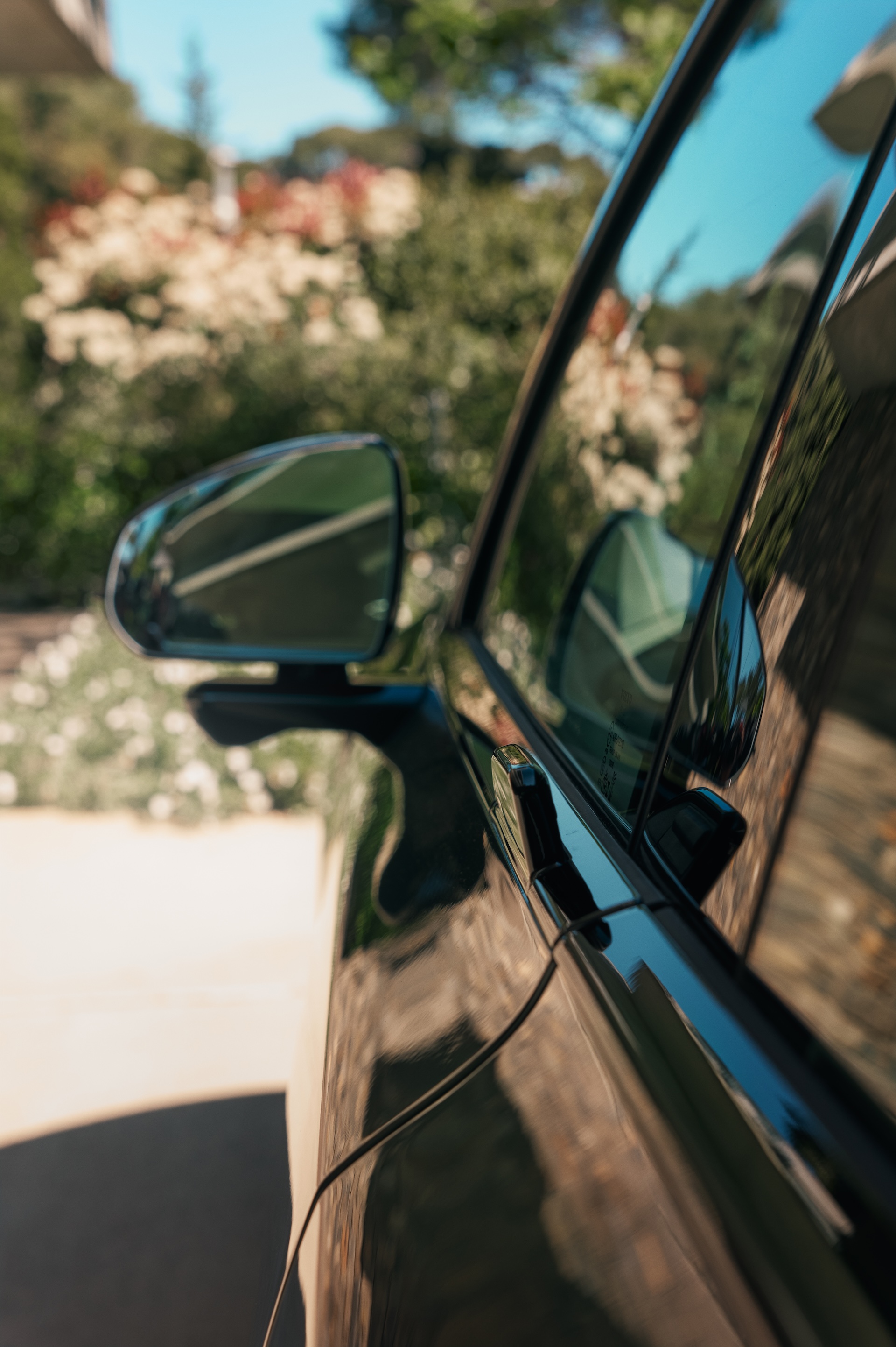
I shuttle to the hilly wine country outside of the city, a body-double for Napa, and grab an EX60 P6 first. Wait, where’s the door handle? Rather than break the slipstream with chunky pull-outs, Volvo fairs in slim flags into the window garnish. Squeeze on the inside of that, slip into the supportive front seats, and the EX60 glides off toward some slinky pavement.
The P6 serves as the entry-level model in the EX60 family. Fitted with a single 275-kW front motor and an 80 kWh (usable) battery, this EX60 puts out 369 hp and 354 lb-ft of torque. Volvo scores a 0-60 mph time of 5.7 seconds and promises a top speed of 112 mph.
As its first vehicle from a new SPA3 architecture, the EX60 has megacast body sections for a stronger and lighter structure, and a cell-to-body pack design so the battery weighs 20 percent less and charges 31 percent more quickly—from 10-80 percent in 16 minutes, in fact, at 320 kW in the single-motor model, through a standard NACS charging port. Volvo pegs a range of 307 miles in the most efficient P6 with 20-inch wheels; that falls to 295 miles with 22-inch wheels.
This P6 RWD Ultra wears silver paint and a bright-toned, wool-blend interior with dark ash trim and 22-inch wheels. It’s benign and friendly to drive, calm enough that tapping through its vehicle-setting screens doesn’t yield much meaningful change. The passive dampers on this version get very good tuning for an absorbent ride on polished Spanish roads. It’s helped by a curb weight ranging from 4,663 pounds here to 5,137 pounds on dual-motor models. Steering feels feather-light, but the small squircle steering wheel plays mind tricks and makes it feel more attuned and engaged. The P6 doesn’t offer a sport powertrain setting—and the regeneration in its one-pedal driving mode gets limited by design for smoother deceleration. Set it to creep like a gas engine, and it’s difficult to upset it in any way.
It’ll tow 3,600 pounds, too, while dual-motor EX60s can pull up to a rated 4,500 pounds. With 7.2 inches of ground clearance and 17.7 inches of fording depth, it can handle the path to most weekend airbnbs.
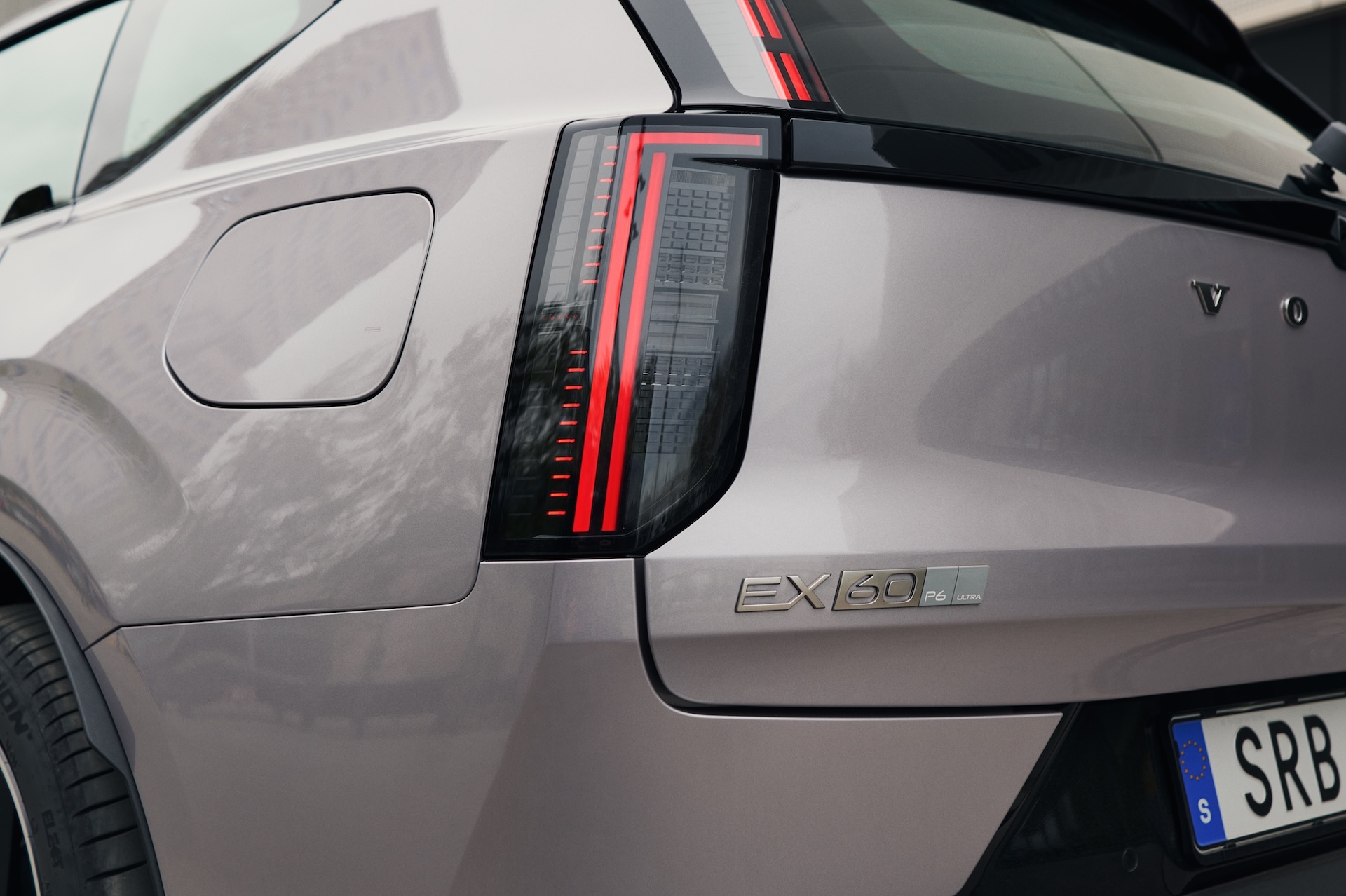
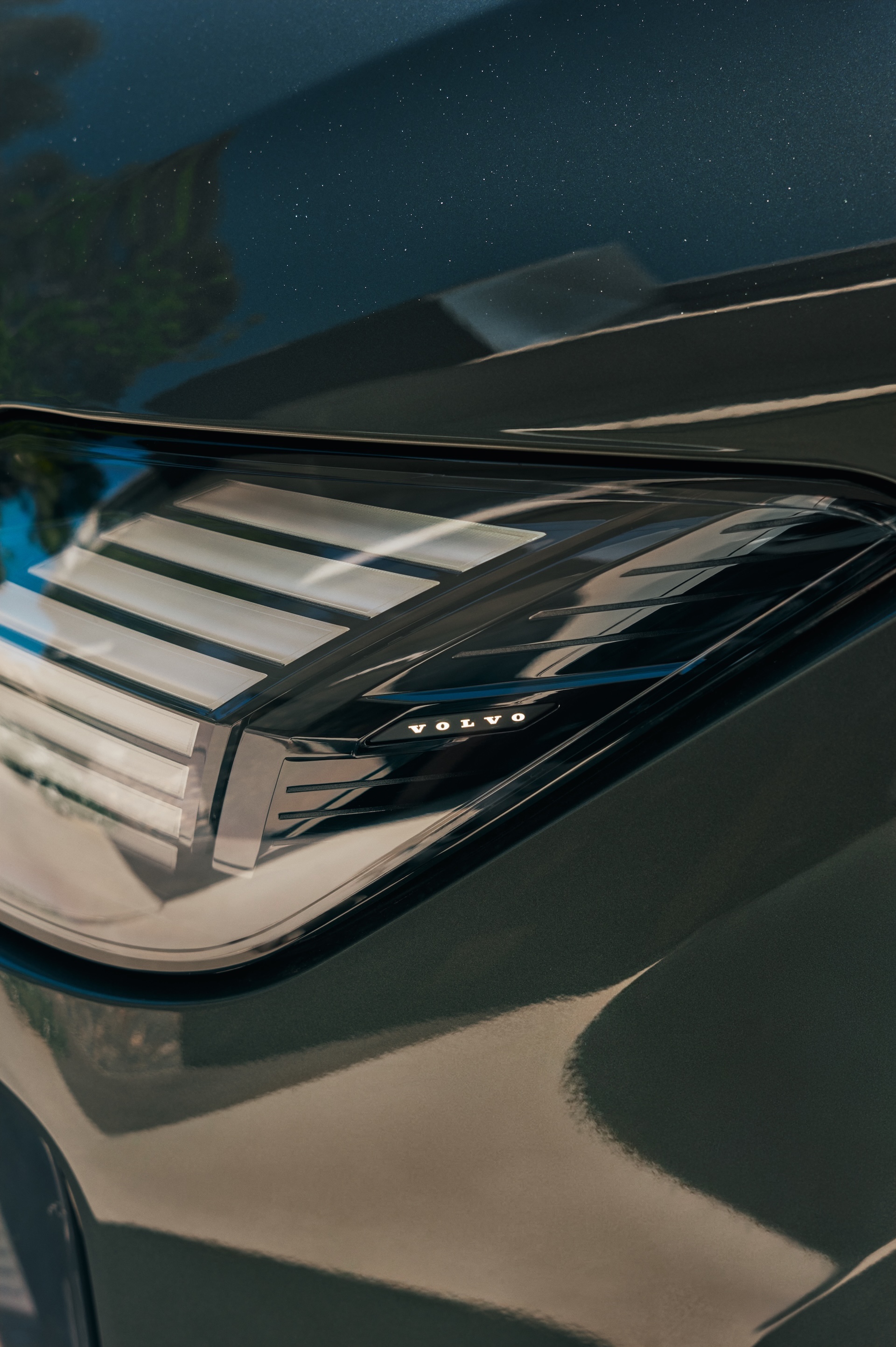
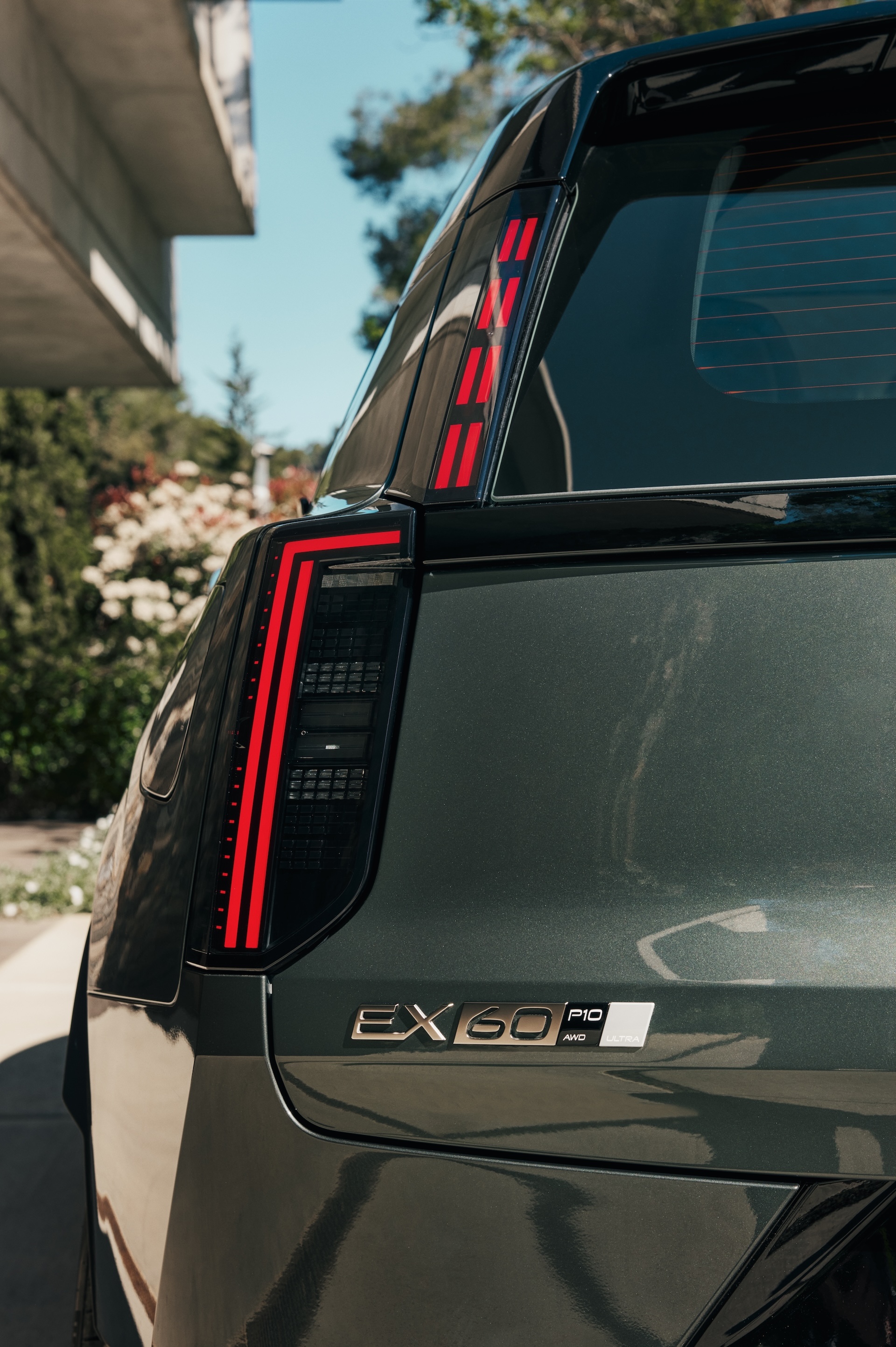
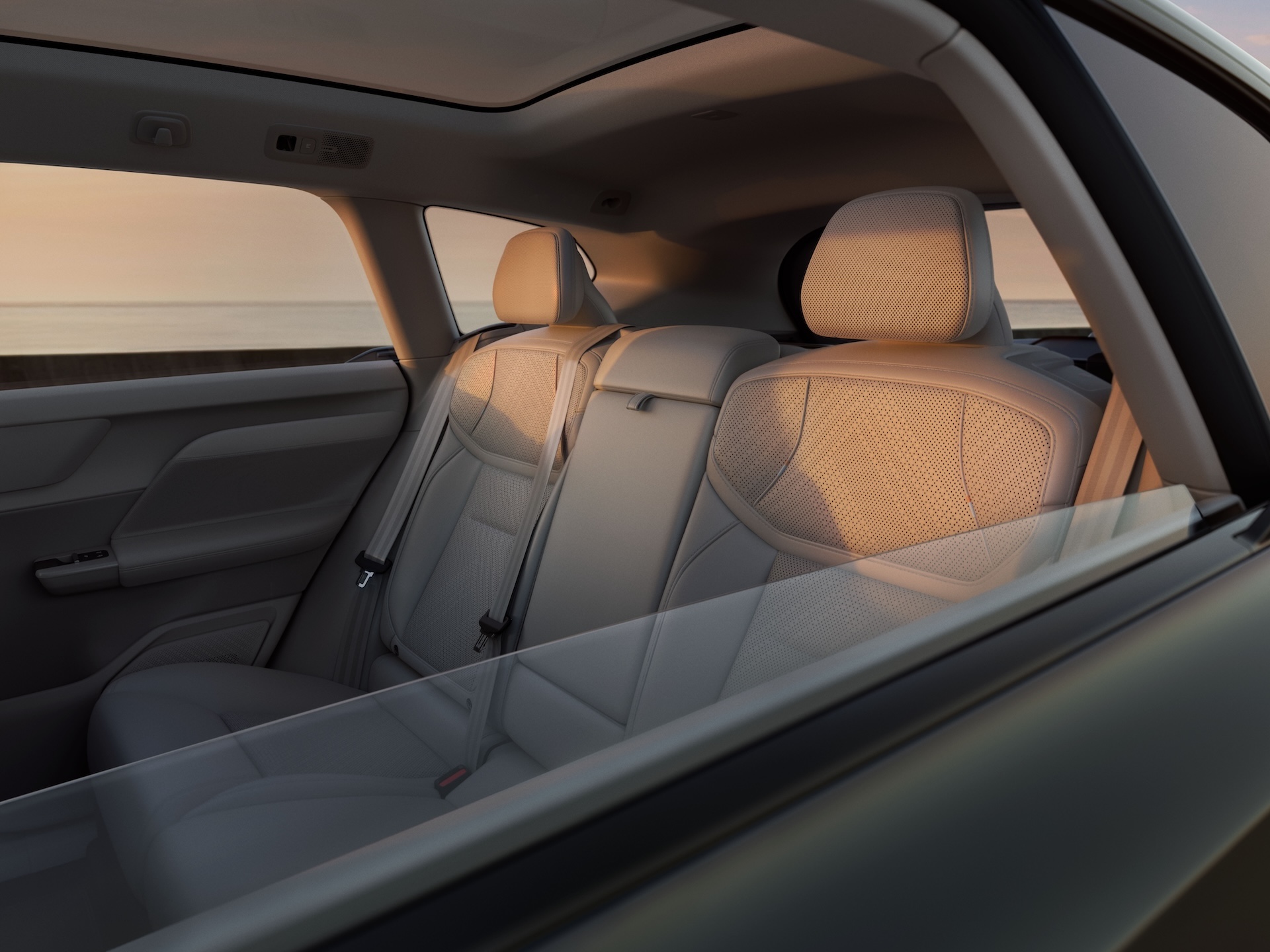
When it’s my turn to ride as a passenger, I find the EX60’s sweet spot: accommodations. At 189.1 inches long and with a 116.9-inch wheelbase, the EX60 sports a lovely interior finished in wood and soft paint—and, on Ultra editions, a superior optional wool seat covering. Front seat comfort is top-notch, but the interface for adjusting the driver’s steering and mirror positions remains annoyingly tucked away in the touchscreen. Upscale models can have electrochromic control on the massive glass roof, and ambient lighting glows at night with themes like Northern Lights and Forest Bath, something I like to take when I’ve finished a long night of howling.
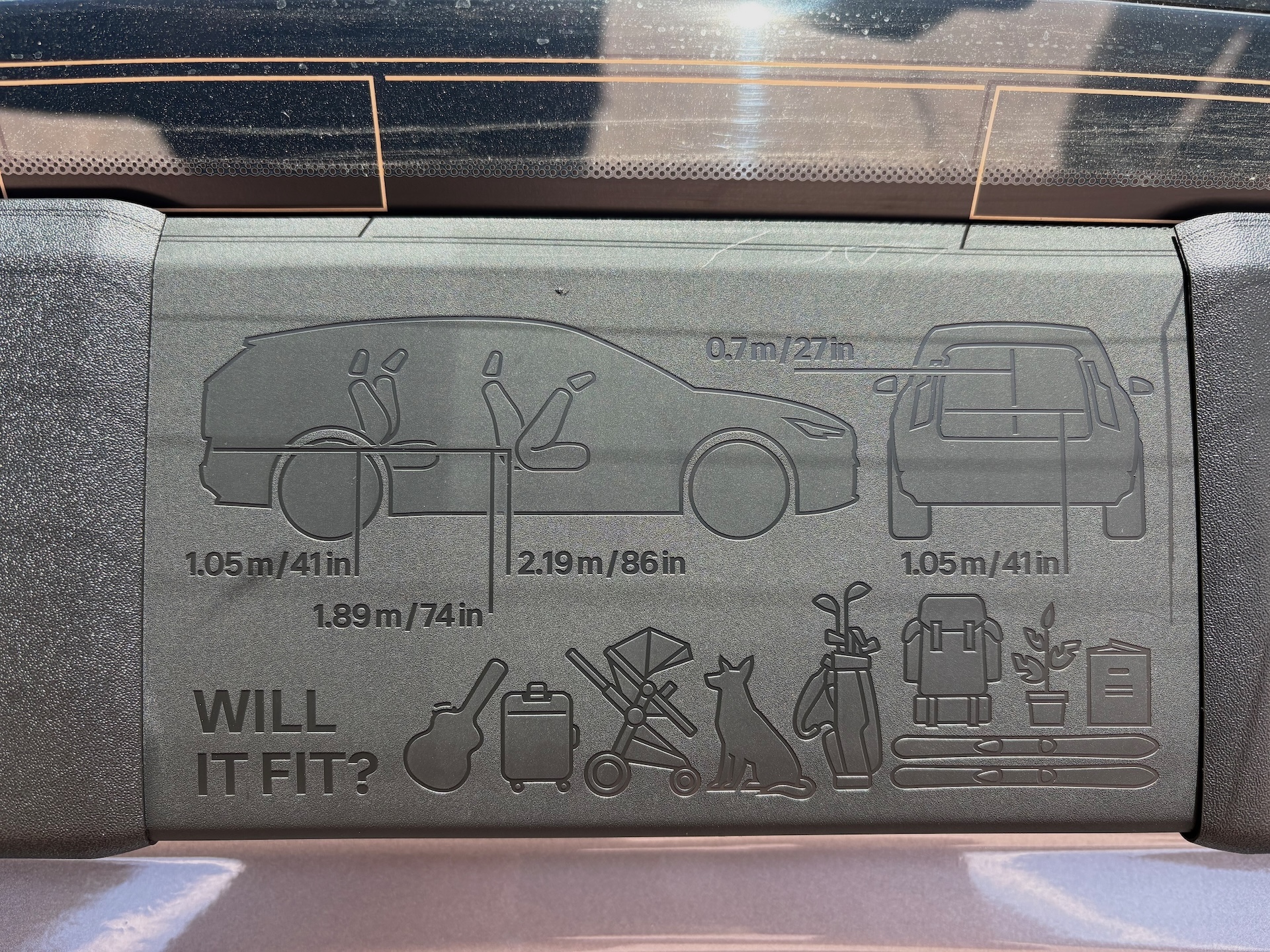
The back seat’s ample and form-fitting, with plenty of foot room. The rear seat even reclines with power assist. How do you go back to simpler times from there? A huge cargo hold has a split floor cover, with luggage storage on one side and, in the smaller left-side area, a removable trash can embossed with a crab. Swedish children like to catch crabs, apparently, then return them to the water. (Where I’m from, we douse them in Old Bay then wash the bucket.) The tailgate’s interior trim gets stamped with icons for what fits inside, just above the glass: a guitar, a dog, a stroller. In all, its cargo volume of 20.4 cubic feet rises to 58.2 cubic feet, joined by a 3.0 cubic-foot frunk in front.
For the afternoon trip back to central Barcelona, I drove the P10 AWD Ultra in Forest Lake paint, with synthetic leather and gray ash trim, featuring driver-selectable suspension firmness and 22-inch wheels. The battery pack shares the same charging rates and chemistry but has more cells, which grant the 91-kWh battery some 503 hp and 524 lb-ft of torque, good for a 0-60 mph time of 4.4 seconds. With a front 150-kW motor and a 225-kW rear motor, the P10’s range checks in at most at 322 miles with 20-inch wheels, or 312 miles with 22-inchers. If the base powertrain ushers itself down the road at a good hustle, this one snaps to attention and rushes from stop to turn.
The passive dampers from the P6 really deliver enough for the more prosaic needs of an EV driver, but the adjustable dampers on the P10 offer some variety. The continuous damping setup offers a choice among soft, normal, and sport, the latter best when paired with the powertrain’s sport mode. But the EX60, despite these states of tune, feels quick but not particularly sporting. It’s best when it dissolves the miles without a whimper. It whirs in the background while I push it through broad, curved roads, past the old SEAT factory, before the fun ends, with taillights glowing angry red in midafternoon traffic.
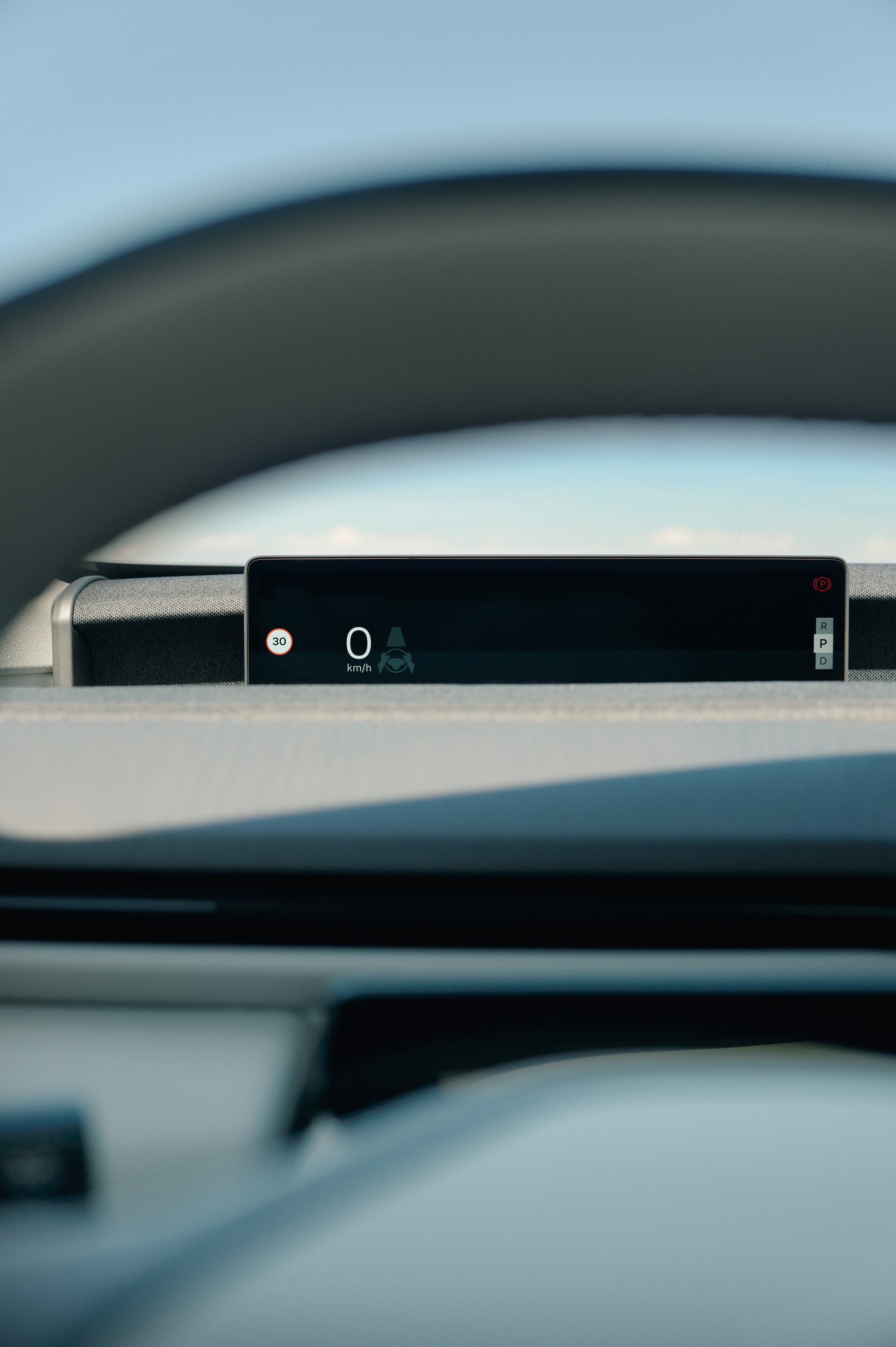
That’s the best time to fiddle with the EX60’s Google infotainment with Gemini AI and integrated Apple Music. On a 15-inch horizontal OLED touchscreen paired with an 11.4-inch display for the driver, the setup proved smooth and responsive to voice commands. Volvo promises lag-free operation, which we saw, with regular over-the-air updates, which we didn’t. Stock cars get active noise cancellation and 21-speaker Bose audio, but the P10 I pilot into town taps a Bowers & Wilkins audio system with 28 speakers, including a zeppelin-style tweeter at the base of the windshield, with Dolby Atmos. I’ve been waiting to hear a sound system that can hold its ground against Atmos-equipped audio. I’m still waiting. Safety gear includes surround-view cameras, blind-spot monitors, automatic emergency braking, and lane-keeping control.
Volvo says the 2027 EX60 arrives in P6 and P10 spec late this summer, in Plus and Ultra trim. A base Core trim comes later. For now, the EX60 P6 RWD Plus costs $59,795 (including $1,395 destination) and includes all the safety gear, wireless CarPlay, 21-speaker Bose audio, Pilot Assist with adaptive cruise control, heated power front seats, a power tailgate, power-reclining rear seats, and a glass panoramic roof. It’s $750 for a climate package with a heated steering wheel, heated rear seats, and wiper blades. Other options include ventilated seats, an integrated booster seat, an electrochromic roof, and 21-inch wheels. Buy one, and you can pick it up on a free trip to Sweden: Since it’s made in Volvo’s plant in Torslanda, it’s offered with overseas delivery, the first Volvo EV to get that upgrade.
Spec up to the $66,395 P6 RWD Ultra and you’ll get Nappa leather, 21-inch six-spoke wheels, a heated steering wheel, acoustic rear and rear side glass, the electrochromic roof, Bowers & Wilkins sound, front 4-way power lumbar, and heated rear seats. Options include 22-inch wheels and wool seats. Up the motor ante and the equipment levels remain the same, but the price of the P10 AWD Plus runs up to $62,145, and the P10 AWD Ultra, to $68,745.
There’s more to come. Late in 2026, the 670-hp P12 AWD joins in the fun. Fitted with a big 112-kWh (usable) battery and better chemistry, it runs 0-60 mph in 3.8 seconds, recharges from 10-80 percent in 19 minutes at a peak 370 kW, and offers 400 miles of range on 20-inch wheels (which dips to 375 miles on 22-inchers).
In the 2028 model year, the Cross Country lands. With its standard air suspension, it sits 20 mm higher, and can raise itself another 20 mm for obstacle avoidance or lower itself by that much to boost efficiency. It wears wheel cladding and a wider track, and dresses the part with a stainless steel D-pillar and Frost Green paint.
Why wait? The suave, slippery EX60 doesn’t need extreme power or ground clearance to satisfy. It’s a supple, subtle rival for the new electric SUVs from BMW and Benz, one that borders on sublime.
Volvo provided The Drive with travel and accommodations, along with the use of a vehicle for the purpose of writing this review.
2027 Volvo EX60 Specs
| P6 RWD Plus | P10 AWD Plus | |
| Base Price | $59,795 | $62,145 |
| Powertrain | single-motor electric | 80 kWh (net) | rear-wheel drive | dual-motor electric | 91 kWh (net) | all-wheel drive |
| Horsepower | 369 | 503 |
| Torque | 354 lb-ft | 524 lb-ft |
| Seating Capacity | 5 | — |
| Curb Weight | 3,776 pounds | 5,137 pounds |
| Cargo Volume | 20.4 cubic feet | 58.2 cubic feet with rear seats folded | 3 cubic feet frunk | — |
| Towing Capacity | 3,600 pounds | 4,500 pounds |
| Max Charging Speed | 320 kW | 370 kW |
| 0-60 MPH | 5.7 seconds | 4.4 seconds |
| Range | up to 307 miles (non-EPA) | Up to 322 miles (non-EPA) |
| Initial Score | 8/10 |

Quick Take
Volvo goes for smart and sublime with its midsize EV SUV, but doesn’t skip the fast charging.
Loading comments…
Comments couldn’t be loaded. Please refresh the page.