
In the past decade or so, automakers have turned to downsized turbocharged engines—often with direct injection and higher compression ratios—to boost efficiency. These fancier power plants tend to require fancier iridium spark plugs, the higher cost of which creates a big incentive for fakes.
Torque Test Channel took a $500 batch of iridium plugs from NGK, Champion, and Denso bought from Rock Auto, Amazon, and eBay, and found that about one third were fakes. That means unsuspecting buyers are likely to be wasting money (the NGK plugs retail for $70-$80 for a set of four) on parts that won’t last as long as they are supposed to, and could hurt performance and gas mileage.
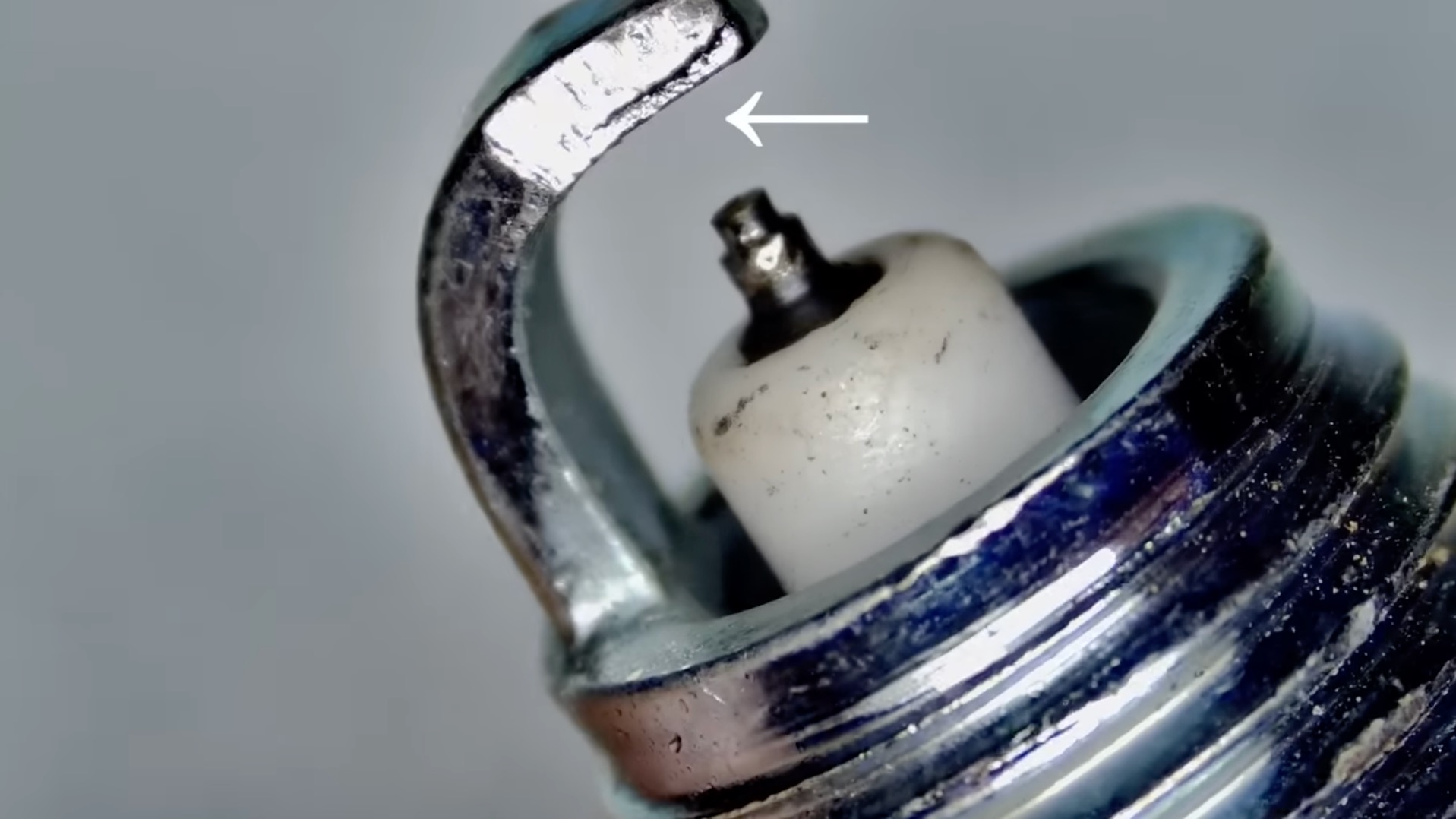
In some cases, the first indication of a knockoff spark plug was the packaging. Colors, typefaces, and text placement were off on some of the boxes, and the parts they contained also looked like they were made to lower-quality standards than the genuine articles. Partially stamped part numbers, as well as badly attached electrodes and straps on some plugs, contrasted with the neat appearance of others.
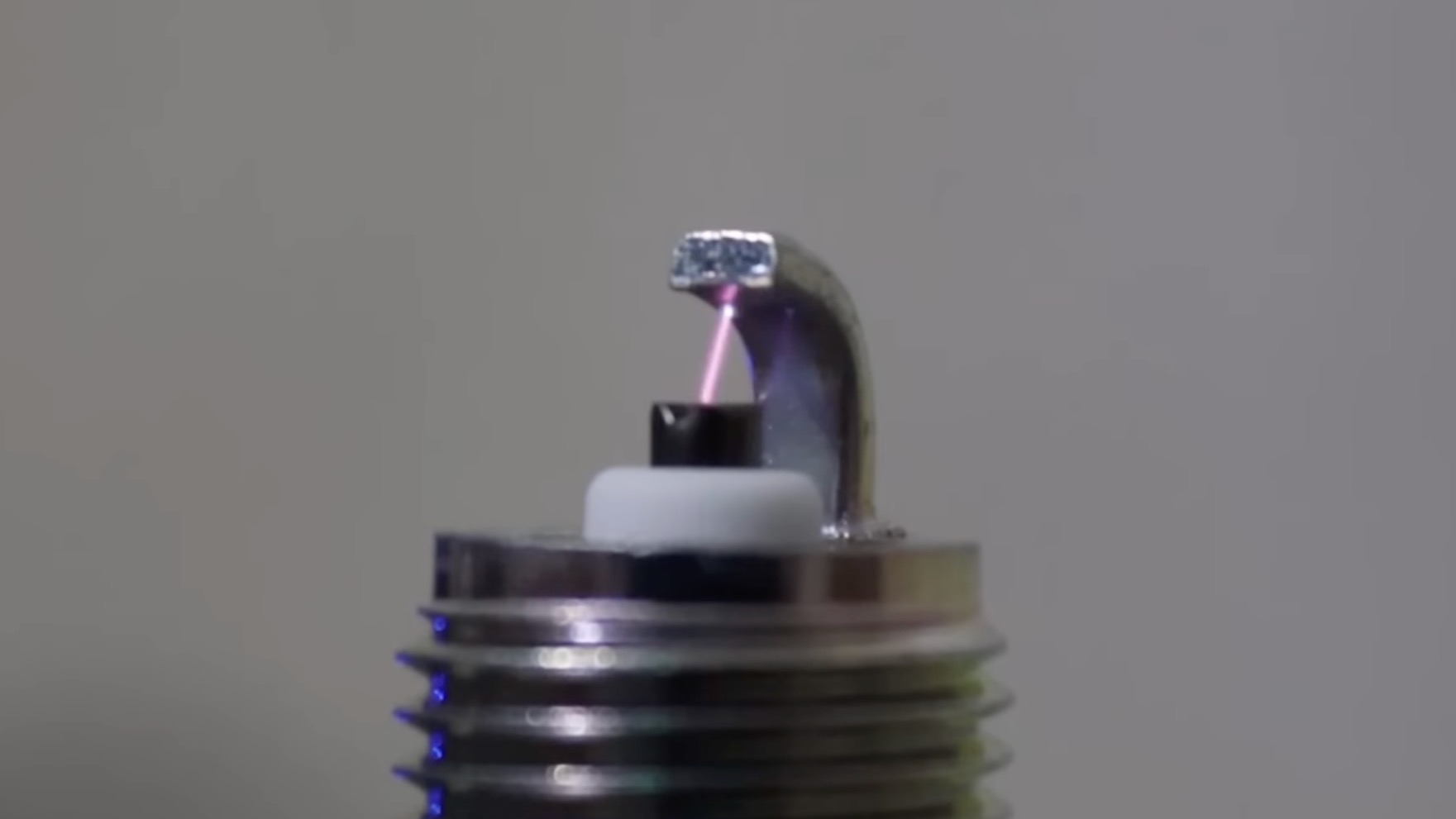
Testing also showed inconsistent spark that doesn’t jump cleanly across the gap, as well as a wide range of resistance measurements. A set of genuine plugs taken out of a car showed essentially the same resistance, but the same model of plugs from certain online sellers were all over the map. Checking the gap is less helpful, as this can be out of spec from the factory.

We Tested $500 in Spark Plugs, 33% were Counterfeit
Check out the video for the full breakdown, but if you’re short on time, the summary is that only the Rock Auto plugs appeared to be genuine across the board. Plugs bought from Sixity Auto Parts on Amazon and eBay also appeared to be the real deal, but others purchased through Amazon and eBay were fakes. This wouldn’t be the first time that fake parts, or even blatant copies, surfaced on one of the online sales platforms—a reminder to be careful about what you’re buying.
You don’t want spark plugs that performed as poorly as these fakes did in your engine. Inconsistent spark means fuel and air aren’t being ignited the way they’re supposed to, potentially causing a drop in power and gas mileage. As pointed out in the video, modern engine monitoring systems can pick up on these sparking issues—in the best case, altering parameters at the cost of performance, in the worst case, getting confused by bad data and giving the engine the wrong instructions.
Got a tip? Send it in: tips@thedrive.com
Loading comments…
Comments couldn’t be loaded. Please refresh the page.